Can a Battery Charger Fix a Dead Battery? What to Know
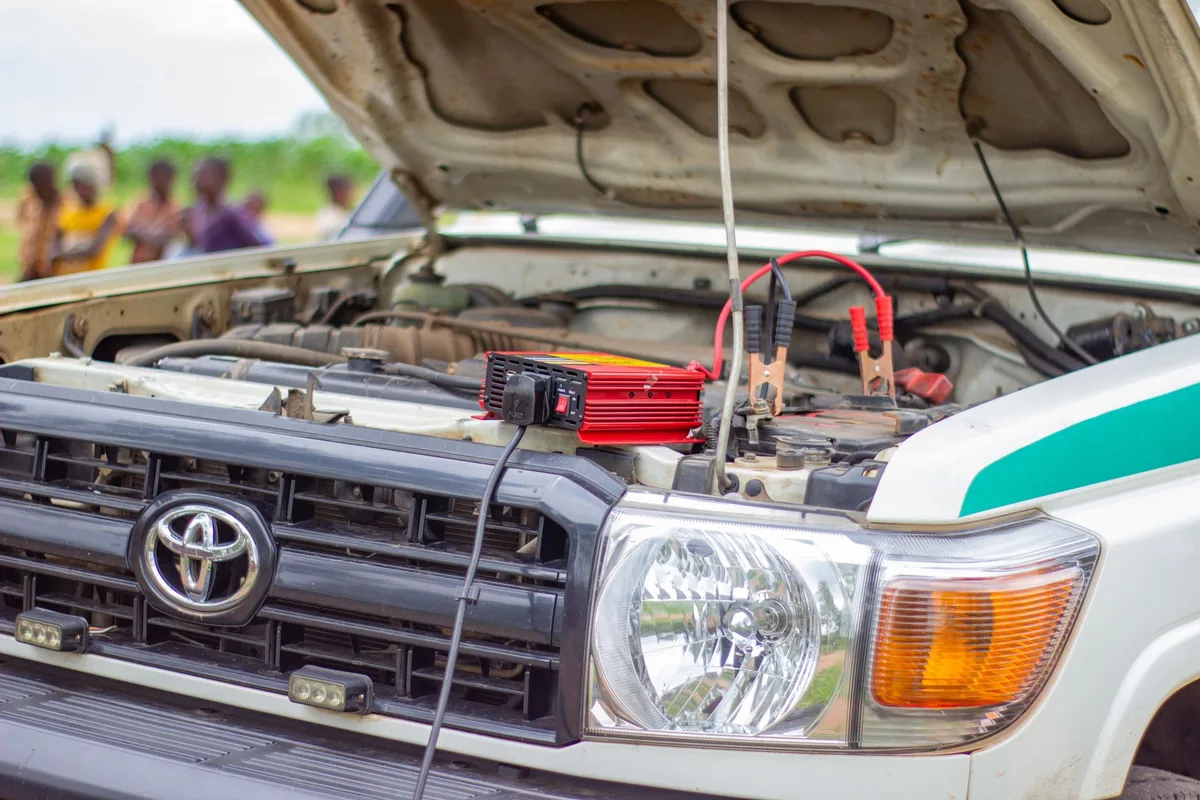
Stuck with a car that won't crank, staring at a charger, and wondering if a battery charger can fix a dead battery? Often, yes. A battery that's simply drained will usually bounce right back.
But if the battery has failed inside, no charger on earth will save it.
The trick is knowing which situation you've got. A healthy 12-volt battery rests between 12.6 and 12.8 volts when full, per Battery Council International figures. Slip below 10.5 volts, though, and you may be looking at a dead cell.
Sorting one from the other is the whole game, and it starts with what "dead" actually means.
Quick Answer: Can a Battery Charger Fix a Dead Battery?
A battery charger can fix a dead battery if it's only discharged. It recharges a battery that lost power but is still healthy inside. It cannot repair a shorted cell or physical damage.
Light sulfation sometimes clears with a smart charger's recovery mode. If the battery reads below 10.5 volts or won't hold a charge, replace it.
What "Dead" Really Means (Flat vs. Truly Failed)
"Dead" gets thrown around for two very different problems. Getting them mixed up is why people waste hours charging a battery that was never coming back.
A flat battery is discharged. The chemistry inside is fine. Something drained it, so it just needs energy put back.
Leave your headlights on overnight and this is usually what you get.
A failed battery is broken inside. A cell has shorted, the plates have shed material, or sulfation has hardened past the point of return. You can pour current in all day and it still won't crank the engine.
Here's the simple rule:
- If it went flat from a known cause (lights left on, a door ajar, weeks of sitting), it's probably recoverable.
- If it died for no reason, or keeps dying, something deeper is wrong.
That second case often points at the battery itself or a hidden drain. A battery that keeps going flat after a full charge shows classic signs of a failing battery, and sometimes the culprit isn't the battery at all but something draining it while parked.
First, Check the Voltage: Your 60-Second Diagnosis
Before you connect anything, grab a multimeter. Voltage tells you almost everything you need to know in under a minute.
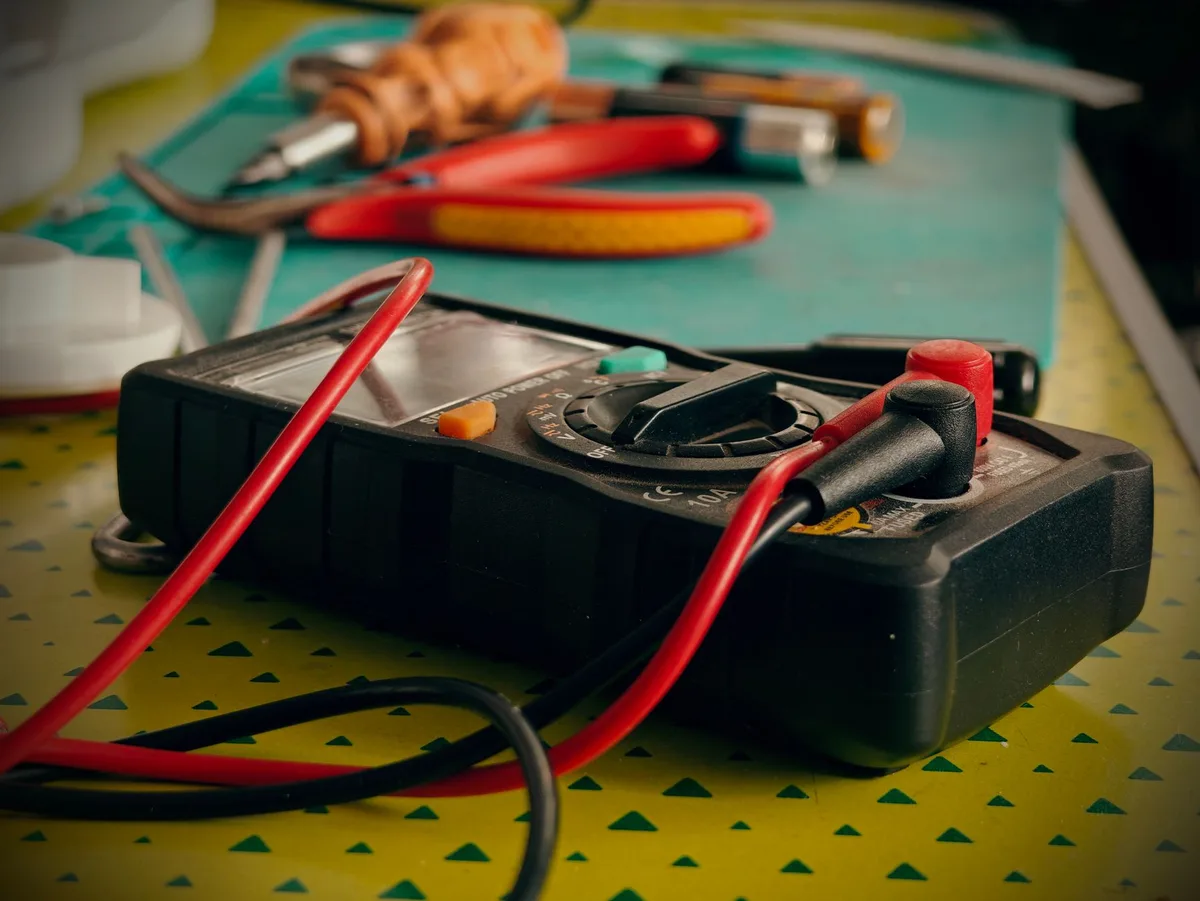
Reading Resting Voltage With a Multimeter
Set your meter to DC volts, in the 20-volt range. Touch red to the positive post and black to the negative. That's it.
You won't hurt anything, and you certainly won't fry the meter doing it.
For a true reading, the battery needs to rest. If the car ran recently, a "surface charge" makes the number look better than it is. Either wait a few hours or bleed off that surface charge first.
As a rule of thumb, letting the car sit before you test gives the most honest number.
What Each Voltage Number Tells You
| Resting voltage | Charge level | What it means |
|---|---|---|
| 12.6 to 12.8V | 100% | Healthy and full |
| 12.4V | ~75% | Slightly down, fine |
| 12.2V | ~50% | Needs a charge |
| 12.0V | ~25% | Deeply discharged |
| Below 11.8V | Near empty | Charge now, damage risk |
| Below 10.5V | Likely dead cell | Often unrecoverable |
A 12-volt battery is really six cells, each about 2.1 volts. Lose one cell to a short and the whole battery caps out near 10.5 volts, no matter how long you charge. That single number is your first hard clue.
The Decision Tree: Can Your Battery Be Saved?
Now match your reading to a path. Each one tells you whether to charge, try recovery, or give up.
Path 1 — Simply Discharged (Recoverable)
If your battery reads 11.8V or higher and died from a clear cause, you're in luck. Put it on a charger overnight, then retest. If it climbs back to 12.6V and holds, you're done.
Then confirm the fix. After charging, test it properly once it's rested rather than trusting the charger's green light.
Path 2 — Sulfated (Sometimes Recoverable)
If the battery is older, sat unused for months, and reads low but not shorted, sulfation is likely. That's a lead-sulfate crust choking the plates.
A smart charger with a desulfation or recovery mode can sometimes break it down. Results vary. Light sulfation often clears.
Heavy, hardened sulfation usually doesn't, so treat this as a maybe, not a guarantee.
Path 3 — Dead Cell or Internal Short (Not Recoverable)
If the battery sits stubbornly around 10.5V, or the charger fills it and it drops right back, a cell has failed. No charger fixes this. Sometimes voltage even looks fine but the engine still won't crank, which points to a weak cell that collapses under load.
Replace it.
Path 4 — Below 10.5V or Deeply Discharged (Depends)
Very low batteries are a coin toss. Some chargers won't even detect a battery under a volt or two and refuse to start. A charger with a low-voltage recovery feature can occasionally wake one up.
If you do revive it, watch it closely. A battery pushed this deep may hold a charge for a day, then fail. And if a supposedly good battery keeps landing here, suspect a drain or a charging fault, since a battery can die overnight even with a healthy alternator.
How a Charger Brings a Battery Back to Life
A charger does one basic job. It pushes current backward through the battery to reverse the chemical reaction that discharging caused. On a lead-acid battery, that turns lead sulfate back into active material on the plates.
Modern smart chargers do this in stages instead of one blunt push. As of 2026, most decent units follow a three-step curve:
- Bulk: heavy current does the bulk of the refill, fast.
- Absorption: current tapers as the battery nears full, topping it off gently.
- Float: a trickle holds it at full without overcharging.
That staged approach matters. Old-school "dumb" chargers just blast current until you unplug them, which can boil off electrolyte and cook a battery. The U.S.
Department of Energy backs multi-stage charging as the gentler, longer-lasting method for lead-acid packs, and you can read more about battery basics through the federal energy research portal.
One thing a charger cannot do is fix mechanical damage. If the case is cracked, the plates have shed, or a cell is shorted, current just turns to heat. That's when charging stops being a fix and starts being a hazard.
Smart Charger vs. Trickle Charger vs. Maintainer vs. Desulfator
These four names get used interchangeably, and that causes bad buying decisions. Each does a different job. Pick the wrong one and you either can't revive your battery or you slowly cook it.
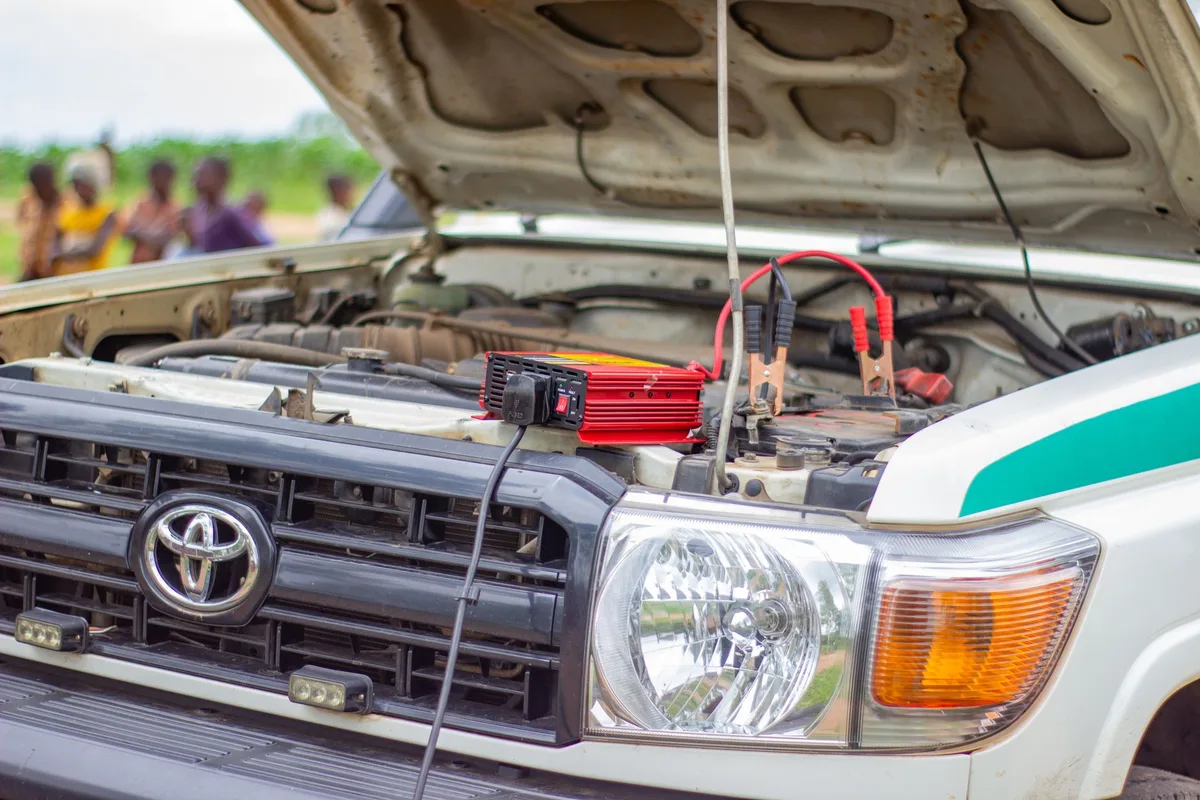
Here's how they stack up:
| Type | What it does | Best for |
|---|---|---|
| Smart charger | Multi-stage, auto-adjusting charge | Reviving a flat battery safely |
| Trickle charger | Slow, constant low current | Topping up, but can overcharge |
| Maintainer (float) | Holds a full battery at rest | Storage, seasonal vehicles |
| Desulfator | Pulses to break down sulfation | Older, lightly sulfated batteries |
A smart charger is the all-rounder. It reads the battery, adjusts current, and shuts off at full. For most people asking whether a charger can save their battery, this is the tool.
A trickle charger is dumber and cheaper. It keeps pushing a small current whether the battery needs it or not. Leave one on too long and it'll boil off electrolyte.
A maintainer is for a battery that's already healthy. Think a motorcycle in winter or a boat in the off-season. It won't revive a dead one, but it stops a good one from going flat.
A desulfator (often built into better smart chargers) sends high-frequency pulses to chip away at sulfate crystals. It only helps with light sulfation. Don't expect miracles on a battery that's sat dead for a year.
Step-by-Step: Charging and Reviving a Dead Battery Safely
Once you've picked the right charger, the process is straightforward. Follow it in order.
- Park in a ventilated spot. Charging releases hydrogen gas, which is flammable.
- Switch off the charger before connecting anything. Never connect a live charger.
- Clean the terminals. Corrosion blocks current, so wire-brush any white or blue crust.
- Connect positive (red) to the positive post first. Then connect negative (black).
- Set the correct mode. Match it to your battery type: standard, AGM, or lithium.
- Choose a low amp rate. A 2-amp to 10-amp charge is gentler and safer than a fast boost.
- Let it run. A deeply flat battery may need 8 to 24 hours.
- Disconnect negative first, then positive, once it's full.
- Rest and retest. Wait a couple of hours, then check resting voltage.
If it climbs to 12.6V and holds overnight, you've got your answer. If the number sags fast, move to the next section.
One more check before you blame the battery. If it charged fine but drains again by morning, the battery may be innocent. A hidden current draw you can trace with a meter is a common overnight killer.
Signs Your Battery Is Beyond Saving
Some batteries send clear signals that charging is a waste of time. Learn these and you'll save hours.
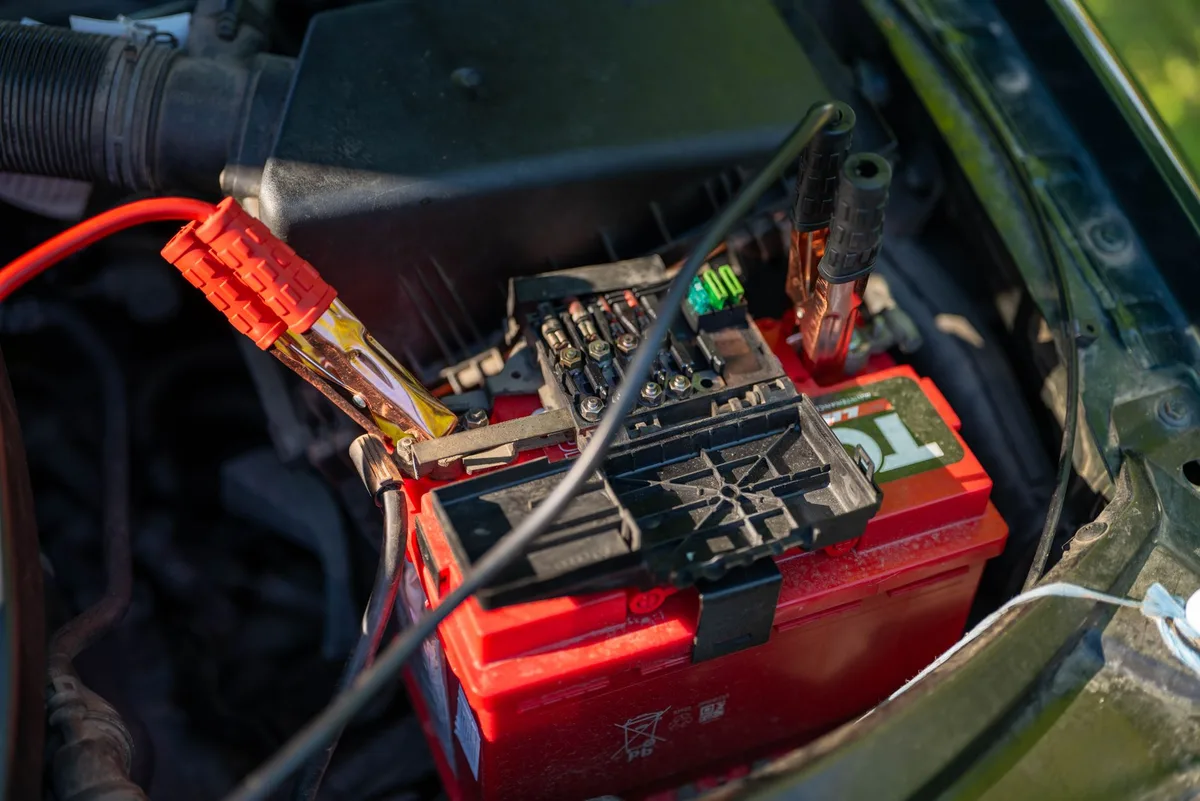
Walk away and buy new if you see any of these:
- Voltage stuck near 10.5V no matter how long you charge. That's a shorted cell.
- The battery gets hot or hisses during charging. Internal damage.
- It charges to full, then drops to nothing within a day.
- A swollen or bulging case. That's heat damage, and it's dangerous.
- A rotten-egg smell. That means the battery is off-gassing sulfur.
A bulging case is a hard stop, not a maybe. Here's why a swollen battery is a red flag worth taking seriously. Same goes for that sulfur odor, which often signals an overcharged or failing battery.
Age matters too. Most car batteries last 3 to 5 years. If yours is past that and acting up, charging is just delaying the inevitable.
A battery that reads decent voltage but still refuses to hold a charge has usually reached the end.
Charging Mistakes That Kill Batteries Faster
Plenty of batteries get ruined by the charging itself. Avoid these common errors.
Charging at too high an amp rate is the big one. Fast boost modes generate heat, and heat warps plates. Slow and steady wins.
Leaving a dumb trickle charger on for days is another. Without an auto shutoff, it overcharges and boils the electrolyte dry. Use a maintainer for long-term storage instead.
Skipping the terminal cleaning trips people up too. Corroded posts add resistance. The charger reads the battery as fuller than it is, then quits early.
A few more to steer clear of:
- Charging a frozen battery. It can crack or explode. Let it thaw first.
- Using the wrong mode. AGM and lithium need specific profiles, not the standard setting.
- Trusting the green light alone. Always confirm with a resting-voltage test.
- Ignoring the root cause. If the alternator isn't keeping up, you'll be charging again next week.
Safety Rules Before You Connect the Clamps
Charging a lead-acid battery is safe when you respect it, and risky when you don't. These aren't optional.
Ventilation comes first. A charging battery vents hydrogen, and hydrogen plus a spark equals an explosion. Charge outdoors or in an open garage, never a sealed closet.
Kill the ignition sources. No smoking, no open flames, no flipping switches near the battery while clamps are live. Connect the negative clamp to a clean ground point away from the battery when you can.
Protect yourself. Sulfuric acid burns skin and eyes, so wear gloves and safety glasses. If a battery is leaking, don't charge it.
Handle a battery that's weeping acid with care and recycle it instead.
Lithium batteries play by stricter rules. They need a dedicated lithium charger, never a lead-acid one. The wrong charger can push a lithium pack into thermal runaway, which is a fire you can't easily put out.
When in doubt, match the charger to the chemistry printed on the label.
Charge It or Replace It? The Cost Breakdown
The math is usually simple. A charger costs money once. A new battery costs money every few years.
But the decision hinges on whether charging actually fixes the problem.
| Option | Typical cost (as of 2026) | When it makes sense |
|---|---|---|
| Trickle charger | $20 to $40 | Occasional top-ups |
| Smart charger with desulfation | $60 to $150 | Reviving and maintaining |
| New standard battery | $100 to $200 | Failed cell or old battery |
| New AGM battery | $200 to $300 | Failed AGM or premium setup |
If your battery is under three years old and only went flat once, a charger pays for itself fast. If it's failing internally, buying a charger to "save" it just wastes both. Match the fix to the fault.
Battery Chemistry Matters: Lead-Acid, AGM, Gel, and Lithium
Not every battery responds to charging the same way, so chemistry changes your odds. Using the wrong charge profile can wreck a perfectly good battery.
Flooded lead-acid batteries are the most forgiving. They tolerate slow charging well and often recover from a deep discharge. They're also the ones most prone to sulfation when left sitting.
AGM batteries need a charger with an AGM mode. Charge them like a standard flooded battery and the higher voltage can dry them out. Gel batteries are fussier still and demand tight voltage control.
Lithium and LiFePO4 batteries are a different animal. They hold voltage flat, then drop off a cliff. They must have a lithium-specific charger.
A lead-acid charger can overvolt them and trigger a fire, so never improvise here.
Keeping a Recovered Battery Healthy (Maintenance Charging)
A revived battery needs care, or it'll land right back on the charger. The goal is to keep it topped up and stop sulfation from creeping in.
Drive the car regularly. Short trips don't fully recharge a battery, so an occasional longer run helps. If the vehicle sits for weeks, hook up a maintainer to hold it at full.
Keep the terminals clean and tight. Corrosion and loose connections slowly starve the battery. In cold regions, this matters more, since freezing weather saps cranking power and strains an already tired battery.
Frequently Asked Questions
How long does it take to charge a completely dead battery?
A deeply discharged 12-volt battery usually needs 8 to 24 hours on a low amp setting. A 2-amp charger is slow but gentle. A 10-amp charger is faster but runs warmer.
Rushing it with a high-amp boost risks heat damage, so plan on an overnight charge for best results.
Can a battery charger revive a battery that reads 0 volts?
Rarely. A battery at 0 volts usually has a shorted cell or is completely sulfated. Most chargers won't even detect it.
A charger with a low-voltage recovery mode may wake it briefly, but it seldom holds a charge. Replacement is the safer bet.
Will a charger fix a battery that keeps dying overnight?
No, if the battery itself is failing or something is draining it. Charging only refills lost energy. It won't stop a parasitic draw or repair a bad cell.
Trace the drain first, then decide whether the battery is worth keeping.
Is it safe to leave a smart charger connected long-term?
Yes, a true smart charger or maintainer is designed for it. Once full, it switches to float mode and holds the battery without overcharging. A basic trickle charger is not safe long-term, since it keeps pushing current and can boil the electrolyte.
Does jump-starting fix a dead battery like charging does?
No. A jump start only borrows enough power to start the engine once. It doesn't recharge the battery.
If yours is flat, follow safe jumper-cable steps to get going, then put it on a proper charger or drive long enough to top it up.
The Bottom Line: When a Charger Works and When to Buy New
A charger fixes a battery that's simply drained, and it works every time on a healthy one. Light sulfation is a maybe with the right recovery mode. A shorted cell, a swollen case, or an old battery past five years is a replacement, full stop.
Test the voltage, match it to the right path, and let the numbers decide. That single reading tells you whether you're looking at a quick overnight fix or money better spent on a new battery.

Similar Posts