Swollen Car Battery: Causes, Dangers & What to Do
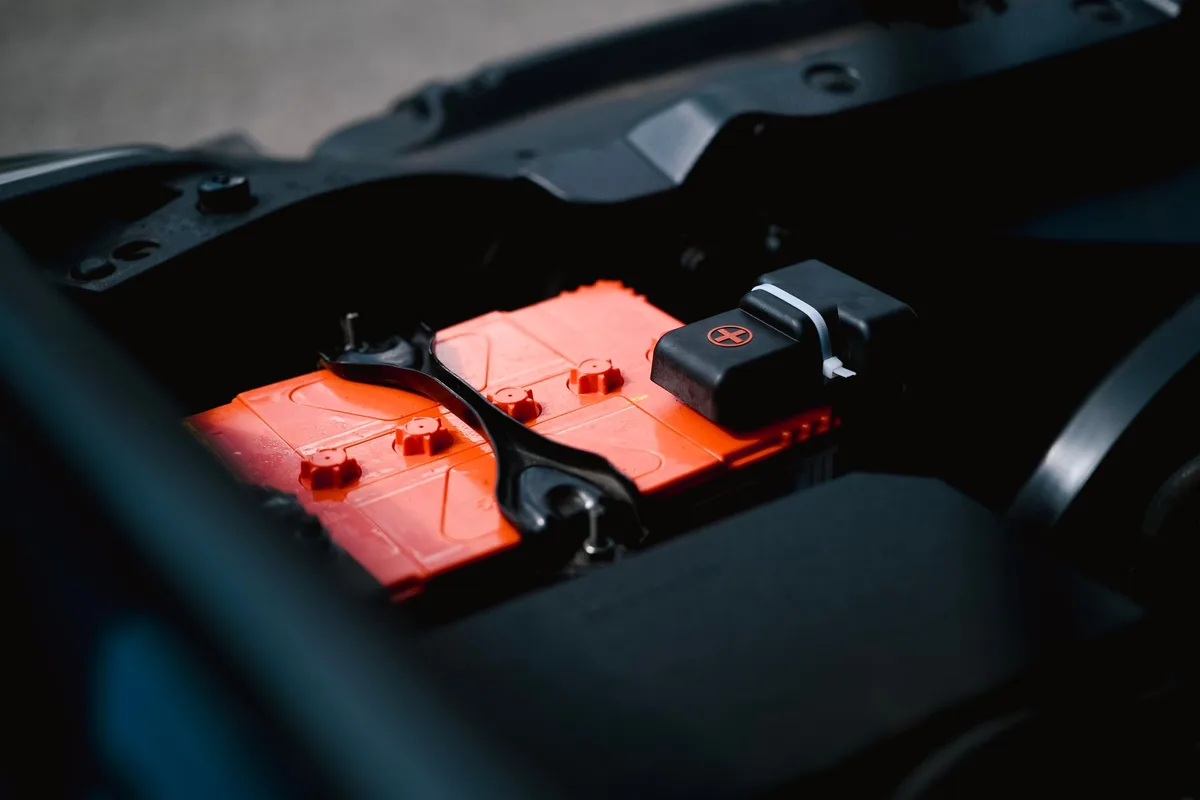
Finding your car battery swollen on the sides is a real warning sign, not a cosmetic quirk. That bulge means gas built up inside faster than the case could vent it. In plain terms, the battery is failing and it needs to come out.
Don't try to jump it, charge it, or squeeze one more trip out of it.
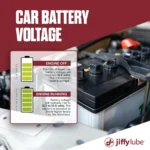
A healthy 12-volt lead-acid battery holds a flat, boxy shape and rests near 12.6 volts when the engine is off. When the sides puff out, the internal chemistry has already gone wrong, usually from overcharging or heat. Most car batteries only last 3 to 5 years, and a swollen one has hit the end of its life early.
Here's what that bulge is telling you, and how to handle it safely.
Quick Answer
A car battery swollen on the sides is dangerous and should be replaced. The bulge comes from gas building up inside, most often from overcharging or extreme heat. You cannot repair or safely reuse a swollen battery.
Do not charge it or jump-start it. Remove it carefully and recycle it at a proper drop-off.
Swollen Car Battery: What That Bulge Actually Means
A swollen battery case is the outside sign of a chemical problem inside. Lead-acid batteries make hydrogen and oxygen gas during normal charging. Small vents let that gas escape safely.
When gas forms faster than it can vent, pressure builds. The plastic case gives way and bows outward on the flat sides. That's the bulge you're looking at.
The case is polypropylene, and it softens under heat. So a battery that's both hot and gassing hard will deform even more. Once the walls swell, the internal plates and separators are usually damaged too.
Here's the part that matters most. A swollen case is permanent. You can't press it back or vent it to fix the damage inside.
As of 2026, no reputable battery maker sells a repair kit for a bulged case, because there isn't one.
Is a Swollen Car Battery Dangerous? The Short Answer First
Yes, a swollen car battery is genuinely dangerous, and it deserves respect. Two hazards stand out.
- Hydrogen gas. Batteries vent hydrogen, which ignites easily. Hydrogen becomes explosive at around 4% concentration in air. One spark near a gassing battery can be enough.
- Sulfuric acid. The electrolyte inside is corrosive. A ruptured or leaking case can burn skin and eyes on contact.
A swollen battery is under pressure, so it's closer to leaking or cracking than a normal one. That's why the safe move is to stop using it right away. The workplace battery-handling guidance from OSHA points to ventilation, no open flames, and eye protection around lead-acid batteries.
Keep sparks, cigarettes, and flames well away from it. Don't connect a charger. Don't clamp jumper cables on.
Each of those can create the spark you don't want near escaping gas.
What Makes a Car Battery Swell on the Sides
Overcharging is the number one cause of a swollen battery. When the charging voltage stays too high, the battery gasses hard and heats up, and the case bulges. Heat and old age make everything worse.

Overcharging From a Bad Alternator or Voltage Regulator
Your alternator recharges the battery while you drive. A voltage regulator keeps that charge in a safe band. When the regulator fails, voltage can climb too high and cook the battery.
Normal charging voltage sits around 13.7 to 14.7 volts. If yours pushes past that and stays there, the battery gasses far too fast. It helps to know the normal output range so a high reading jumps out at you.
A sustained figure above 15 volts is a clear red flag, and a reading that high points straight at a charging fault.
Heat and Hot Under-Hood Temperatures
Heat is the battery's quiet killer. High engine-bay temperatures speed up the reactions inside and push the plastic case toward softening. In hot climates, batteries swell and fail much sooner.
A cheap or faulty charger left connected too long does the same thing. So does a blocked vent cap that traps gas. Add heat on top, and the sides give out.
Deep Discharge, Old Age, and Internal Shorts
Draining a battery flat and then slamming a fast charge into it stresses the plates. Do that a few times and the internal structure breaks down. An internal short can trigger runaway heating, which swells the case fast.
Plain old age plays a role too. After 3 to 5 years, plates shed material and cells weaken. A tired battery gasses more easily, so swelling becomes more likely near the end.
How to Spot a Swollen Battery vs. a Battery That's Just Corroded
Not every ugly battery is swollen, and the difference matters. Corrosion is surface crust. Swelling is a change in the shape of the case itself.
Here's how they compare.
| What you see | Swollen battery | Corroded (but intact) battery |
|---|---|---|
| Case shape | Sides bow or bulge outward | Flat, square, normal |
| Cause | Overcharging, heat, internal fault | Acid vapor at the terminals |
| Fix | Replace, no exceptions | Clean terminals, often still usable |
| Danger level | High, pressure and gas | Low to moderate |
Run your eye and a flat hand along the long sides of the case. A healthy battery feels flat and rigid. A swollen one feels rounded or springy, and the top may look domed.
White or blue-green fuzz on the posts is corrosion, not swelling. You can often clean that off and keep driving. If both show up together, the swelling is the one that ends the battery's life.
When you're unsure, a quick voltage check tells you more about the battery's health. Comparing it against healthy running numbers helps confirm whether the charging system is behaving.
What to Do Right Now If Your Battery Is Bulging
Stop using the battery. A swollen case is under pressure and could leak, so treat it as the priority. Follow these steps in order.
- Turn everything off. Kill the engine and accessories. Don't crank it again.
- Skip the charger and cables. No charging, no jump-starting. Both risk a spark near hydrogen gas.
- Open the hood for airflow. Let any trapped gas disperse before you work.
- Gear up. Put on safety glasses and acid-resistant gloves before touching it.
- Check for leaks. If you see wet residue or smell rotten eggs, that's acid and gas. Keep flames away.
If the sides are only slightly rounded and nothing is leaking, you still replace the battery. The bulge means the internals are done. There's no "wait and see" that makes a swollen battery safe again.
Because overcharging is so often the real culprit, don't just swap the battery and drive off. You'll want to pin down which part failed first. A fresh battery on a bad charging system will swell all over again.
Can You Fix or Still Use a Swollen Battery?
No, you can't fix a swollen battery, and you shouldn't keep using one. The bulge means the internal plates and separators are already damaged. There's no home remedy, no venting trick, and no charger setting that reverses it.
People sometimes ask about draining and refilling the electrolyte. Don't. A swollen case may be cracked in spots you can't see, and opening it exposes you to acid and gas for no payoff.
Even if the car still starts, a swollen battery is living on borrowed time. It can leave you stranded, leak acid onto nearby parts, or rupture. Replacement is the only safe call.
How to Safely Remove and Handle a Swollen Battery
Removing a swollen battery is straightforward if you slow down and protect yourself. The two things that hurt people here are acid contact and sparks. Handle both and the job is simple.
PPE and Ventilation Before You Touch It
Gear up before you reach in. Wear splash-proof safety glasses and acid-resistant gloves, and skip loose sleeves near the terminals.
Work in the open or with the hood up and good airflow. No smoking, no open flames, no grinding nearby. Keep a box of baking soda within reach to neutralize any acid spill fast.
If the battery is leaking, lay down cardboard or an old tray to catch drips. Acid will eat paint and metal, so don't set it on your fender.
Disconnecting and Lifting It Out the Right Way
Order matters when you disconnect. Always remove the negative terminal first, then the positive.
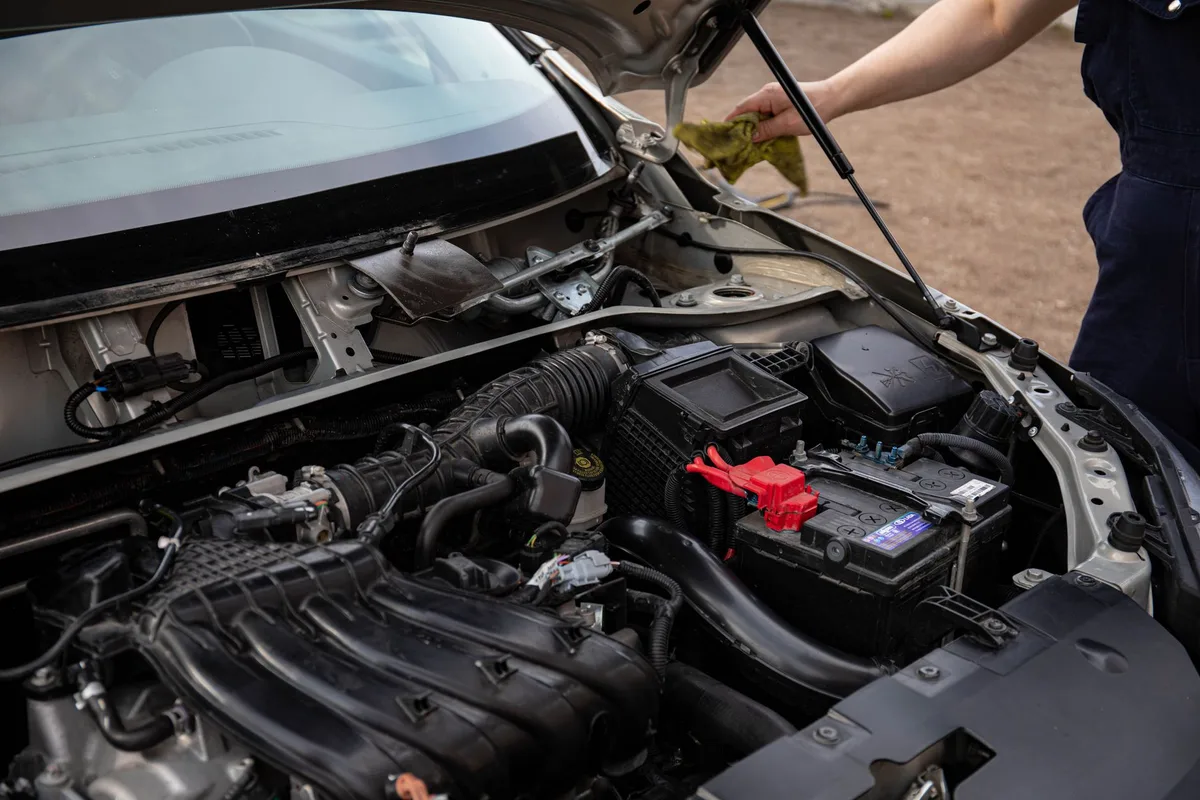
- Loosen the negative (black, marked minus) clamp and lift it clear.
- Loosen the positive (red, marked plus) clamp next.
- Undo the hold-down bracket at the base.
- Lift the battery straight up, keeping it level so nothing spills.
Batteries are heavy, often 30 to 50 pounds. Use both hands and keep it upright. A carry strap helps, and it keeps your hands off a possibly cracked case.
Finding the Root Cause: Testing Your Charging System
Test the charging system before you trust a new battery. Since overcharging swells batteries, a bad alternator or regulator will ruin the replacement too. A multimeter makes this a five-minute check.

Checking Alternator and Charging Voltage With a Multimeter
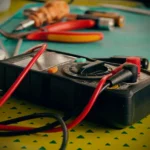
Grab a digital multimeter and set it to DC volts. If you're unsure of the dial, the right dial position is the 20V DC range on most meters.
Here's the quick test:
- Engine off. Touch red probe to the positive post, black to negative. A healthy resting battery reads about 12.4 to 12.7 volts.
- Start the engine. The reading should climb to roughly 13.7 to 14.7 volts.
- Watch the number. If it sits above 15 volts, your charging system is overcharging. That's your swelling culprit.
A steady reading over 15 volts points to a failing voltage regulator or alternator. Get that repaired before installing a new battery. If you want a deeper walkthrough, running the full multimeter routine covers the resting and charging tests step by step.
How to Dispose of a Swollen Car Battery the Legal Way
Never toss a car battery in the trash. Lead-acid batteries are hazardous waste, and landfilling them is illegal in most places. They're also almost fully recyclable, so disposal is easy and often free.
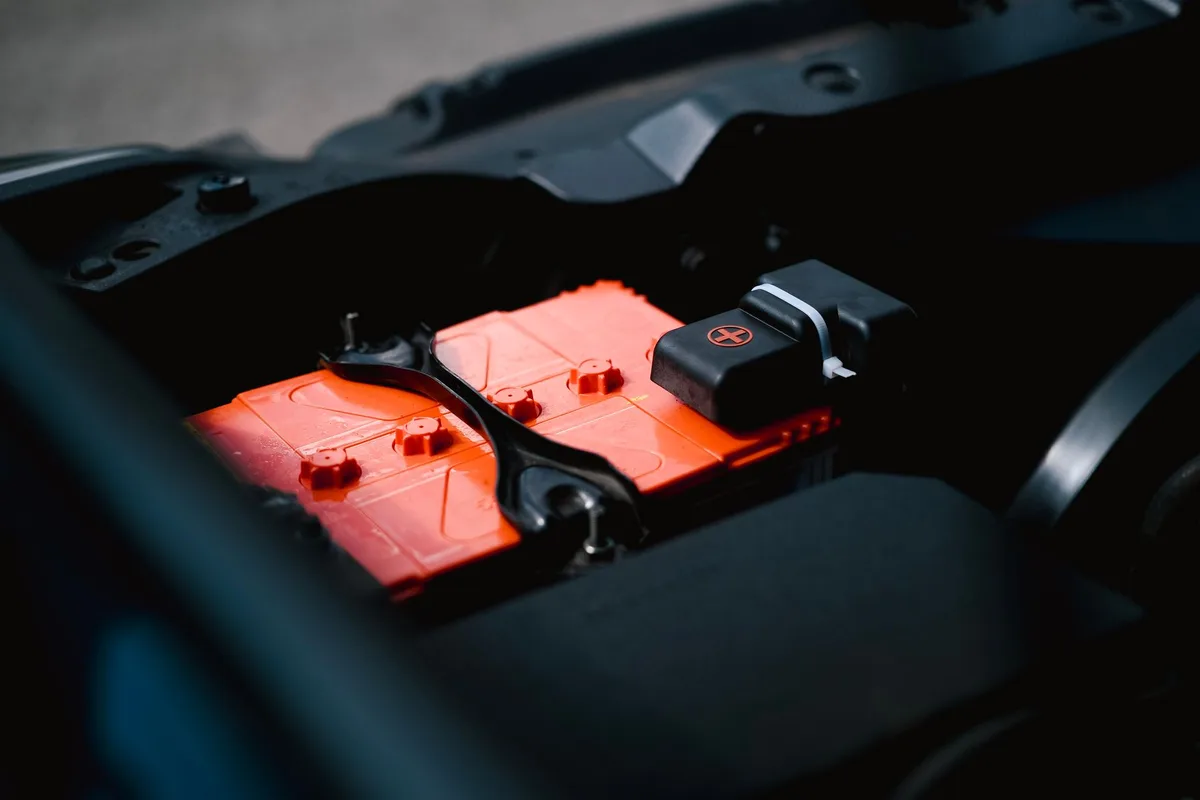
Take the old battery to an auto parts store, a garage, or a household hazardous waste site. Many retailers accept them at no charge and may refund a core charge you paid on the new one. The [U.S.
EPA's guidance on recycling](https://www.epa.gov) confirms lead-acid batteries are among the most recycled products in the country.
A few handling tips for the trip:
- Keep the battery upright to prevent leaks.
- Set it in a plastic tote or leak-proof bin, never loose in the trunk.
- Don't store a swollen battery indoors or in a sealed space while it waits.
- Never puncture or incinerate it.
Choosing the Right Replacement Battery
Match the replacement to your car's specs, not just the price tag. The three numbers that matter are group size, cold cranking amps, and battery type. Get those right and the new one drops in clean.
- Group size: the case dimensions and terminal layout (for example 24F, 35, 47/H5, 48/H6, 65). It must fit your tray and cable reach.
- Cold Cranking Amps (CCA): the starting power in cold weather. Meet or beat the factory figure.
- Type: standard flooded, EFB, or AGM. Stop-start cars usually need EFB or AGM.
Your owner's manual or the old battery label lists the correct group size and CCA. When in doubt, match the original.
| Battery type | Best for | Notes |
|---|---|---|
| Flooded lead-acid | Older, basic vehicles | Cheapest, still vents gas |
| EFB | Entry stop-start systems | More cycle-tough than flooded |
| AGM | Stop-start, heavy electrical loads | Sealed, handles heat and deep cycling |
One heads-up on AGM batteries. They can still swell if the charging system overcharges them or they cook in heat. So the charging-system fix from earlier applies no matter which type you pick.
Buy the freshest battery you can. Check the date code on top, and pass on anything that's been sitting on the shelf for many months.
Mistakes That Ruin Your Next Battery Too
The biggest mistake is swapping the battery without checking why the old one swelled. If a bad alternator overcharged it, the new one meets the same fate in weeks. Fix the charging system first.
Watch out for these repeat-killers:
- Ignoring high charging voltage above 15 volts.
- Leaving a cheap trickle charger connected for days.
- Buying the wrong group size or a low CCA rating.
- Parking a hot car with a weak battery in direct sun all summer.
Loose or corroded terminals cause trouble too. They make the alternator work harder and throw voltage off. Clean the posts and torque the clamps snug when you install the replacement.
Hot Climates, Cold Snaps, and Seasonal Battery Stress
Temperature is one of the hardest things on a battery. Heat drives the chemical wear that leads to swelling, while cold strains the starting system. Both shorten battery life.
In hot regions like the desert Southwest, batteries often fail in 2 to 3 years instead of 4 or 5. High under-hood heat softens the case and speeds up gassing. Parking in shade and using an insulation sleeve helps.
Cold weather hits differently. A battery loses cranking power as the temperature drops, so a tired one gets exposed fast in winter. Knowing how cold temperatures sap capacity helps you catch a weak battery before it strands you.
Expert Tips to Keep a Battery From Swelling Again
Prevention comes down to charging control and heat management. Keep both in check and swelling becomes rare. Here's what our research points to.
- Test charging voltage every few months. Stay in the 13.7 to 14.7 volt band.
- Use a smart charger with auto-shutoff, never a dumb charger left overnight.
- Keep terminals clean and tight to steady the voltage.
- Replace an aging battery near the 4 to 5 year mark, before it fails.
- Park in shade or a garage in extreme heat.
One quick habit pays off. If your car sits for long stretches, a battery maintainer holds it at a safe charge without overdoing it. That prevents both deep discharge and overcharge.
When to Skip the DIY and Call a Mechanic
Call a professional when the battery is leaking heavily or you smell strong acid. That's beyond a simple swap and needs proper cleanup. Acid can damage the tray, cables, and nearby parts.
Also get help if your charging test keeps reading high after a new battery. That points to an alternator or wiring fault that needs a shop. The same goes if a fresh battery swells again quickly.
A mechanic can load-test the battery, scan the charging system, and check for a parasitic drain. If your battery keeps dying for no clear reason, tracing a hidden power drain is worth the visit.
Frequently Asked Questions
Can a swollen car battery still start my car?
Sometimes it will still crank the engine, but that doesn't make it safe. A swollen battery is damaged inside and under pressure. It can leak acid, fail without warning, or vent explosive gas.
Replace it rather than risk it, even if the car starts fine today.
How long can I drive with a swollen battery?
You shouldn't drive on a swollen battery at all. The bulge means it's already failing and could leak or rupture. Every start risks a spark near hydrogen gas.
Treat it as an urgent replacement, not a "next payday" job.
Will a swollen battery explode?
It can, though it's not guaranteed. Batteries vent hydrogen, which ignites at around 4% in air. A swollen case is under pressure and closer to cracking.
Keep sparks, flames, and cigarettes away, and don't charge or jump-start it.
Does overcharging always cause a battery to swell?
Overcharging is the most common cause, but not the only one. Extreme heat, a failed internal cell, deep discharge cycles, and old age can all bulge a case. That's why testing your charging voltage matters before you install a replacement.
Is it safe to touch a swollen car battery?
Touching it briefly to inspect the case is fine if you're careful. Wear gloves and eye protection, and check for leaks first. Don't press on the bulge or try to open it.
If it's wet or smells of rotten eggs, that's leaking acid and gas.
The Bottom Line on a Battery That's Swollen on the Sides
A bulging battery is a clear signal that it's done, and it needs to come out safely. You can't repair it, and reusing it invites acid leaks or a gas fire. Replace it, recycle the old one, and match the new battery's group size and CCA.
The step people skip is the most important one. Test your alternator and voltage regulator before trusting a fresh battery. Overcharging above 15 volts is what swelled the last one, and it'll swell the next one too.
Fix the cause, keep the heat down, and your replacement should give you a full 4 to 5 years.
Similar Posts