Car Battery Leaking Acid: Causes, Signs & Fixes
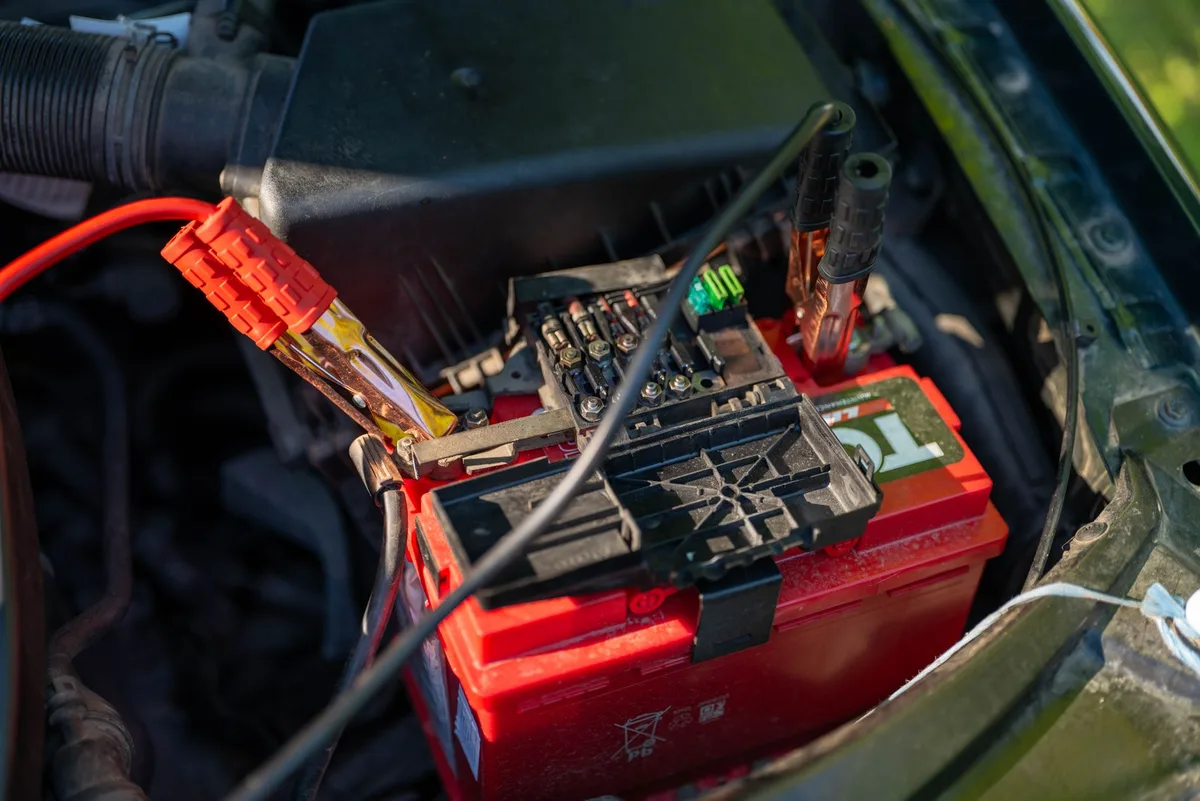
Finding your car battery leaking acid is one of those problems you don't want to sit on. That wet film, the crusty buildup, the faint rotten-egg smell: those are all signs the battery is venting something corrosive. The liquid inside is diluted sulfuric acid, and it can burn skin, eat through metal, and damage your car's wiring.
The good news is that most leaks are manageable once you know what you're looking at. A typical flooded car battery holds electrolyte that's roughly 30 to 35 percent sulfuric acid, strong enough to cause chemical burns. As of 2026, lead-acid batteries still power the starting system in the vast majority of cars on the road.
Let's start with the fast answer, then work through what's actually happening.
Quick Answer
A car battery leaking acid means electrolyte is escaping the case. This usually comes from overcharging, overfilling, a cracked case, or age. The fluid is corrosive sulfuric acid.
Stop driving if you see active leaking or a swollen case. Wear gloves and eye protection. Neutralize spills with baking soda, then replace the battery and recycle the old one.
Why a Leaking Car Battery Is a Problem You Can't Ignore
A leak isn't just a messy inconvenience. It's a safety and reliability issue rolled into one.
First, the acid itself is dangerous. Even diluted battery electrolyte can burn your skin and seriously damage your eyes. Get it on your clothes and it'll eat holes in the fabric within hours.
Second, the corrosion spreads. Once acid creeps onto your terminals and cables, it forms that white or blue-green crust that blocks current flow. Left alone, it works its way into the battery tray, the hold-down clamp, and nearby wiring.
Third, there's a fire risk most people never think about. Lead-acid batteries release hydrogen gas, which is flammable. A leaking, gassing battery near a spark is a genuine hazard.
That's why a leak deserves quick attention, not a "deal with it next weekend" approach.
If your car has also been cranking slowly or dying, the leak might be part of a bigger electrical story. A weak battery can show up as a voltage sag during starting before you ever spot a drop of acid.
What "Leaking Acid" Actually Means: Electrolyte, Sulfuric Acid, and Off-Gassing
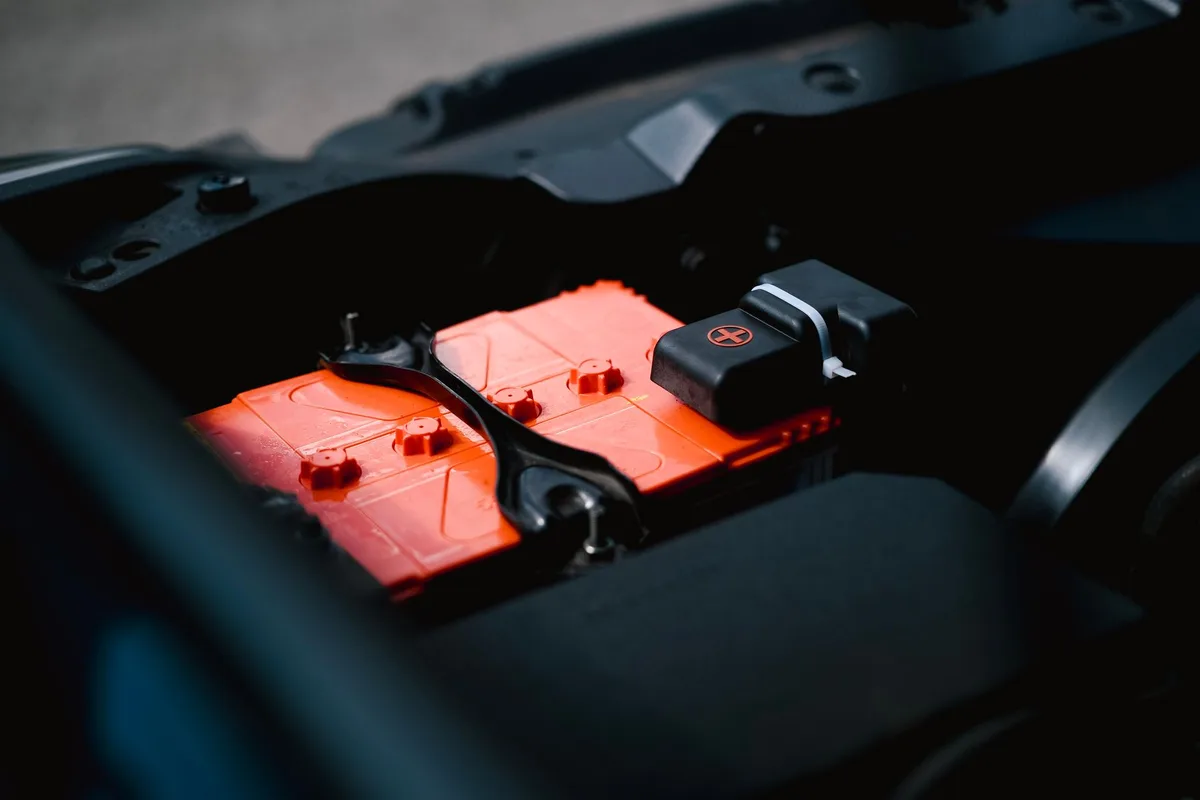
The liquid leaking from your battery is electrolyte, a mix of water and sulfuric acid. In a healthy flooded battery, this fluid sits inside six cells and reacts with lead plates to store and release energy.
Here's the part that trips people up. Not every wet or crusty battery is truly "leaking" in the cracked-case sense. There are a few different things going on.
- True acid leak: Electrolyte escapes through a crack or damaged seam in the case. This is the serious one.
- Vent seepage: Small amounts of acid mist escape the vent caps during heavy charging. It looks like dampness around the top.
- Off-gassing residue: During charging, batteries release hydrogen and a bit of acid vapor. Over time that vapor leaves corrosion on the terminals.
The U.S. Occupational Safety and Health Administration classifies sulfuric acid as a corrosive that can cause severe skin and eye burns, which is exactly why battery electrolyte deserves respect. You can read OSHA's chemical safety guidance for the broader handling rules.
The takeaway: figure out whether you've got a cracked case or just corrosion from normal gassing. That single distinction changes everything about your next step.
How to Tell Where the Leak Is Coming From
Start by finding the source before you touch anything. The location of the leak tells you what's wrong and whether the battery is salvageable.
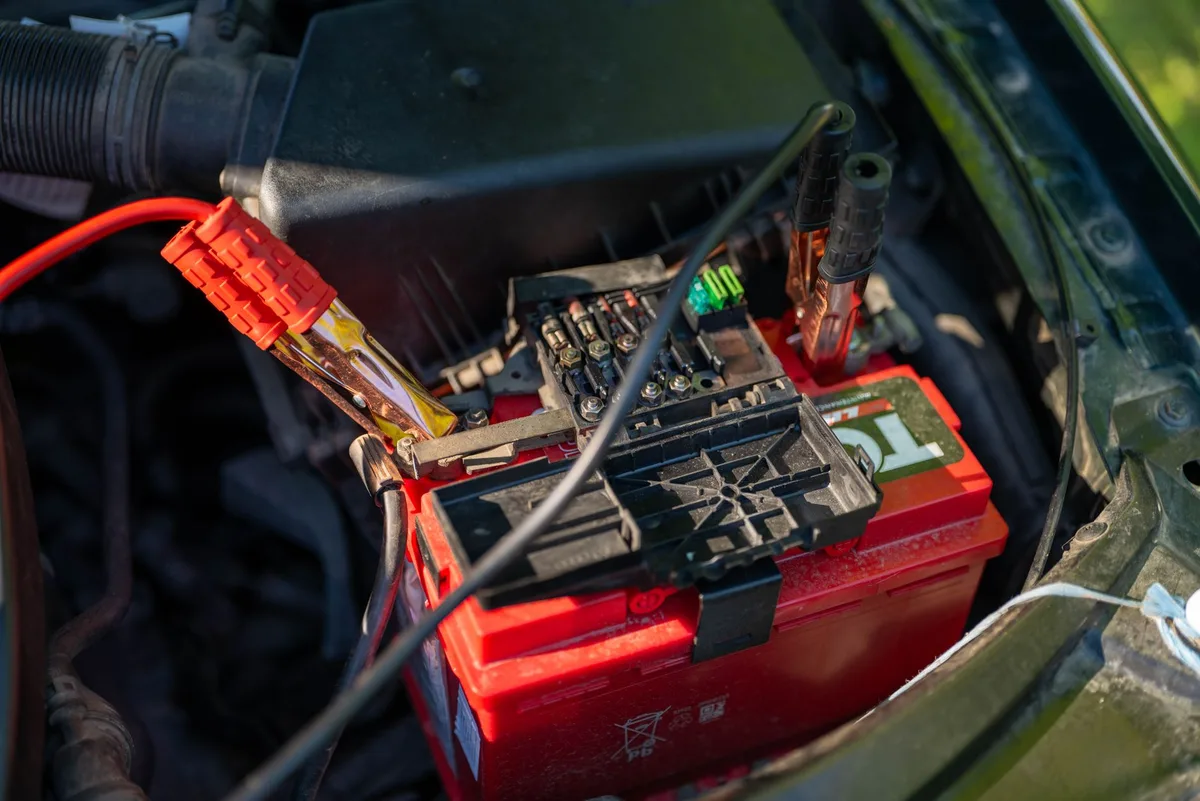
Put on gloves and eye protection first. Then look closely at three spots.
Seepage Around the Vent Caps or Terminals
If the dampness or crust sits mostly around the top of the battery, near the caps and posts, you're likely dealing with off-gassing and mild seepage. This is common on older flooded batteries. The battery may still work fine once cleaned.
A Cracked or Damaged Battery Case
If you see fluid running down the sides or pooling in the tray, inspect the plastic case for cracks. Impact, heavy vibration, or a hard freeze can split the housing. A cracked case means the battery is done.
Replace it.
A Swollen, Bulging Battery (Overcharge Warning)
If the case looks puffed up or bloated, that's a red flag for overcharging. The sides bow outward as the battery overheats and gasses excessively. A swollen battery should be replaced, and you'll want to check your charging system too.
A quick way to sort seepage from a real fault is a voltage check. If you're unsure how to read the numbers, this guide on what a 12.4-volt reading tells you helps you gauge the state of charge before you decide.
What Causes a Car Battery to Leak Acid
Batteries leak for a handful of predictable reasons. Knowing the cause helps you stop it from happening again with the next one.
Overcharging From a Faulty Alternator
This is the big one. When the alternator or voltage regulator pushes too much voltage, the battery overheats and boils its electrolyte. That vapor forces acid out through the vents, and over time the case can swell.
Charging voltage should sit in a healthy band, roughly 13.7 to 14.7 volts with the engine running. Sustained readings above about 14.8 to 15 volts point to an overcharge problem. If you suspect your charging system, this walkthrough on sorting a battery fault from an alternator fault is worth a few minutes.
Overfilling the Electrolyte
On serviceable batteries with removable caps, adding too much water pushes the fluid level too high. When the battery heats up and the electrolyte expands, the excess spills out the vents. Fill only to the marked line, never above.
Age, Vibration, and Physical Damage
Most car batteries last 3 to 5 years. As they age, seals weaken and cases grow brittle. Constant road vibration can crack a tired case or loosen a terminal seal, especially if the hold-down clamp is missing or loose.
Extreme Heat and Freezing Temperatures
Climate plays a bigger role than people expect. Summer heat speeds up evaporation and internal pressure, pushing fluid out the vents. Hard winter cold can crack the case of a discharged battery, because a low battery's electrolyte freezes more easily.
If your reading has dropped near the dead zone around 12.0 volts, a deep freeze becomes a real risk.
The Real Risks: Acid Burns, Hydrogen Gas, and Corrosion Damage
Three hazards make a leaking battery worth treating carefully. Each one hits a different part of your safety.
- Chemical burns: Sulfuric acid burns skin on contact and can permanently damage your eyes. A splash to the face is a medical emergency.
- Hydrogen explosion: Charging batteries release hydrogen gas. Near a cigarette, a spark, or a careless jump-start, that gas can ignite.
- Corrosion damage: Acid creep destroys terminals, cables, the tray, and any wiring it reaches. Repairs get expensive fast.
The explosion risk is why you never smoke or strike a spark near a battery. It's also why terminal order matters when you disconnect, which we'll cover next.
Safety Gear and Precautions Before You Touch It
Gear up before you go near a leaking battery. This is not a bare-hands job.
Here's the minimum kit:
- Acid-resistant gloves (nitrile or rubber, not cloth)
- Safety goggles or a face shield
- Old clothes or an apron you don't mind ruining
- Baking soda and water for neutralizing
- A wire brush or terminal cleaner
Work in a well-ventilated spot, ideally outdoors. Keep flames, sparks, and cigarettes away. Turn the engine off and let it cool.
When you disconnect, always remove the negative terminal first, then the positive. This order reduces the chance of a spark if your wrench touches metal. Reconnect in reverse: positive first, negative last.
How to Clean Up a Battery Acid Leak Step by Step
Neutralize the acid, then clean and inspect. Baking soda is your best friend here because it neutralizes sulfuric acid on contact.
Follow these steps in order:
- Gear up. Gloves and goggles on before anything else.
- Disconnect the battery. Negative terminal first, then positive.
- Remove the battery if the leak is heavy or the tray is soaked. Keep it upright.
- Mix the neutralizer. One tablespoon of baking soda in about a cup of water. For heavy crust, use a thicker paste.
- Apply it to the corroded terminals, tray, and any acid residue. You'll see it fizz as it neutralizes.
- Scrub the terminals and posts with a wire brush until the crust lifts.
- Rinse lightly with clean water and dry everything thoroughly.
- Inspect the case. Look for cracks or swelling now that it's clean.
- Protect the terminals with a thin coat of dielectric grease before reconnecting.
If the case is cracked or swollen, skip the reinstall. That battery needs replacing. A clean bill of health on the case means you can reconnect and test the charge.
If it keeps draining afterward, this guide on tracing a battery that won't hold charge helps you find the culprit.
First Aid for Battery Acid on Skin, Eyes, or Clothing
Act fast and flush with water. Sulfuric acid burns get worse the longer it sits.
Here's what to do for each type of exposure:
- On skin: Rinse with lots of running water for at least 15 minutes. Remove any contaminated clothing while you rinse.
- In the eyes: Flush with clean water for a full 15 minutes, holding the eyelid open. Get medical help immediately. Eye exposure is serious.
- On clothing: Take the item off before acid soaks through to skin. Rinse the area underneath.
- If swallowed: Do not induce vomiting. Call emergency services or poison control right away.
Keep flushing even if the sting eases. And when in doubt with eyes or a large burn, get professional care. This is not the moment to tough it out.
Refill or Replace? How to Decide
The refill-versus-replace call comes down to the cause and the condition of the case. If the case is intact and the battery just lost fluid from overfilling or evaporation, you may be able to top it up. If the case is cracked or swollen, replace it.
Use this quick logic:
- Refill (maybe): Serviceable battery, sound case, low fluid from evaporation. Top up cells with distilled water to the fill line. Never add acid.
- Replace: Cracked case, swollen sides, battery over 4 to 5 years old, or repeated leaks. A compromised case can't be trusted.
Refilling only makes sense on older serviceable batteries with removable caps. Sealed maintenance-free and AGM batteries aren't meant to be opened. And if overcharging caused the leak, a new battery alone won't fix it.
You'll keep cooking batteries until the charging system is sorted.
A fresh battery that still reads low can point to a charging fault. Checking normal voltage with the engine running tells you whether the alternator is doing its job.
Comparing Your Options: Flooded, AGM, and Lithium Batteries
If you're replacing a leaker, this is a good moment to think about battery type. The three main options handle leaks and spills very differently.

| Type | Leak risk | Best for | Rough cost |
|---|---|---|---|
| Flooded lead-acid | Can spill and vent acid | Budget builds, older cars | $100–$200 |
| AGM | Sealed, spill-resistant | Start-stop cars, hot climates | $200–$350 |
| Lithium (LiFePO₄) | No acid, no spill | Performance, weight savings | $400+ |
Flooded batteries are cheapest but the most likely to leak. AGM batteries lock the electrolyte in a glass mat, so they won't spill even if the case cracks. Lithium skips liquid acid entirely, though it costs the most upfront.
For most drivers tired of corrosion, AGM is the practical upgrade. It resists leaks and handles heat well. Just confirm your charging system suits AGM before you switch.
What It Costs to Replace a Leaking Battery
Most car battery replacements run $100 to $300 as of 2026, depending on type and size. Flooded batteries sit at the low end. AGM lands higher, and lithium is pricier still.
A few extras can nudge the total up:
- Installation: Often free at parts stores, or $20 to $50 at a shop.
- Core charge: A refundable fee (often $10 to $20) you get back when you return the old battery.
- Terminal or cable repair: If acid ate your cables, budget more for parts.
Catching a leak early keeps the cost to just the battery. Let corrosion spread to the wiring harness and the bill climbs quickly.
Mistakes That Make a Leaking Battery Far More Dangerous
The wrong move can turn a manageable leak into an injury. These are the errors we see most often.
- Bare hands: Touching acid or crust without gloves invites burns.
- Adding acid instead of water: Only distilled water goes into a low cell. Adding acid raises concentration dangerously.
- Sparks near the battery: Smoking or careless tools can ignite hydrogen gas.
- Wrong disconnect order: Removing positive first risks a short and a spark.
- Reusing a cracked case: A split battery will keep leaking, no matter how well you clean it.
- Ignoring the charging system: If overcharging caused the leak, a new battery just leaks too.
Get any of these wrong and you're back to square one, or worse. When a fresh battery still misbehaves, comparing it against a healthy alternator's output range usually points to the real fault.
How to Recycle a Leaking Battery the Right Way
Never toss a lead-acid battery in the trash. It's hazardous waste, and recycling is mandatory in most of the United States. Lead and sulfuric acid don't belong in a landfill.
Here's the easy path:
- Keep the battery upright to limit further leaking.
- Set it in a leak-proof tub or on cardboard for transport.
- Take it to any auto parts store or a certified recycling center.
- Collect your core charge refund if you paid one.
Most retailers accept old batteries free of charge, even if you didn't buy the replacement there. The U.S. Environmental Protection Agency notes that lead-acid batteries are among the most recycled products in the country, with the lead and plastic reclaimed for new ones.
Simple Habits That Keep Your Next Battery From Leaking
A little upkeep goes a long way toward preventing the next leak. Most leaks trace back to heat, overcharging, or neglect, and all three are manageable.
Build these into your routine:
- Check the charging voltage. Keep it in the 13.7 to 14.7 volt band. Fix a faulty alternator early.
- Inspect the terminals every few months for early corrosion. Clean it before it spreads.
- Secure the hold-down clamp so vibration can't crack the case.
- Don't overfill serviceable cells. Fill to the line, never past it.
- Park in shade during extreme heat when you can.
- Test the battery with each oil change, especially past the 3-year mark.
Catching a weak battery early saves you the mess entirely. If your resting reading has slipped toward the low end near 12.2 volts, it's a sign to test and plan ahead.
Frequently Asked Questions
Can I drive with a car battery leaking acid?
You shouldn't drive with an actively leaking or swollen battery. The acid can corrode wiring and the case may fail without warning. If you spot a small amount of terminal seepage, get it checked soon.
A cracked or bulging battery means stop and replace it.
Is a leaking car battery dangerous?
Yes. The leaking fluid is sulfuric acid, which burns skin and eyes on contact. Leaking batteries also release flammable hydrogen gas near sparks.
Wear gloves and eye protection, keep flames away, and neutralize any spill with baking soda.
What does it mean when white powder forms on my battery?
That white or blue-green powder is corrosion from acid vapor reacting with the terminals. It signals off-gassing or a small leak. Clean it off with a baking soda paste and a wire brush, then coat the terminals with dielectric grease.
Can a leaking battery be fixed or refilled?
Only sometimes. If the case is sound and a serviceable cell is just low, you can top it up with distilled water. A cracked or swollen case can't be repaired safely.
Replace it and recycle the old one.
The Bottom Line: Handling a Leaking Battery Safely
A leaking battery is a fixable problem when you treat it with respect. Gear up, find the source, neutralize the acid, and decide whether to refill or replace based on the case condition.
Handle the acid safely, sort out any overcharging, and recycle the old battery properly. Do that, and you'll protect both your car and yourself from the next leak.

Similar Posts