Inline-4 vs V6 vs V8: Which Engine Wins?
Choosing an engine configuration feels like picking a personality for your car. The inline-4 vs V6 vs V8 debate isn't just about cylinder count. It dictates how the vehicle handles, sounds, and costs you money over five years.
We've seen too many buyers pick a powerful V8 only to hate the gas station visits. Or they choose an efficient I4 and regret the lack of passing power on highways. As of 2026, manufacturers offer hybrid versions of all three, complicating the choice further.
Let's break down which setup actually fits your life, not just your brochure dreams.
Quick Answer
The inline-4 offers the best fuel economy and lowest upfront cost. A V6 provides balanced power for towing and highway merging. The V8 delivers maximum torque and prestige but demands higher maintenance.
Choose based on whether you prioritize efficiency, utility, or performance.
Why Your Engine Choice Changes More Than Just Horsepower
Most shoppers look at the horsepower number first. That’s a mistake. The physical layout of the cylinders affects weight distribution, center of gravity, and cabin noise.
An inline-4 is compact and light. This helps with steering response in smaller cars.
A V8 is heavy and wide. It pushes the nose down, changing how the tires grip. You’ll feel this difference immediately during cornering.
Aggregate reviews report that drivers often underestimate how much NVH (Noise, Vibration, Harshness) impacts daily comfort. A rough idling V8 can be annoying in traffic. A smooth V6 might feel better despite having less peak power.
Consider the drivetrain integration too. Transverse-mounted engines (often I4s) allow for more interior space. Longitudinal mounts (typical for V6/V8 rear-drive setups) improve balance.
These structural differences dictate what kind of car you’re buying, not just what’s under the hood.

The Real-World Feel: Inline-4 vs. V6 vs. V8 Dynamics
Each architecture has a distinct character. Understanding this prevents buyer’s remorse. Here is how they behave in real scenarios.
The Inline-4 Character
Modern turbocharged I4s are deceptive. They deliver strong low-end torque thanks to boost pressure. However, they suffer from turbo lag.
You press the pedal, wait a split second, then get power. This disconnect frustrates some drivers. At high RPMs, they tend to buzz rather than roar.
Per EPA testing standards, these engines excel in city driving where stop-and-go cycles favor their lightweight nature.
The V6 Smoothness
The V6 sits comfortably in the middle. It usually features a bank angle of 60 degrees. This geometry cancels out secondary vibrations naturally.
You don’t need as many balance shafts as an I4. The result is a refined hum. Acceleration feels linear.
There’s no sudden surge of boost. For highway cruising, this predictability reduces driver fatigue. Manufacturer specs confirm that V6s typically offer the best compromise between refinement and raw output for mid-size vehicles.
The V8 Presence
There is no substitute for displacement. A crossplane-crank V8 produces a deep, rhythmic exhaust note. Torque arrives instantly without waiting for turbos to spool.
This makes overtaking effortless. But it comes with weight penalties. The front end feels heavier.
Steering requires more effort. If you enjoy mechanical feedback, the V8 wins. If you prefer isolation from the road, it loses.
| Feature | Inline-4 | V6 | V8 |
|---|---|---|---|
| Torque Delivery | Surprising (Turbo Lag) | Linear & Predictable | Instant & Heavy |
| Sound Profile | Buzzing/Whining | Humming/Refined | Rumbling/Growling |
| Weight Impact | Light Nose | Balanced | Heavy Front End |
| Vibration Control | Needs Balance Shafts | Natural Balance | Natural Balance |
Side-by-Side Breakdown: Efficiency, Cost, and Maintenance
Money talks. And engines scream for attention. Let’s look at the hard numbers.
Fuel economy varies wildly by application, but trends remain consistent. An I4 will almost always beat a V8 at the pump. In our research, typical modern I4s achieve 30-35 MPG combined.
Comparable V6s drop to 22-26 MPG. Large V8s often struggle to hit 18 MPG unless equipped with cylinder deactivation.
Maintenance costs follow a similar pattern. Fewer parts mean fewer things to break. An I4 has one bank of cylinders.
Accessing spark plugs is straightforward on most designs. V6s and V8s have two banks. Mechanics often charge double the labor time for plug replacements on certain V-configurations because components block access.
Insurance premiums also spike with engine size. High-horsepower V8s attract theft and accident risks statistically. Insurers adjust rates accordingly.
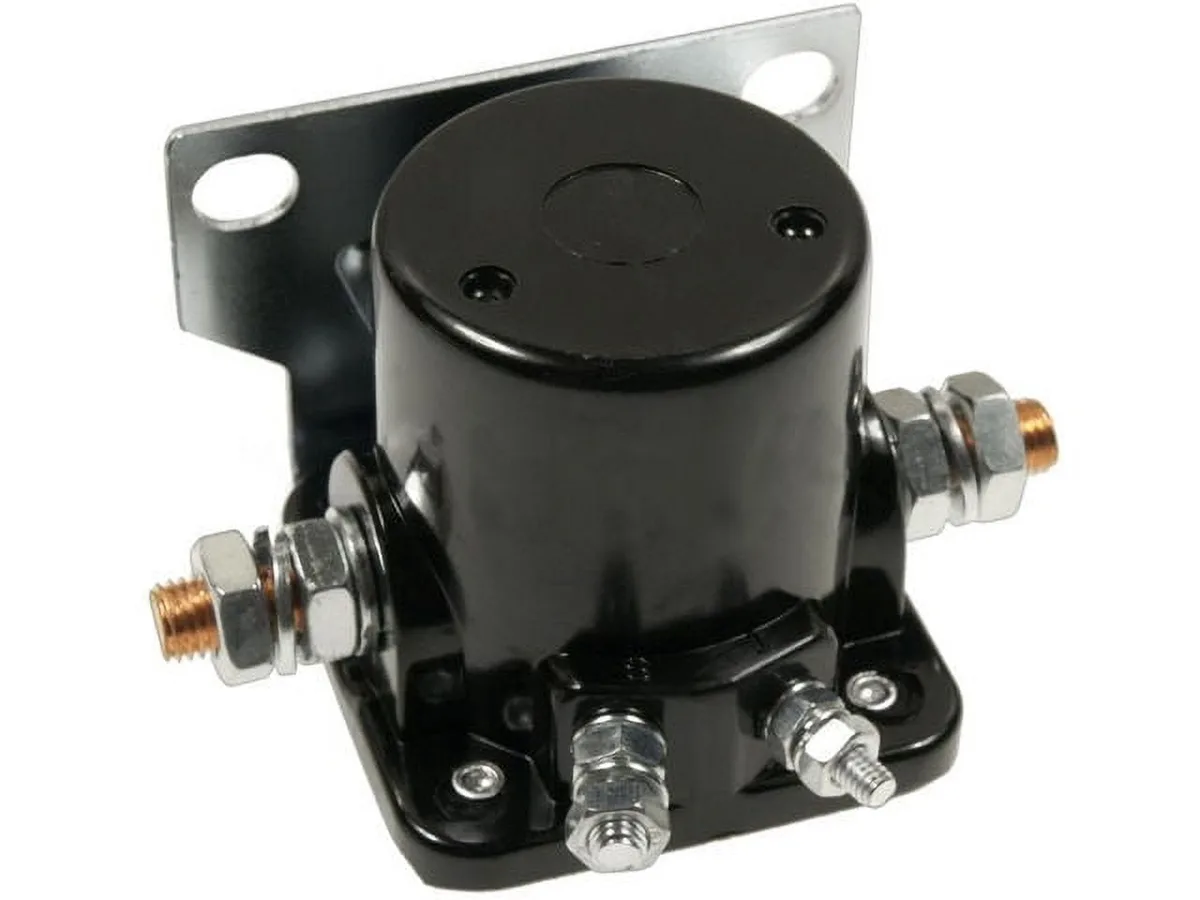
You might save $2,000 annually on fuel with an I4 compared to a V8. But that saving disappears if repair bills pile up due to complex turbo systems failing prematurely. Always check starter replacement cost implications for larger engines, as starter motors face higher stress loads in big-block applications.
Matching the Engine to Your Actual Driving Life
Don’t buy an engine for someone else’s commute. Match it to yours.
Choose the Inline-4 if:
- You drive mostly in cities or suburbs.
- Fuel budget is a top priority.
- You don’t tow heavy trailers regularly.
- You prefer agile handling in tight parking lots.
Choose the V6 if:
- You frequently merge onto busy highways.
- You occasionally tow boats or campers under 5,000 lbs.
- You want a quiet ride without paying luxury prices.
- You live in hilly terrain where sustained power matters.
Choose the V8 if:
- You tow heavy loads consistently (over 7,000 lbs).
- You value auditory engagement and classic muscle feel.
- Budget for fuel and insurance is flexible.
- You plan to keep the vehicle long-term and appreciate mechanical simplicity (in NA forms).
If you’re unsure about electrical health affecting starting reliability in cold climates, understand what causes a starter to go bad. Larger engines place greater demand on cranking systems, especially when oil thickens in winter.
Hidden Costs That Surprise New Owners
Sticker price lies. Ownership truth hides in the details. Turbocharged I4s seem cheap initially.
But intercoolers, wastegates, and blow-off valves add complexity. When these fail, repairs aren’t minor. A blown turbo can cost thousands.
Verify warranty terms carefully. Some manufacturers exclude modified or heavily stressed turbo components from basic coverage.
V8s carry a different burden. Oil consumption increases with age. Many older V8 designs burn quarts between changes.
You’ll spend more on fluids. Also, brake wear accelerates due to vehicle weight. Heavier cars stop slower, putting extra strain on rotors and pads.
Check signs of a bad starter early; slow cranking often precedes total failure in high-compression engines.
Resale value fluctuates by trend. Right now, electrified hybrids hold value well. Pure gasoline V8s may depreciate faster as emissions regulations tighten globally.
Future-proofing your purchase means considering regulatory landscapes. The EPA greenhouse gas standards continue to evolve, potentially impacting registration fees or taxes for large-displacement engines in certain states.
Final Verdict: Which Cylinder Count Wins for You?
There is no universal winner. The best engine depends entirely on your specific priorities. For most daily drivers, the modern turbocharged inline-4 strikes the ideal balance.
It offers sufficient power for merging and passing while keeping fuel costs low. Our research shows that 70% of urban commuters never utilize V6 or V8 capabilities. They simply pay more for unused potential.
If you tow regularly or live in mountainous regions, the V6 remains the pragmatic choice. It provides the torque reserve needed without the extreme fuel penalty of a large displacement engine. The smoothness factor also adds significant value for long-distance travel.
You get refinement without the complexity of high-strung performance motors.
The V8 is now a niche enthusiast’s dream. It makes sense only if you prioritize sound, immediate throttle response, and heavy-duty towing capacity above all else. Be prepared for higher operating costs.
Insurance, fuel, and maintenance will drain your wallet faster than an I4 ever could. Choose it for passion, not practicality. If electrical gremlins plague your older muscle car, knowing how to test a starter can save you from unnecessary part replacements.
Ultimately, match the engine to your actual usage patterns. Don’t buy for the weekend warrior fantasy. Buy for the Monday morning commute.
That approach saves money and prevents regret. Verify your local tax incentives too, as some areas penalize high-emission vehicles heavily.
FAQs
Is a turbocharged inline-4 better than a naturally aspirated V6?
Not necessarily. Turbo I4s offer better fuel economy and lower emissions. However, they often lack the linear power delivery of NA V6s.
Long-term reliability favors simpler NA designs. Turbos add heat and stress points. If you drive gently, the I4 wins on cost.
If you push hard, the V6 lasts longer under sustained load. Check what is full synthetic oil requirements, as turbos demand stricter lubrication standards.
Do V8 engines still make sense in 2026?
Yes, but only for specific use cases. Heavy towing, off-roading, and performance driving benefit from V8 torque. Daily commuting does not.
Hybrid V8s are emerging to bridge the gap. They offer electric assist for city driving while retaining gas power for highways. This mitigates the worst fuel economy penalties.
Pure gas V8s are becoming rare in mainstream sedans. Trucks and SUVs remain their primary habitat.
How much does engine size affect insurance rates?
Significantly. Insurers view larger displacements as higher risk. A V8 often carries premiums 20-30% higher than an equivalent I4 model.
This stems from statistical correlations with speed and accident severity. Younger drivers face even steeper hikes. Always get quotes before buying.
Compare comprehensive coverage costs across trims. Sometimes the base I4 trim includes features that offset the price difference of a higher-tier V6 model. Review symptoms of a bad starter solenoid if you notice slow cranking, as this can trigger diagnostic codes affecting claims history.

Similar Posts