How to Start a Car With a Bad Starter: 6 Proven Tricks
Figuring out how to start a car with a bad starter is one of those roadside puzzles that feels impossible until you know the tricks. The good news? A failing starter usually gives you enough warning, and there are several proven ways to coax one more start out of it.
That buys you time to drive home, reach a shop, or wait for the replacement part.
Starter motors pull massive current, typically 150 to 250 amps on a gasoline engine, per SAE International testing standards. When that current path breaks down, the fix depends entirely on what's actually failing. Here's how to diagnose and get moving, as of 2026.
Quick Answer
To start a car with a bad starter, first confirm the battery reads at least 12.4 volts. Tap the starter housing lightly with a wrench while someone turns the key. Rock a manual transmission in gear to reposition the pinion.
Bump-start manuals in second gear. Jump the solenoid only as a last resort, and only with the car in park or neutral.
Why Your Car Won't Start (And Why the Starter Isn't Always the Villain)
Nine times out of ten, drivers blame the starter when the real culprit sits somewhere else. A dead battery, corroded terminal, or blown fusible link produces symptoms that mimic starter failure exactly. Even a bad ignition switch or misadjusted neutral safety switch can leave you turning the key to silence.
Before committing to a fix, take stock of what changed. Did the engine crank slowly yesterday? Are the headlights dim?
Does the dash light up but nothing happens when you turn to start? Each clue points a different direction.
Common suspects that look like a bad starter:
- Weak or discharged 12V battery
- Loose or corroded battery terminals
- Broken engine ground strap
- Faulty ignition switch or starter relay
- Blown starter fuse
- Neutral safety switch out of adjustment
Ruling these out first saves you from replacing a perfectly good starter. It also keeps you from stranding yourself twice.
The 30-Second Diagnosis: What the Sound Tells You
The noise you hear (or don't) when you turn the key is the single most useful diagnostic clue. Match yours to the table below before touching anything else.
| Sound You Hear | Likely Cause | First Move |
|---|---|---|
| Single loud click | Bad solenoid or seized starter | Tap the starter, check battery voltage |
| Rapid clicking | Weak battery, not the starter | Jump-start or charge the battery |
| Grinding or whirring | Worn Bendix or chewed ring gear teeth | Stop cranking, tow it |
| Nothing at all | Ignition switch, fuse, or ground | Check dash lights, test the switch |
| Cranks then dies | Not a starter issue, fuel or spark | Stop diagnosing the starter |
Listen twice. A weak battery under starter load can drop below 9 volts and sound identical to a dying starter, though the fix is completely different. If you have a multimeter, a proper voltage read takes 30 seconds and settles the question.
How a Starter Actually Works Before You Try to Bypass It
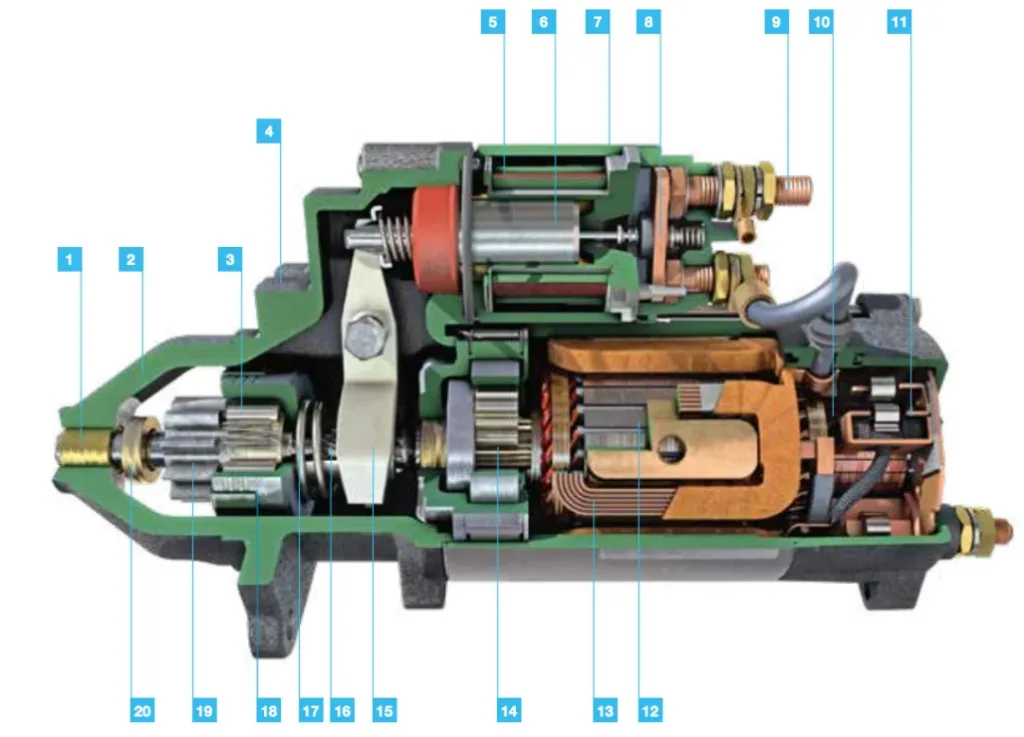
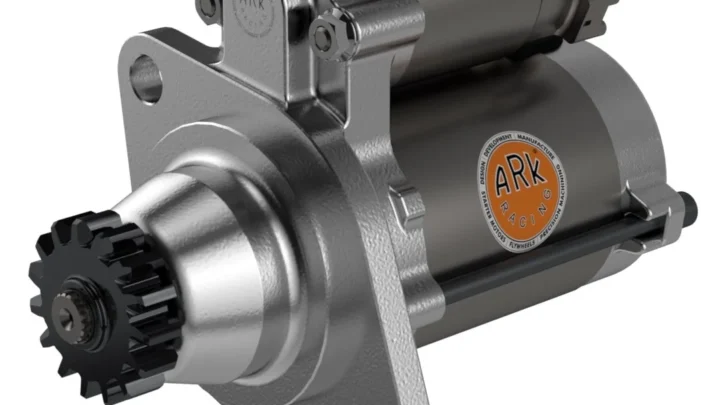
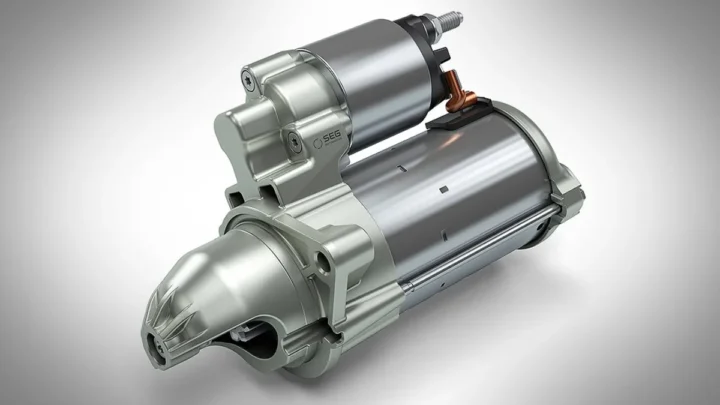
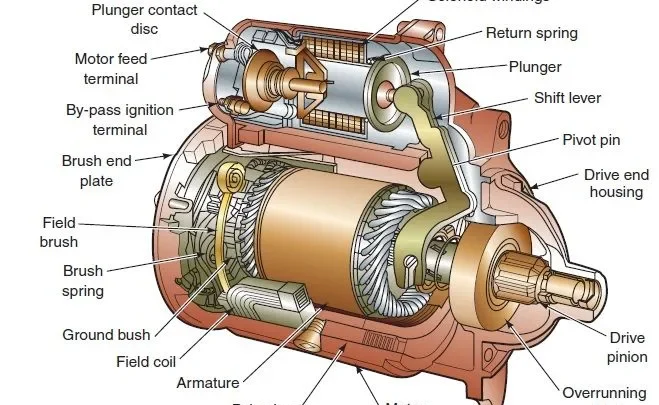
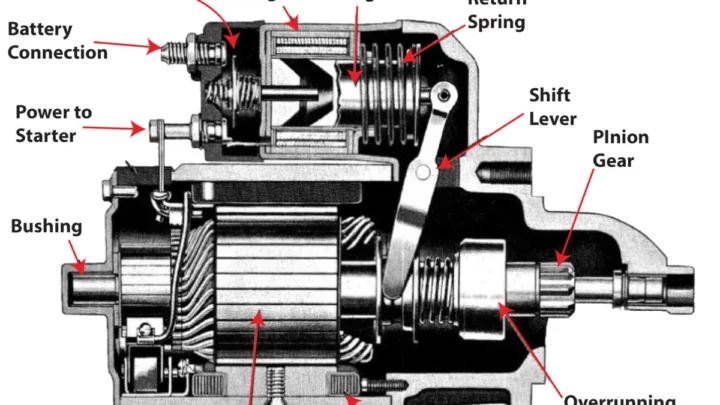
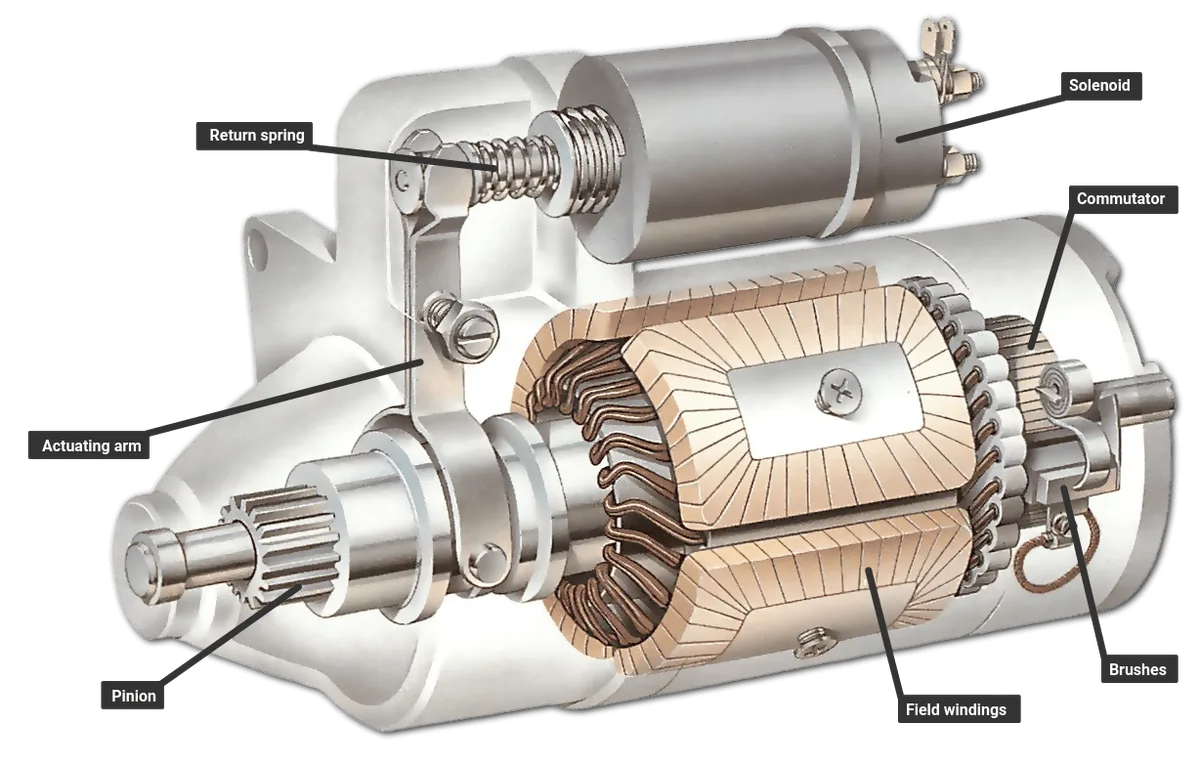
A starter is a high-torque DC motor bolted to the bell housing. When you turn the key to start, a small current flows to the solenoid's "S" terminal. The solenoid does two jobs at once.
It shoves the pinion gear forward to mesh with the flywheel ring gear. It also closes a heavy internal contact that dumps battery current straight into the motor.
Inside the motor, brushes ride on the commutator and feed current to the armature. The armature spins, the pinion turns the flywheel, and the engine cranks. That's the whole chain.
When it fails, the break is usually in one of five places:
- Worn brushes losing contact with the commutator
- A "dead spot" on the armature that stops at the same position
- Stuck solenoid contacts pitted from arcing
- Weak solenoid windings that won't pull the pinion in
- A broken or loose battery cable feeding the starter
Knowing which link broke tells you which trick will actually work. A hammer tap wakes stuck brushes. Jumper cables push more current through a weak circuit.
Rocking the car in gear moves a dead-spot armature off center.
Rule Out the Battery, Ground, and Ignition Switch First
If the battery is soft, everything else you try is wasted effort. Grab a multimeter and check resting voltage. A healthy 12V battery reads 12.6 volts at rest and should hold above 9.6 volts while cranking.
Anything lower and the starter cannot make its rated torque, even if it's brand new.
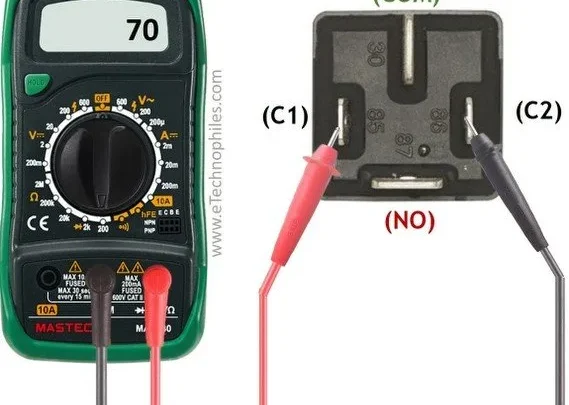
A step-by-step voltmeter check settles it fast. Our guide on reading a multimeter display walks through the numbers, and correct probe placement covers terminal contact. If you're unsure what a healthy number looks like, cross-check against a fully charged baseline reading.
Then check three more things:
- Battery terminals: twist them by hand. If they wiggle, they're loose. Green or white powder means corrosion. Clean with a wire brush.
- Ground strap: follow the negative cable from the battery to the engine block. A broken or corroded ground kills cranking current instantly.
- Ignition switch: turn the key to accessory. If the dash comes alive but the starter never clicks in the "start" position, the switch itself may be bad.
Battery and alternator faults often overlap in the symptoms they throw. If you're unsure which one is dragging the car down, our breakdown on spotting the real culprit covers the split-second tests that separate them.
Decision Tree: Match Your Symptom to the Right Fix
With the battery, grounds, and switch ruled out, use the sound and behavior to pick a method. Each branch below matches one of the methods covered later in the article.
Single Click, No Crank
The solenoid is trying, but the starter won't spin. Cause is usually stuck brushes or pitted solenoid contacts.
- If this is you: tap the starter housing (Method 1)
- If that fails: jump-start for more current (Method 3), then bypass the solenoid as a last resort (Method 5)
Rapid Clicking
Battery does not have the amps to hold the solenoid closed. Nine times out of ten, this is a battery problem, not a starter problem.
- If this is you: jump-start from a good vehicle or jump pack (Method 3)
- If that fails: the battery is dead or has a bad cell. Replace it.
Grinding or Whirring Without Cranking
The pinion is failing to mesh with the flywheel, or the ring gear teeth are chewed up.
- If this is you: stop turning the key immediately. Continued grinding destroys the ring gear.
- Call for a tow. This is a shop repair, not a roadside fix.
Total Silence When You Turn the Key
No solenoid signal is reaching the starter. Suspect the ignition switch, relay, neutral safety switch, or fuse.
- If this is you: check the starter relay and fuse in the underhood box
- If that fails on a manual transmission: try bump-starting (Method 4)
Starter Works Cold, Fails When Hot
Classic heat-soak failure. The starter's internal tolerances close up as it heats, and worn brushes stop making contact.
- If this is you: let it cool 20 to 30 minutes, or pour cool water over the starter housing
- Plan a replacement soon. Heat-soak failures only get worse.
Follow the branch that matches your exact symptom rather than trying every method at once. Each fix targets a different failure mode, and the wrong one can waste your battery or damage the starter further.
Method 1: Tap the Starter With a Wrench or Hammer

Tapping the starter is the oldest trick in the book, and it works because starter brushes wear unevenly. When the brushes get short, they can hang up in their holders and lose contact with the commutator. A firm tap on the motor housing knocks them free just long enough for one more start.
Here's how to do it safely:
- Put the car in park (automatic) or neutral with the parking brake set (manual)
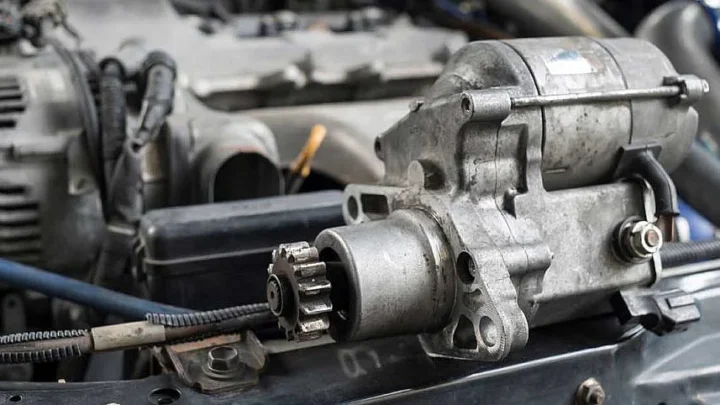
- Locate the starter, usually low on the engine block near the transmission bell housing
- Have a helper turn the key to the "start" position
- While they hold the key, tap the cylindrical body of the starter (not the solenoid) with a wrench, breaker bar, or small hammer
- Use firm, sharp taps. Do not swing hard enough to crack the housing.
If the engine cranks, drive straight to a parts store or shop. This fix is temporary. Once brushes wear to this point, replacement is measured in days, not weeks.
Method 2: Rock the Car in Gear to Free a Dead Spot
Rocking the car works only on manual transmissions and targets one specific fault: an armature dead spot. The armature has multiple windings, and when one burns out, the motor can stop with the bad winding facing the brushes. It won't start again until the armature moves.
Push the car forward or backward by a few inches to rotate the crankshaft slightly. That rotates the flywheel, which back-drives the pinion and armature just enough to move off the dead spot.
Follow this sequence:
- Turn the ignition off and put the transmission in fifth gear
- Release the parking brake on flat ground with clear runout
- Push the car forward one to two feet, or have a helper push
- Return to neutral, set the brake, and try starting again
If the starter fires on the second try, a dead spot is confirmed. Plan a replacement immediately, since the fault is progressive and each start makes it worse.
Method 3: Jump-Start the Battery to Push More Current to the Starter
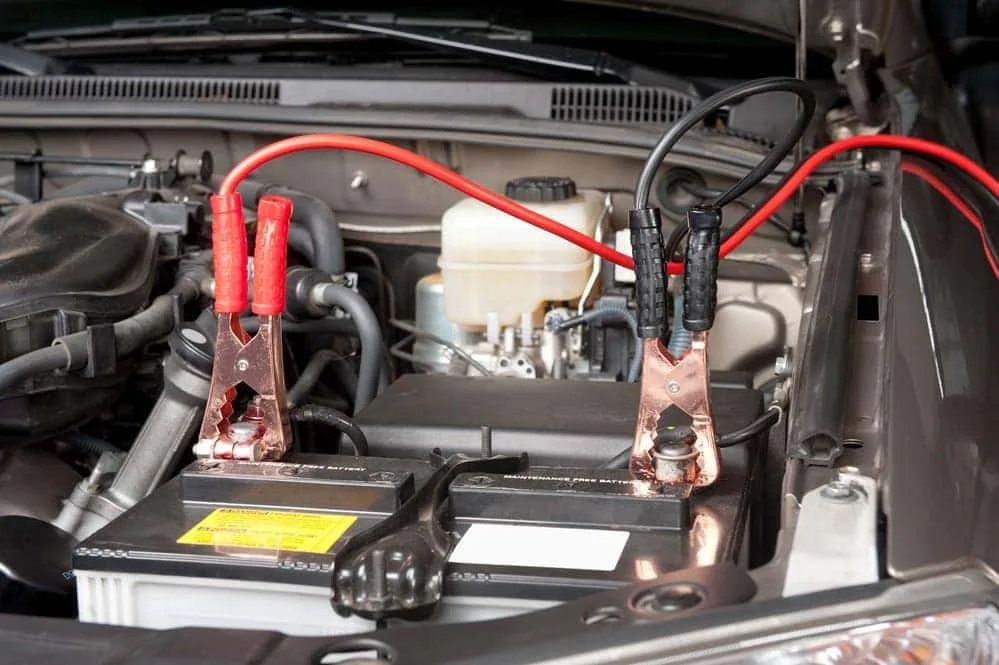
A tired starter often needs more amps than a marginal battery can deliver. Jump-starting feeds fresh current from a donor vehicle or jump box, which sometimes gives a weak starter just enough push to spin the engine over.
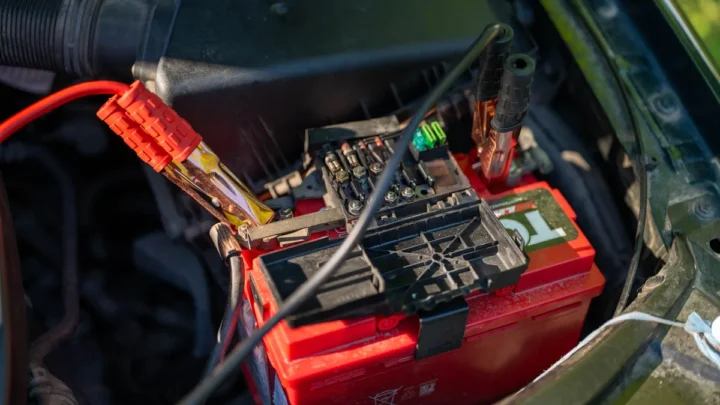
Connect the cables in this exact order to avoid sparking near the battery:
- Red clamp to the positive (+) terminal of the dead battery
- Red clamp to the positive (+) terminal of the donor battery
- Black clamp to the negative (−) terminal of the donor battery
- Black clamp to a bare metal ground on the dead car's engine block, not the negative terminal
Start the donor vehicle and let it idle for two to three minutes before cranking the dead one. If it fires, drive straight home or to a shop. If you get nothing but the same click, the starter itself is the problem and no amount of extra current will save it.
Not sure if the battery is the weak link? Our walkthrough on checking voltage with a multimeter shows what a healthy versus dying battery reads on the display.
Method 4: Bump-Start a Manual Transmission
Bump-starting bypasses the starter motor entirely by using the car's own momentum to spin the engine through the drivetrain. It only works on manual transmissions. Automatics, CVTs, and hybrids cannot be bump-started because their torque converters or electric drivetrains do not couple the wheels to the crankshaft the same way.
You need a slight downhill grade, a flat road with helpers, or a tow strap. Then:
- Turn the ignition to "on" (key position 2), not "start"
- Depress the clutch and put the transmission in second gear
- Roll the car to at least 5 to 10 mph
- Release the clutch quickly and firmly
- The engine will jerk and fire. Depress the clutch again immediately and blip the throttle to keep it running.
Second gear is the sweet spot. First gear jerks too hard and often stalls the engine before it catches. Third or higher may not spin the crank fast enough at low road speed.
Never bump-start on a steep downhill without clear runout ahead. If the engine doesn't catch, you'll be coasting downhill with no engine, no vacuum-boosted brakes, and no power steering.
Method 5: Bypass the Starter Solenoid With a Screwdriver (Last Resort)
This is the roadside method mechanics use when nothing else works, but it carries real risk. Bridging the solenoid feeds full battery current directly to the starter motor, cutting the ignition switch and neutral safety switch out of the loop. If the car is in gear when you do it, it will lurch forward and can run someone over.
Before touching anything:
- Confirm the transmission is in park (automatic) or neutral with the brake set (manual)
- Remove rings, watches, and any metal jewelry
- Wear safety glasses. Sparking is normal.
- Keep the metal tool clear of any grounded surface once it touches the battery post
The bypass itself:
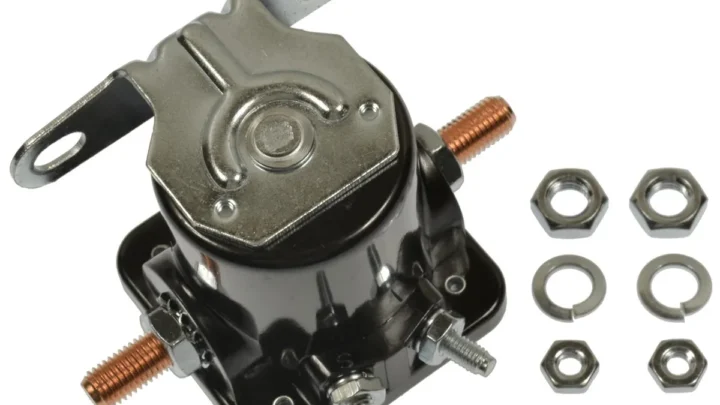
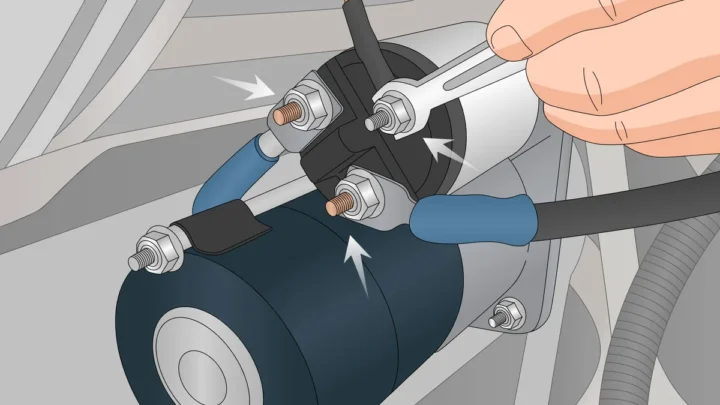
- Locate the two large terminals on the solenoid. One connects to the battery (thick red cable). The other feeds the starter motor.
- Turn the ignition key to "on" so the fuel system primes and the ECU wakes up
- Bridge the two large terminals with an insulated-handle screwdriver
- The starter should spin and the engine should crank
Do not bridge the small "S" terminal to the battery post on newer vehicles. Modern ECUs monitor the crank signal and can throw fault codes or damage control modules if the circuit is fed backward. When in doubt, skip this method and call a tow.
Related electrical faults, including a weak charging system, are covered in our guide to common alternator warning signs.
Method 6: Use a Remote Starter Switch
A remote starter switch is a small, two-clip tool that lets one person crank the engine from under the hood. Clip one lead to the battery positive post and the other to the starter's "S" terminal. Press the button and the starter engages.

Similar Posts