Car Battery Keeps Dying but Alternator Is Good: Fixes
A car battery keeps dying but the alternator is good more often than most people expect. You charge it, the car starts, then two days later it's flat again. The frustrating part is that your alternator tested fine, so the obvious suspect walks free.
That means the real drain is hiding somewhere else.
A fully charged 12V battery should rest at about 12.6 volts with the engine off. Once it dips below 12.4, it's already low on charge. As of 2026, the usual culprits are a parasitic drain, a tired battery, or a poor ground.
Let's start with a quick answer, then work through each one.
Quick Answer
If your car battery keeps dying but the alternator is good, the drain is somewhere else. Most often it's parasitic draw, a weak battery, or a bad ground. A small key-off current can pull the battery flat overnight.
An aging battery may pass a voltage check yet fail under load. Test for draw, load, and clean connections before buying any parts.
Why Your Battery Keeps Dying When the Alternator Checks Out Fine
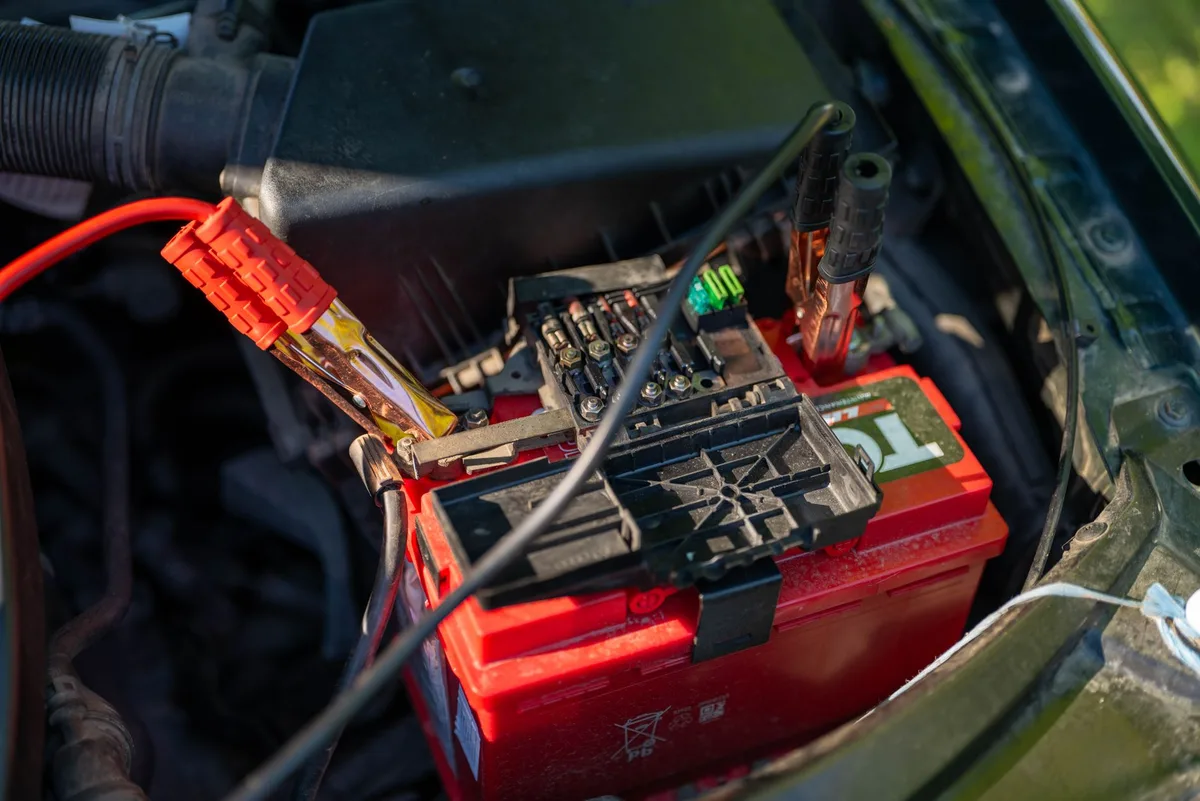
A "good" alternator only proves one thing. It proves the alternator can charge the battery while the engine runs. It says nothing about what happens after you switch off.
Here's the trap. Most shops test the alternator at idle, with few loads on. It puts out 14 volts, passes, and gets cleared.
But a bad diode inside that same alternator can still leak current overnight and flatten the battery.
So the phrase "alternator is good" needs a second look. Good at charging is not the same as good at not draining. If you want to be sure you're chasing the right part, it helps to know how to separate a battery fault from a charging fault with a meter.
Three things cause almost every repeat death:
- A parasitic drain pulling power while the car sleeps
- A battery that's too worn to hold a charge
- A bad ground or corroded connection choking the flow
Nail down which one you've got, and the fix is usually cheap.
How the Charging System Actually Works (Battery, Alternator, and Ground)

Your car's electrical system is a simple loop. The battery starts the engine. The alternator then recharges the battery and powers everything while you drive.
The ground path completes the circuit back to the battery.
The alternator has a built-in voltage regulator. It keeps output in a safe window, usually 13.8 to 14.7 volts at the battery. You can read more about the healthy output range if your charging numbers look off.
Inside the alternator sits a set of diodes called the rectifier. They turn the alternator's AC into the DC your battery needs. One weak diode can quietly bleed the battery when the engine is off.
Then there's the ground. Engineering groups like SAE International set the standards these charging systems are built and tested against. A clean chassis and engine ground matters just as much as the alternator itself.
When that path corrodes, voltage drops and charging suffers, even with good parts.
Quick reference for a healthy 12V system:
| Reading | Healthy value | What it tells you |
|---|---|---|
| Battery at rest (engine off) | 12.6V | Fully charged |
| Battery under charge (engine on) | 13.8 to 14.7V | Alternator is charging |
| Key-off parasitic draw | 20 to 50 mA | Modules asleep, normal |
| Alternator AC ripple | Under 50 mV AC | Diodes are healthy |
If your numbers stray far from this table, you've found a clue. Compare your own readings against what voltage looks like with the engine running before you go further.
The 4 Real Culprits Behind a "Good Alternator, Dead Battery"

Four problems cause nearly every case. Work through them in order, from easiest to check to hardest.
Parasitic Draw That Won't Let the Car Sleep
Parasitic draw is the current your car pulls with the key off. A normal draw is small, roughly 20 to 50 milliamps once the modules go to sleep. Anything much higher, and your battery drains while it sits.
Common offenders are a stuck relay, a glovebox or trunk light that never shuts off, or an aftermarket alarm. A single amp of draw can flatten a healthy battery in a day or two. If you're unsure what's normal, this breakdown of how much key-off current is safe sets the baseline.
A Battery That Passes Voltage but Fails Under Load
A battery can read 12.6 volts and still be junk. Voltage shows charge, not health. The real test is whether it holds voltage when you pull current from it.
Batteries wear out in three to five years, faster in hot climates. As the lead plates sulfate, capacity drops. It cranks once, then dies overnight because it simply can't store energy anymore.
A Bad Ground or Corroded Terminal
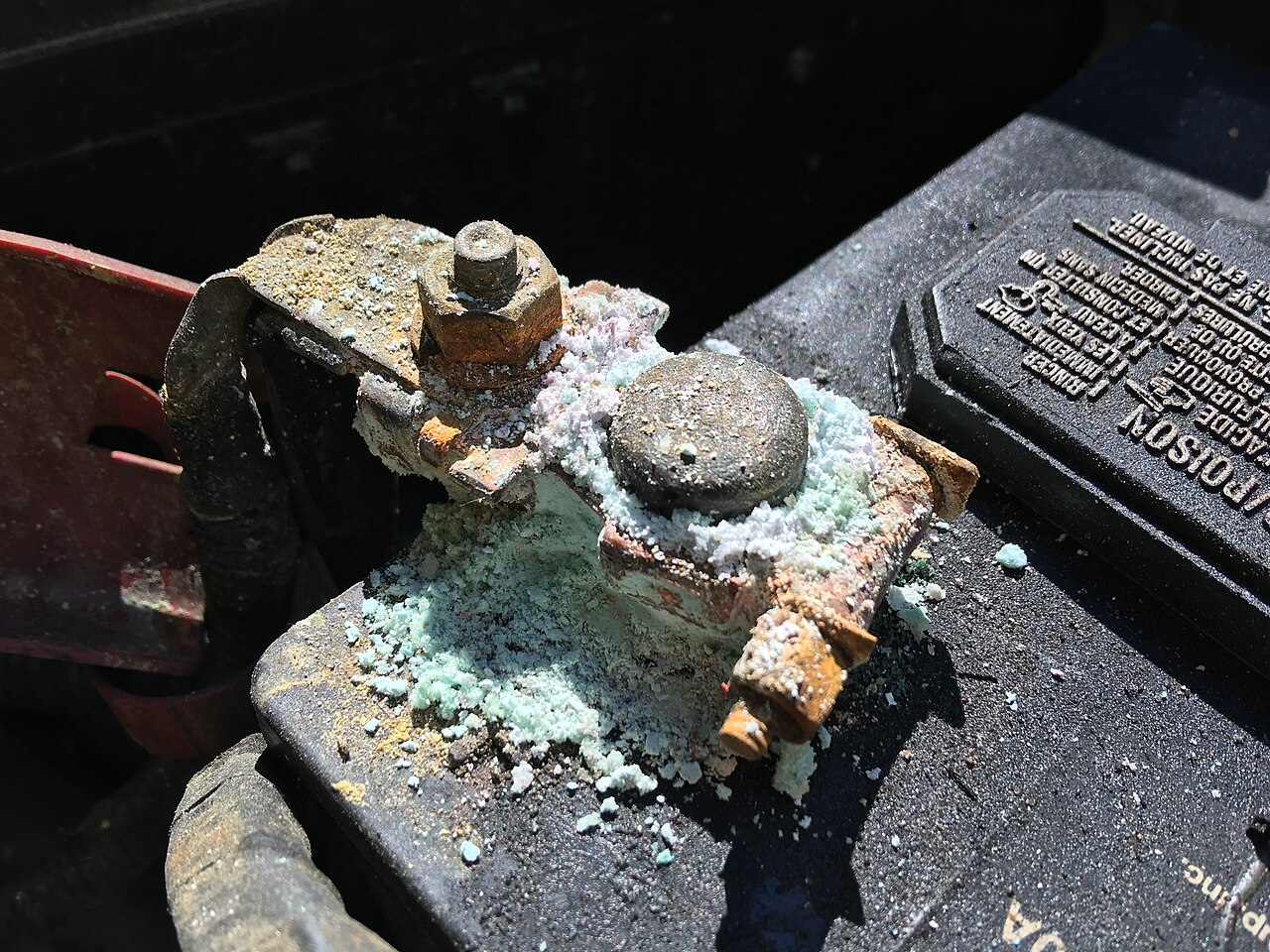
Loose or corroded connections act like a partly closed valve. The alternator makes power, but not enough reaches the battery. You'll often see white or green crust on the terminals.
A bad engine-to-chassis ground strap does the same thing. It raises resistance, drops charging voltage, and leaves the battery half-fed. Clean, tight connections fix a surprising number of "dying battery" complaints.
A Sneaky Alternator Diode Leaking Overnight
This is the one that fools people. A failed diode lets current flow backward into the alternator while the car is off. The alternator still charges fine when running, so it passes a basic test.
The giveaway is an overnight drain that survives every fuse you pull. An AC ripple test catches it, which we'll cover in the workflow below.
Follow the Symptoms: Which Cause Matches Your Situation
Your symptoms point straight at the likely cause. Match your situation to the row below, then jump to the matching test.
| If this is happening | Then start with | Most likely cause |
|---|---|---|
| Battery dies overnight, even after a full charge | Parasitic draw test | Stuck relay, light, or bad diode |
| Cranks slow, then dies after short trips | Load test | Worn-out battery |
| Dim lights, flickering, weak start after a repair | Ground and terminal check | Corroded or loose connection |
| Fine on long drives, dead after sitting 2 to 3 days | Parasitic draw test | Small constant drain |
| Only struggles in the cold | Load test | Weak battery, low reserve |
A few if/then rules make this faster:
- If the drain only shows up after days of sitting, then chase parasitic draw first.
- If it dies right after short, stop-and-go trips, then suspect a weak battery that never fully recharges.
- If the trouble started after installing a stereo, alarm, or dash cam, then check that wiring before anything else.
Short-trip driving deserves a callout. If your commute is under 15 minutes, the alternator may never fully top off the battery. Add a cold morning, when batteries lose cranking power, and a marginal battery finally gives up.
Test It Yourself: The Diagnostic Workflow Step by Step

Grab a digital multimeter and work through these in order. Each test rules out one culprit, so you stop guessing and start knowing. If you'd like a fuller walkthrough, this guide on tracking down a repeat drain pairs well with the steps here.
Resting Voltage Test
Set the meter to DC volts. With the engine off and cold, touch red to positive and black to negative. You want 12.6 volts.
Below 12.4 means it needs charging, and a 12.4 reading tells its own story about state of charge.
Charging Voltage Test
Start the engine and read again. You should see 13.8 to 14.7 volts. Turn on the headlights, blower, and rear defrost.
If voltage sags below 13, the charging side is struggling under load.
Battery Load or Conductance Test
This checks health, not just charge. Many auto parts stores run this test free. A battery that drops hard under load is done, no matter how good the resting voltage looks.
Parasitic Draw Test
Turn everything off. Move the meter to the 10-amp DC setting. Connect it in series with the negative cable, then wait 20 to 40 minutes for modules to sleep.
A reading over 50 mA points to a drain worth hunting, and normal parasitic draw figures give you the target.
Fuse-Pull Method
With the meter still reading draw, pull fuses one at a time. When the number drops, you've found the guilty circuit. Match the fuse to the diagram on the box lid to name the offender.
AC Ripple Test
Switch the meter to AC volts with the engine running. Healthy alternator diodes read under 50 millivolts. A higher number means a leaking diode, the sneaky drain that passes every other test.
Work these in order and you'll land on the real cause without throwing parts at the car.
Reading Your Numbers: Voltage, Milliamps, and Ripple Targets
Numbers only help if you know what "good" looks like. Here's the cheat sheet to judge every reading you took.
- 12.6V at rest: fully charged and healthy
- 12.4V: about 75% charged, starting to slip
- 12.2V or lower: half charged or worse, needs attention
- 13.8 to 14.7V running: alternator charging correctly
- Under 13V running with loads on: charging is weak
- 20 to 50 mA key-off: normal parasitic draw
- Over 50 mA key-off: a drain to hunt down
- Under 50 mV AC ripple: diodes are fine
A resting reading in the low 12s isn't automatically a dead battery. It may just be discharged. If your meter shows something borderline, what a mid-12-volt reading really means helps you tell "flat" from "failed."
One tip on the meter itself. Set it to the 20V DC range for battery voltage so you get clean decimals. This short guide on dialing in that range covers it if your meter isn't auto-ranging.
Short Trips, Cold Weather, and Add-Ons That Quietly Kill Batteries
Sometimes nothing is broken. Your driving habits are draining the battery faster than the alternator can refill it. Three factors do most of the damage.
Short trips top the list. A five-minute drive to the store barely replaces what starting used. Do that daily, and the battery slowly falls behind until it can't crank.
Cold weather is next. At freezing, a battery can lose 30 to 40 percent of its cranking power. A battery that limps through fall often quits on the first hard frost.
Then there are the add-ons. Dash cams, remote starters, aftermarket alarms, and phone chargers all pull current with the key off. If any of these was wired to a constant-hot circuit, it never truly shuts off.
- If you drive mostly short hops, then a weekly highway run or a maintainer keeps the battery topped up.
- If the drain started after an accessory install, then recheck that wiring first.
- If it only fails when cold, then load-test the battery before winter.
Mistakes That Send People Chasing the Wrong Part
Most wasted money comes from testing the wrong thing at the wrong time. Avoid these traps and you'll skip a lot of guesswork.
- Testing the alternator only at idle. Rev to 2,000 rpm with loads on to see real output.
- Trusting resting voltage as proof of health. Voltage shows charge, not capacity. Always load-test too.
- Skipping the sleep wait during a draw test. Modules need 20 to 40 minutes to power down, or your reading reads falsely high.
- Ignoring the ground. A corroded ground strap fakes alternator and battery faults at once.
- Replacing the battery first. A new battery on an undetected drain dies just as fast.
That last one is the classic. Folks buy a battery, feel relieved for three days, then it's dead again. The drain never left.
Before spending a cent, confirm the fault with the multimeter checks and cross-check against how to read a repeat drain.
Safety Rules Before You Touch a Lead-Acid Battery
A car battery is safe to work on when you respect two hazards: acid and gas. Lead-acid batteries vent hydrogen, which is flammable, so no sparks or open flames near them.
Follow these basics every time:
- Disconnect the negative terminal first, then the positive. Reconnect in reverse.
- Wear eye protection. Battery acid burns skin and eyes on contact.
- No smoking or sparks near the battery. Hydrogen gas can ignite.
- Keep metal tools off both terminals at once to avoid a dead short.
- Recycle old batteries at a proper drop-off. The U.S. EPA treats lead-acid batteries as recyclable hazardous waste, not trash.
One heads-up on modern cars. Disconnecting the battery can wipe radio codes, reset windows, and drop stored fault memory. Note your codes first, or use a memory saver if you'd rather not lose them.
Keeping It Fixed: Terminals, Maintainers, and Smart-Charging Resets
Once you've found the fault, a little upkeep stops it from coming back. Start where problems love to hide: the connections.
Clean the terminals with a baking soda and water paste to kill corrosion. Rinse, dry, then tighten the clamps snug. A thin coat of dielectric grease or terminal spray slows the crust from returning.
For cars that sit, a battery maintainer earns its keep. Unlike a bulk charger, it trickles a small current and holds the battery near full without overcharging. It's the simplest fix for weekend cars, RVs, and short-commute drivers.
Modern vehicles add one more step. Many use smart charging tied to a battery sensor. After fitting a new battery, the system may need a battery reset or relearn so it charges the fresh battery correctly.
Check your owner's manual, since skipping this can leave a good battery undercharged.
A quick seasonal habit pays off too. Test resting voltage once a month and load-test before winter. Catching a weak battery early beats a no-start on the coldest morning of the year.
When to Stop Testing and Hand It to a Pro
Some faults are worth handing off. If you've cleaned the grounds, load-tested the battery, and still can't find the drain, a shop with a proper amp clamp can trace it faster.
Call in help when:
- The parasitic draw is high but no single fuse drops it
- You suspect a bad alternator diode but can't read AC ripple
- The drain hides behind a sealed module or CAN-bus network
- Wiring smells hot or shows melted insulation
Networked modules on newer cars can be tricky. One sleepy computer that won't shut down needs a scan tool, not a multimeter. That's your cue to book a diagnostic.
Frequently Asked Questions
Can a good alternator still drain the battery?
Yes. A bad diode inside the rectifier can leak current backward while the engine is off. The alternator still charges fine when running, so it passes a basic bench test.
An AC ripple test above 50 millivolts usually catches it.
Why does my new battery keep dying overnight?
A fresh battery dies overnight when an untreated parasitic drain is still pulling power. Replacing the battery never fixed the real fault. Run a key-off draw test and expect 20 to 50 mA.
Anything higher means a circuit is staying awake.
How long should a car battery hold a charge while parked?
A healthy battery should sit for two to four weeks without dying. Short-trip driving and cold weather shorten that. If yours drains in a day or two, you've got a drain or a worn battery, not normal self-discharge.
Does short-trip driving really kill a battery?
Yes. Brief drives don't run the alternator long enough to replace the charge that starting used. Do it daily and the battery slowly falls behind until it can't crank.
A weekly longer drive or a plug-in maintainer fixes it.
Your Quick Decision Guide From Symptom to Fix
Here's the whole thing boiled down to one path. Follow it top to bottom and you'll land on the fix.
| Step | Check | If it fails | Likely fix |
|---|---|---|---|
| 1 | Resting voltage (want 12.6V) | Low charge | Charge, then load-test |
| 2 | Load or conductance test | Drops under load | Replace the battery |
| 3 | Charging voltage (13.8 to 14.7V) | Weak output | Check belt, ground, alternator |
| 4 | Parasitic draw (want under 50 mA) | High draw | Pull fuses to find the circuit |
| 5 | AC ripple (want under 50 mV) | High ripple | Replace the alternator |
Work it in order. Start with the battery, move to charging, then hunt the drain. Skipping ahead is how people replace good parts.
The bottom line stays simple. A charging test that passes doesn't clear the whole system. Clean connections, a healthy battery, and a draw under 50 milliamps are what keep the car starting every morning.

Similar Posts