Car Battery Reads 12V but Won’t Crank? Here’s Why
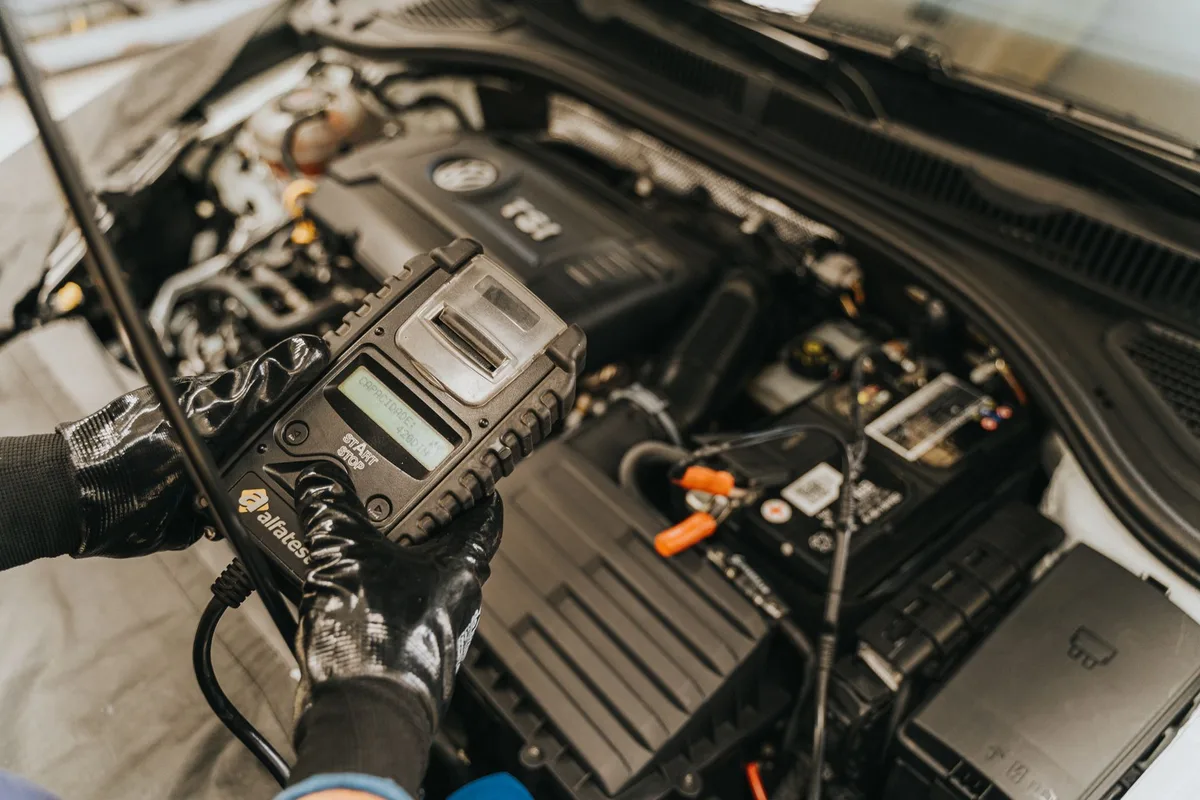
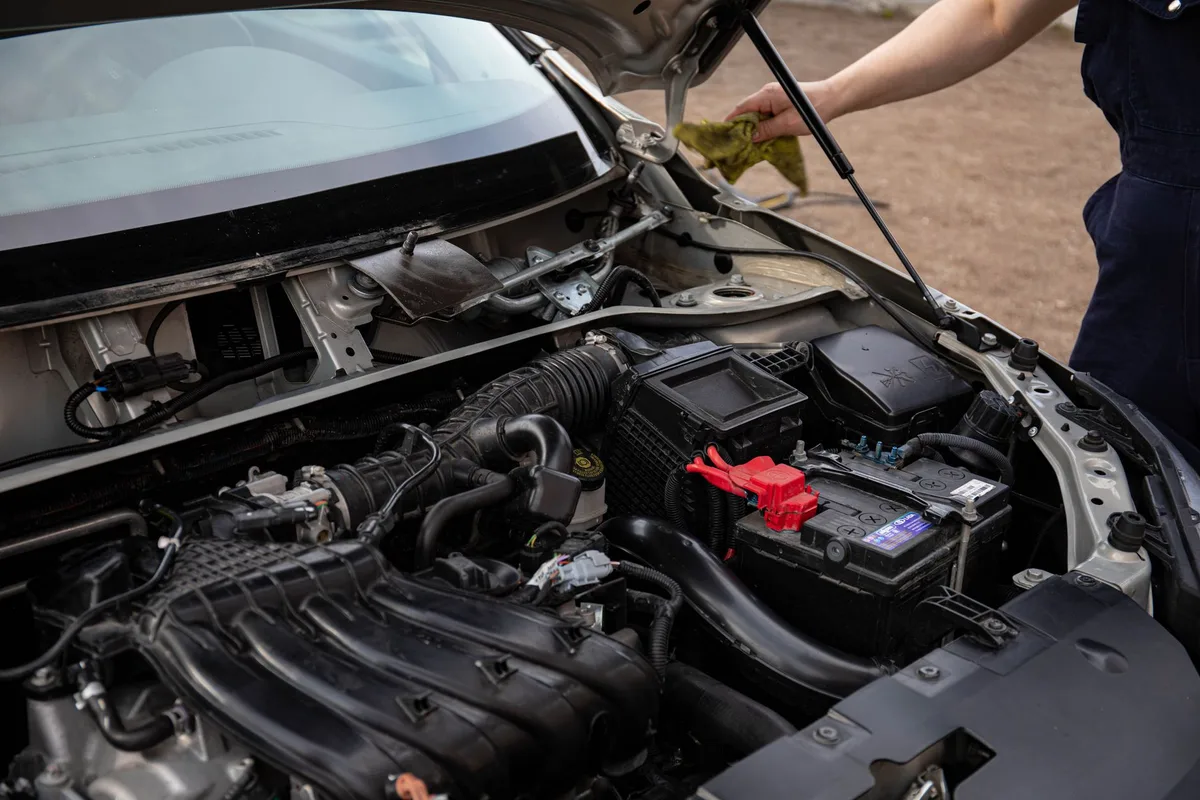
A car battery shows 12 volts but won't crank more often than most drivers expect, and it usually points to a battery that's weaker than the number suggests. That 12.0 reading feels healthy because it's close to the "12-volt" label on the case. It isn't.
A fully charged battery should sit noticeably higher, and 12.0 volts means the battery is running on fumes.
The gap matters because starting an engine is a huge electrical ask. Per Battery Council International figures, a starter can pull 150 to 300 amps in normal weather, with brief inrush spikes near 500 amps. A battery at 12.0 volts simply can't deliver that punch.
So before you condemn the starter, let's decode what's really happening.
Quick Answer
A car battery showing 12 volts but no crank is nearly flat. A healthy resting battery reads 12.6 volts, not 12.0. At 12 volts, it holds only about 25% charge.
That's usually too weak to spin the starter. Charge it, then load test before blaming the starter.
Why 12 Volts Doesn't Mean Your Battery Is Fine
Here's the part that trips people up. A "12-volt" battery isn't supposed to rest at 12 volts. That's the nominal name, not the healthy target.
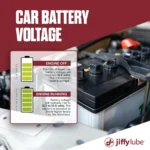
A good lead-acid battery reads about 12.6 to 12.7 volts when fully charged and rested. Drop to 12.0, and you're looking at roughly 25% state of charge. It's most of the way dead.
The catch is that a weak battery can still show a decent static number while failing under load. Voltage measures pressure, not power delivery. A battery can hold 12.0 volts sitting still, then collapse to 8 or 9 volts the instant the starter draws current.
That's why a simple voltage check tells only half the story, and why a proper under-load battery check matters so much.
As of 2026, most parts stores still test batteries free, but you can catch this at home with a multimeter and a little patience.
Read the Symptom First: Single Click, Rapid Clicking, or Dead Silence
The sound your car makes when you turn the key is the fastest clue you've got. Before touching a tool, listen. Each pattern points down a different branch.
- One loud single click: The starter solenoid is trying to engage but there isn't enough current to spin the motor. This leans toward a weak battery, a bad connection, or a failing starter.
- Rapid machine-gun clicking: The solenoid keeps snapping in and out because voltage sags too low to hold. This is the classic low-battery or bad-connection signature.
- Complete silence, no click at all: No signal is reaching the starter. Suspect the ignition switch, neutral safety switch, a blown fusible link, a dead-flat battery, or a security lockout.
Here's a quick reference to keep straight:
| What you hear | Most likely cause | First thing to check |
|---|---|---|
| Single click | Low battery, bad ground, or starter | Battery load, terminals |
| Rapid clicking | Discharged battery, weak connection | Charge and clean terminals |
| No sound | Switch, fuse, immobilizer, dead battery | Dash lights, spare key |
| Clicks then cranks slow | Marginal battery | Charge, then load test |
If the dash lights dim hard when you turn the key, current is flowing but the battery can't keep up. If nothing dims at all on a no-click car, the problem is upstream of the starter.
How the Starting Circuit Actually Works (Battery, Cables, Solenoid, Starter)
Knowing the path the current takes makes the whole diagnosis click into place. The starting circuit is short, but every link has to hold.
Here's the chain, in order:
- The battery stores the charge and supplies the cranking amps.
- Thick battery cables carry that current to the starter.
- The ignition switch (through the key or push button) sends a small trigger signal.
- The starter solenoid acts as a heavy-duty relay, closing the high-current path.
- The starter motor spins the flywheel and turns the engine over.
- The ground strap returns current through the engine and chassis back to the battery.
Every one of those points is a place the circuit can fail. A corroded terminal adds resistance. A loose ground strap starves the motor.
A tired solenoid clicks but won't pass full current.
That ground path is the one most people forget. Current has to make a full loop, so a bad engine-to-chassis connection can mimic a dead battery exactly. Running a quick ground path check rules that out fast.
When the whole chain is solid and the battery is strong, the engine spins right up.
Voltage Numbers Decoded: Resting vs Under-Load
There are two voltage numbers that matter, and mixing them up sends people to the wrong repair. One is resting voltage. The other is voltage under load.
Resting Voltage and What Each Reading Means
Resting voltage is what you measure with everything off, key out, ideally after the car has sat an hour or more. It tells you the state of charge. To catch it accurately, set your meter correctly first, using the correct DC voltage range so the reading is clean.
| Resting voltage | State of charge | What it means |
|---|---|---|
| 12.6–12.7V | 100% | Healthy, fully charged |
| 12.4V | ~75% | Slightly low, still usable |
| 12.2V | ~50% | Weak, recharge soon |
| 12.0V | ~25% | Nearly dead, likely won't crank |
| 11.9V or less | ~0% | Flat, needs charging |
One warning about surface charge. Right after driving or charging, a battery can read falsely high for a while. Let it rest before trusting the number, or you'll think it's healthier than it is.
The Crank Test: Watching Voltage While You Turn the Key
This is the test that actually settles the argument. Keep the meter on the battery posts and have someone crank the engine. Watch what the voltage does the moment the starter loads it.
A healthy battery holds around 9.6 volts or higher while cranking at normal temperatures. If it nosedives below that, or crashes to 5 or 6 volts, the battery can't deliver current and it's failing. Cold weather lowers the bar, and temperature's effect on battery output is real, so a freezing morning stacks the deck against a marginal battery.
If the battery holds voltage during the crank but the engine still won't turn, the battery is off the hook. That's when you shift your attention to the starter and connections. Knowing the normal cranking voltage range keeps you from second-guessing a good battery.
The Decision Tree: From 12V Reading to the Real Culprit
Once you've got the voltage numbers and the sound, you can follow a clean path to the answer. Work it in order and you'll rarely guess wrong.
- If resting voltage sits at 12.0V or lower: charge the battery first. A quarter-charged battery can't crank, full stop.
- If it charges to 12.6V but still dies fast under load: the battery is sulfated or has a bad cell. Replace it.
- If the battery holds 12.6V and crank voltage stays above 9.6V, yet no crank: the battery is fine. Move to connections and starter.
- If you get a single click with good battery voltage: suspect the starter or a high-resistance connection.
- If you get no click and no dash lights: check the main fuse, ground, ignition switch, or immobilizer.
Think of it as ruling out the cheap stuff before the expensive stuff. Terminals and charge cost pennies. A starter costs real money.
The Usual Suspects Behind a No-Crank
Most no-crank cases trace back to a short list of culprits. Knowing the tell for each saves you hours.
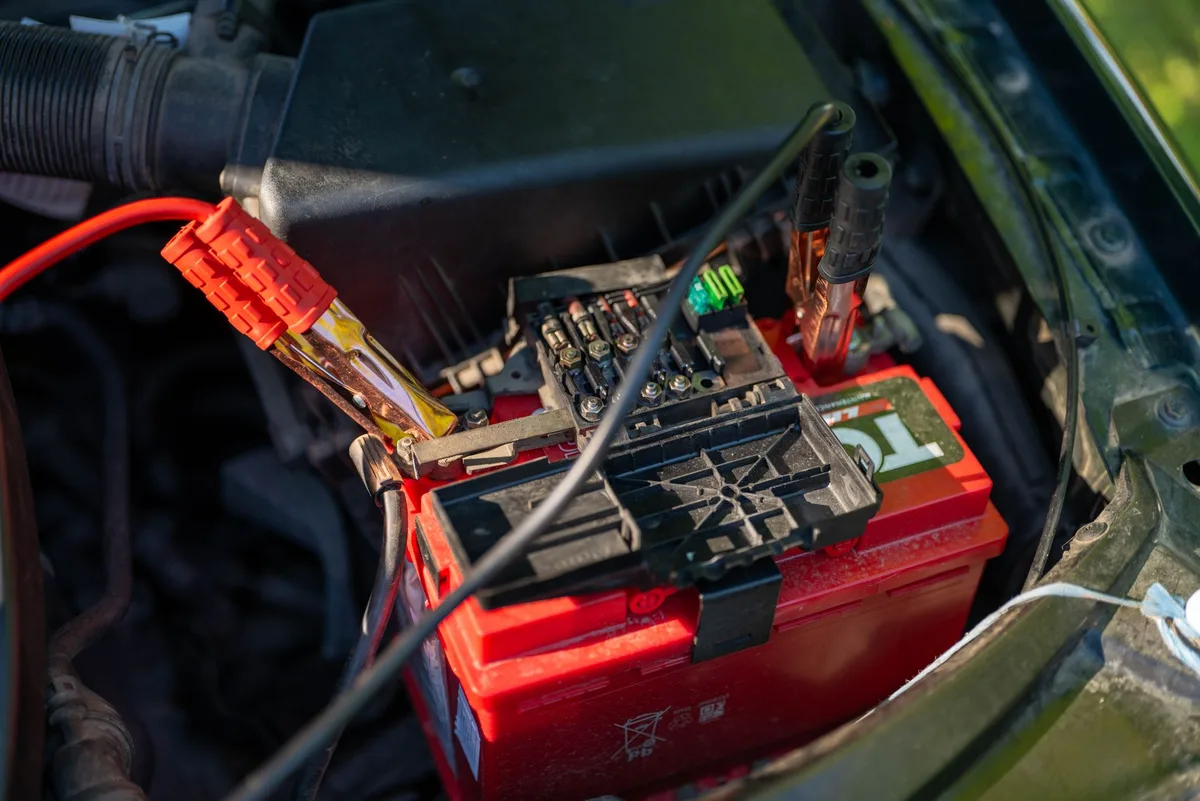
Weak but Charged-Looking Battery
This is the number-one offender. The battery reads 12.0 to 12.2 volts, looks alive, then folds the second the starter pulls. A three to five year old battery that sits at this range is usually done.
Charge it, rest it, and if it won't climb past 12.4V or crashes under load, replace it.
Corroded or Loose Terminals and Bad Grounds
Corrosion is the sneakiest cause because everything else checks out. That white or blue-green crust on the posts adds resistance and chokes the current. Even a slightly loose clamp can drop enough voltage to stop a crank.
Clean the posts to bare metal, tighten firmly, and retest. A quick terminal resistance check confirms whether the connection is the weak link.
Failed Starter or Sticking Solenoid
If the battery is strong but you get one click or dead silence, the starter is the prime suspect. Worn brushes, a burnt armature, or a sticking solenoid all cause this. A classic field trick is tapping the starter body gently with a wrench while someone cranks.
If it fires up, the starter is on its way out. Confirm it properly with a starter draw test before spending on parts.
Ignition Switch, Neutral Safety, and Immobilizer Lockouts
No click and no dash reaction points here. An automatic won't crank unless it's in Park or Neutral, so jiggle the shifter and try Neutral. A manual needs the clutch fully pressed.
And a security or immobilizer fault can block the starter entirely, so try your spare key or fob.
Parasitic Drain That Kills It Overnight
If the battery is fine after charging but dies again by morning, something's draining it. A stuck relay, glovebox light, or aftermarket accessory can pull current all night. Tracking down the culprit with a parasitic draw test tells you whether the battery is the victim, not the cause.
Step-by-Step: Testing It Yourself With a Multimeter
You can sort most of this in about ten minutes with a basic meter. Here's the order that works.
- Set the multimeter to DC volts, 20V range.
- Touch red to the positive post, black to the negative post.
- Read resting voltage. Note it against the charge table.
- Have a helper crank while you watch the number. Healthy holds above 9.6V.
- Charge the battery if it's below 12.4V, then repeat.
- If charged voltage looks good but cranking still fails, test the connections and starter.
Work clean and steady. If you're new to this, the full walkthrough for reading battery voltage the right way covers probe placement and safe handling.
The Voltage-Drop Test Most People Skip
This is the test that catches hidden bad connections, and almost nobody runs it. It measures voltage lost across a cable or joint while the circuit is under load. High drop means high resistance, and that's a killer for cranking.
Here's the idea. With the meter across two points, crank the engine and watch the reading. Low numbers are good.
High numbers flag the weak link.
| Test point | Acceptable drop | Red flag |
|---|---|---|
| Single connection | Under 0.2V | Over 0.3V |
| Whole positive cable | Under 0.3V | Over 0.5V |
| Ground path | Under 0.2V | Over 0.3V |
A battery can be perfect and a car still won't crank if a cable eats the voltage on the way. Running a proper voltage-drop check and inspecting the full length of the cables finds corrosion hiding under the insulation.
Fix It or Replace It: Battery, Starter, or Connection
Now you decide what actually gets fixed. The path depends on what your tests showed, not on guesswork.

- Battery below 12.4V and weak under load: charge it. If it won't recover, replace it.
- Corroded or loose terminals: clean, tighten, and protect with a light coat of dielectric grease. Cheapest fix there is.
- Strong battery but single click or no spin: replace or rebuild the starter.
- High voltage drop on a cable: repair or replace that cable or ground strap.
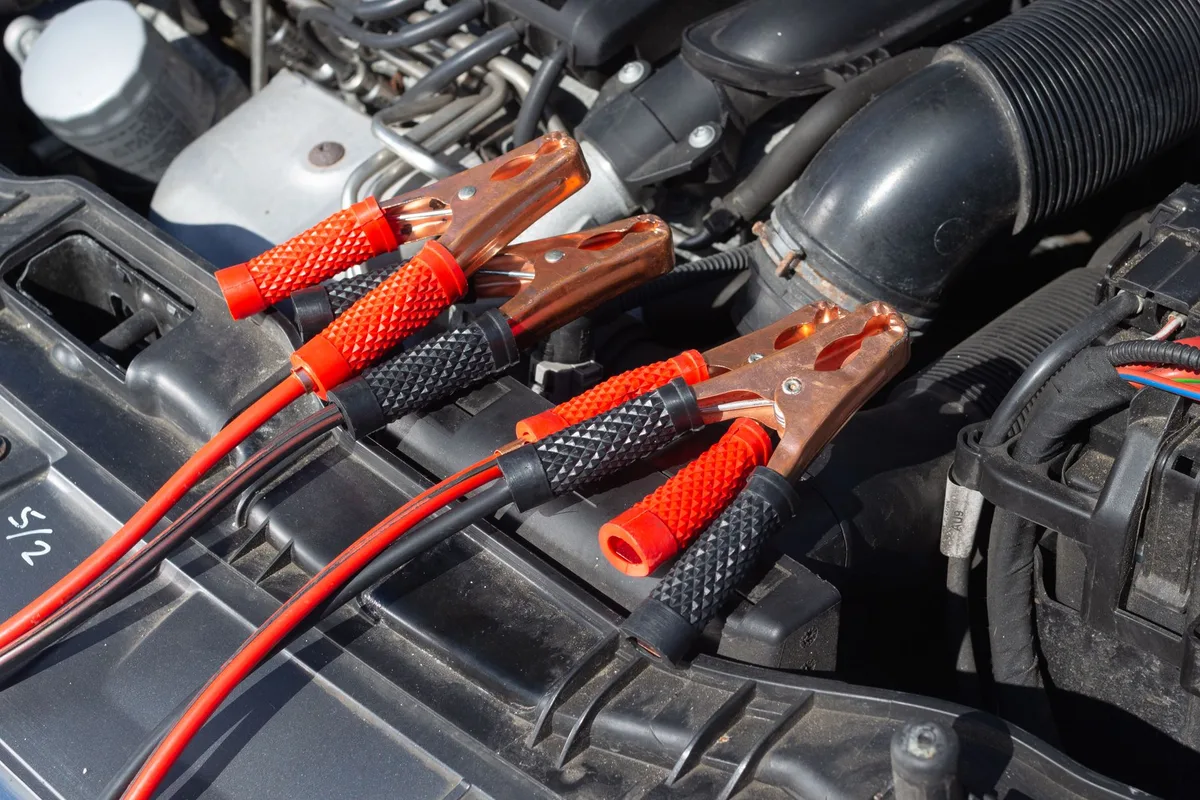
A jump start is a useful diagnostic, not a cure. If the car fires right up on jumper cables, your battery or its connections are the problem, not the starter. Connect positive to positive first, then ground the last clamp to bare engine metal, never the dead battery's negative post.
Match the battery you buy to the original spec. Check the group size and cold cranking amps on the old case, and don't drop below the factory CCA rating. An underrated battery will leave you right back here on the next cold morning.
Mistakes That Send You Chasing the Wrong Part
The costliest error is replacing the starter when the battery was weak all along. A 12.0V reading fools people into trusting the battery, so they throw parts at the car. Charge and load test first, every time.
Here are the traps we see most:
- Trusting resting voltage without a load test.
- Reading voltage right after driving, when surface charge inflates the number.
- Ignoring the ground strap because it looks fine.
- Buying a battery with lower CCA than the factory spec.
- Forgetting the shifter position or clutch switch on a no-click car.
Skip the guesswork and the repair usually gets cheaper, not harder.
Safety Rules Before You Touch the Battery
A car battery is small but genuinely dangerous, so treat it with respect. It vents hydrogen gas, which is explosive, and it's full of sulfuric acid. One careless spark near the posts can cause real harm.
Follow these basics:
- No open flames, cigarettes, or sparks near the battery.
- Wear eye protection and gloves.
- When removing a battery, disconnect the negative terminal first.
- Never let a metal tool bridge both posts. That arc can burn or explode.
- Charge in a ventilated space, never a sealed room.
For safe-handling guidance, the OSHA workplace safety standards cover battery hazards and hydrogen venting in detail.
What a Diagnosis and Repair Actually Costs
Costs swing widely depending on which culprit you find, and that's exactly why testing pays off. Cleaning terminals costs almost nothing. A starter job runs into real money.
| Fix | Typical parts cost | Notes |
|---|---|---|
| Terminal clean/tighten | $0–$15 | Brush, wrench, grease |
| New battery | $120–$300 | Varies by group size, CCA |
| Starter motor | $150–$400+ | Plus labor if shop-installed |
| Battery cable/ground | $20–$60 | Cheap part, big impact |
Prices reflect aggregate 2026 retail ranges and vary by vehicle. A free load test at a parts store can save you from buying the wrong part entirely.
When to Stop and Call a Pro
Call a mechanic when the battery and connections test fine but the engine still won't crank. That points to deeper faults like a bad ignition switch, a wiring problem, or a security system lockout. Those need proper diagnostic tools.
Also get help if the battery keeps dying overnight and you can't find the drain. Or if the charging system looks suspect. When voltage stays low even after driving, the normal alternator output range is worth confirming, and a quick charging system check tells you if the alternator is starving the battery.
Anything involving smoke, melted wiring, or a hot starter cable is a stop-now situation. Don't keep cranking.
Frequently Asked Questions
Can a battery show 12 volts and still be bad?
Yes, easily. A 12.0V resting reading means the battery is only about 25% charged. It can hold that number sitting still, then collapse under the starter's load.
A healthy battery rests at 12.6V and holds above 9.6V while cranking.
Why does my car click but not start with 12 volts?
That click is the solenoid trying to engage without enough current behind it. At 12.0V the battery can't deliver the 150 to 300 amps a starter needs. Charge the battery and clean the terminals.
If it still clicks with a strong battery, suspect the starter.
Will jump-starting fix a car that won't crank at 12 volts?
A jump start gets you going temporarily, but it isn't a repair. If the car fires up on cables, your battery or connections are weak. Recharge and load test the battery afterward.
If it fails, replace it before you get stranded again.
How many volts should a battery drop to while cranking?
A healthy battery holds around 9.6 volts or higher during cranking at normal temperatures. If it dives below that, or crashes to 5 or 6 volts, the battery is failing. Cold weather lowers the threshold slightly, so test on a mild day when possible.
Is 12.4 volts enough to start a car?
Sometimes, but it's marginal. At 12.4V the battery sits near 75% charge and may crank a warm engine. On a cold morning it can fall short.
Recharge to 12.6V and load test before trusting it through winter.
Your No-Crank Decision Guide
Keep it simple. Charge first, test under load, then check connections, and only then blame the starter.
- Below 12.4V: charge, then load test.
- Holds charge but weak under load: replace the battery.
- Strong battery, single click: test the starter and cables.
- No click, no lights: check ground, fuses, switch, and immobilizer.
Work it in that order and you'll fix the right thing the first time, without wasting money on parts your car never needed.

Similar Posts