How Long Does a Starter Last? Signs, Lifespan & Tips
If your car's cranking is starting to feel sluggish, the real question is how long does a starter last before it finally taps out. The honest answer sits between 80,000 and 150,000 miles for most passenger cars. That number bends hard around driving habits, climate, and vehicle type.
A highway commuter can push past 200,000 miles on the original unit, while a city driver with a stop-start delivery route might be shopping for a replacement at 60,000.
Manufacturer specifications indicate most modern starters are engineered for roughly 50,000 to 100,000 start cycles, per SAE International test protocols like J537. That figure matters more than mileage, and it's why two identical cars can have very different starter lifespans. As of 2026, stop-start rated starters are pushing that ceiling toward 300,000 cycles.
Here's what actually drives the number.
Quick Answer
A typical automotive starter lasts 80,000 to 150,000 miles or roughly 7 to 10 years. Design targets sit at 50,000 to 100,000 start cycles. Cold climates, short trips, and diesel engines shorten that number.
Highway driving and warm garages extend it. Stop-start rated starters last far longer under high cycle counts.
How Long a Starter Actually Lasts (The Honest Answer)
There is no single number, and any shop that gives you one is guessing. In our research across OEM service data and aggregate fleet reports, the honest range for a passenger-car starter is 80,000 to 150,000 miles. That works out to about 7 to 10 years of ownership for most drivers.
That's the middle of the bell curve. Toyota and Honda starters routinely cross 200,000 miles when the car sees mostly highway use. European models with tighter engine bays and hotter underhood temps tend to sit at the lower end.
Diesel pickups often need a starter between 100,000 and 130,000 miles because compression loads are brutal on the pinion and armature.
Age matters almost as much as miles. A garage-kept car driven twice a week can hit 15 years on the original starter. A delivery vehicle doing 80 cold starts a day can burn through one in under three years.
Similar to how alternator longevity varies by use pattern (see our breakdown of expected alternator lifespan), starter life is a moving target tied to duty cycle.
Why Start Cycles Matter More Than Mileage
Every time you turn the key or push the button, the starter does one job. It spins the engine up to firing speed and then disengages. That single event is a "cycle," and cycles are what wear the motor out, not the miles the car covers between starts.
Per SAE J537 testing, most passenger-car starters are validated to 50,000 to 100,000 cycles. Do the math on a typical two-start-per-day commuter. You land at roughly 20 to 25 years of theoretical life.
Add short trips, cold weather, or a rideshare schedule with 40 to 60 starts a day and that same starter can fail in 3 to 5 years, regardless of what the odometer says.
The upshot is simple. If you drive a lot of short hops, count starts, not miles. If your car sits with the engine off more than most, you're wearing the starter faster than the mileage suggests.
What's Inside a Starter and Which Parts Wear Out First
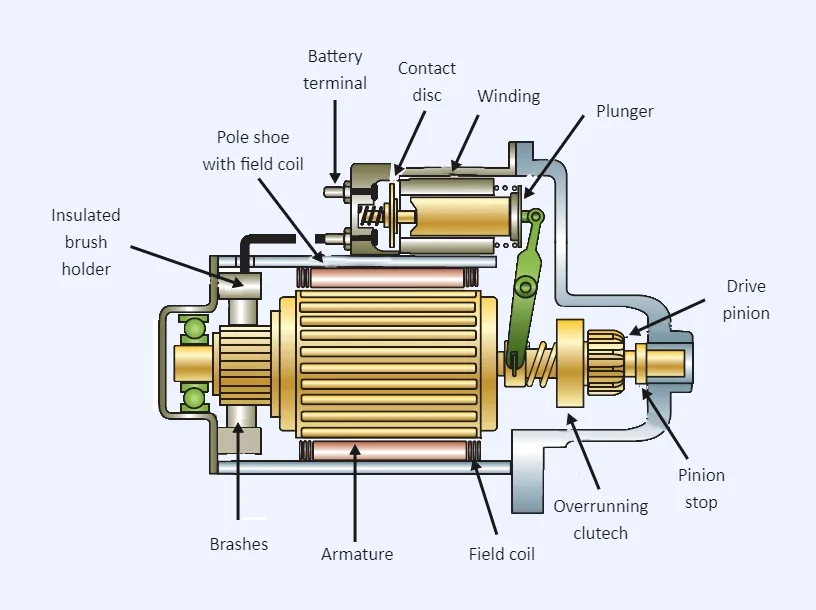
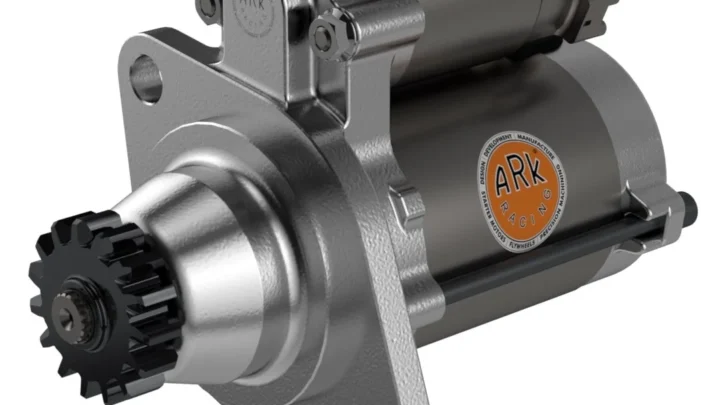
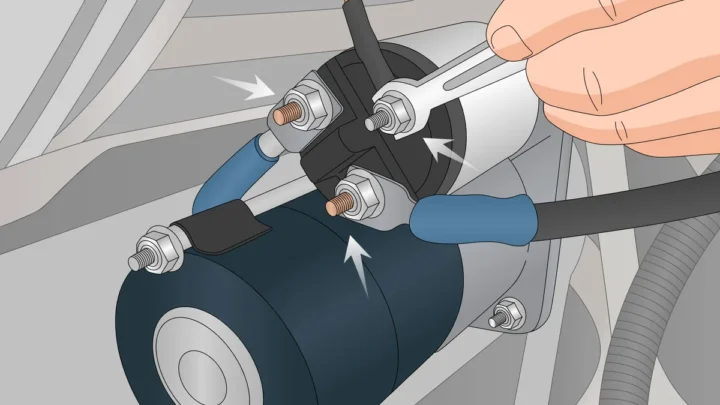
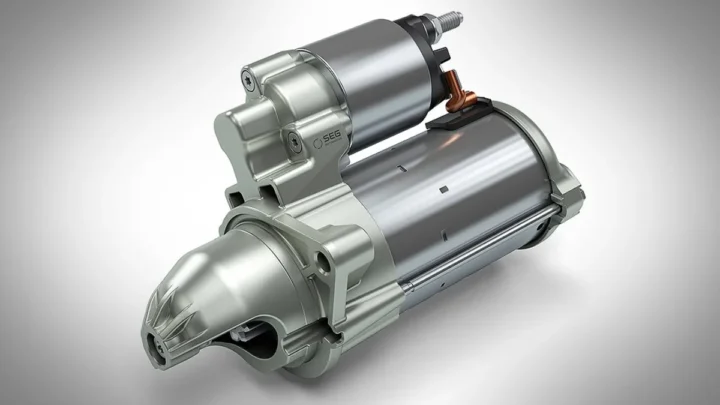
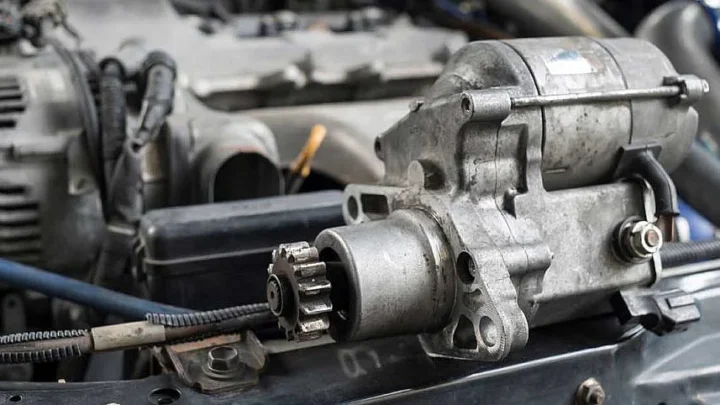
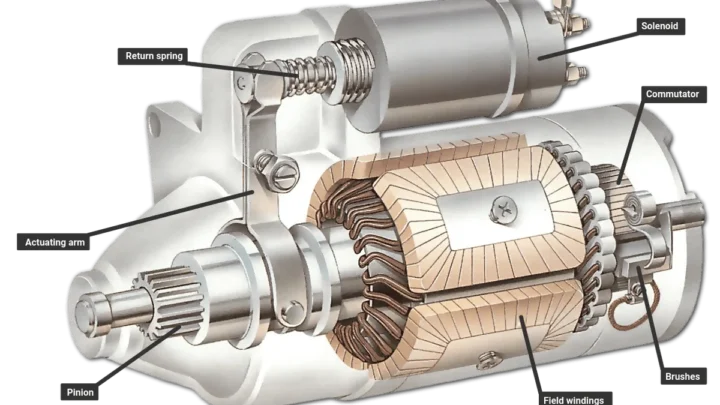
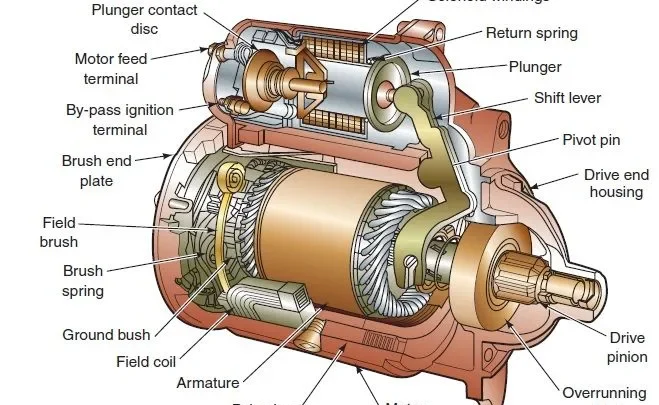
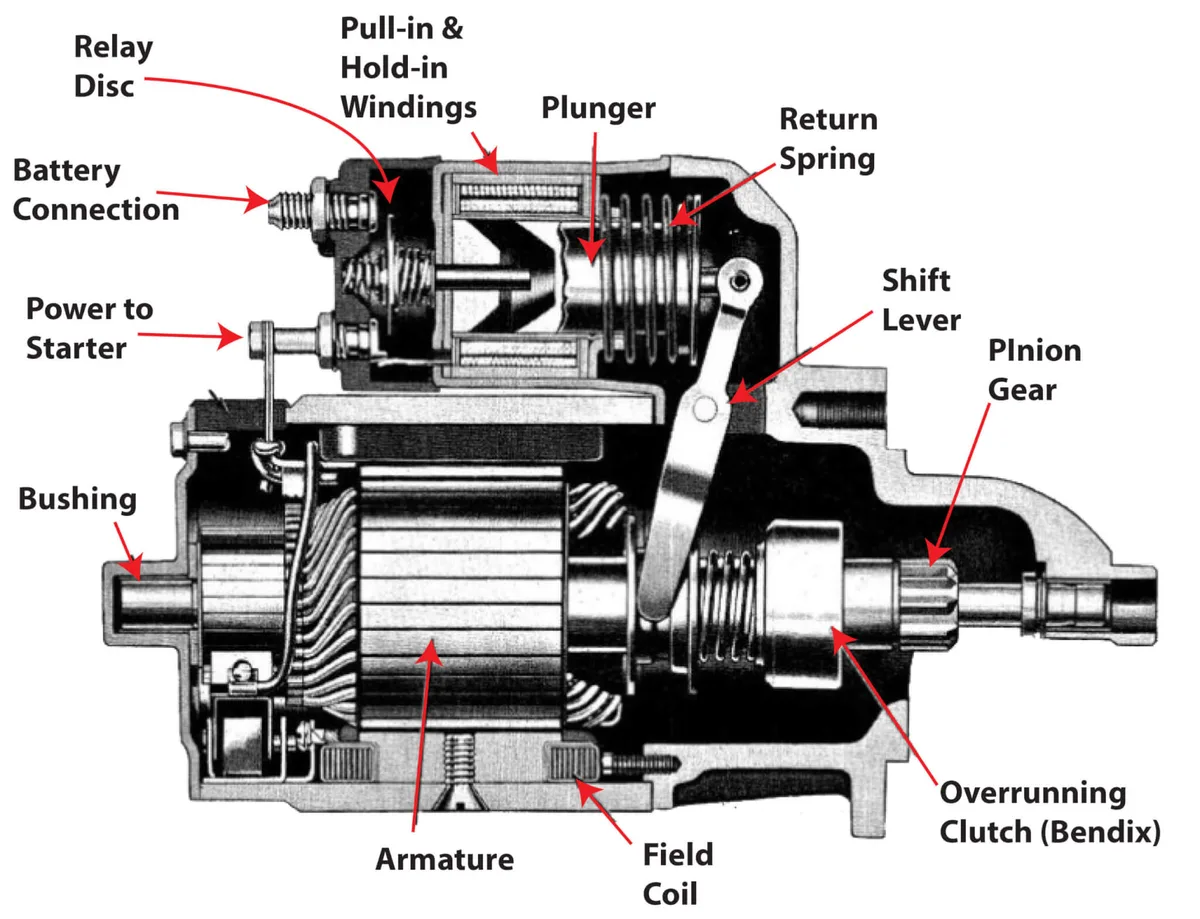
A starter is a compact DC motor bolted to a solenoid, with a small pinion gear that flings out to engage the flywheel ring gear. Understanding the failure hierarchy tells you what actually gives up first, and it's rarely the motor itself.
The wear order, from most common failure to least:
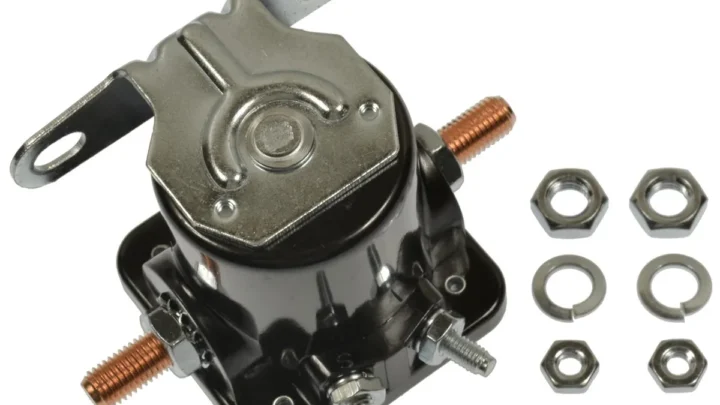
- Solenoid contacts. Copper contacts inside the solenoid erode from arcing every crank. This is the single most common failure mode and the reason you get the classic "one loud click."
- Brushes. Carbon brushes ride on the commutator and wear down over thousands of cycles. When they get too short, contact goes intermittent.
- Bendix drive and pinion assembly. The one-way clutch can seize or slip, causing grinding or freewheeling.
- Armature and commutator. Rare failure, usually from overheating or extended cranking. Burnt windings put a motor out for good.
- Housing bushings. Worn bushings cause the armature to drag, pulling extra current and heat.
Rebuild kits usually target the first three. When the armature is toast, the whole unit gets replaced. Denso and Bosch both publish labeled cutaway service diagrams that make the wear points obvious for anyone doing a rebuild.
Typical Lifespan by Vehicle Type and Driving Pattern
Lifespan swings dramatically by how the car is used. The table below reflects aggregate service data from independent shop reports and OEM technical bulletins.
| Driver profile | Typical starter life |
|---|---|
| Highway commuter, warm climate | 150,000 to 220,000 miles |
| Mixed suburban driving | 100,000 to 150,000 miles |
| Short-trip city driver | 60,000 to 100,000 miles |
| Rideshare or delivery fleet | 3 to 5 years (cycle-limited) |
| Diesel pickup, work use | 100,000 to 130,000 miles |
| Stop-start equipped car | 150,000+ miles (with rated starter) |
Daily Commuters vs Short-Trip Drivers
Highway drivers see the longest starter life. Two starts a day, a warm engine most of the time, low cycle count. Short-trip drivers double or triple their cycle count for the same mileage, and cold starts hit hardest of all.
Fleet, Delivery, and Rideshare Vehicles
These vehicles are cycle-limited, not mile-limited. High-frequency start cycles chew through passenger-grade starters in a handful of years no matter the mileage. Fleet managers should spec heavy-duty units from day one.
Diesel Trucks and High-Compression Engines
Diesels need more cranking torque, so their starters run hotter and pull more current. Expect 100,000 to 130,000 miles from an OEM diesel starter under normal work-truck use. Neglected batteries shorten that number quickly.
Stop-Start Equipped Cars
Vehicles with auto stop-start need factory-rated heavy-duty starters that handle 300,000+ cycles. Swapping in a standard replacement is a common mistake that kills the new unit inside a year.
Early Warning Signs Your Starter Is on Its Way Out
Starters rarely die without warning. You usually get weeks or months of hints before the final no-start. The trick is separating starter symptoms from battery, ground, or ignition switch problems, which we cover in our guide to pinning down the true failed component.
Watch for these signals:
- Slower cranking than usual, especially when the engine is warm. Heat-soak weakness is a hallmark of tired brushes or solenoid contacts.
- Single loud click when you turn the key, followed by nothing. Classic solenoid contact failure.
- Intermittent no-start that clears if you wait 10 minutes. Heat is opening a marginal contact.
- Grinding sound during cranking. Pinion or ring gear damage.
- Whirring without cranking. The starter is spinning but the drive isn't engaging.
- Starter stays engaged after the engine fires. The solenoid isn't releasing.
If you get two or more of these together, the starter is telling you it's near end of life. Don't wait for a driveway no-start. Confirm with a voltage-drop test before it strands you.
What Actually Kills a Starter Before Its Time
Most starters that fail early aren't defective. They're victims of something else in the electrical system that made them work harder than they should have.
The top premature-death culprits:
- Weak or dying battery. A tired battery forces the starter to crank longer on lower voltage, cooking the windings.
- Corroded or loose battery cables. High resistance means more heat and more current through the starter.
- Bad engine-to-chassis ground strap. The starter tries to pull hundreds of amps through a rusty ground and overheats.
- Extended cranking. Turning the key for 20+ seconds trying to start a flooded engine can char the armature in one attempt.
- Oil leaks onto the starter body. Rear main or valve cover leaks contaminate brushes and bearings.
- Wrong starter for the application. Standard unit fitted to a stop-start car, or light-duty on a diesel.
Fix the root cause and the replacement lasts. Slap a new starter on a car with a bad ground and you'll be doing the job again inside a year.
When It's Not the Starter: Battery, Grounds, and Ignition Switch
Half the "bad starter" cases that walk into shops turn out to be something else entirely. Before you spend $500 on a new unit, rule out the impostors.
The usual suspects:
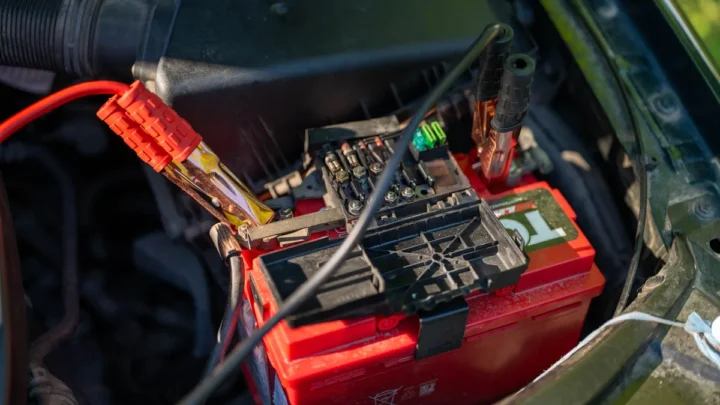
- Battery under 12.4 volts at rest. Won't crank properly regardless of starter health. Test with a multimeter using the standard resting voltage check.
- Corroded battery terminals. Green or white crust on the posts kills current flow. Clean and retest.
- Failed ignition switch. No click at all when you turn the key, but headlights work. The switch isn't sending the signal.
- Bad neutral safety switch. Won't crank in Park but starts in Neutral, or vice versa.
- Blown starter fuse or fusible link. Silent turn of the key with all other electronics working normally.
- Failed starter relay. Swap with an identical relay in the fuse box and see if the problem moves.
A quick way to sort battery from starter: if the headlights dim to almost nothing when you turn the key, the battery or cables are the weak link, not the starter itself.
How to Test a Starter Before You Replace It
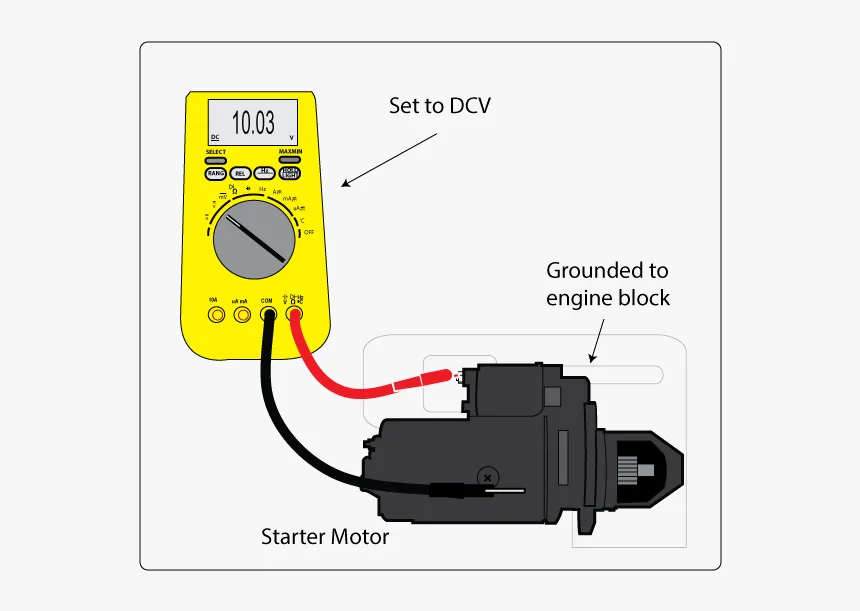
Never buy a starter based on symptoms alone. Three quick tests will confirm the diagnosis in under 15 minutes.
Voltage Drop Test
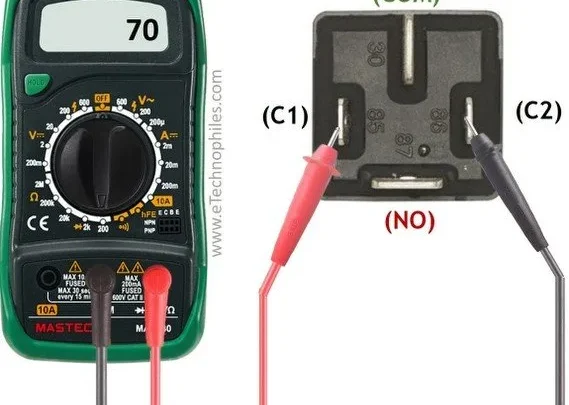
The gold standard test for the starter circuit. Set a multimeter to DC volts. Put the red probe on the battery positive post and the black probe on the starter's large B+ terminal.
Have someone crank the engine.
Reading should stay under 0.5 volts. Anything over 0.5V means resistance in the cable, connector, or terminal. Repeat on the ground side: battery negative to starter case.
Same 0.5V limit applies.
Cranking Amp Draw
Clamp an inductive amp meter around the positive battery cable and crank. Healthy draw for a 4-cylinder gasoline engine sits between 125 and 175 amps. V8s and diesels can hit 250 to 350 amps.
Draw well above the spec means internal drag from worn bushings or a shorted armature. Draw well below means poor engagement or high resistance somewhere in the circuit.
Bench Test
Pull the starter and take it to any auto parts store that offers free bench testing. They clamp it to a fixture, apply 12V, and confirm the motor spins and the solenoid throws the pinion. Takes two minutes and settles the question.
If bench test passes but the starter fails on the car, the problem is in the vehicle wiring, ground, or battery, not the starter itself.
OEM vs Remanufactured vs Aftermarket: Which Lasts Longest
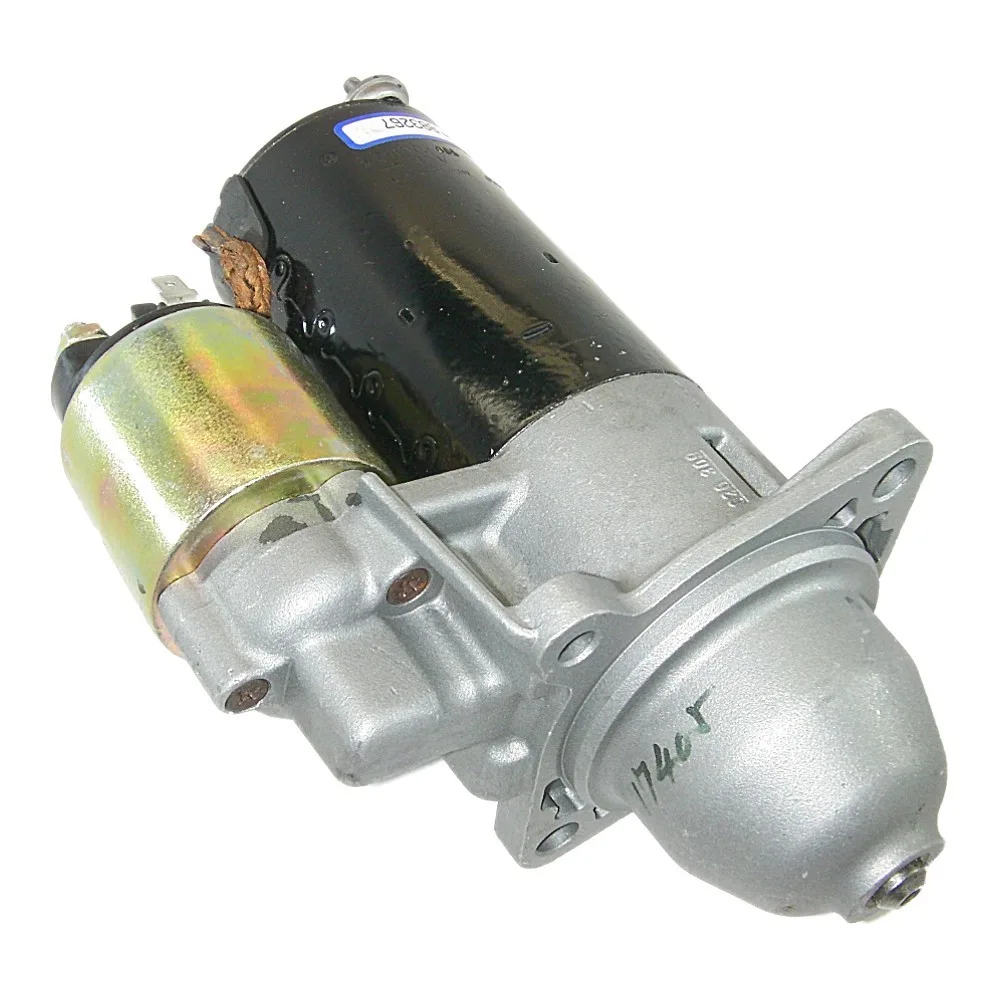
Not all replacement starters are built the same. Aggregate warranty-claim data and independent shop reports show a clear quality gap between the three tiers.
| Type | Typical life | Cost range | Best for |
|---|---|---|---|
| OEM new | 100,000 to 200,000 miles | $250 to $600 | Long-term keepers, warranty-critical repairs |
| Quality reman (Denso, Bosch, Delco) | 80,000 to 150,000 miles | $130 to $300 | Most daily drivers, best value |
| Budget reman | 30,000 to 80,000 miles | $60 to $130 | Short-term cars, temporary fixes |
| Premium aftermarket new | 100,000 to 180,000 miles | $180 to $400 | Modern replacements when OEM is scarce |
OEM new units use fresh windings, new solenoid contacts, and factory-spec grease. They last longest but cost the most. Reman units from name brands are rebuilt to tight tolerances and often carry lifetime warranties, which makes them the sweet spot for most owners.
Budget remans from unknown suppliers are where the horror stories come from. Failure rates within a year run into double digits based on shop-return data. If you plan to keep the car more than two years, skip them.
Replacement Cost, Labor Time, and Warranty Ranges
Total replacement bills swing widely by vehicle. The starter itself is usually the cheaper part of the equation.
Typical 2026 pricing:
- Parts. $130 to $450 for the starter itself, depending on OEM vs reman and vehicle type.
- Labor. 1 to 3 hours for most cars, running $150 to $500. Some engines (Northstar V8s, certain BMW inline sixes, Subaru boxers) can hit 4 to 6 hours because of access issues.
- Total install. $300 to $900 at an independent shop. Dealers run 20 to 40 percent higher.
Warranty matters more than sticker price. A $180 reman with a lifetime warranty from a national chain beats a $130 no-name with 90 days of coverage. Keep the receipt and the core exchange documentation.
If the reman fails inside the warranty window, most chains cover the replacement part and sometimes the labor.
DIY installation is realistic on most vehicles if the starter is accessible from below with the wheels off the ground. Torque the mounting bolts to spec, clean the mating surface, and never let the starter hang from the wires during removal.
How Climate and Driving Habits Change the Timeline
Where and how you drive can add or subtract years from the number. Cold-climate drivers see the sharpest hit. Below freezing, engine oil thickens, cranking loads spike, and the starter pulls 30 to 50 percent more current per start.
Hot climates hurt differently. Underhood temps in Arizona summers can top 200°F, and heat-soak degrades solenoid contacts and grease faster than any other factor. Coastal humidity attacks connector pins and ground straps, adding resistance that quietly overworks the motor.

Similar Posts