7 Warning Signs of a Bad Starter You Shouldn’t Ignore
If your car cranks slowly, clicks once, or stays silent when you turn the key, you're looking at classic signs of a bad starter. Reading those symptoms is easier than most drivers think. The tricky part is that a dying battery, a corroded ground, or a failing ignition switch can produce almost identical noises.
That's why a good chunk of "bad starter" diagnoses end up being wrong.
Our research across manufacturer service bulletins and SAE International technical data shows the typical starter motor lasts 80,000 to 150,000 miles. It pulls 150 to 250 amps during a normal crank on a gas engine. As of 2026, a full replacement runs $300 to $800 installed for most passenger cars.
Here's how to spot the real symptoms before you spend a dime on the wrong part.
Quick Answer
The clearest signs of a bad starter are a single loud click with no crank, rapid clicking, dead silence when you turn the key, or grinding and whining during startup. A starter that spins without turning the engine points to a failed Bendix drive. Slow, labored cranking with a fully charged battery also fits.
Intermittent hot-start failures are another common tell.
Why a Bad Starter Gets Misdiagnosed So Often
Most no-start problems aren't actually the starter. Aggregate service data shows batteries, grounds, and cables cause the majority of "won't start" complaints that come through shops. The starter takes the blame because it sits at the end of the chain and produces the last sound you hear.
The symptoms overlap heavily. A weak battery clicks the same way a dying solenoid does. A corroded ground can drop enough voltage to mimic a burned motor winding.
Even a worn ignition switch looks like starter failure from the driver's seat.
That's why every real diagnosis starts by ruling things out. If you skip the battery, cable, and ground checks, you're gambling with a $200-plus part.
The Fastest Way to Tell If Your Starter Is Actually Dying
The fastest confirmation is a healthy battery paired with a dead crank. If your battery reads 12.6 volts at rest and holds above 9.5 volts under load, and the engine still won't turn over, the starter or its wiring is the next suspect.
Quick tells that point straight at the starter:
- Headlights stay bright when you turn the key but nothing happens
- Solenoid clicks once, hard, and the engine doesn't budge
- Starter grinds, whines, or spins without engaging the flywheel
- Tapping the starter housing gets it to fire one more time
- Problem shows up only when the engine is hot
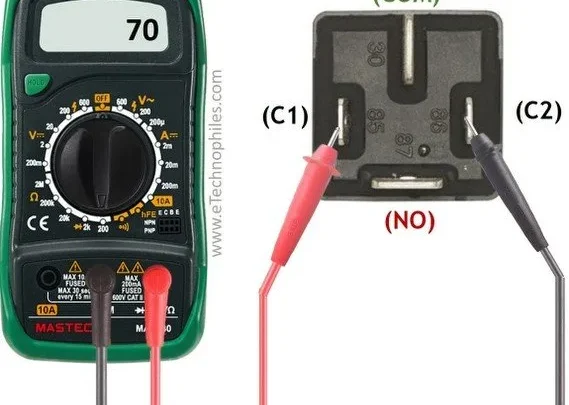
If your headlights dim heavily or go out during the click, stop. That's a battery, cable, or ground fault, not the starter. A quick way to confirm is pulling a voltage reading with a multimeter on the battery posts before you crank.
What Your Car Is Doing When You Turn the Key: Symptom Decoder
The sound your car makes at the moment of key-turn is the single best clue. Each pattern points to a different failure. Here's what each one usually means.
Single Loud Click and Nothing Else
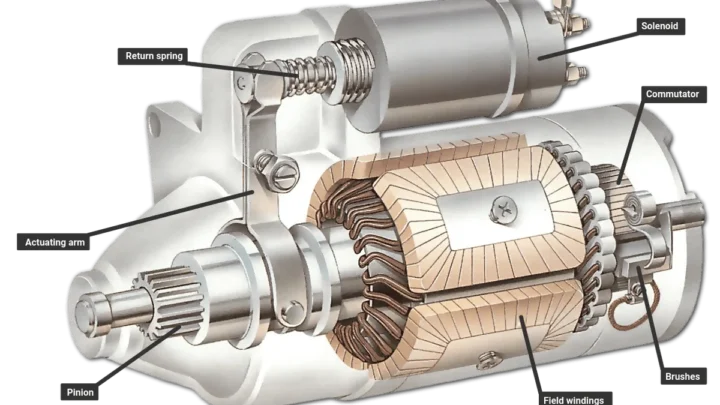
One sharp click with no crank almost always means the solenoid is trying to pull in but the motor can't spin. That's either a dead solenoid contact, a seized starter motor, or a battery too weak to deliver cranking amps. Check battery voltage under load first.
Rapid Clicking or Chattering
Fast machine-gun clicking is a low-voltage symptom, not usually a starter fault. The solenoid pulls in, voltage collapses, it drops out, and the cycle repeats. Look at battery charge, cable corrosion, and ground straps before you touch the starter itself.
Total Silence When You Turn the Key
Dead silence points to an open circuit somewhere between the key and the solenoid. Suspects include a failed ignition switch, a bad neutral safety switch, a blown fuse, or a dead starter relay. The starter is rarely the cause here.
Grinding, Whining, or Screeching Noise
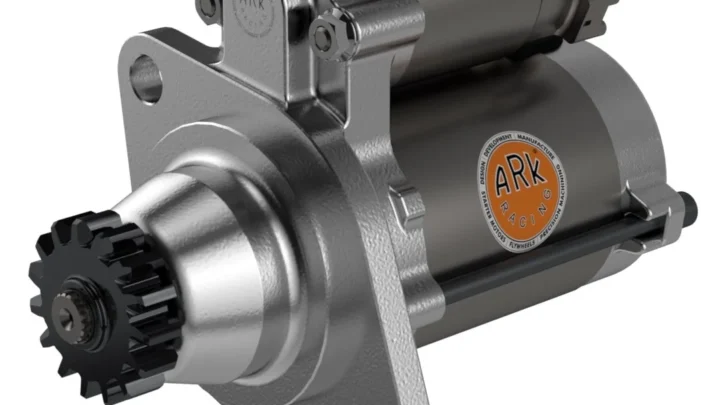
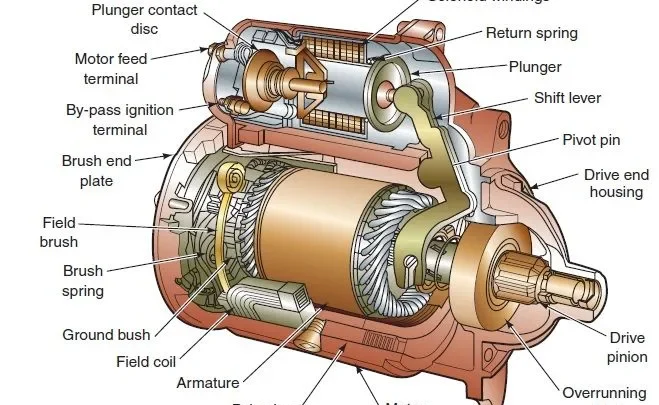
Grinding usually means the starter pinion isn't meshing cleanly with the flywheel ring gear. Worn Bendix teeth, chipped ring gear teeth, or a loose starter mount are the common culprits. Ignoring it wrecks the flywheel, which turns into a much bigger repair.
Starter Spins But Engine Doesn't Turn Over
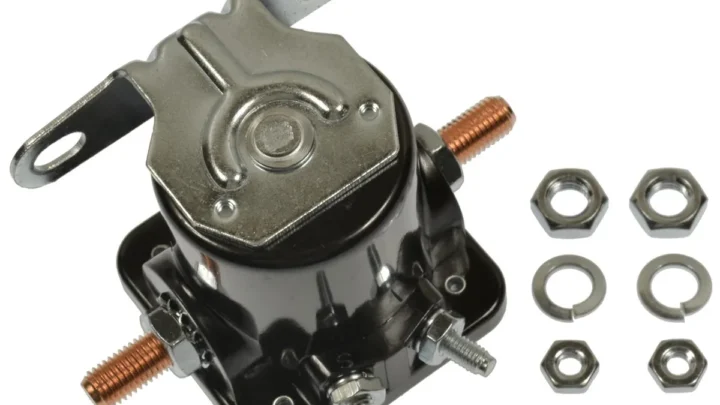
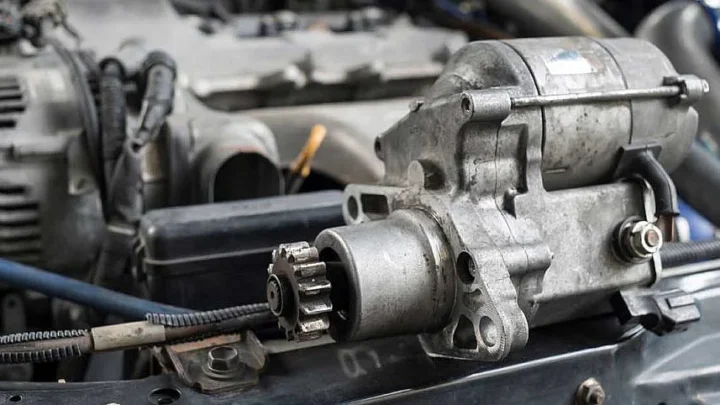
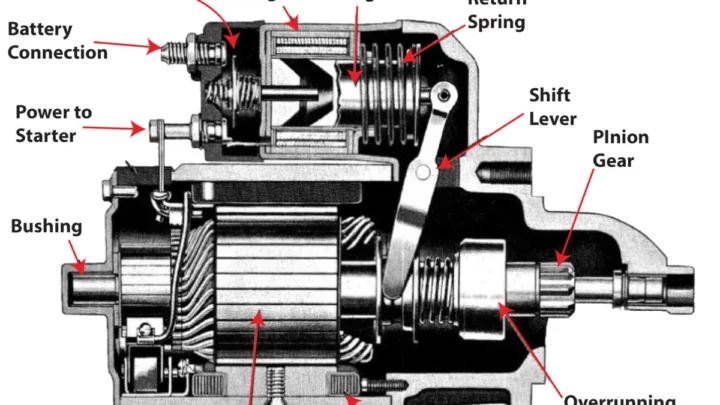
A high-pitched whirr with no crank means the Bendix drive is freewheeling. The motor spins, but the pinion never latches onto the flywheel. That drive gear lives inside the starter, so the whole unit comes out.
Intermittent No-Start (Works Cold, Fails Hot)
If the car starts fine in the morning but refuses after a highway drive, that's classic heat soak. Internal windings expand as temperature climbs, and continuity drops out. Once things cool down, it fires right up.
This pattern is almost always the starter.
Ruling Out the Battery Before You Blame the Starter
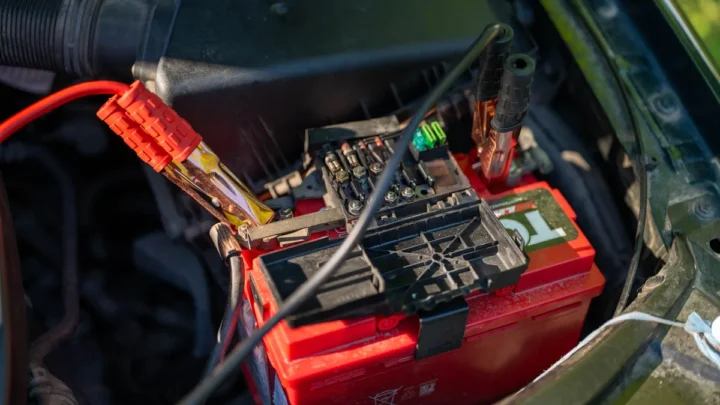
A weak battery is behind more no-crank complaints than any other single cause. Before you condemn the starter, grab a multimeter and check the battery at rest.
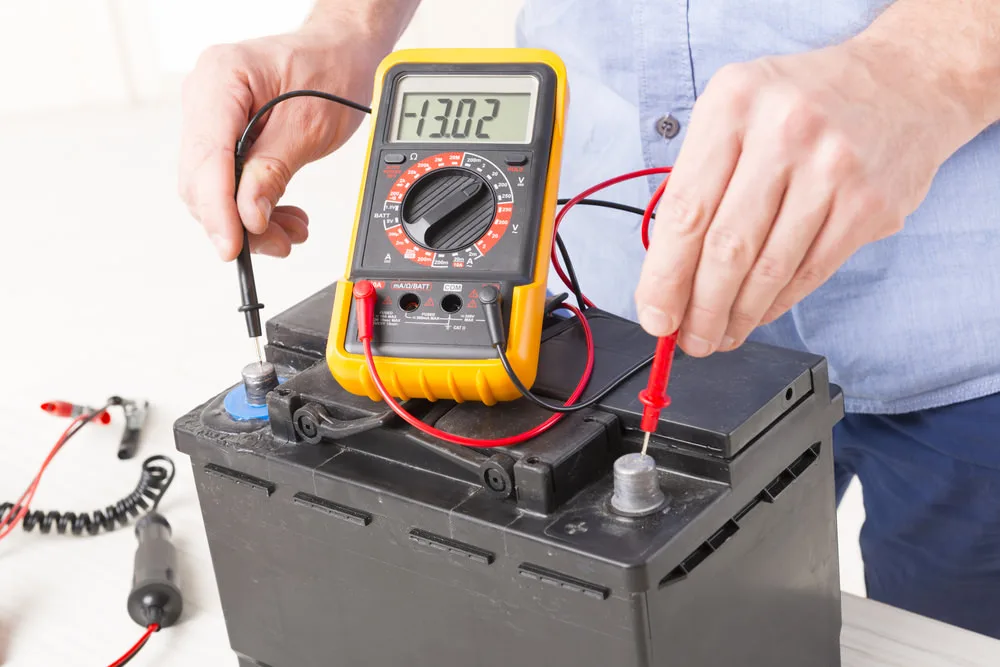
Healthy readings look like this:
| State | Voltage | What It Means |
|---|---|---|
| Fully charged, resting | 12.6V or higher | Battery is good |
| Resting | 12.4V | Roughly 75% charged |
| Resting | 12.0V | Around 25%, marginal |
| Under crank load | Stays above 9.5V | Battery can deliver amps |
| Under crank load | Drops below 9V | Battery is failing |
Voltage alone isn't the whole story. A battery can show 12.6V and still fail under load if the plates are sulfated. Most parts stores run a free load test in under five minutes.
If you'd rather do it at home, our step-by-step multimeter walkthrough covers the exact process.
Ruling Out Grounds, Cables, and the Ignition Switch
Bad grounds and corroded cables cause the same clicks and slow cranks as a dying starter. They're also a lot cheaper to fix.
Work through these in order:
- Pull both battery terminals. Wire-brush the posts and clamps until they shine. Corrosion doubles resistance fast.
- Trace the negative cable to the engine block and chassis. Loose or rusty ground bolts kill cranking amps.
- Inspect the positive cable to the starter for green corrosion under the insulation, especially near the terminal ends.
- Wiggle-test the ignition switch. If cranking cuts in and out while you jiggle the key, the switch contacts are worn.
A weak charging system also mimics starter symptoms because it leaves the battery undercharged overnight. If your car cranks fine right after a jump but dies again the next morning, check whether the battery or the alternator is the real culprit before you spend on a starter.
The Hammer Tap Test and What It Really Tells You
The hammer tap test is the oldest starter diagnosis in the book, and it still works. Have someone hold the key in the crank position while you gently tap the starter housing with a small hammer or a block of wood. If the starter suddenly fires up, you've confirmed the problem.
Here's why it works. Worn brushes inside the motor develop dead spots on the commutator. A tap jars them into fresh contact just long enough for the motor to spin.
Do not swing hard. A firm rap on the case, not the solenoid or the wiring, is all it takes. If tapping brings it back to life even once, the starter is on borrowed time.
Plan the replacement now, because the next dead spot might strand you.
Voltage Drop Testing: The Test Most People Skip
Voltage drop testing is what separates a real diagnosis from a guess. Instead of measuring what voltage is present, you measure what's lost across a cable or connection while the circuit is under load.
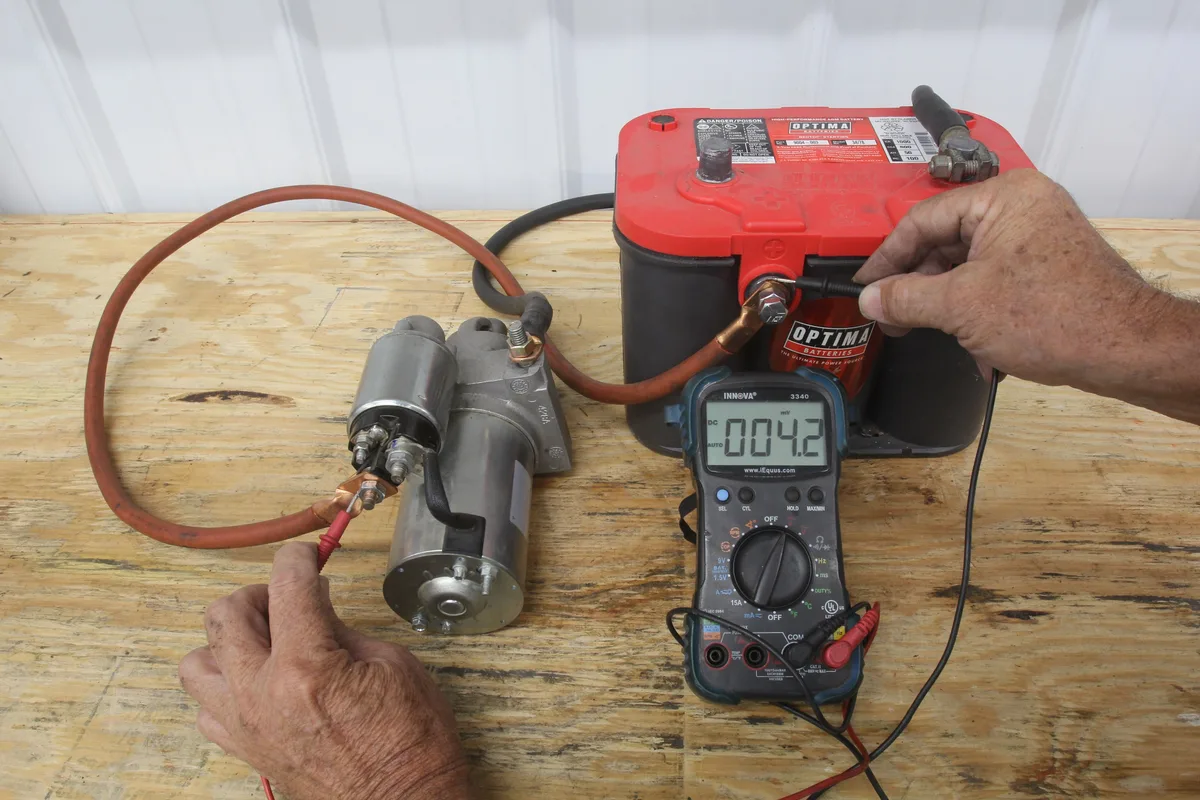
Set your multimeter to DC volts on the 2V or 20V range. Then run these two checks while a helper cranks the engine:
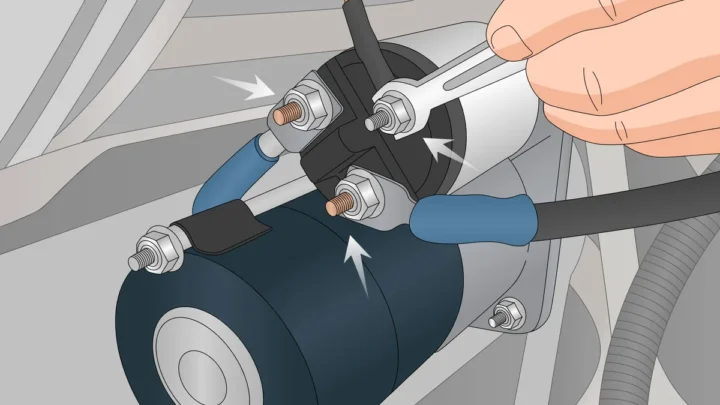
- Positive side: red probe on the battery positive post, black probe on the starter's B+ stud. Reading should stay under 0.5V.
- Ground side: red probe on the engine block or starter case, black probe on the battery negative post. Reading should stay under 0.2V.
Anything higher points to a corroded cable, a loose terminal, or a bad ground strap. A cable can look perfect and still fail this test. If you're new to the tool, here's how to set the meter correctly before you start.
If both drops are within spec and the starter still won't crank, the motor itself is the problem.
Bench-Testing a Starter to Confirm the Diagnosis
A bench test removes every variable except the starter. Most parts stores run one free of charge if you bring the unit in. If you want to do it at home, you need a fully charged battery, jumper cables, and a clear workspace.
Clamp the starter body in a vise so it can't jump. Then wire it up:
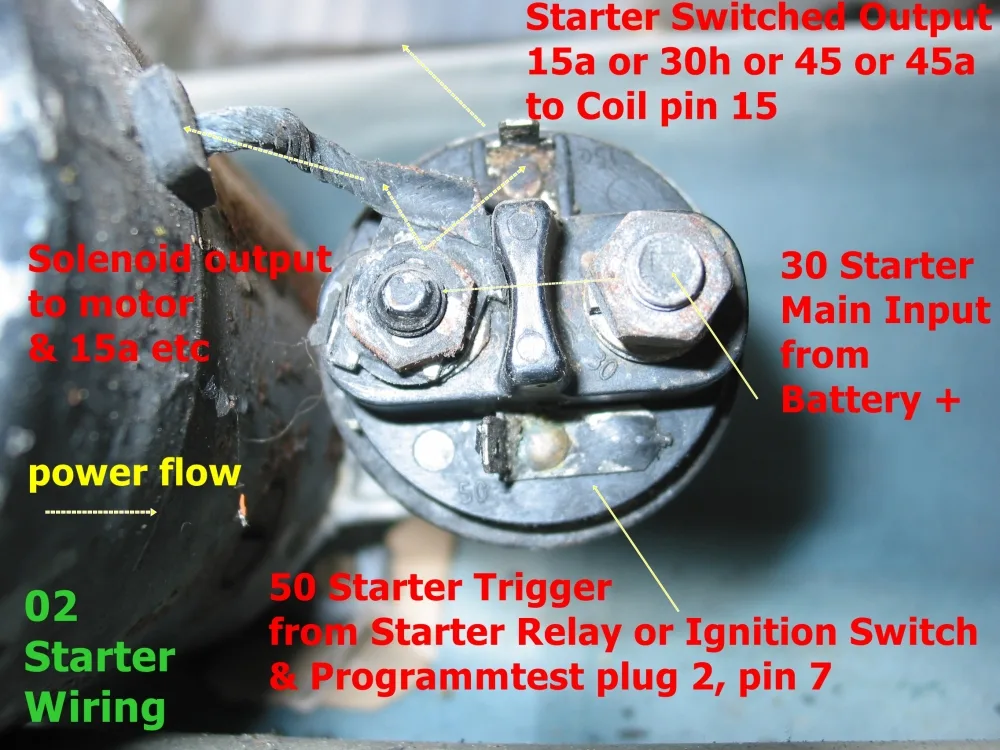
- Heavy positive cable from battery + to the starter's B+ stud
- Heavy ground cable from battery negative to the starter case
- Short jumper from B+ to the S (solenoid) terminal to trigger it
A healthy starter will click sharply, throw the pinion out, and spin fast. A weak one will grunt, stall, or refuse to engage. If it spins the shaft but the pinion doesn't kick out, the Bendix or solenoid is done.
Wear eye protection. Keep hands well clear of the pinion gear. The starter will torque hard against the vise when it fires.
How Long a Starter Should Last and When Age Matters
Most passenger car starters last 80,000 to 150,000 miles, or roughly 7 to 10 years of daily driving. Diesel and heavy-duty truck starters run shorter cycles under higher amperage, so 60,000 to 100,000 miles is more typical.
Age matters more than mileage in a few situations:
- Short-trip driving, where the starter cycles far more often per mile
- Vehicles that sit for weeks, which lets moisture attack the brushes and windings
- Hot underhood layouts, where turbochargers or tight exhaust routing bake the unit
- Salt-belt climates that corrode cable terminals and ground straps
Cranking behavior also changes with wear. A healthy starter fires the engine within 1 to 2 revolutions of key-turn. If yours needs 3, 4, or more revolutions to catch, brushes are wearing thin even if the car still starts.
That's the window to plan a replacement, not wait for a total no-crank event. A car that also shows signs of alternator trouble at the same age often kills a marginal starter faster because the battery never fully recovers.
Replacement Costs: Starter, Solenoid, and Labor Breakdown
Replacement pricing depends on the vehicle, the part quality, and where the starter sits in the engine bay. As of 2026, here's the range across common categories:
| Item | DIY Cost | Shop Installed |
|---|---|---|
| Remanufactured starter (economy car) | $90 to $180 | $250 to $450 |
| New OEM starter (mainstream sedan) | $180 to $350 | $350 to $650 |
| Heavy-duty or diesel starter | $250 to $600 | $500 to $1,100 |
| Starter solenoid only (if serviceable) | $25 to $90 | $150 to $350 |
| Labor alone (1 to 3 hours typical) | N/A | $120 to $400 |
Labor is where the surprise usually hits. A Chevy V8 starter sits in plain view and swaps in under an hour. A transverse V6 in a modern SUV can take 3 hours and require intake removal.
Ask the shop whether they're quoting a remanufactured or new unit before you agree. Remans are usually 30 to 50 percent cheaper and carry a 1-year to lifetime warranty. New OEM starters cost more but tend to last longer on hard-to-access installs where you really don't want a repeat job.
Mistakes That Cause People to Replace a Perfectly Good Starter
The most common mistake is throwing a starter at a battery problem. If cranking voltage drops below 9V, no starter on earth will spin normally. Load-test the battery first, every single time.
The second is ignoring cable and ground condition. A green-crusted terminal can look secure and still fail a voltage drop test. A fresh starter bolted to a bad ground gives the same clicking symptoms as the one you just pulled.
Other frequent misses:
- Blaming the starter for a stuck neutral safety switch on automatics
- Missing a blown starter-circuit fuse or bad relay under the hood
- Replacing the whole unit when only the solenoid contacts are pitted
- Skipping a check for alternator issues that quietly drain the battery overnight
If the new starter fails within days, the root cause was never the starter. Go back and test the supporting circuit.

Similar Posts