Which Motor Oils Actually Meet Ford’s WSS Specification?
If you're standing in the parts aisle wondering what oil meets Ford WSS spec, the short version is this: the right oil is whatever WSS approval code Ford printed inside your owner's manual, and that code changes by engine, model year, and market. WSS stands for Ford's Worldwide Sustainability Standard. It's how Ford's engineers say "this exact fluid is approved for this exact engine." Get the wrong one and you can void warranty, trigger LSPI, or wear out a timing chain years early.
As of 2026, Ford maintains more than a dozen active WSS engine oil specifications, from WSS-M2C945-A on older 5W-20 gas engines to WSS-M2C961-A1 on the current Coyote V8. That variety is why a blanket "just use 5W-30" answer fails so often. Here's how to nail the right one in a few minutes.
Quick Answer
The oil that meets Ford WSS spec is the one your owner's manual names by full code, such as WSS-M2C946-A or WSS-M2C961-A1. WSS is Ford's factory oil approval standard. The correct code depends on your engine, year, and region.
Look inside the manual or on the oil filler cap. Any bottle that lists that exact WSS code is approved.
What "Ford WSS Spec" Actually Means on an Oil Bottle
WSS is short for Worldwide Sustainability Standard, Ford's internal engineering material spec system. Every fluid, seal, and coating in a modern Ford has a WSS number. For engine oil, the codes all start with WSS-M2C followed by three digits and a letter.
Think WSS-M2C948-B or WSS-M2C961-A1.
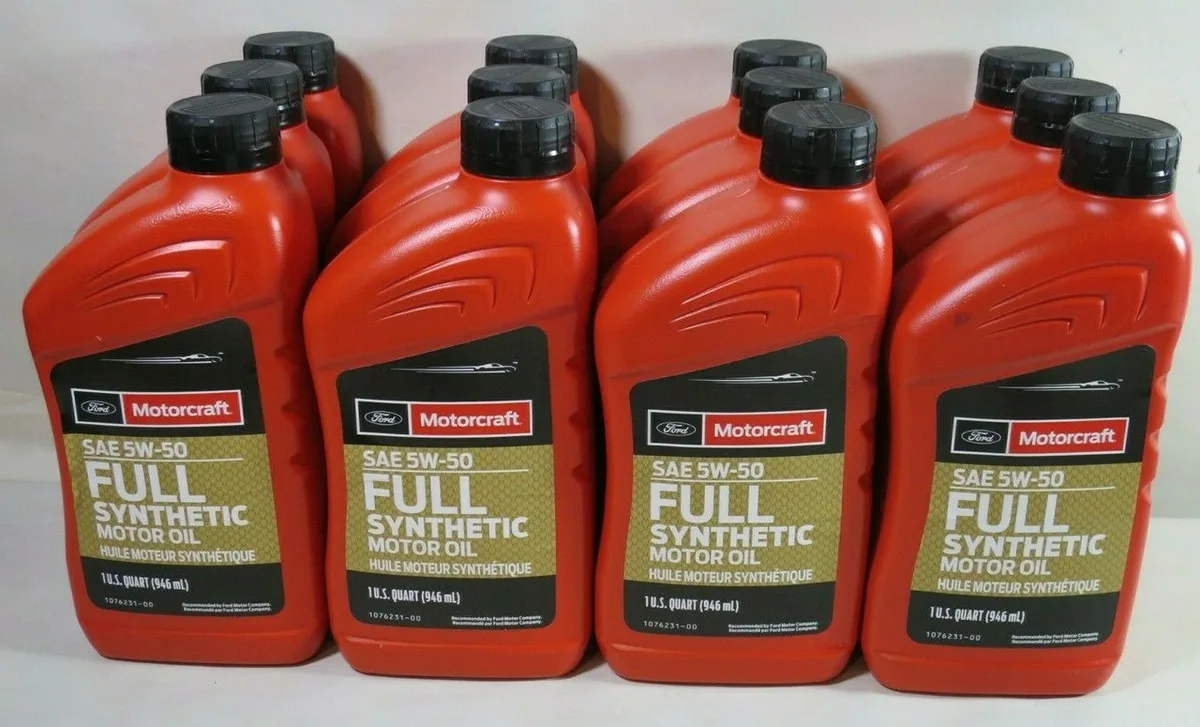
When you see that code on the back of an oil bottle, it means the blender has run the oil through Ford's approval testing and Ford has signed off. Motorcraft is Ford's own brand and carries the approvals by default. Third-party oils only qualify when the exact WSS number appears in writing on the label.
An API SP badge or an "OEM equivalent" sticker isn't the same thing. Ford's WSS tests go beyond generic API criteria. They cover LSPI, timing chain wear, and turbocharger deposits specific to Ford engines.
The Fastest Way to Find the Right WSS Number for Your Ford
Work down this list. Stop at the first source that gives you a WSS code:
- Pull the owner's manual and flip to "Capacities and Specifications." The engine oil row lists the SAE grade plus the WSS approval.
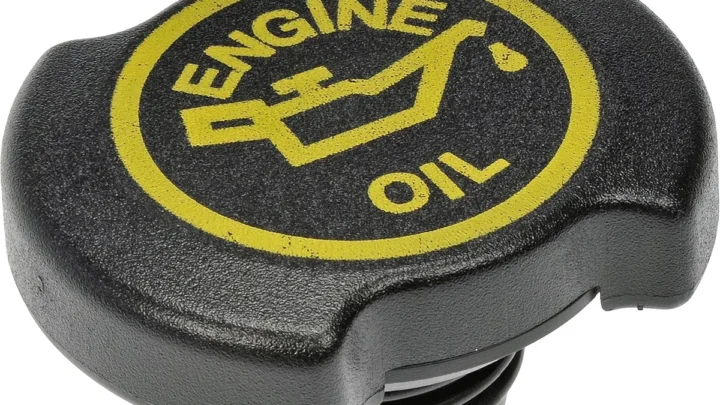
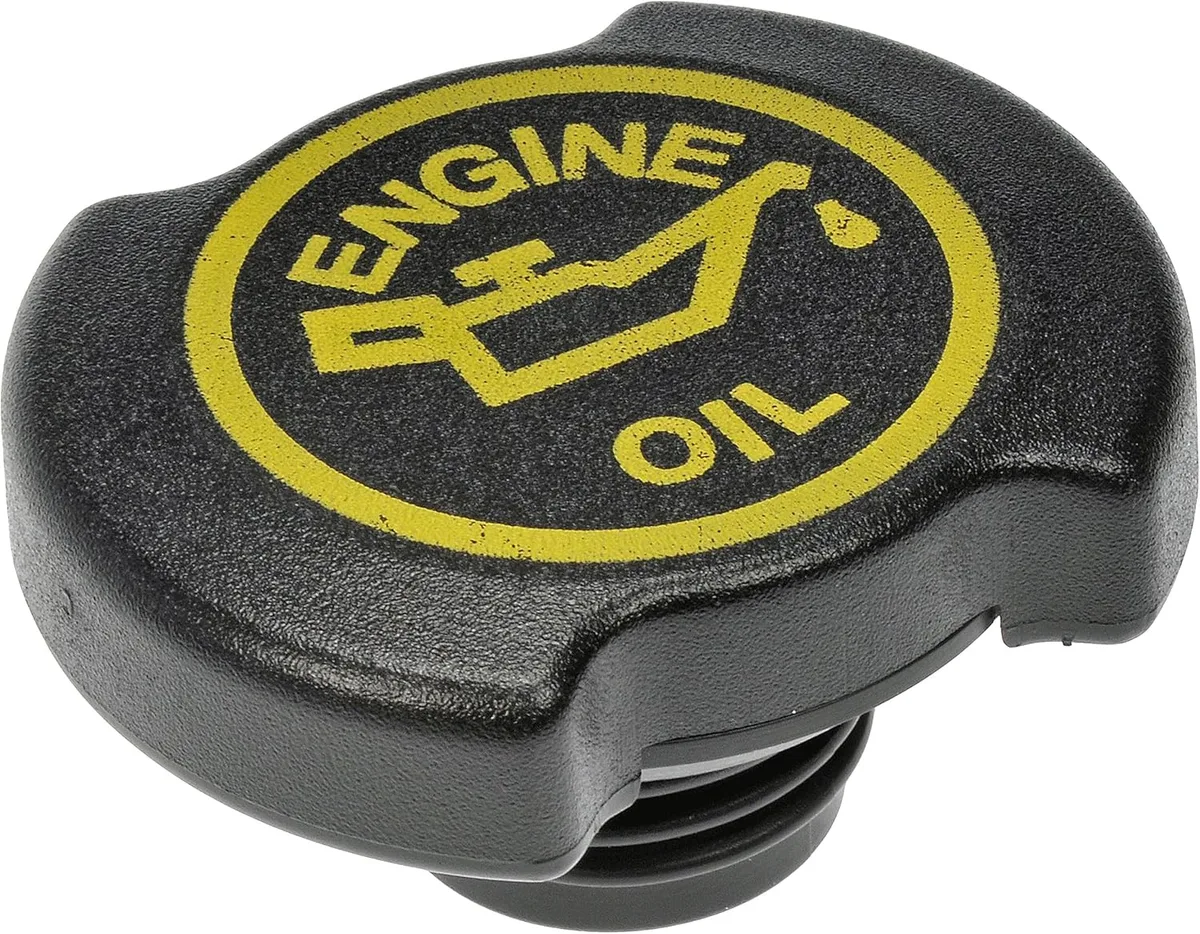
- Pop the hood and read the oil filler cap. Many Fords stamp the SAE grade right on the plastic.
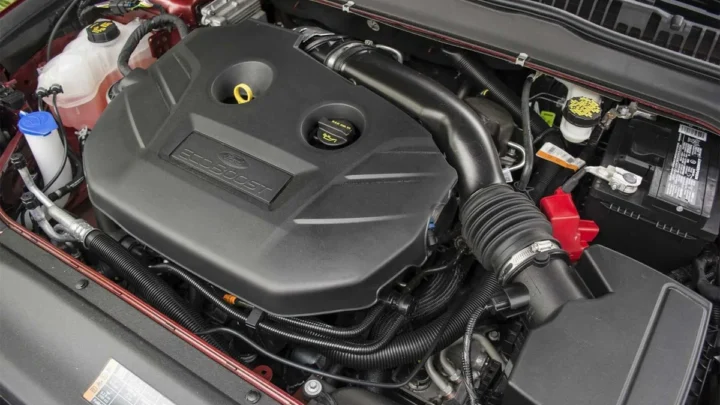
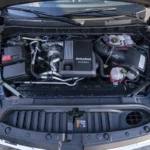
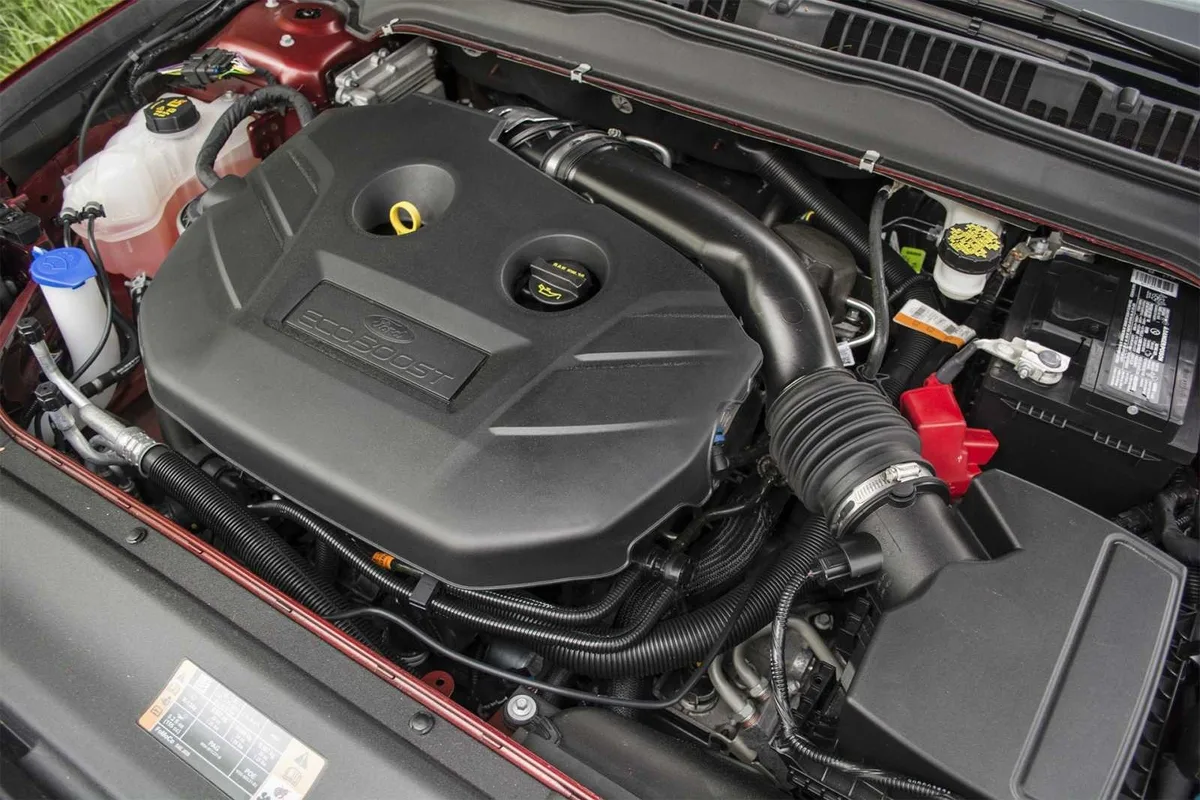
- Check the underside of the engine cover on some EcoBoost and Coyote models. A sticker or embossed plate lists the spec.
- Look up your VIN on the official Ford Owner site. It links to the model-specific manual PDF.
- If you have a Ford Technical Service Bulletin, it always supersedes the printed manual. TSBs are how Ford quietly moves an engine from a 947-A spec to a 948-B without a recall.
If two sources disagree, follow the newest one. Specs get updated, and later revisions are always backwards-safe for the same engine. Confirm the exact code before your next DIY oil change so you buy the right bottle the first time.
Reading Your Owner's Manual and Oil Filler Cap Correctly
The manual is the primary source. The oil filler cap is the quick reminder.
Manuals give you the SAE viscosity grade and the WSS approval on the same line. The line usually reads something like "5W-30 meeting Ford specification WSS-M2C946-A." That whole line matters. The viscosity alone doesn't get you approval, and the approval alone doesn't tell you which grade to pour.
The filler cap normally shows only the viscosity. That's fine when you already know the WSS code from the manual. Be careful with older caps on trucks and vans.
If a previous owner or shop swapped the cap, the marking may be wrong for your engine. Trust the manual over the cap when they don't match.
Never rely on a random image of "Ford oil cap" online to identify your spec. Caps look the same across many engines that use different approvals.
The Full Ford WSS Oil Spec List (and What Each One Is For)
Ford's active engine oil specs split cleanly into gasoline and diesel families. Viscosity grades follow the SAE J300 classification system that every mainstream oil bottle uses.
| WSS Spec | Typical Viscosity | Engine Family |
|---|---|---|
| WSS-M2C945-A | 5W-20 | Older Duratec / Cyclone V6, 4.6L / 5.4L Modular V8 |
| WSS-M2C946-A | 5W-30 | Many 2.3L Duratec, older 3.5L / 3.7L Cyclone |
| WSS-M2C947-A | 5W-20 | Earlier 1.5L / 2.0L / 2.3L / 3.5L EcoBoost |
| WSS-M2C948-B | 0W-20 | Current EcoBoost 1.5L, 2.0L, 2.3L, 2.7L, 3.5L |
| WSS-M2C950-A | 5W-20 | Coyote 5.0L V8 (early Gen 1 and Gen 2 Mustang, F-150) |
| WSS-M2C961-A1 | 5W-30 | Current Coyote 5.0L V8 (Gen 3 / Gen 4) |
| WSS-M2C913-D | 5W-30 | European Duratorq TDCi diesel |
| WSS-M2C934-B | 10W-30 | 6.7L Power Stroke and heavy-duty diesels |
Newer letter suffixes (A1, B, D) usually supersede older ones for the same engine. If a spec is missing from a store shelf, check the next-letter version before dropping to a generic API oil.
Matching WSS Specs to Popular Ford Engines
Same engine, different year, different spec. That's the trap. Use these quick-match rules and confirm against your manual.
EcoBoost 1.0L, 1.5L, 2.0L, 2.3L, 2.7L, 3.5L
Model years roughly 2011 to 2017 typically call for WSS-M2C947-A in 5W-20 or 5W-30, depending on displacement. From about 2018 onward, most EcoBoost engines moved to WSS-M2C948-B in 0W-20. The switch was driven by LSPI protection and fuel-economy targets.
If your truck was built in the transition window, the TSB overrides the manual.
Coyote 5.0L V8 and Modern Mustang Applications
Gen 1 and Gen 2 Coyote (2011 to 2017) used WSS-M2C946-A or WSS-M2C950-A in 5W-20. Gen 3 (2018 onward) moved to WSS-M2C961-A1 in 5W-30 to protect the redesigned oil squirters and higher-rpm rotating assembly. Do not backfill a Gen 3 Coyote with 5W-20.
6.7L Power Stroke and Super Duty Diesels
The 6.7L Power Stroke has run on WSS-M2C171-F1 and later WSS-M2C934-B in 10W-30 or 15W-40. Capacity is around 13 quarts. Ford's Intelligent Oil Life Monitor is the right guide for change intervals under tow duty.
European Duratorq TDCi Diesels
European 1.5L, 1.6L, and 2.0L TDCi engines need low-SAPS oil, most commonly WSS-M2C913-D in 5W-30. It isn't interchangeable with ACEA C3 alone, and it's absolutely not interchangeable with US gas WSS specs. Buying a clean used Ford from a European market?
Check what spec its last shop actually filled it with.
How to Verify a Non-Motorcraft Oil Truly Meets the Ford Spec
Any bottle that truly meets a Ford spec will print the exact WSS code on the back label. Not "meets or exceeds," not "recommended for Ford." The literal code, spelled out.
Here's the quick verification checklist:
- Read the back label. Look for the full string, like "Meets Ford WSS-M2C948-B."
- Check the blender's product data sheet online. Approved oils list Ford in the OEM approvals table alongside API and ILSAC ratings.
- Cross-reference against Motorcraft's own equivalent grade. If the third-party oil claims the same WSS code and matches the SAE grade, it's a legitimate substitute.
- Be skeptical of "universal" 5W-30 bottles at deep-discount pricing. If the WSS number isn't printed, it isn't approved.
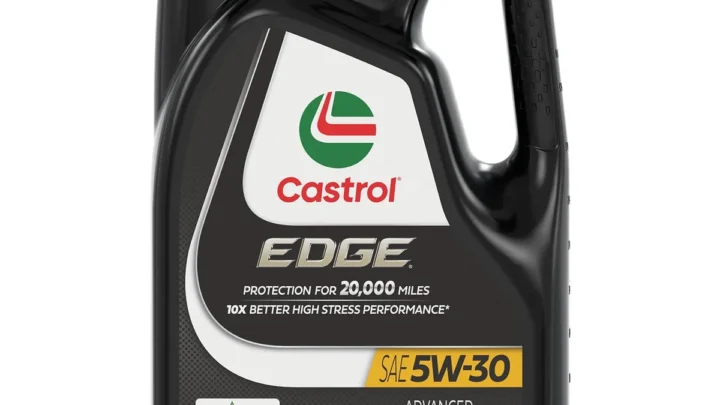
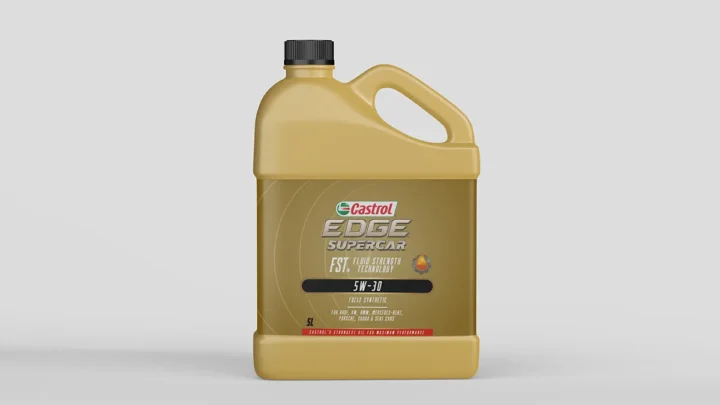
Ford also publishes an approved-brand list through Motorcraft partners. Castrol, Valvoline, Pennzoil, Mobil, Quaker State, and Motul all carry certain WSS approvals on specific product lines. A Castrol EDGE bottle might carry 948-B while the base Castrol GTX line doesn't.
Same brand, different formula, different approval. Always check the specific SKU.
When One WSS Spec Supersedes Another (and When It Doesn't)
Ford's supersession rules follow a simple pattern. A newer letter (say 948-B) replaces the older letter (947-A) on the same engine only when Ford issues a TSB or updates the manual. Never assume the higher letter is always better across all engines.
Two rules that matter:
- Within one engine family, newer usually supersedes older. A 2016 EcoBoost that originally called for 947-A can safely run 948-B if Ford has updated the recommendation.
- Across engine families, specs don't cross over. WSS-M2C961-A1 is right for a Gen 3 Coyote. It's the wrong oil for a 6.7L Power Stroke, even though 961 is a higher number than 934.
Diesel and gasoline specs never substitute for each other. Low-SAPS diesel oils (913-D) protect the DPF but lack the anti-wear chemistry gasoline engines need. Gas oils will clog a diesel particulate filter fast.
When in doubt, match the manual first, then check for a Ford TSB. A quick call to a Ford service advisor with your VIN settles it in under five minutes.
Mistakes That Void Your Ford Warranty or Damage the Engine
The warranty language is specific. Ford requires an oil "meeting Ford specification WSS-M2C###." Anything else and a denied claim becomes a real possibility if the failure is oil-related.
Common failure patterns worth avoiding:
- Pouring 5W-30 into a Gen 3 EcoBoost that requires 0W-20. Fuel economy drops and the variable cam timing solenoids get sluggish in cold weather.
- Pouring 0W-20 into a Gen 3 Coyote that requires 5W-30 (WSS-M2C961-A1). Bearing protection at high rpm suffers, and Ford has documented this pattern in service literature.
- Using a non-LSPI-safe oil in a downsized turbo GDI engine. LSPI can crack pistons and ring lands. WSS-M2C948-B was designed specifically to prevent it.
- Filling a 6.7L Power Stroke with gasoline-spec oil. The DPF clogs, and regen cycles fail.
- Skipping the scheduled service altogether and driving past the IOLM warning.
Keep receipts. If a warranty claim ever gets scrutinized, a paper trail showing WSS-approved oil at the correct interval usually settles the question fast.
API SP, ILSAC GF-6, ACEA, and dexos vs Ford WSS
These aren't Ford specs. They're related certifications that sometimes overlap with WSS, but they aren't substitutes.
Here's the plain-English breakdown:
- API SP is the current American Petroleum Institute service category for gasoline engines. It sets minimum performance for wear, deposits, and LSPI. Most WSS-approved gas oils also carry API SP, but API SP alone doesn't equal WSS approval.
- ILSAC GF-6A and GF-6B focus on fuel economy and LSPI protection in the US and Japanese markets. Same overlap logic applies. Nice to have, not enough on its own.
- ACEA sequences (A/B, C, E) are European specs. ACEA C3 covers low-SAPS diesel oils similar to Ford WSS-M2C913-D but doesn't fully replace it.
- dexos1 Gen 3 is GM's oil approval, roughly parallel to Ford's WSS. A dexos1 bottle isn't automatically a WSS-M2C961-A1 oil, even though both target modern GDI engines.
The safe move: prioritize the Ford WSS code first, then treat API SP, ILSAC, or ACEA badges as bonus confirmation.
Cold Climate, Towing, and Track-Day Adjustments Within the Spec
Ford's WSS approval covers a wide operating range, but conditions push the envelope. You have some room to adjust without leaving the spec.
Cold climate: for anything below roughly minus 20 Fahrenheit, a 0W- oil starts pumping faster than a 5W-. If your engine's manual permits both 5W-30 and 0W-30 under the same WSS code, pick the 0W- grade for northern winters. Cold-crank performance is defined by SAE J300 and directly affects startup wear.
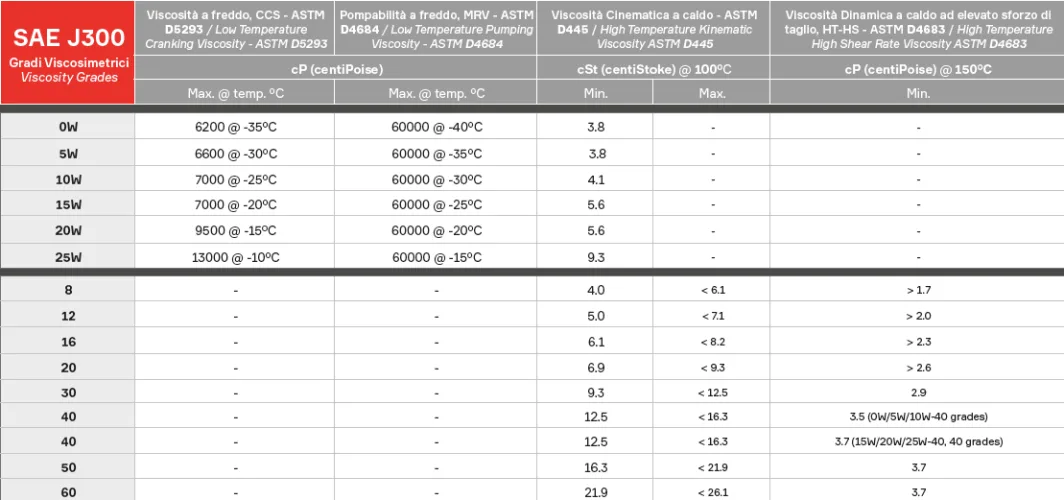
Heavy towing and desert heat: HTHS matters more than the second SAE number. A WSS-approved 5W-30 with an HTHS around 3.5 mPa·s protects bearings better under sustained high oil temp than a thinner grade. Stay inside the approved viscosity, but pick the higher-HTHS bottle within it.
Track days: Ford's Performance Pack Mustangs and Focus RS often specify a heavier grade under track duty. Check the supplemental manual. Some Coyote track packages call for WSS-M2C931-B in 5W-50 for repeated hot laps.
Street driving still uses the standard 961-A1 5W-30.
Oil Change Intervals, IOLM Resets, and Filter Pairing
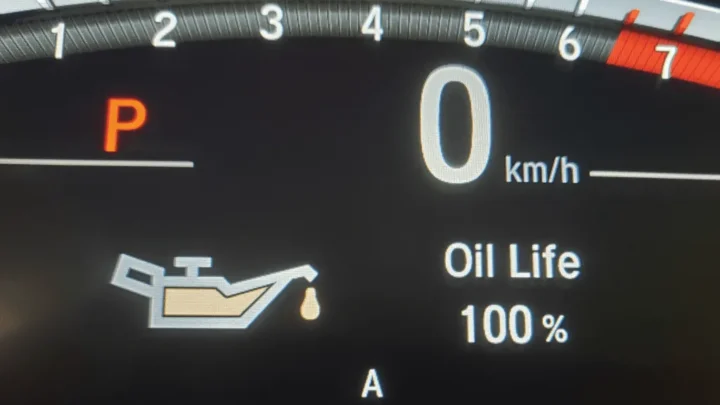
Modern Fords rely on the Intelligent Oil Life Monitor. It tracks fuel use, temp cycles, and load, then tells you when the oil is genuinely spent. Trust it over a rigid 5,000-mile calendar.
Typical intervals under normal driving:
- Gas engines: 7,500 to 10,000 miles or one year, whichever comes first.
- 6.7L Power Stroke: up to 10,000 miles per IOLM, shorter under heavy tow duty.
- European TDCi diesels: usually 12,500 miles or one year.
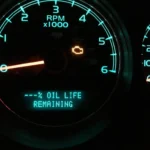
Reset the IOLM after every fluid change. Cycle the ignition to accessory, press the brake, and use the message center controls to confirm the reset. Skipping this step leaves the counter stale and misleads the next owner or shop.
Filter pairing matters as much as the oil. Match the Motorcraft filter number to your engine (FL-500S, FL-820-S, FL-2051-S, and so on). Cheap filters can bypass under cold-oil pressure.
A proper at-home oil service covers the reset procedure and filter torque values in detail.
Expert Tips for Buying Ford-Approved Oil Without Overpaying
Motorcraft isn't the only WSS-approved option, and it's rarely the cheapest per quart. Licensed third-party oils often run 20 to 40 percent less than Motorcraft on the same WSS approval.
Practical buying rules:
- Buy the 5-quart jug over the 1-quart bottle. The per-quart cost usually drops by around a third.
- Watch for factory-approved sales on Castrol EDGE, Valvoline Advanced Full Synthetic, Pennzoil Platinum, and Mobil 1. Each carries specific WSS approvals on certain SKUs.
- Ford dealership parts counters sometimes run 5-quart jug promotions for around the same money as retail chains, especially before oil-change seasons.
- Avoid unbranded bulk oil at quick-lube shops unless they can show you the drum's data sheet listing your exact WSS code.
If you're weighing a pre-owned Ford purchase, ask what oil the previous owner ran. A history of correct WSS-approved fills is a small but real value signal.

Similar Posts