API SP vs SN Plus Oil: Key Differences You Should Know
The oil aisle got confusing fast. If you've been staring at bottles trying to figure out the API SP vs SN Plus oil debate, you're not alone. Two nearly identical looking specifications, one released in 2018 and one in 2020, both promising to protect your engine from the same modern threats.
The short version is that SP is the newer, stronger standard, and it's what nearly every modern gasoline engine needs today.
The full answer depends on what you drive, what your owner's manual says, and whether your engine is prone to low-speed pre-ignition. The American Petroleum Institute first licensed SP on May 1, 2020, replacing SN Plus as the top-tier passenger car oil category. Here's what actually separates them, and how to make the right call as of 2026.
Why the API SP vs SN Plus Question Matters for Modern Engines
Turbocharged gasoline direct injection (TGDI) engines changed everything. When automakers started downsizing engines for fuel economy in the early 2010s, a nasty side effect showed up. Pistons cracked.
Ring lands broke. Connecting rods bent after just a few thousand miles.
The culprit was LSPI, a violent uncontrolled combustion event that happens under low-speed, high-load conditions. The oil in your crankcase turned out to be a key factor. Certain additive chemistries, especially calcium-heavy detergent packages, made LSPI more likely.
So the API rushed out SN Plus in May 2018 as a stopgap, then rolled the full solution into API SP in May 2020. Getting this choice wrong on a modern turbo engine isn't a minor mistake. It can mean a destroyed engine and a denied warranty claim.
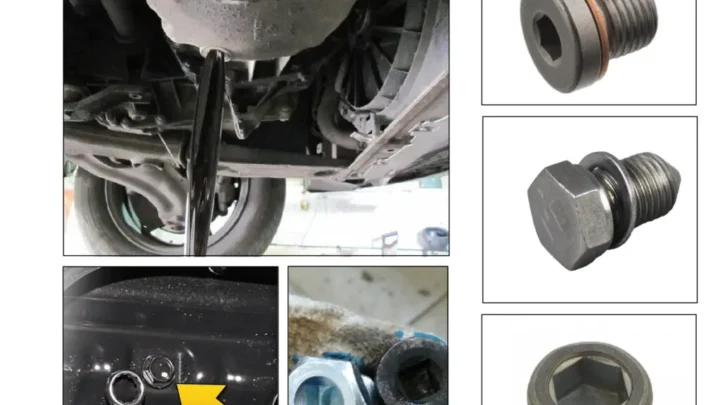
If you're doing your own oil changes, swapping the fluid at home means you own the responsibility of picking the right spec.
The Quick Answer: Which Oil Standard Wins Today
API SP is the current top-tier standard for gasoline engine oil. It replaced SN Plus in May 2020. SP adds tougher LSPI protection, a timing chain wear test, and better high-temperature stability.
It is fully backward compatible with SN Plus, SN, and older categories. If your owner's manual calls for SN Plus or older, SP still works. Never do the reverse.
What API SN Plus Actually Is (and Why It Was Rushed Out in 2018)
SN Plus was a supplemental category, not a full new standard. The API launched it on May 1, 2018 with one main job. That job was adding LSPI protection to the existing SN specification.
Think of it as SN chemistry with a single new test bolted on, the Sequence IX test.
That was pretty much it. No new wear test. No new oxidation test.
No fresh chain wear requirement.
Why the rush? Automakers were seeing warranty claims stack up from LSPI damage in turbocharged direct injection engines. The oil industry needed a fix on shelves fast, well before the next full ILSAC upgrade could finish testing.
Key traits of API SN Plus
- Released May 1, 2018
- Adds Sequence IX LSPI protection to API SN
- Backward compatible with SN, SM, and older categories
- No timing chain wear requirement
- Uses the ILSAC GF-5 fuel economy framework when marked resource-conserving
Most oils sold as SN Plus also carried the ILSAC GF-5 starburst. That combination was the mainstream choice for 2018 and 2019 model year vehicles, and for older engines being serviced during that window.
What API SP Brings to the Table (Introduced May 2020)
API SP is a full generation upgrade, not a bolt-on. Licensed starting May 1, 2020, it kept the LSPI protection from SN Plus and layered several new performance requirements on top. If SN Plus patched one problem, SP addressed the whole roadmap of modern engine wear.
The headline additions are a new timing chain wear test (Sequence X) and a much tougher valvetrain wear test (Sequence IVB). Oxidation and deposit control also got upgraded through the Sequence IIIH test. Those changes matter most in the very engines that were failing under older oils.
What SP adds over SN Plus
- Sequence X timing chain wear test (brand new requirement)
- Sequence IVB valvetrain wear test (tougher than SN's IVA)
- Sequence IIIH oxidation and deposit test (hotter, longer duration)
- Sharper LSPI protection carried over from SN Plus
- Full backward compatibility with SN Plus, SN, SM, and older
- Paired with ILSAC GF-6A or GF-6B for resource-conserving grades
The American Petroleum Institute publishes the full licensing details and current active service categories on its official engine oil program page. That's the primary source if you want to verify exactly what SP requires.
Side-by-Side Comparison: API SP vs SN Plus at a Glance
Here's the honest breakdown of where these two specs line up and where SP pulls ahead.
| Feature | API SN Plus | API SP |
|---|---|---|
| First licensed | May 1, 2018 | May 1, 2020 |
| LSPI protection (Sequence IX) | Yes | Yes, stricter limits |
| Timing chain wear (Sequence X) | Not required | Required |
| Valvetrain wear test | Sequence IVA | Sequence IVB (tougher) |
| Oxidation and deposits | Sequence IIIG | Sequence IIIH (harsher) |
| Paired ILSAC standard | GF-5 | GF-6A / GF-6B |
| Backward compatible with older SN | Yes | Yes (also with SN Plus) |
| Recommended for TGDI engines | Interim only | Current standard |
The pattern is clear. SP is a superset of SN Plus. Everything SN Plus does, SP does at least as well, and in most tests it does better.
That's why the industry treats SP as the default upgrade path for anyone servicing a gasoline engine today. When checking a used vehicle before you commit, one quick tell of a careful owner is fresh SP-rated oil in the sump.
LSPI Protection: How the Two Specs Handle Low-Speed Pre-Ignition
Both specs share the same core LSPI test, the Sequence IX. It runs an oil through a stressed turbocharged engine and counts pre-ignition events. Fewer events, better protection.
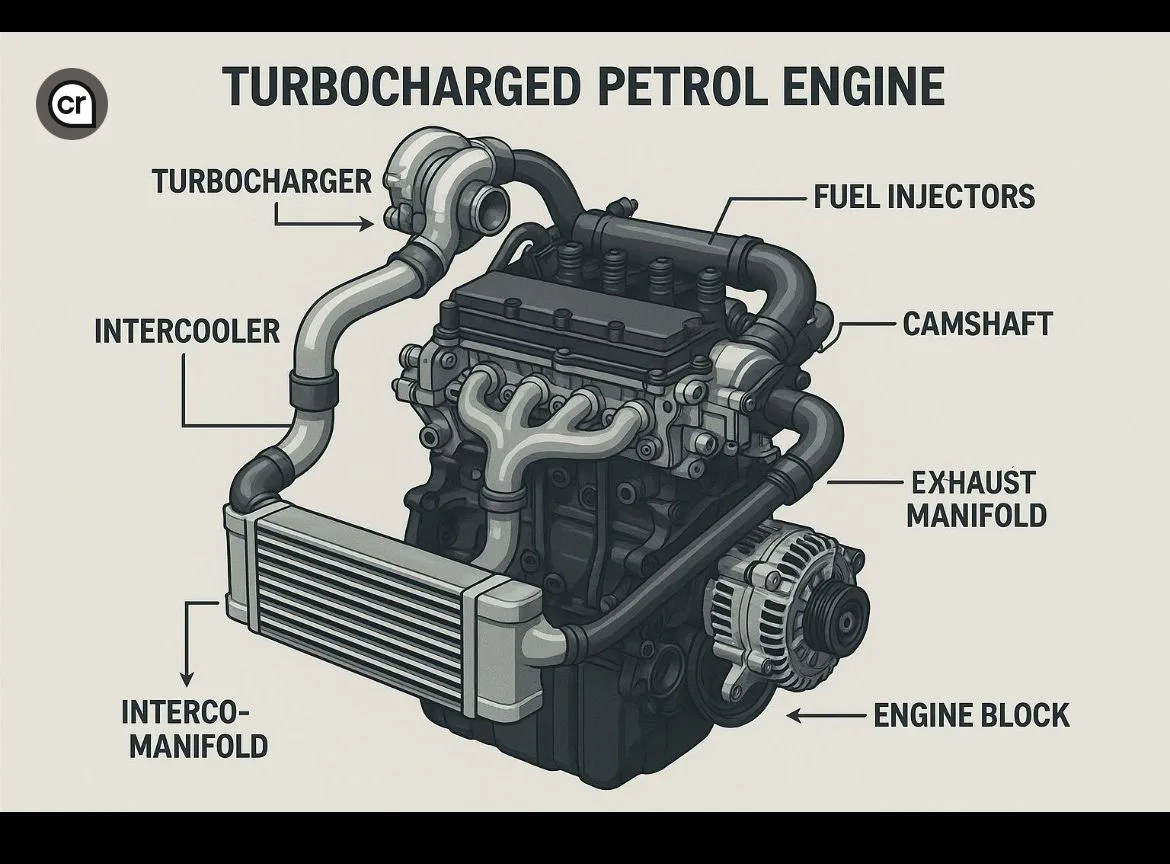
The chemistry story is where the two specs really split. Older SN oils leaned heavy on calcium-based detergents, which are cheap and effective at cleaning pistons. Trouble is, calcium droplets can act as ignition seeds when they get into the combustion chamber under high load.
SN Plus rebalanced that formula. Additive suppliers cut the calcium, boosted magnesium, and reworked the anti-wear package. SP tightened the same test limits further and made the LSPI performance hold over a longer service interval.
What that means for you
- If you own a naturally aspirated engine from 2015 or older, LSPI isn't really a threat.
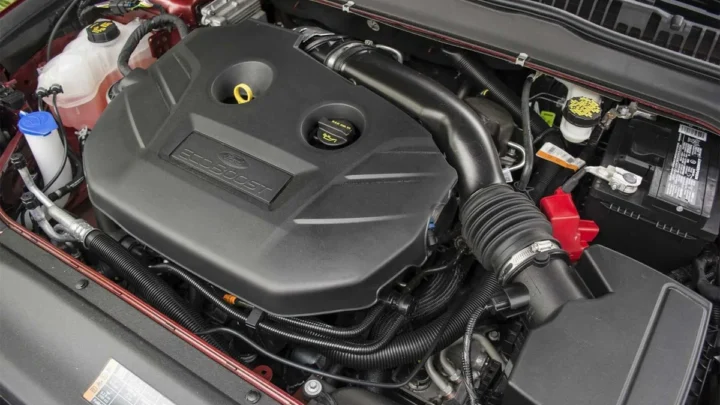
- If your engine name includes "TGDI", "turbo GDI", "EcoBoost", "SkyActiv-G Turbo", or "TSI", LSPI protection is not optional.
- SP oils hold their LSPI resistance longer than SN Plus after high-mileage use.
Verified buyer feedback on modern turbo engines running SP-rated oil consistently reports fewer misfire and knock complaints compared to older SN Plus fills. That's the practical proof behind the lab test.
Timing Chain Wear, Oxidation, and the Tests SP Adds
The Sequence X chain wear test is the single biggest addition in SP. Timing chains stretch over time. In modern engines with variable valve timing, even a small amount of stretch throws off cam timing and triggers check-engine lights, rough idle, and lost power.
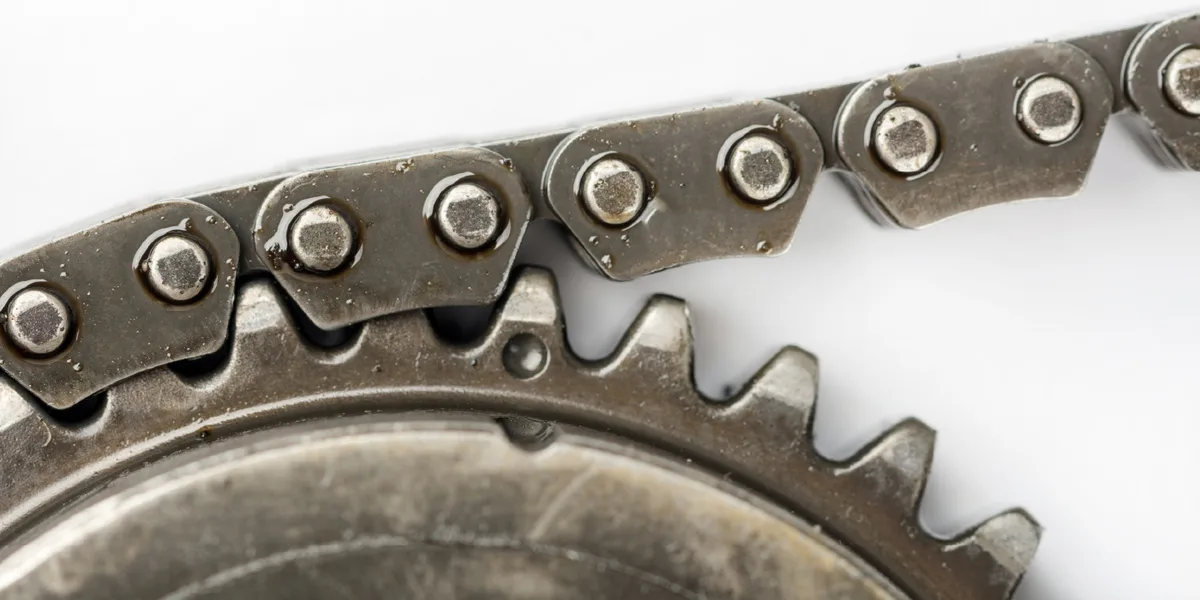
Sequence X runs a real chain in a real engine for 216 hours under controlled load. The oil has to keep chain elongation under a specific limit. SN Plus never had to pass this.
SP does.
The Sequence IVB wear test also replaced the older IVA. It uses a newer Toyota 2NR-FE engine and lower-viscosity oil to reflect how real modern engines actually run. Then there's Sequence IIIH, which cranks the temperature and duration up to punish weak base oils.
Cheap oils that squeaked through SN Plus tend to fail SP outright.
Practical wins from these three tests
- Chains last longer, so timing stays accurate.
- Valvetrain components (cams, followers, lash adjusters) see less scuffing.
- Oil resists thickening, sludge, and varnish at sustained high oil temps.
- Turbocharger bearings stay cleaner across the full drain interval.
If your daily driving includes stop-and-go traffic, short trips, or towing, those are exactly the conditions where SP pulls ahead of SN Plus.
Backward Compatibility: Can You Use SP in an Older Engine?
Yes, SP is fully backward compatible with SN Plus, SN, SM, SL, and older gasoline categories. That's baked into how API service categories are designed. Each new S-category has to meet or exceed the performance of every category it replaces.
Practical translation: if your 2005 sedan calls for SM, an SP-rated oil is a legitimate upgrade. Same viscosity grade, better protection, no downside. The one exception is very old flat-tappet engines from the 1970s or earlier, where a higher-ZDDP racing oil may be a better match.
For anything from roughly 1980 onward with the correct viscosity, SP is safe. You do not need to hunt down old SN Plus stock just because the owner's manual predates 2020.
Can You Still Use SN Plus in a Newer Engine That Calls for SP?
No, and this is where mistakes get expensive. If your owner's manual or oil cap specifies API SP, ILSAC GF-6, or an OEM standard like GM dexos1 Gen 3, SN Plus does not meet the requirement. Using it can void warranty coverage on engine damage, especially LSPI-related failures.
The gap is real, not theoretical. SN Plus lacks the Sequence X chain wear test and the tougher Sequence IVB wear test. On a turbocharged direct-injection engine that spec'd SP for a reason, SN Plus leaves protection on the table.
If SN Plus is all you can find in a pinch, treat it as a limp-home fluid. Get to SP-rated oil at your next opportunity and shorten the interval on that fill. Better still, keep an emergency quart of the correct SP grade in the trunk.
Best-For Scenarios: When Each Spec Actually Fits
Not every situation calls for the newest spec on the shelf. Here's how to match the oil to the engine and use case.
Turbocharged GDI Engines
API SP, every time. This includes most engines built after roughly 2017 badged as EcoBoost, SkyActiv-G Turbo, TSI, TFSI, T-GDI, or 2.0T. LSPI protection combined with the Sequence X chain wear test is exactly what these motors need.
Confirm the exact viscosity in your owner's manual before buying.
Older Naturally Aspirated Engines
Either spec works, but SP is the smarter default. A 2010 Camry with a naturally aspirated 2.5L doesn't need LSPI protection, yet it still benefits from SP's better oxidation control and cleaner deposit performance. Since SP now dominates shelf space, you'll rarely find fresh SN Plus stock anyway.
Fleet and Stock Management
Stock SP only. Running one spec across a mixed fleet cuts inventory complexity and eliminates the risk of a technician grabbing the wrong bottle for a turbo engine. SP covers everything from 1990s pickups to 2024 GDI turbos in the same grade.
Most independent shops have already phased out SN Plus SKUs since SP became the mainstream stock oil.
How to Read the API Donut and Spot the Right Oil on the Shelf
The API donut is the round black-and-white symbol on the back of every licensed motor oil bottle. It's the fastest way to confirm exactly what spec you're buying, and it takes about five seconds to read.

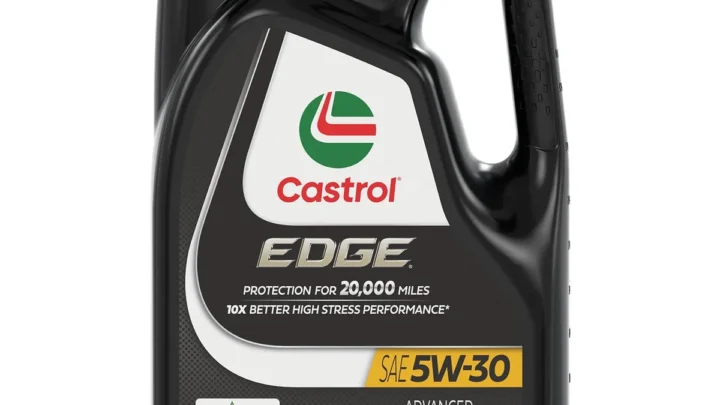
Three zones tell you everything. The top arc shows the service category, so you'll see "API SERVICE SP" or "API SERVICE SN PLUS" spelled out. The center circle shows the SAE viscosity grade, such as 0W-20 or 5W-30.
The bottom arc says "RESOURCE CONSERVING" if the oil also meets the current ILSAC fuel economy standard.
Quick checklist at the shelf
- Top arc reads "SP"? You're good for anything from 2020 and newer.
- Sees "SN PLUS" only? Older stock, fine for older engines, skip it for a modern turbo.
- Bottom arc says "Resource Conserving"? That signals ILSAC GF-6A pairing.
- No donut at all? Walk away. Unlicensed oils skip API testing entirely.
The front-label starburst (or the new shield mark for GF-6B) is another quick tell. Both marks require SP-level base performance.
Common Mistakes People Make When Choosing Between SP and SN Plus
The most common error is assuming the two specs are interchangeable. They aren't, at least not in the direction that matters. SN Plus in a modern SP-required engine is a downgrade, even if the viscosity is identical.
Another frequent slip is grabbing the cheapest bottle in the right viscosity without checking the donut. Some bargain oils on clearance racks are still labeled SN or SN Plus. The price looks great until a warranty claim gets denied.
Mistakes worth avoiding
- Buying old SN Plus stock for a 2021+ turbo engine.
- Mixing SP and SN Plus during top-offs on a warranty-covered engine.
- Ignoring the OEM approval (dexos, Ford WSS, Chrysler MS) and relying on the API donut alone.
- Assuming "full synthetic" automatically means SP. Base oil type and API category are independent labels.
- Confusing the API S-category (spark ignition) with API C-category diesel oils.
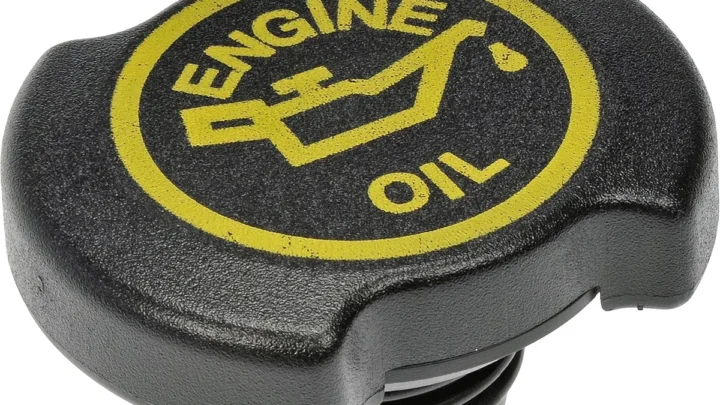
Manufacturer specifications indicate the required category is printed directly on the oil filler cap on most modern engines. That cap trumps guesswork every time.

Similar Posts