Car Battery Reads Good Voltage But Won’t Crank? Fixes
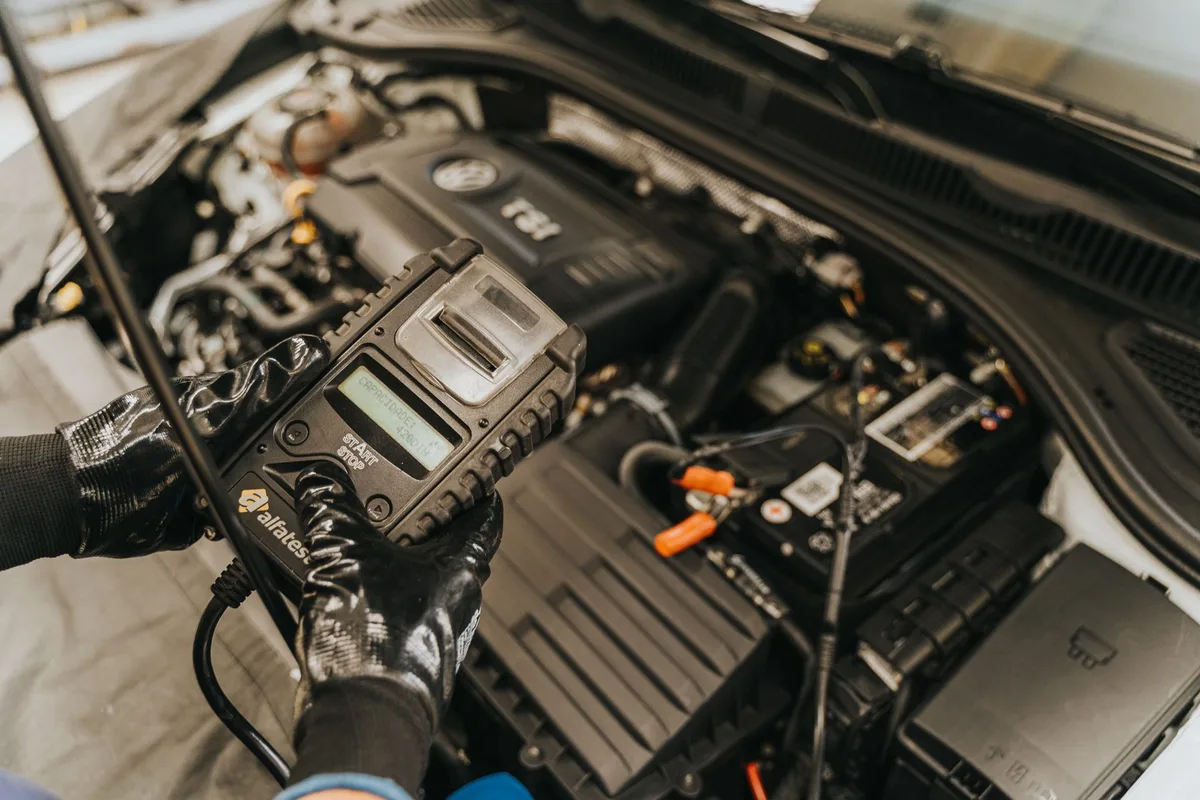
You turn the key, the dash lights glow, and nothing turns over. Your meter shows a healthy 12.6 volts, yet the car battery voltage good but no crank puzzle still leaves you stranded. A resting voltage reading only tells half the story.
Voltage measures pressure, not the amperage a starter actually needs.
As of 2026, most no-crank calls with a "good" battery trace back to a bad connection, a tired starter, or a switch that isn't sending its signal. Per Battery Council International guidance, a healthy 12V battery reads about 12.6 volts at rest but must deliver 150 to 300 amps to spin a starter. That gap is where the mystery hides.
Let's break it down.
The 30-Second Answer: Why Good Voltage Can Still Mean No Crank
A car battery can read good voltage but still fail to crank. Voltage shows charge, not current delivery. A starter needs huge amps, not just 12.6 volts.
Corroded terminals, a weak ground, a failed starter, or a bad ignition switch all block that current. Test the battery under load before blaming it.
Resting Voltage vs. Cranking Voltage: The Test That Actually Matters
Resting voltage is what your battery reads after sitting an hour with everything off. Cranking voltage is what it holds while the starter pulls current. These are two very different numbers, and only one predicts a no-crank.
A battery can show 12.6 volts at rest and still collapse under load. That's the trap. The fix is simple: watch the voltage while someone cranks the engine.
What 12.6V Really Tells You
12.6 volts means the battery is fully charged. It says nothing about health. A weak or sulfated battery holds a surface charge that reads high, then crumbles the second the starter draws power.
If you want to be sure, reading it with a meter is the starting point, not the finish line.
Why a Load Test Beats a Static Reading
A load test forces the battery to work while you watch the number. Here's the quick version:
- Set your meter to DC volts across the battery posts.
- Have a helper crank the engine for two seconds.
- Watch the reading during cranking.
If cranking voltage stays above about 9.6 volts, the battery is likely fine. Drop below that, and the battery or its connections are the problem. Doing this properly means checking it under real load rather than trusting the resting number alone.
Read the Symptom First: Single Click, Rapid Clicks, or Dead Silence
The sound your car makes is your first clue. Before you touch a wrench, listen closely when you turn the key. Each sound points down a different branch.
| What You Hear | Most Likely Cause | Where to Look First |
|---|---|---|
| Single loud click | Solenoid engages, starter won't spin | Starter motor, ground, connections |
| Rapid clicking | Not enough current reaching the starter | Weak battery, corroded terminals, bad cables |
| Dead silence | No signal reaching the starter | Ignition switch, neutral safety switch, relay |
Single Click
One firm click means the solenoid is trying. The starter motor itself, or the heavy cable feeding it, isn't finishing the job. This often points to worn starter brushes, a dead spot on the armature, or a high-resistance ground.
Rapid Clicking
Fast machine-gun clicking almost always means low current. The solenoid pulls in, voltage sags, it drops out, and the cycle repeats. Even with a "good" resting reading, corroded terminals or a tired battery can starve it.
No Sound at All
Total silence usually means the starter never got the message. Think ignition switch, a tripped neutral safety switch, a bad relay, or a blown fusible link. On a manual, don't forget the clutch safety switch.
The No-Crank Decision Tree: Follow the Clues Step by Step
Work through these branches in order. Each "if/then" narrows the cause fast, so you fix the right part the first time.
If dash lights dim badly during cranking, then suspect the battery or a bad connection. Run a load test.
If lights stay bright but you hear a single click, then the battery's fine. Move to the starter and its ground.
If you hear rapid clicking, then clean and torque the terminals first. Retest before buying parts.
If there's total silence, then check the shifter position. Jiggle it into neutral and try again to rule out the neutral safety switch.
If it still won't crank in neutral, then test for signal voltage at the starter's S-terminal while a helper turns the key.
If signal voltage is present but nothing happens, then the starter is your prime suspect. Confirm the starter's health with a proper test.
If no signal reaches the starter, then trace back to the ignition switch, relay, and fuses.
Follow the branch that matches your symptom. You'll skip the guesswork that gets good batteries thrown out.
Prime Suspects When the Battery Checks Out
Once the battery passes a load test, four culprits cause most no-cranks. Work through them from cheapest to fix down to most involved.
Corroded or Loose Terminals
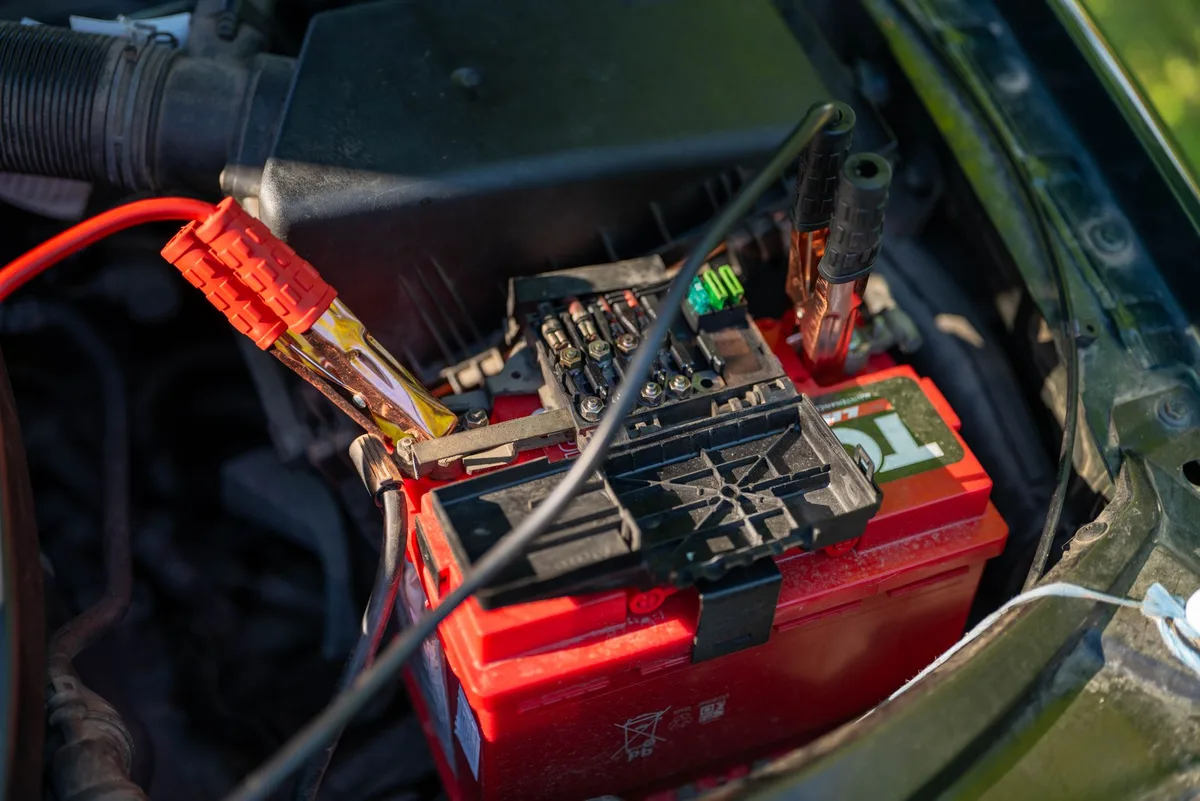
This is the number-one cause, and the cheapest fix. That white or greenish crust on the posts adds resistance and chokes off current. Loose clamps do the same thing.
Clean the posts bright, coat them lightly, and torque the clamps snug.
High-Resistance Ground Strap
Current has to flow back through the ground strap to complete the circuit. A rusty or loose ground bolt kills cranking even with a perfect battery. If you suspect it, testing a weak ground connection takes only a minute with a meter.
Failing Starter Motor
Starters wear out. Worn brushes, a burnt armature spot, or pitted solenoid contacts all cause a click with no spin. A starter that works cold but quits when hot is a classic sign of a dying unit.
Ignition Switch and Neutral Safety Switch
If the starter never gets a signal, the switches are prime suspects. A worn ignition switch may not close the circuit. A misadjusted neutral safety switch blocks cranking in Park but sometimes works in Neutral.
That neutral trick is a fast, free test.
How to Run a Voltage-Drop Test on Your Cables
A voltage-drop test finds hidden resistance that a resting reading can't see. It measures voltage lost across a cable while current flows. High drop means a corroded or undersized cable is stealing power the starter needs.

Here's the method on the positive side:
- Set your meter to DC volts, 20V range.
- Put the red probe on the battery positive post.
- Put the black probe on the starter's main terminal.
- Crank the engine and read the number.
You want to see under 0.2 volts on a clean cable. Anything over 0.5 volts points to a bad cable, a corroded end, or a loose connection. Repeat the same test on the ground side, from the battery negative post to the engine block.
The ground path fails just as often as the positive one. If you're not sure how to isolate each leg, walking through a proper drop test makes the readings easy to trust. Suspect cable ends too, since checking the cables themselves often reveals corrosion hiding under the insulation.
Bypassing the Solenoid and the Starter Tap Test
These two quick tests tell you whether the starter is the villain. Both take under a minute and need no special tools. Use them once your battery and cables have passed.

The Starter Tap Test
Tap the starter body with a wrench or hammer while a helper holds the key in the crank position. If it fires up, the brushes or armature have a dead spot. That's a dying starter telling you it's on borrowed time.
Replace it soon, because the trick won't work forever.
Jumping the Solenoid
If you can safely reach the starter, bridge the large battery terminal to the small S-terminal with an insulated screwdriver. Keep the car in Park with the brake set. If the starter spins, the motor and solenoid work, and your problem lives upstream in the switch or wiring.
If/then logic keeps this clean. If the tap or jump wakes the starter, then the starter or its trigger circuit is at fault. If nothing happens with direct battery power, then the starter itself is dead.
Push-Button Start and Immobilizer Lockouts
Keyless cars add a layer that older ignitions don't have. A push-button system won't crank if the module doesn't recognize the key fob. Good battery, good starter, and still no crank?
The security system may be the block.
Watch the dash. A flashing security or key icon usually means the immobilizer isn't reading the transponder. A dying fob battery is the most common trigger, and it's a cheap fix.
Try these fast checks before you panic:
- Swap in a fresh coin cell for the fob.
- Hold the fob directly against the start button, which many cars accept as a backup.
- Make sure the brake pedal is fully pressed, since keyless systems demand it.
A weak 12V battery can also confuse the body control module. Voltage might read fine on the posts, but a sag during the start sequence can trip a fault. Charge the battery fully, then retry before chasing electronic ghosts.
Numbers to Know: Voltage Thresholds, Amp Draw, and Drop Limits
Knowing the target numbers turns guesswork into a clear yes or no. Keep this quick reference handy while you test. Every value below is a common shop benchmark as of 2026.
| Measurement | Healthy Reading | Trouble Sign |
|---|---|---|
| Resting voltage | 12.6V (100% charged) | 12.2V or lower (50% or less) |
| Cranking voltage | Stays above 9.6V | Drops below 9.6V |
| Positive cable drop | Under 0.2V | Over 0.5V |
| Ground cable drop | Under 0.2V | Over 0.5V |
| Starter current draw | 150 to 300A typical | Well above spec, or near zero |
State of charge maps to voltage in easy steps. 12.6V is full, 12.4V is about 75%, 12.2V sits near 50%, and 12.0V is down to 25%. Anything under 12.4V deserves a charge before you diagnose further.
Cranking voltage is the number that catches weak batteries. A pack that holds 12.6 at rest but sags to 8V under load has failed, plain and simple. If your meter setup feels fiddly, a refresher on dialing in the right range keeps your readings accurate.
Mistakes That Send People to the Wrong Part
The biggest error is trusting resting voltage alone. A surface charge fools people into thinking a dead battery is healthy. Always load-test before you rule the battery out.
Here are the traps that waste money and time:
- Replacing the starter when a corroded ground was the real issue.
- Skipping the ground-side drop test and only checking positive.
- Buying a battery because the old one read 12.6V at rest.
- Ignoring the neutral safety switch on a silent no-crank.
- Forgetting the fob battery on a push-button car.
Another common miss is torque. Terminals can look clean yet still be finger-loose, and a loose clamp mimics a dead battery. Snug them properly, then retest before spending a dime.
One more: heat-related starter failure gets misdiagnosed constantly. A starter that cranks cold but clicks when hot isn't a battery problem. It's an expanding armature losing contact, and only a load-aware test catches it.
Safety Checks Before You Touch Anything
A car battery stores enough energy to burn you, so a few precautions matter. Battery gases are flammable, and a wrong move across the terminals can spark. Slow down for thirty seconds and stay safe.
- Set the parking brake and shift to Park or Neutral.
- Wear eye protection when working near the posts.
- Remove rings and watches to avoid a dead short.
- Disconnect the negative terminal first when servicing.
Never lean over the battery while cranking. Keep hands, sleeves, and tools clear of belts and the cooling fan. If you smell rotten eggs, stop, because that's sulfur gas from an overheating battery.
Corrosion is mildly acidic, so don't rub your eyes after handling crusty terminals. A quick wash with baking soda and water neutralizes it safely.
Cold Weather, Corrosion, and Why Season Matters
Cold is brutal on batteries and starters alike. At 0°F, a battery can lose around 60% of its cranking power while the starter works harder against thick oil. That combo turns a marginal battery into a no-crank overnight.
A pack that cranked fine in October can fail on the first hard freeze. If your no-crank showed up with the cold snap, when temperatures dip explains why the numbers shift so much. Test at the temperature the failure happens, not in a warm garage.
Heat and humidity cause their own trouble. Coastal and summer conditions speed up terminal corrosion, which quietly raises resistance. Clean the posts twice a year, and the seasonal surprises mostly disappear.
When to Stop and Call a Pro
Call a mechanic when the fix moves past cables, terminals, and a bolt-on starter. Some jobs need scan tools or deep electrical tracing that home testing can't reach.
Hand it off if you hit any of these:
- The security light flashes and the fob swap didn't help.
- You suspect the ignition switch or a wiring fault in the harness.
- The engine won't turn by hand and may be seized or hydrolocked.
- Signal reaches the starter, but the starter is buried and hard to access.
A shop can pull immobilizer codes and test the starter circuit under load in minutes. Paying for a correct diagnosis beats throwing parts at a problem. If the car is drivable to a bay, that's often the cheaper path.
Frequently Asked Questions
Can a battery show 12.6 volts and still be bad?
Yes. 12.6 volts only means the battery is fully charged, not healthy. A worn or sulfated battery holds a surface charge that reads high at rest. Under the starter's heavy load, that voltage collapses.
A cranking or load test is the only way to know for sure.
Why does my car click once but not start?
A single click usually means the solenoid engaged but the starter didn't spin. The battery is often fine. Look at the starter motor, its ground strap, and the heavy cable feeding it.
Worn brushes or a dead armature spot are common causes when voltage tests good.
How do I know if it's the starter or the battery?
Run a load test first. If cranking voltage stays above 9.6 volts and the car still won't crank, the battery isn't the problem. Then tap the starter or jump the solenoid.
If the starter wakes up, it's failing, not the battery.
Could a bad ground cause a no-crank with good voltage?
Absolutely. Current must return through the ground strap to complete the circuit. A rusty or loose ground bolt adds resistance and starves the starter.
A ground-side voltage-drop test reveals it fast. Aim for under 0.2 volts across the ground path.
Will jump-starting help if voltage is already good?
Usually not. If your battery already reads 12.6 volts, adding a jump won't fix a starter, ground, or switch fault. Jump-starting only helps when the battery is actually low.
When voltage is good, spend your time testing connections and the starter instead.
Your Quick Diagnosis Roadmap
Start with the free checks, then work toward the pricier parts. This order catches most no-cranks in under fifteen minutes.
- Load-test the battery and watch cranking voltage.
- Clean and torque both terminals, then retest.
- Run voltage-drop tests on the positive and ground cables.
- Listen to the click pattern to pick your branch.
- Jiggle the shifter to rule out the neutral safety switch.
- Tap or jump the starter to confirm its health.
- Check the fob and security light on push-button cars.
Follow the clues, not your gut. A good battery reading is the starting line, not the answer, and the sound your car makes points straight to the fix.

Similar Posts