Why Your New Battery Keeps Dying Overnight (Fixes)
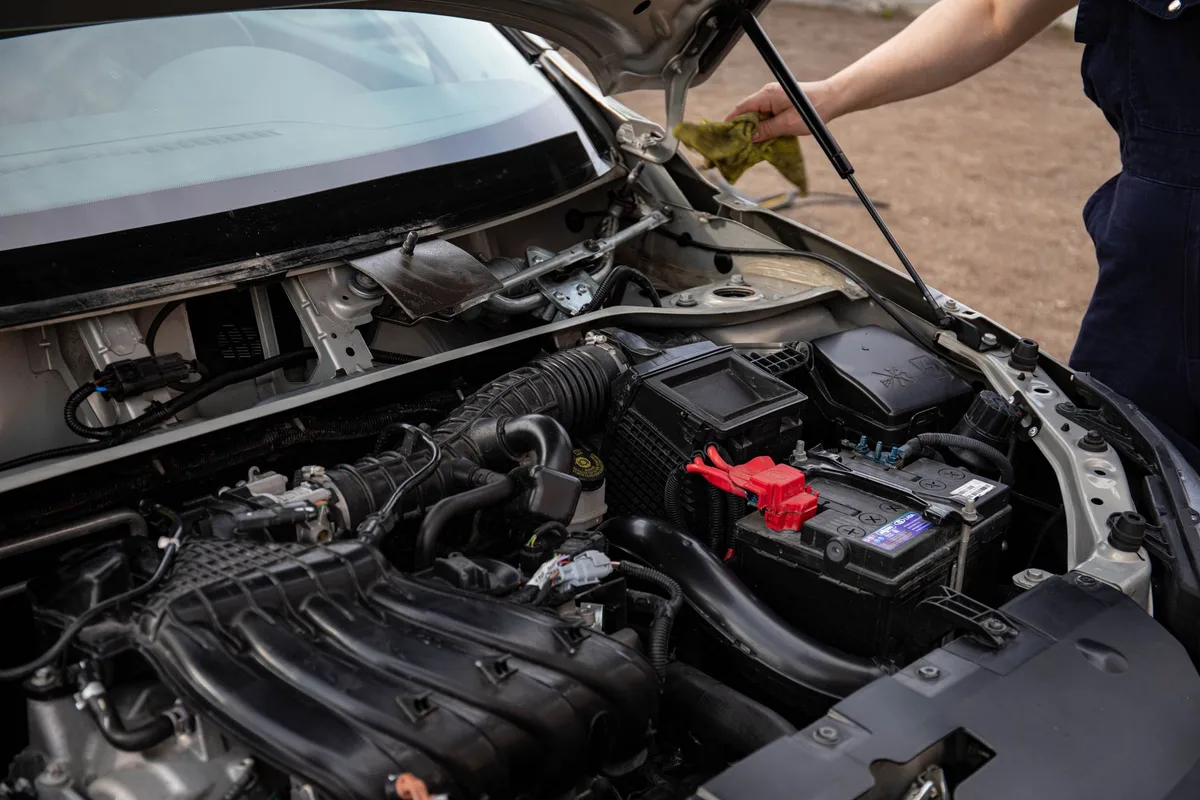
A battery that goes flat by morning is maddening, especially when you just paid for it. If your new battery keeps dying overnight, the battery itself is usually not the whole story. Something is either draining it while the car sleeps, failing to charge it while you drive, or the "new" unit was weak before it ever went in.
The good news? You can pin down which one it is with a multimeter and about 30 minutes.
Most overnight deaths trace back to three things: a parasitic drain, a charging fault, or a bad battery. A healthy 12V lead-acid battery should rest at 12.6V or higher after sitting. Key-off current on a normal car should sit around 20 to 50 milliamps once everything powers down.
Anything much higher, and you've found your overnight thief. Let's start with the fast answer, then work through each branch.
Quick Answer
A new battery dying overnight usually means a parasitic drain, not a bad battery. Something stays powered while the car sleeps. Common causes are a hardwired dashcam, a faulty alarm, or a bad alternator diode.
Test key-off current with a multimeter in series. Normal draw is 20 to 50mA. Higher means a circuit is stealing power overnight.
Why Your Brand-New Battery Dies Overnight (The Three Real Culprits)
A dead battery every morning almost always comes down to one of three faults. Knowing which one saves you from buying a second battery you don't need.
- Parasitic drain: A circuit stays awake and pulls power all night. This is the most common cause by far.
- Charging fault: The alternator undercharges the battery, so it never fully recovers between drives.
- Weak or bad battery: The unit can't hold charge, sometimes because it sat discharged on a shelf.
Here's the part people miss. A "new" battery isn't automatically a healthy one. Batteries lose charge in storage, and a unit that sat too long can sulfate before you install it.
So "I just replaced it" doesn't rule out the battery.
Think of these three as branches. Each one has its own test. Work through them in order, and you won't waste money guessing.
Quick Diagnosis: Bad Battery, Bad Alternator, or Parasitic Drain?
Start here before you touch a single tool. A few simple observations point you toward the right branch fast.
- Dead after a day or two of sitting: suspect a parasitic drain first.
- Dead even after a long highway drive: suspect the charging system or the battery.
- Slow crank every morning that recovers after driving: suspect undercharging from short trips.
- Dash lights flicker or the battery light glows: check the alternator and its diodes.
Use this table to sort yourself into the right test.
| Symptom | Most likely cause | First test to run |
|---|---|---|
| Dead after sitting overnight, fine when driven daily | Parasitic drain | Key-off current test |
| Dead even after long drives | Bad battery or charging fault | Resting voltage + charging voltage |
| Slow crank every morning, better after a drive | Chronic undercharge | Charging voltage at idle and 2,000 rpm |
| Battery warning light on | Alternator/diode fault | Alternator output test |
If you're not sure where you land, run the checks in order anyway. Each one rules out a branch. If you'd rather confirm charging health first, our guide on what healthy alternator output looks like covers the normal range in plain terms.
What "Key-Off Drain" Actually Is and Why It Kills Batteries Overnight
Key-off drain is the small current your car uses while parked and switched off. It's also called parasitic draw or quiescent current. Some drain is normal.
Your clock, alarm, radio presets, and computer memory all need a trickle to stay alive.
The problem starts when that trickle turns into a flood. A normal car settles to roughly 20 to 50mA after its modules sleep. At that rate, a healthy battery lasts weeks.
Push the draw to 300mA or more, and you can flatten a battery in a single night.
Here's the math in rough terms. A typical car battery holds around 50 to 70 amp-hours. A 500mA drain pulls meaningful capacity out every hour.
Leave it overnight, add cold weather, and the battery won't have enough left to crank in the morning.
Common overnight offenders include:
- Hardwired dashcams in "parking mode"
- Aftermarket alarms or remote-start modules
- A glovebox, trunk, or underhood light that never shuts off
- A stuck relay or an infotainment module that won't sleep
- A failing alternator diode leaking current backward
The fix isn't guesswork. You measure the draw, then isolate the circuit.
The 5-Minute Checks Before You Blame the Battery
Do these quick checks first. They cost nothing and catch a surprising number of overnight drains before you ever grab a multimeter.
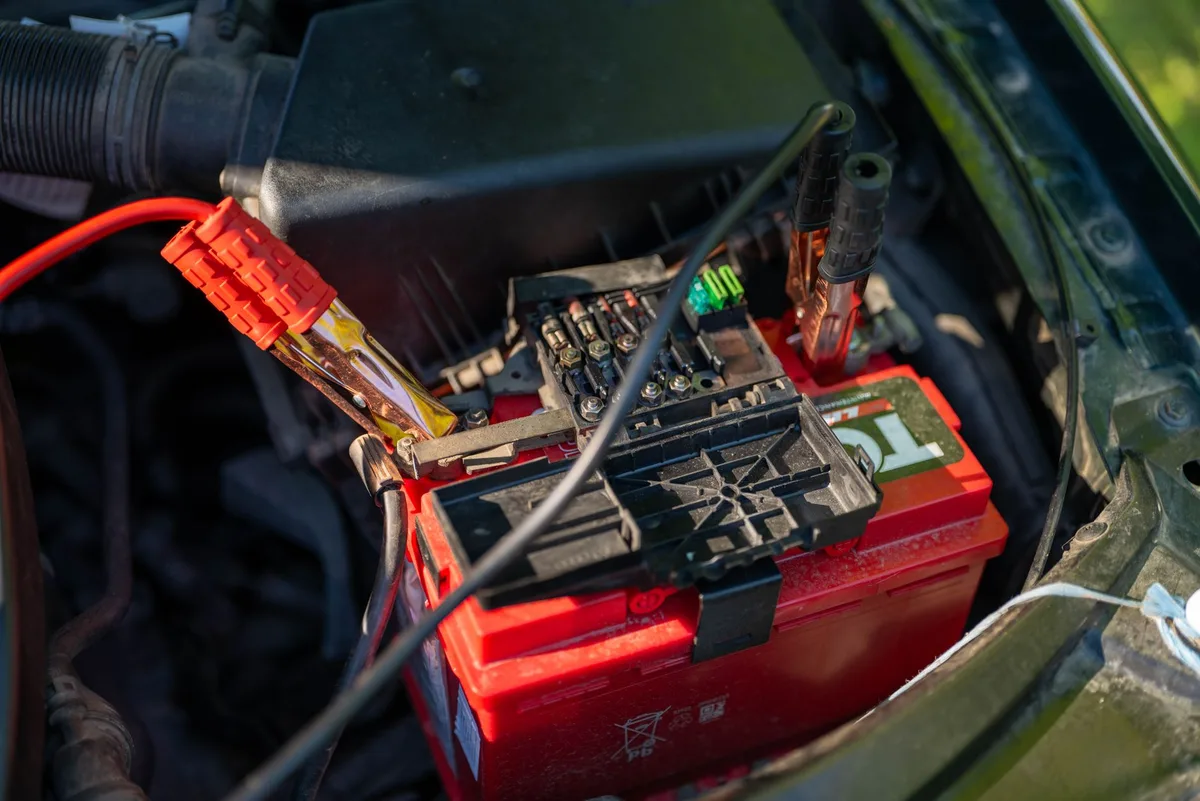
Terminals, Clamps, and Corrosion
Loose or corroded terminals cause weak connections that mimic a dying battery. Look for white or bluish powder on the posts. Wiggle each clamp by hand.
A terminal that moves isn't charging properly.
- Clean corrosion with a baking soda and water paste, then rinse and dry.
- Re-torque the clamps snug, not overtightened.
- Add a thin coat of dielectric grease to slow future corrosion.
A poor ground connection does the same thing from the other side. To rule that out, this walkthrough on checking your ground path shows the exact steps. You can also confirm the clamps with a simple terminal resistance check.
Lights, Trunk, Glovebox, and Anything Left On
A single bulb left glowing can flatten a battery overnight. Open the hood at night and look for any faint glow. Check that the glovebox light, trunk light, and vanity mirror lights actually switch off.
- Close all doors and the trunk, then watch for interior lights that stay lit.
- Confirm the dome light switch isn't stuck on.
- Listen for a relay clicking or a fan running after shutdown.
If everything checks out here, move on to testing the battery's actual charge.
Test the Battery Itself: Resting Voltage and State of Charge
Resting voltage tells you how much charge the battery is holding. Measure it after the car has sat a few hours, ideally overnight, with the engine off. Set your meter to DC volts.
If you're unsure of the dial, this note on the right meter setting sorts it out in seconds.
Touch red to the positive post and black to the negative. Read the number and compare it below.
| Resting voltage | State of charge | What it means |
|---|---|---|
| 12.6V or higher | 100% | Healthy and fully charged |
| 12.4V | ~75% | Slightly low, recharge soon |
| 12.2V | ~50% | Undercharged, investigate |
| 12.0V | ~25% | Nearly flat, don't rely on it |
| Below 12.0V | Dead/failing | Recharge and load test |
One reading isn't the whole picture. A battery can show 12.6V at rest and still collapse under load. So after a full recharge, run a load test to see if it holds voltage while working.
The full method lives in our load testing walkthrough.
If the battery reads full, rests well, and passes a load test, it's not the culprit. That points you at the charging system or a parasitic drain. For the exact resting-voltage procedure, this step-by-step voltage check covers it cleanly.
Per the U.S. Environmental Protection Agency, lead-acid batteries are among the most recycled products in the country, so a truly dead one has an easy, responsible exit.
Test the Charging System: Is the Alternator Doing Its Job?
The alternator recharges the battery while the engine runs. If it undercharges, the battery slowly loses ground every day until it can't crank. Start the engine and set your meter to DC volts across the battery posts.
You want to see roughly 13.8V to 14.7V at the terminals. Below 13.5V, the alternator isn't pushing enough. Above 14.8V, it's overcharging, which cooks the battery and boils off electrolyte.
- Measure at idle, then hold 2,000 rpm and watch the reading climb slightly.
- Turn on headlights, blower, and rear defrost, then confirm voltage stays above 13V.
- A reading that sags under load points to a tired alternator.
Wondering if a specific number is fine? Our breakdown of what 13.5 volts really signals explains the low end, and the upper safe limit covers overcharging. A steady, correct charge here rules the alternator out.
Run a Parasitic Draw Test With a Multimeter (Step-by-Step)
This is the test that catches most overnight killers. You're measuring current leaving the battery with everything switched off. Set your multimeter to the 10A DC amps range and put it in series with the negative cable.
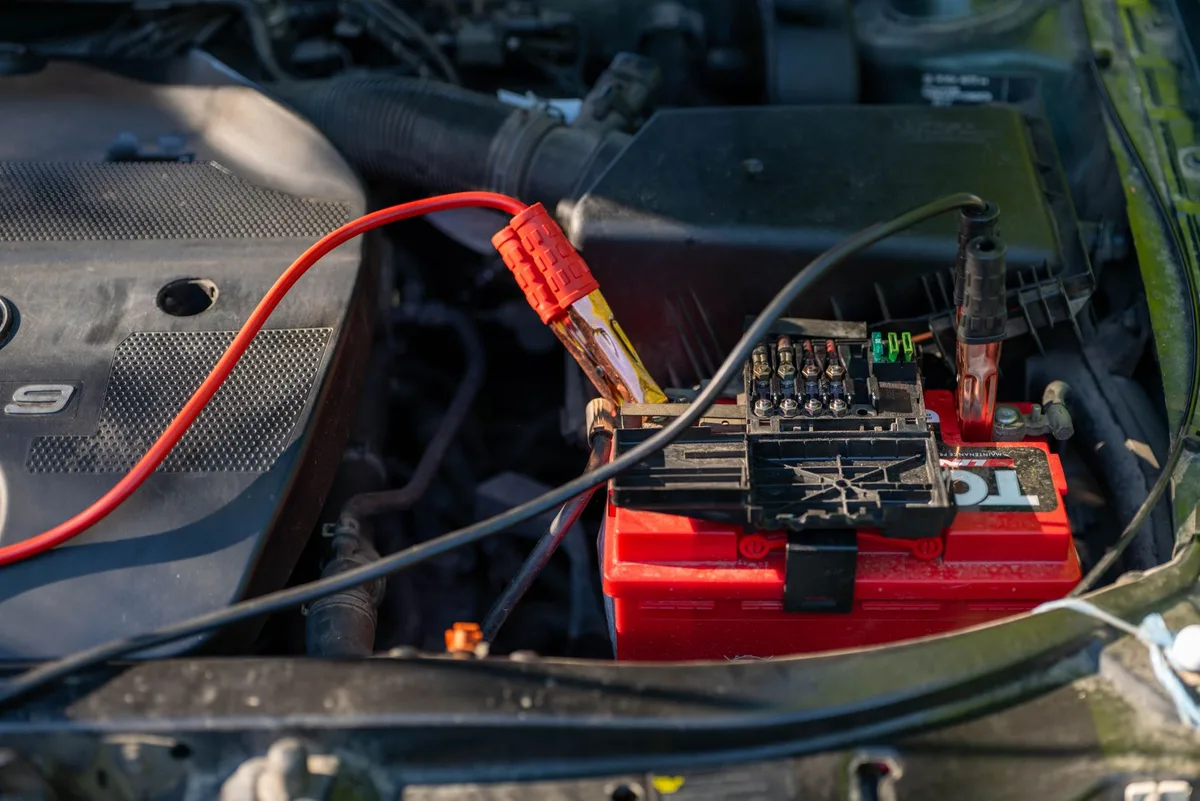
- Turn off everything and remove the key. Close the doors using the manual latch if needed.
- Disconnect the negative terminal.
- Connect the meter between the negative post and the cable so all current flows through it.
- Read the amps. Anything above 50mA (0.05A) is a problem.
The full procedure, including meter safety, lives in our parasitic draw walkthrough and this drain-testing guide.
Letting the Car's Modules Go to Sleep First
Modern cars keep computers awake for a while after you lock up. Measure right away and you'll see a false high reading of half an amp or more. Wait 20 to 40 minutes with the meter connected and watch the draw drop as modules power down.
Only judge the number after it settles. A car that never drops below 100mA has a module refusing to sleep.
The Fuse-Pull Method to Find the Guilty Circuit
Once you've confirmed a high draw, pull fuses one at a time to find the circuit. Watch the meter as you remove each fuse. When the current drops to normal, you've found the offending circuit.
Note which fuse it was, then trace what's on that circuit. That's your dashcam, amplifier, alarm, or a stuck relay.
Common Overnight Drains: Dashcams, Alarms, Remote Start, and Bad Diodes
Aftermarket electronics cause most overnight drains we see in troubleshooting reports. They tap into power directly and often skip the car's sleep logic. A hardwired dashcam in parking mode is the usual suspect.
- Dashcams: Parking mode records around the clock and can pull 100 to 400mA all night.
- Alarms and remote start: A glitchy module may stay half-awake and drain steadily.
- Amplifiers: A poorly wired amp with its remote turn-on stuck on keeps drawing.
- Alternator diodes: A failed diode leaks current backward into the alternator overnight.
That last one is sneaky because it looks like a battery fault. A quick diode check confirms it. If you recently added any accessory and the drain started right after, that's your prime lead.
Why a "New" Battery Can Arrive Already Dead
A new battery isn't guaranteed to be a good one. Batteries self-discharge in storage, roughly 3 to 5% per month for flooded types. A unit sitting on a shelf for months can arrive at 50% charge or lower.
When a lead-acid battery sits discharged, sulfate crystals harden on the plates. This is sulfation, and it permanently cuts capacity. So a "new" battery stored flat may never hold a full charge.
- Check the date code sticker before buying. Fresher is better.
- Ask the store to test and charge it before installation.
- If your fresh battery won't pass a load test, it may be a warranty case, not a drain.
Most retailers offer free testing and charging, so lean on that before assuming your car is at fault.
Short Trips, Start-Stop Cars, and Cold Weather: The Undercharge Trap
Short drives are hard on batteries because they never fully recharge. Starting the engine takes a big gulp of amps. A five-minute trip doesn't give the alternator time to put it back.
Do that daily, and the battery drifts lower each morning. Add a parasitic drain on top, and it dies fast. Stop-start vehicles feel this most because they cycle the battery constantly and need an EFB or AGM unit built for it.
Cold weather makes everything worse. A battery loses a large chunk of its cranking power below freezing, while the engine demands more to turn over. Our notes on cold-weather voltage behavior show how much the numbers shift.
- Take a longer drive weekly to top the battery back up.
- Use a maintainer if the car sits for days at a time.
- Fit the correct AGM or EFB battery if your car specifies one.
Mistakes That Send People Back to the Parts Store Twice
The biggest mistake is swapping the battery without testing anything. If a drain killed the first one, it'll kill the second one just as fast. Diagnose before you spend.
- Skipping the parasitic draw test and blaming the battery.
- Measuring drain before the modules sleep, then chasing a false reading.
- Ignoring a slightly low charging voltage that undercharges every day.
- Leaving corroded terminals in place, so the new battery never charges fully.
- Fitting a standard flooded battery in a start-stop car that needs AGM.
Test, confirm, then replace. That order saves the second trip.
Safety Rules for Testing and Jump-Starting a Battery
Lead-acid batteries vent hydrogen gas, which is explosive. Keep sparks, cigarettes, and flames well away. Work in a ventilated spot and wear eye protection.
- Disconnect the negative terminal first, reconnect it last.
- Never break a live high-current circuit at the fuse box while your meter reads amps.
- When jump-starting, connect the ground clamp to bare metal away from the battery, not the negative post.
- Sulfuric acid burns skin and eyes. Rinse any splash with water right away.
If a battery is cracked, bulging, or leaking, don't test it. Recycle it and replace it.
Battery Voltage and Draw Numbers Worth Memorizing
A few numbers tell you almost everything. Keep these handy for quick reference.
| Reading | Healthy target | Red flag |
|---|---|---|
| Resting voltage | 12.6V or higher | Below 12.2V |
| Charging voltage | 13.8V to 14.7V | Below 13.5V or above 14.8V |
| Key-off draw | 20 to 50mA | Above 50mA |
| Cranking voltage | Stays above 9.6V | Drops below 9.6V |
If your cranking numbers look shaky, this guide on normal starting voltage shows what a healthy dip looks like.
Stop the Overnight Drain: Maintainers, Cutoff Switches, and Fixes
Once you know the cause, the fix is usually simple. Match the solution to the problem you found.
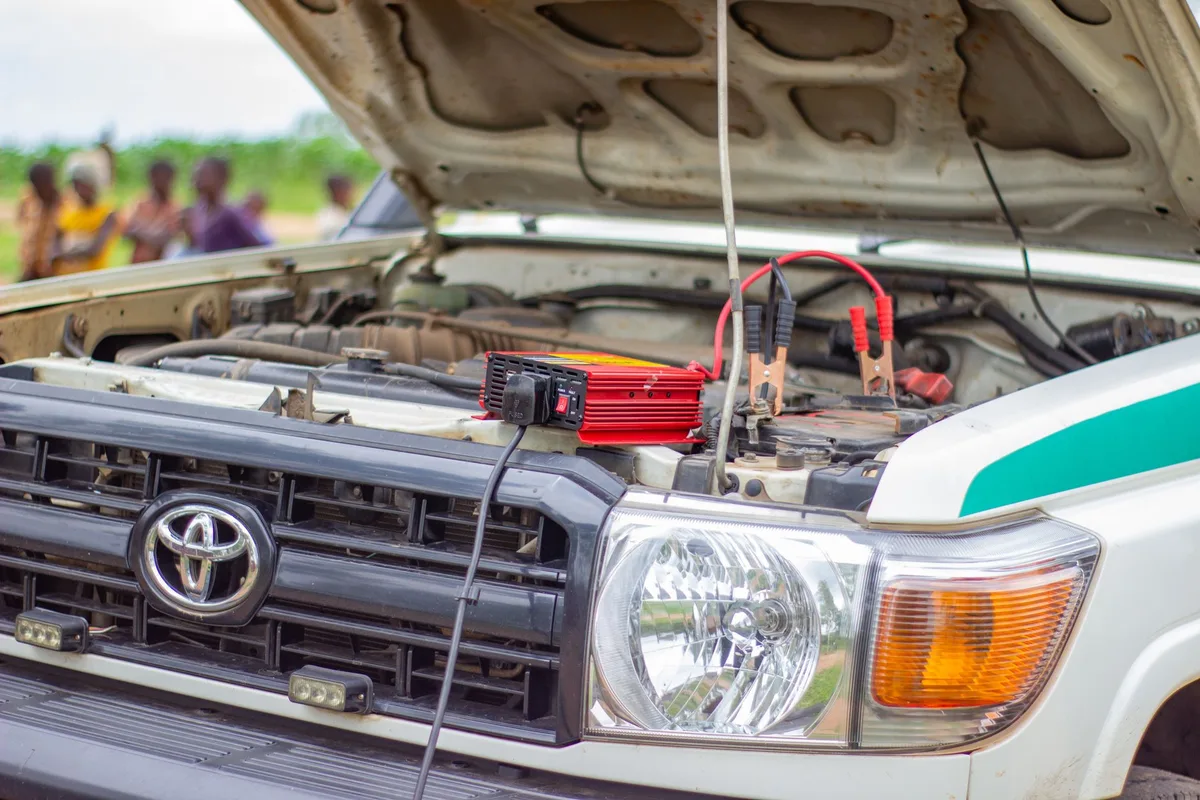
- Car that sits for days: A smart battery maintainer keeps it topped up without overcharging.
- Confirmed parasitic drain: Fix or rewire the guilty accessory, or add a proper switched circuit.
- Long storage: A battery cutoff switch on the negative terminal stops all drain.
- Chronic undercharge: Drive longer, or recharge fully with a bench charger weekly.
A maintainer is the easiest win for a weekend car. It costs little and adds years of battery life.
Frequently Asked Questions
Can a brand-new battery be defective out of the box?
Yes. A new battery can arrive undercharged or sulfated from sitting too long in storage. Ask the store to load-test and charge it before installation.
If it fails a load test right away, it's a warranty claim, not your car's fault.
How much parasitic draw is too much overnight?
Anything above 50mA (0.05A) after the modules sleep is too much. A normal car settles between 20 and 50mA. A draw of 300mA or more can flatten a healthy battery in a single night.
Why does my battery die overnight but the alternator tests fine?
A good alternator rules out charging, so the culprit is almost always a parasitic drain. Something stays powered while the car sleeps. Run a key-off current test and pull fuses to find the circuit stealing power.
Can short trips really kill a new battery?
Yes. Starting the engine uses a big burst of amps, and a short drive can't replace it. Repeat that daily and the battery drifts lower each morning.
A weekly longer drive or a maintainer keeps it charged.
Does cold weather drain a parked battery faster?
Cold doesn't drain a parked battery much, but it slashes available cranking power. A weak battery that coped in summer may fail on a freezing morning. Cold also raises the amps needed to start, so undercharging shows up faster.
Your Decision Guide: What to Fix First and When to Call a Pro
Work the branches in order. Check terminals and lights first, then resting voltage, then charging output, then parasitic draw. Each step rules out one cause and points to the next.
- If draw is high: find and fix the circuit with the fuse-pull method.
- If charging is low: test the alternator and its diodes.
- If the battery fails a load test: replace it, and check the date code next time.
Call a pro when the drain hides in a hard-to-reach module, or when the wiring looks damaged. A shop with a proper draw tester can trace it in minutes. Fix the real cause, and the morning-dead-battery problem stops for good.

Similar Posts