How Long to Drive to Charge Your Car Battery
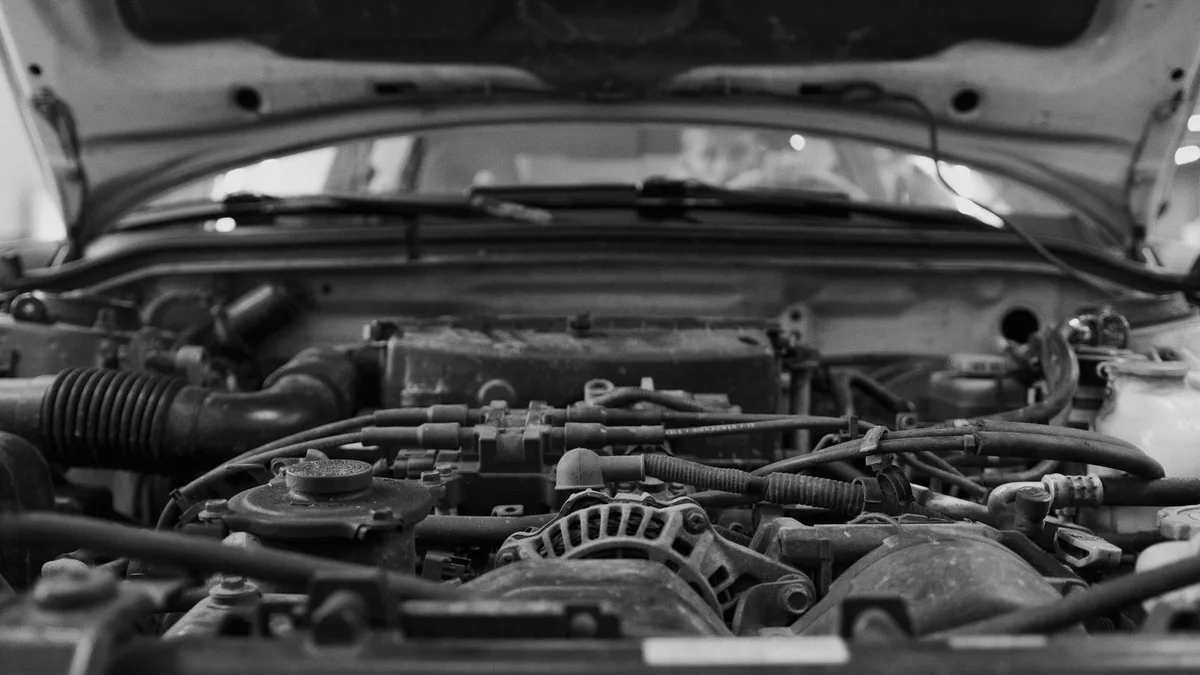
If your car just got a jump, you're probably wondering how long do you have to drive to charge a car battery before it'll start on its own again. The honest answer isn't one magic number. It depends on how flat the battery was and how you drive afterward.
Here's a useful benchmark. Your alternator pushes roughly 13.8 to 14.7 volts into a healthy battery while the engine runs. At idle, though, it delivers only a fraction of its rated amps.
That gap is exactly why "just drive it around" fails so often. Let's start there.
Why "Just Drive It" Isn't Always the Right Answer
"Just drive it for a while" is the advice everyone gives. It's also half wrong.
Driving recharges your battery, but only under the right conditions. The alternator tops it up when the engine spins fast enough and your electrical load stays low. Sit in traffic with the heater and headlights on, and you might barely break even.
The bigger problem is depth. A battery drained to near zero needs a slow, steady refill. Your alternator is built to maintain a mostly-full battery, not to resurrect a dead one.
So driving can get you started, but it rarely brings a deeply flat battery back to 100%.
That distinction matters. If you keep needing jumps, the drive-it fix is masking something worse, like a failing battery or a parasitic drain. We'll get to how you tell the difference.
The Quick Answer: How Long You Actually Need to Drive
Drive at least 30 minutes at highway speed after a jump start. That refreshes enough charge for a reliable restart. It does not fully recharge a drained battery.
A deeply discharged battery needs several hours of driving or a proper charger. Idling barely charges at all, so keep moving.
Think of that 30 minutes as the minimum, not the finish line. It buys you a dependable next start. A battery that dropped below 12.0 volts, or one that sat dead for days, wants far more than a single commute to recover.
What's Really Happening When Your Car Charges Its Own Battery
Your battery doesn't power the car once it's running. The alternator does. The battery's real job is starting the engine and smoothing out electrical spikes.
The Alternator's Job (and Why RPM Matters)
The alternator is a belt-driven generator. As the engine spins, it makes electricity to run your car and refill the battery.
Its output climbs with engine speed. Faster crankshaft, faster alternator, more amps. That's why RPM matters so much here.
A typical car alternator is rated between 90 and 150 amps, but it only hits those numbers when spinning fast and worked hard.
At low RPM, output drops steeply. Add a hungry electrical load on top, and there's little current left to send back into a drained battery.
Idling vs. Highway Speed
Idling is the worst way to charge. At idle, most alternators put out only 20 to 50% of their rated amps. Much of that goes straight to your ignition, fuel pump, lights, and climate fan.
Highway driving flips the math. Steady higher RPM keeps the alternator near its sweet spot. More amps flow, and the surplus actually reaches the battery.
So a 45-minute motorway run does far more than 45 minutes sitting in a car park with the engine on. If you want to know what a healthy charging voltage looks like, a quick meter check across the terminals tells the story fast.
Check This First: Reading Your Battery's Voltage
Before you guess how long to drive, measure. A cheap multimeter and 60 seconds tell you exactly how flat the battery really is.
Turn the car off and let it rest. Set your meter to DC volts. Touch red to the positive post and black to the negative.
If you're nervous about probe placement, avoiding a costly meter mistake comes down to setting the right mode and not shorting the posts.
What the Numbers Mean (12.6V, 12.4V, 12.0V)
Resting voltage tells you the state of charge. Take the reading after the car has sat, not right after driving. A fresh "surface charge" reads high and fools you.
| Resting voltage | State of charge | What it means |
|---|---|---|
| 12.6V or higher | 100% | Fully charged, healthy |
| 12.4V | ~75% | Mild top-up needed |
| 12.2V | ~50% | Getting low, charge soon |
| 12.0V | ~25% | Deeply discharged |
| Below 11.9V | Near flat | Driving alone won't fix it |
For a true reading, let the car sit first. Our research lines up with the common shop guideline that a proper rest period before testing gives you an honest number. These figures follow the charge curves used across the industry, and cell-level test methods trace back to standards bodies like SAE International.
If your battery reads good voltage but still won't crank, that's a different rabbit hole worth chasing down separately.
The Decision Tree: How Long to Drive Based on Your Situation
There's no universal number because your situation changes everything. Match your case below.
After a Jump Start
If the engine caught from a jump, drive at least 30 minutes at highway speed. Keep the radio, heater, and heated seats off if you can. That gives the alternator room to push charge back in.
Thirty minutes gets you a safe restart. It does not refill the battery. If it was badly drained, plan on a longer drive or an overnight charge at home.
Car Sat Unused for Days or Weeks
If the car sat and slowly went flat, driving alone is a weak fix. A battery this low needs slow, controlled charging to recover properly.
Drive 30 to 60 minutes to build a working charge, then finish the job with a plug-in charger. If it keeps dying while parked, you may have a drain worth tracking through the fuse box.
Left the Lights On Overnight
If interior or headlights killed it overnight, the battery is usually just discharged, not damaged. One good highway drive of 30 to 60 minutes often restores it, assuming the battery is otherwise healthy.
Check resting voltage the next morning. If it's back near 12.6V and holds, you're fine. If it sags again, the battery may be worn out.
Cold-Weather or Short-Trip Draining
Cold is brutal on batteries. Low temperatures cut capacity and make the engine harder to crank, so the battery works harder while accepting charge more slowly.
Short winter trips are the classic trap. You start the car, drive ten minutes, and shut off before the alternator ever catches up. Do that daily and the battery slides further down each time.
If mornings are a struggle, our notes on cold starts and quick fixes cover the usual culprits. In winter, aim for one longer 30-plus-minute drive to reset the charge, or use a maintainer overnight.
When Driving Won't Fix It (Reach for a Charger Instead)
Some batteries won't come back from a drive, no matter how far you go. If your resting voltage sits below 12.0 volts, the alternator can't do the job alone. It's built to maintain charge, not perform a deep recovery.
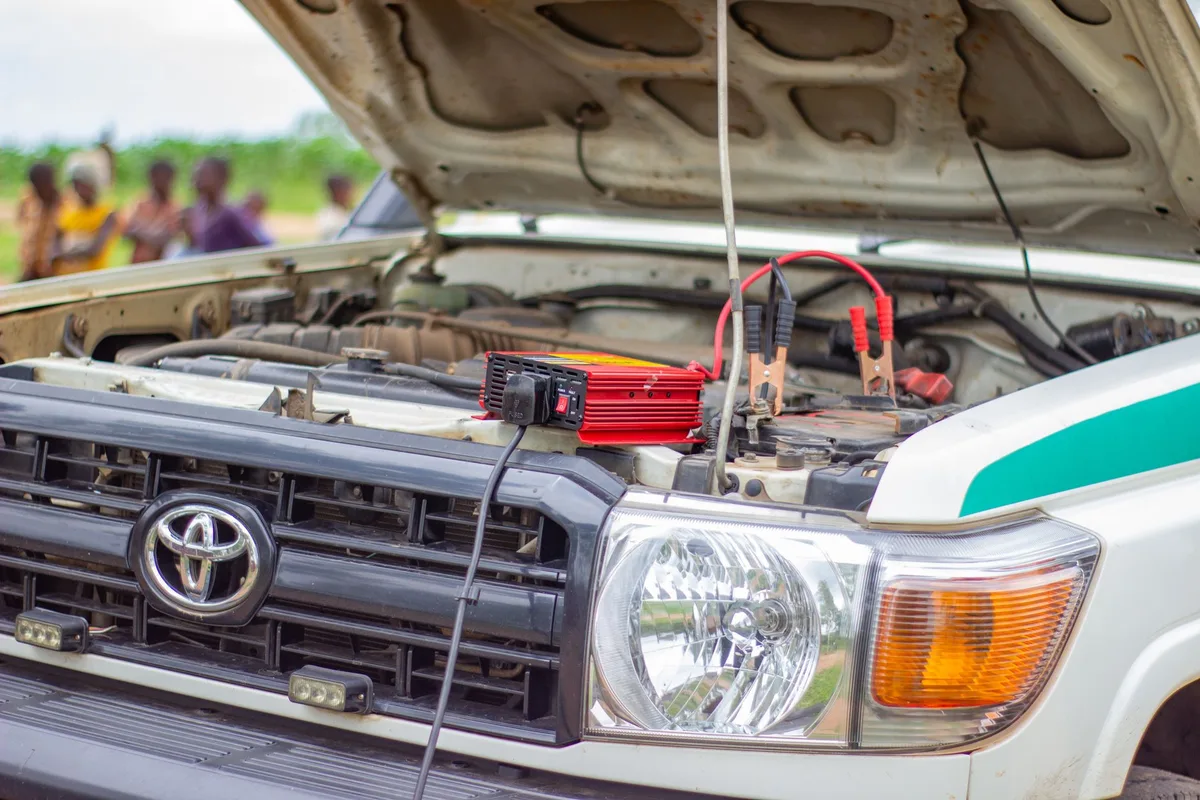
A plug-in smart charger works in stages. It bulk-charges fast, then eases into a slow absorption phase, then holds a gentle float. That controlled curve refills the battery fully without cooking it.
Your alternator has no such finesse.
Reach for a charger when any of these are true:
- Resting voltage is below 12.0V.
- The car sat dead for several days.
- The battery needs a jump more than once.
- Voltage climbs while driving, then sags overnight.
That last one is telling. If a fresh charge disappears by morning, driving longer just wastes fuel. You may be looking at a worn battery or a hidden drain, and even a new battery that keeps dying usually traces back to one of those two.
Driving vs. Battery Charger: Which Recharges Better
A charger wins on a full recharge, every time. Driving wins on convenience when you just need to get moving. They solve different problems, so match the tool to the situation.
| Factor | Driving | Smart charger |
|---|---|---|
| Best for | Quick restart, light top-up | Full recovery, deep discharge |
| Time to full charge | Hours, if ever | 4 to 12 hours |
| Charge quality | Partial, RPM-dependent | Complete, staged |
| Risk of overcharge | Low | Very low (auto shutoff) |
| Cost | Fuel and wear | One-time device |
Driving is fine for a battery that's simply low. A morning of highway miles will square it away.
A charger is the smarter call for anything deeply drained. It also runs a maintainer mode, perfect for a car that sits. If you park a vehicle for weeks at a time, a maintainer prevents the slow slide that leaves you stranded.
Mistakes That Keep Your Battery From Charging
Most "my battery won't charge" complaints trace back to a handful of habits. Fix these and you'll cut your jump-start count sharply.
- Idling to charge. Low RPM means low output. Sitting still barely moves the needle.
- Blasting accessories mid-charge. Heater, defroster, and headlights eat the amps meant for the battery.
- Trusting a surface charge. A fresh reading looks healthy but fades fast, so clear that false charge first before testing.
- Ignoring corroded terminals. White crust adds resistance and chokes charge flow.
- Chronic short trips. The battery never climbs back to full, and it slowly sulfates.
Sulfation is the quiet killer here. When a battery stays undercharged, lead sulfate hardens on the plates and permanently cuts capacity. No amount of driving reverses it once it sets in.
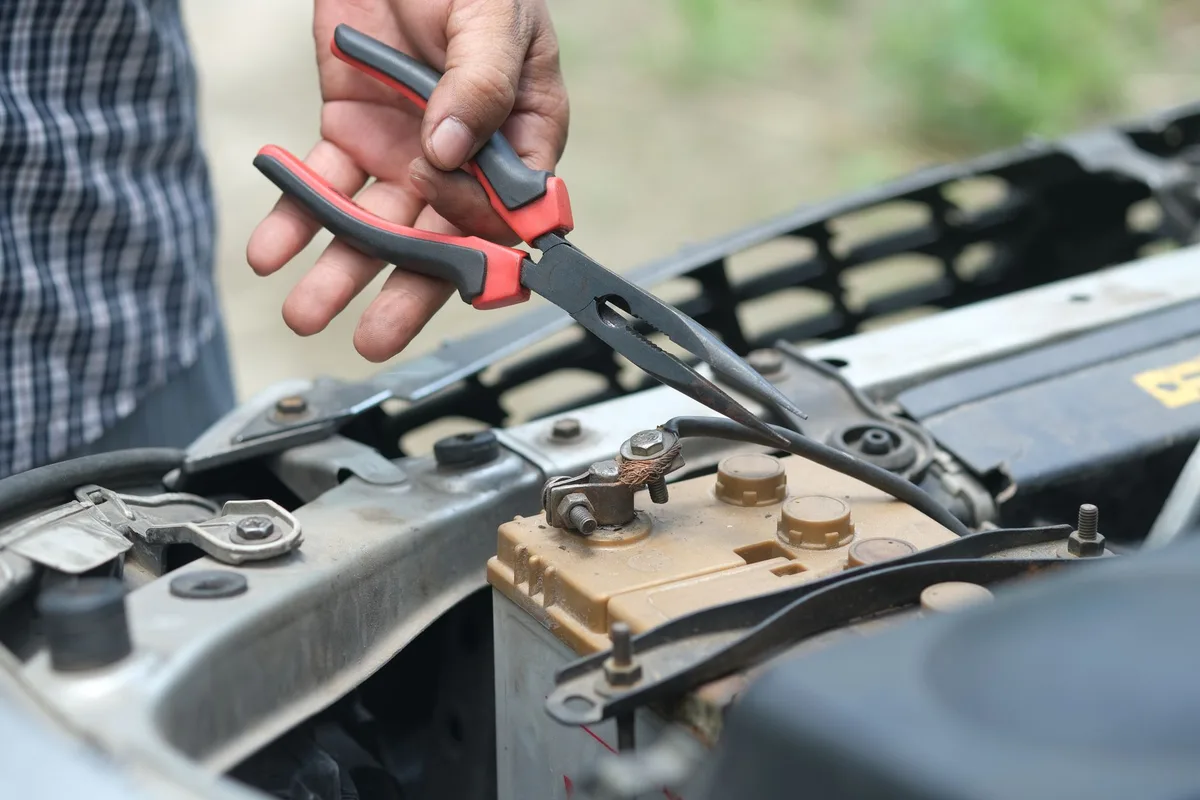
Clean terminals are a two-minute fix that people skip. A wire brush and a snug clamp restore contact and let the alternator do its job.
Is It the Battery or the Alternator? How to Tell
Test the charging voltage with the engine running. That single reading points the finger fast. A multimeter across the terminals at idle should show 13.8 to 14.7 volts.
Here's the if/then:
- Reads 13.8 to 14.7V running, but battery dies later. The battery is likely worn or there's a drain.
- Reads 12.5V or lower while running. The alternator isn't charging. Suspect the alternator, belt, or wiring.
- Reads above 15V. Overcharging. The voltage regulator may be faulty.
A battery that reads fine yet keeps going flat is a classic head-scratcher. When the alternator charges but the battery still dies, the fault usually sits in a parasitic draw or an aging battery that can't hold what it's given.
If you're unsure which part is failing, run through the common signs of a tired battery. Slow cranks, dash flicker, and a battery over three to five years old all point at the battery, not the alternator.
Safety Rules for Jump Starting and Charging
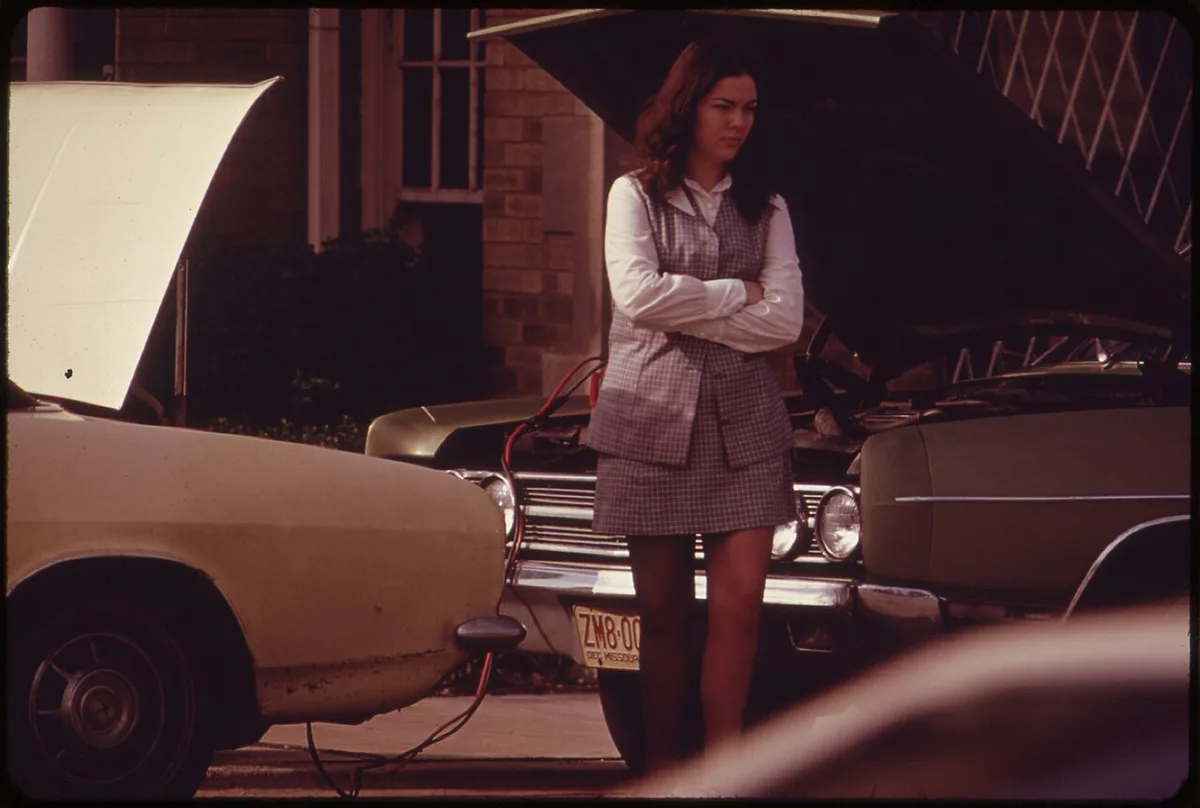
Batteries vent hydrogen gas, and hydrogen is flammable. One careless spark near the posts can cause a burst. Treat every jump and charge with respect.
Follow the order and the basics:
- Connect positive to positive first. Then clamp the last negative to bare engine metal, not the dead battery's negative post.
- Keep sparks, cigarettes, and flames well away.
- Wear eye protection. Battery acid blinds.
- Never disconnect a battery while the engine runs. The voltage spike can fry modern electronics.
- Charge in a ventilated space, never a sealed garage.
Watch for warning signs too. A swollen case, a rotten-egg smell, or leaking fluid means stop. A battery that smells like sulfur is often overcharging or failing internally, and it needs replacing, not recharging.
For the full step order on cables, our guide to connecting jumper cables the safe way walks through each clamp. Rush this and you risk sparks right where the gas collects.
Keeping Your Battery Healthy So This Doesn't Happen Again
Prevention beats jump starts. A few small habits keep your battery near full and stretch its three to five year lifespan.
- Take one longer drive a week. Thirty highway minutes resets the charge that short trips drain.
- Use a maintainer if the car sits. It holds the battery topped up for weeks.
- Clean the terminals twice a year. Corrosion quietly steals charge.
- Kill parasitic drains. Aftermarket alarms and dash cams pull current with the key off.
Batteries also fade with age. Past four years, capacity drops and cold starts get harder. If yours needs frequent help, replacement usually beats chasing symptoms.
Keep an eye on how it behaves after a full charge, too. A healthy battery holds near 12.6 volts overnight. One that drops to 12.2V by morning is on its way out, and a proper check after charging confirms whether it still holds.
Frequently Asked Questions
Does idling charge a car battery?
Barely. At idle, most alternators put out only 20 to 50% of their rated amps. Much of that feeds the ignition, fuel pump, and accessories.
Very little reaches the battery. To actually recharge, you need to drive at higher RPM, not sit parked with the engine running.
How long should I drive after a jump start?
Drive at least 30 minutes at highway speed. That builds enough charge for a reliable restart. It won't fully recharge a deeply drained battery.
If it was very flat, follow up with a plug-in charger at home or expect a longer drive to bring it back.
Can a completely dead battery recharge by driving?
Not properly. A battery below 12.0 volts needs slow, staged charging your alternator can't provide. Driving may get you moving, but the battery stays undercharged and sulfates over time.
Use a smart charger for a true recovery, then drive normally afterward.
How long does it take to fully charge a car battery while driving?
Hours, and often it never reaches 100%. The alternator maintains charge rather than restoring it from empty. A mild top-up takes 30 to 60 minutes.
A deep recharge can take hours of highway driving, which is why a charger is the faster, kinder option.
Why does my battery die again after driving?
Usually a worn battery or a parasitic drain. If it charges while running but dies overnight, it isn't holding the charge. Test the resting voltage and check for key-off current draw.
A battery over four years old that keeps dying typically needs replacing.
Your Quick Decision Guide
Match your reading to the action and skip the guesswork.
| Your situation | Resting voltage | What to do |
|---|---|---|
| After a jump | 12.2V or higher | Drive 30 min at highway speed |
| Sat unused days | 12.0 to 12.2V | Drive 30 to 60 min, then charge fully |
| Lights left on | 12.2V or higher | One 30 to 60 min highway drive |
| Deeply drained | Below 12.0V | Use a smart charger, not driving |
| Dies again fast | Charges then sags | Test for drain or replace battery |
The short version is simple. Driving keeps a healthy battery topped up and gets you home after a jump. It won't resurrect a dead one.
When in doubt, measure first, then drive with a light electrical load and steady speed. If the numbers won't hold, a charger and a fresh battery will always beat another roadside jump.

Similar Posts