What Is an EFB Battery? How It Works & Benefits
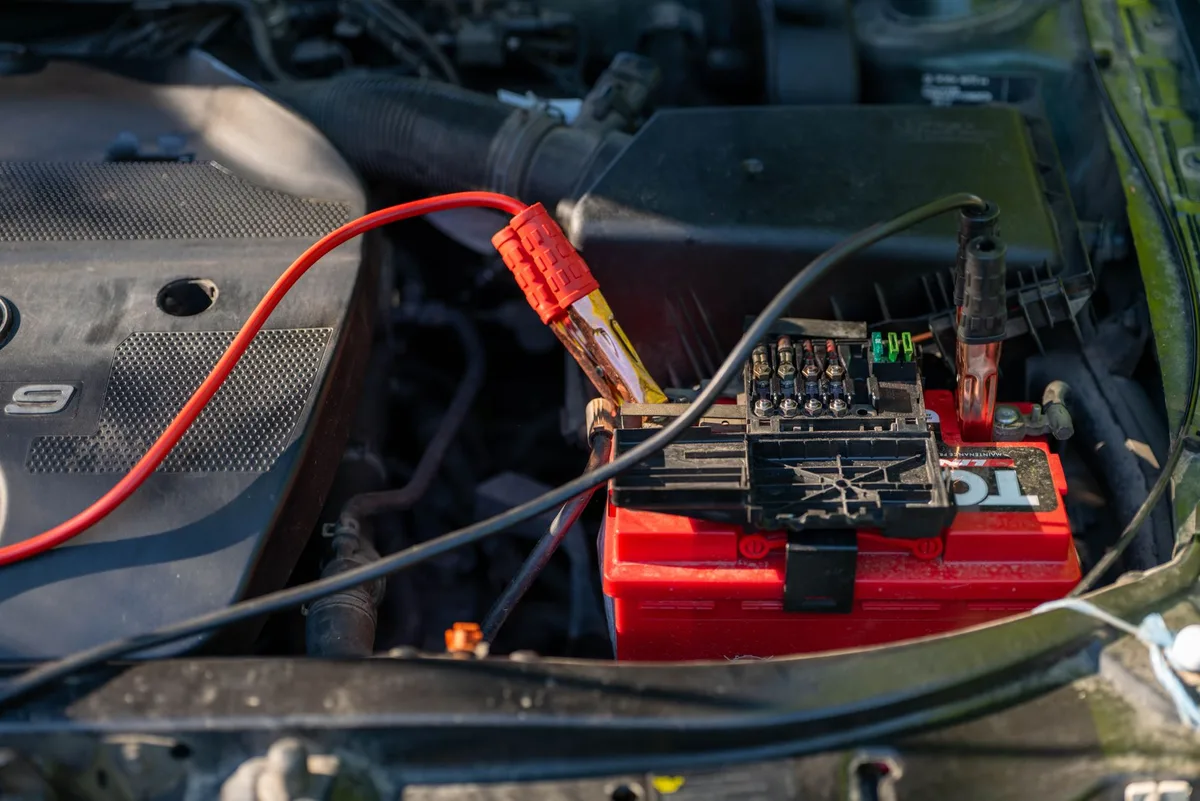
If your car shuts the engine off at red lights, odds are it runs a special battery, and understanding what is an EFB battery is the first step to replacing it correctly. EFB stands for Enhanced Flooded Battery. It's a beefed-up version of the standard flooded lead-acid battery that's powered cars for decades.
The difference matters more than most people expect. An EFB is built to handle the constant stop-and-restart cycling that basic start-stop systems demand. Per EN 50342 testing standards, an EFB delivers roughly double the cyclic endurance of a conventional flooded battery.
As of 2026, it sits right in the middle of the pack, cheaper than AGM, tougher than plain flooded. Let's break down exactly what that means for your car.
Quick Answer
An EFB battery is an Enhanced Flooded Battery. It's an upgraded lead-acid car battery. Makers add a fleece layer and thicker plates for durability.
It's built for entry-level start-stop and micro-hybrid vehicles. An EFB handles more charge-discharge cycles than a standard flooded battery. It sits one tier below AGM in price and performance.
What an EFB Battery Actually Is (in Plain English)
An EFB is a wet-cell lead-acid battery with a few smart upgrades baked in. Think of it as a standard flooded battery that went to the gym. Same basic chemistry, better staying power.
The name tells the story. "Flooded" means the plates sit in liquid electrolyte, just like a classic car battery. "Enhanced" points to the extra engineering that lets it survive repeated deep-ish discharges.
Carmakers started fitting EFBs when basic start-stop systems arrived. Every time the engine cuts out at a junction, the battery keeps the lights, radio, and electronics alive. Then it has to crank the engine back to life seconds later.
A regular battery hates that punishment. An EFB is built for it.
Here's the short version of where it lands:
- Tougher than a standard flooded battery
- Cheaper and simpler than AGM
- Designed for entry-level and mid-range start-stop cars
- Fully maintenance-free in normal use
Why the EFB vs Flooded vs AGM Question Even Matters
Fit the wrong battery type and you'll pay for it, sometimes within months. That's the whole reason this question comes up so often.
Modern cars are picky about what they left the factory with. A vehicle designed around an EFB expects that level of cyclic durability. Drop in a cheap standard flooded battery and it'll wear out fast under start-stop demand.
You could be back at the parts counter before the year is out.
Going the other direction has its own catch. Some drivers try to save cash by swapping a factory AGM for an EFB. That's a downgrade.
The EFB usually can't keep up with the electrical load the car was engineered around.
The safe rule is simple:
- Match the original type your car came with, or
- Move up a tier (flooded to EFB, or EFB to AGM), never down
If your battery voltage sags oddly at startup, the type isn't always the culprit. Sometimes it's a deeper electrical issue, which is why it helps to understand why cranking pulls voltage down before you blame the battery itself.
How an Enhanced Flooded Battery Works Under the Hood
An EFB works on the same lead-acid principle as any starter battery. Lead plates sit in a sulfuric acid electrolyte. A chemical reaction releases the burst of current that spins your starter motor.
What changes is how well it survives being drained and refilled over and over. That comes down to two upgrades.
The Plate and Fleece-Mat Upgrade
EFBs use thicker, denser active material on the plates. More material means the plates shed less as they cycle, so the battery lasts longer.
The clever bit is a thin polyester scrim, a fleece mat, pressed against the positive plates. This layer holds the active material in place during heavy cycling. Without it, repeated deep discharges would shake the material loose and kill the battery early.
That single feature is the main reason an EFB roughly doubles the cyclic life of a plain flooded unit.
Why Charge Acceptance Is the Whole Point
Charge acceptance is how quickly a battery soaks up power. In a start-stop car, this is everything.
Your car has only seconds between engine restarts to top the battery back up. It leans on regenerative braking and short charging windows to do it. An EFB accepts charge faster than a standard flooded battery, so it recovers in time for the next stop.
It's also built to run happily at a partial state of charge, or PSOC. Regular batteries hate living half-full. An EFB tolerates it, which is exactly the condition start-stop driving creates.
If you want to know what healthy charging looks like once you're moving, this guide to charging voltage on the move lays out the normal range.
What's Inside an EFB and How It Differs From a Standard Battery
Crack open the spec sheet and an EFB looks a lot like a normal battery, with meaningful tweaks. Same six cells. Same 12-volt nominal output.
Same lead and acid at heart.
The differences live in the details:
- Fleece/scrim layer on the positive plates for cycle durability
- Thicker, denser plate material that resists shedding
- Improved grid design for lower internal resistance
- Better dynamic charge acceptance for fast top-ups
- Enhanced tolerance for partial state of charge
A standard flooded battery skips all of that. It's tuned for one job: a big cranking burst, then a long slow recharge while you drive. Great for older cars without start-stop, out of its depth in a modern one.
A fully charged EFB rests around 12.7 to 12.8 volts, same as a healthy flooded battery. So you can't tell them apart with a quick voltmeter check. A healthy resting reading looks identical across types.
The real difference only shows up under repeated cycling, which is where the EFB pulls ahead.
EFB vs Standard Flooded vs AGM: Side-by-Side
Here's where it all clicks into place. These three battery types form a clear ladder, and knowing where each one sits makes the buying decision easy.
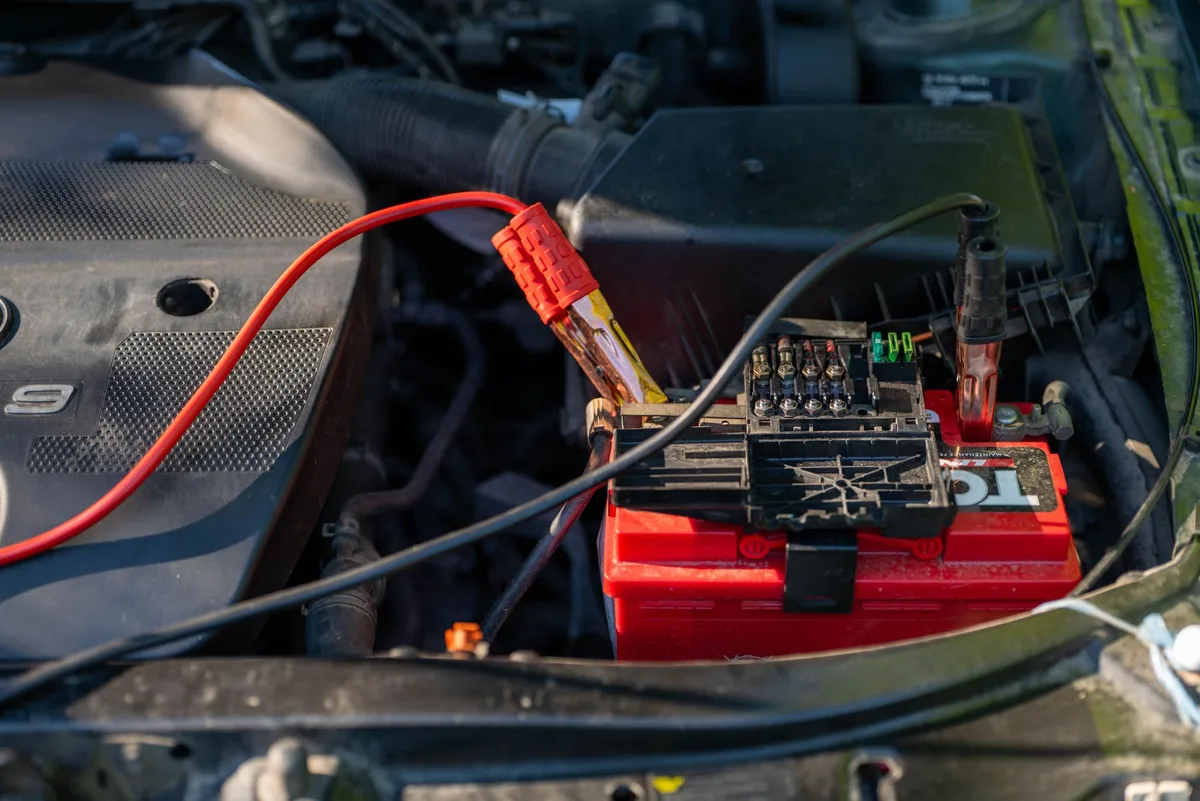
Standard flooded is the entry point. AGM sits at the top. EFB bridges the gap.
AGM, short for Absorbent Glass Mat, locks the electrolyte into glass-fibre mats, which gives it the highest cyclic life and the best deep-discharge recovery of the three.
| Feature | Standard Flooded | EFB | AGM |
|---|---|---|---|
| Cyclic life | Baseline | ~2x flooded | ~3-4x flooded |
| Charge acceptance | Low | High | Highest |
| Best for | No start-stop | Entry start-stop | Advanced start-stop |
| Deep-discharge recovery | Poor | Good | Excellent |
| Relative price | Lowest | Mid | Highest |
Who each one suits:
- Standard flooded: older cars, no engine idle-stop, simple electrical loads
- EFB: entry-level start-stop, micro-hybrids, city cars with moderate demand
- AGM: cars with advanced start-stop, regenerative braking, and heavy electronics
The Battery Council International, the trade body that sets battery sizing and testing conventions, groups all three under the same lead-acid family, so they share sizing codes and terminals. That's why an EFB and an AGM can look interchangeable on the shelf. They aren't.
Manufacturer specs from Clarios, the maker behind VARTA batteries, confirm the EFB is engineered specifically for the entry rung of the start-stop ladder, not the top.
One last practical note. Cold weather is brutal on any battery, and cranking current climbs when temperatures drop. If you live somewhere with hard winters, read up on cold-weather cranking before you decide how much cranking power to buy.
Where EFB Batteries Fit Best (and Where They Don't)
EFBs shine in cars with entry-level start-stop systems. If your engine cuts out at lights but the car has no fancy hybrid tech, an EFB is usually the factory match.
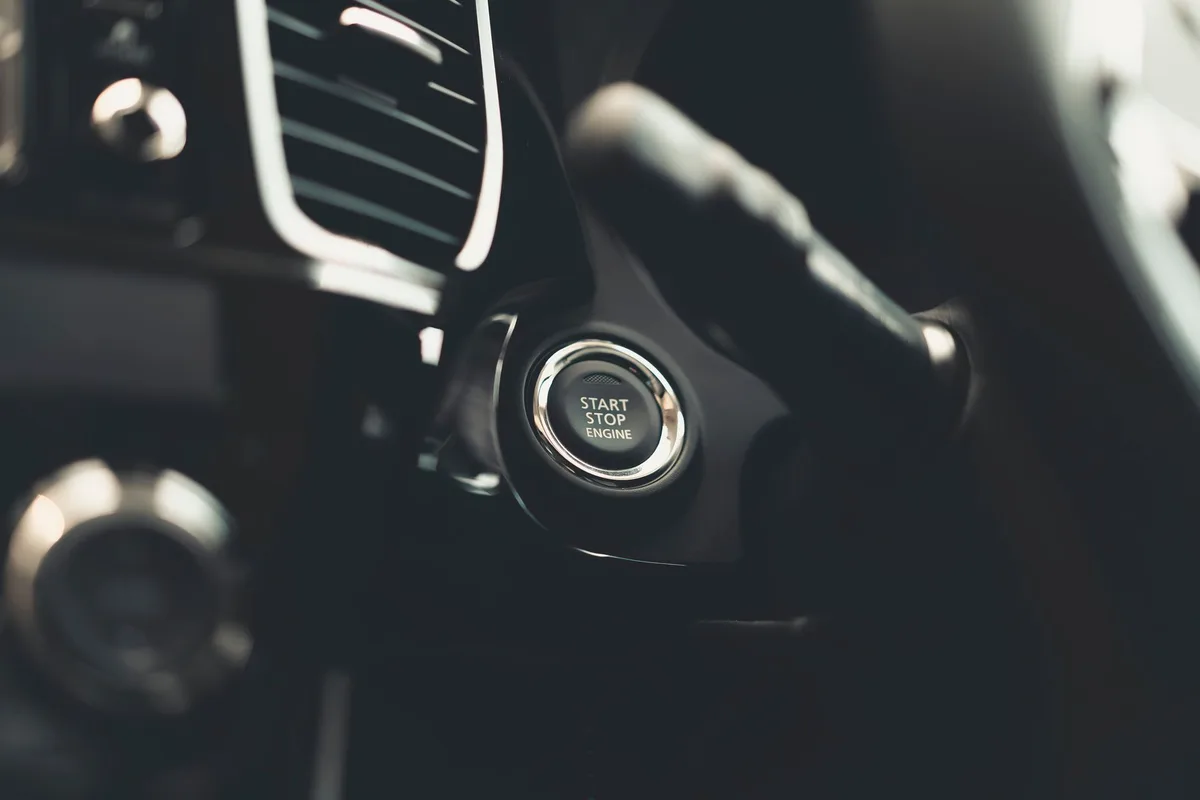
Think small to mid-size petrol and diesel cars. City runabouts. Vehicles that spend their day in stop-start traffic.
The EFB was built for exactly this kind of high-cycle, short-trip duty.
Where it fits well:
- Entry-level start-stop and micro-hybrid vehicles
- Taxis and delivery vans doing constant urban stops
- Cars with moderate electrical loads
Where it doesn't:
- Advanced start-stop cars with regenerative braking (these want AGM)
- Vehicles that shipped from the factory with AGM
- Big electrical loads like heavy audio, winches, or lots of aftermarket gear
Here's the simple test. If your car came with an EFB, replace it with an EFB or step up to AGM. If it came with AGM, stick with AGM.
Short trips also leave any battery chronically undercharged, and that's a common reason a battery keeps going flat no matter which type you fit.
The Pros and Cons of Choosing an EFB
The EFB earns its spot by being the sensible middle option. It's not the cheapest and it's not the toughest. It's the value pick for the right car.
What you gain:
- Roughly double the cyclic life of a standard flooded battery
- Strong charge acceptance for start-stop recovery
- Handles partial state of charge without fast wear
- Costs noticeably less than AGM
- Fully maintenance-free, no topping up
Where it falls short:
- Shorter cyclic life than AGM under heavy demand
- Less deep-discharge tolerance than AGM
- Pricier than a plain flooded battery
- Wrong choice for advanced start-stop cars
Aggregate user feedback lines up with the spec sheets. Owners of basic start-stop cars report solid service life from an EFB. Drivers who forced one into an AGM-spec car tend to report early failures.
The lesson repeats itself: match the battery to the system.
Can You Swap Battery Types? Upgrading, Downgrading, and OE Spec
You can move up the ladder, but you shouldn't move down. That single rule solves most swap questions.
OE spec means the battery type your car was engineered around at the factory. The car's charging system and battery management are tuned to that type. Stray below it and something suffers.
Here's how the swaps play out:
| Original battery | Safe swap | Avoid |
|---|---|---|
| Standard flooded | EFB or AGM | Nothing lower exists |
| EFB | AGM (upgrade) | Standard flooded |
| AGM | AGM only | EFB or flooded |
Upgrading from EFB to AGM is fine and sometimes worthwhile for heavier loads. Downgrading from AGM to EFB is the classic money-saving mistake that backfires. The AGM-spec car expects that extra cyclic muscle.
One catch with any upgrade. Some cars need the new battery type coded into the system, which we'll cover next. Skip that step and the charging profile stays wrong.
If your fresh battery still struggles, don't assume it's faulty right away. Sometimes the alternator is the real culprit, and a quick test tells you which.
Matching an EFB to Your Car, Step by Step
Getting the right EFB comes down to matching four things: type, size, power, and coding. Miss one and you'll fight problems later.
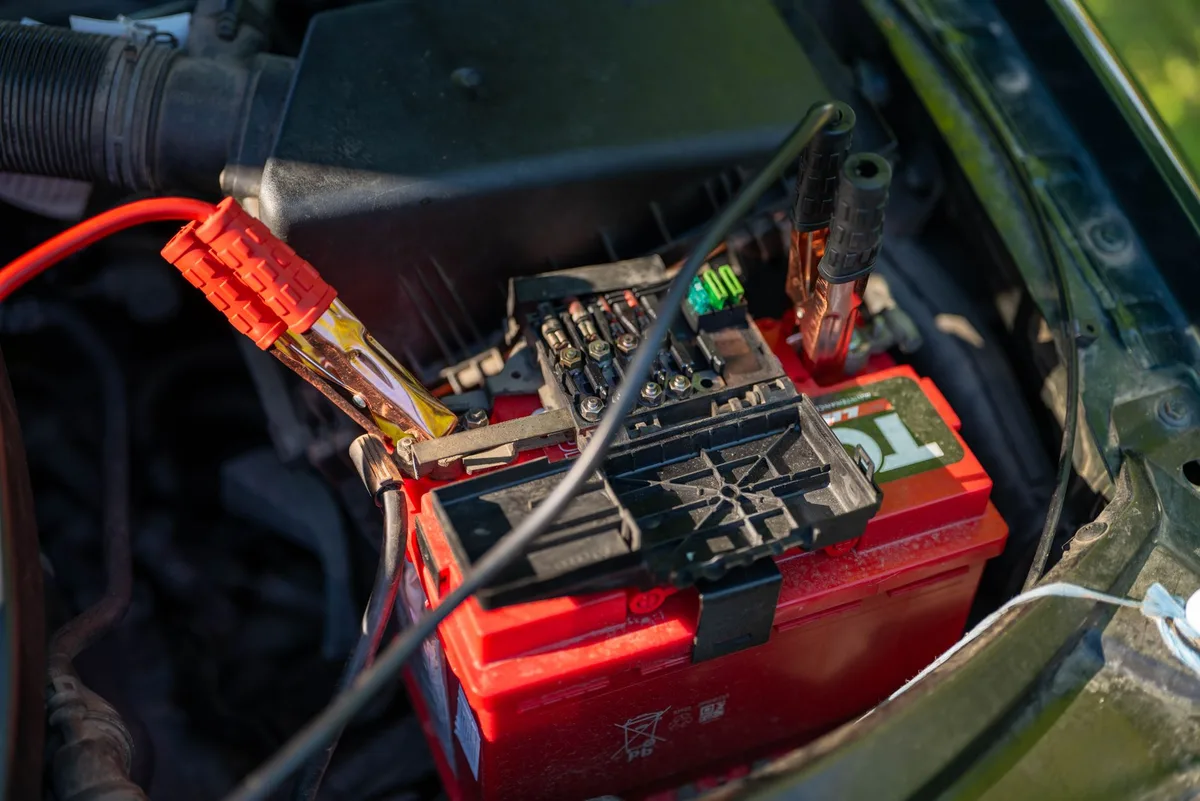
Start with your current battery and the owner's manual. The old battery's label carries most of the numbers you need. Match them, don't guess.
Reading CCA, Ah, and Size Codes
Three numbers matter most. Get these right and the battery will physically fit and perform as designed.
- CCA (Cold Cranking Amps): the cranking power in cold conditions. Match or exceed the original figure. Common EFB ratings run around 640 to 800A.
- Ah (amp-hour capacity): the energy store, often 60Ah, 70Ah, or 75Ah. Match the original.
- Size code: the case dimensions and terminal layout, using EN/DIN, JIS, or BCI standards. This must match exactly.
Never fit a battery with less CCA than the factory spec, especially in cold climates. If you're unsure how much cranking current your car actually needs, this breakdown of the right amp rating helps you read the numbers.
Battery Registration and BMS Relearn
Many start-stop cars need the new battery registered to the Battery Management System. The BMS tracks battery age and adjusts charging to suit. Fit a fresh battery without telling it, and the car keeps charging for a tired old one.
The result is chronic undercharging and a short battery life. Registration is a quick job with a diagnostic tool, and some garages do it in minutes. If you swap type (EFB to AGM), coding the new type is doubly important.
Steps in order:
- Confirm the original type, CCA, Ah, and size code
- Buy an EFB (or AGM) that matches or upgrades
- Fit it with correct polarity and a secure hold-down
- Register or relearn the battery via the BMS
- Check charging voltage once running
Common EFB Mistakes That Kill Batteries Early
Most early EFB failures trace back to a handful of avoidable errors. Dodge these and you'll get the full service life the maker promises.
- Fitting a standard flooded battery in place of an EFB. It can't take the cycling and dies young.
- Downgrading from AGM to EFB. The battery is simply undersized for the car.
- Skipping BMS registration. The charging profile stays wrong and starves the battery.
- Undersizing CCA. Weak cranking, especially in winter.
- Ignoring short-trip charging. City driving rarely fully recharges the battery.
Sulfation is the silent killer here. When an EFB sits undercharged for long stretches, lead sulfate hardens on the plates and steals capacity. A periodic top-up with a smart charger reverses mild cases before they set in.
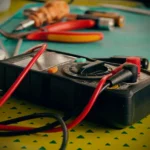
Loose terminals cause their own headaches too. A bad connection can mimic a dead battery and throw off your readings. When troubleshooting, a simple multimeter check tells you whether the battery, the connection, or the charging system is really at fault.
What an EFB Costs and the Specs Worth Checking
An EFB typically sits between a standard flooded battery and an AGM on price. Expect to pay more than a basic wet battery, and less than a comparable AGM. Exact figures vary by size, brand, and region, so compare like-for-like sizes.
Before you buy, check these numbers against your old battery:
| Spec | What to match |
|---|---|
| Type | EFB (or upgrade to AGM) |
| CCA | Equal or higher |
| Ah capacity | Equal (often 60 to 75Ah) |
| Size / terminal code | Exact match |
Trusted names in the EFB space include VARTA, Bosch, Yuasa, Exide, and Banner. Stick with a reputable brand and a clear warranty. The cheapest unit rarely wins over the battery's full life.
Getting the Most Life Out of an EFB
A little care pushes an EFB toward the top of its expected lifespan. The enemy is chronic undercharging from short trips.
- Take the occasional longer drive to fully recharge
- Use an EFB-compatible smart charger during idle spells
- Keep terminals clean and tight
- Register the battery so charging stays correct
- Check resting voltage now and then (aim for 12.7 to 12.8V)
If the car sits for days at a time, a maintenance charger pays for itself. It heads off sulfation and keeps the battery ready to crank.
Safe Handling, Recycling, and Warranty Rules
Lead-acid batteries hold corrosive sulfuric acid and vent hydrogen gas, so treat them with respect. Wear gloves and eye protection when handling or charging one. Charge in a ventilated space, never near sparks or flame.
Never bin an old battery. Lead-acid units are classed as hazardous waste and are almost fully recyclable. Most auto parts stores and recycling centres take them back, often for a small credit.
One warranty note: fitting the wrong battery type, or skipping BMS registration, can void cover on some cars. Match the OE spec and keep your receipt.
EFB Battery FAQs
Is an EFB battery the same as AGM?
No. An EFB is an enhanced flooded battery with liquid electrolyte. AGM locks the electrolyte into glass-fibre mats.
AGM offers higher cyclic life and better deep-discharge recovery, at a higher price. EFB sits one tier below it.
Can I replace an EFB with a standard battery?
Not safely. A standard flooded battery can't handle start-stop cycling. It will wear out fast and may leave you stranded.
Always fit an EFB or upgrade to AGM in a start-stop car.
How long does an EFB battery last?
Most EFBs last around four to six years with proper charging. Short trips and skipped registration shorten that. Longer drives and an occasional smart-charger top-up push it toward the higher end.
Do I need to register an EFB after fitting?
Usually yes, on start-stop cars. The Battery Management System needs to know a fresh battery is installed. Skip it and the car keeps charging for the old battery, which shortens life.
Can I upgrade from EFB to AGM?
Yes. Moving from EFB to AGM is a safe upgrade and helps with heavier electrical loads. Just code the new AGM type into the BMS so the charging profile matches.
The Bottom Line: Is an EFB the Right Call for Your Car
If your car left the factory with an EFB, the answer is easy. Fit another EFB, or step up to AGM if you want extra headroom. Both keep your start-stop system happy.
If your car came with AGM, don't drop down to an EFB to save money. You'll lose durability the system was built around. And if you drive an older car with no start-stop, a standard flooded battery is fine, though an EFB won't hurt.
Match the type, match the CCA and size, register it, and charge it properly. Do that, and an EFB delivers exactly what it was built for: dependable power through thousands of stop-start cycles.

Similar Posts