What Does an Alternator Do? Your Car’s Power Explained
Your dashboard battery light just flickered on, and now you're wondering what does an alternator do, and whether it's the part that's failing. Short version: the alternator is a small generator that keeps your car's electrical system alive while the engine runs. It powers your headlights, ignition, and everything else, and it recharges the battery at the same time.
Most alternators put out between 60 and 200 amps and charge at roughly 13.5 to 14.7 volts once the engine is running. As of 2026, nearly every gas and diesel car on the road still relies on one. Let's break down exactly what it does, and how to tell when it's wearing out.

What an Alternator Actually Does (The 30-Second Answer)
An alternator generates electricity to run your car while the engine is on. The engine spins it through a belt. It converts that spinning motion into electrical power.
That power feeds your lights, computers, and accessories. Whatever's left over recharges the battery, so it's ready to start the car next time.
Why a Diagram Beats a Thousand Words Here
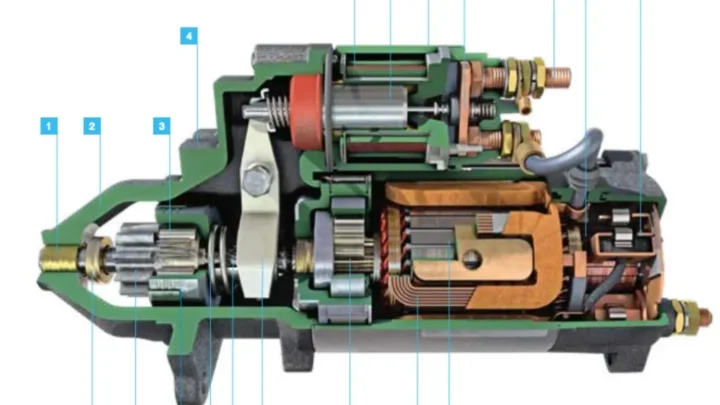
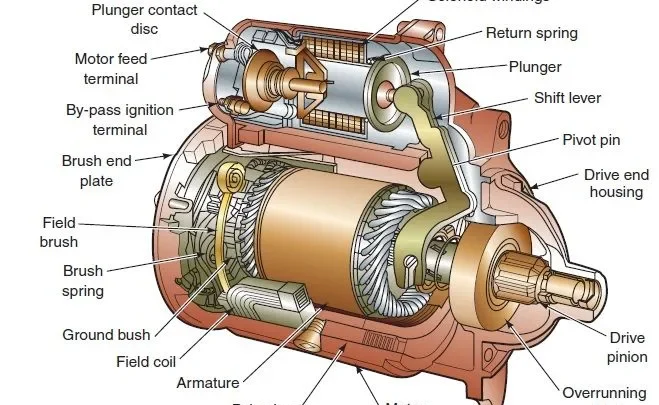
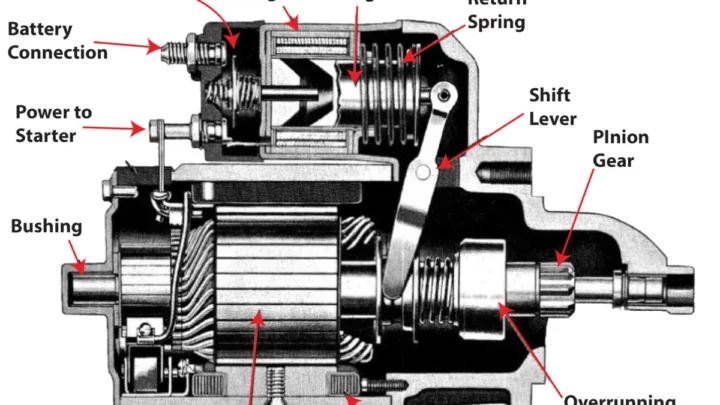
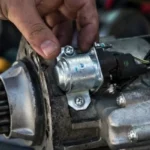
The alternator is easier to understand when you can see it. A labeled photo shows a compact metal unit, usually the size of a large grapefruit, bolted low on the engine. A ribbed belt loops around its pulley on one end.
Look closer and you'll spot the electrical connections on the back. One thick wire carries charge to the battery. A smaller plug talks to the car's computer.
That's the whole story in one glance. The engine turns the belt, the belt spins the alternator, and the alternator sends power where it's needed. If you've ever popped the hood and felt lost, tracing the belt is the fastest way to orient yourself.
The Job in Plain English: Powering Your Car While It Runs
Here's the part most people get wrong. The alternator's main job isn't charging the battery. Its main job is running the car's entire electrical system while you drive.
Think about everything drawing power on a normal trip. Headlights, the fuel pump, the ignition system, wipers, the radio, the heater blower, and dozens of sensors. All of that runs on electricity.
The alternator supplies it in real time.
The battery only handles two things. It starts the engine, and it covers short gaps when demand spikes. Once the engine fires up, the alternator takes over the heavy lifting.
This is also why idling alone is a weak way to top up a flat battery, since a low-RPM idle produces less output. We cover that in whether idling actually recharges the battery.
So when someone says the alternator "charges the battery," that's only half true. It powers the car first, then sends the leftover current back to keep the battery full.
Inside the Alternator: Rotor, Stator, Rectifier, and Regulator
Four main parts do the real work inside that metal case. Each one has a clear job, and knowing them helps you understand why alternators fail the way they do.

- Rotor: a spinning electromagnet driven by the belt. It creates a moving magnetic field.
- Stator: a fixed ring of copper windings around the rotor. The moving field induces current here.
- Rectifier (diode pack): converts the raw AC current into the DC current your car uses.
- Voltage regulator: controls output so the system stays near 14 volts and doesn't overcharge.
How Spinning Turns Into Electricity
The magic is electromagnetic induction. When a magnet spins near a coil of wire, it pushes electricity through that wire. Michael Faraday figured this out back in the 1830s, and cars still run on the same principle.
The U.S. Department of Energy lays out the broader vehicle electrical picture over at fueleconomy.gov.
So the rotor spins, the stator catches the energy, and current starts flowing. No fuel is burned inside the alternator itself. It simply borrows a little engine power through the belt.
AC to DC: Why the Rectifier Matters
The stator produces alternating current, but your car needs direct current. That's the rectifier's job. It uses diodes to flip the AC into clean, one-way DC power.
When a diode fails, you often get odd symptoms. Dim lights, a whining noise, or a battery that never quite fills up. A multimeter can confirm a weak alternator before you spend money on parts.
Alternator vs. Battery vs. Starter: Who Does What
People blame these three parts for each other's failures all the time. They sit close together and work as a team, but each has a distinct role. Getting them straight saves you from replacing the wrong thing.
| Part | Main Job | When It Matters |
|---|---|---|
| Battery | Stores power, starts the engine | Turning the key, short power spikes |
| Starter motor | Cranks the engine over | The first second or two of starting |
| Alternator | Powers the car, recharges the battery | The entire time the engine runs |
Here's a simple way to tell them apart. If the car won't crank at all and you hear rapid clicking, that points to the battery or starter, which we cover in why a car clicks but won't turn over.
If the car starts fine but dies while driving or the battery keeps going flat, suspect the alternator. And if a fresh battery keeps losing its charge overnight, the charging system or a hidden drain is usually to blame, not the battery itself.
How to Spot the Alternator Under Your Hood
Pop the hood and look for a compact metal unit with cooling vents on the sides. It's usually mounted on a bracket toward the front or side of the engine, often lower down. A ribbed belt wraps around its pulley, and thick wires run from the back.

Following the Serpentine Belt
The fastest way to find it is to trace the belt. That long, snaking rubber band is the serpentine belt, and it drives several parts at once.
Start at the crankshaft pulley near the bottom. Follow the belt around, and you'll see it loop over the alternator, the water pump, and often the AC compressor. The alternator is the one with electrical connectors on the back, not hoses.
Check that belt while you're down there. A cracked, glazed, or loose belt can starve the alternator of spin. That leads to weak charging even when the alternator itself is fine.
Warning Signs Your Alternator Is Failing
A dying alternator rarely quits without warning. It usually drops hints for days or weeks first. Catch them early and you avoid a roadside breakdown.
The Battery Light and What It Really Means
That glowing battery symbol is a charging-system warning, not just a battery alert. It lights up when system voltage drops below the normal range, often around 13 volts. Most drivers assume it means the battery, but it frequently points to the alternator or its wiring.
If the light comes on while driving, the alternator may have stopped charging. The car is now running on battery reserve alone. You may have 20 to 40 minutes before things shut down, so head somewhere safe.
Dimming Lights, Whining Noises, and Other Tells
Watch for these common symptoms as the alternator weakens:
- Headlights that dim at idle and brighten when you rev
- Interior and dash lights flickering
- A whining or growling noise from a failing bearing
- A burning-rubber smell from a slipping belt
- Radio, gauges, or power windows acting glitchy
- Slow cranking or a battery that keeps going flat
One symptom alone isn't proof. But two or three together strongly point at the charging system. If your battery seems fine yet drains while the car sits, a separate parasitic draw could be the culprit instead.
Is It the Battery or the Alternator? A Simple Voltage Check
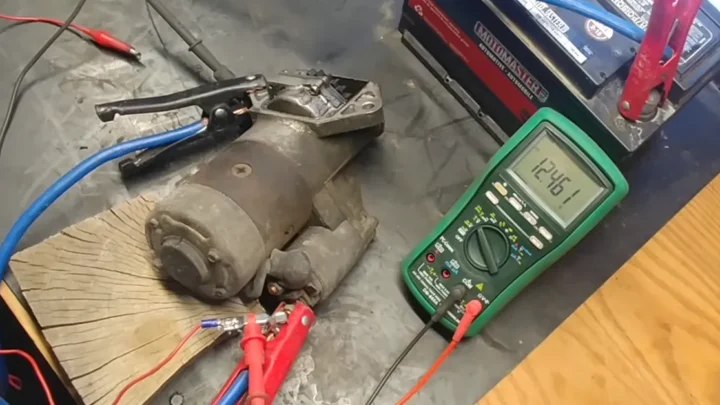
You can settle this in two minutes with a multimeter. The test compares voltage with the engine off versus running. It tells you which part is actually letting you down.
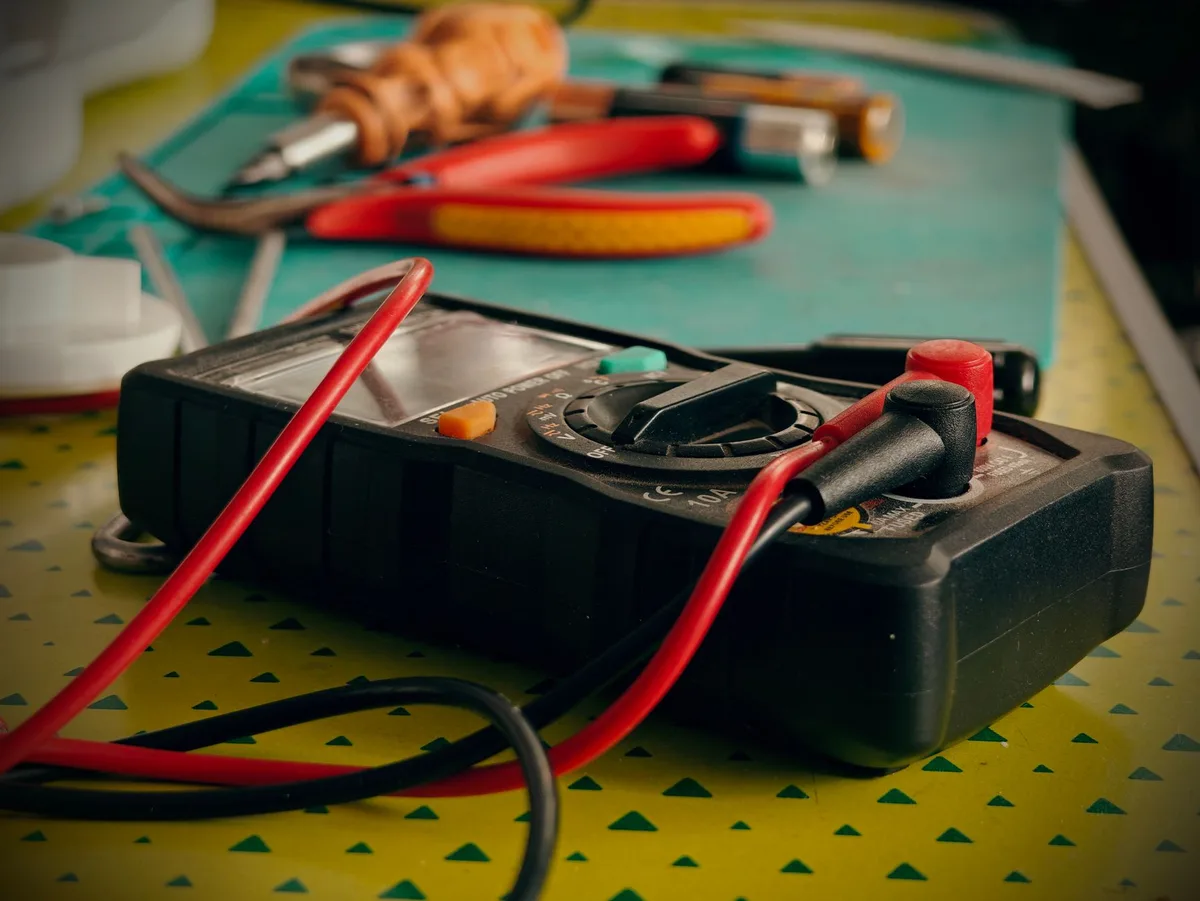
Here's the quick version:
- Set your multimeter to DC volts, around the 20V range.
- Engine off, touch red to the positive terminal and black to negative.
- A healthy battery reads about 12.4 to 12.7 volts.
- Start the engine and read again.
- A working alternator should show roughly 13.5 to 14.7 volts.
Now read the results. If voltage climbs into the 14s once running, the alternator is charging. If it stays stuck near 12 volts or drops, the alternator likely isn't doing its job.
Watch the high end too. A reading above 15 volts suggests a bad voltage regulator that's overcharging. That can cook the battery, so don't ignore it.
New to the tool? Our guide on reading a battery with a meter walks through the basics. And yes, you can safely probe a battery without harming the meter as long as you pick the right setting.
Common Mix-Ups and Mistakes People Make
The biggest mistake is throwing a new battery at an alternator problem. A fresh battery will crank the car once or twice, then die again as the failing alternator fails to recharge it. You've spent money and fixed nothing.
Another trap is confusing a bad ground for a bad alternator. Corroded or loose ground straps mimic charging faults exactly. Before condemning the alternator, check that the battery terminals and ground connections are clean and tight.
A few more errors worth dodging:
- Ignoring the belt. A slipping serpentine belt cripples charging output.
- Testing at idle only. Some alternators need higher RPM to hit full voltage.
- Assuming a "battery light" always means the battery.
- Skipping the wiring. A chafed charge wire can drop voltage on its own.
Never disconnect the battery on a running engine to "test" the alternator. That old trick can spike voltage and fry sensitive electronics. It was risky on older cars, and it's plain dangerous on modern computer-controlled systems.
What Sends an Alternator to an Early Grave
Most alternators last around 7 years, or roughly 80,000 to 150,000 miles. Several things can cut that short, and many are avoidable.
Heat and vibration are the top killers. The alternator lives in a hot engine bay and spins constantly, so bearings and diodes wear over time. Short trips and constant high electrical loads add stress too.
| Cause | What It Does | How to Reduce It |
|---|---|---|
| Worn bearings | Cause whining, then seizing | Replace at the first growl |
| Fluid leaks | Oil or coolant fouls the unit | Fix leaks promptly |
| A weak battery | Forces the alternator to overwork | Replace tired batteries early |
| Overloading | Big audio or off-road lights drain it | Match output to your load |
| Belt problems | Slipping cuts charging | Inspect and swap the belt on schedule |
A chronically flat battery is a quiet alternator killer. When the battery is weak, the alternator runs at full tilt to compensate, and that constant strain wears it out faster. If your alternator charges but the battery still dies, sort out that root cause before it takes the alternator down with it.
Repair, Rebuild, or Replace: Costs and Options
Most people replace a failed alternator rather than fix it on the car. A full replacement typically runs $300 to $800 with parts and labor, though luxury and some European models climb higher. The part alone is often $150 to $400.
Rebuilding is a cheaper route if you're handy. Many failures come down to worn brushes, a bad regulator, or a failed diode. Those parts can be swapped for a fraction of the cost of a new unit.
New vs. Remanufactured
A remanufactured (reman) alternator is a used core rebuilt with fresh internal parts. It costs less than a brand-new unit and usually carries a solid warranty. For an older, high-mileage car, a quality reman is often the smart, budget-friendly pick.
New alternators cost more but offer the longest expected life and the fewest surprises. If you plan to keep the car many years, or it's a newer model with computer-controlled charging, new is the safer bet. Whichever you choose, buy from a reputable brand like Bosch, Denso, or Valeo.
Do Electric Cars Even Have an Alternator?
No, pure electric cars don't use a traditional alternator. There's no engine belt to spin one, so they charge their systems a different way.
EVs still have a 12-volt battery for lights, computers, and accessories. A device called a DC-DC converter steps down power from the big traction battery to keep that 12-volt system topped up. It does the alternator's job without any spinning parts.
Hybrids sit in the middle. Many use an integrated motor-generator instead of a standalone alternator. So the classic belt-driven alternator is really a gas and diesel feature, and it'll stay common as long as combustion engines are on the road.
Safety Rules Before You Touch the Charging System
The charging system carries enough current to hurt you and damage the car. A few simple rules keep the job safe.

Similar Posts