Car Battery Explained: What It Is & How It Works
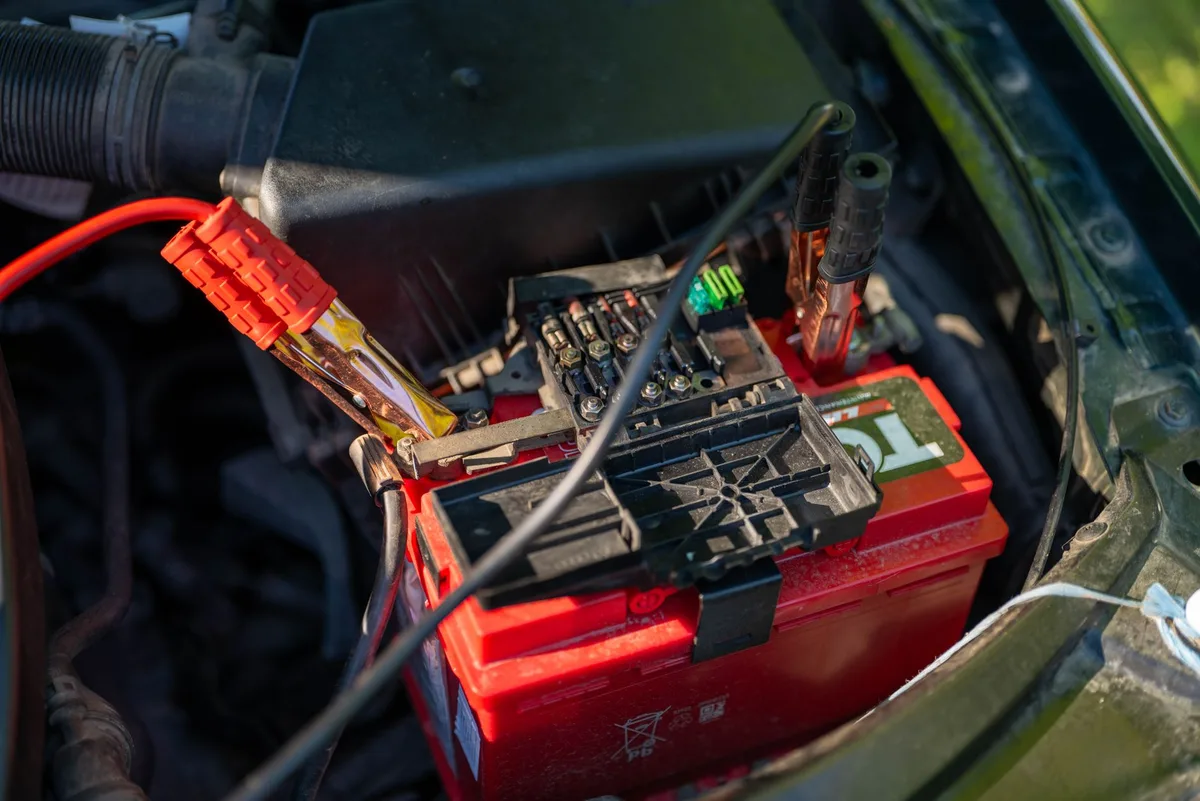
Pop your hood and you'll spot a heavy plastic box with two metal posts on top. That's the thing keeping your whole car alive, so knowing what is a car battery and how does it work saves you money, guesswork, and roadside stress. A car battery stores electrical energy and releases it the moment you turn the key.
Here's the short version. It feeds a huge jolt of power to the starter motor, then steadies the electrical system while you drive. As of 2026, the standard under most hoods is still a 12-volt lead-acid battery, a design refined for over a century.
Let's break down exactly what it is and how it does its job.
Quick Answer
A car battery is a rechargeable lead-acid device that powers your vehicle. It stores energy as a chemical reaction between lead plates and acid. When you turn the key, it sends a burst of current to the starter motor.
That cranks the engine to life. Once running, the alternator recharges the battery and takes over the electrical load.
What a Car Battery Actually Is (and the Job It Does)
A car battery is a rechargeable energy store that runs on a lead-acid chemical reaction. Most people call it an SLI battery. That stands for Starting, Lighting, and Ignition, which sums up its three main jobs.
Think of it as a short-burst power tank, not a long-haul fuel source. Its biggest task lasts only a second or two. It dumps a massive slug of current into the starter motor to crank the engine.
After that, the alternator does the heavy lifting. The battery then plays a quieter role. It keeps your clock, radio presets, and alarm alive when the car is off.
It also smooths out voltage spikes so your sensitive electronics don't get fried.
Here's what your battery handles day to day:
- Cranking the engine on every start
- Running lights, wipers, and accessories before the engine catches
- Powering memory functions while parked
- Steadying the whole 12-volt system as a buffer
That buffering job matters more than most drivers realize. Modern cars are packed with computers. A stable battery keeps them happy.
What's Inside a Car Battery: Cells, Plates, and Electrolyte
Crack open a standard 12-volt battery and you'll find six cells wired in a row. Each cell produces roughly 2.1 volts. String all six together and you get about 12.6 volts at full charge.
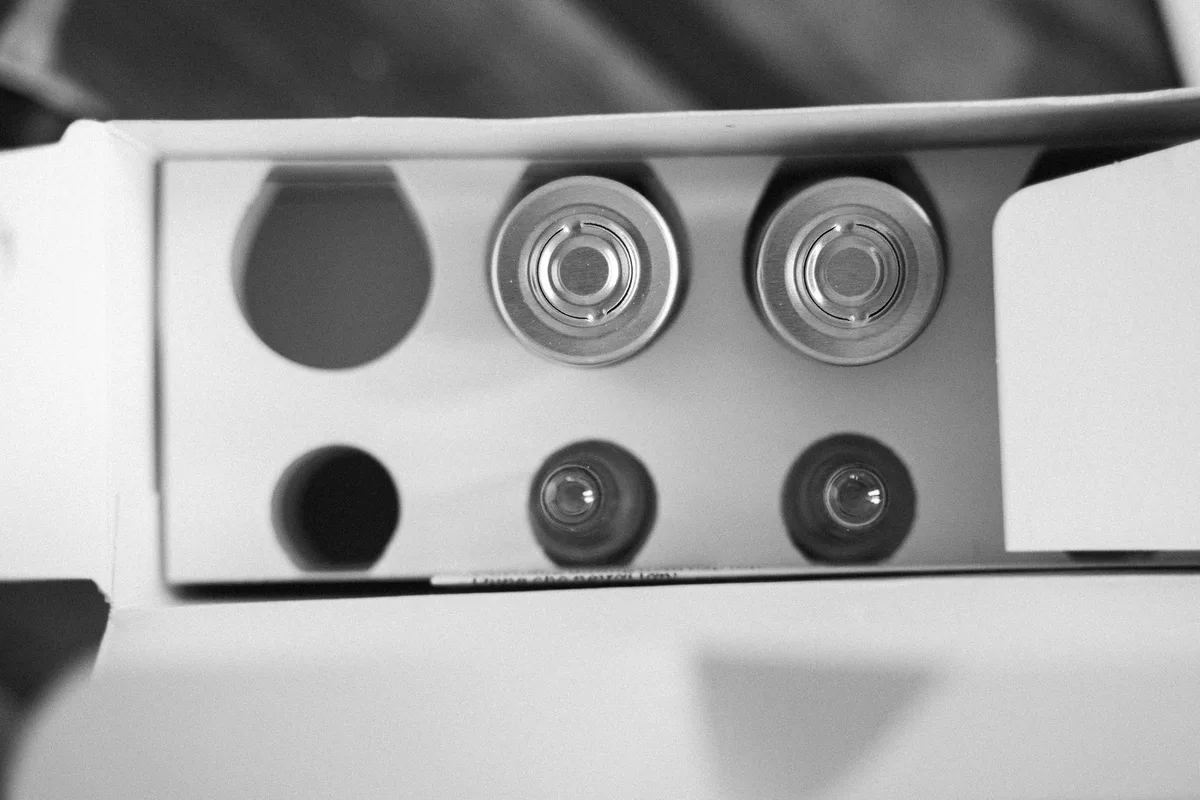
Every cell holds the same basic parts. Understanding them makes the whole "how it works" part click into place.
The Positive and Negative Terminals
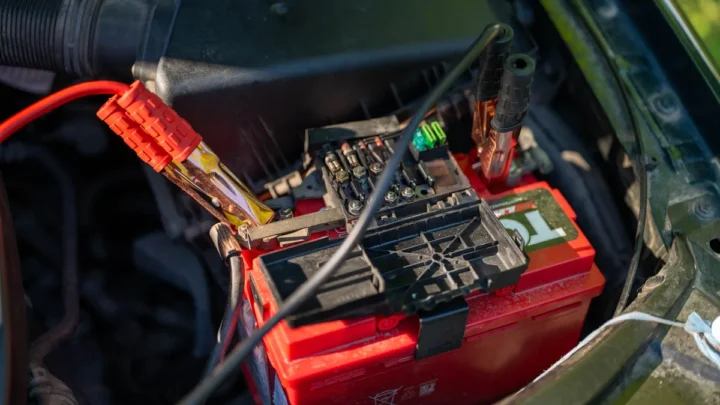
Two posts stick out of the top. One is positive, marked with a plus sign and often a red cover. The other is negative, marked with a minus sign and usually black.
Current flows out of the positive post and returns through the negative. The negative post connects to the car's metal body, called the ground. Mixing these up during a jump-start is a classic mistake, so the color coding is there to protect you.
The Six Cells and Lead Plates
Inside each cell sit stacks of thin lead plates. Half are coated in lead dioxide and act as the positive plates. The other half are spongy lead and serve as the negative plates.
Thin separators sit between them so they never touch and short out.
More plate surface area means more cranking power. That's why a bigger, heavier battery usually pushes more amps. Surface area is the whole game here.
The Electrolyte and Why It Matters
The plates sit bathed in electrolyte. That's a mix of sulfuric acid and distilled water, roughly 35 percent acid. This liquid is the go-between that lets the chemical reaction happen.
When the electrolyte weakens or drops too low, the reaction stalls. That's often why an old battery cranks slow. In flooded batteries you can sometimes top up the water.
In sealed ones you can't, and that's by design.
The Chemistry in Motion: How Discharge and Charging Work
The whole system runs on one reversible chemical reaction. It runs one way to start your car and the opposite way to recharge. Nothing gets used up permanently, which is why a healthy battery lasts years.
Starting Your Engine (the Discharge Reaction)
Turn the key and you complete a circuit. The acid reacts with both sets of lead plates. This reaction frees up electrons and pushes them through the cables as electrical current.
That current races to the starter motor, which spins the engine over. It's a huge draw, often 150 amps or more for a moment. You'll notice your headlights dim slightly during a cold start, and that visible dip at the moment of start-up is completely normal.
If it drops too far, though, you can check how far a battery should sag to know when it's a warning sign.
As the reaction runs, both plate types slowly turn into lead sulfate. The acid gets weaker. If you never recharged, the battery would go flat and both plates would look the same.
Recharging While You Drive (the Alternator's Role)
Once the engine fires, the alternator kicks in. It's a small generator spun by the engine belt. It pushes current back into the battery, forcing the reaction into reverse.
That reversal turns the lead sulfate back into lead, lead dioxide, and acid. Your battery gets restored, ready for the next start. A healthy charging system reads roughly 13.7 to 14.7 volts, and knowing the normal range while the engine runs helps you spot trouble early.
Short trips can be a problem here. If you only drive a few minutes at a time, the alternator never fully tops off the battery. Over weeks, that slow shortfall can leave you stranded.
Sometimes a dead battery is really a charging fault, so it helps to tell a battery problem from an alternator one.
Reading Your Battery: Voltage Numbers, CCA, and Capacity Specs
You don't need a lab to read your battery's health. A cheap multimeter and a few key numbers tell you most of the story. These specs also help when you're shopping for a replacement.
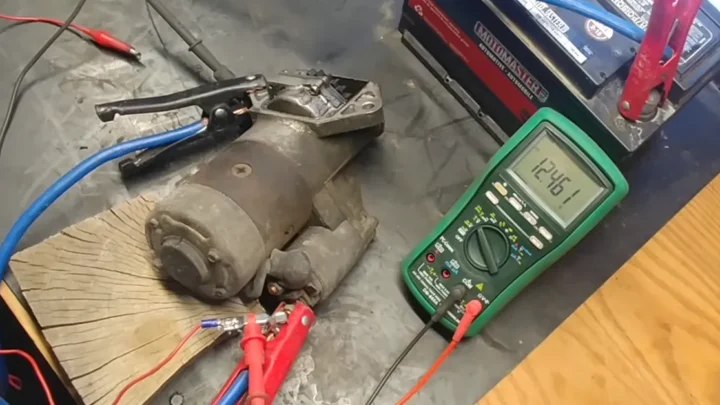
Start with resting voltage. Measure it with the engine off, ideally after the car has sat a few hours. Here's a quick reference chart.
| Resting Voltage | State of Charge | What It Means |
|---|---|---|
| 12.6V or higher | 100% | Fully charged and healthy |
| 12.4V | ~75% | Good, but worth watching |
| 12.2V | ~50% | Getting low, recharge soon |
| 12.0V | ~25% | Nearly flat, likely won't crank well |
| 11.9V or below | Discharged | Deeply drained or failing |
A reading of 12.4 volts still counts as solid, while a drop to 12.2 volts signals a partial charge that needs attention. Slip much lower and you're heading toward the point where a battery reads as dead.
Beyond voltage, three specs matter when you buy:
- Cold Cranking Amps (CCA): How much current the battery delivers at 0°F. Higher CCA means stronger cold starts. The Battery Council International sets the standard test for this rating.
- Reserve Capacity (RC): How many minutes it can run accessories if the alternator fails. Handy as a safety cushion.
- Amp-hour (Ah): Total energy storage. Most passenger cars fall between 45 and 75 Ah.
Match or exceed your car's factory CCA rating when you replace a battery, and confirm how much cranking power your car actually needs before you buy. Undersizing it leaves you slow to start on frosty mornings. Your owner's manual lists the correct group size and rating.
Battery Types Compared: Flooded, AGM, EFB, and Lithium
Not all car batteries are built the same. The right type depends on your vehicle, your climate, and how much tech your car runs. Picking the wrong one can shorten its life or trip warning lights.
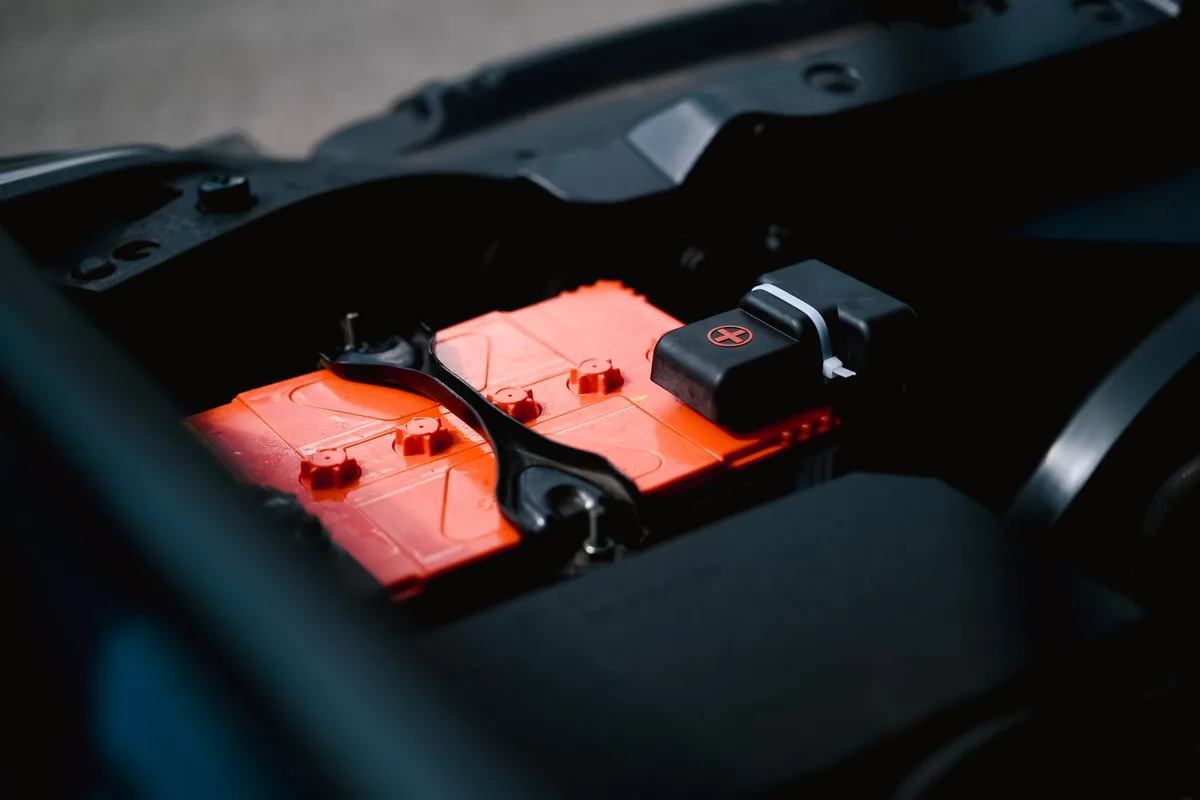
Here's how the main options stack up.
| Type | How It Works | Best For | Rough Cost |
|---|---|---|---|
| Flooded (wet-cell) | Liquid electrolyte, classic design | Older, simpler cars | $ (lowest) |
| EFB | Enhanced flooded, tougher plates | Entry start-stop cars | $$ |
| AGM | Acid held in glass mat, sealed | Start-stop, heavy accessories | $$$ |
| Lithium (LiFePO₄) | Lithium chemistry, very light | Performance, weight-saving builds | $$$$ (highest) |
Flooded batteries are the affordable workhorse. They've powered cars for decades and still suit most older vehicles. They can vent gas, so they need a bit of ventilation.
AGM batteries seal the acid into a fiberglass mat. They handle deep cycling and constant electrical loads far better. If your car has stop-start tech, it likely needs AGM or EFB from the factory.
Fitting a plain flooded battery in a start-stop car often fails fast.
Lithium starter batteries are the lightweight option. They can weigh a third of a lead-acid unit and last longer. The catch is price and the need for compatible charging.
For most daily drivers, a quality AGM or flooded battery is the sweet spot.
Climate plays a role too. Heat is actually the bigger killer, as it speeds up evaporation and plate wear. Cold just makes the chemistry sluggish, which is why batteries feel weaker in winter even when they're fine.
You can dig deeper into battery chemistry and recycling through the U.S. Department of Energy at energy.gov, a solid primary source for how these systems evolve.
Signs Your Car Battery Is Dying
A failing battery usually warns you before it leaves you stranded. The trick is catching the signs early. Here's what to watch for.
- Slow, lazy cranking: The engine turns over sluggishly, especially on cold mornings.
- Dim headlights at idle: Lights brighten when you rev the engine, then fade at a stop.
- Clicking with no start: A rapid click often means not enough juice for the starter.
- Dashboard battery light: This flags a charging system fault, not just the battery.
- Swollen case or corrosion: Heat damage or crusty terminals point to trouble.
One tricky case fools a lot of drivers. Your battery might read 12 volts yet still fail to start the car. That gap between voltage and cranking power usually means enough charge but no real muscle, a classic sign of worn-out plates.
Age is the biggest tell of all. If your battery is past four years old and acting up, don't gamble on it. A quick multimeter check clears up most doubts, and it's easy to read a battery's health at home.
What Kills a Car Battery: Common Mistakes and Hidden Drains
Most batteries die young from abuse, not old age. Knowing the usual culprits helps you dodge a dead start.

Corrosion is a top offender. That white or bluish crust on the terminals blocks current flow. It builds up over time and can mimic a dead battery even when the cells are fine.
Then there's parasitic drain. Some current draw is normal, since alarms and computers never fully sleep. Anything over 50 milliamps at rest, though, can flatten a battery overnight, so it pays to know what a safe resting draw looks like.
Watch out for these battery killers:

Similar Posts