How Long Does an Alternator Last? What to Know
You want a straight answer to how long does an alternator last, not a shrug and a vague range. The honest truth is that lifespan swings a lot. A well-treated factory unit can push past a decade.
A cheap one under heavy load can quit in a year or two.
Most alternators live somewhere in the 80,000 to 150,000 mile window, or roughly 7 to 10 years. As of 2026, that range still holds across mainstream cars and trucks. What moves the number is heat and electrical load, not luck.
Let's break down where your alternator really sits on that scale.
Quick Answer
An alternator typically lasts 80,000 to 150,000 miles. In years, that's about 7 to 10 for most drivers. Heat, heavy electrical load, and short trips shorten it.
Highway driving and a healthy battery stretch it. Cheap remanufactured units often fail sooner than OEM parts.
How Long Does an Alternator Actually Last? The Real Numbers
Most factory alternators last 7 to 10 years or 100,000 to 150,000 miles. That's the healthy middle. Plenty of OEM units go further, and some cheap replacements die well short.
Here's how the numbers usually shake out in the real world.
| Alternator Type | Typical Lifespan | Notes |
|---|---|---|
| OEM (factory) | 100,000–150,000+ mi | Best-quality windings and bearings |
| Quality remanufactured | 60,000–100,000 mi | Depends heavily on rebuild quality |
| Budget remanufactured | 20,000–60,000 mi | Common early-failure culprit |
| High-output aftermarket | 50,000–100,000 mi | Runs hotter under big loads |
Mileage matters more than age for most cars. A commuter who racks up highway miles often gets more life than a city driver with lower mileage. Long, steady runs are easy on the charging system.
Stop-and-go traffic is not.
If your battery keeps dying and you're not sure the alternator is the cause, our guide on why a charged battery still goes flat walks through the overlap between the two.
What Shortens or Extends Alternator Life
Two forces decide almost everything: heat and electrical load. The hotter and harder it works, the faster it wears. Keep both low and it lasts.
Things that shorten alternator life:
- High underhood temperatures in hot climates
- Big aftermarket stereos, lighting, and winches
- Constant short trips that never fully recharge the battery
- A weak or failing battery forcing the alternator to overwork
- Corroded or loose battery and ground connections
- Oil or coolant leaks dripping onto the unit
- Water and road salt reaching the bearings
Things that extend it:
- Regular highway driving at steady RPM
- A healthy battery that holds voltage
- Clean, tight electrical connections
- A properly tensioned serpentine belt
- Modest electrical demand
A dying battery is the quiet killer here. When the battery can't hold a charge, the alternator runs at full output for miles trying to top it off. That extra strain cooks the diodes and bearings.
If your battery drains while parked, tracking down what's quietly pulling power overnight can save the alternator too.
Short trips create a similar problem. The alternator never gets a chance to relax, so it keeps working hard. Drivers who wonder whether short drives even recharge the battery usually find the answer is no, not fully.
Inside the Alternator: The Parts That Wear Out First
An alternator doesn't die all at once. Specific parts wear out, and they tend to fail in a predictable order. Knowing which piece goes first helps you read the symptoms.

Bearings, Brushes, and Slip Rings
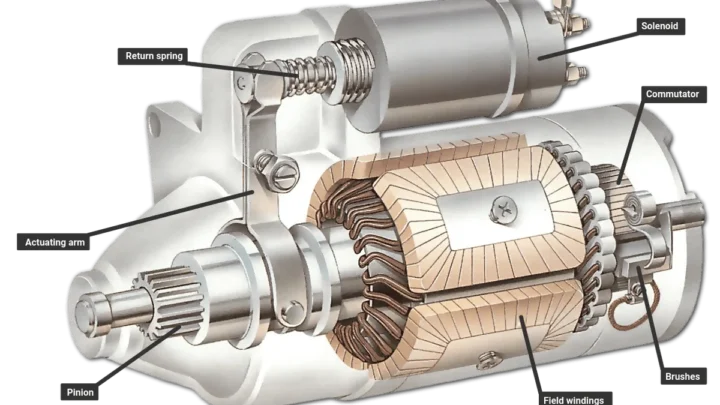
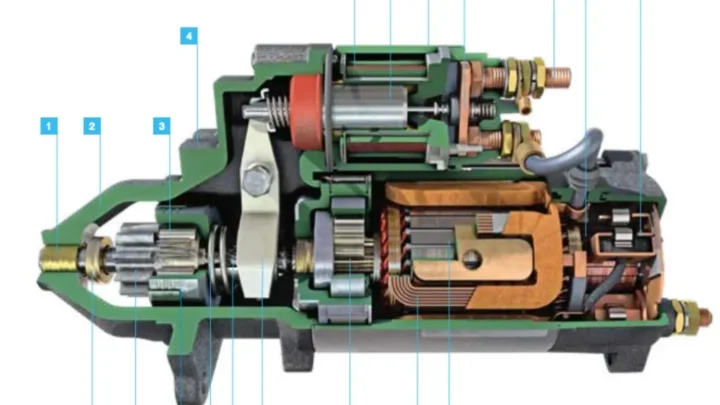
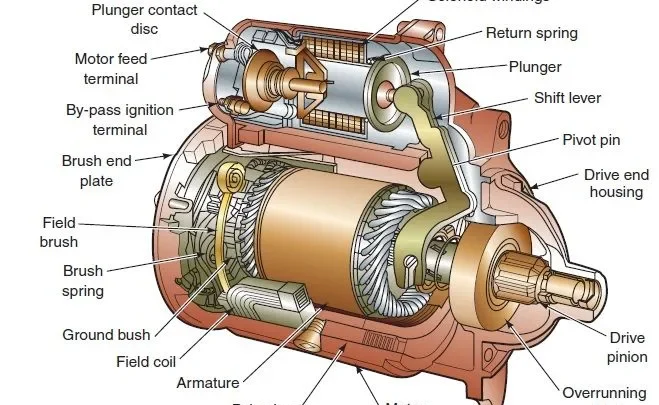
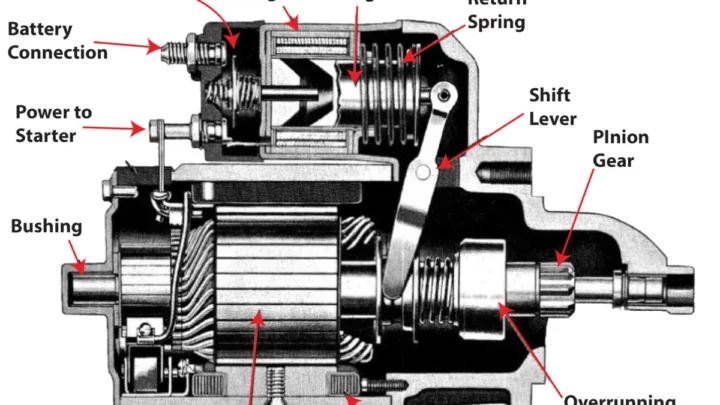
Bearings and brushes are usually the first to go. The alternator spins thousands of times a minute, and those bearings take a beating. When they wear, you'll hear a whine or growl that rises with engine speed.
Brushes ride against the slip rings to pass current to the rotor. Over tens of thousands of miles, they wear down like pencil erasers. Worn brushes cause flickering output or a sudden no-charge condition.
On rebuildable units, these are cheap parts, which is why remanufactured alternators exist.
The Diode Pack and Voltage Regulator
The diode pack, also called the rectifier, turns AC into the DC your car uses. Heat is its enemy. When one diode fails, you get "AC ripple," and the battery light may flicker or the battery drains slowly.
The voltage regulator controls output, usually holding it between 13.8 and 14.7 volts. When it fails, you get overcharging above 15 volts or undercharging below 13.5. Both are bad news.
Standards bodies like SAE International publish the charging-system specs manufacturers design around, and those voltage targets are why a healthy system reads so consistently.
Typical Lifespan by Driving Style and Vehicle Type
Your driving style changes the timeline more than most people expect. Two identical cars can see very different alternator lifespans based on how and where they're driven.
| Driver Type | Expected Lifespan | Why |
|---|---|---|
| Highway commuter | 120,000–150,000+ mi | Steady load, full recharges |
| City stop-and-go | 80,000–110,000 mi | Constant strain, short trips |
| High-audio / off-road build | 40,000–80,000 mi | Heavy electrical demand |
| Fleet / delivery (high idle) | 60,000–100,000 mi | Long idling, heat buildup |
| Hot-climate daily driver | 70,000–110,000 mi | Underhood heat ages diodes |
Trucks that tow run their charging systems hard, especially with trailer lights and brake controllers pulling current. Cold-climate drivers load the alternator too, since heaters, defrosters, and seat warmers all draw power. If your car struggles to fire up when it's freezing, the issue may not be the alternator at all, and cold-weather no-start causes are worth ruling out first.
Idling deserves a note. A lot of drivers think letting the engine idle keeps everything topped up. It barely does, and the real limits of idle charging explain why relying on it strains both battery and alternator over time.
Early Warning Signs Your Alternator Is Dying
A failing alternator almost always warns you first. Catch the signs early and you avoid getting stranded. Ignore them and you'll be calling for a tow.
Dimming Lights, Whining, and the Battery Light
Dimming or flickering headlights are the classic first clue. They dim at idle, then brighten when you rev. That flicker means output is unsteady.
Watch for these other tells:
- The battery or charging light glowing on the dash
- A whine or growl that climbs with RPM (worn bearing)
- A burning or hot-electrical smell
- Slow cranks or a battery that keeps dying
- Dead accessories like a weak stereo or slow windows
A battery warning light doesn't always mean the battery. More often it points at the charging system. If yours won't hold a charge overnight, compare notes with common reasons a fresh battery goes flat before you condemn the alternator.
The Voltage Readings That Confirm It
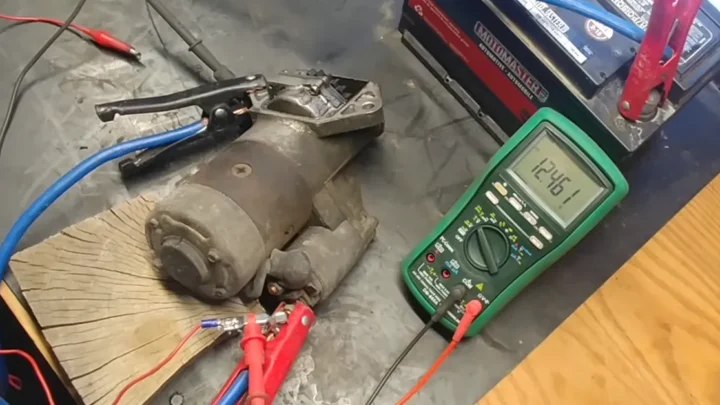
Numbers settle the argument. Grab a multimeter and read the battery terminals. Here's what healthy looks like versus trouble.
| Reading | Voltage | What It Means |
|---|---|---|
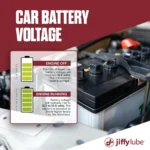
| Engine off | 12.4–12.7 V | Battery at rest, healthy |
| Engine running | 13.8–14.7 V | Alternator charging correctly |
| Running, under load | above 13.5 V | Still keeping up |
| Overcharging | above 15 V | Bad regulator |
| Undercharging | below 13.3 V | Failing alternator or connection |
If the running voltage sits at the battery's resting level, the alternator isn't charging. If it climbs past 15, the regulator has failed. Either way, don't keep driving on it.
The full multimeter test for a suspect alternator shows exactly where to put the probes and how to read AC ripple too.
How to Test an Alternator Before It Leaves You Stranded
A basic voltage test takes five minutes and needs only a multimeter. Set it to DC volts, touch red to the positive terminal and black to negative, then read.

Run this quick sequence:
- Engine off: expect 12.4 to 12.7 volts.
- Start the engine: it should jump to 13.8 to 14.7 volts.
- Turn on headlights, AC, and rear defrost. Voltage should stay above 13.5.
- Rev to about 2,000 RPM. It shouldn't climb past 15 volts.
If the number barely moves off resting voltage, the alternator isn't charging. If it spikes over 15, the regulator has failed. A no-crank car with good battery voltage is a different animal, and strong voltage but a dead crank usually points at the starter or a ground.
Switch your meter to AC volts for a ripple check. Anything over about 0.05 volts (50mV) with the engine running suggests a failing diode. Bad grounds fake alternator symptoms too, so confirming a clean ground path before you buy parts saves money.
What Actually Kills Alternators Early
Heat and overwork top the list. But a handful of specific problems send alternators to an early grave, and most are preventable.
- A weak battery forcing constant full-output charging
- Oil or power-steering leaks contaminating the bearings
- Water, mud, and road salt from off-road or coastal driving
- A backwards jump-start frying the diodes
- Loose belts that slip and overheat the pulley
- Corroded battery cables adding resistance
That last battery point is the big one. When a tired battery can't hold charge, the alternator never rests. If yours dies while parked overnight, chase down the drain behind a battery that won't hold before it takes the alternator with it.
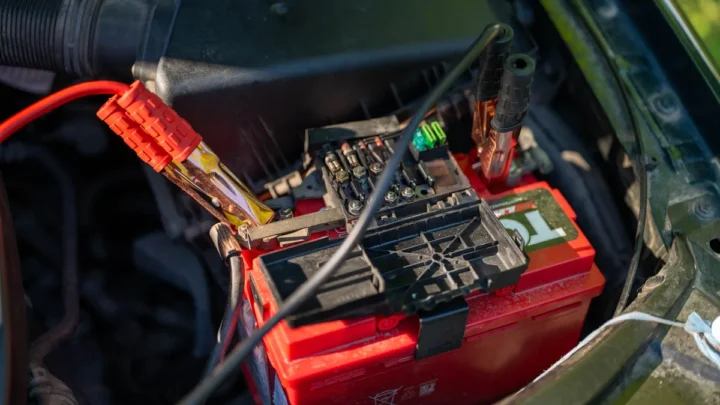
Reversed polarity is instant death. Hook a charger or jump pack up backwards and the diode pack can blow in seconds. The fallout from a reversed charger connection often includes a ruined alternator, not just a blown fuse.
OEM vs. Remanufactured vs. High-Output: What You Get for the Money
OEM is the safe long-life choice. Remanufactured saves cash upfront but varies wildly in quality. High-output only makes sense for heavy electrical builds.
| Option | Price Range | Best For |
|---|---|---|
| OEM new | $200–$500 | Longest life, daily drivers |
| Quality reman | $100–$250 | Budget-minded, older cars |
| Budget reman | $70–$130 | Short-term fixes only |
| High-output | $250–$600 | Big audio, off-road lighting |
The catch with cheap remans is the rebuild quality. Some reuse worn bearings and old diodes, which is why they fail so soon. Brands like Denso, Bosch, Valeo, ACDelco, and Motorcraft tend to hold up better than no-name units.
High-output alternators push 200 amps or more. Great for a loaded sound system, but they run hotter and can wear faster. Don't fit one unless your electrical demand actually calls for it.
Alternator vs. Battery: Which One's the Real Problem?
Test the battery first, because a bad battery mimics a bad alternator. Slow cranks, dim lights, and dash warnings can come from either part.
Here's the quick split:
- Car dies and won't restart, even after a jump that briefly works: often the alternator.
- Car cranks slow in the morning but runs fine once started: usually the battery.
- Dashboard battery light stays on while driving: charging system, likely the alternator.
- Repeated dead battery with a good alternator reading: parasitic drain.
A load test at any parts store settles the battery question fast. Watch for the telltale signs a battery is finished before spending on an alternator you may not need.
Sometimes both check out and the battery still drains. That points to a parasitic draw, and hunting it down with a fuse-box and multimeter method is the next step.
Replacement Costs, Labor Time, and Core Charges
Expect $300 to $800 total for a typical alternator replacement, parts and labor combined. The spread depends on your car, the part quality, and how buried the alternator is.
| Cost Item | Typical Range |
|---|---|
| Alternator part | $100–$400 |
| Labor (1–3 hours) | $100–$350 |
| Core charge (refundable) | $20–$100 |
| Belt (if replaced) | $20–$60 |
The core charge is a deposit. You get it back when you return your old unit for rebuilding, so don't toss it. Luxury cars and tight engine bays push labor toward the high end.
DIY drops the cost to just the part on many vehicles. On others, the alternator sits behind the engine or under intake plumbing, which turns a one-hour job into three. We'll cover that call next.
How Climate and Driving Conditions Change the Timeline
Where you drive can add or subtract years. Heat is the biggest factor, since underhood temperatures in hot regions bake the diodes and dry out bearing grease.

Similar Posts