How to Check Your Car’s Oil Level: A Simple Step-by-Step
Learning how to check your oil level is one of those five-minute skills that quietly protects a five-figure engine. Most modern cars still rely on a plain metal dipstick. The reading you take on a Saturday morning tells you more about engine health than any dashboard light will.
Aggregate service data suggests low oil sits behind a serious chunk of avoidable engine damage. Manufacturer specifications typically place the gap between MIN and MAX at roughly one quart, about one litre for most passenger cars. That single quart is the difference between a healthy engine and a scored bearing.
Here's how the whole process works, step by careful step.

Quick Answer
To check your oil level, park on level ground first. Let a warm engine rest for ten minutes. Pull the dipstick, wipe it, reinsert it, then pull again.
The oil film should sit between the MIN and MAX marks. Top up only if the level is at or below MIN.
Why Checking Your Oil Level Is a Two-Minute Habit That Saves Engines
Engines need oil the way you need blood. Run low, and metal grinds on metal inside the crankcase. Aggregate warranty data shows lubrication failure is one of the top causes of premature engine wear.
Most of it starts with a level that quietly slipped below MIN.
The habit costs nothing. A two-minute check every couple of weeks catches slow leaks, oil burn, and coolant intrusion before they turn into a rebuild. If you also like to handle your own service, our walkthrough on tackling an engine oil change yourself sits neatly on top of this routine.
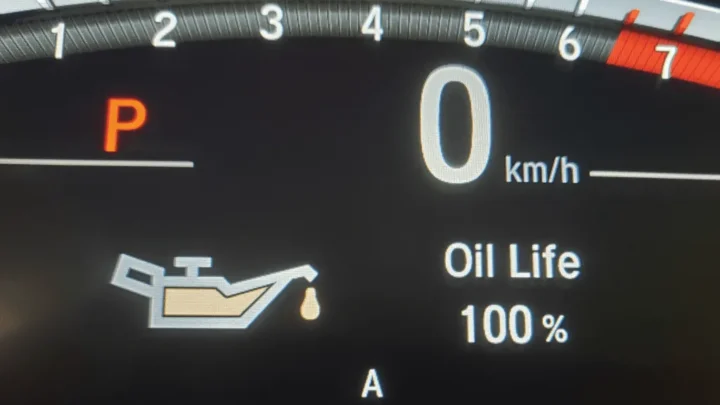
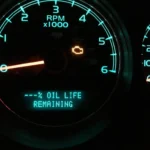
For newer cars with electronic monitors, the principle still holds. Sensors fail. Warning lights get missed.
A physical check gives you a second opinion your dashboard cannot.
What the Dipstick Actually Shows You (And Why the Visual Matters)
A dipstick is a long, thin blade of metal that reaches from the top of the engine into the oil pan. When you pull it out, the tip carries a film of oil that shows two things at once. How much is in the sump, and what condition it's in.
The tip is stamped, notched, or crosshatched to mark the safe operating range. Above MAX means overfilled. Below MIN means top it up.
Between the two is where you want to live.
Oil also talks to you through colour and texture. Amber to light brown is healthy oil doing its job. Milky or gritty oil is a red flag no warning light will show you.
A dashboard cannot smell burnt oil either. Your dipstick can.
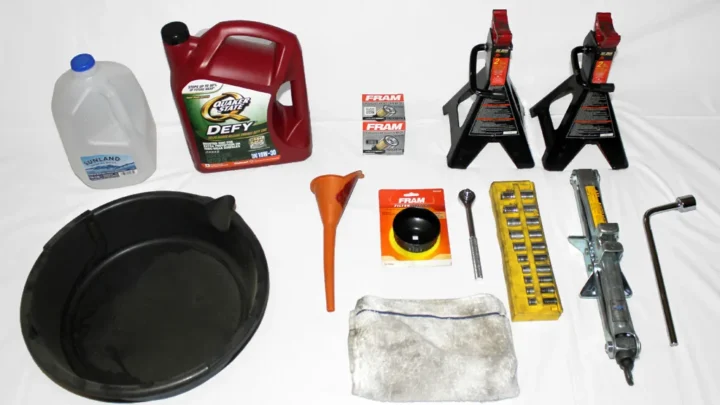
Tools You Need Before You Pop the Hood
You do not need much. That's the beauty of it.
| Tool | Why You Need It |
|---|---|
| Lint-free cloth or paper towel | Wipes the dipstick without leaving fibres in the oil |
| Nitrile or work gloves | Keeps hot engine oil off your skin |
| A small funnel | Prevents spills through the filler cap |
| The correct grade of oil | Wrong viscosity can damage seals and hurt fuel economy |
| Flashlight or headlamp | Dipstick markings are faint in low light |
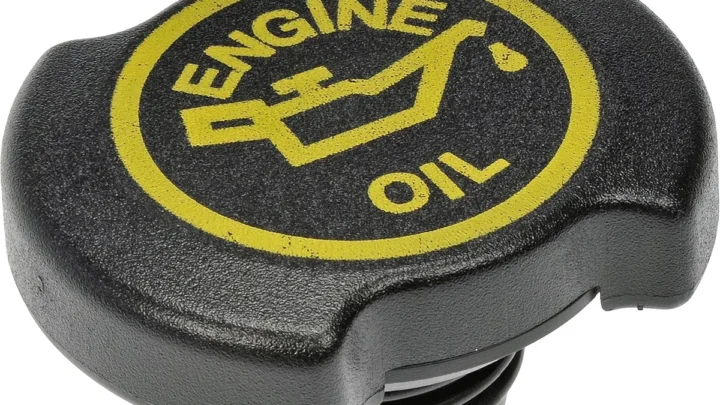
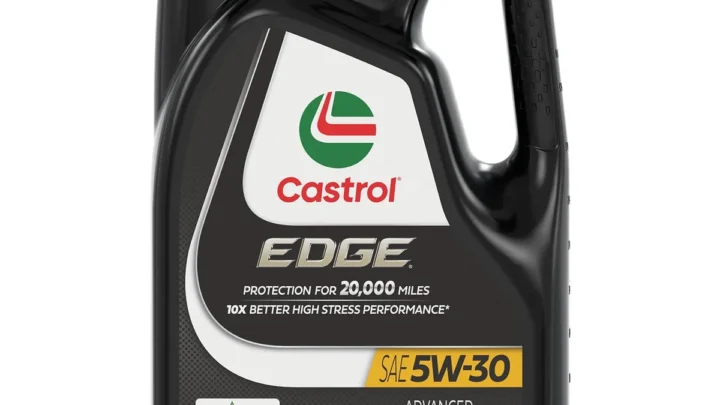
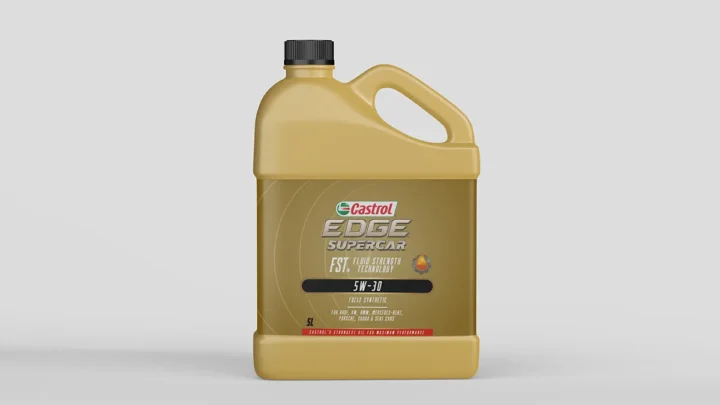
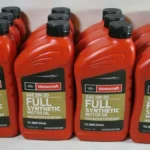
Grab the right oil grade before you start. As of 2026, most modern passenger cars run on 0W-20 or 5W-30 full synthetic. Your owner's manual and filler cap are the two places worth double-checking.
The American Petroleum Institute sets the service categories printed on the bottle. Matching that spec to your engine is non-negotiable.
How to Check Your Oil Level Step by Step
The whole check takes under five minutes once you know the sequence. Skip a step and you'll get a false reading that either scares you or reassures you when it shouldn't.
Park on Level Ground and Let the Engine Rest
A tilted car sends oil sloshing to one side of the pan. That throws off the reading, high or low, depending on which way the slope runs. Park on the flattest surface you can find.
If the engine has been running, wait five to ten minutes. This lets oil drain back into the sump so the dipstick reads what's actually there. Cold checks work too.
They read slightly higher because the oil has fully settled.
Locate the Dipstick Under the Hood
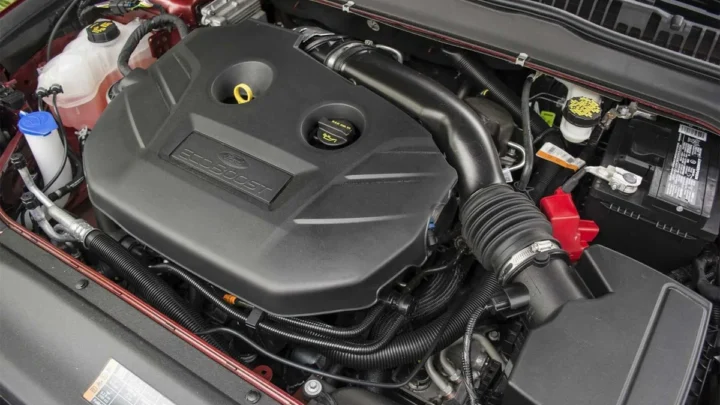
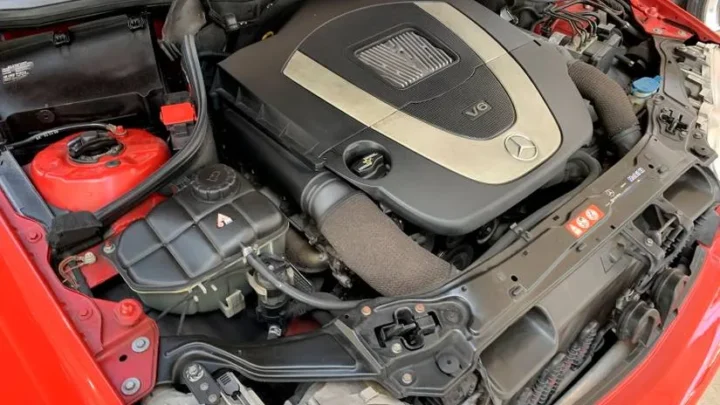
Pop the hood and look for a brightly coloured loop or T-handle, usually yellow or orange. It sits off to one side of the engine and slides into a slim metal tube. Your owner's manual shows the exact spot if it's not obvious.
Do not confuse it with the transmission fluid dipstick or the power steering reservoir. Both look similar. The engine oil dipstick is almost always the tallest and closest to the front of the engine.
Pull, Wipe, Reinsert, Then Read
Pull the dipstick all the way out. Wipe the tip clean with a lint-free cloth. This first pull is not the reading.
Oil splashes around while the engine runs and coats the whole stick, so the first pull always looks higher than reality.
Slide it fully back in, seat it properly, then pull it out a second time. That second reading is the one that matters.
Interpret the Level Between MIN and MAX
Hold the dipstick horizontally at eye level with a light source behind you. The oil film should fall inside the safe zone, ideally closer to MAX than MIN. Below MIN, top up before your next drive.
Right at MAX or above, do not add more. Overfilling is as harmful as underfilling.
Reading the Dipstick Markings: Crosshatch, Pinholes, and Notches
Not every dipstick is marked the same way. Some carmakers stamp two clear notches labelled MIN and MAX. Others use pinholes, dots, or the letters L and H.
The crosshatched or knurled zone between them is your safe window.
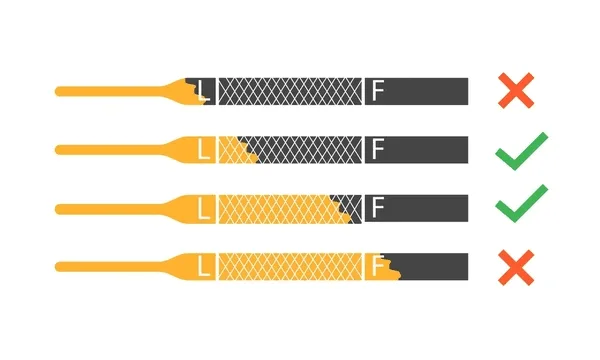
Here's a quick decoder for the common styles:
- Two notches or lines: oil should sit at or just below the upper one
- Crosshatch or knurled section: anywhere inside is fine, aim for the top third
- Pinholes or dots: the lower dot is MIN, the upper is MAX
- H and L stamps: H for high, L for low
The gap between MIN and MAX represents roughly one quart, or about one litre in most passenger cars. That's a meaningful amount. A reading in the middle of the crosshatch does not mean you need "just a splash".
Under-topping and over-topping both throw the level off, so read carefully before you pour.
What Healthy Oil Looks Like vs. Oil That's Telling You Something's Wrong
Colour and texture are the second half of every dipstick check. A quick look at the film on the tip tells you whether your engine is happy or asking for help.
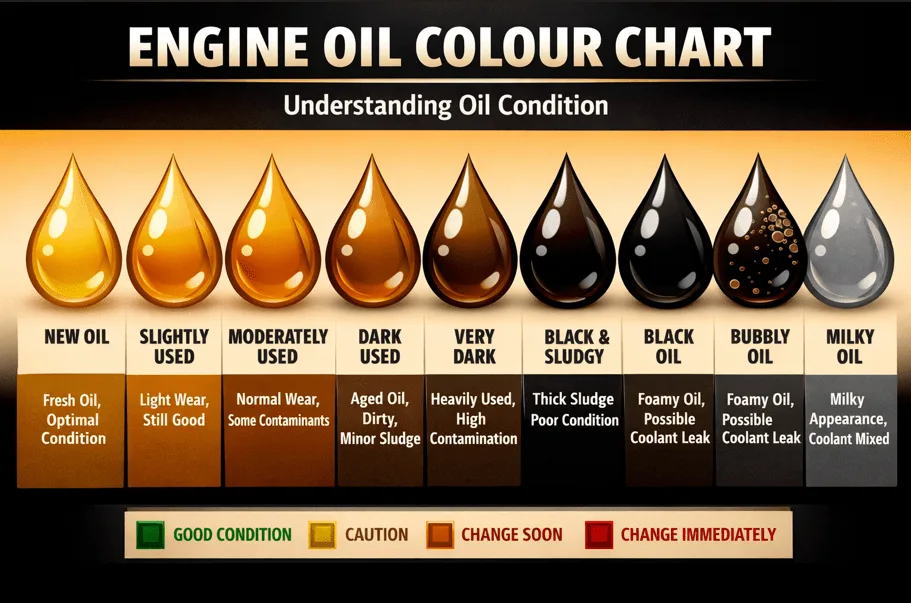
Amber to Light Brown: You're Good
Fresh oil is honey-coloured. After a few hundred miles it darkens to a light tan or medium brown as it pulls combustion by-products into suspension. That's oil doing its job.
Nothing to worry about.
Dark Brown to Black: Time to Plan a Change
Oil turns dark brown or black as it collects soot, heat, and depleted additives. Black is not automatically an emergency. Combined with a long service interval, though, it usually means you're close to due for a change.
Diesel oil goes black almost immediately, which is normal.
Milky or Frothy: Stop and Investigate
Milky, tan-coloured, or frothy oil is a serious warning. It means coolant is mixing into the crankcase, usually through a failing head gasket, cracked head, or faulty oil cooler. Driving on emulsified oil starves the bearings.
Stop driving and get it diagnosed.
If you're eyeing a used car with milky residue under the filler cap, walk away or renegotiate hard. Our pre-purchase inspection checklist covers this exact red flag among others worth catching before you hand over money.
Gritty or Metallic: Don't Ignore This
Rub the oil between two fingers. If it's smooth, you're fine. If you feel grit or metallic flecks catching the light, internal wear is happening.
Have a mechanic drop the pan and pull the filter for inspection.
Cold Check vs. Hot Check: Which One Gives You the Real Reading
Both work. What matters is picking one method and sticking to it.
A cold check happens before the engine has been started for the day. All the oil has drained down into the sump, so the reading is consistent and easy. Many owner's manuals now recommend this as the default.
A hot check happens five to ten minutes after switching off a warm engine. Oil expands slightly when hot and may read a fraction higher than cold. It's still accurate as long as you give it the full rest window.
The wrong move is checking straight after shutdown. Oil is still coating the upper engine and draining through the galleries, which gives you a low false reading. Wait it out.
How to Top Up Oil the Right Way (Without Overfilling)
Topping up sounds simple. The mistake most people make is pouring in a full bottle when the engine only needs a fraction of one.

Remember the ratio. The gap between MIN and MAX is about one quart or one litre. If your dipstick reads halfway between the two marks, you only need roughly half that much to reach MAX.
Here's the sequence:

Similar Posts