alternator whining noise
That whining noise from under the hood has a way of getting worse the longer you ignore it. If you're hearing an alternator whining noise that climbs and falls with your engine speed, your car is trying to tell you something specific. Sometimes it's a dying bearing.
Sometimes it's the belt. And sometimes it isn't the alternator at all.
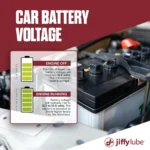
The good news? You can usually pin down the cause in your own driveway with a few simple checks. A healthy charging system should hold roughly 13.8 to 14.7 volts at the battery while the engine runs, and that number becomes a useful clue as of 2026.
Let's start by figuring out what your ears are actually picking up.

Quick Answer
An alternator whining noise usually means a worn alternator bearing, a failing belt, or bad diodes inside the alternator. The pitch rises and falls with engine RPM. A belt squeal often fades as the engine warms up.
An electrical whine bleeds through your speakers. Test charging voltage first to narrow it down fast.
That Whining Noise Under the Hood: What Your Car Is Actually Telling You
A whine is your car pointing at a spinning part that's no longer spinning smoothly. The alternator sits at the front of the engine, driven by the serpentine belt. When something in that chain wears out, you hear it.
There are really only a handful of suspects. The alternator's own bearings can dry out and whine. The belt can slip and squeal.
The diodes inside the alternator can fail and send a whine straight into your audio system.
Here's the thing worth knowing up front. A whine that gets louder as you rev the engine is following the alternator's rotation. That's a strong hint the problem lives in the alternator or its drive system, not somewhere else in the engine.
None of this means you're stranded today. But a charging fault can escalate. If the alternator quits completely, you'll be running on battery alone, and that clock runs out fast.
Is It Really the Alternator? The 30-Second Gut Check
Start here before you buy a single part. Most people misdiagnose a belt squeal as a dead alternator and waste money. A quick listen tells you a lot.
Run through this fast checklist with the engine idling:
- Does the pitch rise with RPM? If yes, suspect the alternator or a pulley.
- Does it squeal on cold start, then quiet down? That points to the belt, not the alternator.
- Does the whine get louder when you turn on headlights, AC, or the rear defroster? That's a classic sign of failing diodes.
- Is there a battery or charging light on the dash? Treat that as a charging system problem until proven otherwise.
- Do you hear it through the speakers? That's electrical whine, usually diodes or a bad ground.
If the noise only shows up under electrical load, you're likely dealing with the alternator's internals. If it's loudest on a cold morning and calms down after a few minutes, look at the belt first.
One more gut check. A rough, grinding edge to the whine usually means a bearing. A clean, steady tone that tracks engine speed leans toward electrical.
We'll break both apart in a minute.
How the Alternator, Belt, and Charging System Work Together
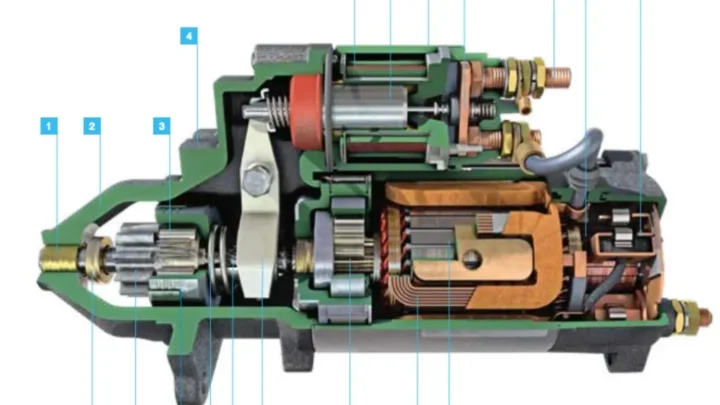
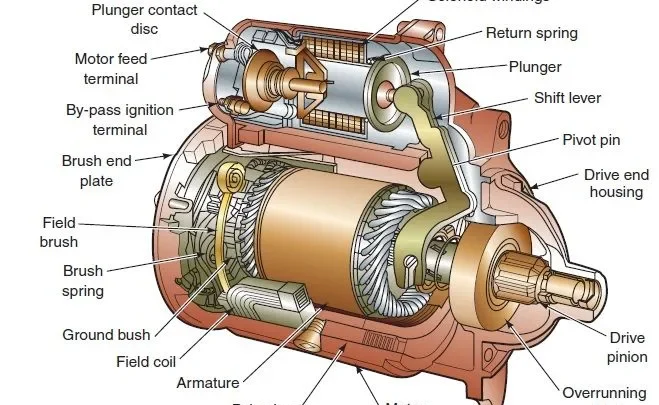
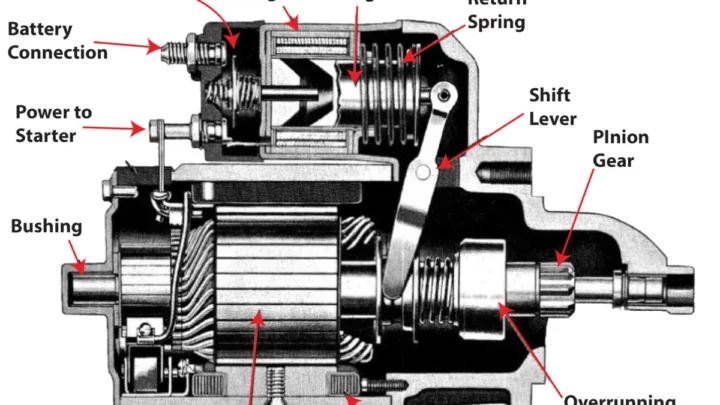
The alternator's job is simple to say and clever to build. It turns engine motion into electricity to charge your battery and run everything electrical while you drive. The serpentine belt spins its pulley, a rotor turns inside a stator, and that produces alternating current.
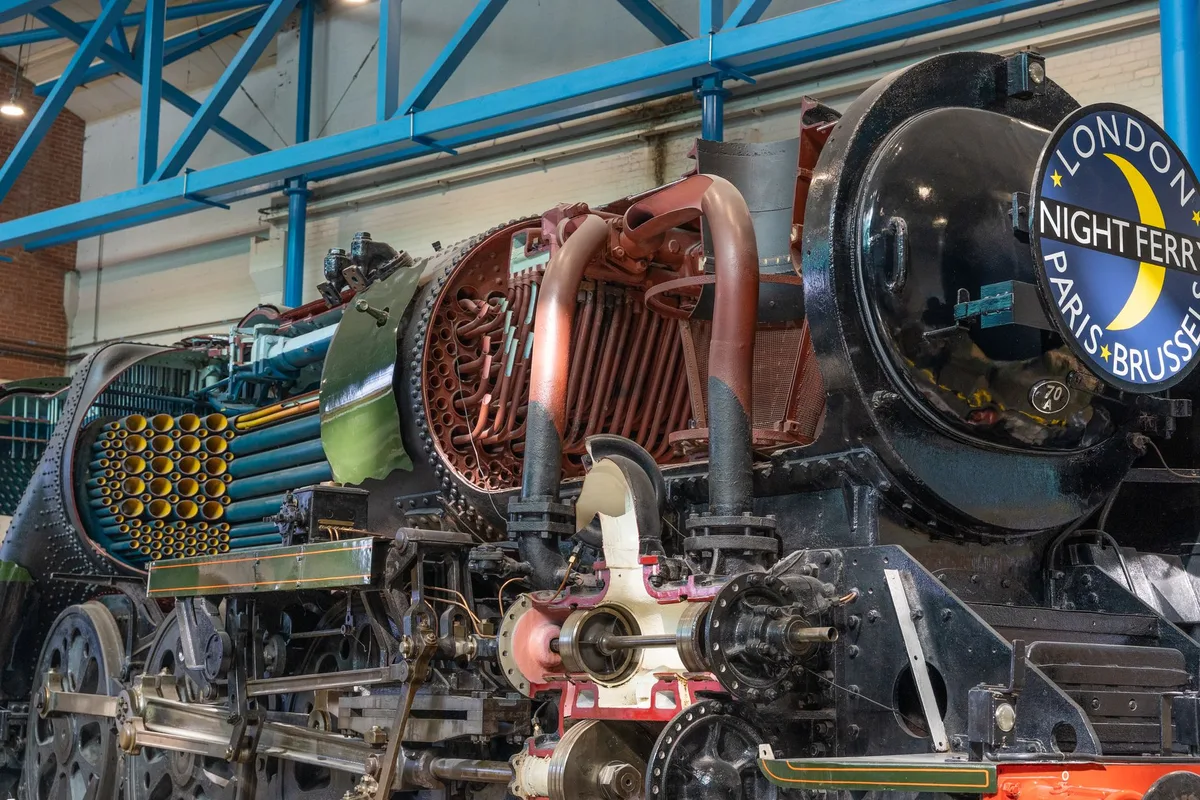
Cars need direct current, though, not AC. So a set of diodes, called the rectifier or diode bridge, converts it. A voltage regulator keeps the output steady in that 13.8 to 14.7 volt window so your battery charges without cooking.
Here's why the noise matters. Every one of those parts either spins or carries current, and each can whine in its own way:
- Bearings support the spinning rotor. Dry or worn, they whine or grind.
- The pulley (sometimes an overrunning clutch pulley) can rattle or whine when its clutch fails.
- Diodes convert AC to DC. One bad diode leaks AC ripple and you hear an electrical whine.
- The belt and tensioner drive the whole thing. Slipping or misaligned, they squeal.
When the charging system slips out of that healthy voltage band, other symptoms follow. You might notice dimming lights or a battery that struggles overnight. If your battery keeps going flat, our guide on the reasons a battery drains overnight walks through the usual culprits.
And if you want to confirm the alternator is actually charging, checking output with a meter is the reliable move.
The National Institute for Automotive Service Excellence, better known as ASE, sets the certification standard many trusted technicians hold, which is worth keeping in mind when you decide to hand the job off.
The Sounds and What They Mean
Your ears are the best first tool here. Different failures make genuinely different sounds. Once you learn to tell them apart, the diagnosis gets a lot easier.
Electrical Whine That Rises With RPM
This is the sound most people mean by alternator whine. It's a steady, high tone that climbs as you press the accelerator. It often gets worse when you switch on the headlights or AC.
The usual cause is a failing diode in the rectifier. A bad diode lets AC ripple slip through, and that ripple shows up as whine, sometimes even through your stereo. If the noise tracks electrical load, diodes are your prime suspect.
Confirming a bad ground can also help, since grounding faults produce similar symptoms.
Grinding or Growling From a Dying Bearing
A worn bearing sounds rougher and grittier than a clean electrical whine. Think low growl or grinding rather than a smooth tone. It usually gets worse as the alternator warms up and the metal expands.
Bearings carry the spinning rotor thousands of times a minute. When the grease breaks down, metal starts rubbing metal. Left alone, a seized bearing can throw the belt or lock the pulley entirely.
Squeal That Fades as the Engine Warms Up
This one usually isn't the alternator at all. A high squeal on cold start that quiets down after a few minutes almost always means the serpentine belt. Cold rubber slips, then grips better as it warms.
Common belt culprits include glazing, cracking, a weak tensioner, or a little oil contamination. The fix is often just a new belt or tensioner, which is far cheaper than a whole alternator. So don't skip this check.
Whine Bleeding Through Your Speakers
If you hear the whine in your audio and it changes pitch with the engine, that's textbook alternator whine. It rides in on the electrical system through a poor ground path or a leaky diode. Cars with aftermarket amplifiers are especially prone to it.
The fix is usually a ground loop isolator, a better ground connection, or repairing the alternator's diodes. A whine you only notice with the radio on is still a real electrical fault worth chasing.
Condition Variables: When and How the Noise Shows Up
The exact same whine means different things depending on when it happens. Timing is the biggest clue you have. Pay attention to the conditions and the diagnosis half solves itself.
Use this quick reference to match your situation:
| When the noise appears | Most likely cause | First thing to check |
|---|---|---|
| Rises and falls with RPM | Alternator bearing or diodes | Voltage and pulley by hand |
| Worse with lights/AC on | Failing diodes (AC ripple) | AC ripple with a multimeter |
| Cold start, fades when warm | Serpentine belt slipping | Belt condition and tensioner |
| Louder as engine heats up | Worn alternator bearing | Spin pulley, listen with stethoscope |
| Only through the speakers | Bad ground or diode leak | Ground connections, diode test |
Does It Change With Engine Speed?
If the whine climbs with RPM, the source is spinning with the engine. That points you straight at the alternator, its pulley, or another belt-driven accessory. A noise that stays flat regardless of revs is probably something else entirely.
Does It Get Worse Under Electrical Load?
Switch on your headlights, AC, and rear defroster one at a time. If the whine grows louder as you add load, the alternator is working harder and its diodes are struggling. That load-sensitive behavior is one of the clearest signs of an internal alternator fault.
Cold Start vs. Warm Engine
Cold start squeal that disappears is a belt story nine times out of ten. Noise that shows up only after the engine heats up leans toward a bearing. And if your car also fights to start on frigid mornings, cold-weather starting trouble can overlap with charging faults, so check the battery too.
Walking the Decision Tree: Pinpointing the Real Culprit
Now let's turn those clues into a confirmed answer. Work these tests in order and stop when one lands. Engine off for the hands, engine on only for the electrical checks.
The Hand-Spin and Stethoscope Test
With the engine off and cool, spin the alternator pulley by hand. A good bearing turns smooth and quiet. If you feel roughness, grinding, or wobble, the bearing is on its way out.
A mechanic's stethoscope makes this even clearer. Touch the probe to the alternator case while the engine idles. If the whine gets loud right there, you've found your source.
The Belt-Off and Spray-Water Tests
To rule the belt in or out, try the water test first. With the engine idling, mist a little water on the belt. If the squeal briefly changes or stops, the belt is slipping.
The belt-off test is more definitive. Remove the serpentine belt, then start the engine for just a few seconds. If the whine vanishes, the noise was belt-driven, not internal.
Voltage and AC Ripple Test With a Multimeter
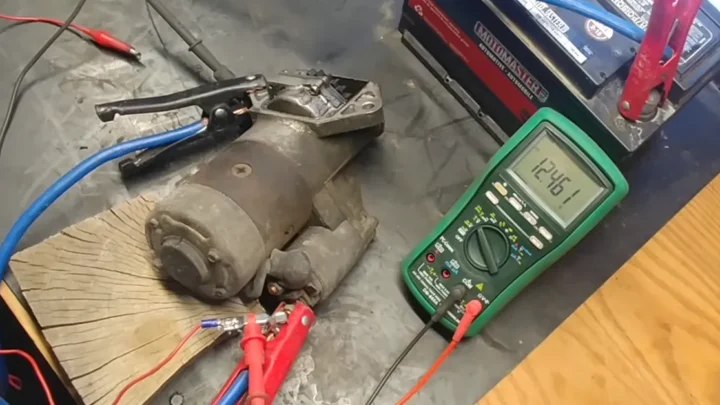
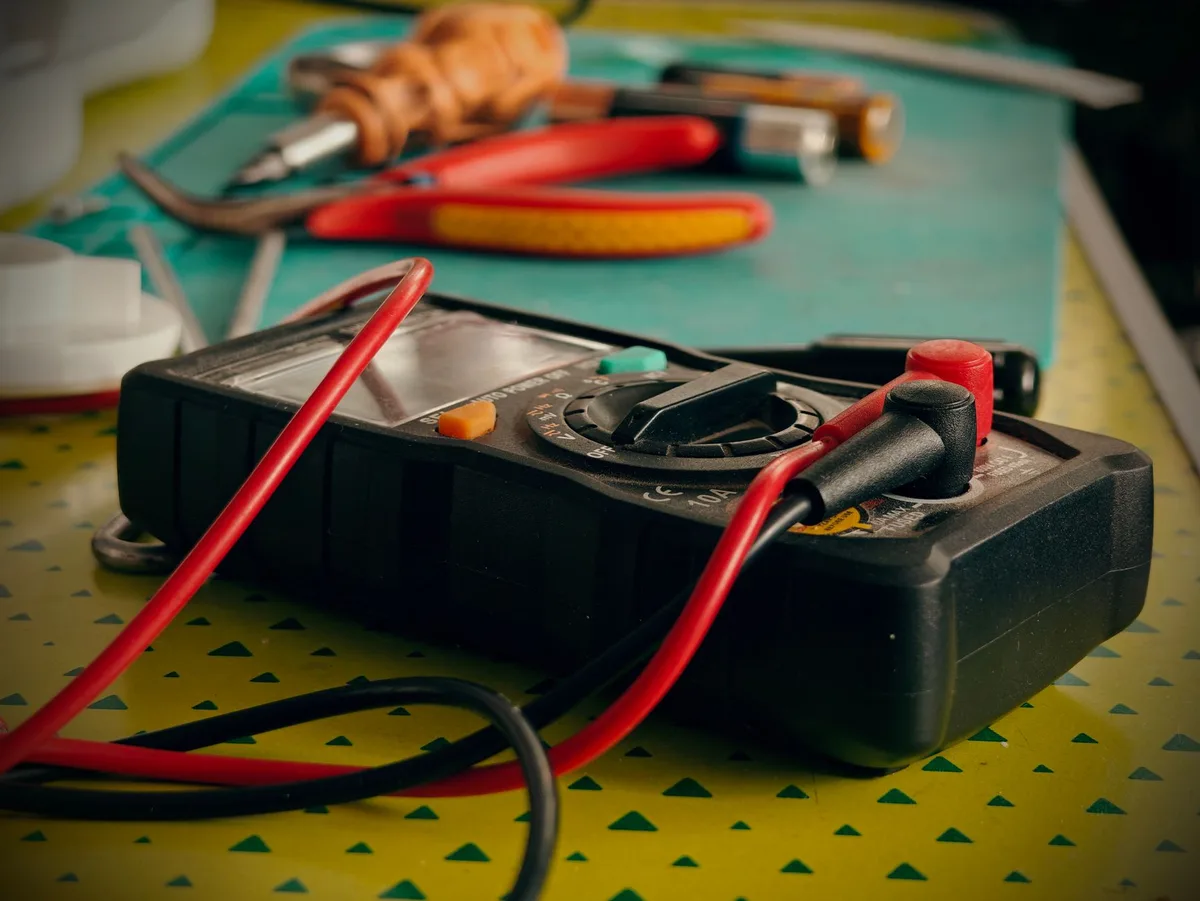
Grab a multimeter for the electrical side. Set it to DC volts and check across the battery with the engine running. You want 13.8 to 14.7 volts.
Anything outside that band flags a charging fault.
Then switch to AC volts on the same terminals. A healthy alternator reads only a few millivolts of AC. High AC ripple means a bad diode.
Our walkthrough on confirming alternator output covers the exact meter steps if you want them.
Alternator Bearing vs. Belt vs. Tensioner vs. Power Steering Pump
Not every front-of-engine whine comes from the alternator. Three other parts fake the same sound, and knowing the difference saves you money.

Here's how they compare:
| Source | Sound | Tell-tale sign | Typical fix |
|---|---|---|---|
| Alternator bearing | Growl or whine, worsens when warm | Rough pulley by hand | New alternator or bearing |
| Serpentine belt | Squeal, worst on cold start | Fades as engine warms | Replace belt |
| Belt tensioner/idler | Whine or rattle, steady | Bad pulley spins rough | Replace tensioner or idler |
| Power steering pump | Whine that spikes when turning | Loudest turning the wheel | Fluid or pump service |
The power steering test is the easiest. Turn the steering wheel while parked. If the whine jumps as you turn, the pump is talking, not the alternator.
For the tensioner and idler, spin each pulley by hand with the belt off. Any grinding or side-to-side play means that pulley is done. These parts are cheap and often overlooked.
Repair or Replace: Pulley, Belt, or the Whole Alternator
Your fix depends on which part failed. Don't replace the whole alternator when a belt or pulley solves it.
Similar Posts