Do I Have to Use Dexos Oil in My GM Car? The Real Answer
If you're wondering do I have to use Dexos oil in your GM car, the honest answer is: it depends on the year, the engine, and whether your powertrain is still under warranty. Most GM gasoline engines built from the 2011 model year forward were engineered around GM's Dexos1 specification. That's not marketing fluff.
It's a licensed lubricant standard written directly into GM's warranty language.
The current spec, Dexos1 Gen 3, sets strict limits on Low-Speed Pre-Ignition, oxidation resistance, and turbocharger deposit control. As of 2026, GM still requires a Dexos-licensed oil for full warranty coverage on any vehicle whose owner's manual calls for it. Below, we walk through exactly when Dexos is mandatory, when it's optional, and how to tell in about a minute.
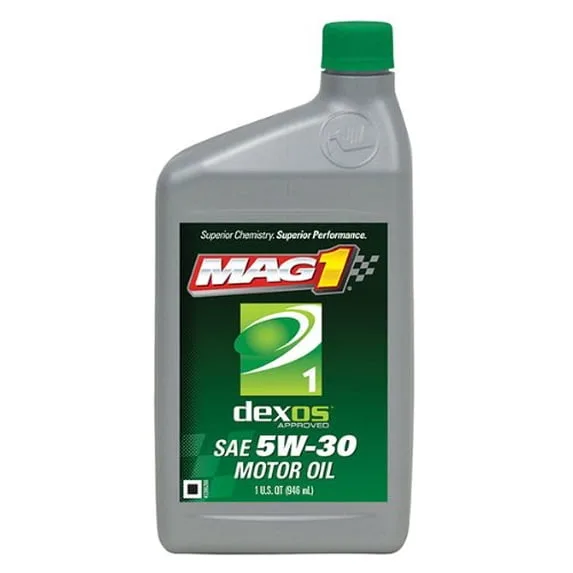
The Short Answer on Dexos Oil in Your GM
You must use Dexos oil if your GM owner's manual specifies it. That covers most GM gasoline engines from 2011 onward. Diesel light-duty pickups from 2017 forward need Dexos D.
Non-Dexos oil during the warranty period can trigger a claim denial on lubrication-related failures. Out-of-warranty vehicles have far more flexibility.
What Dexos Actually Is (and Why GM Created It)
Dexos is GM's proprietary engine oil specification. It launched in 2010 for the 2011 model year and sits on top of the standard API SP and ILSAC GF-6A categories. Oil brands pay a license fee to prove their formula meets GM's tighter internal limits.
The point wasn't to reinvent motor oil. It was to solve real problems GM was seeing in turbocharged, direct-injected engines. Baseline oils were letting deposits form on intake valves.
They were also allowing Low-Speed Pre-Ignition events that could shatter pistons.
Today the Dexos family covers four specs:
- Dexos1 Gen 3 for gasoline engines
- Dexos D for light-duty diesels
- Dexos R for high-output performance builds like the C8 Corvette
- Dexos2 for European-market GM engines, now being phased out
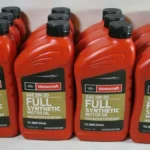
Every licensed bottle carries the Dexos trademark and a unique license number. That number is verifiable through GM's official gmdexos.com database. Anyone can look it up to confirm the product is genuinely approved.
Which GM Vehicles Actually Require Dexos
Not every GM vehicle needs Dexos. The requirement depends on model year, engine family, and fuel type. Your owner's manual is the final word.
Here's the plain breakdown.
Dexos1 Gen 3 for Gasoline Engines (2011 and Newer)
If you own a 2011 or newer Chevrolet, GMC, Buick, or Cadillac with a gasoline engine, Dexos1 is almost certainly required. That covers a huge chunk of the GM fleet:
- Chevy Silverado, Tahoe, Suburban, Traverse, Equinox, Malibu, Camaro
- GMC Sierra, Yukon, Acadia, Terrain
- Buick Enclave, Encore, Envision
- Cadillac Escalade, XT5, CT5, CT4-V
Viscosity varies by engine. The 5.3L and 6.2L V8s usually call for 0W-20. The 2.7L turbo four also runs 0W-20.
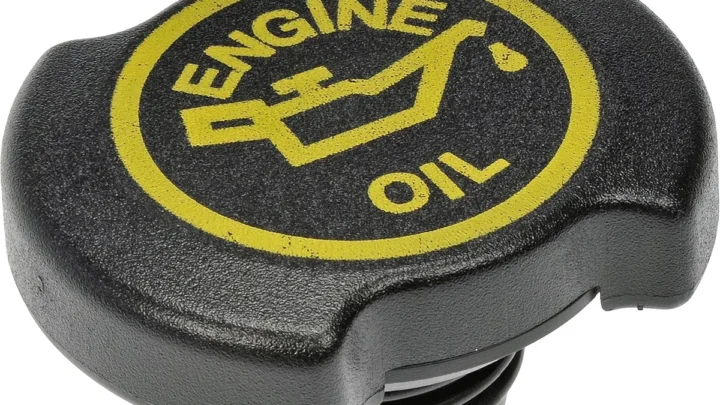
The older 3.6L V6 typically takes 5W-30. Your oil fill cap shows the exact grade.
Dexos D for Light-Duty Duramax Diesels
Dexos D is required on the 2016+ Chevy Colorado and GMC Canyon fitted with the 2.8L Duramax. It's also required on the 2020+ Silverado 1500 and Sierra 1500 with the 3.0L Duramax inline-six. Dexos D is a low-SAPS formulation built to protect the diesel particulate filter and SCR aftertreatment.
Standard Dexos1 will not satisfy this requirement.
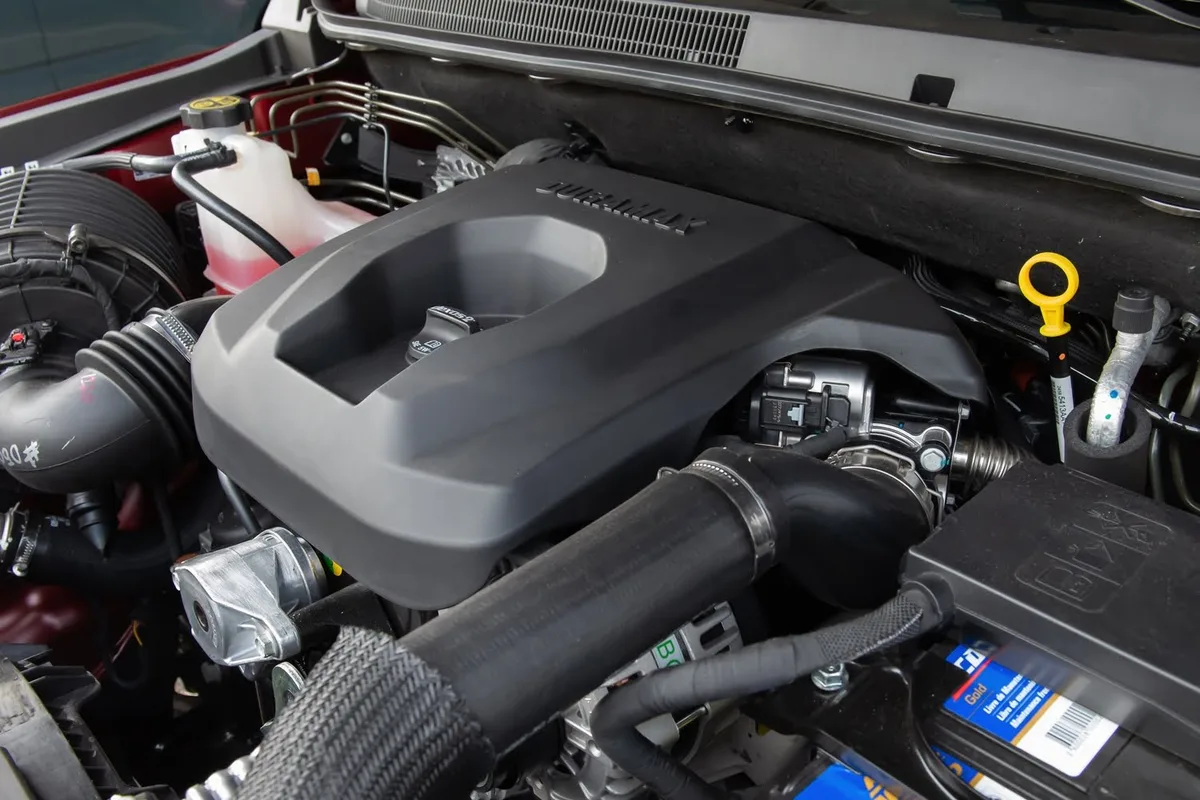
The heavy-duty 6.6L Duramax in the Silverado 2500/3500 uses a different rulebook. It typically calls for a CJ-4, CK-4, or FA-4 diesel oil rather than Dexos D.
Dexos R for Corvette and Performance Models
Dexos R is a newer spec aimed at high-output engines like the LT2 in the C8 Corvette Stingray. It carries stricter shear-stability, oxidation, and film-strength limits than Dexos1. If you drive a modern Corvette, your manual will name the exact Dexos R grade.
Running ordinary Dexos1 in these engines during warranty is a risk not worth taking.
How to Tell if Your Car Needs Dexos in Under 60 Seconds
You've got three fast checks. Any one of them will give you the answer.
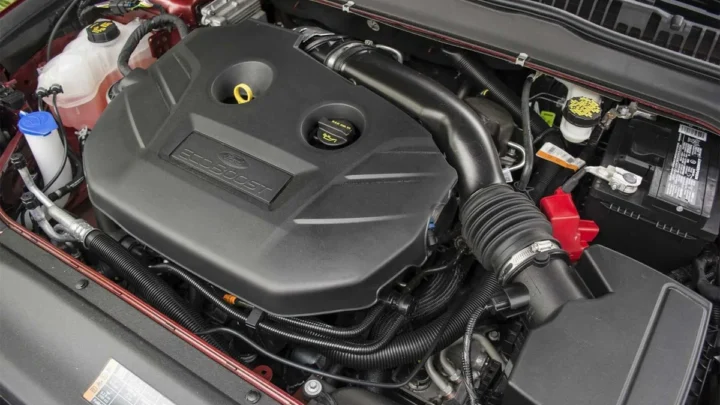
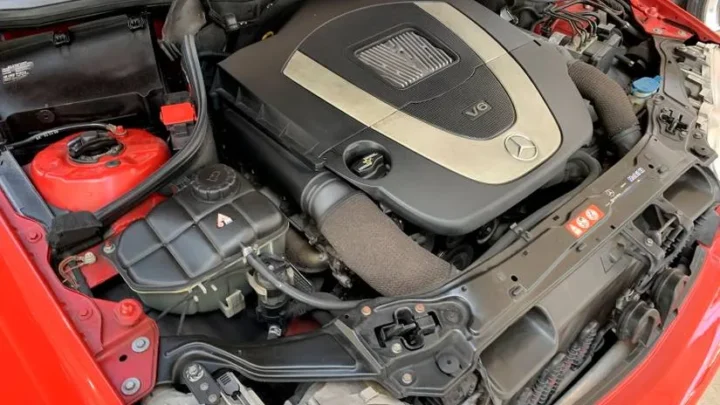
- Open the hood and look at the oil fill cap. GM stamps the required viscosity right on the cap. If it reads "Dexos" or shows the Dexos logo, you need Dexos.
- Flip to the maintenance section of your owner's manual. Search for "Dexos" or "engine oil." The requirement is spelled out plainly.
- Check the model year. A 2011 or newer GM gasoline vehicle still under factory warranty almost always requires Dexos1.
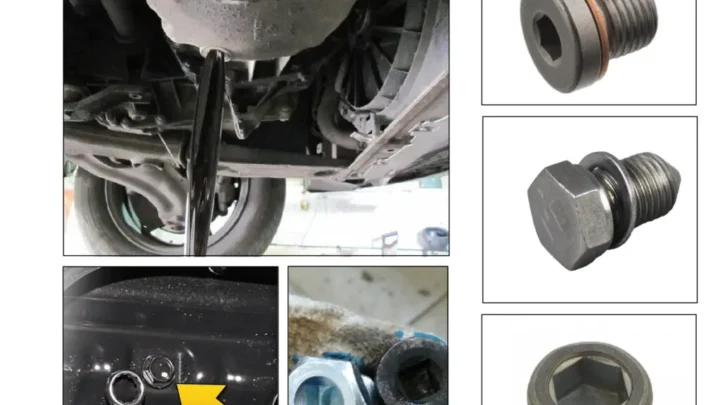
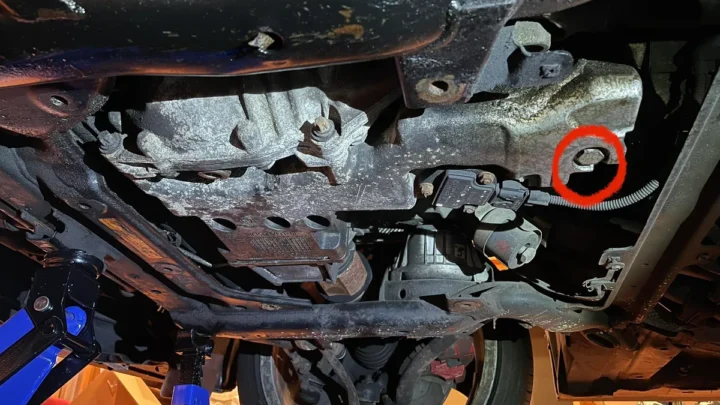
If you're new to under-the-hood work, our beginner's walkthrough for swapping fluids yourself shows exactly where to find the fill cap, the dipstick, and the drain plug on most engines.
The Warranty Question: What Happens if You Skip Dexos
This is where a lot of GM owners get bad advice. The Magnuson-Moss Warranty Act, a US federal law, prevents automakers from voiding your entire warranty simply because you used an aftermarket product. That much is true.
But it does not stop them from denying a specific claim if they can prove the aftermarket product caused the failure.
In plain terms: a dealer can tear down your engine, find LSPI damage or accelerated timing chain wear, and pull your service records. If those records show a non-Dexos oil, they have grounds to deny that repair.
The Federal Trade Commission publishes the official Magnuson-Moss guidance at ftc.gov. It confirms the burden of proof sits with the manufacturer. That burden is meetable, though, especially on documented lubrication failures where oil analysis and teardown photos exist.
The safest play during the powertrain warranty period (5 years or 60,000 miles on most GM vehicles) is simple. Run a licensed Dexos oil in the correct viscosity. Keep every receipt with the license number visible.
If you're buying used, our pre-purchase inspection checklist covers how to verify service history before you hand over money.
"Meets Dexos" vs Licensed Dexos: The Difference That Matters
You'll see two very different label claims on oil bottles. One says "Licensed by GM to meet Dexos1 Gen 3." The other says "Meets or exceeds Dexos requirements." Those are not the same thing.
A licensed oil has been submitted to GM, tested against the full protocol, and issued a license number. That number appears on the bottle. An unlicensed oil that "meets" the spec has skipped that certification step.
The chemistry may be identical, or it may not.
For warranty purposes, GM only recognises licensed products. Aggregate service-writer feedback confirms that dealers routinely check bottle photos and receipts when processing lubrication-related claims. If the label doesn't carry the official Dexos trademark plus a license number, expect pushback.
Amsoil Signature Series is the classic example. Its formulation reportedly exceeds Dexos1 Gen 3 limits on many bench tests. But Amsoil chooses not to pay GM's licensing fee.
That's a fine oil for an out-of-warranty vehicle. It's a risk during warranty.
When You Can Safely Use Non-Dexos Oil
Not every GM owner needs to keep buying Dexos-licensed oil forever. There are three clear scenarios where a non-Dexos synthetic that meets API SP and ILSAC GF-6A is completely reasonable.
Out-of-Warranty Vehicles
Once your factory powertrain warranty expires, the legal risk drops to zero. Any modern full synthetic meeting API SP and ILSAC GF-6A in the correct viscosity will protect the engine. You still want a quality full synthetic, not a cheap conventional.
But the license fee premium is no longer buying you anything.
Older Pre-2011 GM Cars
GM vehicles built before the 2011 model year were never designed around Dexos. Manuals for a 2008 Silverado or a 2005 Impala call for API SM or SL oil in the specified viscosity. Feeding those engines a Dexos-licensed synthetic is fine but overkill.
Specific High-Mileage Situations
Engines past roughly 100,000 miles often benefit from a high-mileage synthetic with added seal conditioners. Several high-mileage formulas are Dexos-licensed. Some are not.
If oil consumption has crept up on a well-worn LS or Ecotec, a quality high-mileage oil at the correct viscosity is usually the smarter pick.
Approved Dexos-Licensed Oil Brands Worth Buying
Plenty of major brands carry licensed Dexos1 Gen 3 SKUs. Availability varies by store, but the following are consistently stocked across North America.
| Brand | Common Dexos1 Gen 3 Product | Typical Viscosities |
|---|---|---|
| AC Delco | Dexos1 Full Synthetic | 0W-20, 5W-30 |
| Mobil 1 | Advanced Full Synthetic | 0W-20, 5W-30 |
| Pennzoil Platinum | Full Synthetic | 0W-20, 5W-30 |
| Valvoline | Advanced Full Synthetic | 0W-20, 5W-20, 5W-30 |
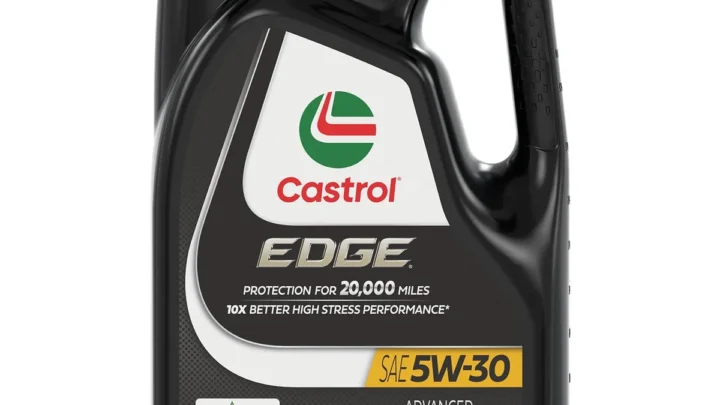
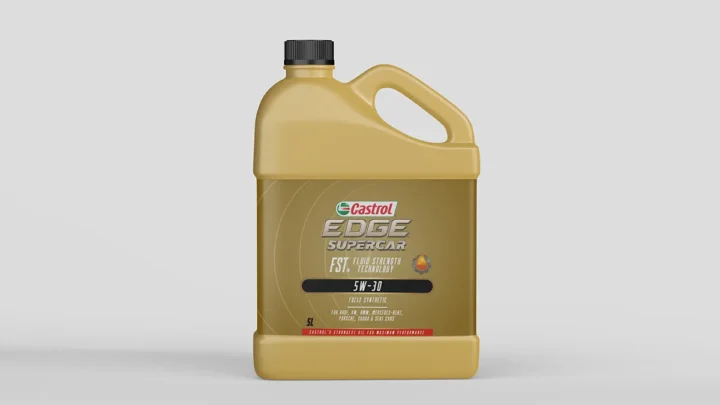
| Castrol Edge | Extended Performance | 0W-20, 5W-30 |
| Quaker State | Ultimate Durability | 0W-20, 5W-30 |
For Dexos D, the licensed options are narrower. AC Delco Dexos D, Mobil 1 ESP, and Valvoline Premium Blue are three of the most widely available choices. Always confirm the license logo appears on the specific bottle you're buying.
Some brands sell licensed and unlicensed variants of the same product name.
What LSPI Is and Why It Made Dexos Necessary
Low-Speed Pre-Ignition is an uncontrolled combustion event. It happens in turbocharged direct-injection engines when the air-fuel mixture ignites before the spark plug fires. The pressure spike can crack a piston ring land or hammer the connecting rod bearing.
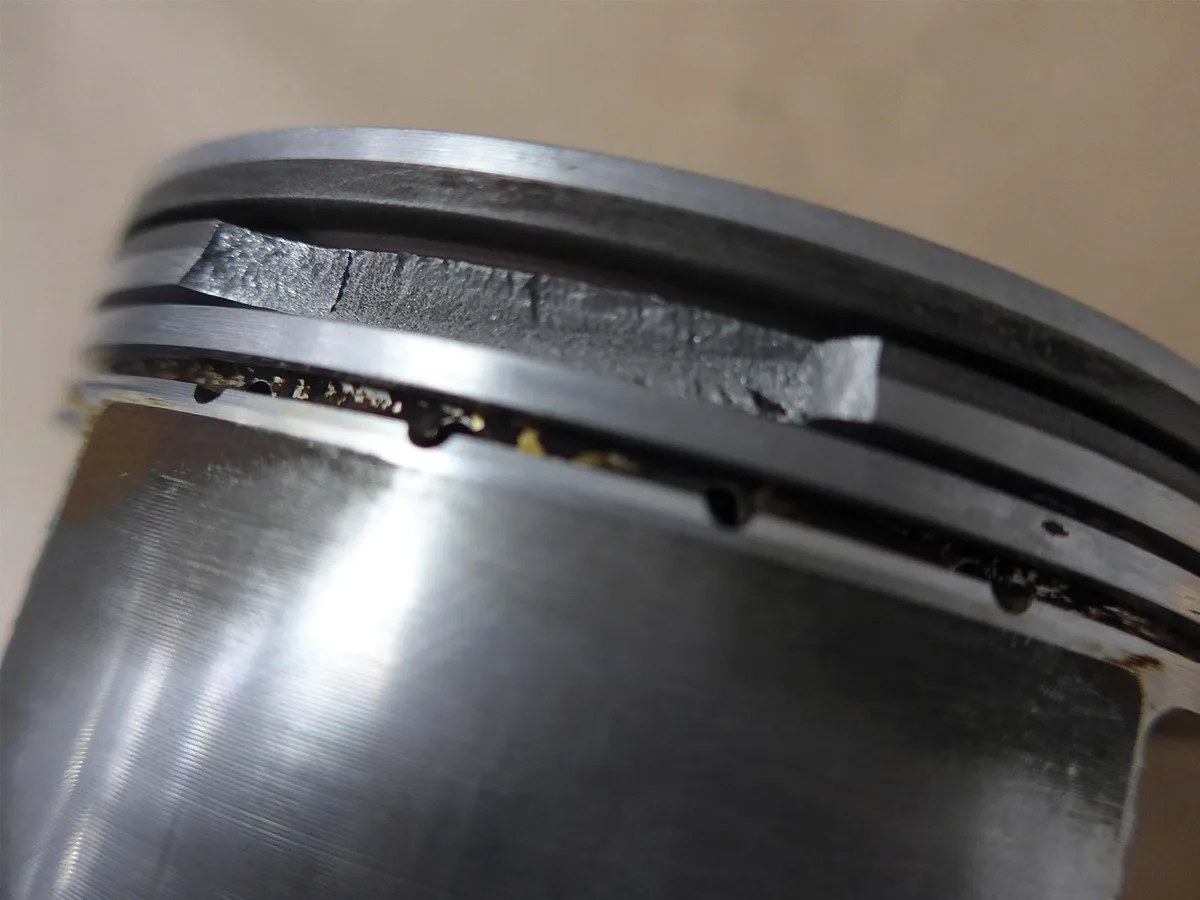
LSPI is heavily influenced by oil chemistry. Calcium-based detergents raise the risk. Magnesium-based detergents and specific molybdenum additives lower it.
When Dexos1 Gen 2 launched in 2018, it was the first mainstream spec with a hard LSPI test requirement.
Dexos1 Gen 3, released for the 2022 model year, tightened those limits further and added aeration and oxidation controls. A generic API SP oil passes a baseline LSPI test. A Dexos1 Gen 3 licensed oil has cleared a tougher one specific to GM's engine architecture.
In a 2.7L turbo Silverado or a 2.0L Cadillac CT4, that gap matters.
Mistakes GM Owners Make With Engine Oil
The most common errors in aggregate owner reports are simple and avoidable. Any one of them can trigger a warranty argument or shorten engine life.
- Buying by viscosity alone. A 0W-20 full synthetic isn't automatically Dexos. Check the logo.
- Mixing conventional oil into a Dexos-required sump. Even a quart top-off with the wrong product weakens the additive balance.
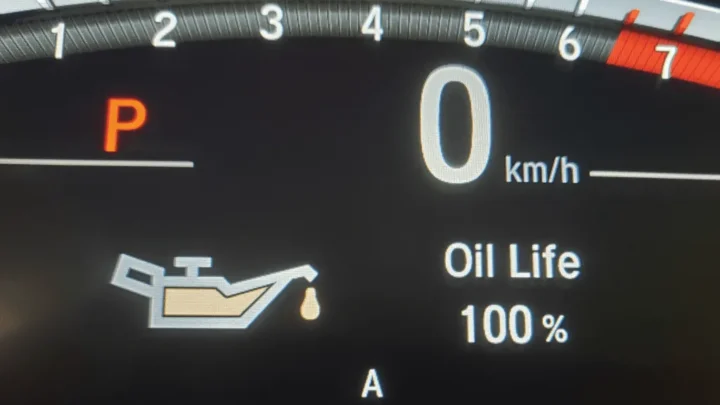
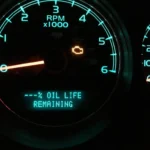
- Ignoring the Oil Life Monitor. The OLM adjusts drain intervals based on how the engine is actually driven.
- Assuming Dexos1 covers a Duramax diesel. It does not. Diesels need Dexos D or the correct heavy-duty diesel spec.
- Trusting "meets Dexos" claims during warranty. Only licensed products carry the trademark.
- Skipping receipts. Without documentation, you can't prove you used the correct oil if a dealer disputes a claim.
- Topping off from an unlabeled shop jug. If you can't verify what's in the container, don't add it to your engine.
A good habit is to snap a phone photo of the bottle label before every oil change. Save it in a folder with the date and mileage. That five-second step has resolved plenty of warranty disputes in the owner's favor.
Cost Difference Between Dexos and Standard Synthetic
Dexos licensing adds a small premium, but not as much as some owners assume. In our review of national retailer pricing as of 2026, a licensed Dexos1 Gen 3 full synthetic runs roughly $6 to $10 per quart depending on brand. A comparable non-licensed full synthetic sits around $5 to $8 per quart.

Similar Posts