How to Test a Car Battery Without a Multimeter
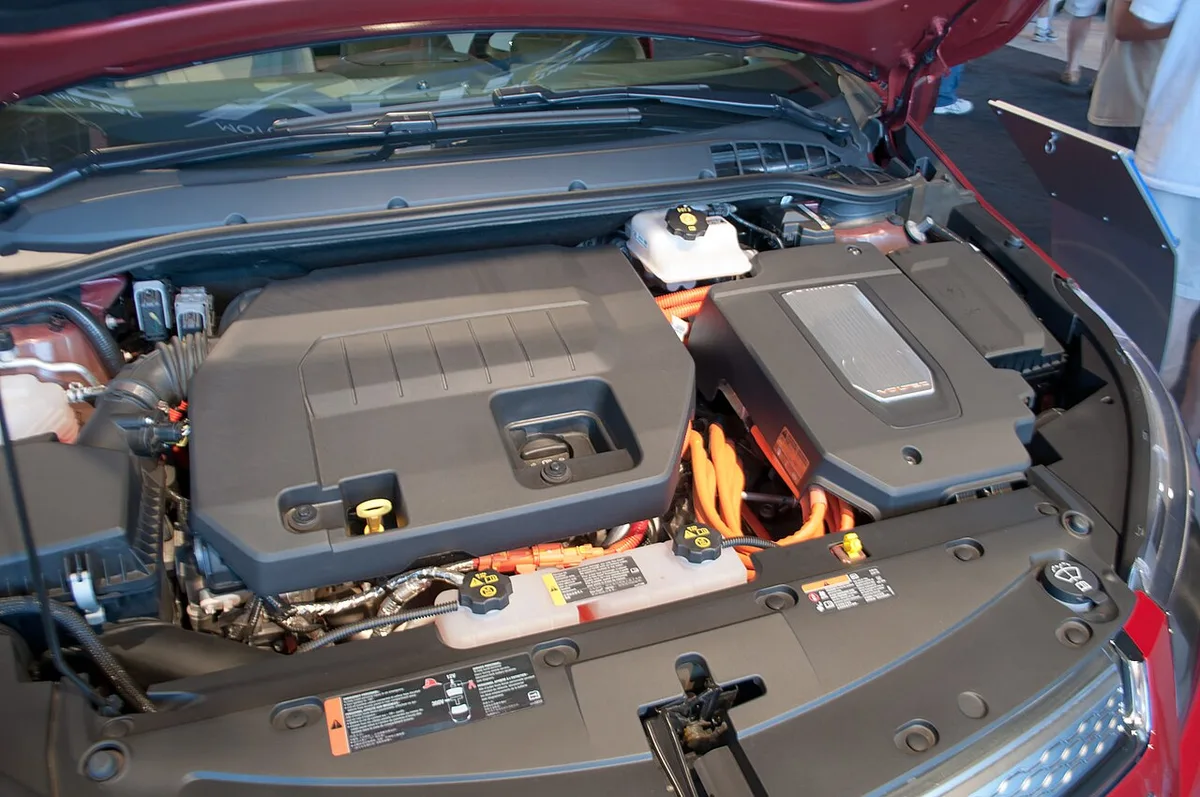
Your car won't start, the tools are nowhere in sight, and you just need to know if the battery's to blame. Good news: figuring out how to test a car battery without a multimeter is easier than most people think. A set of headlights, your own ears, and maybe a second car will tell you most of what you need to know.
It won't be lab-precise, but it points you in the right direction fast.
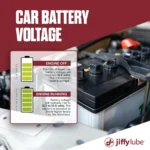
A healthy 12-volt starter battery rests near 12.6 volts when fully charged, and drops to around 12.2 volts at half charge. You can't read those exact numbers without a meter. What you can spot is the battery buckling under load, which is where the real clues hide.
Let's start with why the battery is often the first suspect.
Quick Answer
To test a car battery without a multimeter, use the headlight test. Turn the headlights on without starting the engine. Then crank the engine and watch the beams.
If they dim sharply, the battery is weak. A jump-start that fixes the problem also confirms a bad battery.
Why Your Car Battery Might Be the Problem (and How You'd Even Know)
The battery does one big job at startup. It dumps a huge burst of current into the starter motor. When it can't deliver that burst, you get the classic warning signs.
Here's what a weak or dying battery usually looks like:
- A slow, lazy crank when you turn the key
- A single click, or rapid clicking, with no start
- Headlights and dash lights that look dim
- The radio or clock resetting itself
- Needing a jump-start more than once in a week
If the car cranks fine but dies right after, that leans more toward the alternator or fuel system than the battery. And if you want a precise number later, a full meter-based check is the only way to nail down the exact charge. For now, the no-tool tests below will get you a clear yes or no.
The Fastest Way to Check a Battery With No Tools On Hand
The quickest test needs nothing but your key and your eyes. You've got four solid options, and each fits a different situation.
- The headlight test: watch your beams while you crank.
- The crank test: listen to how the engine turns over.
- The jump-start test: use a donor car to confirm the diagnosis.
- The built-in charge eye: read the little indicator on top of some batteries.
None of these give you a voltage number. They give you something more useful in a pinch: proof the battery either holds up under load or folds. If you later want an exact resting-voltage reading, that takes a meter and a few minutes.
Out here in the driveway, these four tests do the job.
What's Actually Happening Inside a Weak or Dead Battery
A car battery makes power through a reaction between lead plates and sulfuric acid electrolyte. When the battery discharges, that reaction winds down, and the plates coat with lead sulfate. A charged, healthy battery has clean plates and dense electrolyte.
Every no-tool test works by loading the battery and watching how it reacts. A good battery holds its output steady under a heavy pull. A weak one sags the moment the starter kicks in.
This chemistry also explains the safety part. Charging and cranking release hydrogen gas, which is flammable, and the electrolyte can burn skin and eyes. Federal workplace guidance from OSHA treats lead-acid batteries as a spark and acid hazard for good reason.
Keep flames away, and don't lean over the battery while someone cranks it.
Before You Test: Conditions That Change Which Method to Use
The right test depends on what you've got on hand. Run through this quick logic before you start.
- If the car won't crank at all, start with the headlight test or a jump-start.
- If it cranks slowly, the crank test tells you the battery is weak but alive.
- If you have a second working car, the jump-start test is the clearest confirmation.
- If your battery has a small round window on top, check the charge eye first.
Here's a simple match-up to keep it straight:
| Your Situation | Best No-Tool Test | What It Tells You |
|---|---|---|
| No spare car, key in hand | Headlight test | Battery holds up under load or not |
| Slow, groaning crank | Crank test | Battery is weak, not fully dead |
| A donor car is available | Jump-start test | Confirms battery vs. other faults |
| Battery has an indicator eye | Charge eye check | Rough state of charge at a glance |
One prep step matters for all of them. Let the car sit with the engine off for a bit first. A battery that was just driven carries a surface charge that can fake a healthy reading.
When you want the real story with numbers, a proper load test with a meter removes that guesswork.
The Headlight Test: What Dimming Lights Really Tell You
The headlight test is the fastest read on whether your battery can handle a heavy load. Bright, steady beams that barely flinch mean the battery still has muscle. Beams that collapse to a dull glow when you crank mean it's running out.

Here's how to run it:
- Park where you can see the headlights, like facing a garage door or wall.
- Turn the ignition to accessory mode, engine off, and switch the headlights on.
- Watch the brightness for a few seconds. They should look strong.
- Crank the engine while keeping an eye on the beams.
- Read the result using the guide below.
What the beams are telling you:
- Bright and steady through the crank: battery is likely fine, look elsewhere.
- Slightly dim, then recovers: battery is a bit low but probably usable.
- Drops to very dim or nearly off when cranking: weak battery, likely failing.
- No lights at all: fully dead battery or a bad connection at the terminals.
This test measures behavior under load, not exact charge, so treat it as a strong hint. If the lights barely dim yet the car still won't start, your issue may be the starter or a corroded terminal. To put a real amperage figure behind the diagnosis, measuring the cranking amps draw with a meter is the next step.
The Crank Test: Reading the Sound Your Engine Makes
The crank test uses the one tool you always have: your ears. A strong battery spins the starter fast and even, with a quick "rrr-rrr-vroom." A weak battery drags, and the crank slows to a "rrr…rrr…rrr" before it gives up.
Listen for these patterns:
- Fast, healthy crank: battery is delivering full current.
- Slow, labored crank: battery is low but still has some charge.
- Single loud click: often a battery too weak to turn the starter.
- Rapid machine-gun clicking: classic sign of a badly drained battery.
A slow crank on a cold morning that clears up by afternoon usually means a battery near the end of its life. Cold thickens everything and saps output. If the crank sounds strong yet the car won't fire, the battery is probably fine and something else is off.
The Jump-Start Test: Using a Second Car to Confirm
A jump-start is the clearest no-tool confirmation you can run. If jumper cables bring the car to life, the battery was the weak link. Simple as that.

Connect the cables in the right order to stay safe:
- Red clamp to the dead battery's positive post.
- Red clamp to the donor battery's positive post.
- Black clamp to the donor battery's negative post.
- Black clamp to a bare metal ground on the dead car, away from the battery.
Now read the outcome:
- Starts right up: your battery was drained or weak.
- Starts, then dies once you unhook the cables: the battery can't hold a charge.
- Won't start even with a good jump: look at the starter, connections, or fuel system.
If it fires up, let the car run for 20 to 30 minutes so the alternator can recharge the battery. Then watch whether it starts on its own next time.
The Built-In Charge Indicator Eye and What Each Color Means
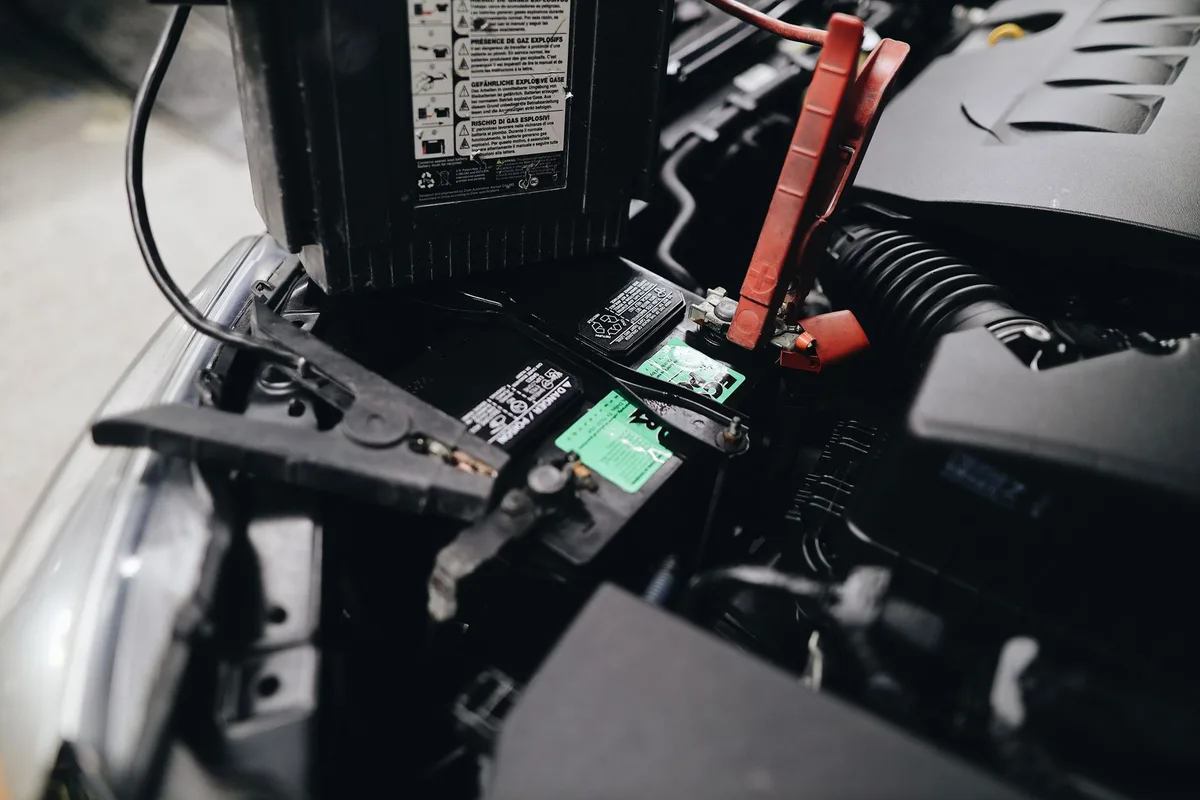
Some maintenance-free batteries have a small round window on top called a charge indicator eye. It's a tiny built-in hydrometer that floats a colored ball to show rough state of charge. One glance gives you a ballpark reading with zero tools.
Green, Dark, and Clear: Decoding the Reading
Green means the battery holds a good charge and enough electrolyte. Most makers use green as the "you're fine" signal. Give the case a gentle tap first, since bubbles can throw off the color.
Here's the standard color code:
| Indicator Color | What It Means | What To Do |
|---|---|---|
| Green | Good charge, healthy fluid | Battery is fine, test elsewhere |
| Dark or black | Low charge | Recharge and retest |
| Clear or yellow | Low electrolyte level | Replace the battery, don't charge it |
That clear or yellow reading is the one to respect. Low electrolyte means the battery is worn out or damaged. Charging it at that point can be dangerous, so plan on a replacement.
The Hydrometer Method for Serviceable Batteries
A hydrometer test works only on batteries with removable cell caps, not sealed ones. It measures the specific gravity of the electrolyte, which maps directly to charge. This is the most accurate no-multimeter option you'll find.
Specific Gravity Numbers Worth Knowing
A fully charged cell reads about 1.265 specific gravity. A discharged one drops near 1.120. You draw electrolyte into the float-style tool and read where it settles.
Keep these reference points handy:
- 1.265 or higher: fully charged
- 1.225: roughly 75 percent charged
- 1.190: about 50 percent, time to recharge
- 1.120: nearly dead
Test every cell and compare. If the spread between your highest and lowest cell tops 0.050, you likely have a dead or shorted cell, and the battery is done. Wear gloves and eye protection, since you're handling acid.
A meter-based load test still gives cleaner data, but the hydrometer is the gold standard with no electronics at all.
Battery or Alternator? Telling the Two Apart Without Tools
The fastest way to separate a battery fault from an alternator fault is the jump-and-remove trick. Jump-start the car, then unhook the cables while it idles. If it keeps running, the alternator is charging and your battery was the problem.
Use this quick logic:
- Dies the moment you remove the cables: bad battery or bad alternator, keep testing.
- Keeps running after removal, but won't restart later: weak battery.
- Dims lights and stalls while driving: leans toward a failing alternator.
- Battery warning light glowing on the dash: charging-system issue, likely the alternator.
One more clue lives in the timing. A battery problem shows up mostly at startup. An alternator problem shows up while the car runs, with flickering lights or slow electronics.
Match the symptom to the timing and you'll usually pick the right culprit.
Match the Symptom to the Test: A Quick Decision Guide
Not sure which test to grab first? Start with the symptom, then follow it to the fastest confirmation.
| Symptom | Run This First | If It Fails |
|---|---|---|
| Nothing happens on key turn | Headlight test | Jump-start test |
| Slow, groaning crank | Crank test | Jump-start test |
| Starts, then dies right away | Jump-start test | Suspect alternator |
| Dash battery light on | Alternator check | Get charging tested |
| Removable caps on battery | Hydrometer test | Replace if cells vary |
Work top to bottom. The moment two tests point the same way, you've got your answer. That's usually enough to decide between recharge, replace, or look past the battery.
Mistakes That Give You a False Reading
The biggest error is testing right after a drive. That surface charge masks a weak battery and shows false strength. Let the car rest for at least an hour, ideally overnight, before you trust any reading.
Watch out for these traps too:
- Blaming the battery when corroded terminals are the real block.
- Loose clamps that mimic a dead battery. Wiggle them first.
- Reading the charge eye without tapping off trapped bubbles.
- Assuming a jump-start proves a healthy battery. It only proves the car can start once.
Clean off any white or blue-green crust on the posts before testing. A corroded connection chokes current and fakes battery failure. A wire brush and a baking-soda paste clear it fast.
Safety Rules Before You Touch That Battery
Car batteries hold acid and vent hydrogen gas, so a few rules matter. No sparks, no flames, and no smoking anywhere near the battery. Hydrogen ignites easily, and a battery can rupture.
Keep these front of mind:
- Wear eye protection and gloves, especially with a hydrometer.
- Never lay a metal tool across both terminals. That's a dead short.
- Connect jumper cables in the correct order, ground last.
- If electrolyte hits skin or eyes, flush with water and get help.
A swollen or bulging case means stop. That battery is failing and can leak or burst. Don't charge it, and handle it as little as possible.
When to Stop Testing and Get It Checked Professionally
Call in a pro when your no-tool tests disagree or point nowhere. If the car cranks strong but won't start, the fault is likely outside the battery. A shop can pinpoint the starter, alternator, or wiring quickly.
Get professional help if you see any of these:
- A battery over 5 years old that keeps dying.
- Repeated jump-starts within a few days.
- A dash battery light that stays lit while driving.
- Any acid leak, bulging case, or burning smell.
Most auto-parts stores run a free load test with a carbon pile tester in minutes. That gives you real cold-cranking-amp numbers no home test can match. It's worth the short trip before buying a new battery you may not need.
How Climate and Battery Age Change What You'll See
Cold and heat both attack batteries, just differently. Cold slows the chemical reaction and cuts cranking power, so a marginal battery fails first on frosty mornings. That slow winter crank is often your earliest warning.
Heat is sneakier. It evaporates electrolyte and speeds internal wear, which shortens overall life. A battery in a hot climate may last closer to 3 years, while a mild climate can stretch it toward 5 or 6.
Age stacks on top of it all. As of 2026, most starter batteries still run a 3 to 5 year service window. Once yours passes the 4-year mark, treat every slow crank as a signal to test sooner.
Frequently Asked Questions
Can I test a car battery with just my headlights?
Yes. Turn the headlights on with the engine off, then crank. If the beams dim sharply during cranking, the battery is weak.
Bright, steady beams point to a healthy battery and a problem somewhere else.
Does a jump-start prove my battery is bad?
Not fully. A jump-start proves the car can start once, but not that the battery holds a charge. If it dies again after unhooking the cables, the battery can no longer hold power and needs replacing.
How can I tell a bad battery from a bad alternator?
Battery faults show up at startup, alternator faults show up while driving. Jump the car, then remove the cables at idle. If it keeps running but won't restart later, the battery is the weak link.
What does the color in the battery eye mean?
Green means a good charge. Dark or black means low charge, so recharge it. Clear or yellow means low electrolyte, which signals a worn-out battery you should replace instead of charging.
Your No-Multimeter Battery Test Game Plan
Start simple. Match your symptom to the fastest test, headlights or crank for a no-start, jump-start when a donor car is handy. Two tests pointing the same way give you a confident answer.
If the battery is over 4 years old and keeps dying, plan on a free load test at a parts store before buying. Stay safe, keep sparks away, and you'll sort the battery from the alternator without ever opening a toolbox.

Similar Posts