Can You Drive With a Bad Alternator? What to Know

Yes, you can drive with a bad alternator, but only for a short window. Once the alternator quits, your car runs entirely on whatever charge is left in the battery. That reserve drains fast, and when it's gone, the engine stalls and won't restart.
So the real question isn't "can you," it's "how far, and is it safe?"
A healthy charging system holds voltage between 13.5V and 14.7V at the battery, per SAE electrical guidelines. Once the alternator fails, that number slides toward 12V and keeps falling under load. As of 2026, most modern cars pile on electrical demand from computers, pumps, and sensors, which shortens your window even more.
Here's exactly what happens and how to make a smart call.
Quick Answer
You can drive with a bad alternator for roughly 30 to 60 minutes on a full battery. Once the alternator fails, the battery powers everything alone. Voltage drops steadily, then the car stalls and won't restart.
Night driving, heater use, and a weak battery cut that time sharply. Treat every trip as short and get straight to a repair shop.
What a Failing Alternator Actually Does to Your Car
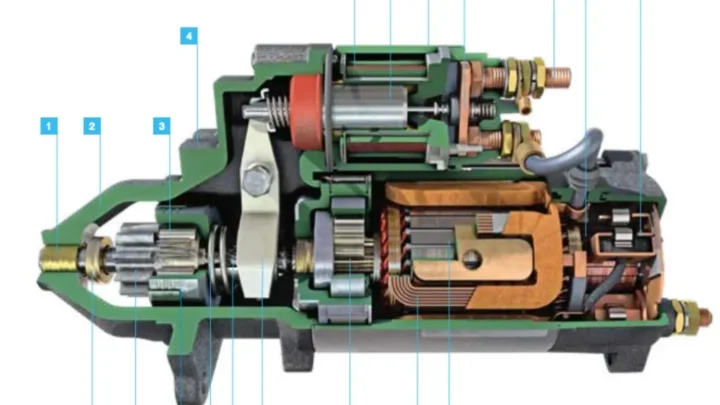
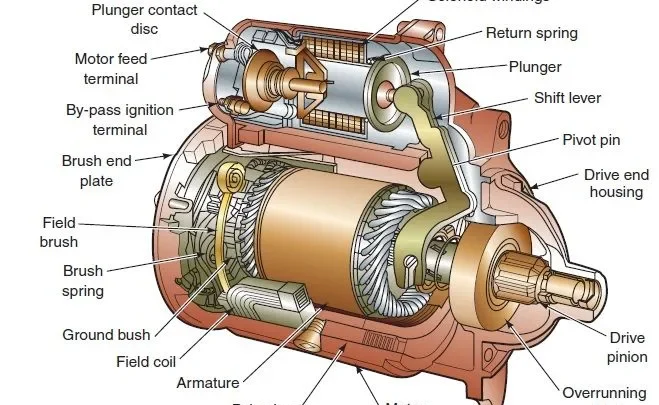
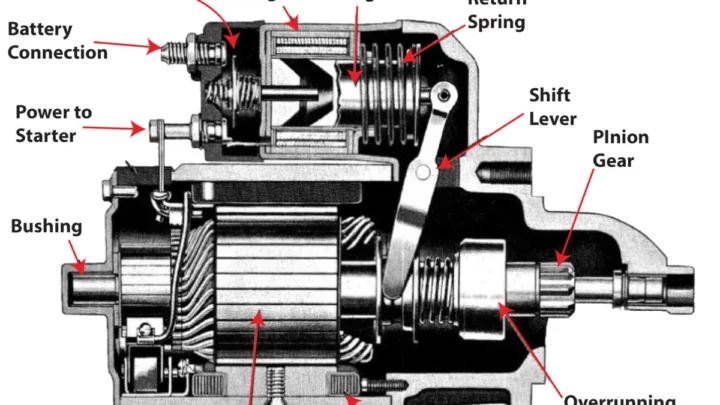
The alternator is your car's onboard generator. Once the engine runs, it powers every electrical system and recharges the battery at the same time. The battery's real job is just to start the engine.
After that, the alternator takes over.
When the alternator goes bad, that handoff never happens. Your car keeps pulling power, but nothing refills the tank. The battery slowly empties like a phone with no charger plugged in.
Here's the order things usually fail as voltage drops:
- Infotainment, radio, and charging ports cut out first
- Dashboard and headlights dim or flicker
- The heater blower and power windows slow down
- Fuel pumps and ignition lose steady voltage
- The engine stalls, and the starter won't crank
Some drivers confuse this with a dead battery. They're related but different. A bad alternator drains a good battery, while a bad battery can't hold what a good alternator gives it.
If your alternator charges but the battery still dies, the problem may sit between the two.
The Warning Signs That Tell You It's the Alternator
The clearest sign is the battery-shaped warning light on your dash. Despite the name, that light usually points to the charging system, not the battery itself. If it glows while you're driving, the alternator is a prime suspect.

Watch for these symptoms, especially when a few show up together:
- Dim or flickering headlights, worse at idle
- A whining or grinding noise from the front of the engine
- A faint burning-rubber smell from a slipping belt
- Dead accessories: slow windows, weak blower, cutting radio
- A slow crank or a click when you try to restart
Alternator vs. Battery vs. Starter: Telling Them Apart
Start with the simplest test. If the car cranks slow or clicks and won't turn over at all, that points to the battery or starter. A rapid clicking sound at startup usually means the battery can't deliver enough current to spin the starter.
The alternator is different. Cars with a bad alternator often start fine on a fresh charge, then die minutes later once the battery drains. Use this quick guide.
| Symptom | Most Likely Cause |
|---|---|
| Won't crank, dash lights strong | Starter |
| Slow crank, dim dash on start | Battery |
| Starts fine, then stalls while driving | Alternator |
| Battery light on while driving | Alternator / charging system |
| Dies overnight, fine in the day | Parasitic drain or battery |
If the car keeps dying after sitting, the issue may be a hidden drain pulling power overnight rather than the alternator.
How Long You Can Really Drive Before the Battery Dies
On a fully charged, healthy battery, expect about 30 to 60 minutes of driving once the alternator fails. That's the realistic range in daylight with minimal accessories running. It's an estimate, not a promise.
The number falls fast when the battery is old or already low. A weak battery might give you 5 to 15 minutes. And every electrical load you add pulls that window shorter.
A standard car battery holds only so much reserve. The reserve capacity rating tells you how many minutes it can supply a steady draw before it's flat. Older batteries lose reserve as they age, which is why a marginal battery strands people so quickly.
One rule matters above all: don't switch the engine off. If you stall or shut down, the battery may not have enough left to restart. A car that stops on a failing alternator often stays stopped until it's towed or jumped.
The Conditions That Change Your Answer
This is where a flat "yes" or "no" falls apart. Your safe driving window depends on a handful of real-world factors. Run through them before you decide to move the car.
Day vs. Night Driving
Headlights are one of the biggest electrical drains on the car. Driving at night forces you to run them, which eats your reserve much faster. If it's dark, cut your expected range roughly in half and plan for a very short trip.
Daytime driving is far more forgiving. You can legally run with lights off and save that power for ignition and fuel delivery. If you have a choice, wait for daylight.
Short Local Hop vs. Highway Run
A two-mile trip to a nearby shop is a reasonable gamble on a good battery. A highway run is not. Stalling at 65 mph is dangerous, and you lose power steering and brake assist the moment the engine quits.
If the fix is more than 15 minutes away, call for a tow instead. The cost of a tow beats the cost of a highway breakdown every time.
Battery Health and Charge Level
A newer, fully charged battery buys you the most time. A tired one that already struggles to start gives you almost nothing. If your battery won't hold a charge, assume the shortest possible window.
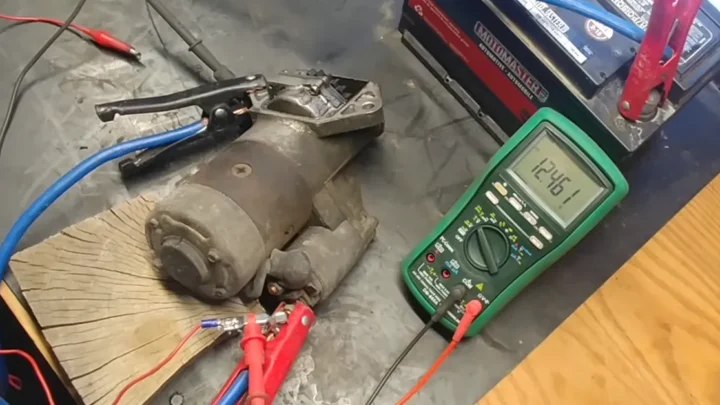
You can check the state of charge with a basic multimeter before you drive. Anything reading well under 12.4V at rest means you're starting from behind. The National Highway Traffic Safety Administration treats stalling and loss of steering as serious safety hazards, so lean cautious when the numbers look weak.
Should You Drive It or Call a Tow? A Simple Decision Guide
Here's the fastest way to decide. Match your situation to one of these branches and act on it.
- If the shop is under 15 minutes away, it's daytime, and the battery is fresh, drive it. Go straight there without stopping.
- If it's night, raining, or the trip involves a highway, call a tow. Loss of power at speed isn't worth the gamble.
- If the battery is old or already reads low, don't risk it. Get a jump or a tow.
- If the car already stalled once, stop trying to nurse it. It likely won't restart on its own.
The math is simple. A tow costs less than a collision or a stall in live traffic. When in doubt, park it and make the call.
One more branch worth flagging. Idling in place to "charge back up" won't save you here. A failing alternator can't recharge the battery, so sitting at idle does nothing but burn your remaining reserve.
How to Stretch Your Range If You Have to Drive
If you've decided to drive, your goal is simple: use as little electricity as possible. Every device you switch off leaves more power for ignition and the fuel pump. That's what keeps the engine alive.
Shedding Electrical Load the Right Way
Turn things off in order of how much they draw. Kill the biggest drains first and you'll noticeably extend your window.
- Air conditioning and the heater blower motor
- Heated seats, heated mirrors, and rear defroster
- Radio, infotainment screen, and phone chargers
- Interior lights and any accessory plugs
- Headlights, but only if it's daytime and legal
Keep the engine running the entire time. Roll windows down instead of using the A/C. Skip the extras and drive straight to your destination with a light electrical footprint.
One caution: don't strip so much that you break the law. Working headlights and taillights are required after dark, so those stay on at night even though they cost you range.
When Driving Becomes a Genuine Safety Hazard
Driving on a bad alternator turns dangerous the moment core systems fade. When voltage collapses, the engine can stall without warning. That's the real risk, not the inconvenience.
Two things fail fast when the engine dies mid-drive. You lose power steering, so the wheel turns heavy and stiff. You also lose brake booster assist, meaning the pedal gets hard and takes far more force to stop.
That combination is worst at speed or in traffic. Stalling at a busy intersection leaves you steering a heavy car with weak brakes. On a highway, it's genuinely serious.
If the wheel suddenly stiffens or the dash flickers hard, treat it as a warning. Signal, pull over somewhere safe, and put your hazards on. Don't push a dying car into a spot where stopping puts you in danger.
Mistakes That Leave People Stranded
Most alternator breakdowns turn into full strandings because of avoidable errors. Here are the ones our research sees most often.
- Turning the engine off to "rest" it. The battery may not restart it.
- Trying a long or highway trip instead of the nearest shop.
- Ignoring the battery light for days until the car dies.
- Assuming a jump-start fixes it. A jump only masks the problem for minutes.
- Blaming the battery and swapping it, when the alternator is the real fault.
That last one is common. People buy a new battery, drive off, and stall again within the hour. If a fresh battery keeps dying overnight or right after a drive, look at the charging system, not the battery.
Another trap: running errands with the light on. Each stop-and-start burns cranking amps you can't replace. Every restart is a roll of the dice on a draining battery.
What a Multimeter Test Tells You in 60 Seconds
A multimeter confirms a bad alternator in under a minute. It's the single most useful check you can run, and it removes the guesswork between battery and alternator faults.

Here's the quick test. Set the meter to DC volts and touch the red probe to the positive terminal, black to negative.
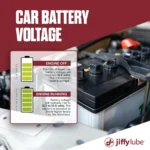
- Engine off: a healthy battery reads about 12.4V to 12.6V.
- Engine running: a good alternator pushes 13.5V to 14.7V.
- Running but stuck near 12V or dropping: the alternator isn't charging.
If the running voltage sits below 13V, your charging system is failing. A multimeter can pinpoint an alternator fault quickly, and it's worth doing before you decide to drive anywhere.
Watch the number under load, too. Switch on the headlights and blower with the engine running. Healthy systems hold steady, while a bad alternator sags fast.
That sag is your proof.
Alternator Repair Costs and Your Real Options
A bad alternator won't fix itself, so budget for replacement. As of 2026, most jobs run between $300 and $1,000 including parts and labor. Luxury and European models sit at the higher end, while common sedans land near the bottom.

Sometimes the alternator is fine and the belt is the culprit. A cracked or slipping serpentine belt stops the alternator from spinning, so it can't charge. A belt swap costs far less, often under $150.
Before any repair, confirm the diagnosis. Charge the battery fully, then check the voltage after charging to rule out a weak cell masquerading as an alternator fault.
New vs. Remanufactured Alternator
A remanufactured alternator costs less and suits older, high-mileage cars you plan to keep only a few more years. It's rebuilt with new wear parts and usually carries a solid warranty.

Similar Posts