Battery or Alternator? How to Tell What’s Failing
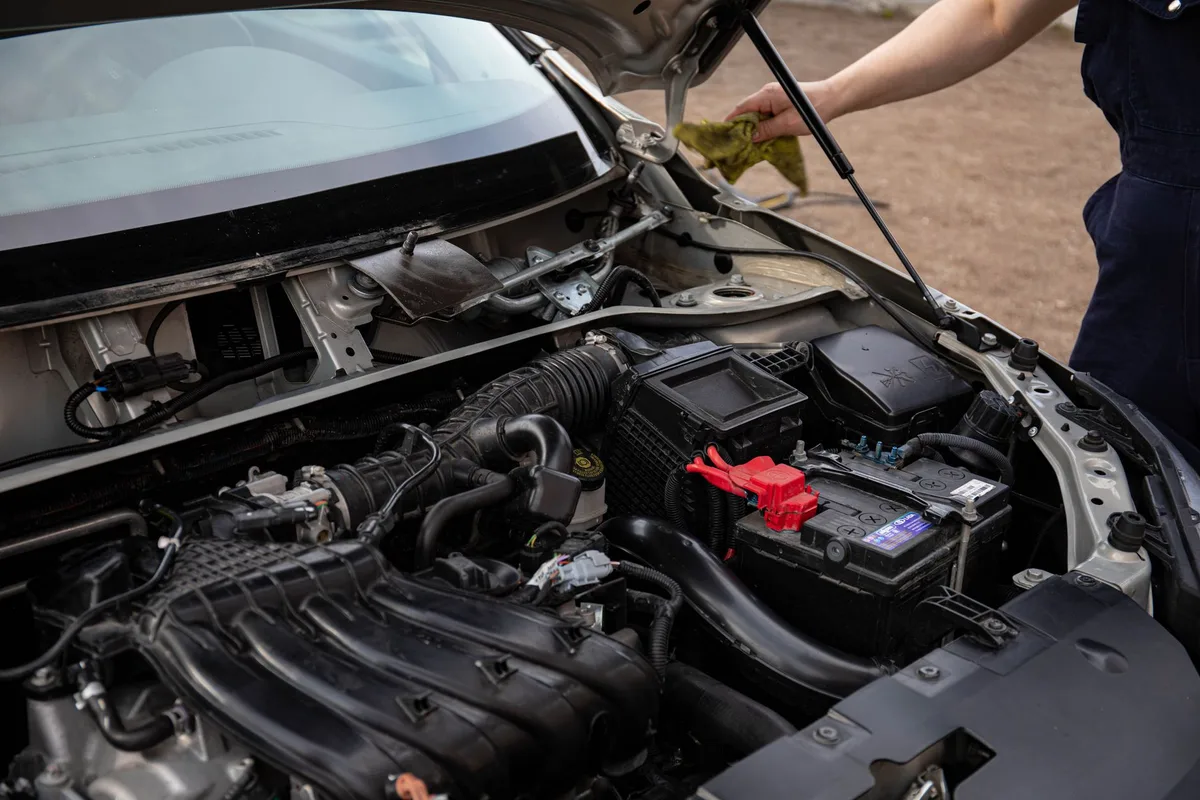
Your car won't start, and now you're stuck guessing. Knowing how to tell if it's the battery or the alternator saves you from throwing money at the wrong part. Both problems cause no-starts, dim lights, and that sinking feeling in a cold parking lot.
But the fixes, and the price tags, are very different.
Here's the good news. A healthy battery reads about 12.6 volts at rest, and a working charging system pushes 13.7 to 14.7 volts while the engine runs. As of 2026, a basic multimeter to check both costs under $30.
Those two numbers do most of the detective work, so let's start with why these parts get mixed up so often.
Quick Answer
Jump-start the car and remove the cables. If it keeps running, the battery was the problem. If it dies right away, the alternator isn't charging.
Confirm with a multimeter. A resting battery should read about 12.6 volts. With the engine running, you should see 13.7 to 14.7 volts.
Battery or Alternator? Why People Mix Them Up
The battery and the alternator work as a team, so when one fails, the symptoms bleed together. A weak battery and a dying alternator can both cause dim headlights, slow cranking, or a dashboard warning light. From the driver's seat, they look almost identical.
The difference comes down to timing. The battery gets your engine started. The alternator keeps everything running once the engine is on, and it recharges the battery as you drive.
So a bad battery usually shows up as a hard start. A bad alternator usually shows up as trouble after you're already moving. If your car reads a decent voltage but still won't crank, the real cause might be neither, which is why a quick test beats guessing.
The 30-Second Answer: The Jump-Start Test
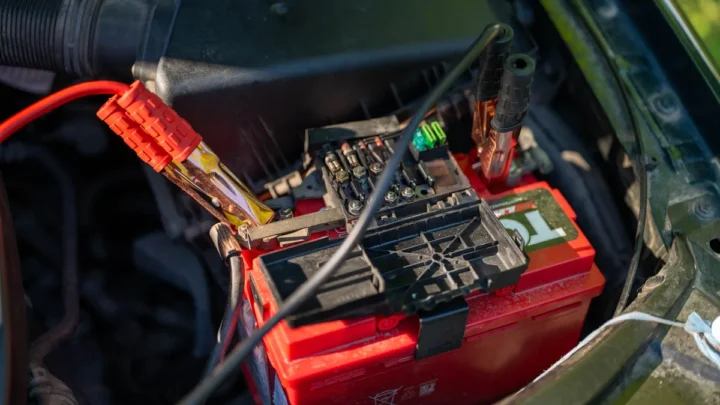
The fastest way to separate the two is a jump-start test. It needs no tools, just a set of jumper cables or a portable jump pack.
Here's the logic, step by step:
- If the car won't start at all, jump it from a good battery or a jump pack.
- If it starts, let it idle, then disconnect the jumper cables.
- If the engine keeps running on its own, your alternator is doing its job. The battery was the weak link.
- If the engine dies the moment the cables come off, the alternator isn't producing power. That's your culprit.
This works because a running engine should be fully self-powered by the alternator. If pulling the cables kills it, nothing is feeding the electrical system. It won't name the exact broken part, but it tells you which side to look on.
A stubborn clicking sound when you turn the key usually points at the battery or starter, not the alternator.
What Each Part Actually Does (Battery vs Alternator)

Understanding the split makes diagnosis simple. Think of the battery as the sprinter and the alternator as the marathon runner.
The battery is a 12-volt lead-acid storage unit. Its main job is a big burst of power to spin the starter motor and fire up the engine. It also steadies voltage for your electronics.
Most car batteries last three to five years.
The alternator is a belt-driven generator. Once the engine runs, it produces the electricity that powers your lights, radio, and computers, and it tops the battery back up. A built-in voltage regulator keeps output in a safe band.
Alternators often last seven years or more.
Here's the part people miss. A car can run for a short while on battery power alone even with a dead alternator, until the battery drains. That's why an alternator that seems to charge but still lets the battery die can be so confusing.
The two failures overlap in the middle.
Symptoms That Point to a Dead Battery
A failing battery shows its age at startup, especially first thing in the morning or after the car sits. The engine has to draw a big load, and a tired battery can't deliver.
Watch for these signs:
- Slow, labored cranking. The engine turns over sluggishly, like it's dragging.
- A single click or rapid clicking when you turn the key, with no start.
- No dashboard lights or dim ones when you switch to the "on" position.
- The car starts fine after a jump and then runs without issue.
- Swollen battery case or a rotten-egg smell, which points to internal damage.
- It struggles more in cold weather, since batteries lose a chunk of their cranking power in the cold.
One reliable tell is age. If your battery is past the four-year mark and starts acting up, it's a prime suspect. Corrosion on the terminals fakes these symptoms too, so it's worth checking the full list of warning signs before you swap anything.
Cold snaps are brutal on weak batteries, and a car that won't turn over on freezing mornings often just needs a fresh one.
Symptoms That Point to a Failing Alternator
An alternator problem tends to show up while you're driving, not when you first turn the key. The battery got the engine started, but now nothing is keeping the system charged.
Look for these clues:
- The battery warning light (shaped like a battery) glows while driving.
- Headlights that dim or brighten with engine speed, or fade at idle.
- Flickering dash lights, a weak radio, or slow power windows.
- The car dies while driving and won't restart.
- A whining or grinding noise, or a burning-rubber smell from a slipping belt.
- A fresh battery keeps going flat, because the alternator never recharges it.
The University of Utah's automotive resources note that most modern charging systems hold roughly 13.5 to 14.5 volts under load. Anything sliding below that range while running hints at a charging fault. You can confirm it in minutes, since a multimeter reads alternator output right at the battery terminals.
If the voltage drops as you switch on the headlights and heater, the alternator likely can't keep up.
The Overlap: Symptoms That Look Like Both
Some symptoms sit right in the middle and won't point cleanly at either part. This is where most people guess wrong.
Dim headlights are the classic trap. A weak battery causes them at startup, but a failing alternator causes them while driving. The timing tells you which one, so pay attention to when the dimming happens.
Repeated stalling is another. If the battery can't hold charge, the car dies. If the alternator can't produce charge, the car also dies once the battery drains.
The charging light glowing on the dash leans alternator, but only a voltage test confirms it.
Then there's the "new battery that keeps dying." A fresh battery going flat overnight rarely means a bad battery. It usually points to a charging fault or a hidden drain, both of which mimic a dead cell.
Grab a Multimeter: Voltage Numbers That Settle It
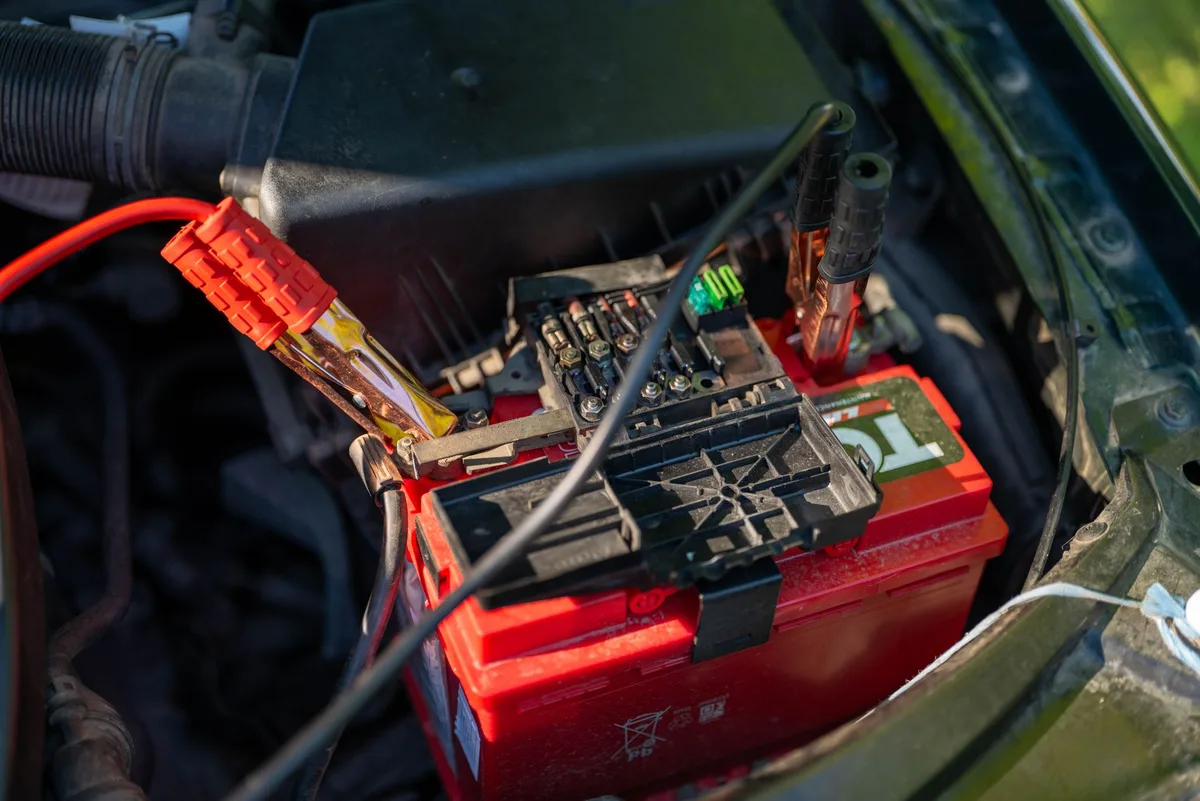
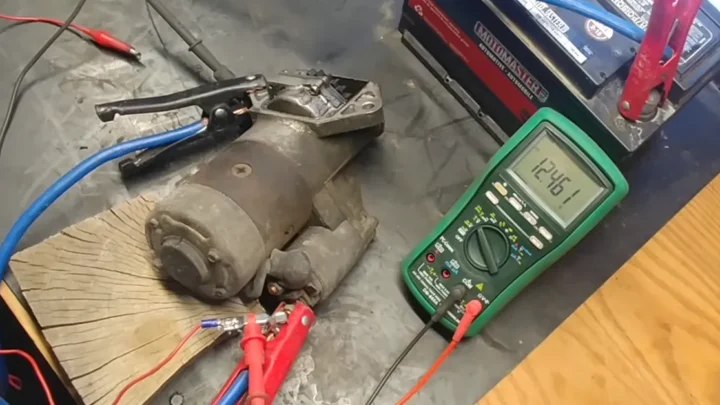
A multimeter turns guesswork into hard numbers. Set it to DC volts, usually the 20V range, and touch red to the positive post and black to the negative. It's cheap, fast, and hard to mess up.
If you're unsure about probe placement, a quick refresher on taking safe battery readings clears it up.
Resting Voltage With the Engine Off (12.6V Rule)
With the engine off, a healthy battery reads about 12.6 volts. That's your baseline for a full charge.
Here's the quick chart:
| Resting Voltage | State of Charge |
|---|---|
| 12.6V or higher | 100% (healthy) |
| 12.4V | ~75% |
| 12.2V | ~50% |
| 12.0V or lower | ~25% or dead |
If you read 12.2V or less on a car that won't start, the battery is your first suspect. For the cleanest number, test after the car has sat a few hours, or check it once charging is done.
Charging Voltage While Running (13.7V to 14.7V)
Now start the engine and read again. A working alternator should push the voltage up to 13.7 to 14.7 volts. That jump means it's charging.
If the number barely moves off 12.6V, or drops below 13V, the alternator isn't feeding the system. Switch on the headlights, heater, and rear defroster, then watch the reading. A strong system holds voltage.
A weak one sags.
What a Reading Above 15V or Below 13V Means
A reading above 15 volts means overcharging, usually from a failed voltage regulator. That's just as harmful as undercharging, because it can boil the battery and cook your electronics.
Below 13 volts while running signals undercharging. The alternator, belt, or wiring can't keep up. Both extremes need attention, so don't ignore a high reading just because the car still runs.
The Full Diagnostic Workflow, Step by Step
Put it all together and the diagnosis takes about five minutes. Follow the order and you'll rarely land on the wrong part.
- Check resting voltage (engine off). Below 12.4V? Charge or suspect the battery.
- Try to start. Slow crank or clicking leans battery. No dash lights at all leans battery or connections.
- Run the jump-start test. Dies when cables come off? Alternator. Keeps running? Battery.
- Read running voltage. 13.7 to 14.7V is healthy. Below 13V or above 15V is a charging fault.
- Load it up. Turn on lights and blower. Big voltage drop means a weak alternator.
- Inspect the basics. Look at terminals, grounds, and the belt before condemning any part.
If the numbers contradict each other, trust the running voltage test most. It's the single clearest read on whether the alternator works. When a battery shows good voltage yet still won't crank, the problem is often the starter or a ground, not either main suspect.
Sneaky Culprits It Isn't Always the Battery or Alternator
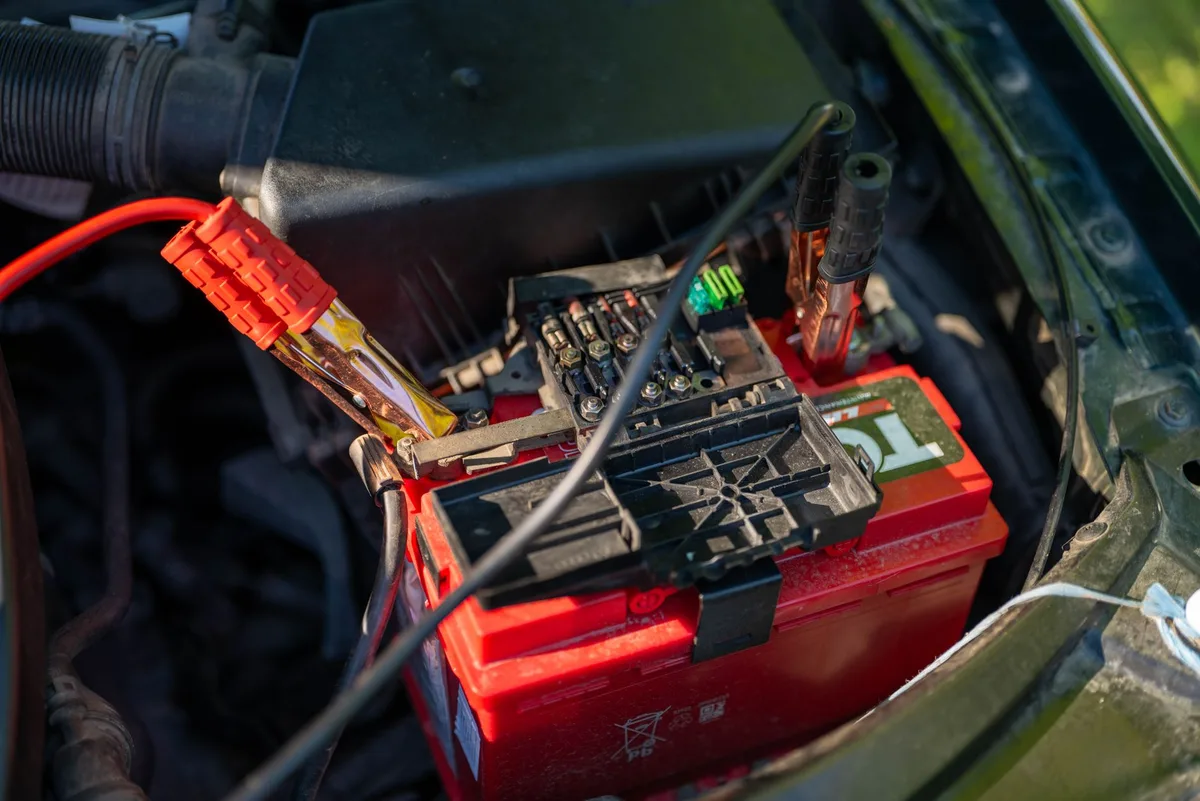
Sometimes both parts are fine, and something smaller is faking a failure. These are the usual imposters.
Corroded or Loose Terminals
Corroded or loose terminals block current flow and mimic a dead battery. That white or bluish crust on the posts adds resistance. Clean the terminals with a wire brush and a baking-soda paste, then tighten the clamps.
Plenty of "dead battery" no-starts vanish after a two-minute cleanup.
Bad Ground Straps
A bad ground causes weird, intermittent electrical gremlins. The battery's negative cable must bolt solidly to the engine and chassis. If that strap is loose or rusty, voltage can't flow properly.
You can chase down a bad ground with a multimeter by checking for voltage drop across the connection.
Worn Serpentine Belt
A glazed or loose serpentine belt keeps the alternator from spinning fast enough to charge. Look for cracks, shine, or a squealing noise on startup. If the belt slips, your voltage reading will run low even with a good alternator.

Similar Posts