How to Read an Engine Oil Dipstick the Right Way
Pop the hood, pull the yellow loop, and you'll find the cheapest health check your engine will ever get. Learning how to read an engine oil dipstick takes about a minute, yet most drivers still get it wrong by rushing or reading on a slope. The stick isn't just showing you a level.
It's telling you about color, texture, and whether something inside the engine is going quietly wrong.
Manufacturer service manuals as of 2026 show the gap between MIN and MAX equals about one US quart (0.95 L) on a typical passenger car dipstick. That's a tight window. Misreading it by a few millimeters can mean overfilling or driving low.
Here's how to do it right, what the oil is telling you, and the mistakes that trip people up.

Quick Answer
Park on level ground and shut off the engine. Wait 5 to 10 minutes for oil to drain back. Pull the dipstick, wipe it clean, then reinsert it fully.
Pull it out again and check the oil film. The level should sit between MIN and MAX, ideally closer to MAX.
Why the Dipstick Still Matters (Even in Modern Cars)
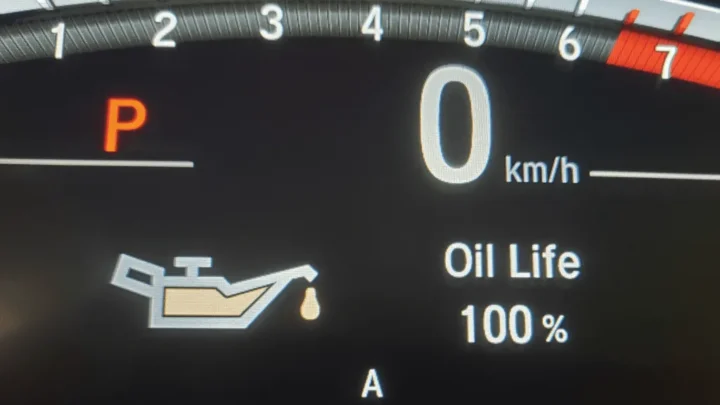
Modern cars monitor a lot on their own, but oil level isn't always one of them. Plenty of vehicles still rely entirely on you pulling the stick. Even cars with a digital oil gauge (BMW, some Audi and Mercedes models, most Porsches) only sample the sump when the ignition is on and the oil is warm.
Those sensors do fail.
A manual check catches things a sensor won't. You see color changes. You feel grit between your fingers.
You spot a milky sheen that hints at coolant creeping in through a failing head gasket, weeks before a warning light appears.
That kind of early diagnosis is exactly why the DIY oil change crowd still checks manually even on newer cars. There's also the question of whether the shop actually added the right amount. Aggregate service reports show overfills and underfills are among the most common oil-change mistakes.
A 30-second dipstick check after a service tells you if the technician got it right.
What You're Actually Looking At: Dipstick Anatomy and Markings
Before you check the level, you need to know what you're staring at. A dipstick is a long thin metal rod with a colored plastic handle at the top. It slots into a tube that runs down into the oil pan.
The tip carries markings that show the acceptable oil range.
MIN, MAX, Hatched Zones, and Pin Holes Explained
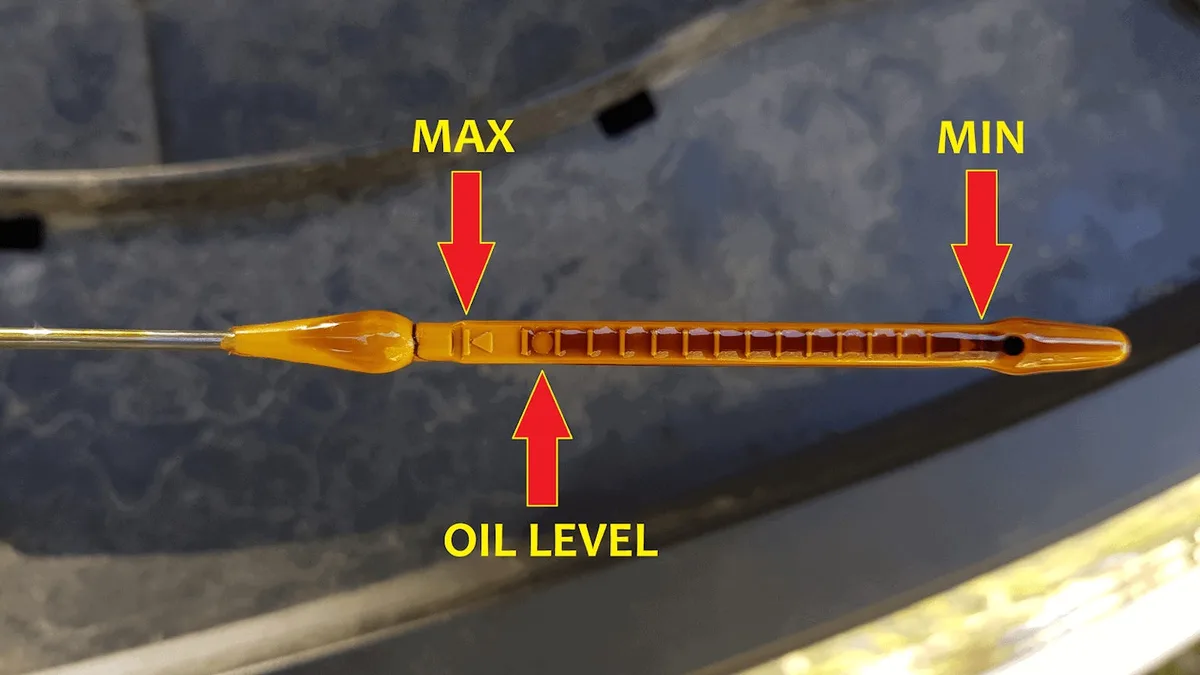
Manufacturers use several marking styles, and knowing yours matters. The three most common:
- Two etched lines labelled MIN and MAX (or L and H, or Low and Full)
- A crosshatched or hatched rectangle showing the safe zone
- Two small pin holes, one at the low mark and one at the full mark
The rule is the same for all three. Your oil film should end between the lower and upper marker, ideally closer to the upper mark. The full length of the safe zone typically represents one US quart of oil.
Why Every Manufacturer Marks Theirs a Little Differently
Different automakers calibrate dipsticks to different sump geometries and oil volumes. A Toyota 2.5L stick isn't interchangeable with a Ford 2.3L stick, even if they physically fit the tube. Always use the dipstick that came with your car.
Check the owner's manual if the markings look unfamiliar.
The Right Conditions for an Accurate Reading
Getting the setup wrong is the number one reason dipstick readings mislead people. Two setup errors account for most bad checks: sloping ground and reading too soon after shutdown.
Level Ground, Engine Off, and the 5 to 10 Minute Rule
Park on ground that's as flat as you can find. Even a mild driveway slope shifts oil in the sump and pushes the reading up or down by several millimeters. Turn the engine off.
Then wait.
Aggregate manufacturer guidance sits around 5 to 10 minutes for oil to drain back to the pan. Skip that wait and you'll read low. A lot of the oil is still up top coating the valvetrain and cylinder head.
Cold Check vs. Hot Check: When to Use Which
Both methods work if you know your baseline. Cold checks first thing in the morning give the most repeatable reading because all the oil has drained down. Hot checks, done 10 minutes after normal driving, reflect operating volume.
Some manufacturers actually prefer them.
The catch: hot oil expands and reads about 5 to 15 mm higher than cold oil on the same stick. Pick one method and stick with it, so your check-to-check comparisons stay honest. Your owner's manual will state which the manufacturer recommends.
Step-by-Step: How to Read an Engine Oil Dipstick Properly
Once conditions are right, the check itself is quick. Follow these steps in order.
- Open the hood and prop it safely.
- Find the dipstick. It's usually a yellow or orange loop handle near the engine, separate from the oil filler cap.
- Pull the dipstick out fully in one smooth motion.
- Wipe the tip completely clean with a lint-free rag or paper towel.
- Reinsert the dipstick all the way back down. Make sure it seats fully into the tube.
- Pull it out a second time without shaking or tilting.
- Hold it horizontally against a light-colored background so you can see the oil film clearly.
- Read the level where the oil film ends. It should sit between MIN and MAX, closer to MAX.
- Note the color and consistency of the oil while you're at it.
- Wipe the stick clean and reinsert fully before closing the hood.
The wipe, reinsert, and recheck sequence is critical. The first pull almost always shows a misleading smear from the dipstick tube walls. The second pull is your true reading.
If you're inspecting a car you don't own yet, this exact process folds neatly into a full pre-purchase mechanical inspection.
Reading the Oil Film: Where the Level Really Sits
The tricky part isn't seeing oil. It's deciding where the oil actually ends. Look for the highest continuous wet film that wraps the whole tip, not the highest random smear on one side.
Handling Oil That Clings to Both Sides of the Stick
Sometimes the oil film ends at different heights on each side of the stick. That happens when the dipstick tilts as you pull it out or when air pockets form in the tube. Read the lower of the two heights.
That's the meniscus that reflects the true sump level.
If the two sides differ by more than 5 mm, wipe the stick and try again. A consistent read across two or three attempts is your answer.
Why Fresh Synthetic Oil Is Harder to See
Fresh full synthetic oil is almost water-clear. Against a shiny metal dipstick under garage lighting, that film can be nearly invisible.
A few tricks that help:
- Hold the stick over a plain white paper towel instead of against the engine bay
- Use a bright flashlight held at an angle so the oil catches the light
- Look at the shine change on the stick, not the oil color itself
- Tilt the stick slowly and watch where the reflective surface transitions to matte
Once oil has a few thousand miles on it and turns light brown, the film is far easier to spot.
What the Oil Itself Is Telling You
Level is only half the check. The oil's appearance is the other half, and it often tells you more about engine health than the volume does.
Color: Amber, Brown, Black, and What's Normal
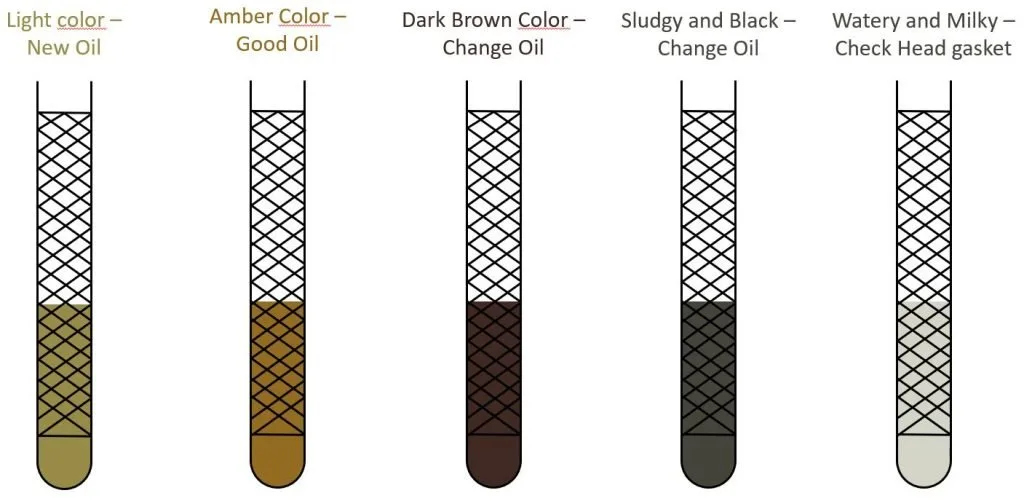
Fresh oil is amber to honey-colored. As it works, it darkens through light brown to deep brown, then to near-black at the end of its service life. That progression is normal.
Detergent additives from oils meeting service classifications set by the American Petroleum Institute actively clean combustion residue. Dark oil often just means those additives are doing their job. Dark alone isn't a red flag.
Dark plus gritty, dark plus burnt smell, or dark plus a milky streak is where you stop and investigate.
Consistency: Smooth, Gritty, Milky, or Foamy
Rub a drop between your thumb and finger. Healthy oil feels slick and smooth without any particles. Gritty oil suggests metal fragments or dirt, both of which point to accelerated wear or a failing filter.
Milky or chocolate-mousse-looking oil almost always means coolant has entered the oil. The usual cause is a blown head gasket or cracked head. Foamy oil, with visible bubbles or an airy texture, points to aeration, water contamination, or overfilling.
Smell: Neutral vs. Burnt
Fresh and used oil should have a mild petroleum smell. A sharp burnt smell, closer to scorched toast, means the oil has run too hot or has broken down past its useful life. Combine a burnt smell with rapid oil loss between changes, and you're looking at heavy blow-by or oil making its way into the combustion chamber.
Common Dipstick Reading Mistakes to Avoid
Most bad readings come from a handful of repeated errors. Knowing them up front saves you from over-topping a healthy engine or dismissing a real problem.
- Reading with the engine still running (oil is being pumped, not resting)
- Checking within 60 seconds of shutdown before oil drains back
- Parking on a slope and trusting the number
- Reading the first pull instead of the wipe-and-recheck pull
- Confusing the transmission dipstick for the oil dipstick on cars that have both
- Adding oil to hit the exact MAX line when the reading is already mid-hatch
- Judging color under yellow garage lights that make everything look darker
- Assuming a sensor reading matches the physical stick without ever verifying
The transmission mix-up is more common than people admit. The oil dipstick sits near the engine and has a yellow loop. The transmission dipstick, on automatics that still have one, sits deeper toward the firewall and is usually red or orange.
What to Do If the Oil Is Low, High, or Contaminated
Reading the stick is only useful if you know what to do next. The right response depends on how far off the level is and what the oil looks like.

Topping Up Safely in Small Increments
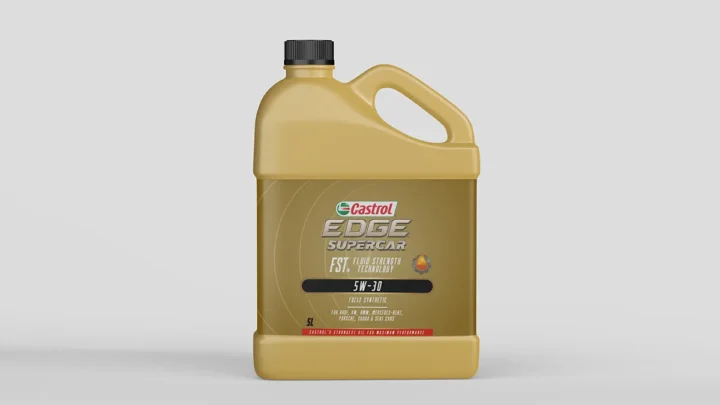
If the level sits at or below MIN, top up in small pours. Use the exact grade specified in your owner's manual, including viscosity like 0W-20 or 5W-30 and the correct API or ACEA rating.
Add roughly 200 to 300 ml at a time. Wait two to three minutes for the oil to reach the pan, then recheck. It's far easier to add more than to remove what you overpoured.
When Overfilled Oil Becomes a Real Problem
Overfilling by less than a quarter-inch above MAX usually causes no harm. Overfilling by half a quart or more can push oil into the crankshaft's rotation path, where it churns into foam.
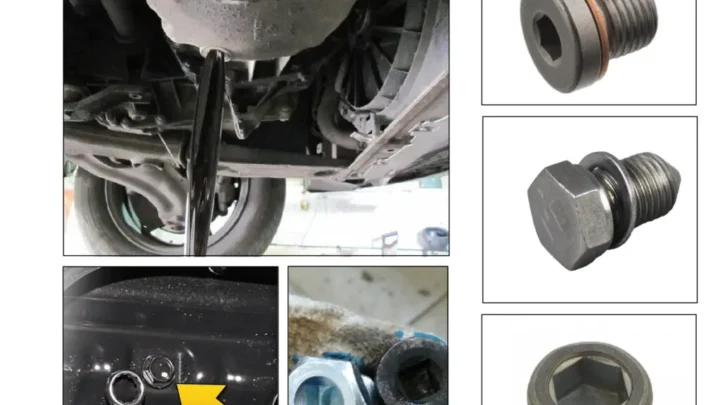
Foamed oil doesn't lubricate. It also pressurizes the crankcase, forces oil past seals, and can wet the spark plugs or foul the catalytic converter. If you've overpoured badly, drain the excess through the sump plug or extract it through the dipstick tube with a fluid pump.
Warning Signs That Point to a Bigger Issue
Milky oil means stop driving and get the head gasket checked. Metallic glitter in the oil means internal wear that needs a mechanic's eyes. Oil that drops more than a quart per 1,000 miles suggests either a leak or the engine is burning oil.
That's a diagnosis conversation, not a top-up conversation. If you're due for service anyway, a routine oil change is a good chance to see what's collecting on the drain plug magnet.

Similar Posts