alternator burning smell
A burning smell from your alternator area usually means something is overheating fast, and it's a signal you shouldn't ignore. Most of the time it's a slipping drive belt, a seizing pulley bearing, or overheating windings inside the alternator itself. The tricky part is that each cause smells a little different and carries a different level of urgency.
Get the read right, and you'll know whether to keep driving or pull over now.
Here's the good news. You can narrow the cause in a few minutes with your nose, your eyes, and a basic multimeter. As of 2026, the National Fire Protection Association still reports tens of thousands of highway vehicle fires each year in the US, and electrical faults rank among the leading causes.
So this smell earns your attention. Let's start with the one question that matters most in the moment.
Quick Answer
An alternator burning smell means a component near the charging system is overheating. Common causes are a slipping serpentine belt, a failing alternator bearing, or overheating copper windings. Burning rubber usually points to the belt.
A sharp electrical or ozone smell points to the alternator itself. Stop driving if you see smoke or smell melting plastic.
First Things First: Should You Pull Over or Keep Driving?
If you smell burning plus see smoke, or the battery warning light is on, pull over safely and shut the engine off. That combination points to an electrical fault that can escalate into a fire. Waiting it out is the one mistake that turns a cheap repair into a tow and a scorched harness.
Use this simple if/then check:
- If you smell sharp electrical burning or melting plastic, then stop now and switch off.
- If the battery or charging light is glowing, then stop and don't restart until you've checked things.
- If you smell faint burning rubber but everything reads normal, then you can usually drive a short distance to a safe spot.
- If the smell is fading and gauges look fine, then get it inspected within a day or two, not next month.
A dashboard charging light deserves respect. It often means the alternator has stopped charging properly, and a car running on battery alone will stall once that reserve drains. If the light and the smell showed up together, treat it as the urgent branch.
Keep a Class B/C fire extinguisher in the car if you can. Under-hood fires spread quickly through wiring and plastic.
What the Smell Type Tells You: Rubber vs. Electrical vs. Hot Oil
The smell itself is your fastest diagnostic tool. Each type maps to a different failure, so pause and really place the odor before you pop the hood.
Burning Rubber, Usually the Belt
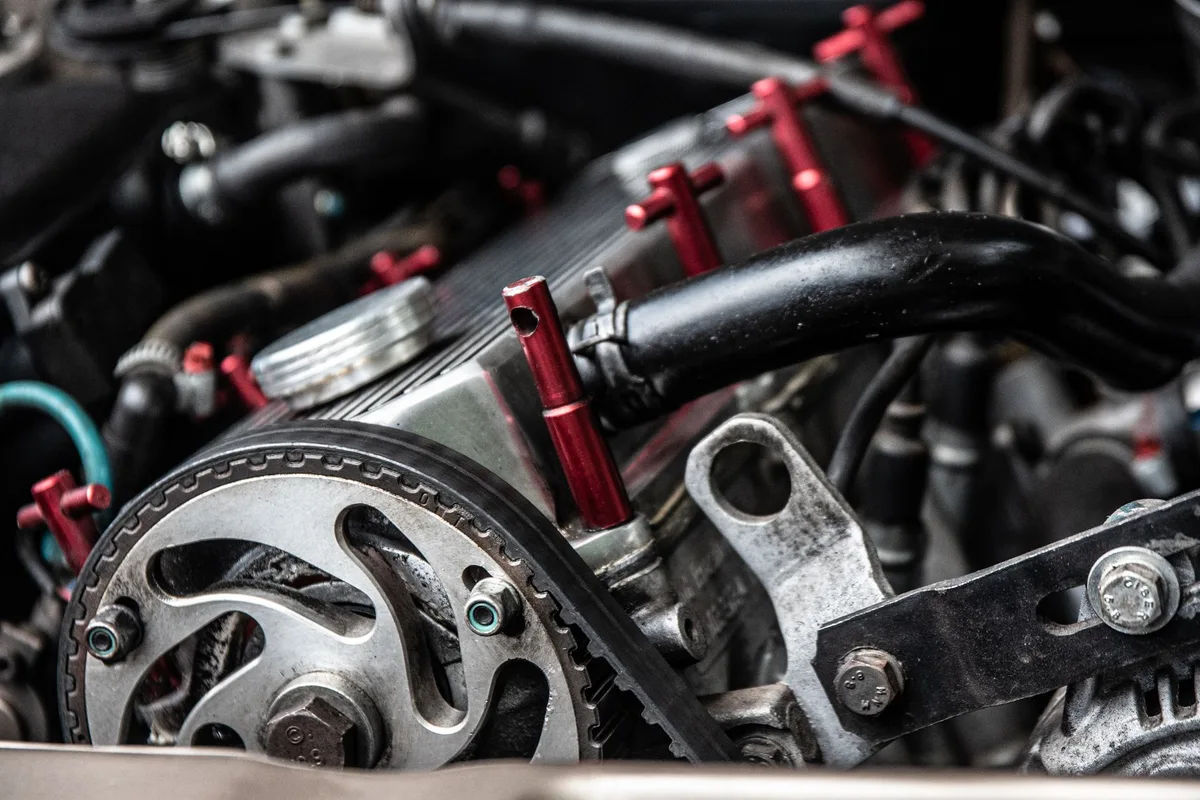
A hot rubber smell almost always comes from the serpentine belt, the long ribbed belt that drives the alternator. When the belt slips on the alternator pulley, friction heats it fast and you get that acrid rubber odor. You'll often hear a squeal or chirp along with it.
A glazed, shiny belt surface is the visual giveaway.
Sharp, Acrid Electrical or Ozone, Usually the Windings
A sharp electrical smell, sometimes described as hot or slightly sweet like ozone, points inside the alternator. That's the varnish on the copper windings cooking from too much heat. This is the more serious branch.
Overheated windings can lead to smoke and melted insulation, so treat this smell as a stop-driving cue.
Hot Oil or Sweet Coolant, a Leak Hitting Hot Metal
Sometimes the alternator isn't the culprit at all. An oil or coolant leak dripping onto the hot alternator case burns off and smells scorched. A sweet smell usually means coolant.
A heavy, thick smell usually means oil. Fix the leak and the smell goes with it.
Here's a quick reference:
| Smell | Most Likely Source | Urgency |
|---|---|---|
| Burning rubber | Slipping/glazed serpentine belt | Moderate |
| Sharp electrical / ozone | Overheating alternator windings | High, stop driving |
| Hot oil | Oil leak on alternator case | Moderate |
| Sweet / syrupy | Coolant leak on hot metal | Moderate |
| Melting plastic | Melting wire insulation, bad ground | High, stop driving |
How the Alternator and Belt Actually Overheat
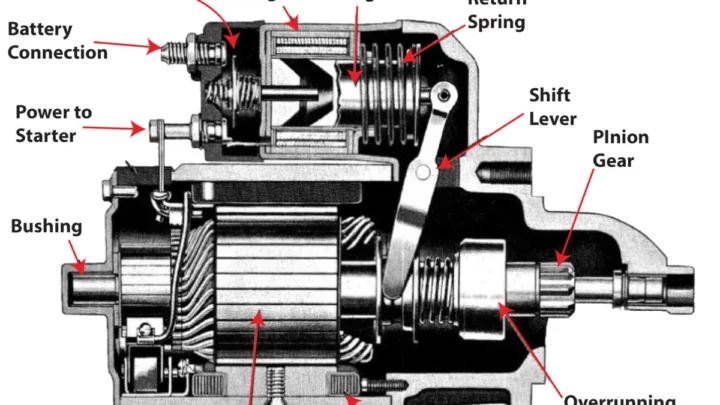
The alternator is a small generator. The engine spins it through the belt, and it converts that motion into electricity to charge the battery and run everything electrical. Heat is a normal byproduct.
Trouble starts when heat outpaces what the parts can shed.
Three things drive most overheating cases:
- Friction, when a slipping belt or dry bearing grinds and builds heat.
- Electrical load, when the alternator works flat out to feed a weak or dying battery and its windings run hot.
- Resistance, when a bad ground or corroded connector forces current through a bottleneck and cooks the wire.
That last one is worth flagging. A poor engine ground makes the whole charging system strain, and you can confirm a weak ground with a simple multimeter voltage-drop test. High resistance means high heat, and high heat is what you're smelling.
Normal charging voltage sits around 13.8 to 14.7 volts with the engine running. If your alternator is straining well outside that band, something is off. A charging system pushed past its limits, day after day, is a charging system heading toward that burning smell.
Walk the Decision Tree: Pinpointing the Real Source
Once you're parked and safe, work through these steps in order. Don't skip ahead. Each step rules out a cause and points you to the next.

Step 1: Safe Shutdown and the Under-Hood Look
Turn the engine off and let it cool for a few minutes. Pop the hood and look for the obvious first. Wisps of smoke, a melted connector, a shredded belt, or oil pooled on the alternator case all tell you where to focus.
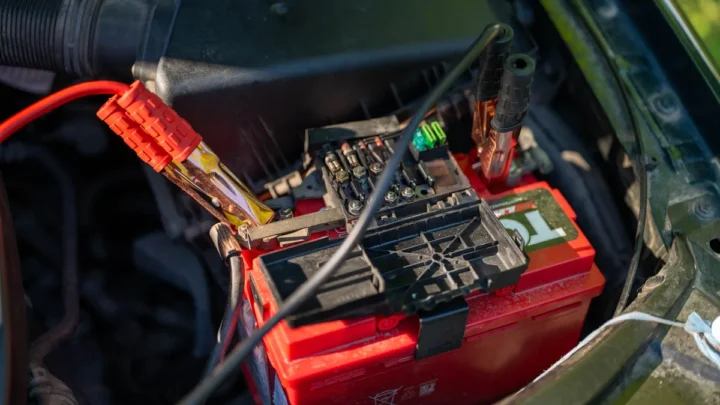
Disconnect the negative battery terminal before you touch any wiring.
Step 2: Inspect the Belt, Tensioner, and Pulleys
Check the serpentine belt for cracks, glazing, fraying, or missing chunks. Press on it. A worn tensioner or a misaligned idler pulley lets the belt slip, and slip means heat.
If the belt looks shiny and hard, that glaze is friction damage.
Step 3: Spin and Heat Check the Alternator
With the engine off and cool enough to touch, spin the alternator pulley by hand. It should turn smoothly. Roughness, grinding, or wobble means the bearings are failing.
If the alternator case is far hotter than everything around it, the windings are running too hot.
Step 4: Voltage and Load Test the Charging System
Grab a multimeter. Test battery voltage with the engine off, then running. You're looking for that 13.8 to 14.7 range at idle.
Testing the alternator with a multimeter is straightforward, and a reading that's too high or too low confirms the alternator is part of the problem. For a deeper check, most auto parts stores will run a free load test on the unit.
The Usual Culprits Behind an Alternator Burning Smell
Most burning-smell cases trace back to four failures. Match your findings from the decision tree to the culprit below.
Glazed or Slipping Serpentine Belt
This is the most common and the cheapest to fix. A worn or contaminated belt slips on the pulley, heats up, and throws that rubber smell. Replace the belt, and check the tensioner while you're in there.
A weak tensioner will just glaze the new belt too.
Seized Pulley or Failing Bearings
Alternator bearings wear out with mileage. When they dry up and seize, the pulley drags against the belt and both parts overheat. You'll usually hear a growl or grind first.
This one can be fixed by replacing the bearing, or by swapping the whole alternator.
Overloaded or Overheating Windings
If the alternator is constantly maxed out, its copper windings cook. This often happens when a failing battery won't hold its charge and the alternator never gets a break. A failed diode in the rectifier can do the same by making the unit work harder than it should.
This is the sharp electrical smell, and it's the serious branch.
Bad Ground or Melting Wire Insulation
A corroded ground or a loose B+ charge cable creates resistance. Current forces through, heat builds, and insulation melts with a nasty plastic smell. If your battery keeps draining without an obvious cause, a high-resistance connection in the charging circuit is worth ruling out.
Clean the grounds, tighten the terminals, and the heat problem often disappears.
Repair or Replace? Belt, Bearing, or Whole Alternator
Match the fix to the failure, and don't replace more than you have to. A slipping belt with a healthy alternator only needs a belt. A rough pulley on an otherwise good unit can sometimes get a new bearing.
Cooked windings or a failed rectifier usually mean the whole alternator.
Here's how the choices line up:
| Your Finding | Best Fix | Who It Suits |
|---|---|---|
| Glazed, cracked, or slipping belt | New belt plus tensioner | Almost every DIYer |
| Growling or wobbly pulley | Bearing service or replace unit | Depends on your comfort level |
| Sharp electrical smell, bad voltage | Replace alternator | Anyone facing winding damage |
| Melted connector, bad ground | Clean/repair wiring | DIYers with a multimeter |
When it comes to replacements, you've got three tiers. A new OEM alternator costs the most but matches factory output. A remanufactured unit saves money and suits most drivers.
Cheap aftermarket units vary in quality, so check the amperage rating matches your original.
If the alternator checks out but your battery still drains, the problem may be elsewhere. A car that charges fine yet loses power often has a wiring or battery fault, not an alternator fault.
What It Costs to Fix (Belt vs. Alternator)
The gap between a belt job and an alternator job is big, which is exactly why an accurate diagnosis pays off. A serpentine belt is one of the cheapest repairs on a car. An alternator is one of the pricier charging-system parts.
Rough US ranges as of 2026:
- Serpentine belt replacement: about 100 to 250 dollars with labor.
- Tensioner replacement: roughly 150 to 350 dollars.
- Alternator replacement: commonly 400 to 900 dollars, higher on some models.
- Bearing-only service: cheaper, but only some shops offer it.
Catching a glazed belt early can save you hundreds. Let that belt keep slipping, and it can drag down the alternator bearing or leave you stranded. The smell is cheap insurance if you act on it.
Labor is the swing factor. Alternators buried behind other components cost more to reach. Ask for a quote that separates parts from labor so you can compare fairly.

Similar Posts