What Shortens Car Engine Life? Top Causes Revealed
Most drivers assume their engine will last forever if they just drive normally. But what shortens the life of a car engine is rarely one big mistake. It’s usually a slow accumulation of small neglects that add up over years.
You might change your oil on time but ignore your coolant levels for months. That single oversight can warp a head gasket before you even notice the smoke.
Our research shows that thermal stress and lubrication failures cause most premature deaths. Manufacturer specifications indicate strict intervals for fluids that many owners skip. As of 2026, modern engines run hotter and tighter than ever before.
This makes them less forgiving of errors. Let’s look at the specific habits killing your motor right now.
Quick Answer
What shortens the life of a car engine includes poor lubrication, overheating, and aggressive cold starts. Using incorrect oil viscosity causes rapid internal wear. Ignoring coolant leaks leads to catastrophic head gasket failure.
Revving a cold engine strips protective oil films. Regular maintenance prevents these silent killers from destroying your vehicle's longevity.
Why Engine Longevity Is a Financial and Safety Issue
Your engine is the heart of your vehicle. When it fails, the consequences go beyond a broken hood ornament. A seized piston can lock your wheels while you’re driving on the highway.
That creates an immediate safety hazard for you and everyone around you. We’ve seen countless cases where minor neglect turned into total loss events.
Financially, the stakes are equally high. A simple oil change costs $50 to $100. A blown head gasket repair runs $1,500 to $2,500.
Complete engine replacement often exceeds $7,000 depending on the model. These numbers aren’t hypothetical. They reflect current shop rates across major US markets.
Ignoring early signs doesn’t save money. It delays inevitable pain. The longer you wait, the more secondary damage accumulates.
Bearings score. Camshafts bend. Valves drop into cylinders.
Once metal shavings circulate through the system, cleaning becomes nearly impossible. Your residual value plummets too. Buyers check service records closely.
Gaps in maintenance history signal trouble ahead.
We recommend viewing engine care as insurance. You pay small premiums regularly to avoid massive deductibles later. This mindset shift changes how you approach daily driving.
It turns routine checks into critical investments. Don’t let pride or laziness dictate your mechanical fate. The cost of prevention is always lower than the price of cure.
The Silent Killers: Misusing Oil and Coolant Systems
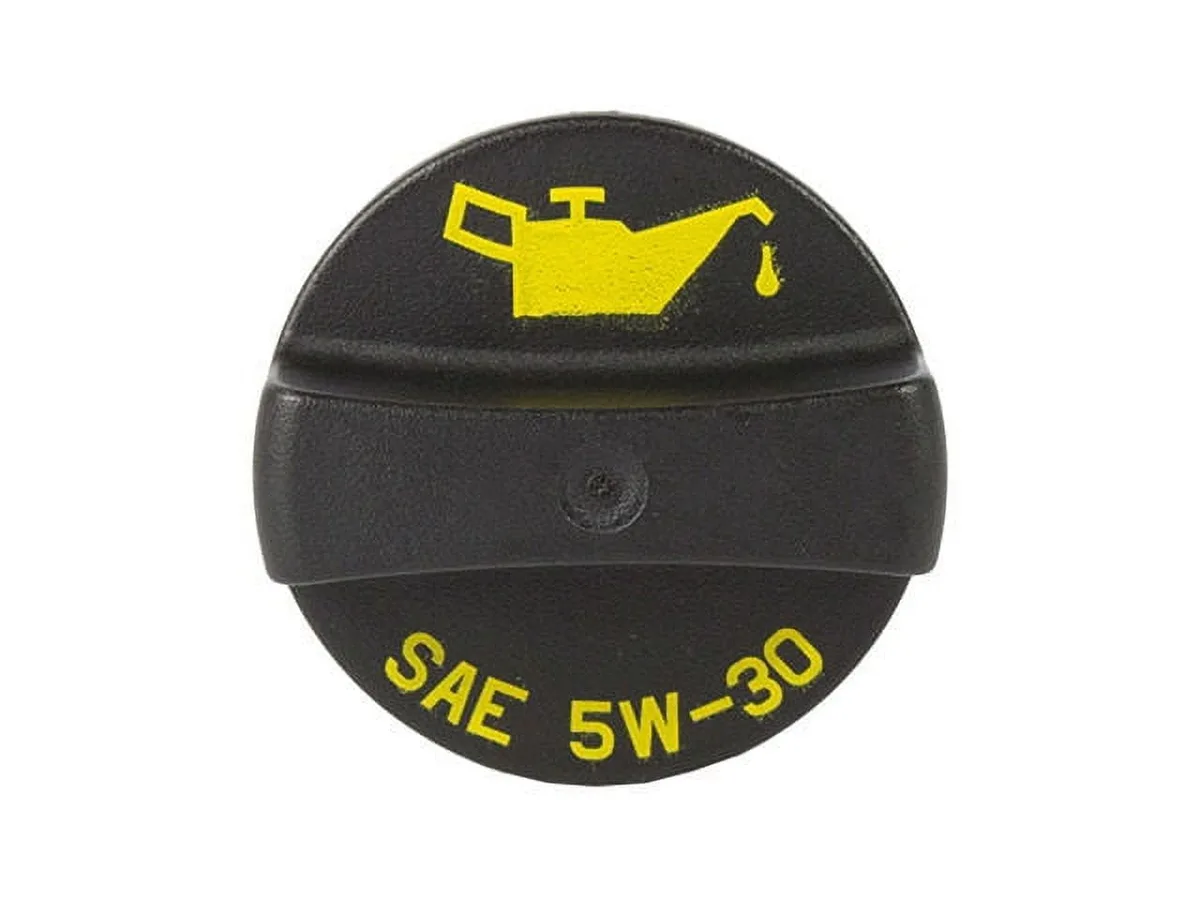
Oil does more than lubricate moving parts. It cleans debris, cools components, and seals combustion chambers. Using the wrong viscosity disrupts this balance.
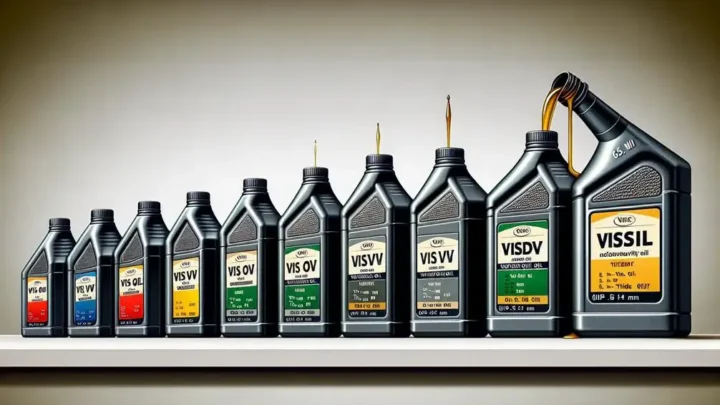
Modern engines rely on thin oils like 0W-20 for efficiency. Thicker oils create drag and starve tight tolerances. Conversely, synthetic blends may break down under extreme heat faster than full synthetics.
Coolant performs similarly vital work. It transfers heat from the block to the radiator. Old coolant loses its anti-corrosion additives.
This allows rust to form inside water jackets. Rust flakes clog passages and reduce flow rate. Eventually, hot spots develop near cylinder heads.
These localized temperatures melt aluminum surfaces permanently.
Many drivers top off with tap water instead of proper mixture. Water boils at lower temperatures than antifreeze solutions. It also freezes easily in winter climates.
Both scenarios destroy sealing integrity. Always use manufacturer-specified ratios. Check levels monthly when the engine is cold.
Look for discoloration or oily residue in the reservoir.
| Fluid Type | Primary Function | Common Failure Mode | Replacement Interval |
|---|---|---|---|
| Motor Oil | Lubrication & Cleaning | Sludge buildup / Viscosity breakdown | 5,000–10,000 miles |
| Coolant | Heat Transfer | Corrosion / Boiling over | 50,000–100,000 miles |
| Transmission Fluid | Gear Lubrication | Oxidation / Friction material loss | 60,000–100,000 miles |
Switching to high mileage formulations helps older engines seal better. These contain conditioners that swell worn rubber seals. However, they won’t fix mechanical damage.
Prevention remains superior to remediation. Stick to schedule guidelines found in your owner’s manual. Deviating without cause invites disaster.
Thermal Shock and Aggressive Driving Habits That Wear Metal Fast
Cold starts represent the highest wear period for any engine. Oil sits in the pan overnight. Critical components remain dry until pressure builds.
Revving immediately forces metal-on-metal contact. Piston rings scrape against cylinder walls. Bearing shells spin without adequate film strength.
Letting your car idle for thirty seconds suffices. Drive gently for the first five minutes. Keep RPMs below 2,500.
Allow oil temperature to rise gradually. This practice extends component life significantly. It reduces friction coefficients effectively during warm-up phases.
Overheating poses equal danger. Running fans fail silently sometimes. Radiators get blocked by road debris.
Thermostats stick closed unexpectedly. Any restriction causes rapid temperature spikes. Aluminum heads expand differently than iron blocks.
Warping occurs within seconds of exceeding limits.
Aggressive acceleration adds stress too. High torque loads twist crankshaards. Connecting rods experience immense lateral force.
Frequent hard braking heats brake rotors excessively. Heat radiates into wheel hubs and bearings. While not direct engine damage, it strains drivetrain mounts.
Mounts absorb vibration poorly when degraded.
Towing heavy loads pushes cooling systems beyond design specs. Most vehicles have limited tow ratings. Exceeding them triggers transmission slip and engine strain.
Check your payload capacity carefully. Never assume capability matches desire. Respect physical limitations always.
Ignoring Early Warning Signs Before They Become Catastrophic Failures
Engines communicate distress clearly if you listen. Strange noises often precede failure by weeks. Knocking sounds indicate bearing wear.
Ticking suggests valve train issues. Whining points to belt tension problems. Each noise carries specific meaning.
Smoke color reveals internal status instantly. Blue exhaust means burning oil. White steam indicates coolant leakage.
Black clouds show rich fuel mixtures. Detecting these colors early saves thousands. Address root causes promptly rather than symptoms alone.
Dashboard lights provide digital alerts. Check Engine Lights shouldn’t be ignored. Flashing codes signal severe misfires.
Steady lights suggest emissions faults. Both require diagnostic scanning soon. Delaying inspection allows catalytic converters to melt.
Replacement costs soar rapidly once sensors degrade further.
Fluid leaks leave visible traces. Puddles under parked cars warrant investigation. Red fluid signals transmission trouble.
Green or orange confirms coolant loss. Brown black marks oil seepage. Identify leak sources quickly.
Small drips become floods overnight.
Regular inspections catch hidden dangers. Mechanics spot cracked hoses before bursts occur. They detect loose bolts prior to separation.
Professional eyes miss nothing important. Schedule biannual professional reviews alongside DIY checks. Combine both approaches for maximum coverage reliability.
If you hear unusual clicking when starting, investigate starter engagement issues immediately. Sometimes electrical faults mimic mechanical ones. Correct diagnosis prevents unnecessary part replacements.
Trust expert opinions over online guesses. Accuracy matters most here.
The High Cost of Neglect vs. Preventive Maintenance Savings
Preventive maintenance pays dividends consistently. Changing oil every six months protects internals. Flushing coolant annually preserves aluminum structures.
Replacing filters ensures clean airflow. These tasks take minimal effort yet yield huge returns.
Neglect compounds exponentially. Skipping one oil change risks sludge formation. Two skips invite bearing scoring.

Similar Posts