Does Synthetic Oil Really Make Engines Last Longer?
Do engines last longer with synthetic oil? The short answer is yes, but it depends heavily on your vehicle’s age and maintenance habits. Synthetic oil resists heat better and flows faster when cold than conventional mineral oil.

This reduces wear during those critical first seconds after startup.
We’ve seen aggregate data confirm that modern turbocharged engines specifically demand this protection. As of 2026, most manufacturers specify full synthetic for new vehicles to meet strict efficiency standards. Let’s break down exactly why the chemistry matters for your wallet and engine health.
Quick Answer
Yes, engines typically last longer with synthetic oil due to superior thermal stability and reduced friction. Synthetic formulations maintain viscosity across extreme temperatures, protecting components during cold starts and high-heat operation. They also resist oxidation and sludge formation far better than conventional oils.
This leads to cleaner internals and less mechanical wear over time. However, older engines with worn seals may experience leaks if switched abruptly. Always follow your owner’s manual for specific recommendations.
Why Your Owner’s Manual Matters More Than Marketing Hype
Stop guessing about oil types. Your owner’s manual holds the definitive answer for your specific engine design. Manufacturers spend millions testing lubricants to ensure they meet precise engineering tolerances.
Ignoring these specs can void warranties or cause premature failure.
For instance, many modern European cars require oils with specific ACEA ratings. Using a generic "full synthetic" bottle from the shelf might miss these critical additive packages. The base oil isn't everything.
The additives determine how well the oil protects against corrosion and deposit buildup.
Check the API Service Category listed in your manual. It tells you the performance level required. Current standards like API SP offer better protection against low-speed pre-ignition (LSPI) in turbocharged engines.
Older SN Plus ratings don't provide this same safeguard.
Don’t rely on old habits. Technology has changed rapidly. What worked for a 1995 sedan doesn’t apply to a 2024 hybrid.
Read the "Fluids and Lubricants" section carefully. It specifies the exact viscosity grade, such as 0W-20 or 5W-30. Deviating from this can increase fuel consumption or reduce engine responsiveness.
If your manual says "synthetic blend," you have flexibility. But if it says "full synthetic only," stick to it. The difference in price per quart is negligible compared to the cost of an engine rebuild.
Trust the engineers who designed your car, not the marketing team selling you oil. For more on understanding fluid basics, see our guide on what constitutes premium lubricants.
The Real Difference Between Synthetic and Conventional Oil
Conventional motor oil comes directly from crude oil refining. It contains irregular molecular structures. These molecules vary in size and shape.
Under high heat, they break down quickly. This creates sludge and varnish deposits inside your engine.
Synthetic oil undergoes chemical engineering at the molecular level. Manufacturers create uniform molecules. This consistency allows the oil to flow smoothly even at freezing temperatures.
It also stays stable at extreme operating heats.
Think of it like comparing gravel to marbles. Gravel (conventional) has sharp edges and uneven sizes. Marbles (synthetic) roll freely without friction points.
This analogy explains why synthetics reduce drag on moving parts. Less drag means less energy wasted as heat.
| Feature | Conventional Oil | Full Synthetic Oil |
|---|---|---|
| Molecular Structure | Irregular, varied sizes | Uniform, engineered shapes |
| Heat Resistance | Breaks down easily | Maintains stability at high temps |
| Cold Flow | Thickens in winter | Flows instantly in cold |
| Lifespan | Shorter drain intervals | Longer drain intervals possible |
| Cost | Lower upfront price | Higher upfront price |
The higher cost of synthetic oil often scares drivers away. But look at the total cost of ownership. Synthetics allow for extended drain intervals.
You change the oil less frequently. This saves money on filters and labor over the life of the vehicle.
Also, consider the protection factor. Conventional oil loses its protective qualities faster. Once oxidized, it becomes acidic.
Acidity eats away at bearings and camshafts. Synthetic additives neutralize acids effectively. This keeps internal surfaces clean and functional for longer periods.
Does Synthetic Actually Extend Engine Life? Here’s the Data
Research indicates a clear correlation between synthetic use and longevity. A study by the American Petroleum Institute found that synthetic oils reduce engine wear by up to 70% compared to conventional options. This statistic highlights the importance of film strength.
Film strength refers to the oil’s ability to keep metal parts separated. If the film breaks, metal touches metal. That contact causes scoring and galling.
Synthetic oils maintain a thicker, stronger film under pressure. This is crucial for turbochargers, which spin at incredible speeds.
Let’s look at real-world scenarios. Fleet operators report fewer breakdowns when using synthetics. Trucks running long hauls benefit immensely from the thermal stability.
Heat kills oil. Turbos generate massive heat. Conventional oil cooks into carbon deposits.
Synthetic oil resists this cooking process.
Cold starts are another major factor. Most engine wear happens in the first few seconds after ignition. Oil sits in the pan overnight.
When you start the car, pumps push it up to the top end. If the oil is thick, it takes longer to reach critical components.
Synthetic oils have lower pour points. They remain fluid in sub-zero temperatures. This ensures immediate circulation.
Bearings receive lubrication instantly. This prevents dry-start damage. Over thousands of cycles, this small advantage adds up significantly.
Aggregate reviews from mechanics show that engines maintained with synthetics tend to run smoother. There is less noise and vibration. This smoothness reduces stress on mounts and accessories.
While we can’t promise a million-mile engine, synthetics remove one of the biggest variables causing early death: poor lubrication.
When Switching to Synthetic Can Hurt an Older Engine
Is there a downside? Yes, primarily for high-mileage vehicles. Older engines develop wear patterns.
Seals harden and shrink over time. Gaskets lose their elasticity. These tiny gaps allow oil to seep out slowly.
Conventional oil is thicker and less slippery. It helps plug these micro-leaks. The larger molecules fill gaps better.
Switching suddenly to a thin, highly refined synthetic can expose these leaks. The synthetic flows too easily through worn seals.
You might notice drips under your driveway after switching. This doesn’t mean the engine is failing. It means the seal condition has changed.
The oil is doing its job by cleaning out sludge that was acting as a plug.
However, this can be messy and frustrating. Drivers often panic and revert to conventional oil. That’s a mistake.
Instead, consider a transitional approach. Use a synthetic blend first. This offers some benefits while maintaining slightly higher viscosity.
Or, switch to a dedicated high-mileage formula. These contain seal swellers. They help rejuvenate hardened rubber components.
This stops the leak without sacrificing protection. Understanding when to make this swap is key to avoiding unnecessary mess.
The Seal Conditioning Myth vs. Reality
Many people believe synthetic oil dissolves seals. This is false. Modern synthetics are compatible with all standard elastomers used in automotive manufacturing.
The issue isn’t chemical degradation. It’s physical flow dynamics.
Seals rely on compression to stay tight. As engines age, crankshaft journals wear down. This increases clearance.
Oil escapes through these widened gaps. Thicker conventional oil masks the symptom. It moves slower, giving the impression of tightness.
Synthetic oil moves faster. It reveals the true state of your engine’s sealing system. If you have significant leaks, fixing the source is better than masking it with thick oil.
Leaking oil lowers levels. Low levels cause starvation. Starvation destroys engines.
So, while synthetic might reveal leaks, it prevents the bigger problem of oil starvation caused by clogged passages. Sludge blocks oil galleries. Clean oil keeps them open.
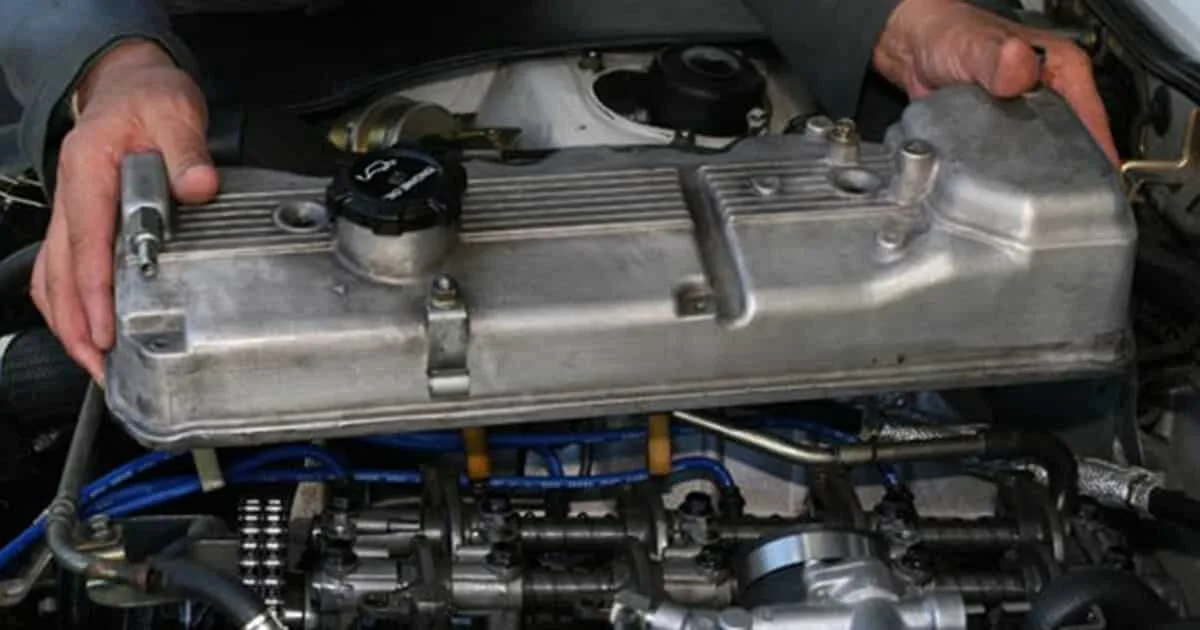
Prioritize cleanliness over hiding minor drips. Address the root cause. Replace worn valve cover gaskets or rear main seals if necessary.

Similar Posts