How to Find What’s Draining Your Car Battery Fast
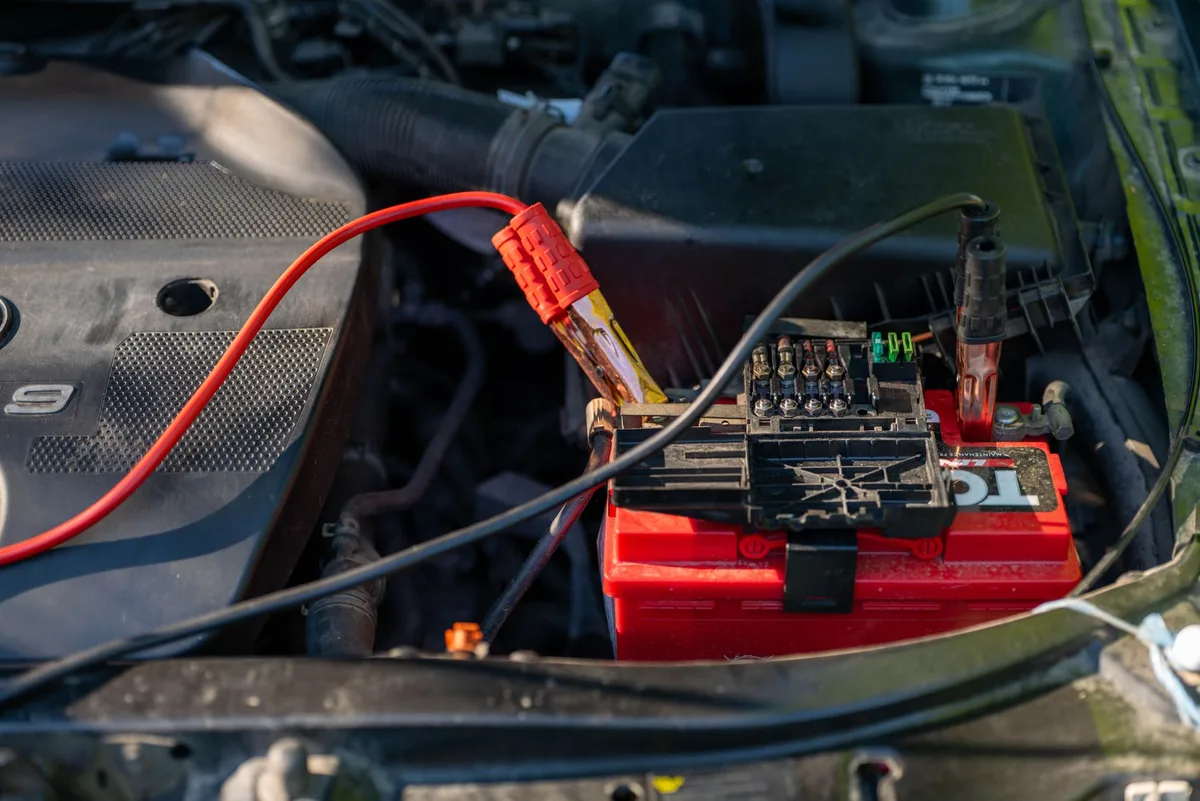
A car that starts fine one day and cranks slowly the next is a classic warning sign. Knowing how to find what's draining my car battery comes down to one simple test. That test separates a healthy battery from a circuit that never switches off.
Most dead-overnight batteries trace back to just three culprits.
A healthy battery at rest reads about 12.6 volts. Anything pulling more than 50 milliamps while the car sleeps usually means a parasitic draw. As of 2026, many newer cars with always-on telematics sit a little higher, closer to 85 milliamps.
Let's start with why this keeps happening in the first place.
Why Your Car Battery Keeps Dying Overnight
A battery doesn't die for no reason. Something is either draining it faster than it should, or it can't hold the charge anymore. When the car sits overnight and won't crank in the morning, one of three things is going on.
- A weak or aging battery that no longer holds charge
- An alternator that isn't recharging it while you drive
- A parasitic draw pulling power after everything is switched off
Short trips make all of this worse. If you only drive a few minutes at a time, the alternator never fully tops the battery back up. Add a small hidden drain on top of that, and you've got a battery that's flat by the weekend.
The good news? You can pin down which of the three it is with a multimeter and about an hour of patience. That's what the rest of this guide walks through.
Quick Answer: Parasitic Draw vs. Weak Battery vs. Bad Alternator
To find what's draining your car battery, test the key-off current with a multimeter. Set it to measure DC amps. Connect it in series with the negative terminal.
Let the car sleep for 30 to 60 minutes. Then pull fuses one by one until the reading drops. The fuse that lowers the draw points to the guilty circuit.
Here's the fast way to tell the three apart:
- If the battery reads below 12.4 volts at rest but charges fine, then the battery itself is likely weak or old.
- If voltage climbs to 13.8 to 14.7 volts with the engine running but drops off, then suspect the alternator.
- If the battery is healthy yet still dies while parked, then you're chasing a parasitic draw.
Not sure the battery is even good? A quick resting voltage check settles that before you go hunting fuses.
What a Parasitic Drain Actually Is (and What's Normal)
A parasitic drain is any current your car pulls after the key is off and everything has powered down. Some of this is completely normal. Your clock, alarm, keyless entry receiver, and computer memory all sip a tiny bit of power around the clock.
That baseline is called key-off or quiescent current.
The problem starts when something draws far more than it should. A stuck relay, a trunk light that never turns off, or an aftermarket dash cam wired to constant power can all bleed the battery dry.
How Many Milliamps Is Too Many
For most vehicles, a healthy key-off draw sits between 20 and 50 milliamps. Modern cars with telematics and more modules can reach 85 milliamps and still be fine.
| Key-off current | What it usually means |
|---|---|
| 20–50 mA | Normal for most cars |
| 50–85 mA | Borderline, common on newer vehicles |
| Above 85 mA | Likely a real parasitic drain to chase |
Do the math on it. A typical 50 amp-hour battery divided by a 300 mA drain gives you a flat battery in a couple of days. That's why even a "small" fault can strand you.
If you want the full walkthrough, our guide on tracking down a key-off current fault covers every step in detail.
Before You Test: Rule Out the Battery and Alternator First
Don't jump straight to pulling fuses. Half the time the battery or alternator is the real problem, and you'll waste an hour chasing a drain that isn't there. Two quick checks clear this up.
The Resting Voltage Check
Let the car sit for a few hours, then read the battery voltage across the terminals. A fully charged battery shows about 12.6 volts. Around 12.4 volts is roughly 75 percent.
Drop to 12.2 volts or lower and the battery is half flat or failing.
Cold weather skews these numbers, too. Voltage sags in freezing temps, so a winter reading that looks low might just be the cold talking. If the battery won't hold 12.6 volts even after charging, it's likely worn out.
The Alternator Charging Check
Start the engine and read the voltage again. A healthy alternator pushes 13.8 to 14.7 volts at idle, based on manufacturer specs and the U.S. Department of Energy's guidance on vehicle charging systems.
Anything stuck below that range means the alternator isn't keeping up.
If the number sits right at the edge, our breakdown of what counts as normal output helps you judge it. A bad diode inside the alternator can also leak current backward and drain the battery overnight, which we'll come back to later.
Tools You'll Need for a Battery Drain Test
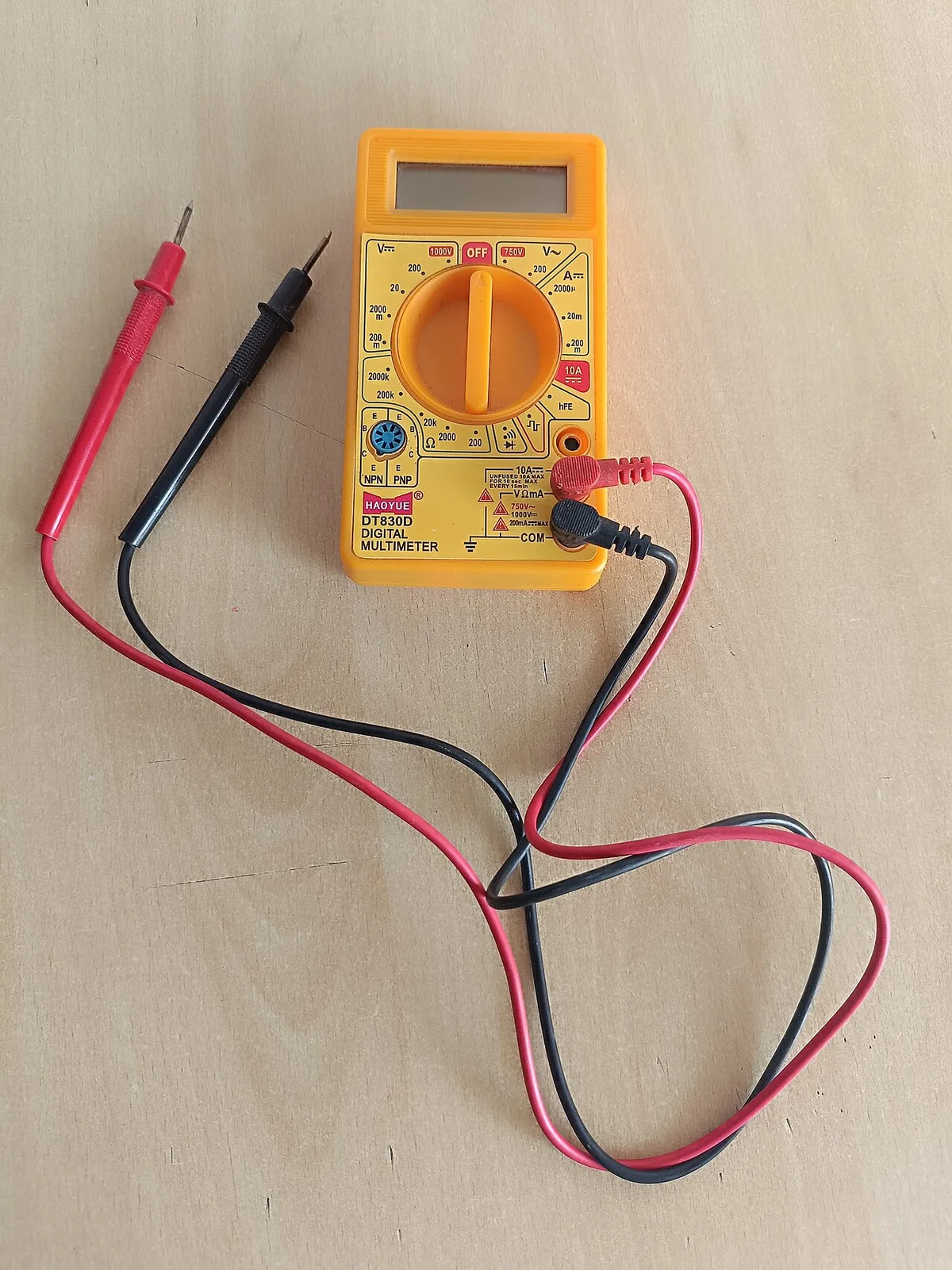
You don't need a shop full of gear. A decent multimeter and a little patience will find most drains. A clamp meter makes the job faster, but it's optional.
| Tool | What it does |
|---|---|
| Digital multimeter | Measures key-off current in milliamps |
| DC clamp meter | Reads draw without disconnecting anything |
| Basic hand tools | Loosen the negative battery clamp |
| Fuse puller or pliers | Pull fuses one at a time |
| Vehicle fuse chart | Matches each fuse to its circuit |
Multimeter vs. Clamp Meter
A multimeter connects in series, meaning current flows through the meter itself. It's accurate and cheap, but you have to break the circuit to hook it up. Just make sure you use the 10-amp port so you don't blow the meter's internal fuse.
A clamp meter is the no-fuss option. You clamp it around the negative cable and read the draw without disconnecting a thing. It's quicker and safer for modern cars, though a mA-capable clamp costs more.
If your multimeter dial has you second-guessing, this quick note on choosing the right dial position clears it up before you start.
How to Find the Drain with a Multimeter (Step by Step)
This is the core test. You're measuring how much current leaks out while the car sits idle. Work through it in order and don't rush the wait time.
Connecting the Meter in Series
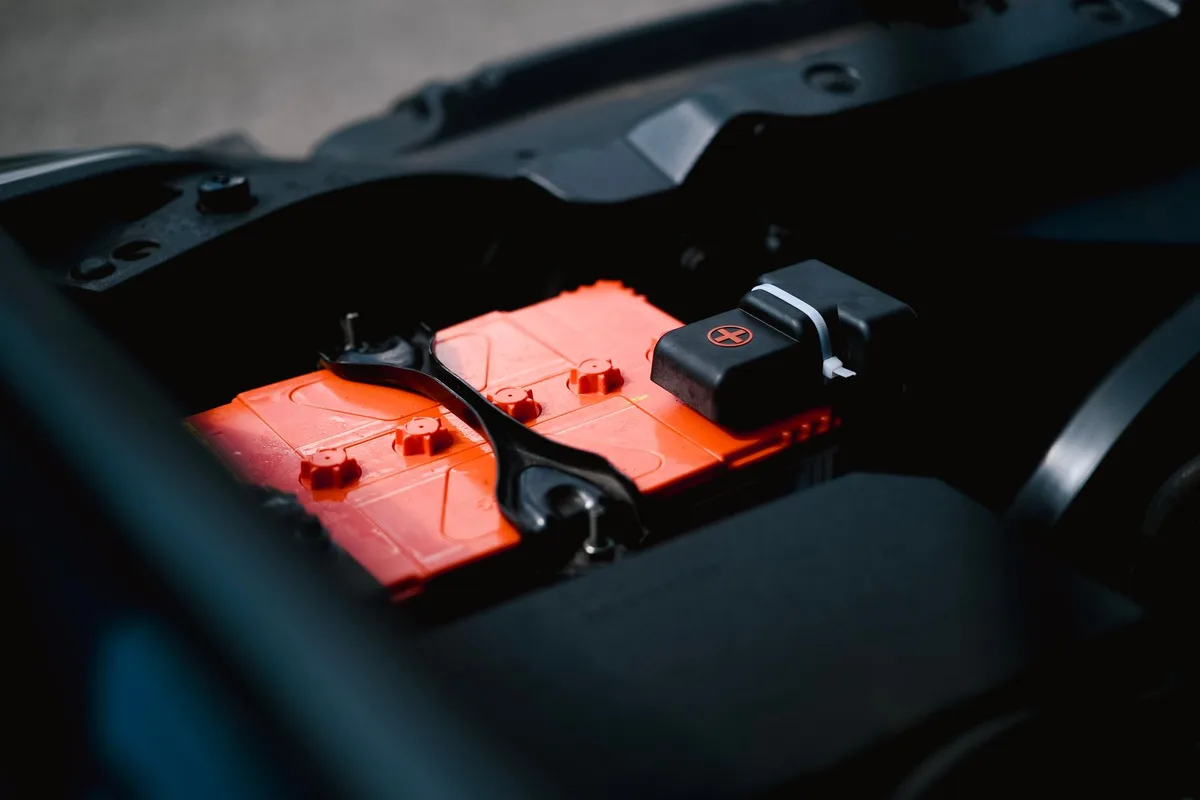
Set the multimeter to DC amps and plug the red lead into the 10-amp port. Turn the car fully off and remove the key. Loosen the negative battery clamp and lift it off the post.
Now bridge the gap. Touch one meter lead to the negative post and the other to the disconnected cable. Current now flows through the meter.
If you're fuzzy on wiring the leads correctly, this walkthrough on hooking a meter up to the battery shows the exact placement.
Waiting for the Car to Sleep
Here's the step most people skip. Modern modules stay awake for 30 to 60 minutes after you shut the door. During that window your reading will be sky-high and useless.
Walk away and let the car power down completely. Keep the doors closed and the hood latch tricked (more on that in the mistakes section). Come back once the modules have gone to sleep.
Reading the Baseline Draw
After the wait, read the number on the meter. Under 50 milliamps? You're in normal territory.
Above 85 milliamps? You've confirmed a parasitic draw worth chasing.
Jot the figure down. That baseline is what you'll watch drop as you start pulling fuses.
Pulling Fuses to Pinpoint the Circuit
With the drain confirmed, you find the guilty circuit by elimination. Pull one fuse at a time and watch the meter. When the reading drops to normal, the fuse you just removed feeds the problem circuit.

Check both fuse boxes. Most cars have one under the hood and one inside the cabin. Reinsert each fuse before moving to the next so you only test one circuit at a time.
The Voltage-Drop Method (No Disconnecting Needed)
There's a slicker way that skips disconnecting the battery. Set the meter to millivolts and probe across each fuse's two test points. A powered circuit with current flowing shows a tiny voltage drop across the fuse.
The fuse feeding your drain will read a higher millivolt value than the quiet ones. This millivolt drop technique keeps the doors shut and the modules asleep the whole time. It's faster once you get the hang of it.
Reading Your Fuse Chart
Every fuse maps to a circuit, and your chart is the key. You'll find it on the fuse box lid, in the owner's manual, or printed inside the panel cover.
Match the guilty fuse number to its label. That tells you whether you're dealing with the radio, the interior lights, a module, or an accessory circuit. From there, you narrow down the exact component.
Tracing the Culprit: Common Sources of Battery Drain
Once you know the circuit, the suspect list gets short. A handful of faults cause the vast majority of parasitic drains.
Stuck Relays and Trunk/Glovebox Lights
A relay that won't release keeps its circuit live around the clock. You can sometimes feel a stuck relay buzzing or warm to the touch. Swapping it with an identical relay elsewhere in the box is a quick way to confirm.
Courtesy lights are another classic. A trunk, glovebox, or underhood bulb that never shuts off will quietly cook the battery overnight. Check that each light's switch actually clicks off when the lid closes.
Aftermarket Accessories and Add-Ons
Anything added after the factory is a prime suspect. Dash cams, alarms, remote starters, amplifiers, and phone chargers often get wired straight to constant power. If the install was sloppy, they never fully switch off.
If your drain started soon after a new gadget went in, start there. Unplug it and re-run the key-off test to see if the number drops.
A Faulty Alternator Diode
A bad diode inside the alternator can leak current backward into the charging circuit. The battery drains overnight even though everything else checks out. If pulling the alternator fuse kills the drain, the diode is your prime suspect.
You can confirm it with a quick diode bench check using the meter's diode setting. A healthy diode passes current one way only. A leaky one passes both ways and needs the alternator rebuilt or replaced.
Mistakes That Wreck Your Reading
Small slip-ups here send you chasing ghosts for hours. Two mistakes trip up almost everyone.
Opening the Door or Hood Mid-Test
Opening a door wakes every module in the car and spikes your reading instantly. Suddenly you're measuring 2 amps of interior lights and computers, not the actual drain. Roll a window down first so you can reach in without opening a door.
The hood switch is sneakier. If your car senses the hood open, pop the latch and tape or hold the hood pin down before you start. That keeps the car believing it's shut and asleep.
Blowing the Multimeter Fuse
Most multimeters have a 10-amp limit on their current port. Crank the starter or turn on a big load with the meter in series, and you'll instantly blow the internal fuse. Then your readings all show zero and you think the drain vanished.
Always use the high-amp port for this test. Never start the engine while the meter sits in series. If your readings suddenly drop to nothing, check that fuse before anything else.
Safety Steps Before You Touch the Battery
Car batteries pack real energy, and lead-acid types vent hydrogen gas. A stray spark near the terminals can be dangerous, so a few habits keep this simple job safe.
- Wear eye protection and skip the metal jewelry
- Keep sparks, flames, and cigarettes well away from the battery
- Disconnect the negative terminal first, reconnect it last
- Never let a tool bridge both terminals at once
- Handle AGM and lithium batteries per the maker's instructions
Work in a ventilated spot, not a sealed garage. If you spot a cracked case, bulging sides, or leaking acid, stop and replace the battery. And once you reconnect, expect to reset the clock, radio presets, and power windows.
When to Stop and Call a Mechanic
Some drains sit beyond a driveway fix. If your key-off reading stays high even after every fuse is out, the leak is likely before the fuse box, often the alternator or a main harness. That's shop territory.
Call a pro if any of these show up:
- The draw won't drop no matter which fuse you pull
- You smell burning or see melted insulation
- A module needs specialized scan-tool testing to isolate
- The battery keeps failing even after the drain is fixed
Intermittent drains are the trickiest. If the fault only appears some nights, a technician can log current over hours with gear you likely don't own. There's no shame in handing off a ghost that won't show itself on demand.
How to Keep a Parasitic Drain From Coming Back
Once you've fixed the drain, a few habits stop the next one. Most repeat failures trace back to short trips and sloppy accessory wiring.
- Drive long enough to recharge, at least 20 to 30 minutes weekly
- Have any aftermarket gear wired through a switched circuit, not constant power
- Check that trunk, glovebox, and hood lights click off fully
- Clean corroded terminals so the charging system works properly
- Use a battery maintainer if the car sits for days at a time
A trickle charger or maintainer is cheap insurance for weekend cars and seasonal vehicles. It holds the battery at full charge without overcharging. For cars that sit for weeks, a simple battery cut-off switch kills all draw instantly.
Keep an eye on battery age, too. Most last three to five years, and a tired battery makes even a normal draw feel like a fault.
Frequently Asked Questions
How long should I wait before reading the draw?
Give the car 30 to 60 minutes to fully power down. Modern modules stay awake after you lock up, so an early reading will look alarmingly high. Wait for the current to settle, then record your baseline.
Rushing this step is the number one cause of false results.
Can I test for a drain without disconnecting the battery?
Yes. A DC clamp meter reads current straight off the negative cable with nothing disconnected. You can also use the voltage-drop method, probing millivolts across each fuse.
Both keep the doors closed and the modules asleep, which makes them faster and less error-prone than the series method.
What's a normal parasitic draw in milliamps?
Most cars sit between 20 and 50 milliamps at rest. Newer vehicles with telematics and extra modules can reach about 85 milliamps and still be healthy. Anything above that points to a genuine drain.
Use your baseline reading to judge, then pull fuses to find the offending circuit.
Could a bad alternator drain my battery overnight?
It can. A failing diode inside the alternator leaks current backward into the battery while the car sits. If pulling the alternator fuse drops your key-off reading to normal, the diode is the likely cause.
A quick diode check with your meter confirms it before you replace the unit.
Why does my battery only die in cold weather?
Cold slows the chemical reaction inside the battery, so it delivers fewer cranking amps and reads lower. A weak battery that limps through summer often quits in winter. A small parasitic draw also drains a cold battery faster.
Test the resting voltage on a mild day to rule out the cold itself.
Your Battery-Drain Decision Guide
Here's the whole process boiled down to a simple path. Follow it top to bottom and you'll land on the answer.
- If the resting voltage is below 12.4 volts but the battery charges fine, then the battery is likely worn out. Replace it.
- If engine-running voltage falls outside 13.8 to 14.7 volts, then the alternator is the problem. Test it or have it checked.
- If the battery and alternator both check out but the car still dies parked, then run the key-off draw test.
- If the draw sits above 85 milliamps, then pull fuses one by one until it drops to find the circuit.
- If the reading won't drop no matter what you pull, then the fault is upstream. Book a mechanic.
Work it in that order and you rarely waste time. Rule out the battery, then the alternator, then hunt the parasitic draw. A multimeter, a fuse chart, and an hour of patience solve the vast majority of dead-overnight batteries.

Similar Posts