Car Battery Voltage Fluctuating While Driving: Causes
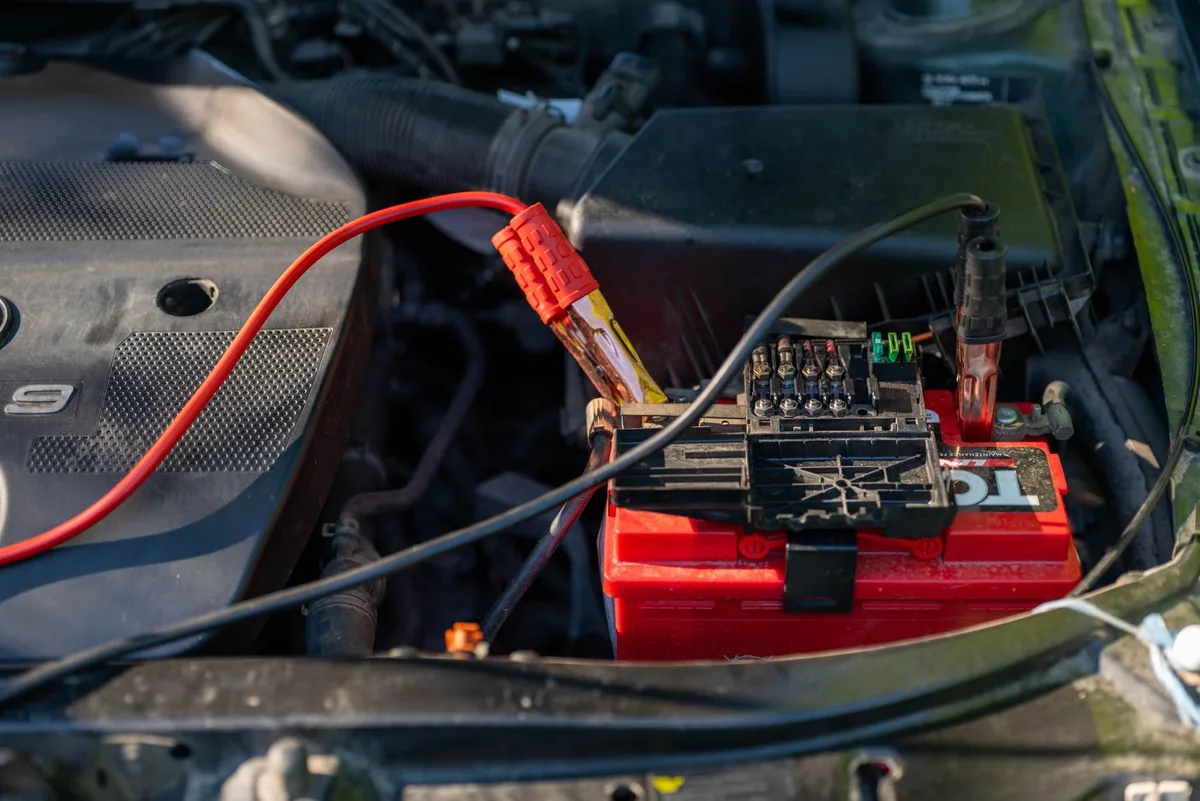
Watching your car battery voltage fluctuating while driving can set off real alarm bells, especially if the dash gauge bounces or your headlights pulse. Here's the reassuring part: some movement in that number is completely normal on modern vehicles. The tricky part is telling healthy variation apart from a genuine fault.
That line matters because the healthy window is tight. Most charging systems hold between 13.5 and 14.7 volts while running, and they shift on purpose as loads change. As of 2026, nearly every new car uses smart charging that varies output by design.
Knowing what's normal is the first step to fixing what isn't, so let's start there.
Quick Answer
Some car battery voltage change while driving is normal. Modern smart charging systems vary output between 13.5 and 14.7 volts. They adjust for electrical load, temperature, and battery charge.
Large or erratic swings point to a real fault. The usual suspects are a failing alternator, bad grounds, or loose terminals.
Why Your Car's Voltage Reading Swings While You Drive
Your alternator doesn't pump out one flat number. It responds to what the car needs at any moment. Switch on the AC, rear defrost, and high beams at once, and the voltage regulator ramps output to keep up.
Turn those loads off, and it eases back down. That up and down movement is the system doing its job. On a healthy car, the swing is smooth and stays inside the normal band.
Here's the simple logic to keep in mind:
- If the voltage drifts gently between about 13.5 and 14.7 volts, that's normal regulation.
- If it drops below 13 volts under load, the charging system may be struggling.
- If it spikes above 15 volts, the regulator could be overcharging.
- If it jumps erratically or flickers fast, suspect a loose connection or a failing diode.
The goal isn't a perfectly frozen number. It's a reading that stays calm and inside the safe range no matter what you switch on.
What "Normal" Charging Voltage Looks Like
A healthy charging system sits between 13.5 and 14.7 volts with the engine running. Anything steady inside that band is fine. The exact figure shifts with battery temperature and state of charge, which is exactly why the reading moves.
| Condition | Typical Voltage | What It Means |
|---|---|---|
| Engine off, resting | 12.6V | Battery fully charged |
| Engine off, ~50% charge | 12.2V | Partly discharged |
| Cranking (starting) | 9.6V to 10.5V | Normal dip under starter load |
| Running, normal | 13.5V to 14.7V | Healthy charging |
| Running, over 15V | 15V+ | Overcharging, check regulator |
| Running, under 13V | Below 13V | Undercharging, check alternator |
If you want the full breakdown of the safe band, our guide on the healthy output range walks through it. Industry charging targets trace back to standards work from SAE International, the body that sets automotive electrical specs.
Smart Charging and Variable Voltage on Modern Cars
Newer cars use an intelligent battery sensor on the negative terminal. It tells the ECM the battery's charge and temperature. The computer then commands the alternator up or down to save fuel and protect the battery.
So a reading that hovers at 13.3 volts on the highway isn't always a fault. On many start-stop cars, that's the system deliberately backing off once the battery is topped up.
Resting vs. Cranking vs. Running Numbers
These three states each have their own normal. A resting battery reads about 12.6 volts. During start, it dips hard, and our note on the dip during startup shows what's acceptable.
Cold mornings pull those numbers lower, which is why winter starting loads can make a weak battery look worse than it is.
The Real Culprits Behind Abnormal Voltage Swings
When the movement is more than gentle drift, one of a handful of parts is usually to blame. Work through them in order of likelihood.

Failing Alternator or Worn Voltage Regulator
The alternator generates your charge, and the regulator controls it. Worn brushes or a dying regulator make output wander. You might see the number climb to 15 volts, then sag to 12.
If the reading is high at the top end, our look at when the top end runs too hot explains the risk to your electronics.
Bad Grounds, Loose Terminals, and Corroded Connections
This is the most overlooked cause. A weak ground or a loose terminal adds resistance, and voltage jumps around as the connection makes and breaks. Testing a weak ground path takes minutes and often solves the whole problem.
A Dying Battery or High Internal Resistance
An old battery with high internal resistance can't hold a stable charge. The alternator overreacts, and the voltage bounces. If the battery is more than four or five years old, it's a prime suspect.
Slipping Serpentine Belt and Diode Faults
A glazed or loose serpentine belt lets the alternator pulley slip, so output sags at idle and recovers with RPM. A failed diode inside the alternator leaks AC into your DC system. That ripple shows up as flicker, and checking the diodes confirms it fast.
Decision Tree: Match Your Symptoms to the Likely Cause
Use your exact symptom to skip the guesswork. Find the pattern that matches, then start with the fix listed beside it.
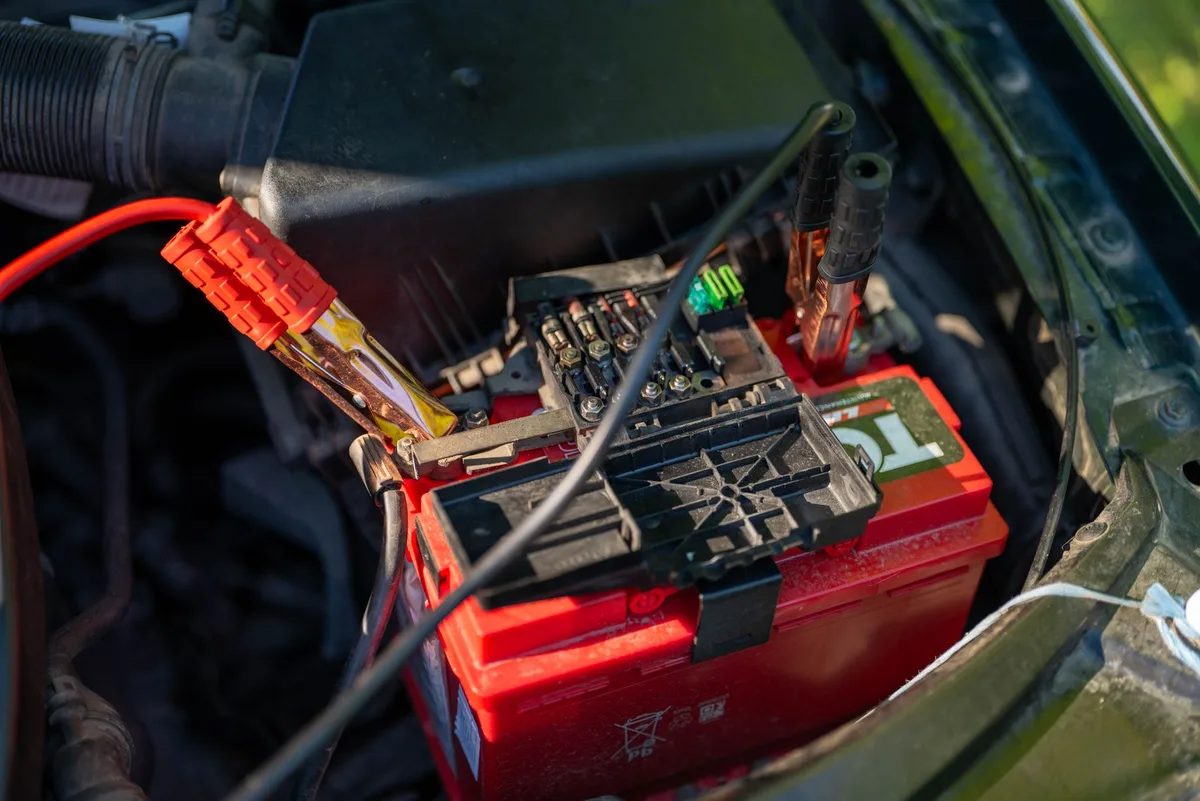
Voltage Drops at Idle but Climbs With RPM
If the number sags at a stop and recovers as you rev, think mechanical. A slipping belt or a tired alternator that can't make full output at low speed fits this pattern. Check belt tension first.
Then test alternator output at 2,000 RPM.
Voltage Reads Too High (Over 15V)
If it holds above 15 volts, stop and take it seriously. Overcharging cooks the battery and can spike sensitive modules. The voltage regulator is the usual culprit.
Get it checked before you drive far.
Voltage Reads Too Low (Under 13V Running)
If the running number stays below 13 volts, the battery isn't getting charged. Look at the alternator, the belt, and every ground strap. A single bad connection can starve the whole system.
Flickering Dash Lights and Charging Warning Messages
Fast flicker with a "charging system" message usually means a loose connection or a failing diode. Wiggle-test the battery terminals with the engine running. If the flicker changes as you touch them, you've found a loose or corroded terminal.
How to Test It Yourself With a Multimeter or OBD-II Scanner
You can confirm the fault in your own driveway with two cheap tools. A digital multimeter reads voltage at the battery. An OBD-II scanner with live data shows what the ECM is commanding.

Set your meter to DC volts first. If you're unsure which range to pick, our note on dialing in the 20V DC range keeps it simple. The full walk-through for reading it at the terminals covers probe placement.
Baseline, Cranking, and Loaded Voltage Checks
Run these three checks in order. Each one narrows the cause.
- Engine off: touch red to positive, black to negative. You want about 12.6 volts.
- Cranking: watch the dip as it starts. It should stay above 9.6 volts.
- Running: expect 13.5 to 14.7 volts at idle.
- Loaded: switch on lights, AC, and blower. Voltage should hold above 13 volts.
If the loaded number collapses, the alternator can't keep up. A proper load check confirms whether the battery or the charging side is weak.
Checking AC Ripple to Catch a Bad Diode
Switch your meter to AC volts with the engine running. On a healthy system, you'll read under 0.05 volts (50 millivolts). Anything higher means a diode is leaking AC into your DC circuit.
That ripple is a classic cause of flickering lights and a bouncing gauge.
For connection faults, a voltage drop check across each cable finds hidden resistance. Testing the battery cables directly catches a corroded conductor hiding under good-looking insulation.
Mistakes That Send People Down the Wrong Repair Path
The most expensive mistake is replacing the alternator first. It's the obvious guess, but a bad ground or loose terminal mimics a dead alternator perfectly. Test the cheap stuff before you buy the big part.
Here are the traps we see most often:
- Ignoring the grounds. A single corroded ground strap causes wild swings.
- Trusting a shiny terminal. Corrosion often hides under the clamp, not on top.
- Testing at idle only. Some faults only show up under full electrical load.
- Panicking over normal smart-charging drift. A steady 13.3 volts on the highway can be intentional.
- Skipping the belt. A glazed serpentine belt is a five-minute check that people forget.
One more: don't assume a brand-new battery is good. A poorly registered replacement on a start-stop car can throw charging codes until the sensor is reset with a scan tool.
What It Costs to Fix: Battery, Alternator, Belt, and Ground Repairs
Costs swing a lot by car and region. As a rough guide for a typical passenger vehicle, here's what aggregate repair data suggests as of 2026.
| Repair | Typical Parts Cost | Typical Total With Labor |
|---|---|---|
| Clean or tighten terminals | $0 to $15 | $0 to $60 |
| Repair or add ground strap | $10 to $30 | $50 to $120 |
| Serpentine belt | $25 to $70 | $100 to $250 |
| Battery replacement | $120 to $300 | $150 to $400 |
| Alternator replacement | $150 to $400 | $350 to $900 |
The pattern is clear. The fixes that solve most fluctuation cases are the cheapest ones. Grounds, terminals, and belts cost little and take minutes.
That's exactly why they should come first.
Safe Handling: Terminals, Overvoltage, and Protecting Your ECU
A charging fault isn't just an inconvenience. Overvoltage above 15 volts can damage your ECU, airbag modules, and other electronics. If you see sustained high readings, stop driving and get it checked.
Handle the battery with respect. It vents hydrogen gas and holds corrosive acid. Follow these basics:
- Always disconnect the negative terminal first, and reconnect it last.
- Never lay a metal tool across both terminals. A dead short can burn or explode.
- Wear eye protection when cleaning corrosion.
- Keep sparks and flames away from the battery.
If you smell rotten eggs near the battery, that's sulfur from an overcharged or boiling cell. Shut things down and investigate. That smell means the charging voltage is running too high.
When to Stop Testing and See a Mechanic
Call a pro the moment the voltage sits above 15 volts or you smell that sulfur odor. Overcharging can fry expensive modules faster than you can diagnose it. This is not a wait-and-see situation.
Book a shop visit if any of these apply:
- Voltage swings wildly even after you clean grounds and terminals.
- The charging light stays on with the engine running.
- You've replaced the battery and the fluctuation continues.
- The car stalls or struggles to restart.
A shop can bench-test the alternator, scan for charging codes, and register a new battery on start-stop systems. If the problem started right after a battery swap, mention it. An unregistered battery is a quick fix that DIY tools often can't handle.
Frequently Asked Questions
Is it normal for car voltage to go up and down while driving?
Yes, gentle movement is normal. Smart charging systems adjust output between 13.5 and 14.7 volts based on load, temperature, and battery charge. A steady drift inside that band is the regulator doing its job.
Fast, erratic swings or readings outside that range signal a real fault worth checking.
Can a bad battery cause voltage fluctuation while driving?
Yes. A battery with high internal resistance can't hold a stable charge, so the alternator overcorrects and the voltage bounces. This is common in batteries over four or five years old.
A quick load test confirms it. If the battery fails under load, replace it before chasing other parts.
Why does my voltage drop when I stop at a light?
At idle, the alternator spins slowest and makes its least output. Add headlights, AC, and the blower, and demand can briefly outrun supply. A small dip that recovers as you drive off is normal.
A big sag that stays low points to a slipping belt or a weak alternator.
What voltage is too low while driving?
Anything under 13 volts with the engine running means the battery isn't charging properly. Below 12.5 volts while driving, the car is running on battery reserve alone. That will leave you stranded soon.
Check the alternator, belt, and grounds right away before the battery drains fully.
Can a loose ground cause voltage to fluctuate?
Absolutely, and it's one of the most common causes. A corroded or loose ground adds resistance, so voltage jumps as the connection makes and breaks. Cleaning and tightening every ground strap often fixes the whole problem.
It's a five-minute job worth doing before you spend money on parts.
Your Step-by-Step Decision Guide to a Stable Charging System
Work this order every time, and you'll solve most fluctuation cases without wasting money. Start cheap, then move to the bigger parts only if the simple fixes come up clean.
- Read resting voltage. Engine off, you want 12.6 volts. Low here means a weak battery.
- Check running voltage. Aim for 13.5 to 14.7 volts at idle.
- Load it up. Switch on lights, AC, and blower. It should hold above 13 volts.
- Inspect grounds and terminals. Clean corrosion, tighten clamps, look under the connectors.
- Check the serpentine belt. Replace it if it's glazed or slipping.
- Test AC ripple. Over 50 millivolts means a failing diode in the alternator.
- Bench-test the alternator. Do this last, once the cheap fixes are ruled out.
If the voltage ever sits above 15 volts, stop and treat it as urgent. Overcharging damages electronics fast, and that's a shop visit, not a driveway fix.
The takeaway is simple. A little movement in your voltage is healthy and expected on modern cars. Wild swings, high spikes, or steady lows are the warning signs.
Follow the checks in order, fix the cheap stuff first, and you'll keep your charging system steady and your electronics safe.

Similar Posts