Car Battery Reads 12.6V But Won’t Start: Causes & Fixes

Ever turned the key, heard nothing useful, then checked the meter and found a healthy number staring back? When a car battery reads 12.6 but won't start, it's easy to assume the battery is off the hook. That 12.6 volts only tells you the battery is charged.
It says nothing about whether it can actually deliver the current your starter needs.
A fully charged 12V lead-acid battery sits right around 12.6 to 12.7 volts at rest, which is six cells at about 2.1 volts each. That's the number you're seeing. But cranking an engine pulls hundreds of amps, and a battery can hold a nice resting voltage while collapsing the moment it's asked to work.
Let's sort out what's really going on.
Quick Answer
A car battery reads 12.6 but won't start when it's charged yet can't deliver cranking current. Resting voltage and voltage under load are two different things. A weak cell, corroded terminals, a bad ground, or a failing starter can all cause it.
Load test the battery first. Then check connections, then the starter.
Why 12.6 Volts Doesn't Always Mean Your Battery Is Fine
Resting voltage measures state of charge, not state of health. Those are two separate things. A battery can be 100% charged and still be too worn out to crank an engine.
Here's the catch. A battery that's been on a charger or recently driven can carry a surface charge. That's a thin, temporary voltage sitting on the plates.
It can read 12.6 or higher and fool you completely.
The real question isn't "how full is it," but "how much muscle does it have left?" Internal resistance climbs as a battery ages. Sulfation builds on the plates. A shorted cell can still leave the pack near 10.5 volts, and plenty of tired batteries read a convincing 12.6 at rest, then fold under load.
So a good resting number is a green light for one test only. It rules out a flat battery. It doesn't rule out a bad one.
Resting Voltage vs. Voltage Under Load (The Test That Actually Matters)
Voltage under load is the number that decides whether your battery can start the car. Resting voltage is measured with nothing running. Load voltage is measured while the battery is pushed hard, either by a tester or by the starter itself.
A healthy battery should stay above roughly 9.6 volts while cranking. If it plunges to 8, 7, or lower the instant you turn the key, that's a battery problem, full stop. It doesn't matter that it read 12.6 a second earlier.
Think of it like a water tank with a pinhole outlet. The gauge shows full, but open the tap wide and barely a trickle comes out. The pressure reading lied about the flow.
| Test | What it measures | Good result | What a bad result means |
|---|---|---|---|
| Resting voltage | State of charge | 12.6 to 12.7V | Below 12.4V = needs charging |
| Cranking voltage | Ability under load | Stays above 9.6V | Drops below 9.6V = weak/dead cell |
| Voltage drop | Connection quality | Under 0.2 to 0.5V | Higher = corrosion or bad ground |
If you want to confirm the charge side first, our guide on reading resting voltage walks through the meter setup. Then compare that against what it does while the engine spins to see the whole picture.
What Your Car Is Telling You When You Turn the Key
The sound your car makes is the single best free clue you have. Before you touch a tool, turn the key and just listen. Each symptom points down a different path.
One Loud Click
A single sharp click usually means the starter solenoid engaged but the starter motor didn't spin. If you hear one solid clunk and nothing turns, suspect a failing starter, a bad solenoid, or not enough current reaching it. A weak battery under load can cause this too, so a load test still comes first.
Rapid Clicking
Fast machine-gun clicking almost always means low current. The solenoid keeps trying to pull in, voltage sags, it drops out, then tries again. That cycle repeats several times a second.
If you hear rapid clicking, check the battery's load capacity and the connections before condemning the starter.
Dead Silence, No Sound at All
Total silence points away from the battery and toward a broken circuit. Think ignition switch, neutral safety switch, a blown fusible link, or an immobilizer lockout. If nothing happens at all, try shifting to Neutral or pressing the clutch, and check that the dash even wakes up when you turn the key.
Dim Dash Lights That Fade While Cranking
Watch your dash lights as you turn the key. If they glow bright, then collapse to almost nothing when you crank, that voltage is falling off a cliff. That behavior screams weak battery or a high-resistance connection.
Bright lights that stay bright with zero cranking sound point the other way, toward the starter circuit.
The No-Start Decision Tree: Battery, Connection, or Starter?
With 12.6 volts on the meter, your problem lives in one of three places: the battery's real health, the connections, or the starter circuit. Work them in that order. It's cheapest to most expensive, and easiest to hardest.
Follow this flow:
- Step 1, load test the battery. If it can't hold above 9.6V under load, stop here. The battery is the culprit even though it reads 12.6 at rest.
- Step 2, inspect and test connections. If the battery passes, check the terminals, cables, and grounds. A weak ground path can starve the starter while the battery reads perfect.
- Step 3, test the starter circuit. If the battery and connections are solid, move to the starter, solenoid, and relay. This is where checking the starter itself earns its keep.
A quick way to picture the branches:
| What you observe | Most likely cause | Where to go next |
|---|---|---|
| Voltage drops hard under load | Weak or dead cell | Replace the battery |
| Rapid clicking, dim lights | Low current or bad connection | Clean terminals, load test |
| One click, lights stay bright | Starter or solenoid | Test the starter |
| Total silence, lights fine | Switch, safety switch, fuse | Check ignition and safety circuits |
The reason this order matters is simple. A battery that reads 12.6 but fails under load is by far the most common answer, and it's the fastest to confirm. Per Battery Council International guidance echoed by standards from SAE International, cranking performance is rated by load capacity, not resting voltage, which is exactly why so many "good" batteries strand people as of 2026.
Don't skip to the starter just because the number looked healthy. Test in order, and you'll rarely buy a part you didn't need.
How to Load Test the Battery (In the Car or at the Parts Store)
A load test is the fastest way to prove whether that 12.6 volts has any real strength behind it. You've got two easy options: a home load test or a free bench test at most parts stores.
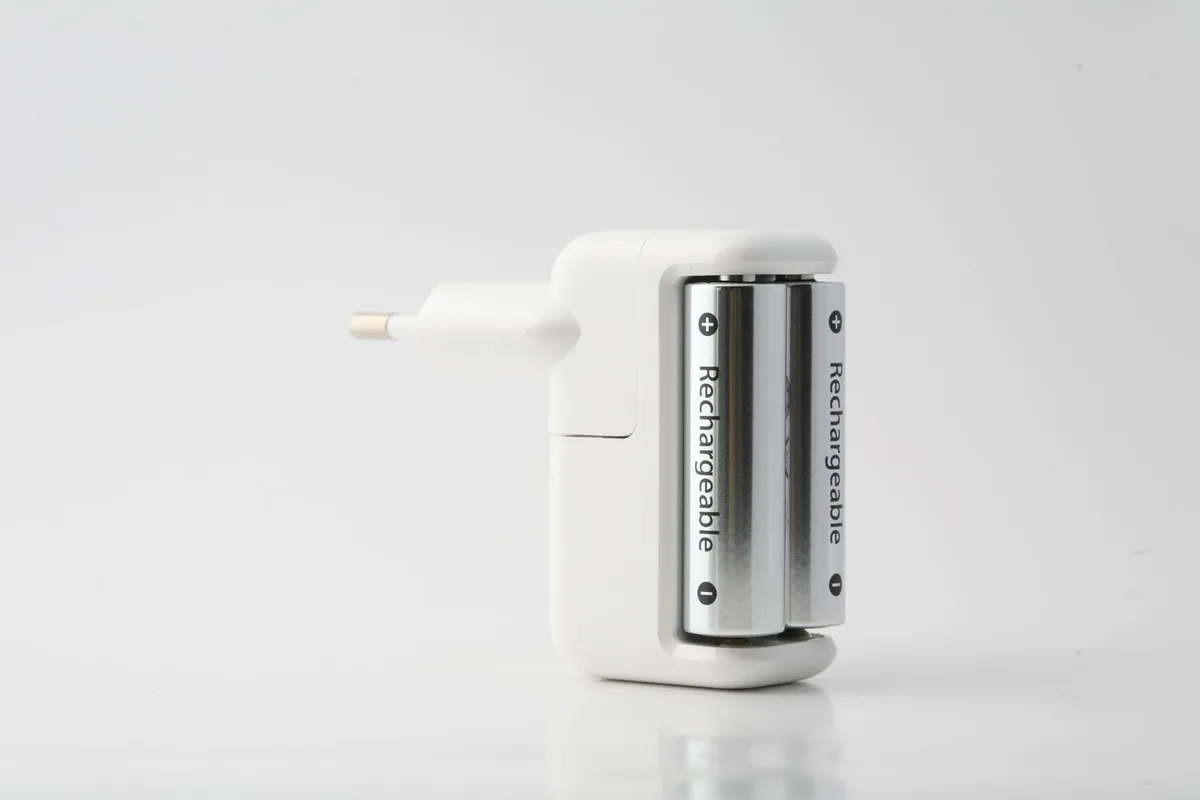
The parts-store route is simplest. They clamp on a machine that pulls a heavy load and reads out your actual cold cranking amps against the rating on the label. If a 600 CCA battery tests at 250 CCA, it's toast, no matter what it reads at rest.
At home, you can watch cranking voltage with a meter across the terminals while a helper turns the key. Set the dial to DC volts, and if you're unsure, our quick note on dialing in the 20V range covers it.
- Stays above 9.6V while cranking: battery is strong, move to connections.
- Drops to 8V or lower: weak or dead cell, replace the battery.
- Drops to near zero with a click: could be battery or a bad connection, so test both.
A proper carbon-pile method applies half the CCA rating for 15 seconds and watches for sag. If you'd rather do it with your own meter, putting it under real load shows the full procedure step by step.
Checking Terminals, Grounds, and Cables With a Voltage-Drop Test
Bad connections steal voltage before it ever reaches the starter, and they're the most overlooked no-start cause. A voltage-drop test finds them in minutes.
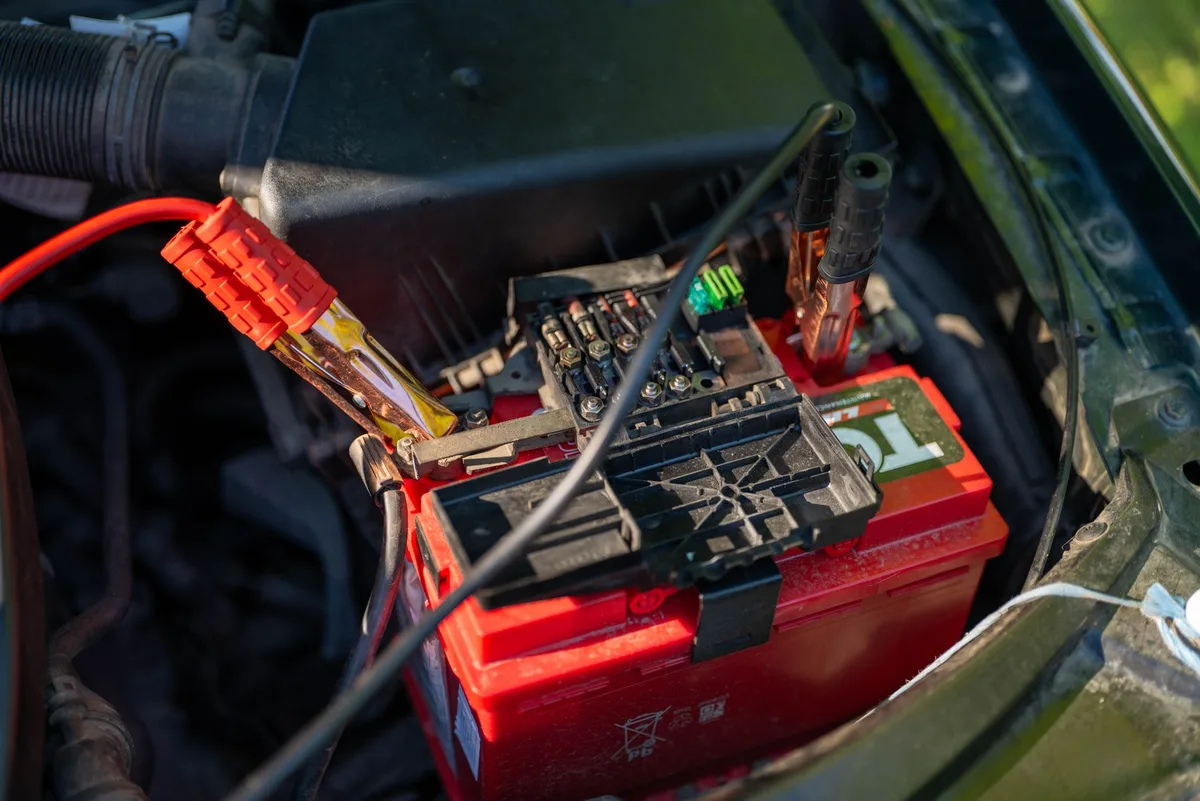
Start with your eyes and hands. Look for white or green fuzz on the terminals. Grab each cable clamp and wiggle it.
If a terminal moves or the crud is thick, clean it with a wire brush and a baking soda paste, then retighten.
Corrosion adds resistance you can't see. A clamp that looks fine can still drop enough voltage to choke a starter. That's where the meter earns its keep.
Here's the test. Set your meter to DC volts. While a helper cranks, probe across each connection: battery post to cable clamp, then the negative cable to the engine block.
| Where to measure | Acceptable drop | Red flag |
|---|---|---|
| Positive post to clamp | Under 0.2V | Over 0.3V = clean it |
| Negative post to clamp | Under 0.2V | Over 0.3V = clean it |
| Ground cable to engine/chassis | Under 0.3V | Over 0.5V = bad ground |
Anything higher than those numbers means resistance is eating your cranking current. A weak ground is sneaky because the battery and starter can both test fine on their own. For the full method, our walkthrough on tracing hidden resistance breaks it down, and checking the cables end to end catches damage hiding under the insulation.
Testing the Starter, Solenoid, and Starter Relay
If the battery holds voltage and the connections are clean, the starter circuit is next in line. This is the "one loud click, lights stay bright" scenario from earlier.
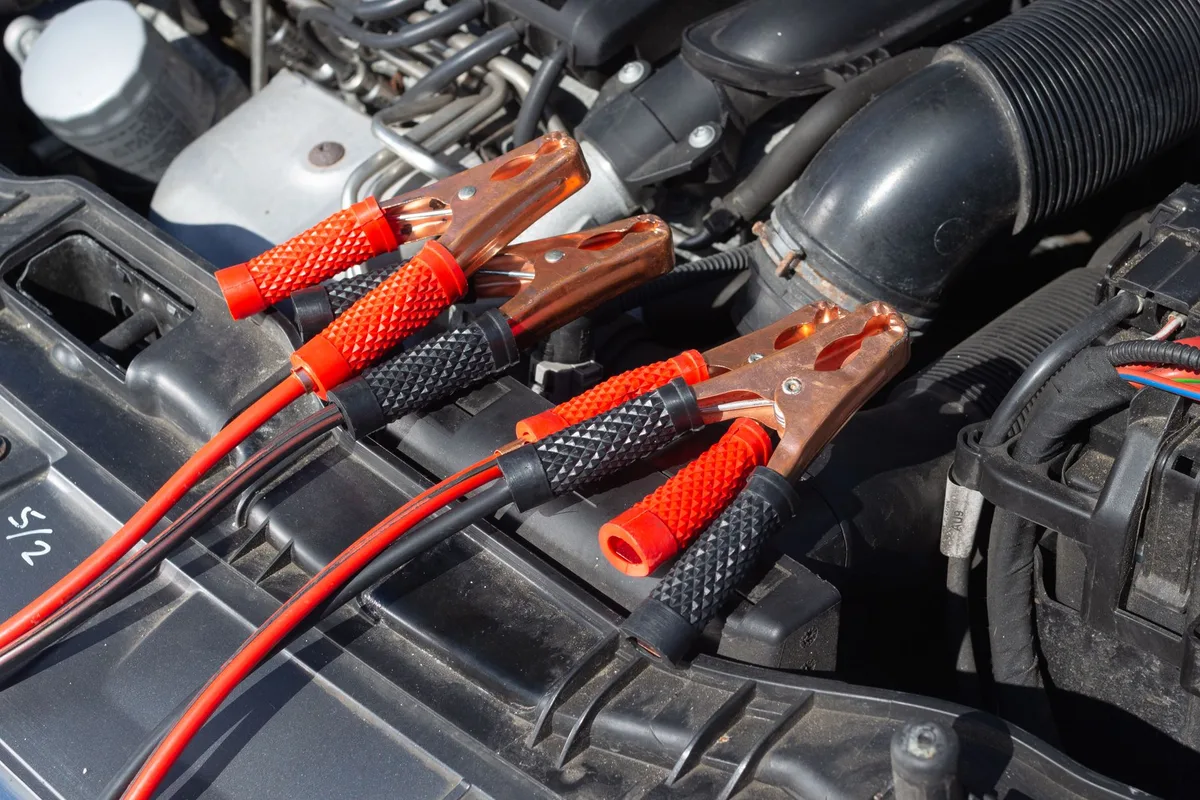
The starter has two parts that fail: the motor and the solenoid. The solenoid is the switch that engages the motor. A single click often means the solenoid pulled in but the motor is seized or worn out.
Quick checks, in order:
- Voltage at the starter. Probe the big terminal while cranking. If you see near battery voltage there but no spin, the starter is the problem.
- The tap test. Gently tapping the starter body with a wrench while someone cranks can jar a worn motor into life. If it fires, the starter's on its way out.
- The relay swap. Many cars share identical relays in the fuse box. Swap the starter relay with a matching one and try again.
A meter tells the cleanest story. Our guide on confirming a dead starter covers the terminal readings that separate a bad starter from a bad feed wire.
If good voltage reaches the starter and it still won't turn, replace it. If voltage doesn't reach it, the fault is upstream in the relay, the ignition switch, or the safety switch.
The Sneaky Culprits: Safety Switch, Ignition Switch, Fusible Link, and Immobilizer
When there's total silence and the dash looks normal, the problem is usually a broken link in the start circuit, not the battery or starter. These are the parts people forget.
The neutral safety switch is the classic one. On an automatic, the car won't crank unless it senses Park or Neutral. If it's dead silent in Park, shift to Neutral and try again.
A worn switch often works in one position but not the other.
On a manual, the clutch safety switch does the same job. You have to press the pedal fully. A misadjusted switch can block cranking even with a healthy battery.
Other quiet killers:
- Ignition switch contacts. Worn contacts inside the switch stop the start signal cold. Accessories may still power on.
- Fusible link or starter fuse. A blown link cuts the feed entirely. Check the underhood fuse box and any inline links near the battery.
- Immobilizer or anti-theft lockout. A key the car doesn't recognize can disable cranking. A flashing security light is your clue. Try the spare key.
Rule of thumb: if the dash lights are normal but you get zero click, chase the switches, fuses, and security system before touching the starter.
Step-by-Step No-Start Diagnosis Flow
Run these steps in order and you'll land on the fault without guessing or throwing parts at it. Each step rules out one branch before you spend money on the next.
- Confirm resting voltage. 12.6V means charged. A charged battery sends you looking elsewhere.
- Listen at the key. One click, rapid clicks, or silence each point a different direction.
- Load test the battery. Below 9.6V under load and you've found it. Replace it.
- Inspect and clean terminals. Tighten clamps. Brush off corrosion. Retest.
- Voltage-drop test the cables and grounds. Over 0.3 to 0.5V means clean or replace that connection.
- Test the starter and solenoid. Good voltage in, no spin out equals a bad starter.
- Check the safety switch. Try Neutral or press the clutch fully.
- Check fuses, relays, and the immobilizer. Look for blown links and security lockouts.
Most 12.6-volt no-starts end at step 3 or step 4. A battery that fails under load or a filthy terminal covers the large majority of cases.
If you'd rather skip the meter entirely, there are meter-free checks that get you a rough answer. Still, a load test is the one result you don't want to guess at, since it decides whether you're buying a battery or chasing a wire.
Mistakes That Send People Buying the Wrong Part
The biggest mistake is trusting resting voltage alone. A 12.6 reading feels like proof, so folks buy a starter, bolt it in, and the car still won't crank. Load test first, always.
Second mistake: ignoring the ground. People clean the positive terminal and forget the negative cable to the block. A bad ground fails every other test around it.
Third: buying a battery without checking the charging system. If the alternator never brought it up to full, it'll die again. It's worth knowing what a healthy charging output looks like before you spend a dime.
Voltage, State of Charge, and CCA Numbers Worth Knowing
These are the numbers that tell you what a reading really means. Keep them handy when you're standing at the battery with a meter.
| Resting voltage | State of charge |
|---|---|
| 12.6 to 12.7V | 100% |
| 12.4V | 75% |
| 12.2V | 50% |
| 12.0V | 25% |
| 11.9V or less | Effectively dead |
Cold cranking amps matter more than resting voltage for starting. Most passenger cars run 400 to 800 CCA. If a load test shows less than about 70% of the label rating, the battery's done, even at a full 12.6.
Battery Safety: Hydrogen Gas, Acid, and Cranking Precautions
Batteries vent hydrogen gas, which is flammable, so keep sparks and flames away. Work in a ventilated spot and don't let tools bridge the terminals.
Wear eye protection. The electrolyte is sulfuric acid and it burns skin and eyes on contact. Rinse any splash with lots of water and get medical help for eye contact.
When disconnecting, remove the negative terminal first to avoid a short. Before any cranking test, set the parking brake and keep the transmission in Park or Neutral. Follow OSHA-style handling basics and never bypass a solenoid unless you know the car can't lurch.
When to Stop and Call a Mechanic
Call a pro when the battery, connections, and starter all test fine but the engine still won't crank. That points to deeper wiring, the ignition switch, or a security system fault.
Get help right away if you smell rotten eggs, see a swollen case, or find leaking acid. Those signal a failing or overheating battery that isn't safe to keep testing.
A no-crank with a seized or hydrolocked engine also needs a shop. If the crankshaft won't turn by hand, that's mechanical, not electrical.
Frequently Asked Questions
Can a battery show 12.6 volts and still be bad?
Yes, easily. Resting voltage only shows the charge level, not the battery's ability to deliver current. A worn battery with high internal resistance or a weak cell can read 12.6 and still collapse under cranking load.
Why does my car click but not start with a good battery?
Clicking usually means the solenoid engages but the starter won't spin. The cause is often low cranking current from a weak battery, corroded terminals, or a bad ground. A failing starter motor is the next suspect.
Will jump-starting help if the battery reads 12.6?
Probably not much. A jump adds current, but if the battery already reads 12.6, it's charged. If jumping does start it, suspect the connections or a battery that fails under load rather than a flat one.
How do I know if it's the starter or the battery?
Load test the battery first. If it holds above 9.6 volts while cranking, the battery is fine and the starter or its wiring is suspect. If voltage crashes under load, replace the battery.
Your Quick Decision Guide for a No-Start With a Good Battery
When the meter says 12.6 and the engine won't turn, work the problem in this order and you'll rarely miss.
- Battery holds under load? No, replace it. That's most cases.
- Terminals clean and tight? No, brush, tighten, retest.
- Voltage drop under 0.3V on cables and ground? No, fix the connection.
- Good voltage at the starter but no spin? Yes, replace the starter.
- Total silence, dash normal? Check Neutral, the clutch switch, fuses, and the immobilizer.
The takeaway is simple. Resting voltage proves the battery is charged, not healthy. A quick load test and a voltage-drop check answer the real question in under ten minutes.
Do those two first, and you'll spend money on the part that's actually broken.

Similar Posts