Car Battery Reading 12.6 Volts: What It Really Means
A car battery reading 12.6 volts is the number every mechanic wants to see on the meter. At rest, with the engine off, 12.6 volts means a standard lead-acid battery is sitting at or near a full state of charge. So if that's your reading, you're probably in good shape.
Probably. That word matters, because a 12.6V reading can hide a battery that's about to quit. Per SAE J537 testing standards, voltage tells you state of charge, not cranking capacity or internal health.
In our research, the timing of the test changes everything, so let's start with the short version before we dig into the traps.
Quick Answer
A car battery reading 12.6 volts at rest is fully charged. That applies to a standard flooded lead-acid battery. The engine must be off for at least four hours first.
AGM batteries read slightly higher, around 12.8 to 12.9 volts when full. A 12.6V reading confirms charge level, not battery health.
Why 12.6 Volts Is the Magic Number (Six Cells, Not Twelve Volts)
Here's the thing most people never learn: a "12-volt" car battery was never really 12 volts. Inside the case sit six individual cells wired in series. Each healthy lead-acid cell produces about 2.1 volts at full charge.
Six cells times 2.1 volts gives you 12.6 volts. That's the real full-charge number, and it's why 12.6V is the benchmark rather than the 12.0V printed in your head. If you want a closer look at how those cells are built, our breakdown of the plates and electrolyte inside shows exactly where that 2.1 volts per cell comes from.
The chemistry behind it is simple enough. Each cell holds lead plates in a sulfuric acid solution, and the reaction between them settles at roughly 2.1 volts when fully charged. The [U.S.
Department of Energy](https://www.energy.gov) covers the underlying lead-acid chemistry in its battery science resources if you want the deeper physics.
Two quick takeaways before we move on:
- 12.6V or higher at rest means the battery is fully charged. A 12.7 or 12.8 reading on a flooded battery usually means you tested a bit too soon after charging.
- 12.0V is not "fine." It sounds close to 12.6, but it actually represents roughly a 25% state of charge. The scale is compressed, so small voltage drops mean big charge losses.
That second point trips up almost everyone. The gap between full and nearly dead is less than one volt.
The Catch: When 12.6 Volts Lies to You
If your meter shows 12.6V, then the battery is fully charged, right? Not always. There are two big ways this number misleads people, and they cause more misdiagnosed batteries than anything else we've come across.
Surface Charge: The False Positive Nobody Warns You About
Surface charge is a temporary voltage boost that sits on the battery plates right after charging. Drive the car, shut it off, and test immediately. You might see 12.8V or even 13.2V on a battery that's actually half worn out.
That inflated reading can linger for a few hours. It's not stored energy you can use. It's a thin electrical "skin" that evaporates the moment you put a real load on the battery.
If you tested within an hour of driving, then your 12.6V reading is suspect. Do this instead:
- Turn the headlights on for about two minutes to burn off the surface charge.
- Turn everything off and wait ten minutes.
- Test again. The number you see now is much closer to the truth.
Better yet, test first thing in the morning after the car sat overnight. That's the gold-standard resting voltage.
Voltage Shows Charge, Not Health
This is the bigger lie. Voltage is like a fuel gauge, and a fuel gauge reading "full" tells you nothing about whether the engine runs.
A sulfated, aging battery can rest at a beautiful 12.6V and still collapse to 8 volts the instant the starter kicks in. Cranking demands hundreds of amps in a burst. Delivering that current depends on cold-weather cranking power and low internal resistance, and a voltmeter measures neither.
So treat 12.6V as one data point. If the engine cranks fast and starts clean, the reading confirms good news. If the crank sounds lazy, believe the crank, not the meter.
Before You Trust That Reading: How You Measured Matters
The same battery can show you three different numbers in one afternoon depending on how you test it. If your measurement conditions were wrong, then your diagnosis will be wrong too. Two variables matter most.
Engine Off vs Engine Running: Two Completely Different Tests
With the engine off, you're measuring the battery itself. This is resting voltage, sometimes called open-circuit voltage, and 12.6V is the full-charge target.
With the engine running, you're measuring the alternator's output. A healthy charging system pushes 13.7 to 14.7 volts at the battery terminals. If you see 12.6V with the engine running, that's not a good reading anymore.
It means the alternator isn't charging at all.
Here's the quick reference:
| Test Condition | Healthy Range | What It Tells You |
|---|---|---|
| Engine off, rested 4+ hours | 12.6V or higher | Battery state of charge |
| Engine off, right after driving | Inflated, unreliable | Surface charge, retest later |
| Engine running at idle | 13.7 to 14.7V | Alternator and regulator health |
| While cranking | Above 9.6V | Battery's ability to deliver current |
Make sure your meter is set correctly too. It needs to be on DC volts, not AC, and our guide to the DC voltage setting explains why that distinction matters on a car.
Flooded vs AGM: Why the Same 12.6V Means Different Things
Not all 12-volt batteries share the same voltage chart. A standard flooded battery is full at 12.6V. An AGM battery runs slightly higher chemistry, so full charge is about 12.8 to 12.9 volts.
That gap sounds tiny, but it changes the verdict. On an AGM, a 12.6V resting reading is only around 75 to 80% charged, not full. Millions of newer cars with start-stop systems use AGM or EFB designs, so check your battery label before judging the number.
If you're not sure what's under your hood, our explainer on sealed glass-mat construction and this rundown of enhanced flooded designs will help you identify it fast.
Car Battery Voltage Chart: What Every Reading Actually Means
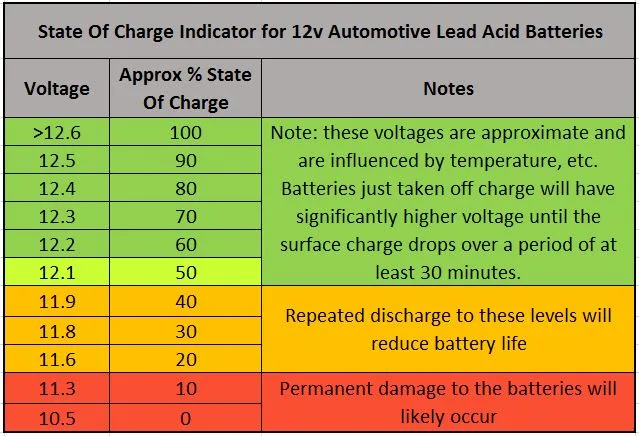
Once you've got a true resting reading, match it against the chart below. These figures apply to a flooded lead-acid battery at roughly 70 to 80°F, tested after sitting at least four hours.
| Resting Voltage | State of Charge | What to Do |
|---|---|---|
| 12.6V and up | 100% | You're good. Retest seasonally. |
| 12.4V | ~75% | Fine, but charge it fully soon. |
| 12.2V | ~50% | Charge now. Chronic 50% readings shorten lifespan. |
| 12.0V | ~25% | Deeply discharged. Charge and investigate why. |
| Below 11.9V | Discharged | Recharge and load test. Damage is likely. |
Notice how tight that scale is. The difference between "perfect" and "half dead" is only 0.4 volts. This is why a cheap meter with sloppy accuracy can genuinely mislead you, and why probe placement on clean metal matters.
Two more notes on reading this chart honestly. Temperature shifts the numbers, so a cold-soaked battery on a winter morning reads a tenth or two lower even when healthy. And chronic readings in the 12.2V zone accelerate sulfation, which permanently eats capacity.
As of 2026, the 12.6V full-charge benchmark hasn't changed in decades, because the underlying lead-acid chemistry hasn't either.
The 12.6V Decision Tree: What to Do Based on Your Situation
You've got a 12.6V reading in hand. Now the right move depends entirely on when you tested and what the car is doing. Find your scenario below.
Reading Taken After Sitting Overnight: You're in Good Shape
If the car sat overnight and reads 12.6V, then the battery is genuinely fully charged. This is the most trustworthy version of the reading. Surface charge is long gone, so the number reflects real stored energy.
Your only follow-up is a sanity check. Start the engine and listen. Quick, confident cranking plus 12.6V at rest is as close to a clean bill of health as a voltmeter can give.
Reading Taken Right After Driving: Retest Before You Celebrate
If you tested within a few hours of driving, then the reading is inflated and you should retest. Burn off the surface charge with two minutes of headlights, wait ten minutes, and measure again.
A battery that was truly full will still read close to 12.6V. A tired one often falls to 12.2V or lower once the surface charge is stripped. That drop is your real answer.
12.6V but the Engine Cranks Slowly: Time for a Load Test
If voltage is perfect but the crank is sluggish, then voltage isn't the whole story and you need a load test. Slow cranking with a full charge points to high internal resistance, sulfated plates, or a failing starter circuit.
Watch the meter while a helper cranks the engine. If voltage dives below 9.6 volts during cranking, the battery can't deliver current anymore, no matter what it reads at rest.
12.6V but the Battery Dies Overnight: Chase the Parasitic Draw
If the battery reads 12.6V after charging but goes flat overnight, then something in the car is draining it. A healthy battery doesn't lose its charge in twelve hours on its own.
Common culprits include a glovebox or trunk light that never shuts off, an aftermarket stereo or alarm, and a module that fails to sleep. The fix is a parasitic draw test with your meter in series on the milliamp setting. Anything above about 50 milliamps of key-off draw deserves investigation.
12.6V but the Car Won't Start at All: Look Past the Battery
If you've got 12.6V and total silence when you turn the key, then the battery probably isn't your problem. A charged battery plus a no-crank condition points elsewhere.
Check these in order:
- Terminal connections. Corroded or loose clamps can pass enough current for a voltmeter but not for a starter.
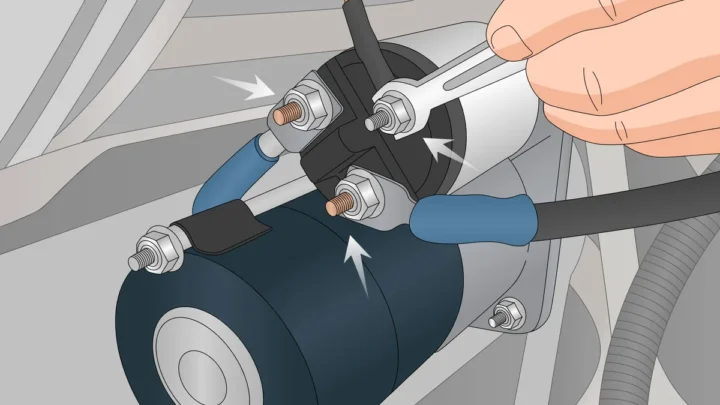
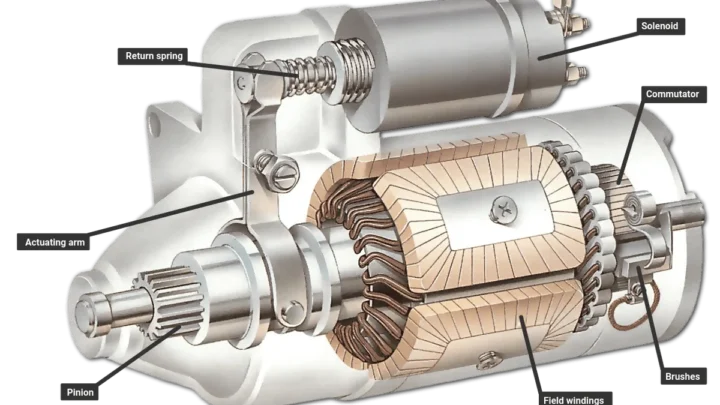
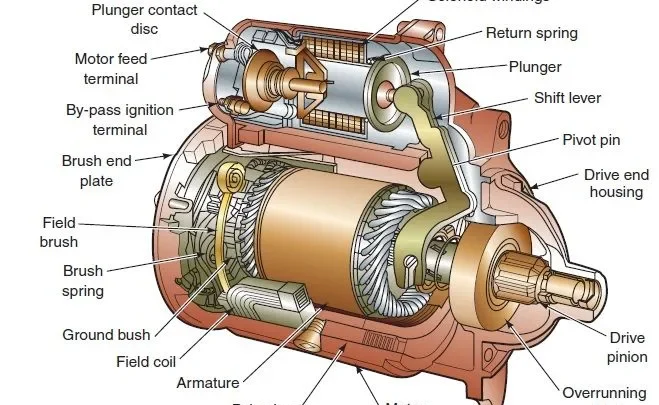
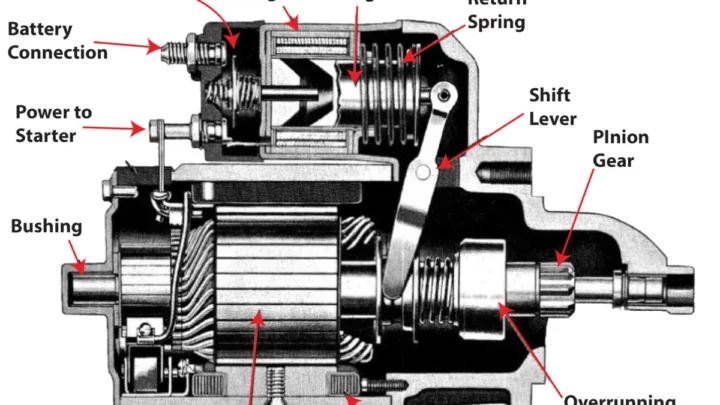
- The starter and solenoid. A single click with good voltage often means a starter issue.
- The neutral safety switch or ignition switch. No click at all shifts suspicion here.
- Ground straps. A rotted engine-to-body ground mimics a dead battery perfectly.
The battery earns its innocence with that 12.6V reading. Spend your time on the circuit instead.
How to Retest the Right Way: Multimeter Steps That Give a True Reading
A trustworthy resting-voltage test takes two minutes once conditions are right. If any earlier reading was rushed, this is how you get a number worth acting on.
Follow these steps in order:
- Let the car sit for at least four hours. Overnight is better. Engine off, doors closed, no accessories running.
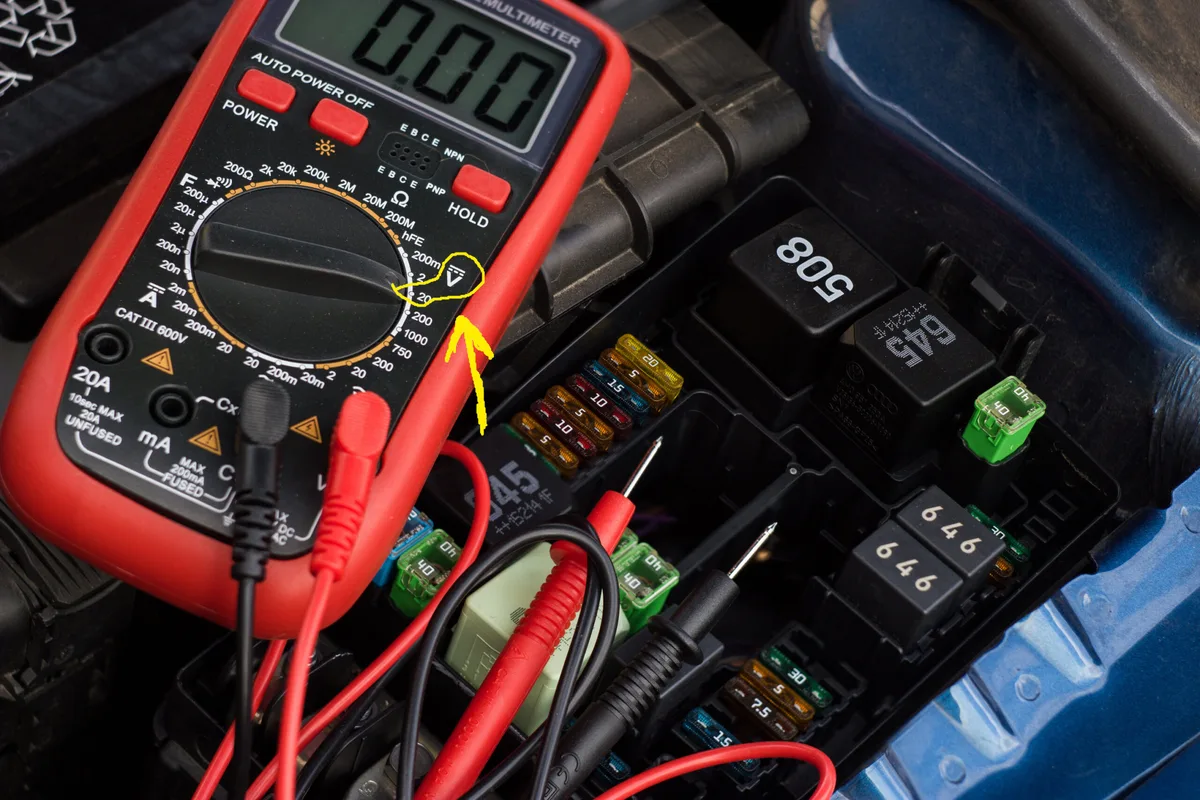
- Set the meter to DC volts. Choose the 20V range on a manual meter. An auto-ranging model picks the range for you.
- Find clean metal. Probe the battery posts themselves, not the clamps. Clamps can hide corrosion that skews the reading.
- Red probe to positive, black to negative. A reversed connection just shows a negative number, so don't panic if you see minus 12.6.
- Read and record the number. Write it down with the date. A logged baseline turns every future test into a trend instead of a guess.
If your meter's dial looks like hieroglyphics, our walkthrough of what each dial position means sorts it out fast. And if this is your first time holding the probes, this beginner-friendly guide to taking your first measurement covers the habits that prevent blown fuses and bad readings.
One accuracy note. Budget meters can drift by 0.1V or more, and on a scale where 0.4V separates full from half charge, that drift matters. If a reading seems off, compare against a second meter before condemning the battery.
Beyond the Voltmeter: Load Tests and Conductance Tests Explained
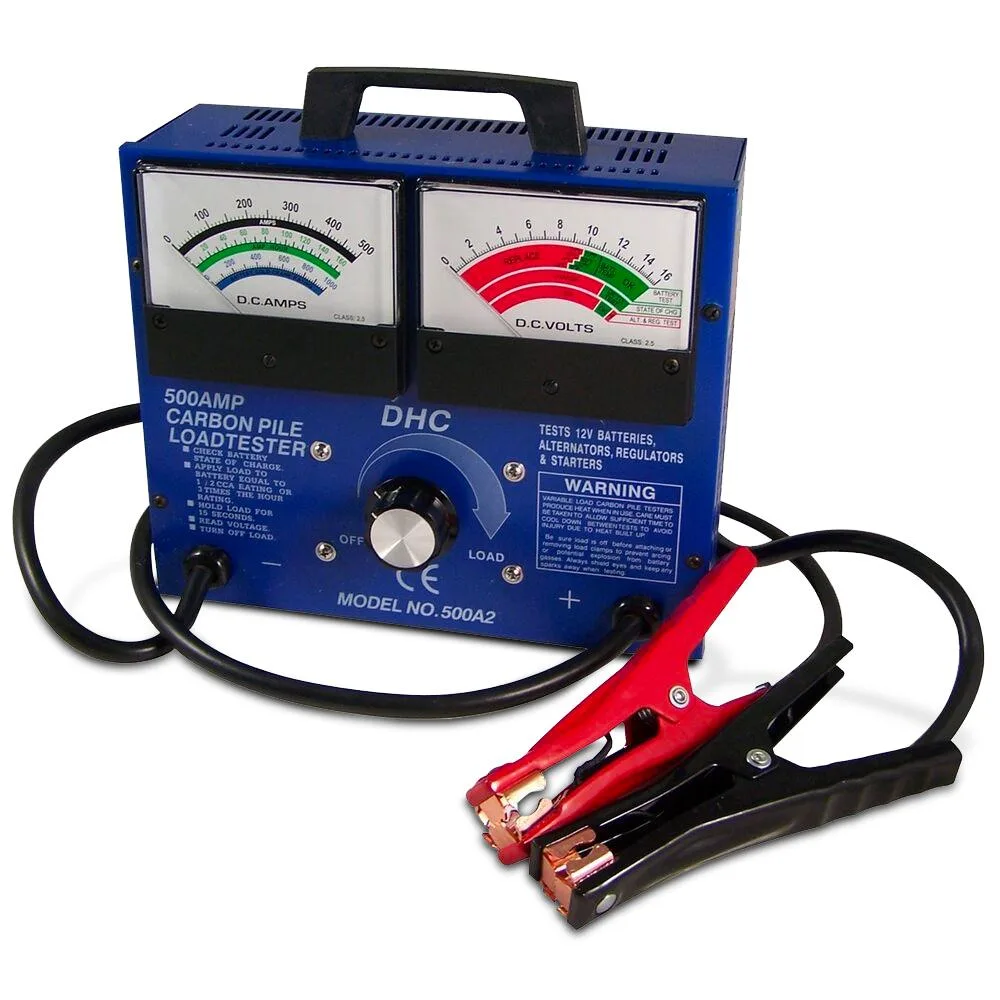
A load test answers the question a voltmeter can't: can this battery deliver real current? It's the difference between checking a fuel gauge and actually driving the car.
How a Traditional Load Test Works
A carbon-pile or fixed-resistance load tester forces the battery to deliver heavy current, then watches what the voltage does. The standard procedure draws half the battery's rated CCA for 15 seconds.
The pass line is 9.6 volts at 70°F. Hold above that under load and the battery is healthy. Sag below it and the battery is done, regardless of its resting voltage.
This is the test that catches the "12.6V but cranks slowly" battery from our decision tree.

Similar Posts