What Is Variable Valve Timing? A Simple Guide
If you’re trying to figure out what is variable valve timing (VVT), start by imagining a camshaft that can twist independently of the engine’s rotation. This technology adjusts when your intake and exhaust valves open and close based on driving conditions. It optimizes power, fuel efficiency, and emissions without requiring manual input from you.
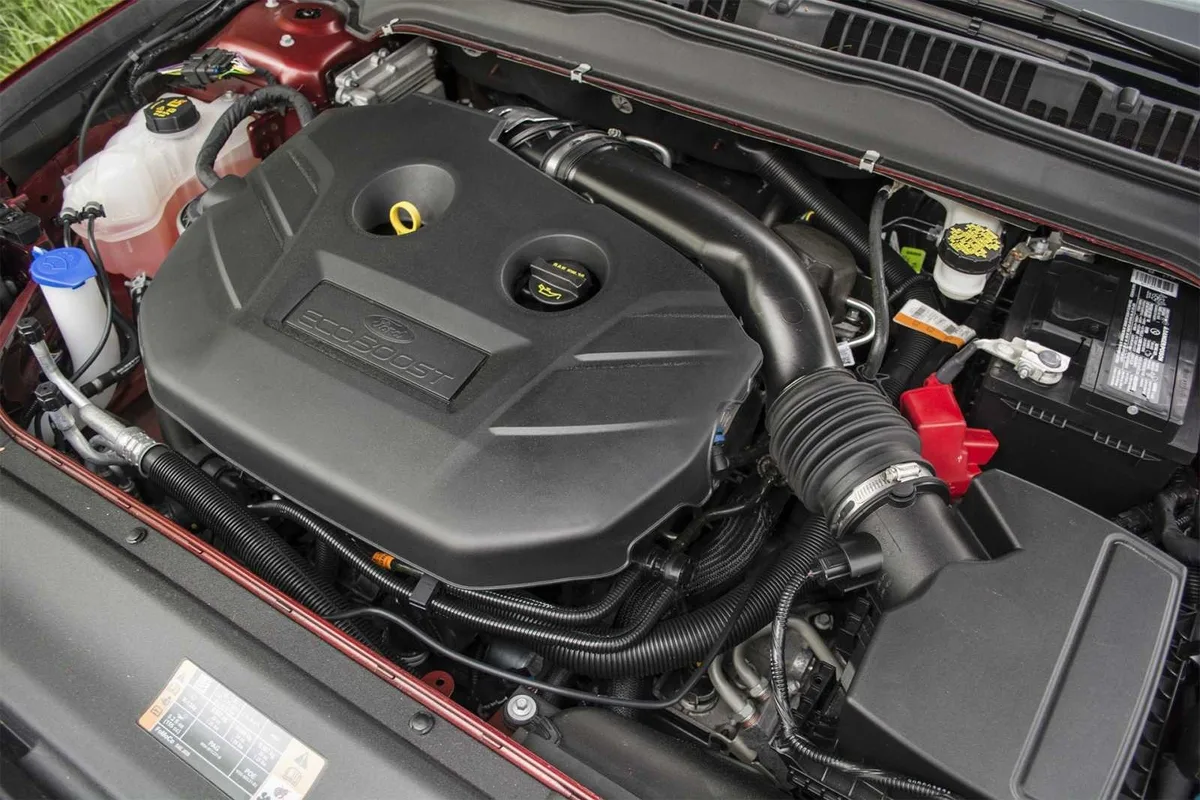
Most modern engines rely on this system to meet strict EPA standards as of 2026. By shifting valve overlap dynamically, manufacturers squeeze more torque from smaller displacements. Understanding the physical mechanism helps demystify why these components sometimes fail.
Let’s look at how hydraulic pressure makes this magic happen inside the cylinder head.
Quick Answer
Variable Valve Timing (VVT) adjusts camshaft rotation relative to the crankshaft. It changes when valves open and close during operation. This optimizes airflow for better power or fuel economy.
The system uses oil pressure to rotate cam phasers. Electronic control units manage the timing adjustments in real time.
Why You Can’t Understand VVT Without Seeing the Camshaft Move
Text descriptions often fall short here because VVT is fundamentally spatial. You need to visualize two gears spinning at different speeds within the same assembly. Imagine the crankshaft turning steadily while the camshaft rotates slightly ahead or behind its normal position.
That tiny angular shift changes everything about combustion efficiency.
Without a diagram, readers struggle to grasp "advance" versus "retard." Advance means the cam leads the crank, opening valves earlier. Retard means the cam lags, delaying valve events. These shifts happen continuously across thousands of revolutions per minute.
Static text cannot convey this dynamic relationship effectively.
The Limitation of Text-Only Explanations
Describing fluid dynamics through words feels abstract and confusing. Most people picture a solid mechanical linkage moving predictably. They don’t expect a gear to slip or rotate independently under load.
This misconception causes frustration when diagnosing issues later.
We’ve found that explaining the physics first prevents confusion down the line. You must understand that the cam isn't rigidly locked to the chain. It floats on a bed of pressurized oil.
This floating capability is the core innovation of VVT systems.
What Actually Happens Inside the Engine Head
Inside the cylinder head, the camshaft sits atop bearings called journals. A special component called a phaser attaches to the front of the shaft. This phaser connects directly to the timing chain via sprockets.
Oil channels run through the hollow center of the camshaft itself.
When the engine computer sends a signal, it opens small valves. These valves direct high-pressure oil into specific chambers within the phaser. The pressure pushes against vanes attached to the inner rotor.
This force twists the camshaft forward or backward relative to the outer housing.
Think of it like twisting a wet towel. One end stays fixed while the other rotates due to applied force. In an engine, the "towel" is metal, and the "water" is thick motor oil.
The resistance and movement are precise enough to alter combustion cycles significantly.

How Hydraulic Pressure Rotates the Camshaft in Real Time
The process relies entirely on closed-loop electronic control. Sensors monitor actual positions constantly. The system compares desired angles with real-time feedback.
If there’s a mismatch, the controller adjusts oil flow immediately. This happens hundreds of times per second during acceleration.
Step 1: The ECU Signals for Change
Your car’s Engine Control Unit (ECU) tracks RPM, throttle position, and coolant temperature. It calculates the ideal valve timing for current conditions. For example, low-speed cruising demands minimal overlap for stability.
High-load climbing needs maximum overlap for breathing room.
Once determined, the ECU pulses the Oil Control Valve (OCV). This solenoid acts as a gatekeeper for engine oil. It directs flow either toward the advance chamber or the retard chamber.
The pulse width determines exactly how much pressure reaches the phaser.
Step 2: Oil Pressure Shifts the Phasing Gear
High-pressure oil enters one side of the vane-type actuator. The other side vents to drain back into the sump. This pressure differential creates rotational torque on the inner rotor.
The rotor turns the camshaft independently of the outer sprocket.
Friction plates or spring-loaded locks hold the phaser in place when inactive. During startup, before oil pressure builds, these pins lock the unit. This ensures proper initial alignment.
Once oil flows freely, the locks retract automatically. The cam becomes free to adjust within its operational range.
Manufacturers specify typical adjustment ranges between 20 and 60 degrees. This window allows significant flexibility without losing structural integrity. Too wide a range risks valve-to-piston contact.
Precision engineering keeps these margins tight and safe.
Step 3: Valve Timing Adjusts Mid-Revolution
As the cam rotates, lobes push lifters or buckets sooner or later. Intake valves open earlier during advanced timing phases. Exhaust valves close later if retarded.
This alters the effective duration of gas exchange windows.
The result is optimized volumetric efficiency across diverse operating states. At idle, reduced overlap prevents rough running. Under heavy load, increased overlap aids scavenging effects.
Turbocharged engines benefit greatly from retained exhaust heat.
This continuous adaptation eliminates traditional compromises. Older fixed-cam designs forced engineers to pick one personality. Modern VVT lets the engine behave differently depending on demand.
Drivers experience smoother transitions without noticing the underlying complexity.
For those interested in broader automotive diagnostics, understanding sensor inputs is crucial. Similar principles apply when checking symptoms of a bad starter solenoid, where electrical signals dictate mechanical action. Both systems rely on precise communication between brain and muscle.
| Component | Function | Failure Symptom |
|---|---|---|
| Cam Phaser | Rotates cam via oil pressure | Cold-start rattle |
| OCV Solenoid | Directs oil flow direction | Stuck timing code |
| CMP Sensor | Monitors cam position | Correlation error |
| Timing Chain | Connects crank to cam | Stretching/slipping |
Identifying Your Specific VVT System Type
Not all VVT setups work identically. Manufacturers implement variations based on design philosophy and cost constraints. Knowing which type you have helps pinpoint potential failure modes.
Some use single-phase control; others offer independent dual-cam management.
Single-VVT vs. Dual-VVT Visual Differences
Single-intake VVT controls only the intake camshaft. The exhaust remains fixed relative to the crank. This setup improves low-end torque but offers limited top-end gains.
It’s common in budget-friendly four-cylinder engines like older Toyotas.
Dual-independent VVT manages both cams separately. Each has its own phaser and solenoid circuit. This provides maximum flexibility for tuning overlap precisely.
Luxury brands like BMW and Mercedes favor this approach for performance consistency.
Visually, dual systems show two distinct actuators on the cylinder head cover. Single systems display only one active unit. The other sprocket looks standard without additional plumbing.
Mechanics spot these differences quickly during inspections.
Common Manufacturer Implementations (Honda i-VTEC, Toyota VVT-i, BMW VANOS)
Each major automaker branded their version uniquely. Toyota popularized VVT-i widely since the mid-1990s. Their system focuses heavily on emission reduction and smoothness.
Honda introduced VTEC initially for variable lift rather than pure timing. Later iterations combined both features seamlessly.
BMW’s VANOS stands for variable camshaft control. Early versions adjusted intake only. Newer Double VANOS handles both banks independently.
Ford uses Ti-VCT for similar purposes in EcoBoost engines. Despite naming conventions, the underlying hydraulics remain remarkably consistent globally.
Understanding brand-specific quirks aids troubleshooting. For instance, certain GM Ecotec engines suffer notorious phaser wear. Recognizing patterns saves diagnostic time.
Always consult factory service manuals for exact specifications relevant to your vehicle year and model.
If you encounter unexplained noise, consider basic maintenance checks. Sometimes simple oversights mimic complex failures. Checking how much oil does a lawn mower take illustrates importance of correct fluid levels generally.
Engines vary wildly, yet fundamentals stay constant regarding lubrication necessity.
Reading the Symptoms: When VVT Fails or Clogs
Failures rarely announce themselves dramatically until severe damage occurs. Early signs are subtle noises or minor drivability hiccups. Ignoring them leads to expensive repairs involving timing chains and gaskets.

Similar Posts