How Long Do Car Engines Last? Lifespan Guide
People ask how long do car engines last, expecting a single number. That’s a mistake. The answer depends entirely on your specific vehicle and habits.
A diesel in a delivery van behaves differently than a turbocharged sedan on school runs.
Our research shows modern engines routinely exceed 200,000 miles with proper care. Yet many fail prematurely due to neglected maintenance or extreme conditions. Understanding these variables helps you predict lifespan accurately.
Let’s break down the factors that determine whether your engine survives or fails.
Why There’s No Single Number for Engine Life
The Myth of the 200,000-Mile Benchmark
You’ve likely heard the old adage that cars die at 100,000 miles. That figure is outdated. Today’s precision engineering allows gasoline engines to run far longer.
However, longevity isn’t guaranteed by mileage alone. It’s determined by stress levels and upkeep.
Think of an engine like a human heart. Some people live to 90 despite poor diets. Others face issues early despite healthy habits.
Your car’s engine faces similar biological stresses. Heat, friction, and pressure wear it down over time.
The variation comes from how those stresses are managed. A well-maintained Toyota Camry might hit 300,000 miles effortlessly. A poorly serviced luxury SUV could struggle past 150,000.
The difference lies in the details we’ll explore next.
How Your Specific Situation Changes the Math
Your driving pattern dictates engine health more than brand reputation does. Short trips prevent oil from reaching optimal temperature. This leads to condensation buildup inside the crankcase.
Corrosion starts silently during these cold cycles.
Conversely, highway cruising keeps temperatures stable. Oil flows freely, lubricating components evenly. Wear rates drop significantly in this environment.
If you mostly drive locally, expect a shorter functional life.
Maintenance history acts as the second variable. Skipping oil changes accelerates sludge formation. Sludge blocks vital passages, starving bearings of lubrication.
Once damage occurs, no amount of future care reverses it. You must weigh both usage and service records together.
Identify Your Powertrain Type First
Gasoline Engines: Standard Wear vs. Turbo Stress
Most passenger cars still use naturally aspirated gasoline engines. These designs prioritize simplicity and reliability. Fewer moving parts mean fewer things to break.
They generally tolerate neglect better than complex alternatives.
Turbocharged engines change this equation dramatically. Forced induction pushes more air into cylinders. This increases power but also raises internal pressures.
Heat becomes the primary enemy of turbo setups.
If you have a turbo, oil quality matters even more. Synthetic oils handle high temps better than conventional blends. Check your owner’s manual for specific viscosity ratings.
Ignoring this can lead to premature bearing failure.
Diesel Engines: Heavy-Duty Longevity Factors
Diesel engines operate on compression ignition rather than spark plugs. This design creates immense cylinder pressures. Components are built thicker to withstand this force.
As a result, diesels often outlast their gasoline counterparts.
Many commercial trucks run for 500,000 miles without major rebuilds. Passenger diesels share this robust architecture. They offer superior torque and fuel efficiency too.
However, they require stricter emission system maintenance.
Modern diesels rely heavily on urea injection systems. Neglecting DEF fluid levels causes expensive sensor failures. Always monitor exhaust fluid status closely.
Proper care ensures decades of reliable service.
Hybrids and EVs: Where the “Engine” Actually Lives
Hybrid vehicles combine electric motors with small gasoline engines. The gas unit works less frequently here. Electric assist handles low-speed maneuvers efficiently.
This reduces thermal cycling on the combustion engine.
Studies indicate hybrid engines suffer less wear overall. They stay cooler because they idle less. Start-stop technology further minimizes unnecessary rotation.
Consequently, hybrids often reach higher mileages easily.
Fully electric vehicles lack traditional internal combustion entirely. Their "engine" is an electric motor with few moving parts. These rarely fail within the vehicle’s lifetime.
Focus instead on battery health for EVs.
Audit Your Maintenance History Like a Mechanic
Oil Quality and Interval Discipline
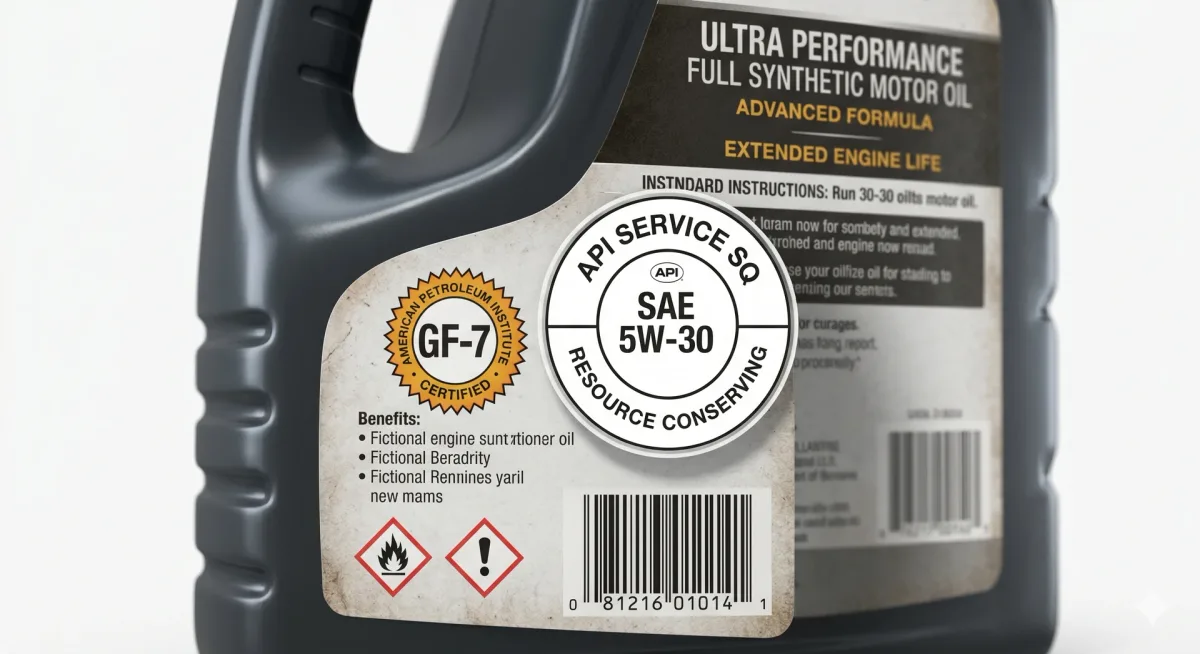
Oil is the lifeblood of any engine. It lubricates metal surfaces and removes heat. Over time, additives degrade and contaminants accumulate.
Fresh oil protects; old oil harms.
Manufacturers specify change intervals based on average use. Severe driving schedules require more frequent changes. Dusty roads and towing fall under severe categories.
Don’t stick blindly to the standard schedule if conditions differ.
Using the wrong oil grade causes immediate problems. Thick oils don’t flow quickly in cold weather. Thin oils may not protect hot bearings adequately.
Stick to approved specifications listed in your manual.
For older vehicles, consider switching to high-mileage formulations after 75,000 miles. These contain seal conditioners to reduce leaks. They help maintain compression in worn engines.
Cooling System Health: The Silent Killer
Overheating destroys engines faster than anything else. Even brief spikes above normal temp warp heads. Warped heads blow gaskets, mixing coolant with oil.
This catastrophe usually ends the engine’s life.
Regular coolant flushes prevent corrosion inside radiators. Old antifreeze loses its protective properties. Acidic residues eat away at aluminum blocks.
Replace coolant according to manufacturer timelines.
Check hoses for cracks or bulges regularly. Weak hoses burst unexpectedly, draining fluid rapidly. Low fluid levels trigger overheating within minutes.
Inspect belts and clamps during every service visit.
Timing Components: Belts, Chains, and Interference Risks
Timing belts synchronize valve and piston movement. Rubber belts degrade over time regardless of mileage. Manufacturers recommend replacement every 60,000 to 100,000 miles.
Missing this window risks catastrophic failure.
Interference engines collide valves and pistons if timing slips. This bends valves and damages pistons instantly. Repair costs often exceed the car’s value.
Non-interference engines survive belt snaps with minor damage.
Chains last longer but aren’t immortal. Stretching chains cause noise and timing errors. Listen for rattling on startup.
Address chain tensioner issues before they escalate.
Understanding electrical basics helps diagnose ancillary failures. For instance, knowing what does a starter do prevents misdiagnosing engine cranking issues as mechanical faults. Electrical gremlins mimic mechanical symptoms often.
Assess Your Driving Conditions and Habits
Short Trips vs. Highway Miles: Thermal Cycling Impact
Short drives keep engines below operating temperature. Condensation forms inside the crankcase during these runs. Water mixes with oil, creating acidic sludge.

Similar Posts