Can You Charge a Frozen Car Battery? What to Know
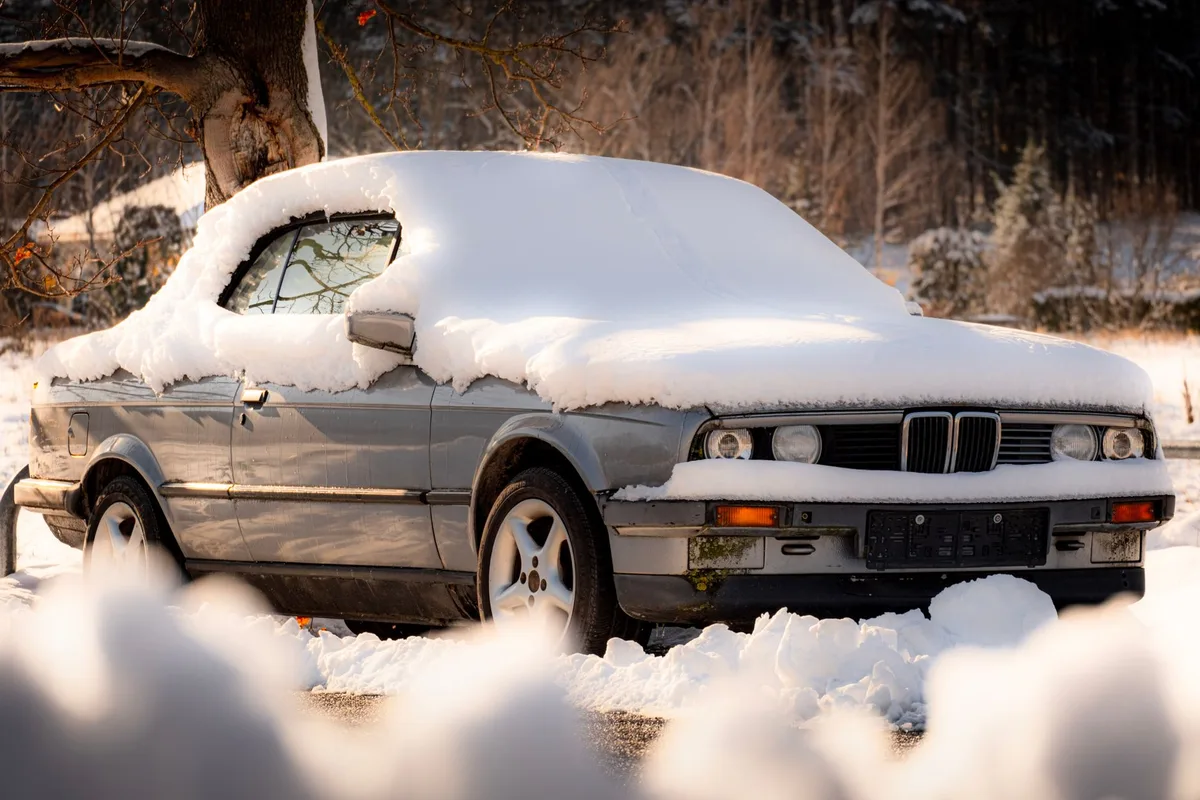
Wake up to a car that won't crank on a bitter morning, and the question hits fast: can you charge a frozen car battery, or are you about to make things worse? The short version is that you should never charge a battery while it's still frozen. You can charge it, but only after it fully thaws and you've checked it for damage.
Here's the part most people miss. A healthy, fully charged battery barely freezes at all. Its electrolyte stays liquid down to roughly -70°F, per battery-chemistry data current as of 2026.
A dead battery, though, can freeze at around 32°F because the acid has turned mostly to water. That single fact changes everything about how you handle it.
Quick Answer
You can charge a frozen car battery, but only after it thaws completely. Never charge one while ice is still inside. Charging frozen electrolyte can crack the case or cause an explosion.
Let the battery warm to room temperature first. Then inspect it for cracks and bulging before connecting any charger.
Why Getting This Wrong Can Hurt You or Your Wallet
This isn't a topic where a small mistake costs you nothing. Charging a frozen battery can rupture the case and spray sulfuric acid. That acid burns skin and eyes on contact.
The bigger hidden danger is gas. Charging a lead-acid battery releases hydrogen, which is flammable. Do this to a frozen, expanding case, and one spark can turn a dead battery into a real hazard.
The U.S. Occupational Safety and Health Administration flags hydrogen buildup as a core battery-charging risk, and you can read their handling guidance at OSHA's official site.
Then there's your wallet. A battery that froze while dead is often damaged inside already. Push current through it wrong, and you can finish it off for good.
A replacement runs roughly $100 to $300, so a careful thaw is worth the patience.
What "Frozen" Actually Means Inside a Lead-Acid Battery
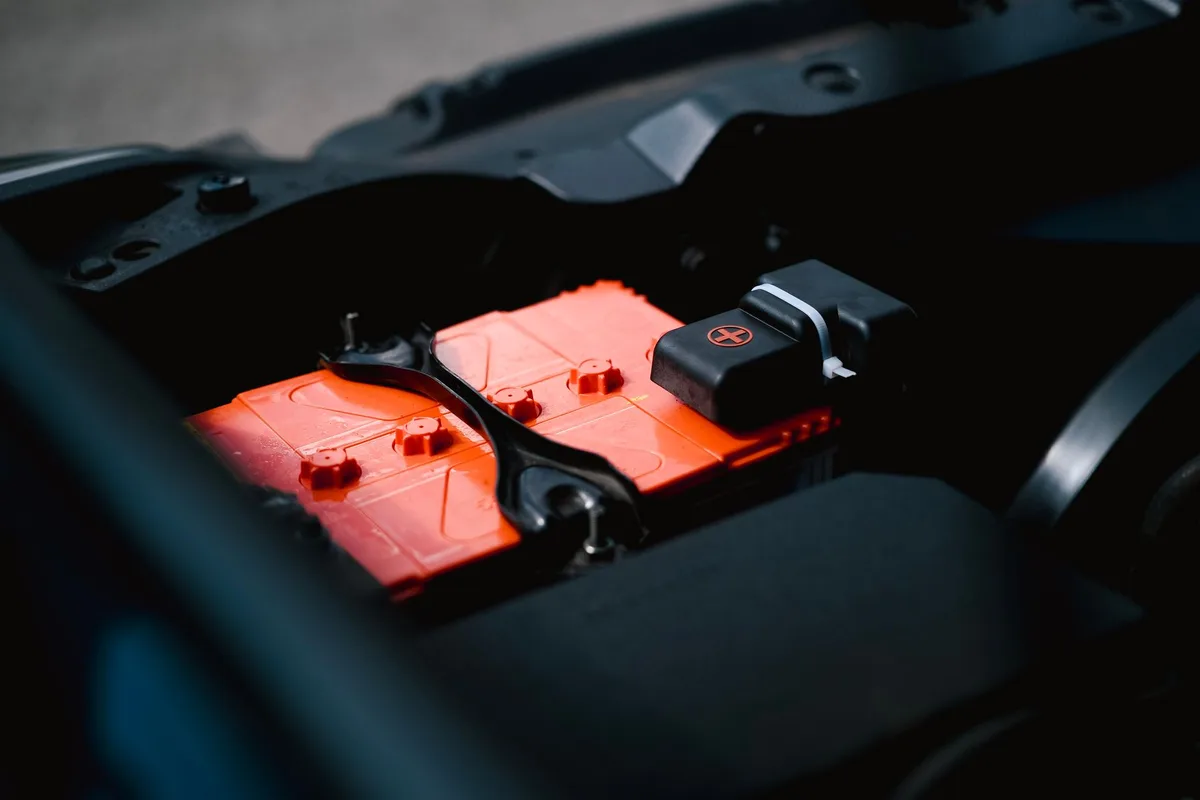
A frozen battery means the electrolyte inside has turned to ice. Electrolyte is the mix of sulfuric acid and water that lets the battery store and release power. When it freezes, it expands, and that expansion is what causes the damage.
Why a Healthy Battery Almost Never Freezes
A full battery holds strong acid, and strong acid resists freezing. At full charge, the specific gravity sits around 1.265, and the electrolyte stays liquid to roughly -70°F. So if your battery froze, it usually wasn't healthy to begin with.
That's the clue most people overlook. A frozen battery is nearly always a discharged battery. If yours keeps draining in the cold, the root cause matters more than the freeze, and a battery that dies overnight points to a deeper drain worth chasing down.
How a Dead Battery Freezes at Just 32°F
As a battery discharges, the acid gets used up and the electrolyte turns closer to plain water. Water freezes at 32°F. So a dead battery can freeze solid on a normal cold night.
Once ice forms, it presses on the lead plates and the plastic case. That pressure can warp plates and split seams. This is why a frozen battery is a warning sign, not just an inconvenience.
If a fairly new battery keeps ending up dead, it's worth learning why a fresh battery keeps draining before winter finishes it off.
How to Tell If Your Car Battery Is Actually Frozen
Not every no-start in the cold means a frozen battery. Sometimes the battery is just weak, and the fix is different. Here's how to check before you assume the worst.
- Look at the case. Bulging, swollen sides or a domed top often mean ice pushed the walls out.
- Listen and tilt gently. A frozen battery feels solid, with no liquid slosh inside.
- Check for cracks or leaks around the seams and terminals.
- Feel the temperature. A battery that sat below freezing overnight and now won't crank is a prime suspect.
Warning Signs: Bulging Case, Cracks, and Slushy Sounds
A bulged or cracked case is the clearest red flag. If the plastic looks stretched or split, stop right there. Don't charge it.
A battery that's swollen on the sides has almost certainly suffered internal damage, and charging it adds risk.
Checking Voltage Before You Touch a Charger
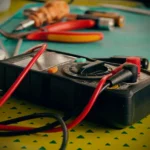
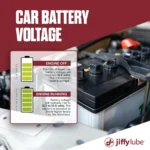
Grab a multimeter and read the voltage across the terminals. A full battery reads about 12.6 volts. Anything near 11.8 volts or lower means deeply discharged, which lines up with a battery that could freeze.
If the reading barely moves or shows near zero, treat it as suspect. A quick voltage check tells you a lot, and knowing what a normal reading looks like helps you judge whether the battery is worth saving.
The Real Risks of Charging a Frozen Battery
Charging a frozen battery is dangerous because ice and electricity don't mix well inside a sealed case. The two biggest risks are explosion and physical damage to the battery.
Explosion and Hydrogen Gas Buildup
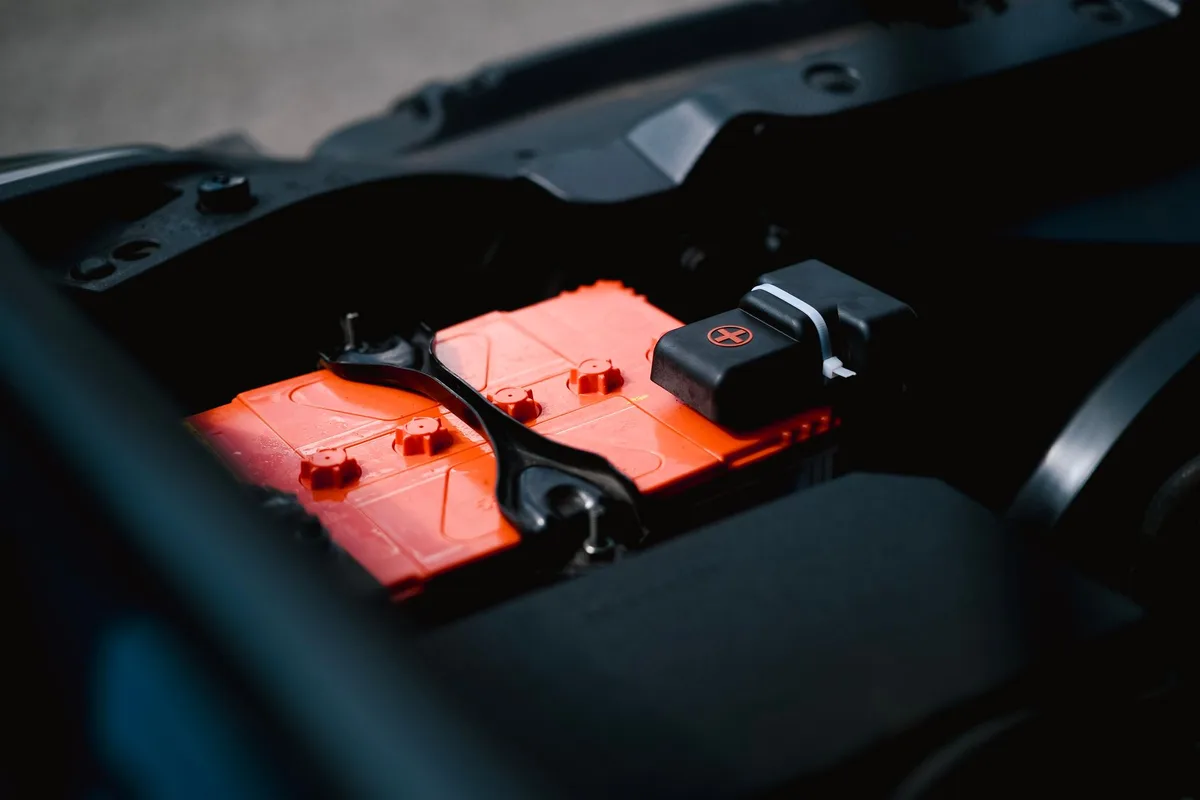
Charging produces hydrogen gas. In a frozen battery, ice can block the internal spaces where that gas normally escapes. Pressure builds, heat spreads unevenly, and the case can burst.
Add a spark from a loose clamp, and hydrogen ignites. That's the worst-case scenario, and it's exactly why manufacturers warn against charging frozen units. Always work in a ventilated space, never a closed garage.
Cracked Cases, Warped Plates, and Acid Leaks
Even without an explosion, forcing current into frozen electrolyte does harm. The uneven heating stresses already-strained plates. Cracks that were small can widen and start weeping acid.
If you spot acid seeping out, handle it with care. Sulfuric acid is corrosive to skin, clothing, and metal. Cleaning up a leaking battery safely matters as much as saving the battery itself.
Can a Frozen Battery Be Saved? What Really Happens After It Thaws
Sometimes yes, sometimes no. It depends entirely on the battery's condition after it thaws. The freeze itself is the test.
If the case stayed intact and the battery froze only because it was discharged, you've got a decent shot. Thaw it slowly, charge it carefully, then load-test it. If it holds a charge and passes, it may serve you a while longer.
If the case cracked, the plates warped, or it won't hold voltage after charging, it's done. No charger fixes bent plates or a split seam. Recycle it and move on.
A battery that froze once is also more likely to underperform, so if it won't hold a charge afterward, replacement is the safer call than fighting it every cold morning.
Here's a quick rule of thumb for judging what you're dealing with.
| Condition After Thaw | What It Means | What To Do |
|---|---|---|
| Case intact, holds voltage | Froze from discharge, likely recoverable | Slow charge, then load-test |
| Bulged but no cracks | Possible internal damage | Charge with caution, test hard |
| Cracked or leaking | Structural damage | Do not charge, recycle it |
| Won't hold charge after full charge | Plates likely damaged | Replace the battery |
If you can't verify the battery is intact and healthy after charging, don't gamble on it. A cheap replacement beats a stranded morning or a burst case in your driveway.
How to Safely Thaw and Charge a Frozen Car Battery
The safe method is simple: thaw first, inspect, then charge slow. Rushing any step is where people get hurt. Follow the sequence below and don't skip ahead.
Step 1: Inspect for Damage First
Before anything else, look the battery over in good light. Check the seams, terminals, and sides for cracks or weeping acid. If you see damage, stop and recycle it.
A domed top or split case means the freeze already did harm. No amount of careful charging undoes that.
Step 2: Let It Thaw Fully at Room Temperature
Move the battery indoors and let it warm up on its own. Room temperature is fine, and a full thaw often takes several hours to overnight. Patience here protects you.
Never use a heat gun, torch, or boiling water. Direct heat cracks cold plastic and can boil the electrolyte. Slow and steady wins.
Step 3: Test Voltage and Electrolyte
Once thawed, read the voltage with a multimeter. If the caps are removable, check that the electrolyte level covers the plates. Top up low cells with distilled water only.
A reading well under 12 volts confirms a deep discharge. That's expected for a battery that froze, and it tells you to charge slowly.
Step 4: Charge Slow and Low in a Ventilated Space
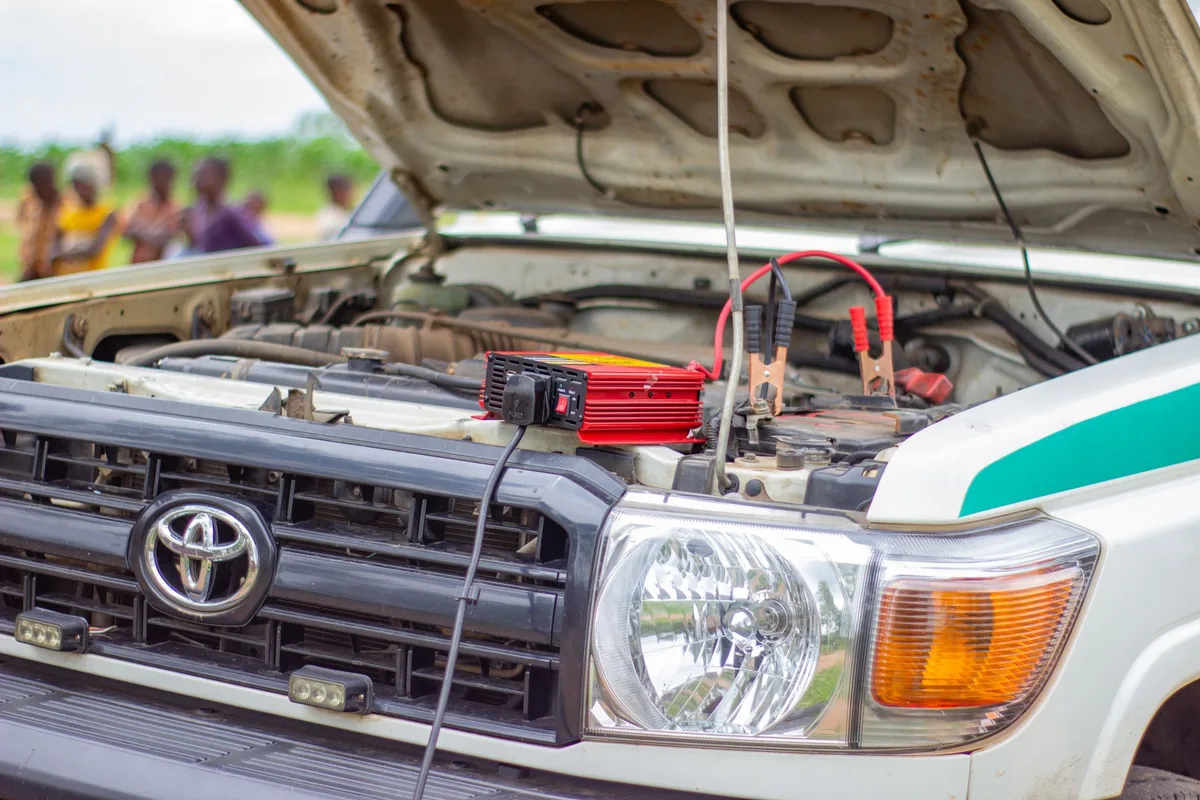
Set your charger to its lowest amp setting, around 2 amps, not a fast 10-amp blast. Slow charging keeps heat down and lets a deeply drained battery recover. Do this in an open, ventilated area, never a sealed room.
A smart charger with a recovery or desulfation mode helps here. It ramps current gently and watches for faults. Keep sparks and flames away the whole time.
Step 5: Load-Test Before Trusting It Again
A full charge doesn't prove the battery works under load. Load-test it, or have a shop do it, to confirm it delivers real cranking power. Checking it properly after charging is the only way to know it's road-ready.
If it passes, great. If it drops voltage fast under load, it's finished.
Mistakes That Turn a Frozen Battery Into a Hazard
Most frozen-battery injuries come from a handful of avoidable errors. Knowing them keeps you safe.
- Charging while still frozen. This is the big one, and it risks rupture and gas buildup.
- Using direct heat to thaw. Torches and boiling water crack the case fast.
- Fast-charging a deeply drained battery. High amps mean high heat and more damage.
- Working in a closed garage. Hydrogen gas needs ventilation to disperse.
- Ignoring a bulged or cracked case and charging anyway.
- Jump-starting a frozen battery to force a start.
That last one deserves a flag. Trying to jump-start it with cables while it's frozen pushes current into ice, and that's exactly the setup for a burst case.
Thaw-and-Charge vs. Jump-Start vs. Replace: What to Do When
The right move depends on the battery's condition and how fast you need to drive. Here's how the three options stack up.
| Option | Best For | Watch Out For |
|---|---|---|
| Thaw and charge | Intact battery that froze from discharge | Takes hours, needs a charger |
| Jump-start | A weak but unfrozen battery, quick starts | Never on a frozen battery |
| Replace | Cracked, bulged, or won't hold charge | Cost, but safest long-term |
If the case is sound and you're not in a rush, thaw and charge. It's the cheapest fix when the battery is still healthy inside.
If the battery isn't frozen and just cranked slow, a jump-start may get you rolling. But if yours keeps needing jumps, the real issue could be a drain that outpaces the alternator. Chase that down before winter repeats the problem.
If the case is damaged or it fails a load test, replace it. Fighting a dead battery every cold morning costs more in stress than a new one costs in cash.
What It Costs: Recovery vs. a New Battery
Recovering a frozen battery is close to free if you already own a charger. Your only real cost is time, plus a little distilled water. That's why it's worth trying when the case is intact.
A new lead-acid battery runs roughly $100 to $300, depending on size and type. AGM batteries sit at the higher end. Add labor if a shop installs it.
Here's the honest math. If a battery froze once and passed its load test, recovery saves you real money. But a battery that froze because it was old and weak will likely fail again soon.
In that case, paying now beats a roadside call later, and a battery that won't crank despite decent voltage is often telling you its useful life is over.
Safety Gear and Handling Rules You Shouldn't Skip
Sulfuric acid and hydrogen gas demand respect, so gear up before you start. The basics are cheap and prevent nasty burns.
- Wear safety glasses and acid-resistant gloves.
- Work in a ventilated space, ideally outdoors or a garage with the door open.
- Keep flames, sparks, and cigarettes far away.
- Remove metal jewelry that could short a terminal.
- Have baking soda and water nearby to neutralize acid spills.
Connection order matters too. When charging off the car, clamp positive first, then negative. When you're done, remove negative first to avoid sparks near the battery.
If acid contacts skin, rinse with plenty of water right away. For eyes, flush and seek medical help. A splash of neutralizing baking soda on spilled acid stops it from eating through concrete or metal.
When to Stop and Call a Professional
Some situations aren't worth the DIY risk. Call a pro or head to an auto shop when the signs point to real danger or a battery that's beyond saving.
- The case is cracked, bulging, or leaking acid.
- You smell a strong rotten-egg odor, which points to a venting or sulfation problem.
- The battery won't hold voltage after a full slow charge.
- You're unsure whether it's safe to charge at all.
A shop can load-test, recycle a dead unit safely, and swap in a new one. That's cheap insurance against an acid burn or a burst case in your garage.
Keeping Your Battery From Freezing Next Winter
The best fix is never letting it freeze in the first place. Since a frozen battery is almost always a discharged one, keeping it charged keeps it safe.
- Test voltage before cold snaps and top up with a charger if it's low.
- Use a battery maintainer on cars that sit for days.
- Fix parasitic drains that quietly drink power overnight.
- Replace a battery over four years old before winter.
If yours keeps dying in the cold and the engine cranks slow on frosty mornings, treat it as a warning. A weak battery in November is a frozen one in January.
Frequently Asked Questions
Can a frozen car battery still be good?
Yes, sometimes. If it froze only because it was discharged and the case stayed intact, it can recover. Thaw it fully, charge it slowly, then load-test it.
If it holds a charge and passes, it's still usable. A cracked or bulged case means it's done.
How long does it take to thaw a frozen car battery?
Expect several hours to overnight at room temperature. The exact time depends on how cold and how solidly frozen it is. Never rush it with direct heat like a torch or boiling water.
Slow, natural thawing protects the case and plates from cracking.
Will a frozen battery charge if it's still icy?
No, and you shouldn't try. Charging frozen electrolyte builds pressure and heat unevenly, which can crack the case or cause an explosion. Ice also blocks the chemical reaction charging depends on.
Always let the battery thaw completely before connecting any charger.
Is it safe to jump-start a frozen battery?
No. Forcing current into a frozen battery risks rupturing the case and releasing flammable hydrogen gas. If the battery is frozen, thaw it first.
Jump-starting is only for a weak but unfrozen battery that simply needs a boost to crank.
How do I know if my battery froze or just died?
Check the case and feel for liquid. A frozen battery feels solid with no slosh, and often shows bulging sides. A merely dead battery looks normal and still sloshes.
A voltage reading near zero with a swollen case points to a freeze.
The Bottom Line: Charge It Only When It's Safe
You can bring a frozen battery back, but only after it thaws and passes inspection. Never charge one while ice is inside. That's the line between a cheap save and a dangerous mistake.
Inspect first, thaw slow, charge low, then load-test. If the case is cracked or it won't hold a charge, recycle it and fit a new one. When in doubt, let a pro handle it and keep your hands and eyes out of harm's way.

Similar Posts