Battery Reads Good but Car Won’t Start? Here’s Why

You turn the key, the dash lights glow, but nothing happens. Your battery reads good but car won't start, and that combination is confusing because the number on your meter looks fine. A healthy resting voltage doesn't prove the battery can deliver cranking current.
It also doesn't rule out a starter, a bad ground, or a security lockout.
The good news is that the sound your car makes when you turn the key narrows the cause fast. A full battery reads around 12.6 volts at rest, per Battery Council International charge tables. But voltage under load tells a very different story, and that gap is where most no-starts hide.
Let's start by reading the symptom before you touch a single tool.
Quick Answer
A good battery reading with no start usually means a problem past the battery. The culprit is often the starter, corroded terminals, a bad ground, or a security lockout. Resting voltage doesn't measure cranking power.
Listen to what happens when you turn the key. The sound points you to the exact fault.
What the Car Does When You Turn the Key (Start Here)
The first clue isn't a number. It's the sound. Before you grab a wrench, turn the key and listen closely.
What you hear splits the whole problem into a handful of clear branches.
Here's the fast symptom map:
- One loud click, no crank: Suspect the starter motor or its solenoid.
- Rapid clicking: Suspect a weak connection or a battery collapsing under load.
- Total silence, no click: Suspect the ignition switch, a safety switch, or the immobilizer.
- Dash lights dim hard when you turn the key: Suspect a bad ground, loose terminals, or a hidden dead cell.
- Engine cranks but won't fire: The starting circuit is fine. Look at fuel or spark instead.
Watch your dash and headlights during the attempt too. If they stay bright but nothing cranks, current isn't reaching the starter. If they collapse to almost nothing, the connection or the battery is failing under demand.
Jot down what you notice. That single observation decides which section below is yours. Everything after this point assumes you know your car's exact behavior.
Why a "Good" Battery Reading Can Still Fool You
A "good" reading can lie because a resting voltmeter test only measures charge, not strength. The battery might show 12.6 volts and still fail the moment the starter pulls hundreds of amps. Two things cause that false confidence.
Resting Voltage vs. Voltage Under Load
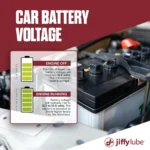
Resting voltage is what your battery shows with the engine off and nothing running. It tells you the state of charge, not the state of health. A tired battery can rest at 12.6 and drop below 9 volts the instant you crank.
That drop is the real test. A healthy battery should hold above roughly 9.6 volts while cranking, per SAE test guidance. If it crashes lower, the battery is your problem no matter how good it looked at rest.
Our research shows this single distinction explains most "but the battery is fine" no-starts.
If you want the exact numbers to expect, this breakdown of what the meter should read while cranking walks through the healthy range. Reading resting voltage alone will fool you every time.
Surface Charge and the Hidden Dead Cell
Surface charge is a temporary voltage that lingers after charging or a short drive. It sits on the plates and inflates your reading for a few minutes. Turn on the headlights for 15 seconds to bleed it off, then read again for the true number.
A dead cell is the other trap. A 12-volt battery holds six cells, each around 2.1 volts. One shorted cell drops the pack to roughly 10.5 volts, yet a quick glance at the meter can still look "close enough." It never is.
A proper check with a multimeter after killing surface charge exposes both problems.
Single Loud Click: Starter or Solenoid
One loud click when you turn the key almost always points to the starter or its solenoid. That click is the solenoid trying to engage. When it clicks but the engine doesn't spin, either the solenoid contacts are worn or the starter motor itself is dead.

Here's what's happening inside. The solenoid is a heavy-duty switch. It pushes the starter gear into the flywheel and sends battery current to the motor.
If the contacts are pitted, you get the click but not enough current flows to turn the engine.
Try these quick checks in order:
- Confirm the battery connections are tight. A loose main cable can mimic a starter fault.
- Tap the starter gently with a wrench handle while a helper turns the key. A worn motor sometimes kicks over. That's a strong sign the starter is on its way out.
- Measure voltage at the starter's main terminal while cranking. Full battery voltage there with no spin points straight at the starter.
A meter takes the guesswork out. This guide to checking the starter with a meter shows where to probe. If voltage reaches the starter but nothing turns, the motor or solenoid needs replacing.
One caution before you crawl under the car. Never work beneath a vehicle held up by a jack alone. Use jack stands, chock the wheels, and keep the transmission in park or in gear with the parking brake set.
Rapid Clicking: Weak Connection or a Battery Collapsing Under Load
Rapid, machine-gun clicking means the starter can't get enough sustained current. The solenoid tries to engage, voltage sags, it drops out, then it tries again, fast. Two things cause this.
A poor connection or a battery that can't hold up under load.
Start with the easy wins. Corrosion and loose clamps are the top offenders, and they cost nothing to fix. Check both ends of both cables, not just the battery posts.
A furry white or green buildup adds resistance and starves the starter.
Then look at the grounds. The negative cable runs from the battery to the engine block and body. A bad ground behaves exactly like a dead battery under load.
Testing the ground path with a meter catches this quickly, and a proper voltage-drop test on the cables finds hidden resistance the eye can't see.
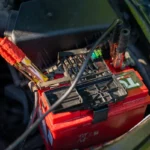
If the connections are clean and tight, the battery is the next suspect. A jump start is a fast diagnostic here. If jumper cables cure the rapid clicking instantly, your battery can't deliver cranking amps anymore.
For the cold-weather crowd, low temperatures cut available cranking power hard, and what happens to voltage in the cold explains why a marginal battery finally quits on the first frosty morning. As of 2026, aggregate service data still puts weak connections and end-of-life batteries at the top of the rapid-click list.
Total Silence, No Click: Ignition Switch, Safety Switch, or Security Lockout
Dead silence when you turn the key points away from the starter and toward the controls that tell it to fire. No click means the solenoid never even got the signal. Three suspects lead the list.
Start with the transmission safety switch. Automatics only crank in Park or Neutral. Manuals usually need the clutch pressed to the floor.
Wiggle the shifter through Park to Neutral and back, then try again. A worn neutral safety switch is a classic silent no-start.
Next, think about security. Modern cars use an immobilizer that reads a chip in your key or fob. If it doesn't recognize the key, it blocks the starter entirely.
Watch for a flashing security or key icon on the dash. Try the spare fob, and if push-button start feels dead, hold the fob against the start button since low fob batteries trigger a backup reader.
The ignition switch itself is the third branch. If nothing responds and the accessories act flaky, the switch contacts may be worn. That one usually needs a shop.
Dash Lights On but No Crank: Grounds, Relays, and Fusible Links
Bright dash lights with zero crank means power reaches the cabin but not the starter circuit. The low-current side works. The high-current path is broken somewhere between the battery and the starter.
Check these in order:
- Starter relay: Swap it with an identical relay from the fuse box (horn or fuel pump often match). A cheap relay fixes plenty of no-cranks.
- Starter fuse or fusible link: A blown fusible link kills the feed silently. Look for a melted or discolored link near the battery.
- Main ground strap: A corroded engine-to-body ground stops cranking cold while lights stay on.
Dim lights that sag hard are a different story. That points back to the battery or a loose connection under load, covered earlier. Steady bright lights with no crank keep you on relays, fuses, and grounds.
If you own a meter, confirming the cables carry current end to end separates a broken link from a dead relay in minutes.
Cranks but Won't Fire: When It's Not the Starting Circuit
If the engine spins but never catches, your starting circuit is healthy. The battery, starter, and grounds all did their job. Now the problem is fuel or spark, not the electrical starting side.
Run through the basics. Listen for the fuel pump prime, a two-second hum when you turn the key to On. No hum can mean a failed pump or its relay.
Then think about spark. Worn spark plugs or a failing ignition coil can leave a strong-cranking engine dead.
Weather matters too. A flooded engine or old fuel makes cold starts stubborn. This branch sits outside a "battery reads good" diagnosis, so we'll keep it short.
Just know that a good crank clears the whole starting circuit of blame.
The 10-Minute Test Flow With a Multimeter
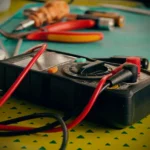
A meter turns guesses into facts. Set your multimeter to 20V DC and you can confirm the battery, the connections, and the starter feed in about ten minutes. Here's the order that saves the most time.

Reading Resting Voltage the Right Way
First, kill the surface charge. Turn the headlights on for 15 seconds, switch them off, then probe the posts. Red lead to positive, black to negative.
Use the correct meter setting for a battery so the reading is clean.
Compare against this quick reference:
| Reading (resting) | State of charge |
|---|---|
| 12.6V or higher | 100% |
| 12.4V | ~75% |
| 12.2V | ~50% |
| 12.0V | ~25% |
| 10.5V | Likely dead cell |
Load Test and Cranking Voltage
Now watch the meter while a helper cranks. A healthy battery holds above roughly 9.6 volts during cranking, a benchmark rooted in SAE International battery test methods. Drop below that and the battery is the fault, even with a good resting number.
Running a proper load test on the battery is the single most useful check here.
Voltage-Drop Test on Cables and Grounds
Finally, hunt for hidden resistance. Put the meter across each connection while cranking. Anything over 0.2 volts across a single cable or clamp signals corrosion or a loose joint.
Checking a terminal for drop catches faults that look perfect to the eye.
Quick DIY Fixes That Solve Most No-Starts
Most no-starts with a good battery come down to simple, free fixes. Before you buy parts, work through these. Aggregate service data shows connections and shifter position solve a huge share of them.

Cleaning Corroded Terminals and Grounds
Corrosion is the number one hidden culprit. Disconnect the negative cable first, then the positive. Scrub the posts and clamps with a wire brush and a baking soda paste.
Rinse, dry, reconnect positive first, and snug the clamps to the maker's torque spec.
The Shifter Wiggle (Park to Neutral)
If the car is silent, shift into Neutral and try to start. A worn neutral safety switch often reads fine in Neutral but not Park. This ten-second move gets many drivers moving again.
Tapping the Starter to Free a Stuck Solenoid
A stuck solenoid sometimes frees with a light tap. Have a helper hold the key in start while you tap the starter body with a wrench handle. If it fires, treat it as a warning.
The starter is failing and needs replacing soon.
Mistakes That Send People to the Wrong Repair
The costliest mistake is buying a battery that tested good in the first place. A fresh battery won't fix a starter, a bad ground, or a security lockout. Match the fix to the symptom, not to a hunch.
Watch out for these common wrong turns:
- Replacing the starter over a loose cable. Tighten and clean first.
- Ignoring the ground strap. A corroded ground mimics a dead battery perfectly.
- Trusting resting voltage alone. Always confirm under load.
- Skipping the relay swap. A two-dollar relay often beats a tow.
Slow down and read the click before spending a dime.
Jump-Starting Safely and What It Tells You
A jump start is both a fix and a clue. If jumper cables bring the car to life instantly, your battery can't deliver cranking amps. If nothing changes, the fault sits past the battery, in the starter, grounds, or switches.
Connect in the right order to stay safe. Positive to the dead battery, positive to the good battery, negative to the good battery, then the last black clamp to bare engine metal on the dead car. Never clamp the final lead to the dead battery's negative post.
Batteries vent hydrogen gas, and a spark there can cause a blast.
Wear eye protection. Battery acid burns skin and eyes, so keep a safe distance from the posts while connecting.
Repair Costs: Terminals, Cables, Starter, and Battery
Costs swing widely based on what actually failed. Here's a rough guide to set expectations before you visit a shop, based on aggregate 2026 service pricing.
| Fix | Typical DIY cost | Shop cost |
|---|---|---|
| Clean terminals/grounds | Under $10 | $30 to $80 |
| Replace battery cable | $15 to $60 | $120 to $300 |
| Starter relay | $5 to $25 | $60 to $150 |
| Starter motor | $80 to $300 | $300 to $650 |
| New battery | $100 to $250 | $150 to $350 |
The lesson is clear. A ten-dollar cleaning often prevents a several-hundred-dollar starter job.
When to Stop and Call a Mechanic
Call a pro once you've cleared the easy wins and still have no start. Some faults need tools and access most drivers don't have at home.
Reach out to a mechanic if:
- The security light flashes and no key works.
- The ignition switch feels dead or intermittent.
- You measure full voltage at the starter but it won't spin.
- The engine cranks fast but never fires after checking fuel and spark.
There's no shame in stopping here. A no-crank buried in the wiring or immobilizer is genuinely a shop-level diagnosis.
Frequently Asked Questions
Can a battery show 12.6 volts and still be bad?
Yes. Resting voltage only measures charge, not cranking strength. A battery with a weak or shorted cell can rest near 12.6 volts and still collapse below 9 volts under load.
Always confirm with a load test before trusting the number.
Why does my car click once but not start?
A single click usually means the starter solenoid engaged but the motor didn't turn. The likely causes are worn solenoid contacts, a dead starter, or a loose main cable. Tap the starter while cranking.
If it fires, the starter is failing.
Will a jump start work if the battery reads good?
Sometimes, and that tells you a lot. If a jump revives the car, the battery couldn't deliver cranking amps despite a good resting reading. If the jump does nothing, the problem lies past the battery, in the starter, grounds, or ignition.
What does rapid clicking mean when starting?
Rapid clicking means the starter can't hold enough current to stay engaged. The usual culprits are corroded terminals, a bad ground, or a battery too weak to crank. Clean every connection first, then load test the battery.
Could a bad ground stop my car from starting?
Absolutely. A corroded or loose ground strap breaks the high-current path the starter needs. The battery can read perfect, yet the engine won't crank.
A voltage-drop test across the ground exposes the fault quickly.
Your Symptom-to-Fix Decision Guide
Let the sound decide your next move. Here's the whole thing on one line each.
- One loud click: Starter or solenoid. Tap it, then test the feed.
- Rapid clicking: Clean connections and grounds, then load test the battery.
- Total silence: Wiggle the shifter, try the spare fob, suspect the ignition switch.
- Dash on, no crank: Swap the starter relay, check the fusible link and ground.
- Cranks but won't fire: Leave the starting circuit and look at fuel and spark.
Start with the free checks every time. Clean terminals, a shifter wiggle, and a relay swap solve more no-starts than any part you can buy.

Similar Posts