What Is Parasitic Draw on a Car Battery? Causes & Fixes
Your battery keeps dying overnight, the alternator tested fine, and the replacement battery you just bought is doing the exact same thing. That's the classic fingerprint of parasitic draw, and understanding what is parasitic draw on a car battery is the first step to actually fixing the problem instead of throwing more parts at it. In plain terms, something in the vehicle is quietly pulling current after everything is switched off.
Modern vehicles (as of 2026) run dozens of electronic control modules that stay awake for a while after you lock the doors, then drop into sleep. A healthy key-off draw sits around 20 to 50 milliamps once those modules settle, per OEM service specifications. Anything much higher, and your 60 Ah battery can be flat inside two or three days.
Here's how it works and how to hunt it down.
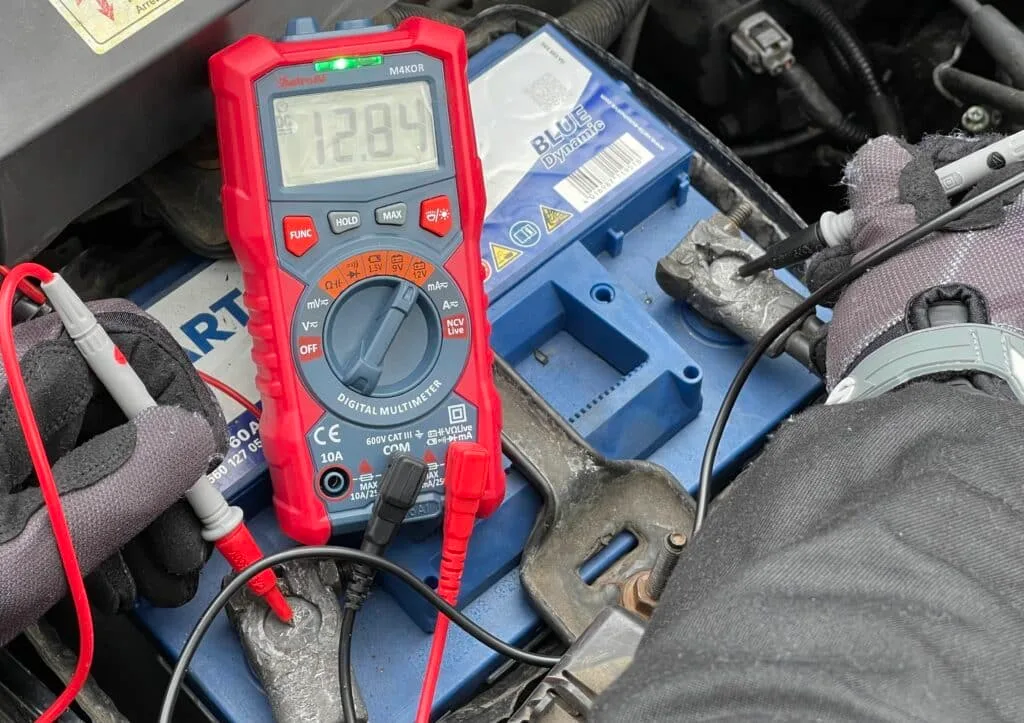
What Parasitic Draw Actually Means (In Plain English)
Parasitic draw is the current your car keeps pulling from the battery after the ignition is off and the doors are locked. Some draw is completely normal. Your clock, the anti-theft module, the keyless entry receiver, and the ECU memory all need a trickle of power to stay ready.
The problem shows up when that trickle turns into a river. A sticking relay, a shorted diode, an aftermarket accessory wired wrong, or a module that refuses to sleep can push draw from a normal 30 mA up to 300 mA or more. At that point the battery loses charge faster than it can hold it, and a car parked for the weekend won't crank on Monday.
Technicians also call this key-off load (KOL), ignition-off draw (IOD), quiescent current, or "dark current" in European service manuals. All describe the same thing. Unwanted current flow with the key out.
The Quick Answer: How Much Draw Is Normal on a Modern Car
A healthy parasitic draw sits between 20 and 50 milliamps once modules sleep. Older vehicles before 2000 typically read under 25 mA. Anything sustained above 75 to 100 mA signals a fault.
A 1-amp draw flattens a 60 Ah battery in two days. Modules usually sleep within 20 to 45 minutes of key-off.
Signs Your Battery Is Being Killed by a Parasitic Drain
The tell-tale symptom is a battery that goes dead after the car sits, even though it starts fine after a drive. Watch for these patterns:
- Slow cranking or a no-start after 24 to 72 hours of sitting
- A jump-start works, and the car drives normally afterward
- The battery is under two years old but tests bad on a load tester
- Interior lights or the trunk light seem dimmer than usual right after the car has sat
- A faint clicking or humming from under the dash with the key out
- The battery voltage reads under 12.4 V after eight hours of rest
If the same symptoms show up on the road (dim headlights, warning lights flickering, dashboard resets), the issue is more likely charging system related. Our guide on distinguishing charging faults from a bad battery walks through the split. For pure key-off dying, parasitic draw is the prime suspect.
How Parasitic Draw Works: Modules, Sleep Timers, and Key-Off Current
Every modern car runs a network of electronic control units chatting over a CAN bus or LIN bus. The Body Control Module (BCM), engine ECU, infotainment head unit, telematics module, tire pressure receiver, and keyless entry antenna all draw a few milliamps each while awake. That adds up.
When you shut the car off and walk away, those modules stay awake for a programmed interval, usually 20 to 45 minutes. During that window they finish logging, listen for the key fob, and confirm nothing is happening. Then they drop into sleep, and total current collapses to that 20 to 50 mA baseline.
A parasitic draw problem happens when one of three things breaks that sequence:
- A module never receives the sleep command and stays awake indefinitely
- A door switch, hood switch, or trunk switch is stuck, keeping the network awake
- A component downstream (relay, motor, lamp) stays energized when it shouldn't
Understanding this timer is critical. If you measure draw at the two-minute mark, you'll read 200 to 500 mA and panic over a perfectly healthy car. The role the charging system plays here is limited.
The alternator recharges the battery while you drive, but it has no say in what pulls current after the key comes out.
For the underlying protocols most OEMs follow, SAE International publishes the reference standards.
Common Culprits That Cause Excessive Battery Drain
In our research across manufacturer TSBs and independent shop diagnostic databases, a handful of failures show up over and over. Aggregate reviews of repair-order data point to the same short list behind most parasitic draw complaints.
Factory Components That Fail
- A failed diode in the alternator letting current leak backward. Other symptoms worth ruling out are covered in our breakdown of how a tired alternator shows itself
- Glovebox, trunk, or under-hood courtesy light stuck on because of a bad switch
- Sticky trunk latch or door pin switch keeping the BCM awake
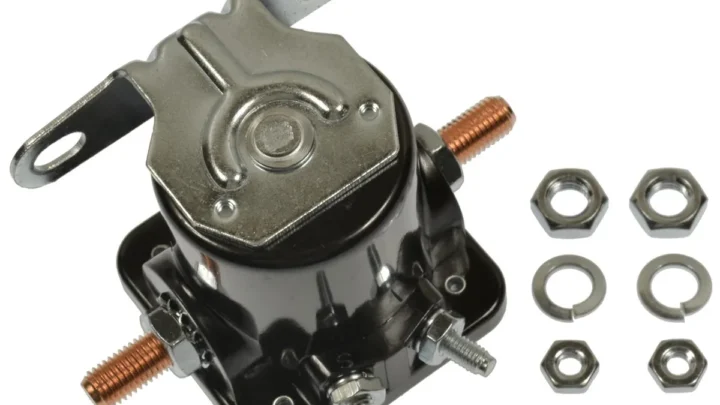
- A relay welded closed on the fuel pump, blower motor, or cooling fan circuit
- Water intrusion into the underhood fuse box corroding contacts
- Failed infotainment head unit that refuses to power down
- OEM connected-car telematics units that hang on a software error
Aftermarket Add-Ons That Cause Trouble
- Dashcams hardwired to a constant 12V circuit without a low-voltage cutoff
- Aftermarket amplifiers with remote-on wires miswired
- Cheap USB chargers left plugged into always-hot outlets
- Alarm systems with a shorted siren or LED indicator drawing 100+ mA
- Remote-start units with a failed relay board
- Trailer brake controllers left connected with a corroded plug
Watch for any device installed in the six months before the drain started. Aftermarket wiring is the single most common cause our editorial analysis found in customer complaints. Factory-fresh vehicles can develop a stuck relay too, but if the car worked fine before the stereo shop installed a subwoofer, that's where to look first.
Tools You Need to Track Down a Parasitic Drain
You don't need a shop full of gear to chase this one down. A basic digital multimeter with a 10A DC current range will handle most tests. A low-current DC clamp meter is faster and safer, but it costs more.
Here's the short list:
- Digital multimeter with a 10A or 20A DC current range and a 10A internal fuse
- Low-current DC-capable clamp meter (able to read down to 1 mA)
- Wiring diagram or fuse map for your specific vehicle
- Fuse puller and a bag of spare mini or ATC fuses
- Memory saver (optional, keeps radio codes and presets alive)
- Insulated jumper wire to bridge the negative post during setup

Multimeter vs. Low-Current Amp Clamp
A multimeter measures current in series, which means you break the circuit and route all the current through the meter. That works, but if anything wakes up the car (opening a door, cranking the engine) you can blow the meter's internal fuse instantly.
A DC amp clamp reads current without breaking the circuit. You just clamp the jaws around the negative battery cable. It costs $80 to $200 for a quality low-current model, but it saves multimeter fuses and eliminates most user errors.
For picking the right meter mode for battery diagnostics, our guide on choosing the right measurement mode covers the settings you'll need.
Step-by-Step: How to Test for Parasitic Draw the Right Way
Start with a fully charged, load-tested battery. A weak battery will fake a draw problem, so rule it out first. Our walkthrough on checking resting battery voltage shows the baseline reading to expect before you go further.
Once the battery checks out, work through this sequence in order.
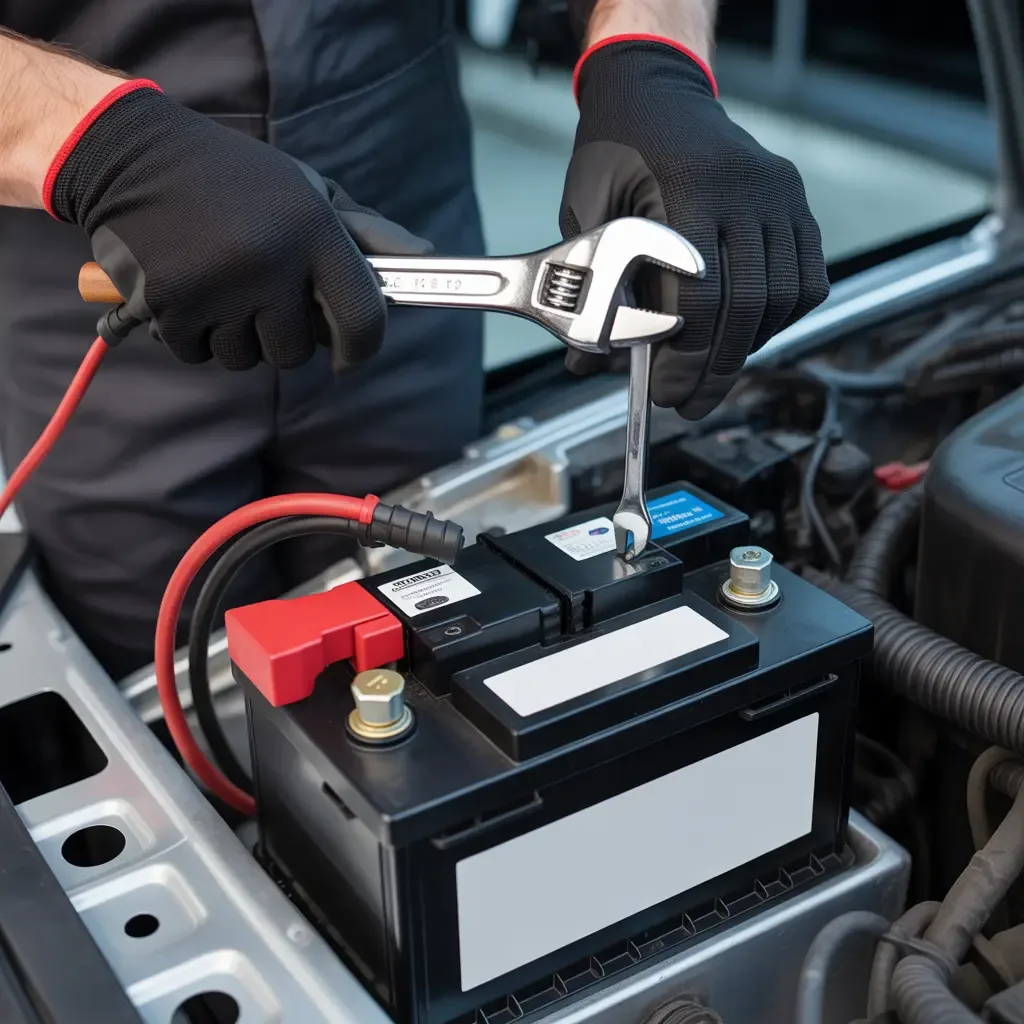
- Close every door, the hood, and the trunk. Turn off every accessory. Remove the key fob from the vehicle and walk it at least 15 feet away
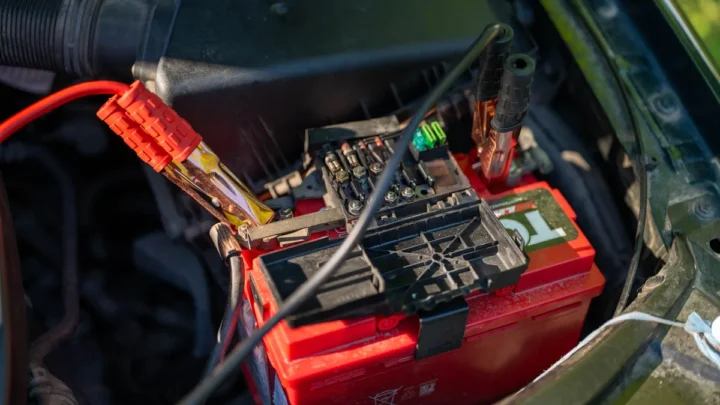
- Loosen the negative battery cable and lift it off the post
- Set your multimeter to the 10A DC current range. Move the red probe to the 10A jack
- Clip the black probe to the negative battery post. Clip the red probe to the negative cable end
- Now the meter is in series with the entire vehicle
- Wait. Do not open a door, do not touch a switch. Sit tight for 20 to 45 minutes while modules go to sleep
- Watch the display drop from an initial reading around 200 to 500 mA down to a steady baseline
- Record the baseline reading. Compare against the 20 to 50 mA target
If the baseline sits above 75 mA once modules have slept, you have a draw to chase. Skip to the fuse-pull or millivolt drop method in the next section.
A quick note on the memory saver. Disconnecting the negative cable can wipe radio presets, force a window-relearn, and reset the steering angle sensor on some vehicles. A memory saver plugged into the OBD-II port or cigarette outlet keeps the modules powered while the cable is off.
The Fuse-Pull Method vs. the Millivolt Drop Test
Once you've confirmed excess draw, you need to figure out which circuit is bleeding. Two techniques dominate.
The fuse-pull method is the simple one. With the meter still reading in series, pull one fuse at a time from every fuse box in the vehicle. When the current reading drops, that's your circuit.
The downside is every pull risks waking up a sleeping module, which forces another 20 to 30 minute wait.
The millivolt drop test is faster. Every fuse has a tiny amount of resistance. Current flowing through it creates a small voltage drop across the two exposed metal tabs on top.
With the meter set to DC millivolts, you probe both tabs of each fuse without pulling it. A reading above zero millivolts means current is flowing on that circuit. Chase the highest reading.
| Method | Best For | Time | Risk |
|---|---|---|---|
| Fuse-Pull | Basic multimeter users | 30 to 90 minutes | Wakes modules, blows meter fuse |
| Millivolt Drop | Faster diagnosis on modern cars | 5 to 15 minutes | Requires fuse-drop chart |
| Amp Clamp on Cable | Complex CAN-bus vehicles | 10 to 20 minutes | Higher tool cost |
Manufacturer fuse-drop charts convert the millivolt reading into an approximate current based on fuse rating. A 10-amp mini fuse showing 3.5 mV, for example, works out to roughly 50 mA on that circuit.
Reading the Numbers: What Milliamp Readings Actually Tell You
Not every reading over 50 mA means you have a broken car. Context matters. A vehicle that just had the door opened is not the same as one that has slept for 40 minutes.
Use this rough guide once modules have fully slept:
- Under 50 mA: normal for most 2010+ vehicles
- 50 to 75 mA: acceptable on some German makes and hybrids with extra telematics
- 75 to 150 mA: mild problem, battery will die in 1 to 2 weeks of sitting
- 150 to 500 mA: significant fault, battery flat in 2 to 4 days
- Over 500 mA: severe draw, dead battery overnight, safety concern (heat, wiring risk)
For older cars, tighten those numbers. Vehicles built before 2000 should sit under 30 mA. Anything over 50 mA on a 1990s vehicle almost certainly points to a stuck relay, a bad diode, or an accessory left hot.
To sanity-check the resting voltage side, what a healthy 12V reading looks like gives you the numbers to compare against.
Watch the trend, not just the number. If draw starts at 400 mA and steadily falls to 30 mA over 40 minutes, the modules are doing their job. If it plateaus at 300 mA and never drops, one module isn't sleeping.
Mistakes That Blow Multimeter Fuses and Waste Your Afternoon
Aggregate feedback from independent shop forums points to the same handful of errors over and over. Avoid these and you'll save yourself a spare meter fuse.
- Cranking the engine while the meter is in series. Starter draw is 150 to 400 amps, well past a 10A meter fuse rating
- Opening a door mid-test. That wakes the BCM and resets the sleep timer to zero
- Reading current at the two-minute mark and diagnosing a fault. Modules are still awake
- Using the wrong probe jack. The red probe belongs in the 10A jack, not the V-Ω-mA jack
- Leaving the key in the ignition or fob in the cabin. Keyless systems will keep polling
- Forgetting to check for aftermarket wiring taped behind the dash or under the seat
- Assuming the alternator is fine because the car starts. A failing diode can still drain overnight even when the alternator charges normally while driving
- Testing without letting the battery reach a full charge first
If you do blow a meter fuse, don't substitute a bigger fuse to make it work. Match the OEM rating exactly. A wrong fuse can let enough current through to damage the meter's shunt resistor, and that's an unrepairable failure on most consumer models.
When to Suspect the Alternator, BCM, or a Stuck Relay
If the fuse-pull test points at the charge circuit, suspect a leaky alternator diode. A failed diode lets battery current flow backward through the stator windings when the engine is off. Draw usually reads 100 to 300 mA, and disconnecting the alternator's B+ cable makes it vanish.
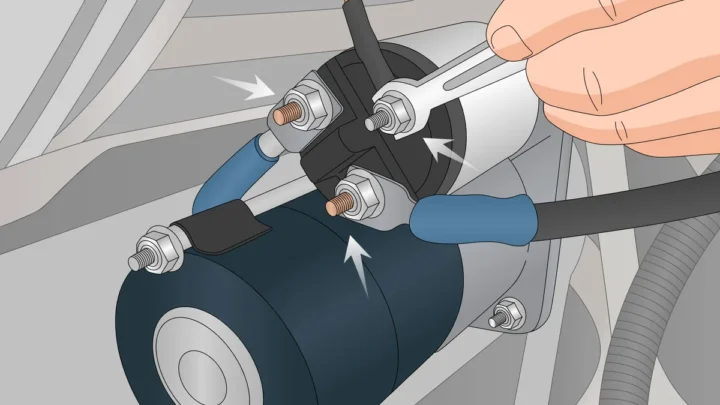
If pulling every fuse still leaves 80+ mA on the meter, the draw is upstream of the fuse panel. That points to the starter cable, the alternator, or a hot-wired accessory. A stuck relay behaves differently.
Pulling its dedicated fuse drops draw to normal, and swapping the relay with an identical one confirms it.
For BCM problems, watch for random module wake-ups triggered by a sticky courtesy switch. A bad hood latch switch is a favorite. Even replacing a battery multiple times won't fix a BCM that refuses to sleep.
What to Do After You Find (and Fix) the Draw
Verify the fix before buttoning everything up. Reconnect the negative cable, wait for the sleep timer, and measure key-off current again. You want to see 20 to 50 mA hold steady for at least 15 minutes.
Reset any modules the disconnect scrambled. Common ones:
- Radio anti-theft code
- Power window auto-up relearn
- Steering angle sensor calibration
- TPMS pairing on some models
- Idle relearn on older port-injected engines
Charge the battery fully with a smart charger before daily driving. A deep-discharged battery that saw only a short alternator top-up will sulfate quickly.
Parasitic Draw on Newer Vehicles, EVs, and Long-Storage Cars
Vehicles built after 2015 run more always-on modules than any generation before them. Telematics, remote-start apps, over-the-air update receivers, and keyless polling all add current. Baseline draw of 40 to 60 mA is now routine on a 2020+ vehicle.
EVs have a 12V auxiliary battery that runs the same wake circuits as a combustion car. It also drains from parasitic loads, and a dead 12V battery on an EV can lock you out of the high-voltage system entirely. Most manufacturers recommend a maintainer for storage over 30 days.
For any vehicle sitting more than two weeks, plug in a smart trickle charger rated at 1 to 2 amps. A battery disconnect switch is a decent alternative, though it wipes module memory and forces relearns every reconnect.
Battery Health After a Deep Discharge: What to Expect
Every deep discharge under 10.5 V shortens a lead-acid battery's life. Two or three full flatlines can cut usable capacity in half. AGM batteries recover better than flooded designs, but they're not immune.
After recovery, load-test the battery. If it fails a 15-second load test at half its CCA rating, replace it. A weak battery masks future draw problems by dying too easily to isolate the culprit.

Similar Posts