Starter Replacement Cost: What You’ll Really Pay to Fix It
That grinding, clicking sound when you turn the key rarely means good news. Most drivers googling "starter replacement cost" have already gotten the diagnosis and want to know what the invoice will actually look like. The short version: budget between $350 and $750 for most cars, though some engines push past $1,000.
Aggregate repair data as of 2026 puts the national average around $520 for parts and labor combined on a standard car. That figure moves hard based on vehicle, region, and where the starter sits inside the engine bay. Before you accept any quote, it helps to know exactly what you're paying for.
Quick Answer
Starter replacement cost typically runs $350 to $750 for most vehicles. Parts alone cost $80 to $400. Labor adds $150 to $500 depending on access difficulty.
Diesel trucks and buried starters can push the total past $1,500. Always confirm the diagnosis with a proper voltage test first.
What a Starter Actually Does (and Why Replacement Costs Vary So Much)
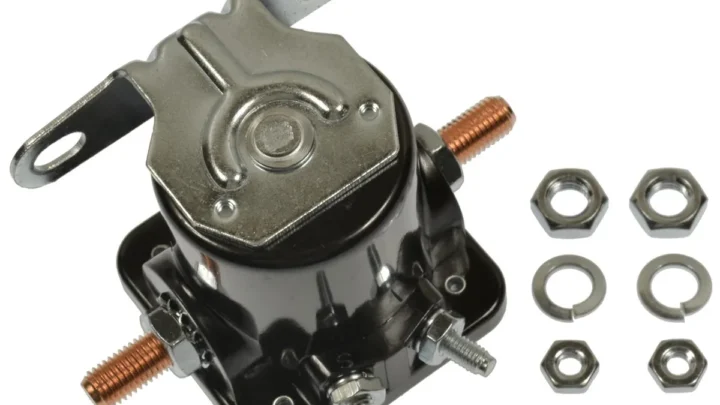
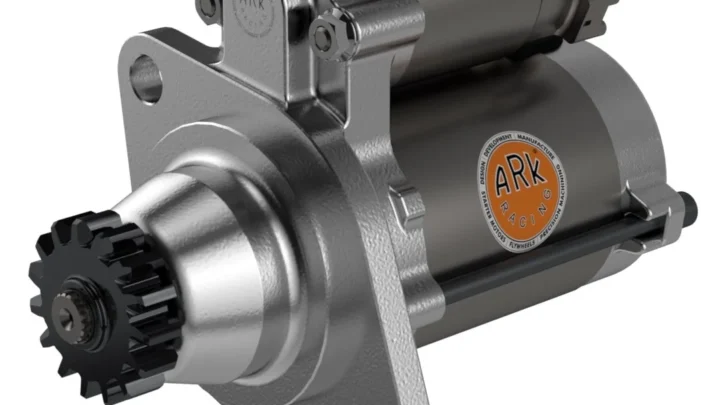
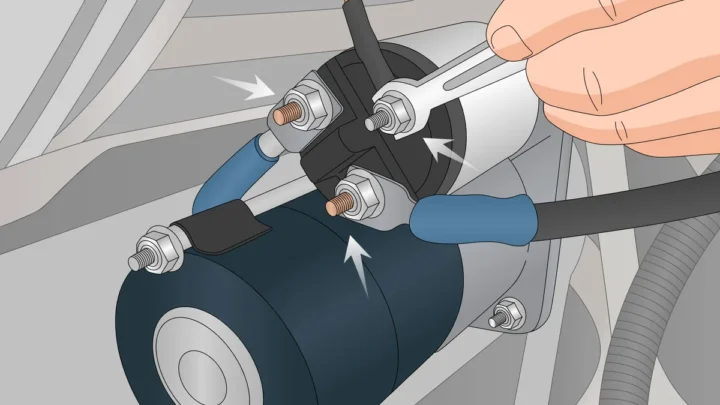
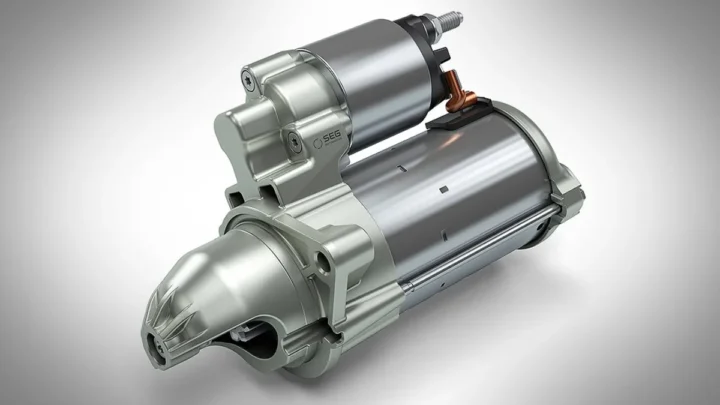
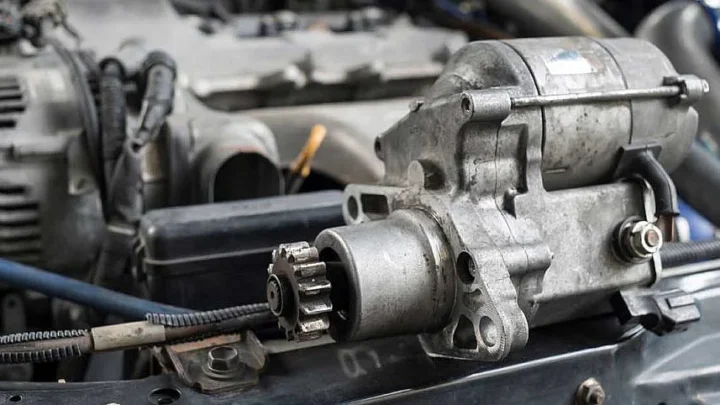
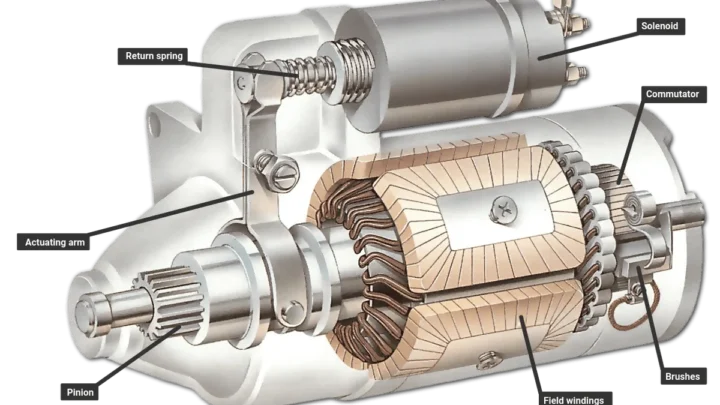
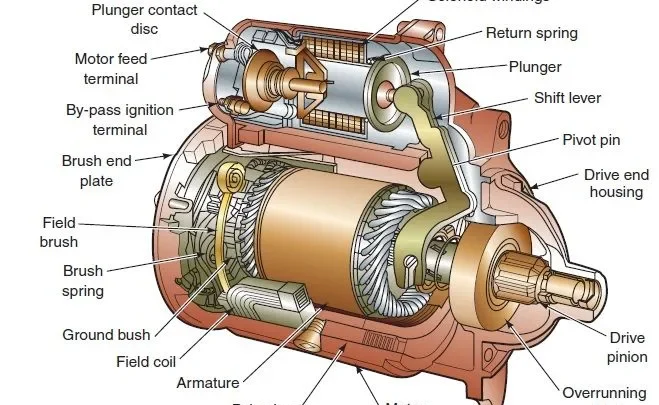
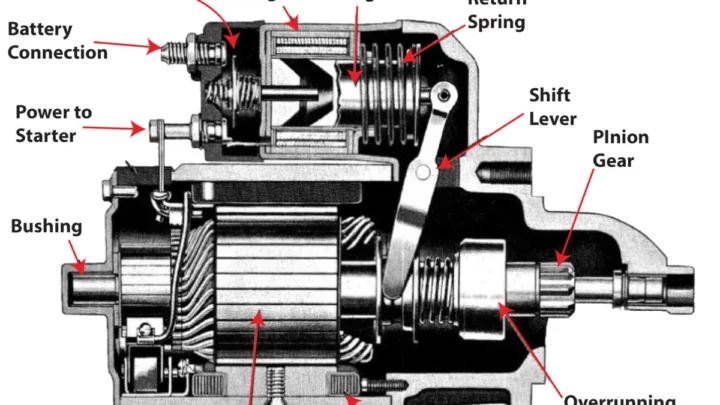
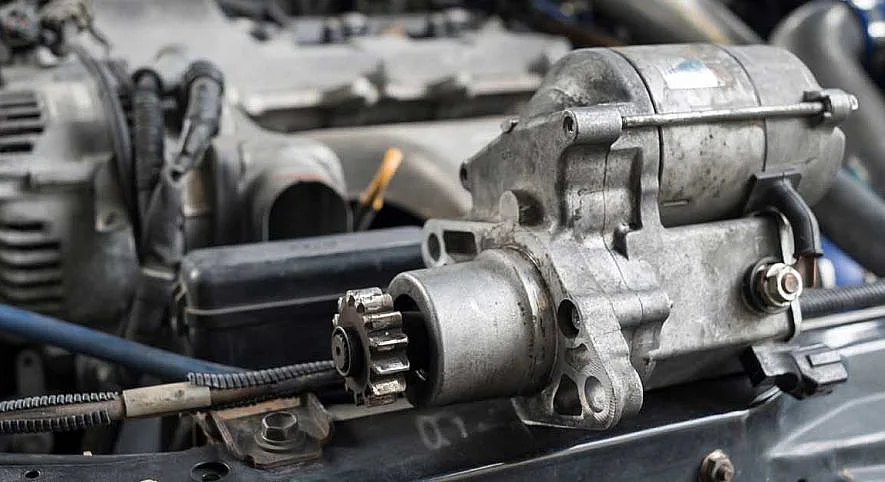
The starter is a small, high-torque electric motor that spins your engine fast enough to fire. When you turn the key, the battery sends power through the solenoid. That shoves a pinion gear into the flywheel and cranks the engine.
Why does that matter for cost? Because the starter's location decides everything. On some vehicles it bolts right onto the transmission bell housing, exposed and easy to grab.
On others it's tucked under the intake manifold, buried behind heat shields, or blocked by exhaust piping.
That single design choice can turn a 45-minute job into a five-hour teardown. Add in whether your car uses a standard direct-drive unit or a gear-reduction starter for a diesel, and the parts price can double or triple.
The Real Price Range for Starter Replacement in 2026
Here's the honest breakdown of what drivers are paying, based on aggregate shop invoice data and manufacturer parts pricing.
| Vehicle Type | Parts Cost | Labor Cost | Total Estimate |
|---|---|---|---|
| Compact car (Corolla, Civic, Sentra) | $110 to $220 | $120 to $240 | $250 to $480 |
| Mid-size sedan (Camry, Accord, Malibu) | $140 to $280 | $180 to $320 | $340 to $620 |
| Full-size truck or SUV (F-150, Silverado) | $180 to $380 | $220 to $420 | $420 to $820 |
| Diesel pickup (Cummins, Duramax, Power Stroke) | $280 to $650 | $300 to $550 | $600 to $1,300 |
| Buried-starter vehicles (some BMW, Audi, Northstar) | $220 to $500 | $500 to $900 | $850 to $1,500+ |
Diagnostic fees add $75 to $180 on top. Some shops waive the fee if you approve the repair. Others charge separately regardless.
Parts Cost Breakdown: OEM vs. Remanufactured vs. Aftermarket
You've got three real choices for the starter itself. Each hits your wallet differently and carries different risks.
- OEM (original equipment manufacturer): identical to the factory unit. Priced $200 to $500, sometimes more.
- Remanufactured: a used core rebuilt with new brushes, bearings, and solenoid contacts. Priced $80 to $250 with a solid warranty.
- Aftermarket new: brand-new units from independent manufacturers. Priced $70 to $200, quality varies wildly.
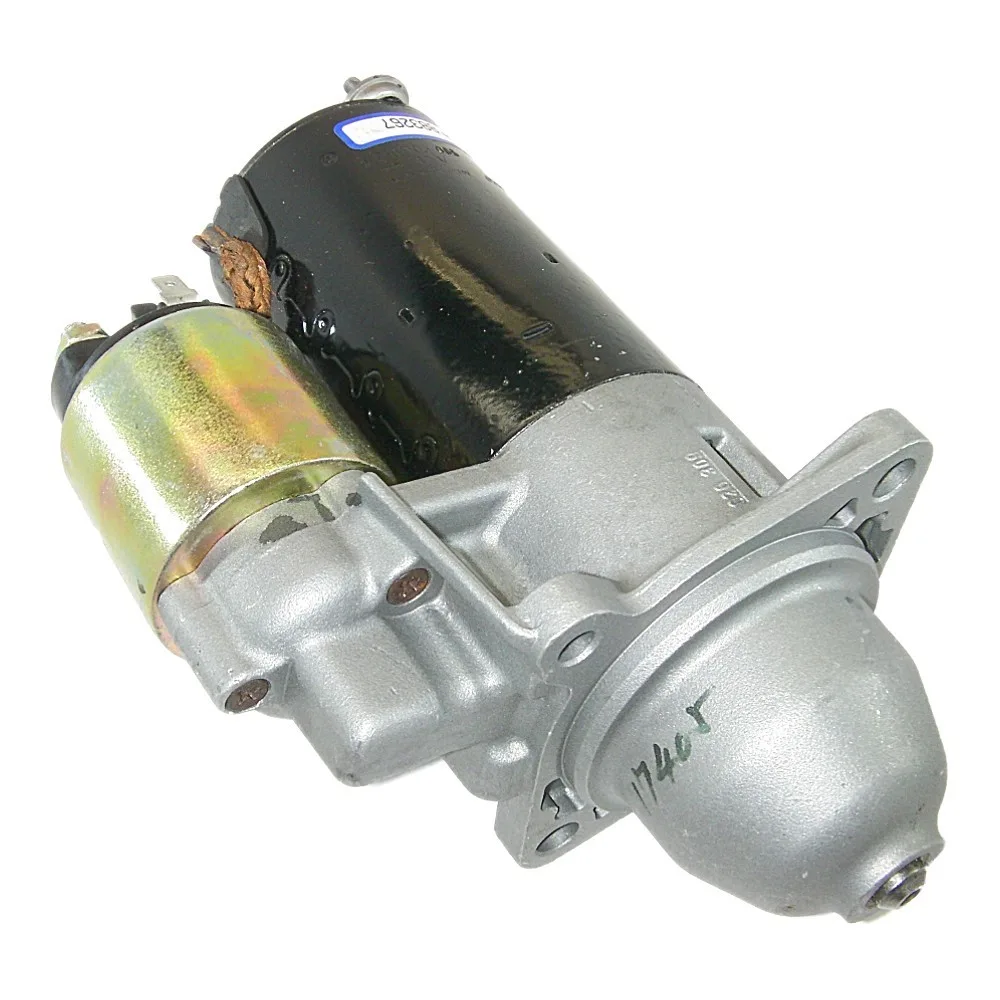
Aggregate reviews suggest reman units from Bosch, Denso, or ACDelco perform just as well as OEM in most driving conditions. The cheapest no-name aftermarket units have the highest early-failure rates, sometimes dying within 6 to 12 months.
Watch out for the core charge. That's a $20 to $75 deposit you get back when you return the old starter. It's not a fee, but it does show up on your invoice.
Labor Cost by Vehicle Type and Access Difficulty
Labor is where the surprise pricing hides. Shop rates as of 2026 run $100 to $200 per hour at independents and $150 to $250 at dealerships. Actual hours billed come from Motor Information Systems or Mitchell 1 labor guides.
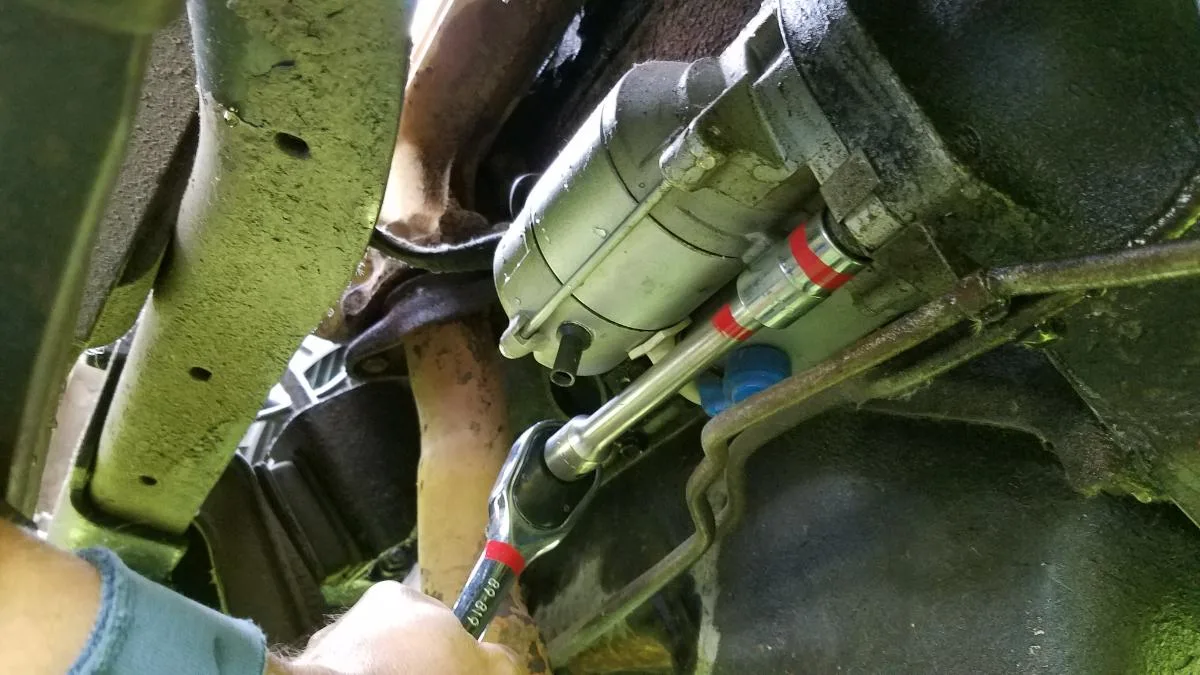
Here's how access difficulty typically shakes out:
- Easy access (0.5 to 1.0 hours): most rear-wheel-drive V8s, older trucks, many compact cars.
- Moderate access (1.5 to 2.5 hours): most transverse-mounted engines, front-wheel-drive sedans, mid-2000s SUVs.
- Heavy access (3.5 to 5+ hours): intake manifold removal, exhaust drop, or subframe lowering.
If you drive in the rust belt, add time. Seized bolts, corroded connectors, and snapped studs push a two-hour job into a four-hour one fast. A quick check on whether the charging system is actually the culprit can save you the whole bill.
The Federal Trade Commission also lays out your rights under the Magnuson-Moss Warranty Act if a shop pressures you into unnecessary work.
Starter Replacement Cost by Popular Make and Model
Every make handles starter placement differently, and the parts market prices them accordingly. These figures come from aggregate 2026 repair invoices and represent typical total cost including parts, labor, and shop fees.
| Make / Model | Typical Total Cost |
|---|---|
| Toyota Camry (2012 to 2022) | $320 to $520 |
| Honda Civic (2016 to 2024) | $340 to $560 |
| Ford F-150 (5.0L V8) | $380 to $640 |
| Chevy Silverado 1500 (5.3L) | $360 to $620 |
| Ram 1500 (Hemi 5.7L) | $400 to $680 |
| Jeep Wrangler (3.6L Pentastar) | $420 to $720 |
| BMW 3-Series (F30 chassis) | $650 to $1,100 |
| Audi A4 (B8, B9) | $700 to $1,250 |
| Ford F-250 (6.7L Power Stroke) | $850 to $1,500 |
| Dodge Ram 2500 (Cummins) | $900 to $1,600 |
| Cadillac (Northstar 4.6L V8) | $950 to $1,700 |
Older luxury and diesel platforms sit at the top for a reason. The Northstar V8 requires intake manifold removal on many years. Cummins-powered Rams use a heavy-duty gear-reduction starter that alone can hit $500 to $700 at parts.
If your car shows weak cranking, the early signs of charging trouble sometimes point back to the alternator, not the starter. Rule out the cheap stuff first.
Dealership vs. Independent Shop vs. Mobile Mechanic Pricing
Where you take the car matters almost as much as what the car is. Each option has trade-offs beyond just the hourly rate.
| Option | Hourly Rate | Best For | Watch Out For |
|---|---|---|---|
| Dealership | $150 to $250 | Late-model warranty work, luxury brands | Highest cost, aggressive upsell |
| Independent shop | $100 to $200 | Out-of-warranty repairs, most makes | Quality varies, check ASE certification |
| Mobile mechanic | $80 to $150 | Easy-access starters, no-tow situations | Limited for buried starters |
Independent shops usually land 20 to 35 percent below dealer pricing for the same repair. Mobile mechanics can undercut both, but only when the starter sits somewhere they can reach in a driveway.
If your car sits under warranty or a powertrain extended service contract, the dealership may be your only option to keep coverage intact.
DIY Starter Replacement: What You'll Actually Save
DIY makes sense when the starter is easy to reach. On a truck with a two-bolt starter, you can save $200 to $400 in an afternoon. On a buried starter, the math flips fast.
What you'll need:
- Socket set (metric and SAE), ratchet, and breaker bar
- Jack stands and wheel chocks (never a jack alone)
- Battery terminal wrench
- Torque wrench for the mounting bolts
- Safety glasses and gloves
Time estimates for a first-timer:
- Easy-access job: 1 to 2 hours
- Moderate-access job: 3 to 5 hours
- Buried starter: skip it and pay the shop
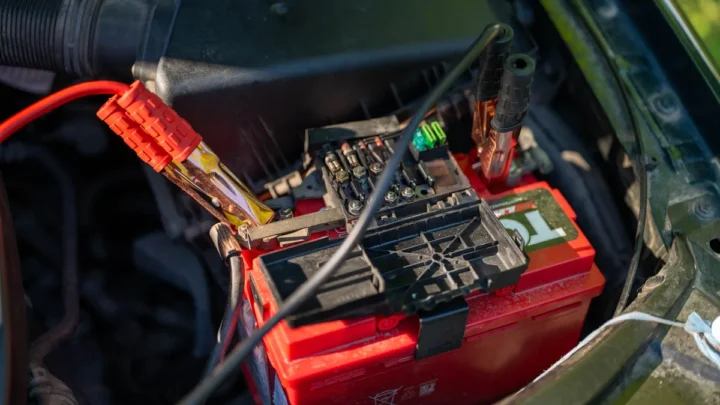
Confirm the diagnosis before you buy the part. A quick multimeter check on the battery rules out the cheapest cause in two minutes. If the battery reads healthy, a voltage-drop test on the starter cables tells you whether you need a starter or just a clean ground.
Hidden Costs Most People Forget (Core Charges, Diagnostics, Towing)
The sticker price on the starter isn't the whole picture. Several add-ons regularly catch drivers off guard.
- Diagnostic fee: $75 to $180
- Tow to the shop: $75 to $250 depending on distance
- Core charge: $20 to $75, refunded when you return the old unit
- Shop supplies fee: 3 to 8 percent of the labor total
- New battery cables or terminals: $40 to $150 if corroded
- Ground strap replacement: $25 to $80
- Flywheel repair: rare, but a chewed ring gear adds $600 to $1,200
Sales tax on parts also sneaks up. On a $400 starter with 8 percent tax, that's another $32. Ask for a written estimate that itemizes every line before you approve anything.
Real Repair Invoices: Three Case Examples From Recent Jobs
Aggregate data tells one story, but real jobs make the ranges concrete. These three reflect typical 2026 pricing.
Case 1: 2015 Toyota Camry, 4-cylinder, suburban independent shop.
- Reman Denso starter: $165
- Labor (1.2 hours at $130): $156
- Shop supplies and tax: $28
- Total: $349
Case 2: 2011 Chevy Silverado 1500, 5.3L V8, mobile mechanic.
- Diagnostic: $60
- ACDelco Gold reman starter: $210
- Labor (1.5 hours at $110): $165
- Total: $435
Case 3: 2008 Cadillac DTS, Northstar 4.6L V8, dealership.
- Diagnostic: $145
- OEM GM starter: $445
- Labor (5.2 hours at $185, intake manifold removal): $962
- Gaskets and sealant kit: $95
- Total: $1,647
The Cadillac shows why some jobs blow past the budget. On the Northstar V8, the starter lives under the intake manifold. Every job is a teardown regardless of who does it.
Symptoms That Point to a Bad Starter (and What Fakes It)
Before you spend a dollar, make sure the starter is actually the problem. Aggregate shop data suggests roughly one in three "bad starter" complaints turns out to be something else.
True starter failure symptoms:
- Single loud click when you turn the key, no crank
- Rapid clicking that sounds like a machine gun
- Grinding sound during cranking (pinion or flywheel wear)
- Starter spins but doesn't engage (freewheeling)
- Intermittent no-start when hot, works cold (heat-soak failure)
Common impostors:
- Dead or weak battery (most frequent misdiagnosis by far)
- Corroded battery terminals or a loose ground strap
- Faulty ignition switch
- Bad neutral safety switch on automatics
- Blown starter fuse or failed relay
A battery that sits at 12.4 volts but drops below 9.6 volts under crank load is telling you the battery is done, not the starter. Knowing what a healthy resting voltage looks like settles the question in under a minute.
Common Mistakes That Turn a $300 Job Into a $1,000 One
The biggest wallet-drainer is misdiagnosis. Replacing a healthy starter because the battery was actually dead costs you the full repair plus a new battery a week later.
Watch for these avoidable errors:
- Skipping the battery load test before condemning the starter
- Ignoring corroded cables or a rotted ground strap
- Buying the cheapest no-name starter online
- Forgetting to shim the starter on older GM V8s
- Not torquing the mounting bolts to spec
- Reusing brittle heat shields that break during removal
A starter that fires up on the bench but grinds in the vehicle usually points to flywheel damage. That's another $600 to $1,200 most owners never see coming. Reports suggest checking how long a properly installed unit should last sets realistic expectations for the whole cranking and charging system.
When Replacing the Solenoid or Starter Relay Is Enough
Sometimes the starter motor itself is fine. Only the switching gear has failed, and that's a much cheaper fix.
Signs the solenoid or relay is the real culprit:
- Loud single click, but tapping the starter with a wrench gets it to crank
- Starter works intermittently, always when hot
- No click at all, but the engine cranks when you jump the solenoid directly
- Starter relay in the fuse box tests bad with a swap
Solenoid rebuild kits run $30 to $120. Labor is 0.5 to 1.0 hours if the starter stays on the vehicle. Total: often under $200.
A starter relay is even cheaper. The part is $8 to $40 at any parts counter, and swapping it takes minutes. Always test before throwing a full starter at the problem.
Warranty Coverage and What to Ask Before You Pay
Warranty length varies wildly by parts brand and shop policy. Get the terms in writing before you approve any repair.
Typical warranty tiers as of 2026:
| Tier | Coverage | Notes |
|---|---|---|
| Economy aftermarket | 90 days to 1 year | Parts only, no labor |
| Premium reman (Bosch, Denso, ACDelco) | 2 to 3 years | Parts and sometimes labor |
| OEM dealer install | 12 months / 12,000 miles minimum | Backed by manufacturer |
| Nationwide chain (Napa, O'Reilly, Advance) | Lifetime limited | Parts only, keep the receipt |
Key questions to ask the shop:
- Is labor covered if the part fails again?
- Do I keep the warranty if I move or use a different location?
- What voids the warranty?
- Are diagnostic fees waived on a warranty return?
Written warranties are enforceable under the Magnuson-Moss Warranty Act. A verbal promise is worth nothing if the starter dies on a road trip six months later.
Cold Climates, Rust Belts, and Regional Cost Differences
Where you live changes the bill more than most drivers realize. Cold-climate starters work harder every morning, which shortens their lifespan.
Regional realities:
- Rust belt (Michigan, Ohio, Ontario, UK): expect 1 to 2 extra labor hours for seized hardware and snapped studs
- Sun belt (Arizona, Texas, Florida): easier removals, but heat-soak failures more common
- Northern Canada, upper Midwest: heavy-duty cold-weather starters recommended, add $50 to $150 to parts
- Coastal areas: faster solenoid contact corrosion from salt exposure
Metro labor rates in New York, San Francisco, or London routinely hit $200 to $275 per hour. That same job in rural Georgia might bill at $85 to $120. Same part, same car, wildly different total.

Similar Posts