Rapid Clicking Noise When Starting Car? Here’s Why
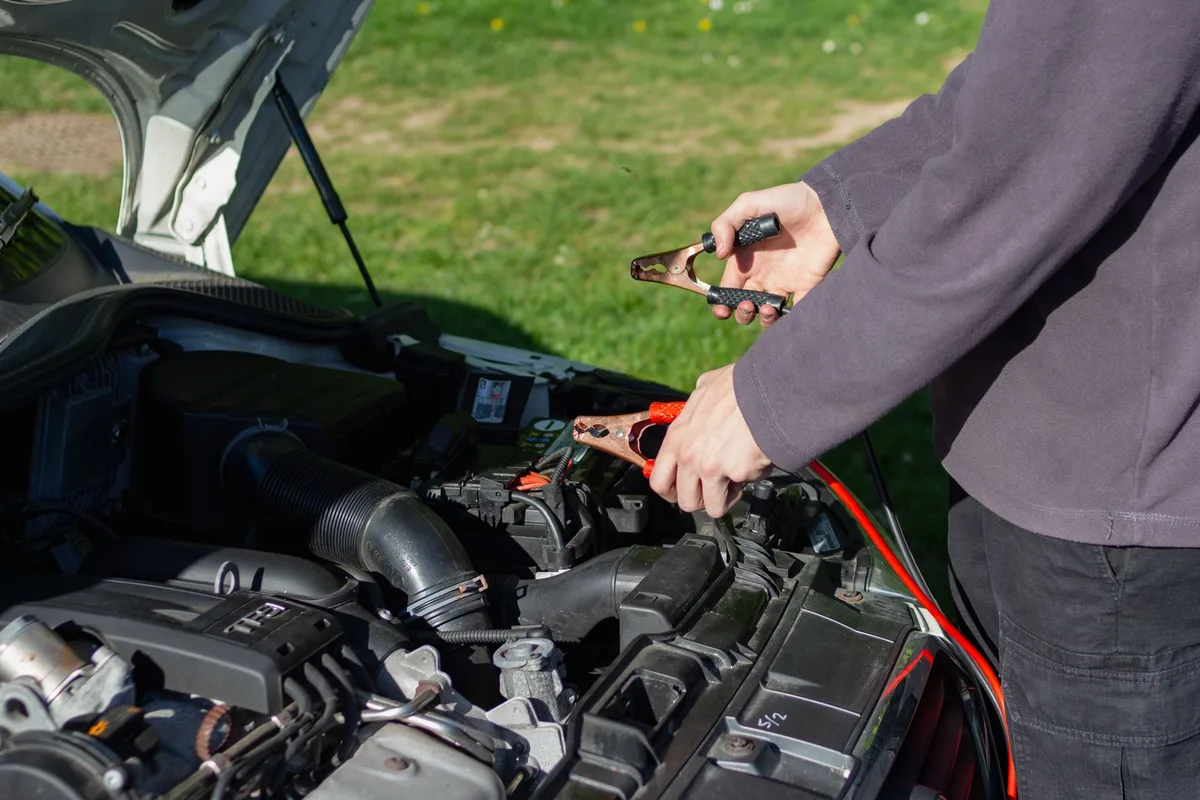
That rapid clicking noise when trying to start your car is one of the most common no-start sounds out there, and the good news is it usually points to something cheap. Nine times out of ten it's a power problem, not a broken starter. Your battery is weak, or the cables carrying that power are dirty or loose.
Here's the part most people get wrong. A healthy starter pulls 100 to 200 amps the moment you turn the key, per typical manufacturer cranking specs. When the battery can't deliver that punch, the solenoid taps in and out fast, and you get that machine-gun chatter.
As of 2026, a decent multimeter and ten minutes are still all you need to find the cause. Let's walk through it.
That Rapid Clicking Sound: What Your Car Is Actually Telling You
The fast clicking is the sound of your starter solenoid trying and failing. The solenoid is an electric switch that connects the battery to the starter motor. It needs a strong, steady jolt of current to stay engaged.
When voltage sags too low, the solenoid pulls in, the voltage drops further, and it drops back out. Then it snaps back. That cycle repeats several times a second, and you hear a rapid clatter.
So the click is a symptom of starved power. That's why you chase the battery and connections first. Chasing the starter first is how people waste money.
The 10-Second Answer: Battery or Connection, Rarely the Starter
Rapid clicking when you start the car almost always means low voltage. The battery is weak, or the connections are dirty. The solenoid clicks fast because it can't pull enough current.
It's rarely the starter motor itself. Check the battery charge and the terminals first, then jump-start to confirm.
Rapid Clicking vs. Single Click vs. No Sound: Knowing the Difference
The number of clicks tells you a lot. Match your exact sound to the table below before you touch a tool.
| What you hear | Most likely cause | First thing to check |
|---|---|---|
| Rapid clicking (chatter) | Weak battery or bad connection | Battery voltage and terminals |
| One loud single click | Dead battery, or stuck starter | Jump-start, then tap-test starter |
| No sound at all | Dead battery, ignition or safety switch | Dome light, shifter in Park |
| Grinding or whirring | Starter drive or flywheel teeth | Starter, not covered here |
Rapid clicking is the electrical low-voltage signature. A single click leans toward a fully dead battery or a starter that won't turn. Getting this right saves you from replacing the wrong part.
Watch the Dashboard and Headlights When You Turn the Key
This one test narrows things down fast. Turn the key to start and watch your dash lights and headlights closely.
Lights Go Dim or Die
If the lights fade hard or go black during the clicking, you've got a power delivery problem. The battery can't hold voltage under load, or a corroded connection is choking the current. This is the most common scenario by far.
It lines up with why your voltage sags under load in the first place. A tired battery collapses the moment the starter asks for amps.
Lights Stay Bright
If the lights stay strong while it clicks, the battery has charge but the current isn't reaching the starter. Suspect a bad ground strap, a failing solenoid, or a broken starter feed wire. This is less common, and it points you away from the battery.
The Usual Culprits Behind Fast, Chattering Clicks
Four things cause the vast majority of rapid-click no-starts. Work through them in order of likelihood and cost.
Discharged or Dying Battery
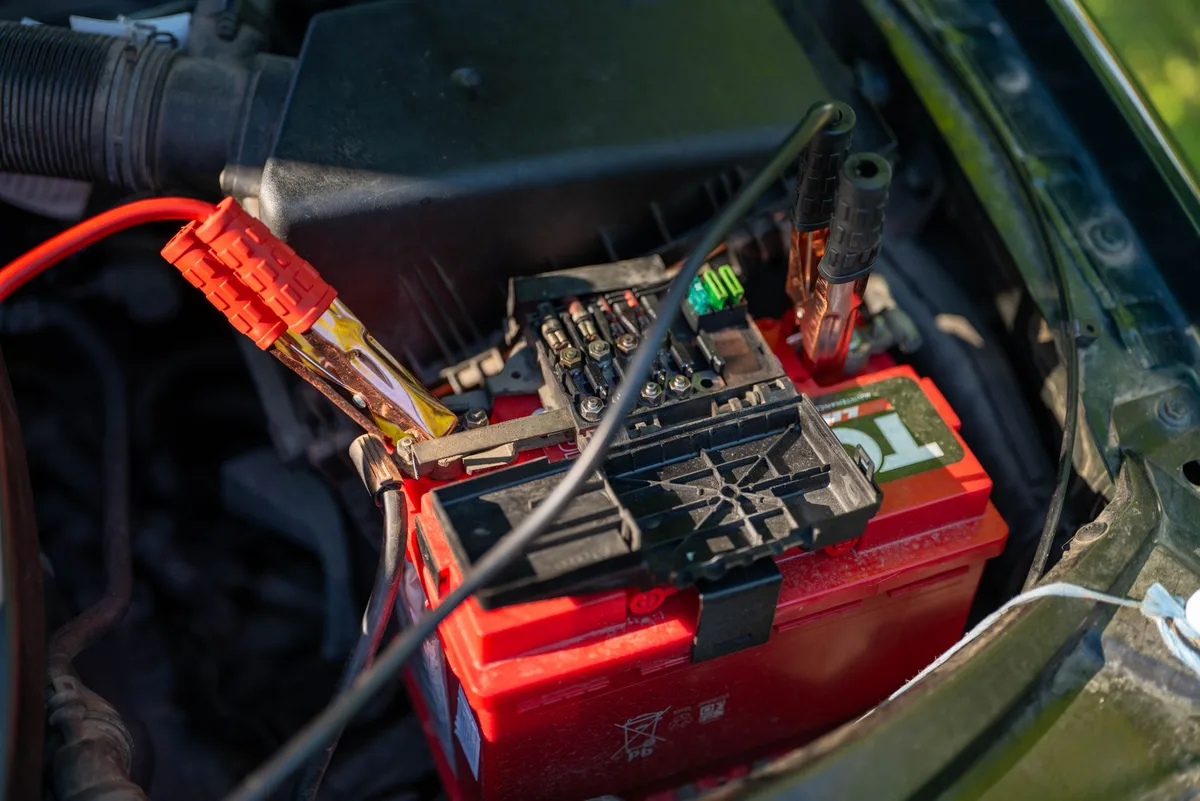
A weak battery is the number one cause. It might read fine sitting still, then crash under the starter's load. Batteries also fade with age.
Most last three to five years, and cold weather makes a marginal one give up fast.
If your battery keeps going flat every few days, that's a separate problem worth chasing down too.
Corroded or Loose Battery Terminals
That white, green, or blue crust on the posts is resistance. It blocks the high current the starter needs, so the solenoid chatters even with a charged battery. Loose clamps do the same thing.
This is the cheapest fix on the list.
Bad Engine Ground Strap
The ground strap connects the battery's negative side to the engine block and body. If it's corroded or broken, current can't complete its loop. You get clicking even though the battery is fine.
This is the classic "lights stay bright" culprit.
Failing Starter Solenoid or Starter Motor
Only after ruling out the first three should you suspect the starter. A worn solenoid or a motor with high internal resistance can click when everything else checks out. It's real, but it's the least common cause, and the priciest.
Follow the Path: A Step-by-Step Diagnosis
Run these steps in order. Stop as soon as one fixes the problem.
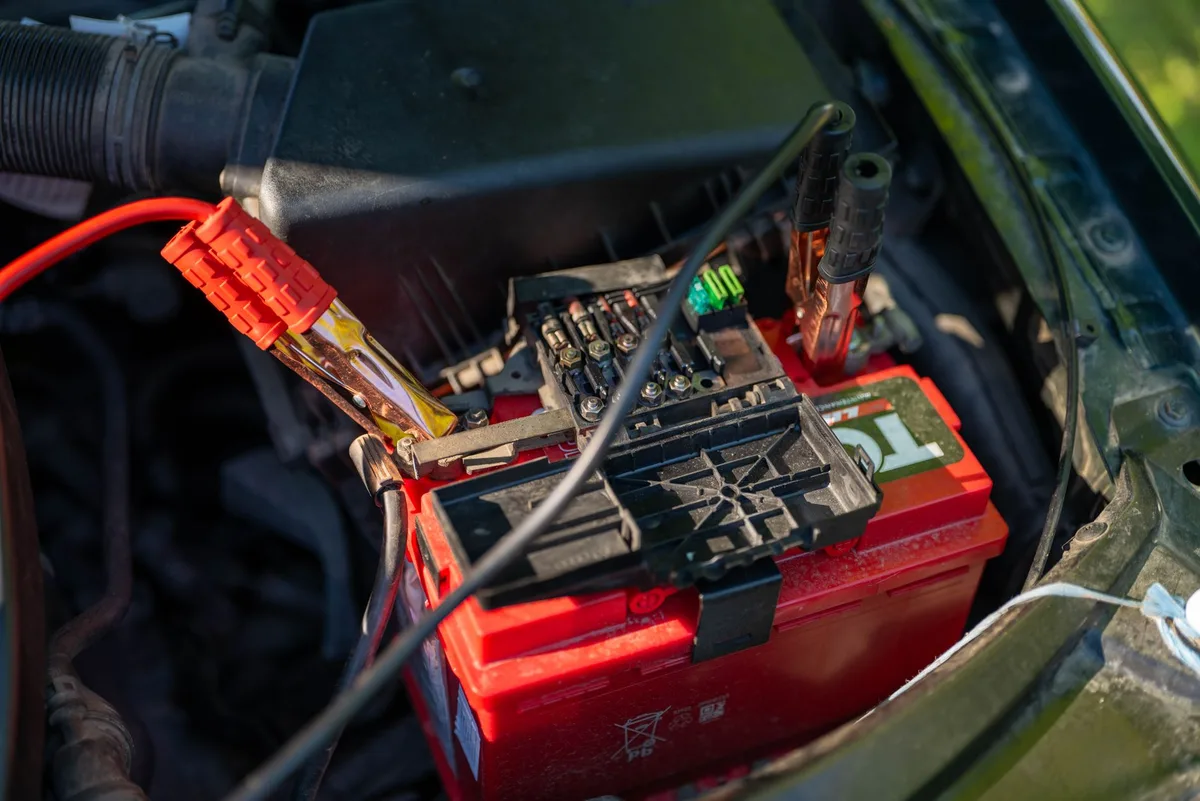
Step 1 – Read the Symptoms and Lights
Turn the key and note the click pattern plus the light behavior from earlier. Dim lights point at the battery or connections. Bright lights point at the ground or starter feed.
Step 2 – Check Battery Voltage With a Multimeter
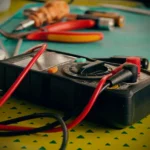
Set your meter to DC volts and touch red to positive, black to negative. A rested battery should read about 12.6 volts. If you're unsure which dial to use, here's how to dial in 20V DC correctly.
Anything at or below 12.2 volts is weak.
Step 3 – Clean and Tighten the Terminals
Disconnect the negative terminal first, then the positive. Scrub the posts and clamps with a wire brush until they're shiny. Reconnect positive first, then negative, and snug both clamps.
Try starting again.
Step 4 – Try a Jump-Start
If it starts clean off a jump, your battery was the weak link. If it still just clicks with good cables on tight, the battery isn't your only issue. Move to the load test.
Step 5 – Load-Test the Battery and Check for Voltage Drop
Watch the meter while a helper cranks. Healthy cranking voltage should hold above about 9.6 volts. A big drop means a bad battery.
A voltage-drop test across each cable finds hidden resistance in the connections.
What the Numbers Should Read: Voltage, Amps, and CCA
Numbers take the guesswork out. Here's what healthy looks like at each stage.
| Reading | What it means |
|---|---|
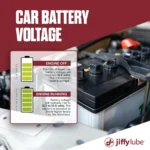
| 12.6V or higher (rested) | Fully charged, healthy |
| 12.4V | Roughly 75 percent charged |
| 12.2V | Around 50 percent, weak |
| 12.0V or lower | Discharged, needs charging |
| Under 9.6V while cranking | Battery failing under load |
| 100–200A starter draw | Normal for a healthy start |
A reading of 12.4 volts at rest is acceptable but not ideal. Cold cranking amps, or CCA, measure how much current a battery delivers at 0°F. That rating is set through SAE testing standards, and you can read the details at SAE International.
A battery well below its CCA rating will click on cold mornings.
Tools You'll Want on Hand
You don't need a full shop. A short kit handles almost every rapid-click diagnosis.
- Digital multimeter (for voltage and drop tests)
- Wire brush or terminal cleaner
- Adjustable wrench or the right socket for your clamps
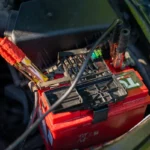
- Jumper cables or a portable jump pack
- Safety glasses and gloves
- Battery terminal grease or anti-corrosion spray
If you don't own a meter, you can still get a rough idea using a few no-meter checks, though a multimeter is far more reliable.
When a Jump-Start Works and When It Won't
A jump-start fixes a weak or dead battery, nothing else. If the car fires right up off the cables, the battery was your problem. Charge it, test it, and replace it if it's old.
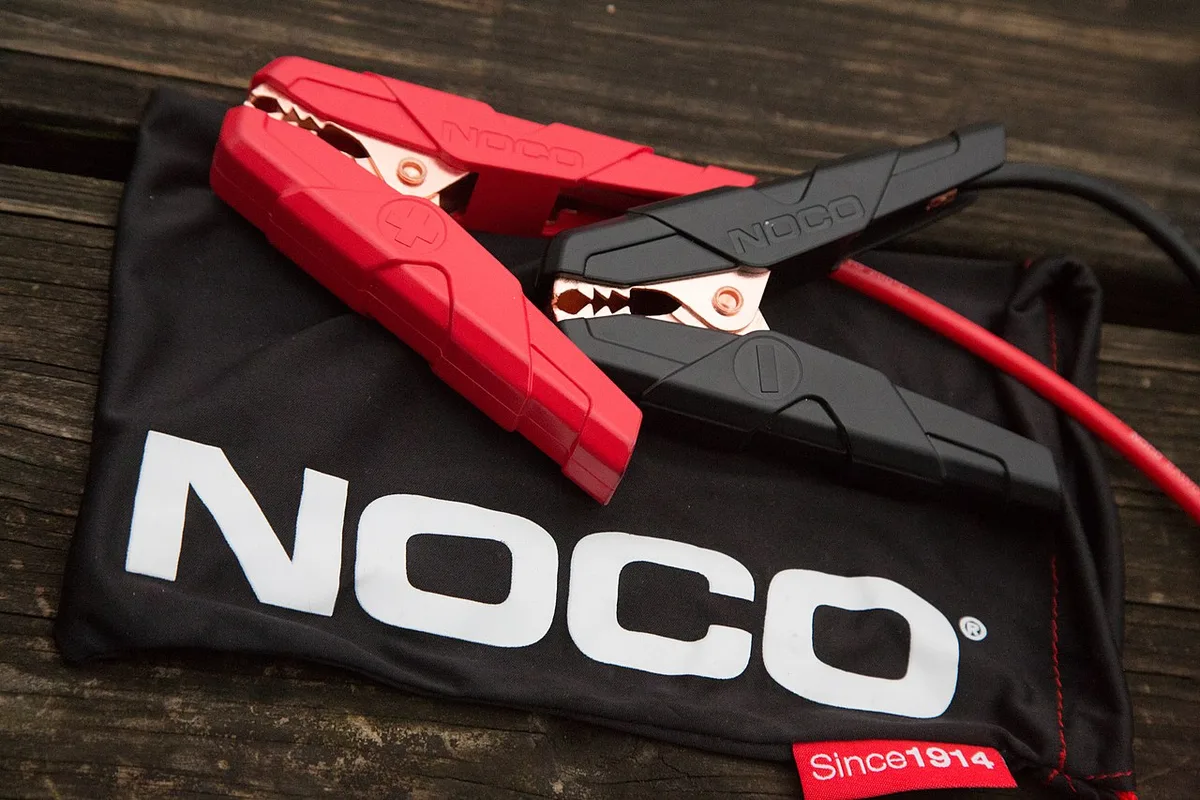
A jump won't help if the real fault is a corroded ground, a loose clamp, or a dead starter. In those cases you'll still hear clicking with the cables on. If the car runs after a jump but dies soon after, your alternator may not be charging.
It helps to tell the two apart with a quick meter check.
Mistakes That Cost People a Starter They Didn't Need
The biggest mistake is buying a starter first. A dirty terminal and a bad ground make the exact same sound, and they cost a fraction of the price. Slow down and test before you spend.
- Replacing the starter before checking voltage and connections
- Ignoring a loose clamp because the terminal "looks clean"
- Trusting a resting voltage reading without a load test
- Forgetting the ground strap entirely
- Assuming a battery under three years old can't be bad
A battery that shows 12 volts yet won't turn over is a perfect trap. The surface voltage looks okay, but it collapses the instant the starter loads it.
Working Around a Battery Safely: Gas, Acid, and Cable Order
Car batteries are safe to handle if you respect them. They vent hydrogen, which is explosive, so keep sparks and flames away. They also hold sulfuric acid, so wear eye protection and gloves.
Follow the correct order every time:
- When disconnecting, remove the negative cable first.
- When reconnecting, attach positive first, negative last.
- When jump-starting, connect the final ground clamp to a bare engine bolt, not the dead battery.
These steps keep any spark away from the battery's vent. For workplace battery-handling guidance, OSHA publishes clear safety practices worth a look.
What a Fix Usually Costs: DIY vs. Shop
Costs swing widely depending on the cause. Here's a realistic range as of 2026.
| Fix | DIY cost | Shop cost |
|---|---|---|
| Clean or tighten terminals | $5–10 | $20–60 |
| New ground strap | $10–30 | $80–160 |
| New battery | $100–250 | $150–350 |
| Starter motor | $80–250 (part) | $300–650 |
The pattern is obvious. The most common causes are also the cheapest, which is exactly why you test in order. Nailing the diagnosis can turn a $500 repair into a five-dollar cleanup.
When to Stop Guessing and Call a Mechanic
Call a pro when the battery tests good, the terminals are clean, the ground is solid, and it still just clicks. That points to a starter or a wiring fault that needs a lift and proper testing. Also get help if you smell burning, see melted insulation, or spot a swollen battery.
There's no shame in tapping out. Once you've done the voltage checks and cleaned everything and the noise won't quit, a shop can voltage-drop-test the starter circuit far faster than trial and error.
Frequently Asked Questions
Can a bad alternator cause rapid clicking when starting?
Not directly, but it can drain your battery until it's too weak to crank. Then you get the clicking. If your car starts fine after a jump but keeps dying, test the charging system.
A failing alternator won't refill the battery, so it goes flat again within days.
Why does my car click rapidly but the lights still work?
Lights draw very little current, so a weak battery can still light them up. Starting demands 100 to 200 amps, which a tired battery or corroded connection can't supply. That gap is why the dash glows while the starter only clicks.
Load-test the battery to confirm.
Will cleaning the battery terminals stop the clicking?
Often, yes, if corrosion or a loose clamp is the cause. Crusty terminals block the high current the starter needs. Scrub the posts and clamps to bare metal, tighten them, and retry.
It's the cheapest fix, so always try it before spending on parts.
Is rapid clicking the battery or the starter?
It's the battery or its connections far more often than the starter. The solenoid clicks fast because it isn't getting enough current, usually from a weak battery, dirty terminals, or a bad ground. Rule those out first.
Only suspect the starter after they all test good.
How many volts should the battery hold while cranking?
Cranking voltage should stay above roughly 9.6 volts. If it plunges below that during the click, the battery is failing under load and needs replacing. A reading that drops too far when starting is one of the clearest signs of a dying battery.
Your Quick Decision Guide From Click to Fix
Here's the whole thing in one pass. Turn the key and watch the lights. Dim lights mean battery or connections.
Bright lights mean ground or starter feed.
Test voltage, aiming for 12.6 volts rested. Clean and tighten the terminals. Jump-start to confirm the battery.
If it fires up, charge and test the battery, then replace it if it's aging or fails a load test.
If clean cables and a good battery still just click, check the ground strap, then have the starter circuit tested. Work cheapest to priciest, confirm before you buy, and that rapid clatter turns into a solved problem instead of a guessing game.
Similar Posts