How Long to Charge a Completely Dead Car Battery
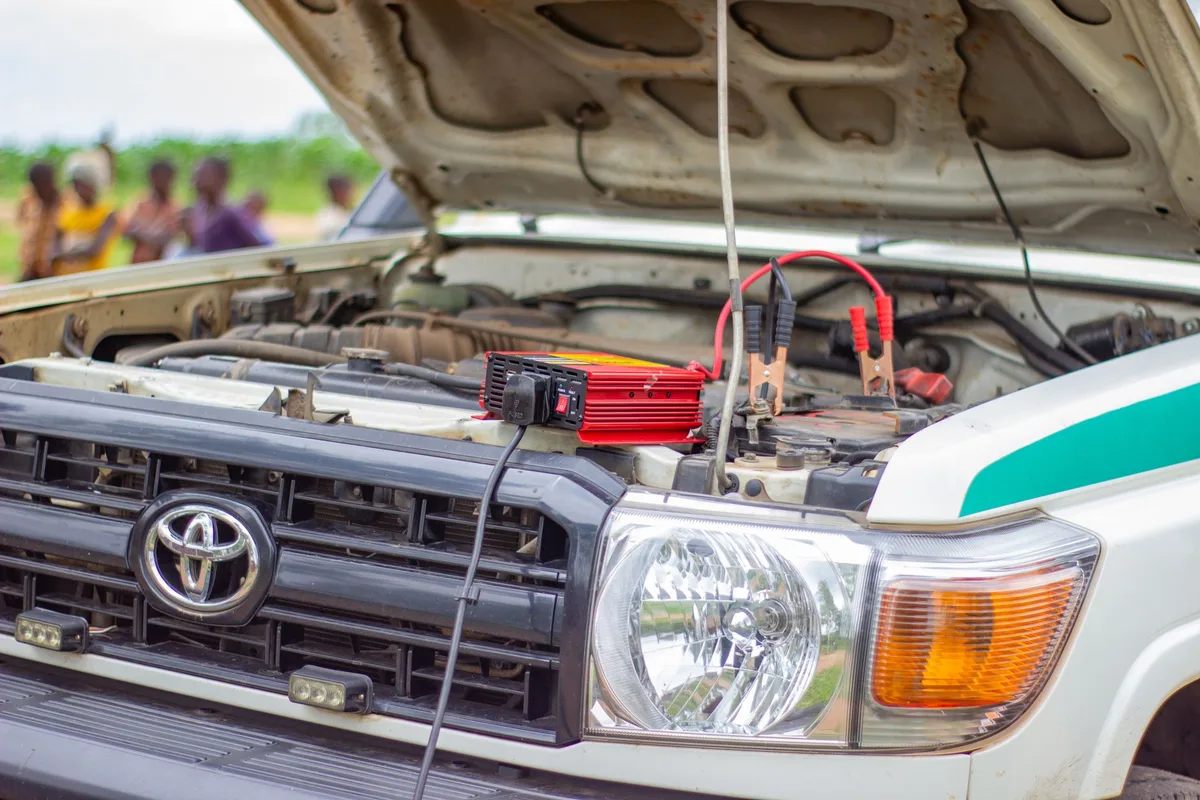
You turn the key, and nothing happens. Figuring out how long to charge a completely dead car battery is the first thing on your mind, but the honest answer depends on your charger and your battery. A 2-amp trickle charger and a 40-amp fast charger live in totally different time zones.
So do a small commuter battery and a big truck battery.
Here's the number that matters most. A typical car battery holds around 40 to 75 amp-hours (Ah) of capacity, per Battery Council International group sizing used as of 2026. Push amps in slowly and you wait a long time.
Push them in fast and you're done in a couple of hours, though "done" has its own rules. Let's start with why one clean answer doesn't exist.
Why a Completely Dead Battery Doesn't Have One Charging Time
Charge time swings on three things: your charger's amperage, your battery's capacity, and how deeply it's drained. Change any one and the clock changes with it.
Think of it like filling a bucket. The battery's amp-hour rating is the bucket size. The charger's amp output is how fast water pours in.
A bigger bucket or a slower tap means more waiting.
That's why generic advice like "4 to 24 hours" is technically true and practically useless. It covers everything from a fast bench charger to a tiny maintainer. Your real number sits somewhere inside that range, and the rest of this guide pins it down.
One more wrinkle. A battery drained flat isn't always healthy enough to take a full charge. If yours keeps dying, the charging math won't save it, and you may be looking at a battery that's actually failing instead.
Quick Answer
How long to charge a completely dead car battery depends on the charger. A 2-amp trickle charger needs 24 hours or more. A 10-amp smart charger takes about 5 to 8 hours.
A 40-amp fast charger reaches a usable charge in 1 to 2 hours. Full charging always takes longer than a quick jump-start.
What Completely Dead Actually Means (Voltage vs. Truly Flat)
"Completely dead" usually means the battery can't crank the engine, not that it's at zero volts. Those are two very different situations, and they charge differently.
A healthy 12-volt battery rests around 12.6 volts when fully charged. At about 12.0 volts it's down near 25 percent. Once it drops below 11.8 volts, it's deeply discharged and won't turn the starter.
You can check this in a minute by reading it with a meter.
Here's a quick voltage reference:
| Resting voltage | Rough state of charge |
|---|---|
| 12.6V or higher | 100% (full) |
| 12.4V | ~75% |
| 12.2V | ~50% |
| 12.0V | ~25% |
| Under 11.8V | Deeply discharged |
A battery sitting at 12.0 volts charges fairly quickly. One that's crashed to 5 or 6 volts is a different animal. That deep a discharge can cause sulfation, where lead sulfate hardens on the plates and blocks charging.
If you want the full picture on healthy numbers, here's what a healthy resting reading looks like.
Let voltage settle before you trust it. A battery that was just running shows a false high reading from surface charge. Sometimes you need to shed that surface charge before the number means anything.
The Numbers Behind Charge Time: Ah, Amps, and the Simple Formula
You can estimate charge time with one simple formula. It won't be exact, but it gets you close.
Charge time (hours) ≈ (battery Ah × depth of discharge) ÷ charger amps ÷ efficiency
Depth of discharge is how empty the battery is, as a decimal. A truly flat battery is close to 1.0. Efficiency accounts for energy lost as heat, usually around 0.85 for lead-acid.
Reading Your Battery's Amp-Hour Rating
Look on the battery label or in your owner's manual. Many car batteries don't print Ah directly, so use these rough guides. A small car battery runs about 40 to 45 Ah.
A midsize sedan sits near 50 to 60 Ah. A truck or SUV battery can reach 70 to 75 Ah or more.
If you only see Reserve Capacity (RC) in minutes, approximate Ah by multiplying RC by 0.6. It's not precise, but it's fine for estimating charge time.
Why Real Charging Takes Longer Than the Math Says
The formula gives you the ideal. Reality adds time on top.
- Chargers taper off near the end. The last 20 percent charges much slower than the first 80.
- Heat and internal resistance waste energy, so not every amp reaches the plates.
- Smart chargers add an absorption and float stage to finish the job gently.
So if the math says 5 hours, plan for 6 or 7 to reach a genuine full charge. Here's a worked example. A 50 Ah battery, fully drained, on a 10-amp charger: 50 × 1.0 ÷ 10 ÷ 0.85 equals about 5.9 hours to bulk-charge, plus another hour or two to top off.
Match Your Situation: A Charging Decision Path
Your charger decides almost everything. Find yours below, then follow the timing and the if/then note.
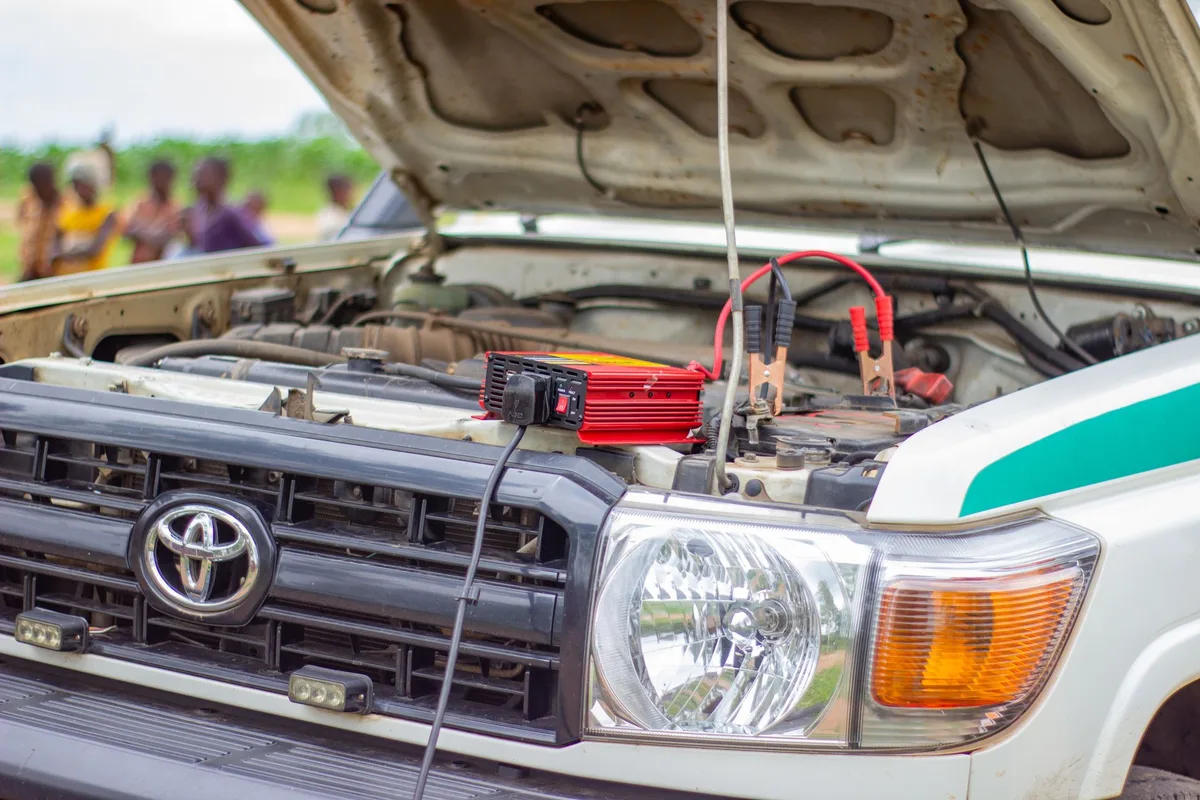
If You Only Have a 2A Trickle Charger
Expect 24 hours or more for a fully dead battery. A 2-amp charger is slow by design, and that's not a flaw. The gentle current is easy on the plates and can even help break down light sulfation.
If you need the car soon, this won't cut it. If you've got overnight and want to baby an older battery, it's ideal.
If You Have a 10A Smart Charger
Plan on roughly 5 to 8 hours to a full charge. This is the sweet spot for most drivers. A microprocessor-controlled "smart" charger reads the battery and steps through bulk, absorption, and float stages on its own.
If your charger has an AGM or lithium mode, set it to match your battery. The wrong profile can undercharge or overheat certain battery types.
If You Have a 40A Fast Charger
You'll get a usable, engine-cranking charge in about 1 to 2 hours. Full charging still takes longer, because the battery needs that slow absorption stage at the end. Don't unplug the second it cranks and call it full.
If the case gets hot to the touch, stop and let it cool. High amps plus a stubborn battery can push temperatures too high.
If All You Did Was Jump-Start It
A jump-start doesn't recharge anything. It just borrows enough power to start the engine. After a proper jump-start, the battery is still nearly empty.
Drive off thinking you're set and you may be stranded again by morning. Follow up with a real charge, or plan a long drive to let the alternator help. More on why the alternator alone isn't a great fix in a moment.
Charging Times by Battery Type: Flooded, AGM, and Lithium
Battery chemistry changes both the timing and the charger settings you need. A standard flooded lead-acid battery, an AGM, and a lithium (LiFePO4) pack don't play by the same rules.
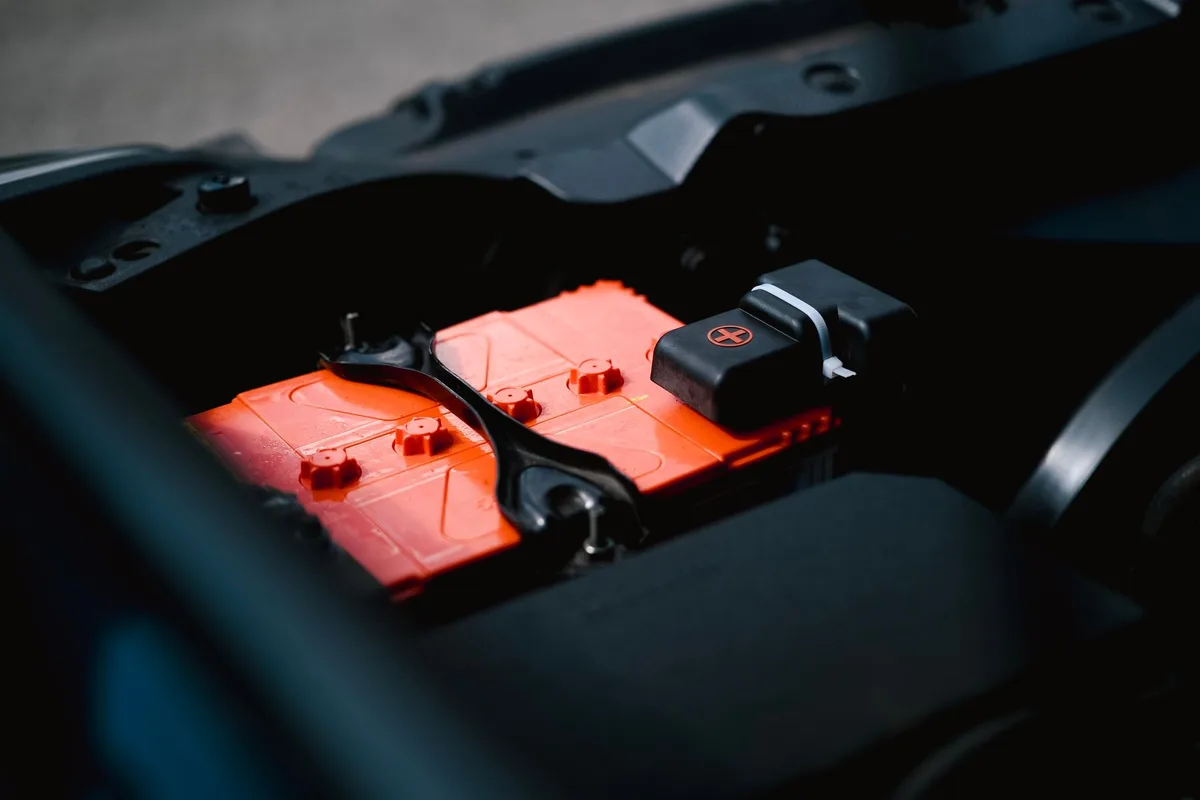
Flooded lead-acid is the classic car battery. It charges at up to about 14.4 to 14.7 volts and tolerates a slow trickle well. AGM batteries are sealed and pickier.
They want a tighter voltage window, usually near 14.4 to 14.6 volts, and a charger with an AGM mode.
Lithium car batteries charge fastest of the three because they accept high current with little tapering. But they need a lithium-specific charger with the right cutoff voltage. Feed a LiFePO4 battery a lead-acid profile and you risk under or overcharging it.
| Battery type | Typical full charge on 10A | Charger mode needed |
|---|---|---|
| Flooded lead-acid | 5 to 8 hours | Standard |
| AGM | 5 to 8 hours | AGM mode |
| LiFePO4 (lithium) | 2 to 4 hours | Lithium mode |
The Battery Council International, a trade body that sets battery group standards, notes that charge acceptance drops in the cold for lead-acid types. Their guidance and most manufacturer datasheets recommend matching the charger profile to the exact chemistry. You can read more from Battery Council International directly.
Step-by-Step: Safely Charging a Dead Car Battery
Charging a flat battery takes five simple steps. Do them in order and you'll avoid the two big risks: sparks and a wrong charger setting.

Testing Resting Voltage First
Check the battery voltage before you plug anything in. A multimeter across the terminals tells you how deep the discharge is. Under 11.8 volts means fully dead and a long charge ahead.
If the reading is below 10 volts, note it. That deep a drain often points to a bad cell, and the charge may not hold. When you're done, it's worth learning how to confirm it took a full charge properly.
Picking the Right Amperage and Mode
Match the charger to your battery size and chemistry. Use a low 2 to 4 amps for an older or smaller battery. Use 10 amps for a normal charge in decent time.
Set the mode to flooded, AGM, or lithium as needed. If you're not sure of the chemistry, check the battery label before you start.
Connecting, Monitoring, and Confirming a Full Charge
Connect the charger with everything switched off. Attach the positive (red) clamp first, then the negative (black) clamp to a clean ground point away from the battery. This keeps any spark away from the gas the battery gives off.
Follow these quick steps:
- Plug in and power on the charger only after clamps are secure.
- Watch the charge stages move from bulk to absorption to float.
- Let it reach float or "100%" before disconnecting.
- Remove the negative clamp first, then the positive.
Let the battery rest 30 minutes, then recheck voltage. A good full charge settles near 12.6 to 12.8 volts.
Does Driving or the Alternator Recharge a Dead Battery?
Not really, and this trips up a lot of people. The alternator is built to maintain a charged battery, not to revive a dead one. It's a top-up device, not a bulk charger.
Drive off after a jump-start and the alternator sends most of its output to running the car. Only a small share trickles back to the battery. You'd need hours of highway driving to get close to full, and even then it rarely finishes the job.
Worse, forcing a drained battery to recharge through the alternator makes it work hard and run hot. That can shorten its life. If your alternator seems fine but the battery keeps dying, the real fault often sits elsewhere.
The takeaway is simple. Use a proper charger to bring a dead battery back. Let the alternator do its actual job once the battery is healthy again.
Mistakes That Wreck Batteries and Waste Hours
Most charging problems come from a handful of avoidable errors. Dodge these and you'll save time and money.
- Confusing a jump-start with a recharge. The engine runs, but the battery is still empty.
- Unplugging a fast charger the moment it cranks. You skipped the absorption stage, so it's not full.
- Using the wrong mode. A lead-acid profile on a lithium battery can damage it.
- Charging in a closed space. Batteries vent hydrogen gas, which is flammable.
- Ignoring a battery that won't hold a charge. If a fresh battery keeps going flat overnight, charging won't fix the root cause.
One more quiet mistake: leaving a battery sitting dead for days. Sulfation sets in fast, and a hardened plate takes a charge poorly. If it keeps happening, you may have a hidden parasitic drain worth chasing with a fuse-box draw test.
When a Dead Battery Is Actually Done For (Recharge vs. Replace)
Sometimes charging is throwing good time after bad. A battery that won't recover needs replacing, not another 24 hours on the charger.
Watch for these signs it's finished:
- It charges to 12.6V but drops fast under any load.
- Voltage rebounds well but the car still won't crank.
- The case looks swollen, cracked, or is leaking fluid.
- It's more than 5 years old and failing to hold a charge.
A battery reading good voltage that still can't turn the starter is a classic red flag. If you're seeing solid voltage but no crank, the battery's internal resistance has likely climbed too high. A load test or conductance test confirms it in seconds.
Age matters too. Most car batteries last 3 to 5 years. Past that, a deep discharge often finishes them off, and a fresh battery is the cheaper fix in the long run.
Safety Warnings You Shouldn't Skip
Charging a battery makes hydrogen gas, and that gas can ignite from a single spark. Always charge in a ventilated space, never a sealed garage or closet.
Keep these rules front and center:
- No sparks, flames, or smoking near a charging battery.
- Wear eye protection and gloves. The electrolyte is sulfuric acid.
- Never charge a frozen battery. It can rupture.
- Stop if the case gets hot, hisses loudly, or swells.
A swollen or leaking battery is a stop sign, not a charging project. If yours looks puffed out on the sides, retire it safely and don't attempt a charge.
Charger Costs and What You Get at Each Price Point
Charger price mostly tracks amperage and smarts. Here's what your money buys as of 2026.
| Price band | Type | Best for |
|---|---|---|
| $20 to $40 | 2A trickle/maintainer | Storage, slow top-ups |
| $50 to $90 | 8 to 15A smart charger | Everyday dead-battery rescue |
| $120 to $250+ | 40A+ fast/multi-chemistry | Quick turnaround, AGM and lithium |
For most drivers, the mid-range smart charger is the sweet spot. It handles a fully dead battery overnight and won't overcharge. Spend up only if you need speed or lithium support.
A basic maintainer earns its keep too. It's cheap insurance against a battery slowly draining while a car sits.
Keeping a Stored or Seasonal Battery Topped Up
A battery in a parked car self-discharges about 1 to 5 percent per week. Add a small parasitic draw and it can go flat in a month.
The fix is a float charger or maintainer left connected during storage. It holds the battery near full without cooking it. This matters for classic cars, motorcycles, RVs, and boats that sit for the season.
Cold speeds up the trouble. A weak battery loses cranking power fast in winter, which is why so many no-starts happen on frosty mornings. A maintainer through the cold months usually prevents it.
If a battery keeps dying in storage even on a maintainer, suspect a draw. Knowing how much overnight drain is normal tells you whether the battery or the car is at fault.
Frequently Asked Questions
Can you overcharge a car battery?
Yes, with an old manual charger left on too long. It can boil off electrolyte and warp the plates. A modern smart charger prevents this by switching to a float stage once the battery is full.
If you're using a dumb charger, don't leave it unattended.
How long does it take to charge enough to just start the car?
A 40-amp charger can put in enough to crank in about 30 to 60 minutes. A 10-amp charger needs 1 to 2 hours for that partial charge. Remember, cranking-ready is not full.
Finish the charge or drive a while to avoid another dead start.
Will a completely dead battery charge back to full?
Often yes, if it wasn't drained too deeply or left dead too long. A battery that dropped to 5 or 6 volts may have sulfation that blocks a full recovery. Try a smart charger with a recovery or desulfation mode.
If it won't hold, replace it.
Is it better to charge a battery slow or fast?
Slow charging at 2 to 4 amps is gentler and extends battery life. Fast charging at 40 amps is convenient when you're in a hurry. For a healthy battery, either works.
For an old or deeply drained one, slow is the safer bet.
How do I know when the charge is actually done?
A smart charger shows a float or 100 percent indicator when finished. Let the battery rest 30 minutes, then check voltage. A full battery settles around 12.6 to 12.8 volts.
If it drops quickly after charging, the battery is likely failing.
Your Charging Time, Decided
Your real answer comes down to one question: what charger do you have? A 2-amp trickle means overnight or longer. A 10-amp smart charger has you set in 5 to 8 hours.
A 40-amp fast charger gets you cranking in an hour or two.
Match the charger mode to your battery type, charge in a ventilated spot, and let it finish the float stage. Then rest it and recheck the voltage. If it won't hold above 12.4 volts, the battery, not your patience, is the problem.

Similar Posts