What Is a Car Battery Core Charge? Explained Simply
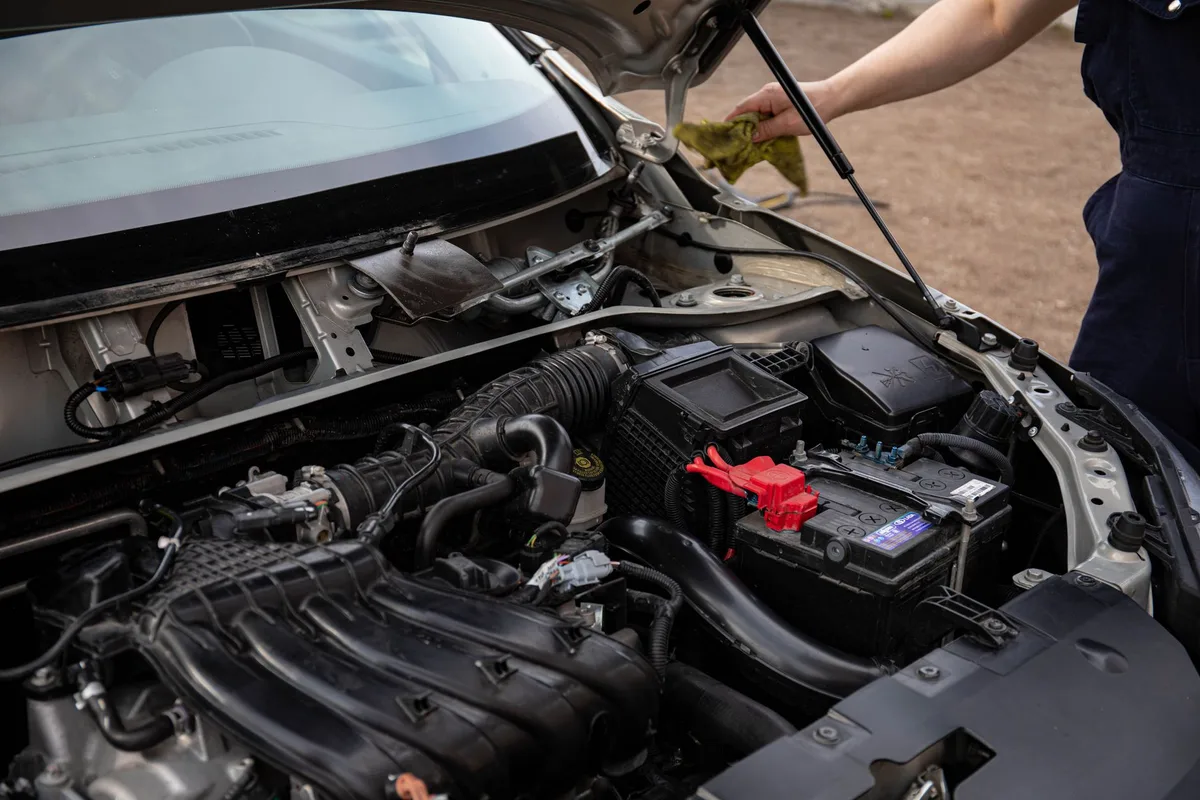
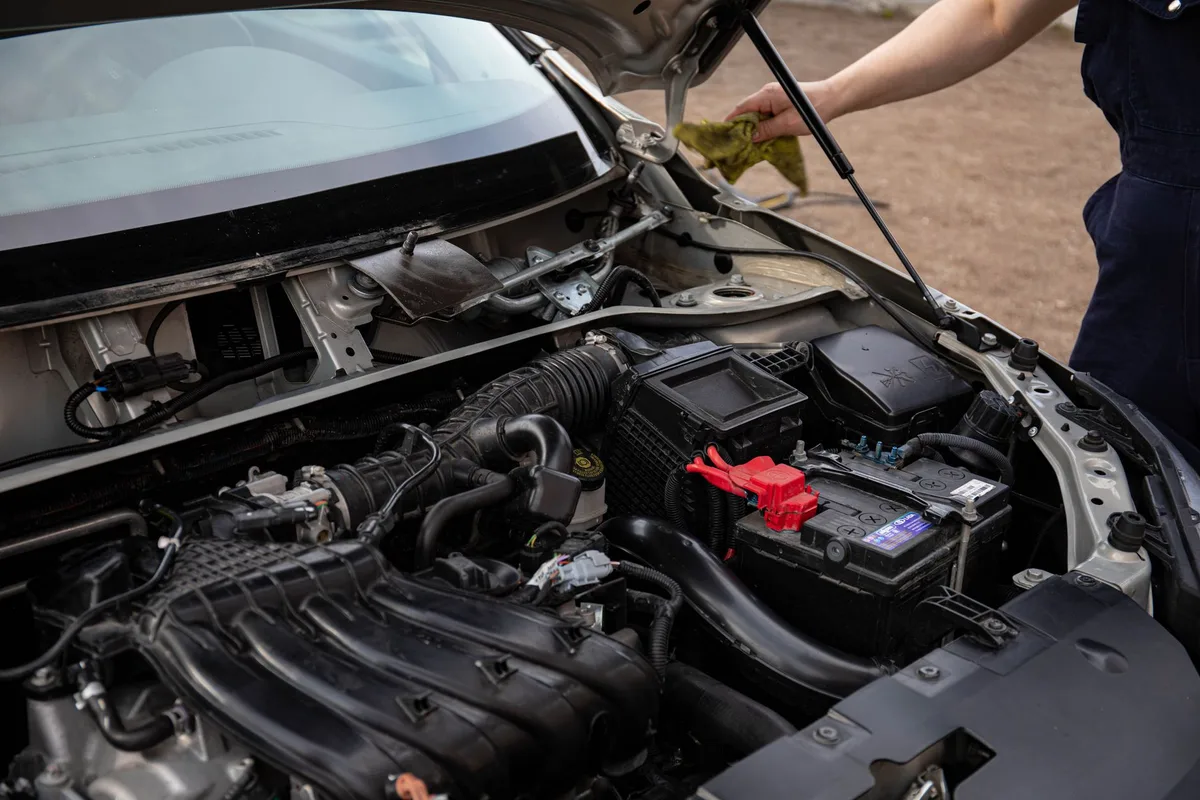
So what is a car battery core charge? It's a small, refundable deposit a store adds when you buy a new lead-acid battery. You pay it upfront, then get it back once you return your old battery.
Think of it less like a fee and more like a bottle deposit for your car's battery.
Plenty of drivers see that extra line on the receipt and assume they've been overcharged. They haven't. As of 2026, a typical core charge runs between $5 and $40, depending on the battery.
Let's break down how it works and how to get every cent back.
Quick Answer
A car battery core charge is a refundable deposit added to a new battery purchase. It usually costs $5 to $40. You get the full amount back when you return your old battery, called the "core." The deposit exists to encourage recycling of used lead-acid batteries.
No old battery means no refund.
What a Car Battery Core Charge Actually Is
A core charge is a refundable deposit, not a permanent cost. The retailer collects it at checkout and returns it when you bring back the old battery.
The "core" is simply your spent battery. Retailers want it back because it's packed with recyclable lead and reusable materials. Rather than trust you to recycle on your own, they hold a deposit as motivation.
Here's the key point most people miss. You aren't buying anything extra. You're pre-paying a refund you'll collect the moment you hand over the old unit.
A few quick facts worth knowing:
- The charge applies mostly to lead-acid batteries, including standard, AGM, deep-cycle, and marine types.
- You don't have to return the exact battery you just bought. Any matching core usually qualifies.
- The refund goes back to your original payment method in most stores, though some issue store credit.
If your battery is on its way out, testing it first tells you whether a replacement is even needed. A quick voltage check with a multimeter can confirm whether the battery or something else is the real problem.
Why Getting the Core Charge Right Saves You Money
Misunderstanding a core charge costs real money. It's small, but it adds up, and the mistakes are easy to avoid.
Say you buy a battery with a $22 core charge and never return the old one. That's $22 gone for good. Do that across a few vehicles or a fleet, and the losses stack fast.
Here's where drivers lose money on cores:
- Tossing the old battery in the trash instead of returning it.
- Missing the return window and forfeiting the refund.
- Losing the receipt needed to process the refund.
- Assuming a dead or cracked battery doesn't count (it usually does).
There's a safety angle too. Throwing a lead-acid battery in the trash is illegal in many states and terrible for the environment. So the core system quietly protects both your wallet and the planet.
If you're weighing whether to replace or just recharge, knowing what a dead battery reads helps you decide before you spend a dime.
How the Core Charge and Refund Work, Start to Finish
The process is simple once you see the full loop. You pay the deposit, return the core, and collect your refund.
Here's the typical flow, step by step:
- You buy a new battery. The core charge appears as a separate line on the receipt.
- You pay the total, new battery plus the core deposit, at checkout.
- You remove your old battery from the vehicle.
- You return the old core to the store, or ship it back for online orders.
- You show proof of purchase, and the store refunds the deposit.
Most stores let you skip the deposit entirely if you bring the old battery in at the time of purchase. Trade it right there, and there's nothing to refund later.
For online orders, the core charge is almost always billed upfront. You then ship the old battery back using a prepaid label, and the refund posts once it arrives. Just budget a week or two for processing.
One tip: keep that receipt somewhere safe. Without proof of purchase, some retailers won't process the refund at all.
Why Stores Charge a Core Fee in the First Place
Stores charge a core fee to guarantee old batteries come back for recycling. Lead-acid batteries are valuable and hazardous, so keeping them in the recycling loop matters.
The Lead-Acid Recycling Connection
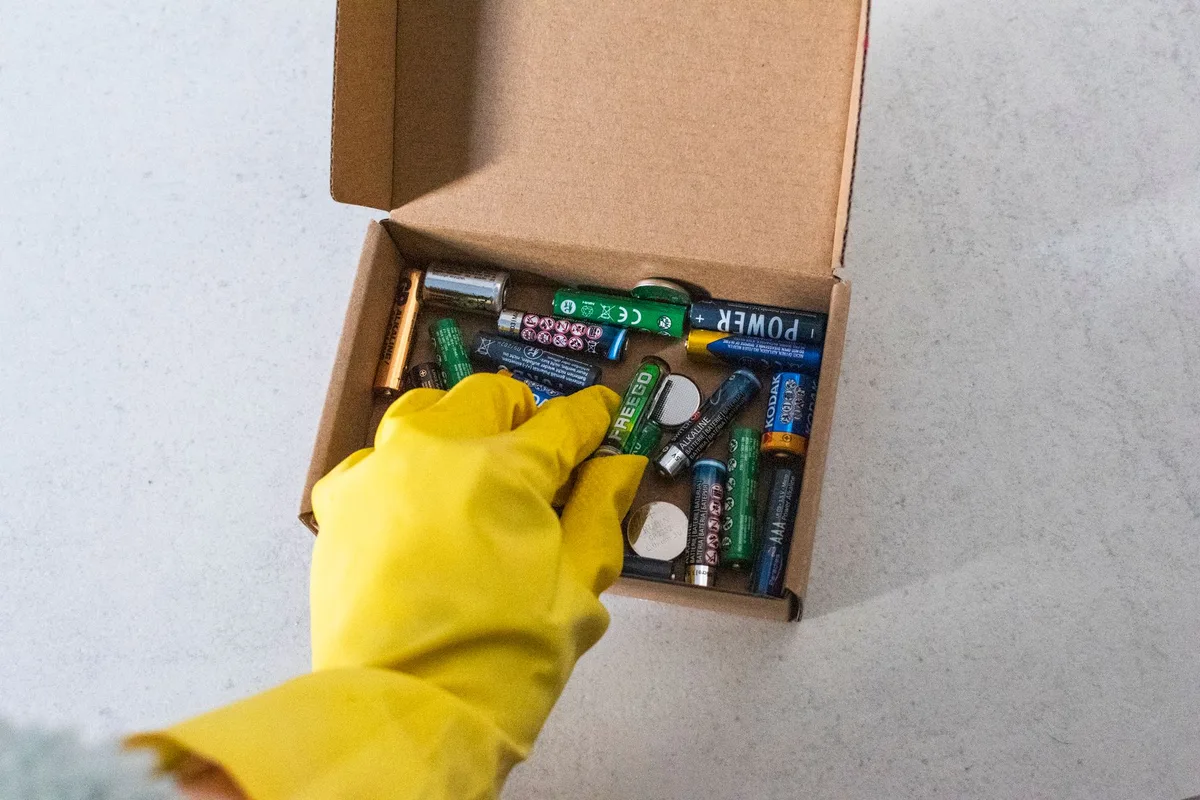
Lead-acid batteries are one of the most recycled products in the country. Lead makes up roughly 60% of a battery's weight, and nearly all of it can be reclaimed and reused.
That recycled lead goes straight into new batteries. The core charge keeps this closed loop turning, because manufacturers need old cores to build new units. Per the [U.S.
Environmental Protection Agency](https://www.epa.gov), spent lead-acid batteries fall under strict handling rules, which is why casual disposal isn't an option.
State Laws That Require the Deposit
In many states, the core charge isn't just store policy. It's law. Several states require retailers to collect a refundable deposit if you don't return an old battery at purchase.
These statutes set a minimum deposit and often a return window, commonly around 30 days. The goal is straightforward: keep toxic lead and acid out of landfills. So the fee you see is frequently a legal safeguard, not a retailer money-grab.
How Much a Car Battery Core Charge Costs
Most car battery core charges land between $5 and $40. The exact amount depends on the battery's size, type, and the recyclable lead inside it.
Bigger batteries hold more lead, so they carry higher core values. A standard passenger-car battery sits at the lower end. Commercial, marine, and deep-cycle units climb higher.
Here's a rough guide to what you can expect:
| Battery Type | Typical Core Charge Range |
|---|---|
| Standard passenger car | $5 to $22 |
| AGM / premium car battery | $15 to $30 |
| Truck / commercial | $20 to $40+ |
| Marine / deep-cycle | $15 to $40+ |
A couple of things affect the final number. State law can set a minimum deposit, and sales tax may apply to the core portion in some regions. That means your refund could be slightly less than the tax-inclusive amount you paid.
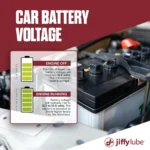
If cost is driving your decision, confirm the battery is actually failing first. A reading around 12.4 volts tells a different story than a battery sitting near dead, and that can save you a full replacement.
Core Charge vs. Restocking Fee vs. Disposal Fee
These three charges get mixed up constantly, but they're not the same thing. Only one of them comes back to you.
A core charge is refundable. A restocking fee and a disposal fee are not. Knowing the difference tells you which line on your receipt you'll actually recover.
Here's how they stack up:
| Charge Type | Refundable? | What It's For |
|---|---|---|
| Core charge | Yes | Deposit on the old battery, returned when you trade it in |
| Restocking fee | No | Penalty for returning an unwanted new battery |
| Disposal fee | No | Flat cost some shops charge to recycle your old battery |
Quick Side-by-Side Breakdown
The core charge is the only one designed to land back in your pocket. If a shop charges a separate disposal fee, that's a red flag when a core system is already in place. You shouldn't pay to dispose of a battery and forfeit a core deposit on the same transaction.
Restocking fees only show up if you change your mind and return the new battery unused. That's a different situation entirely. Just don't confuse it with the refundable core.
How to Get Your Core Charge Back
Getting your core charge back is simple: return the old battery and show your receipt. The refund goes to your original payment method in most cases.
Returning in Store
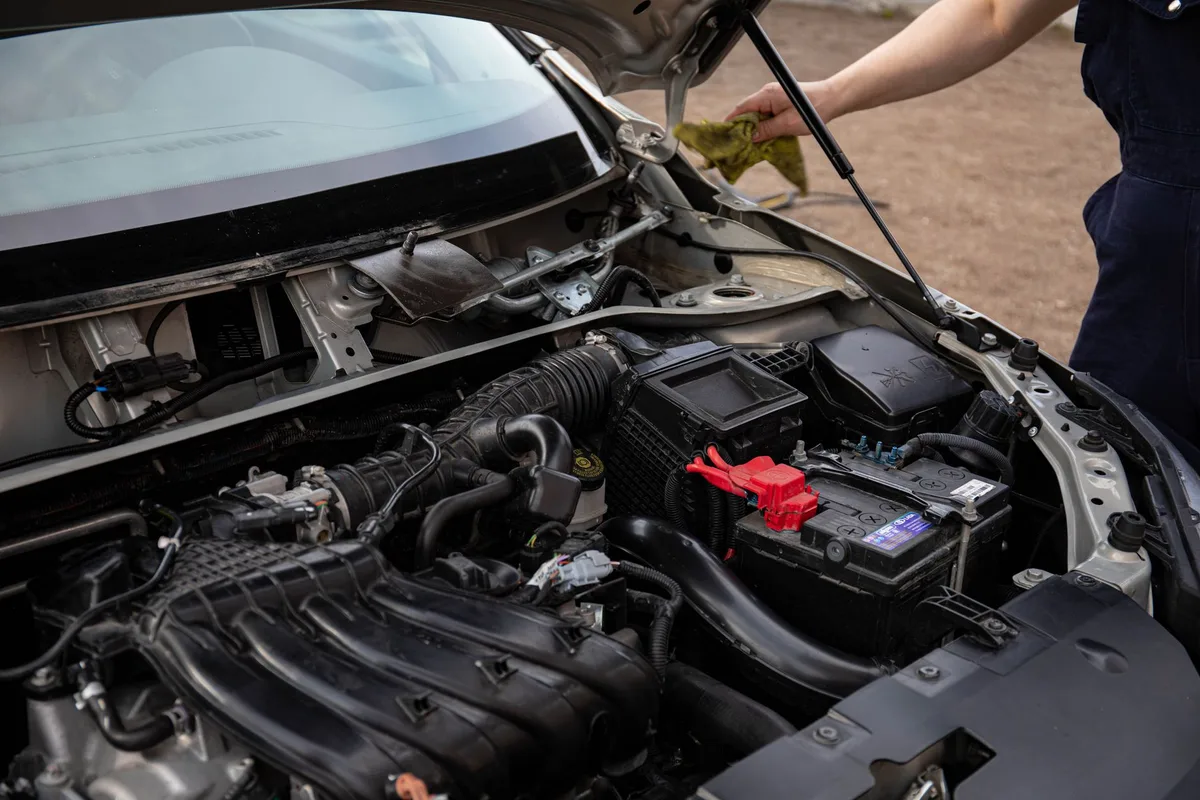
Bring the old battery to the counter with your receipt. The staff verify the core, then process the refund on the spot.
The easiest move is to trade at the time of purchase. Carry your dead battery in, buy the new one, and swap on the spot. Do that, and the core charge never lands on your bill at all.
If you left the old battery at home, no problem. Most retailers give you a window, often 30 days, to come back and claim the refund. Just don't wait too long.
Shipping Your Core Back on Online Orders
Online orders handle cores by mail. The retailer charges the deposit upfront, then emails a prepaid shipping label for the old battery.
Pack the battery carefully, since it's heavy and holds acid. Use the label, drop it off, and the refund posts once the core arrives and gets inspected. Expect one to two weeks for the money to show up.
Before you go through all this, make sure the battery is the actual issue. Sometimes a charging system fault is draining a perfectly good battery, and a new one won't fix it.
Does Your Old Battery Still Count If It's Dead or Damaged
Yes, a dead or damaged battery almost always still qualifies for the core refund. Retailers want the lead and materials inside, not a working battery.
A stone-dead battery is fine. So is one that won't hold a charge or has failed completely. The recyclable content is what matters, and that stays valuable regardless of whether the battery works.
Cracked or leaking cases are usually accepted too, though handling gets trickier. Some shops may inspect a badly damaged core more closely. When in doubt, call ahead and ask the specific store's policy.
What you can't do is return an empty case or a battery with missing internals. The core has to be substantially intact to hold its recyclable value.
Sales Tax, Store Credit, and the Refund Details People Miss
The refund details trip up a lot of drivers. Two things catch people off guard: sales tax and how the money comes back.
In some states, sales tax applies to the core charge portion. That means you might pay tax on the deposit, but only get the base deposit refunded. The gap is small, usually under a dollar or two, but it's worth knowing.
The refund format varies by retailer:
- Most stores refund to your original card or as cash.
- Some issue store credit or a gift card instead.
- A few require the refund go back to the exact card used at purchase.
Always ask which method a store uses before you assume you're getting cash. If store credit doesn't work for you, that's good to know upfront.
One more detail. If you paid the core charge on a credit card weeks ago, the refund may take a few business days to post. Check your statement rather than expecting it instantly.
Common Core Charge Mistakes That Cost You the Refund
Most lost core refunds come down to a handful of avoidable mistakes. Dodge these, and you'll get your deposit back every time.
- Throwing the old battery in the trash. That's your refund in the garbage, and it's illegal in many states.
- Losing the receipt. No proof of purchase often means no refund.
- Missing the return window. Wait past the deadline and the deposit is gone.
- Assuming a dead battery doesn't count. It almost always does.
- Not asking about store credit. You might expect cash and get a gift card.
- Skipping the trade at purchase. Bringing the old battery in first avoids the deposit entirely.
Here's the smartest habit: swap batteries in a single trip whenever you can. Buy the new one, hand over the old one, and settle the core on the spot.
If a warning light or slow crank sent you battery shopping, confirm the root cause. A parasitic drain or weak alternator can kill a fresh battery just as fast as an old one, and no core refund fixes that.
What to Do When You Don't Have an Old Battery to Return
No old battery means you pay the core charge and don't get it back. That deposit becomes a real cost, so it's worth knowing your options.
This happens more than you'd think. Maybe a roadside shop kept your old battery, or a previous owner tossed it. Either way, the retailer still needs a core to refund the deposit.
A few ways to soften the hit:
- Check your garage, trunk, or shed. An old battery from any vehicle often qualifies as a matching core.
- Ask a mechanic if they held onto your dead battery. Many keep them for scrap.
- Buy from a shop that waives the deposit when you can't provide a core, though these are rare.
If you genuinely have nothing to return, treat the core charge as part of the battery's price. It's a one-time cost, not a recurring one.
Expert Tips for Handling Cores the Smart Way
The smartest way to handle a core is to close the loop in one trip. Buy the new battery and hand over the old one at the same counter.
A few habits that pay off:
- Snap a photo of your receipt right away. A phone backup saves you if the paper goes missing.
- Note the return deadline in your calendar. Most windows run 30 days.
- Keep the old battery upright in a box until you return it. That prevents acid leaks in your trunk.
For fleet owners, cores add up fast. Batching returns and tracking deposits on a simple spreadsheet keeps hundreds of dollars from slipping away each year.
Safe Battery Handling and Recycling Rules to Know
Lead-acid batteries hold sulfuric acid and lead, so handle them with care. Wear gloves, keep the battery upright, and avoid touching the terminals to metal.
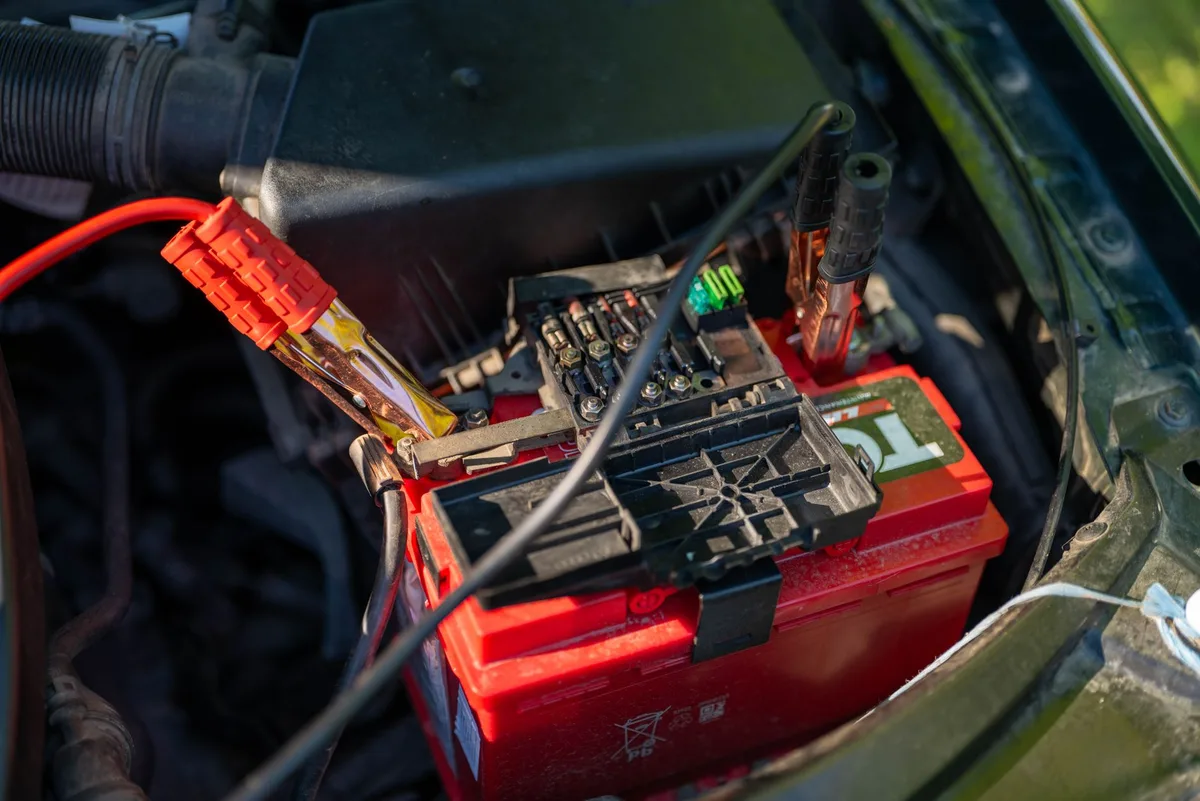
Never throw a battery in household trash. It's banned in many states and pollutes soil and water. The core system exists precisely so these units get recycled properly.
When you disconnect a battery, remove the negative terminal first. That reduces the risk of a short circuit or spark. If you spot corrosion on the terminals, that white or blue powder is caustic, so don't handle it bare-handed.
Cold months add another wrinkle. Batteries lose cranking power in freezing weather, which is why some drivers replace them in winter. Knowing how temperature affects battery readings helps you tell a weak battery from a cold one before you buy.
Car Battery Core Charge FAQs
Is a core charge the same as a fee?
No. A fee is a permanent cost, but a core charge is a refundable deposit. You get the full amount back when you return your old battery.
It only becomes a real cost if you never bring a core in to trade.
Can I get my core charge back without a receipt?
Usually not. Most retailers require proof of purchase to refund the deposit. Some stores can look up the transaction if you paid by card, so ask.
To be safe, keep or photograph your receipt right after buying.
Do I have to return the same battery I bought?
No. You can return any matching lead-acid battery of the same type as your core. Retailers care about the recyclable content, not the specific unit.
So an old battery pulled from another vehicle usually qualifies just fine.
How long do I have to return my old battery?
Return windows vary by store, but 30 days is common. Some retailers allow up to 90 days. Check your receipt or ask at purchase.
Miss the deadline, and you forfeit the refundable deposit for good.
Is the core charge taxed?
In some states, yes. Sales tax may apply to the core charge at purchase, even though the deposit itself is refundable. That can leave a small gap between what you paid and what you get back.
The difference is usually only a dollar or two.
The Bottom Line on Core Charges and Your Refund
A core charge isn't money lost. It's a deposit you get back the moment you return your old battery. Treat it like the bottle deposit it really is.
The winning move is simple. Trade your old battery at the time of purchase, keep your receipt, and mind the return window. Do that, and the core charge costs you nothing.
Skip those steps, and you're handing over $5 to $40 for no reason. Worse, a battery in the trash pollutes and often breaks the law. The system rewards you for doing the right thing, so let it.

Similar Posts