Car Battery Voltage Chart: What Your Readings Mean

A car battery that reads 12.4 volts sounds healthy. It isn't. It's sitting at roughly 75% charge, and it's quietly sulfating while you assume everything's fine.
That's the problem with battery voltage: the numbers sit so close together that a couple of tenths of a volt separate "perfectly fine" from "replace it soon." A car battery voltage chart turns those tiny differences into something you can actually act on.
In our research across manufacturer specifications from Interstate, Optima, and East Penn, the pattern is consistent: a healthy 12V flooded battery rests at 12.6 volts or higher, and every 0.2V drop below that costs you roughly 25% of your charge. This guide gives you the full chart, plus the reading conditions that make it accurate. Let's start with the numbers themselves.
Quick Answer
A car battery voltage chart maps resting voltage to charge level. A healthy battery reads 12.6 volts or higher at rest. About 12.4V means 75% charged.
Around 12.2V means 50% charged. Below 11.9V, the battery is discharged. With the engine running, expect 13.7 to 14.7 volts.
Car Battery Voltage Chart: The Quick-Reference Numbers
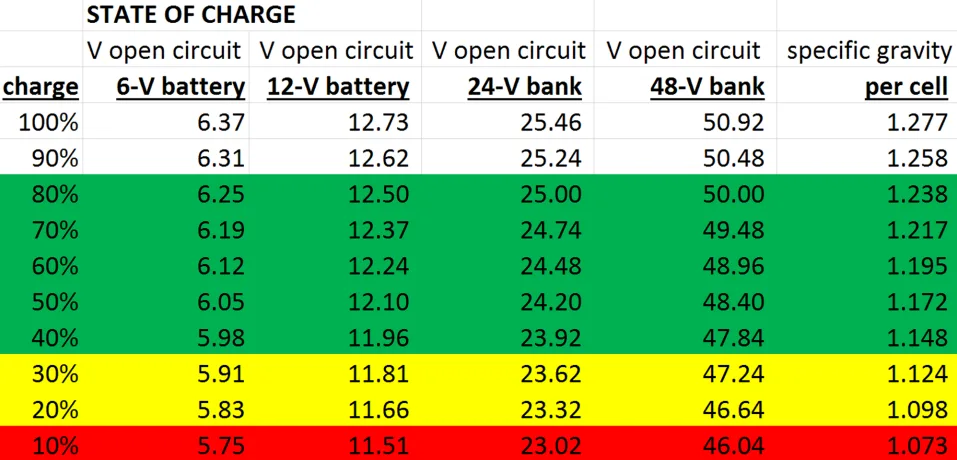
Here's the chart most people come looking for. These are resting voltage readings, taken with the engine off and the battery undisturbed for several hours.

| Resting Voltage | State of Charge | What It Means |
|---|---|---|
| 12.6V or higher | 100% | Fully charged and healthy |
| 12.4V | 75% | Needs a charge soon |
| 12.2V | 50% | Charge it today |
| 12.0V | 25% | Deeply discharged |
| 11.9V or lower | 0% | Effectively dead |
| ~10.5V | N/A | Likely a dead cell |
Notice how tight the spread is. The entire usable range of a lead-acid battery lives inside about 0.7 volts. That's why a cheap digital multimeter beats guesswork every time.
Your dash gauge, if you even have one, can't resolve differences that small.
A quick note on why 12V batteries actually read 12.6V. Every standard car battery contains six cells wired in series, and each cell produces about 2.1 volts when fully charged. Six times 2.1 gives you 12.6.
The "12 volt" label is nominal, not literal, which we cover in more depth in our simple answer on what your battery should read.
One more thing before you trust any reading: these numbers assume a battery at roughly 70°F (21°C). Temperature shifts every value on this chart, and we'll get to exactly how much later in this guide.
Why Voltage Only Tells the Truth at Rest
Voltage is only meaningful when the battery has been sitting untouched, engine off, for at least four hours. Test right after a drive and you'll measure something called surface charge, a temporary layer of energy on the battery plates that inflates the reading by 0.2 to 0.4 volts.
That inflation is enough to make a half-dead battery look fully charged. A battery that's genuinely at 12.2V can show 12.5V or 12.6V minutes after you shut the engine off. You walk away thinking it's fine.
Two cold mornings later, it isn't.
You have two ways to get a true resting reading:
- The patient way: leave the car overnight and test first thing in the morning, before you open a door or turn anything on. Overnight resting gives the most accurate open-circuit voltage.
- The fast way: turn the headlights on for 30 to 60 seconds, then off, then wait two or three minutes. That small load burns off the surface charge and settles the battery to its real voltage.
The morning test has a bonus. It's also when a marginal battery is most likely to reveal itself, because it has spent all night self-discharging and feeding small electronics. Lead-acid batteries lose roughly 1% of charge per day just sitting there, faster in warm weather.
One caveat worth knowing: resting voltage tells you the state of charge, not the state of health. A worn-out battery can charge to 12.6V and still collapse the moment you crank the engine. Voltage is your first screen, not your final verdict.
We'll cover how to catch that failure mode in the cranking section.
How to Read the Chart: What Each Voltage Range Actually Means
The chart gives you numbers. This section gives you the judgment calls behind them, range by range.
12.6V and Above: Fully Charged
A resting reading of 12.6V to 12.9V means a full battery. Anything in this window is normal, and slightly higher readings usually just mean the battery was recently charged. No action needed.
Don't chase a "perfect" number here. A healthy flooded battery at 12.65V and one at 12.72V are functionally identical. If your battery consistently rests here and cranks strongly, it's doing its job.
12.4V: The Number Everyone Gets Wrong
At 12.4V, your battery is only about 75% charged, and that matters more than it sounds. Lead-acid chemistry punishes partial charge. Below full charge, sulfate crystals start hardening on the plates, a process called sulfation that permanently steals capacity.
A battery living at 12.4V isn't resting. It's eroding. Put it on a charger overnight, then figure out why it's undercharged.
Short trips, a weak alternator, or a small parasitic drain are the usual suspects.
12.0 to 12.2V: Charge It Today
This range means 25% to 50% charge, and the battery needs help now, not this weekend. Manufacturer guidance across the industry agrees on one threshold: recharge any lead-acid battery that rests at or below 12.4V, and treat anything near 12.2V as urgent.
Discharge this deep also cuts cranking power hard. A battery at 50% charge may still start the car on a mild afternoon, then fail completely on a 30°F morning. Charge it with a proper charger, not just a long drive.
Alternators are built to maintain batteries, not rescue them.
Below 11.9V: Deeply Discharged or Dying
Under 11.9V at rest, the battery is effectively flat. It may still power the dome light, but it can't reliably start an engine. Every hour spent this low accelerates sulfation, and repeated deep discharges permanently shorten lifespan.
Recovery is sometimes possible with a smart charger that has a desulfation or recovery mode. But be honest about the odds. If a battery drained this far because of age rather than a left-on light, recharging often buys you weeks, not years.
Recharge it, let it rest overnight, and retest. If it can't hold 12.4V or better after a full charge, it's done.
Around 10.5V: The Dead Cell Signature
A resting reading near 10.5V almost always means one of the six cells has died. Each cell contributes about 2.1 volts, so losing one drops the total to five cells' worth, roughly 10.5V. No charger fixes a dead cell.
You'll sometimes see this after a battery freezes, suffers internal damage from vibration, or simply reaches the end of its 3-to-5-year life. If you're curious what's physically failing in there, our breakdown of the internal plate structure shows exactly what a cell looks like and why one gives out. Either way, a 10.5V battery gets replaced, not revived.
AGM, EFB, and Flooded Batteries Chart Differently
The chart above fits a standard flooded battery. If your car has an AGM or EFB battery, the numbers shift, and using the wrong chart can make a healthy battery look weak or a weak one look fine.
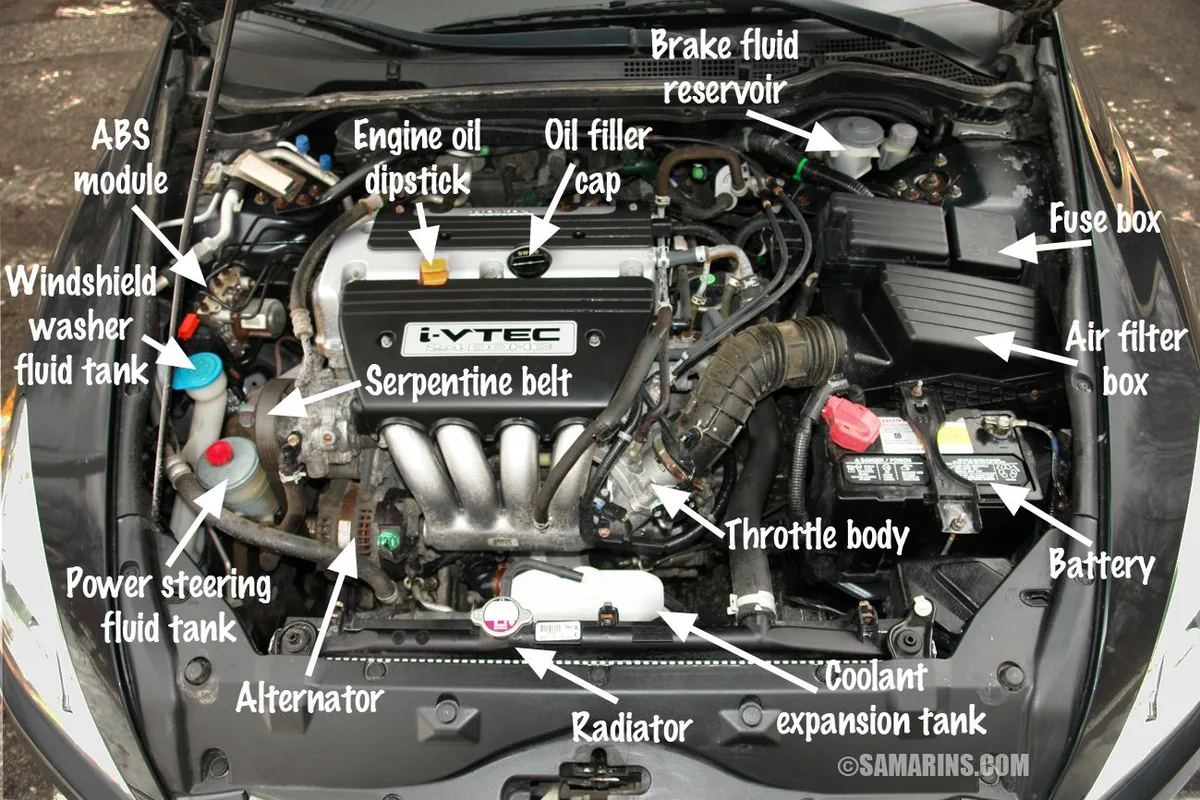
AGM stands for absorbed glass mat, a design where the electrolyte is held in fiberglass separators instead of sloshing free. That construction lowers internal resistance and raises resting voltage slightly. A full AGM battery rests at about 12.8V to 13.0V, roughly 0.1V to 0.2V above flooded values across the whole chart.
We explain how the glass-mat design works in a separate guide.
| State of Charge | Flooded Battery | AGM Battery |
|---|---|---|
| 100% | 12.6V+ | 12.8–13.0V |
| 75% | 12.4V | 12.5–12.6V |
| 50% | 12.2V | 12.3–12.4V |
| 25% | 12.0V | 12.0–12.1V |
| Discharged | 11.9V or less | 11.9V or less |
The practical trap: an AGM battery resting at 12.6V looks "fully charged" on the flooded chart. It's actually closer to 75%, and it's sulfating. As of 2026, most stop-start vehicles ship with AGM or EFB batteries from the factory, so this isn't a niche concern anymore.
EFB batteries (enhanced flooded batteries) sit between the two designs. They chart close to standard flooded values, so the main table works fine for them. Their difference is durability under constant stop-start cycling rather than voltage behavior, something we unpack in our look at this stop-start-rated design.
Not sure what you have? Check the battery label for "AGM," "EFB," or "Start-Stop." If the label's gone, our rundown of the main battery chemistries covers the visual tells. When in doubt, assume AGM on any car built with stop-start, and hold it to the higher numbers.
Voltage While the Engine Is Running: The Alternator Chart
With the engine running, a healthy charging system reads 13.7 to 14.7 volts at the battery terminals. This is a completely different chart from resting voltage, because you're no longer measuring the battery. You're measuring the alternator's output.
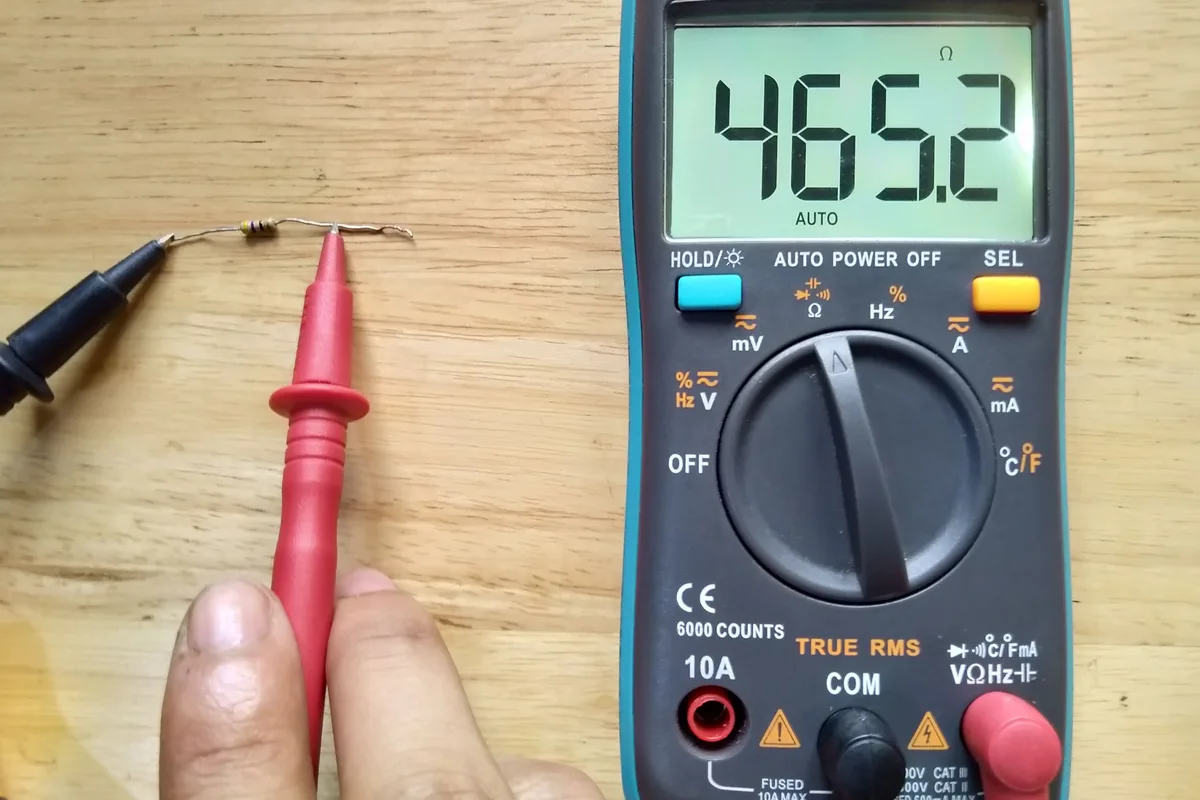
Here's how to interpret what you see with the engine idling:
| Running Voltage | What It Tells You |
|---|---|
| 13.7–14.7V | Charging system healthy |
| 13.0–13.6V | Weak output, test the alternator and connections |
| Below 12.9V | Alternator not charging, battery running the car |
| Above 14.8V | Overcharging, likely a failed voltage regulator |
Test at idle first, then have a helper hold around 2,000 RPM and check again. The reading should stay inside the healthy band both times. Per charging-system standards from SAE International, regulators are designed to hold output in this window across normal engine speeds.
Both failure directions matter. Low output means the battery slowly drains while you drive, and you'll blame the battery for a problem the alternator caused. High output above 14.8V boils electrolyte, warps plates, and can kill a battery in months.
AGM batteries are especially intolerant of overcharging.
Two normal quirks that aren't failures. Many modern cars use smart charging that deliberately drops to 12.5V to 13.0V once the battery is full, to save fuel. If your reading is low but the battery stays charged week after week, that's the computer working as designed.
And a brief reading near 15V on a freezing morning is normal too, since regulators raise voltage in the cold on purpose.
Make sure your meter is set to DC volts before any of these tests. If the dial markings are cryptic, our plain-English explainer on the DC voltage setting sorts out which position you need.
Cranking Voltage: What the Numbers Should Do When You Start the Car
During cranking, battery voltage should dip but stay above 9.6 volts. That number comes from industry load-testing practice at 70°F, and it's the line between a battery that's working and one that's failing under pressure.
This is the test that catches what resting voltage misses. A battery can rest at a healthy 12.6V and still crash to 8 volts the instant the starter kicks in. High internal resistance from age or sulfation causes exactly that pattern, and it's the classic signature of a battery on its last legs.
Running the test takes two people and two minutes:
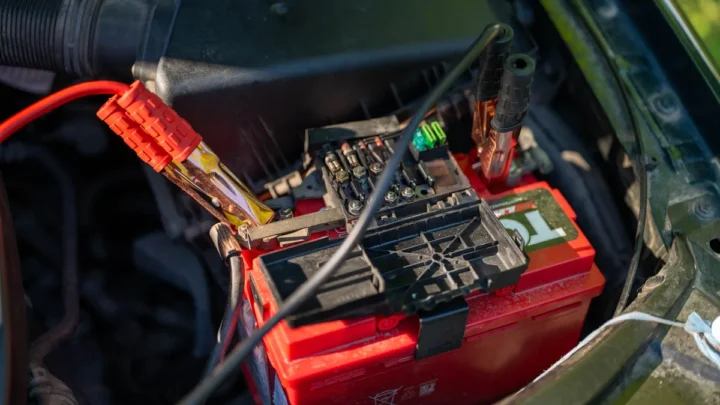
- Connect your multimeter to the battery terminals, set to DC volts.
- Have a helper crank the engine while you watch the display.
- Note the lowest number during cranking, not the number after the engine catches.
Read the result against this table:
| Lowest Cranking Voltage | Verdict |
|---|---|
| Above 10.0V | Strong battery |
| 9.6–10.0V | Acceptable, retest in cold weather |
| 9.0–9.5V | Weak, plan a replacement |
| Below 9.0V | Failing, replace now |
Cranking performance is exactly what the CCA rating on your battery label promises. If those amp numbers have never quite made sense, our plain-language guide to cold-weather cranking ratings connects them to the voltage behavior you're measuring here.

One catch on modern meters: cranking lasts a second or two, and some cheap multimeters refresh too slowly to catch the true low point. If your meter has a MIN/MAX function, use it. It records the lowest value automatically so you don't have to eyeball a jumping display.
How to Test Your Battery With a Multimeter (Step by Step)
The full test takes about five minutes and works on any car. Here's the complete sequence, start to finish.
Step 1: Prep the battery. Park the car and let it sit at least four hours, overnight if possible. Check the terminals for corrosion. A crust of white or green powder adds resistance and skews readings, so clean it off with a wire brush first.
Step 2: Set up the meter. Turn the dial to DC voltage. On manual-ranging meters, pick the 20V range, since the 12-to-15-volt readings you're chasing fall inside it. If you've never handled one before, our walkthrough for first-time meter setup covers the dial, ports, and probes in detail.
Step 3: Connect the probes. Red probe on the positive terminal, marked with a plus sign. Black probe on the negative terminal. Press firmly into clean metal, not into corrosion or paint.
Step 4: Read resting voltage. Note the number and match it against the chart at the top of this guide. Anything at 12.4V or below goes on a charger today.
Step 5: Run the cranking test. Keep the probes connected and have a helper start the engine. The reading should stay above 9.6V.
Step 6: Check charging voltage. With the engine idling, you want 13.7 to 14.7 volts. Rev to about 2,000 RPM and confirm it stays in range.
Reading the display trips up more beginners than the connections do. Negative numbers just mean your probes are reversed, and a "1" on the far left means the range is set too low. Our explainer on making sense of the readout decodes the common display quirks.
Write your resting number down with the date. A single reading tells you today's charge, but a log tells you the trend. A battery that rested at 12.65V last fall and 12.45V this fall is telling you something no single test can.
How Temperature Shifts Every Number on the Chart
Every voltage on the chart assumes a battery near 70°F, and cold weather pushes real readings down. The rule of thumb from battery engineering: resting voltage drops roughly 0.01V for every degree Fahrenheit below that baseline.
Run the math and the effect is bigger than it sounds. A fully charged battery that reads 12.65V on a mild day can show around 12.45V at 20°F while holding the exact same charge. On the standard chart, that looks like a 75% battery.
It isn't.
Here's the fully charged benchmark adjusted for temperature:
| Battery Temperature | Fully Charged Reads About |
|---|---|
| 80°F (27°C) | 12.66V |
| 70°F (21°C) | 12.65V |
| 50°F (10°C) | 12.55V |
| 32°F (0°C) | 12.45V |
| 0°F (-18°C) | 12.30V |
Cold hits twice, though. While voltage merely reads lower, actual cranking power genuinely falls. Research on lead-acid chemistry from the [U.S.
Department of Energy](https://www.energy.gov) shows available power dropping sharply as electrolyte reactions slow. A battery delivers roughly 65% of its cranking amps at 32°F and closer to 40% at 0°F.
Meanwhile the engine gets harder to turn, since cold oil thickens. Less power available, more power demanded. That's why batteries die on the first freezing morning of the year and why fall is the smart time to test.
Heat works the opposite way on the meter and worse on the battery. Readings run slightly high in summer, but sustained heat accelerates plate corrosion and water loss. That's why batteries in Phoenix average shorter lives than batteries in Minneapolis, a pattern that shows up clearly in our expected service life by climate data.
Common Testing Mistakes That Give You False Readings
Most "bad" voltage readings are actually bad tests. These are the errors that produce them, ranked by how often they burn people.
- Testing right after driving. Surface charge inflates the reading by up to 0.4V. Wait four hours or burn it off with 30 seconds of headlights.
- Testing with a door open. Interior lights and awake computer modules pull current during the test. That small load drags the reading down a tenth of a volt or more. Close everything and test through the hood only.
- Probing corroded terminals. Corrosion acts like a resistor between probe and post. You'll read lower than the battery's true voltage and condemn a healthy battery.
- Using the wrong chart for AGM. An AGM battery judged by flooded numbers looks fine at 12.6V when it's actually down a quarter of its charge.
- Ignoring temperature. A winter reading judged by summer numbers looks 20% worse than reality.
- Trusting a jump-started reading. Voltage right after a jump or a long charge reflects the charger, not the battery. Let it rest overnight before you judge it.
- Testing on AC volts. The meter shows a nonsense number instead of an error, so people write it down. Double-check the dial shows DC, often marked with a solid line over a dashed line. Our meter dial symbol guide shows the difference at a glance.
Meter quality matters less than people fear, with one exception. Aggregate accuracy testing shows even $15 meters hold tolerances around 0.5% on DC voltage, tight enough for battery work. The exception is a dying meter battery, which causes drifting, sagging readings.
If your numbers wander, swap the meter's own 9V cell before blaming the car.
Voltage Looks Fine but the Car Won't Start? Here's What's Going On
A healthy resting voltage with a no-start means the problem is capacity, connections, or something outside the battery entirely. Voltage measures electrical pressure, not the amperage muscle behind it. A sulfated battery holds 12.6V the way a nearly empty tank still shows fuel on a bad gauge.
Work through the likely causes in this order:
1. High internal resistance. The battery passes the resting test and fails the cranking test, dropping below 9.6V the moment the starter engages. This is end-of-life behavior.
The cranking test from earlier catches it in seconds.
2. Bad connections. Corroded or loose terminals block current flow while letting a no-load voltage reading through just fine. If the dash lights up but you hear a single click, wiggle the cables and clean the clamps before buying anything.
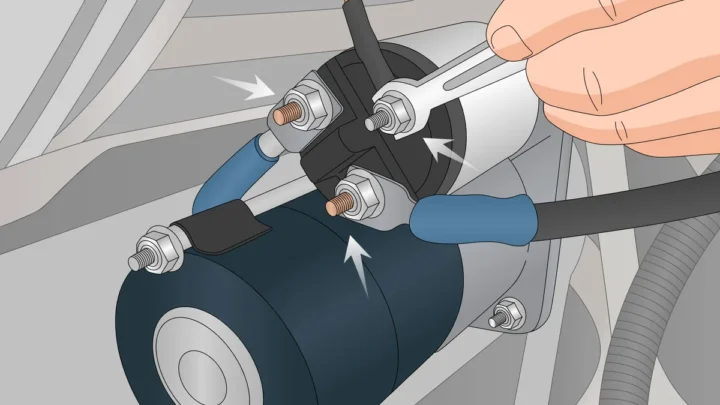
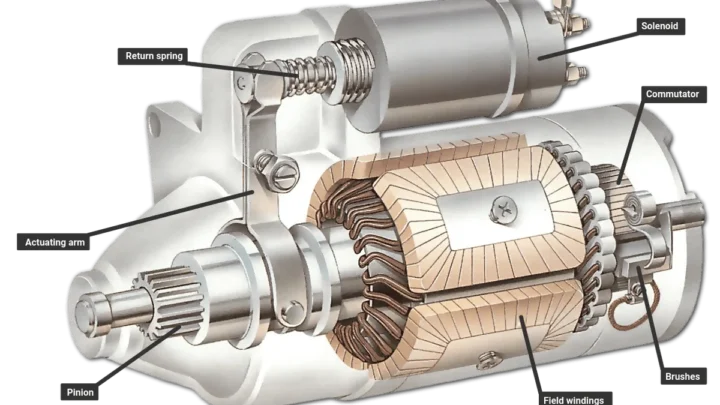
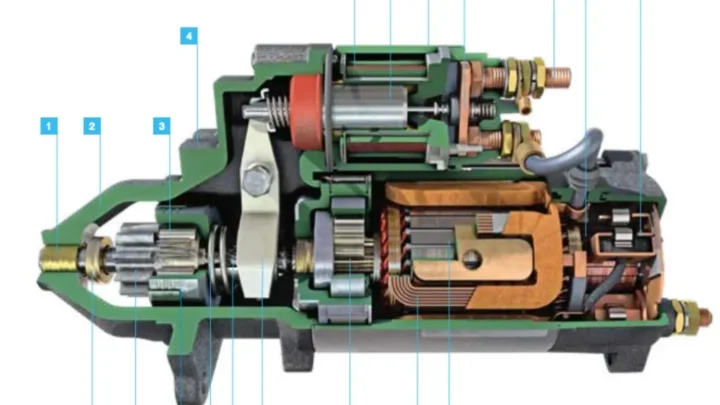
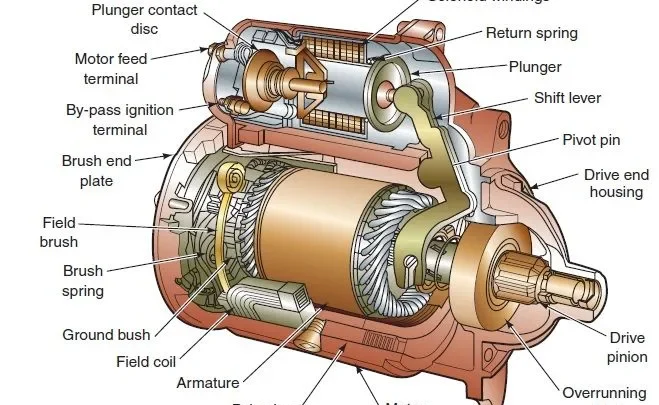
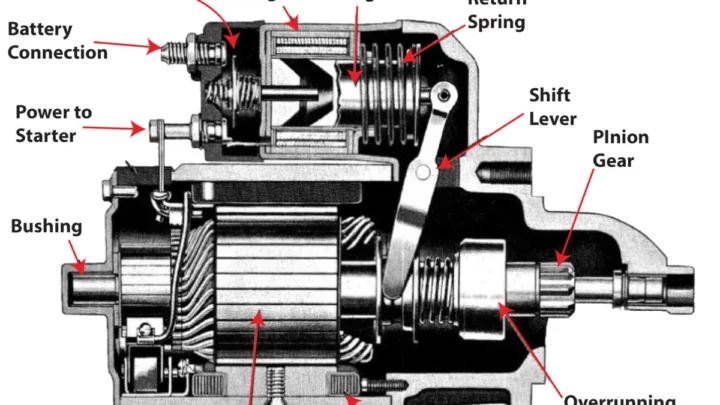
3. A failing starter. Steady 12.6V at the battery plus a healthy cranking voltage plus no cranking sound points at the starter motor or its solenoid, not the battery.
4. Depleted reserve, not depleted charge. Old batteries lose usable capacity even when they charge to full voltage. The battery starts the car fine, then dies after ten minutes of radio with the engine off.
That's shrinking reserve capacity, a spec we break down in our guide to how long a battery runs accessories.
The free tie-breaker: most auto parts stores run conductance testers that estimate true health and remaining cranking amps, not just charge. If your multimeter says the battery is fine but the car disagrees, that test settles the argument in five minutes. If it passes there too, stop replacing batteries and start diagnosing the starter circuit.
Charge It, Replace It, or Leave It: Acting on Your Reading
Every reading points to one of three actions. Here's the decision path once your resting number is in hand.
| Resting Voltage | Action |
|---|---|
| 12.6V+ (12.8V+ AGM) | Leave it, retest seasonally |
| 12.4–12.5V | Charge overnight, find the cause |
| 12.0–12.3V | Charge now with a smart charger |
| 11.9V or below | Charge, rest, retest, likely replace |
| ~10.5V | Replace, dead cell |
The retest is the step people skip. Charge the battery fully, disconnect the charger, and let it sit overnight. A healthy battery holds 12.6V or better the next morning.
One that sags back to 12.4V or lower within a day can no longer hold charge and belongs on the replacement list.
Age breaks ties. A three-year-old battery reading 12.2V after sitting a month probably just needs a charge. A six-year-old battery at the same number has beaten the averages already, and charging it buys weeks.
Typical service life runs three to five years, and our breakdown of what actually wears batteries out explains why heat shortens that window.
If you land on replacement, buy the right spec, not just the right voltage. Match the physical size and terminal layout first, which our finder for the correct fitment walks through. Then match or exceed the original CCA rating, and never downgrade an AGM car to a flooded battery.
Keeping Your Battery in the Green Zone Year-Round
The goal is simple: keep resting voltage above 12.4V at all times. Everything below is just the practical way to get there.
Test on a schedule. Twice a year covers most drivers. Test in fall before the first freeze and again in late spring before summer heat. Cars that sit for weeks deserve a monthly check, since self-discharge alone drops roughly 1% per day.
Drive long enough to recharge. A cold start costs the battery a chunk of energy that takes 15 to 30 minutes of driving to restore. A pattern of five-minute trips leaves the battery permanently undercharged, drifting down through 12.4V and into sulfation territory.
Use a battery maintainer for parked cars. A smart maintainer holds the battery at a proper float voltage around 13.2 to 13.8 volts without overcharging. For a vehicle stored over winter, it's the difference between a spring reading of 12.7V and a dead battery in March.
Keep terminals clean and tight. Corrosion builds resistance that both skews your readings and starves the charging circuit. A wire brush and a baking-soda rinse twice a year is enough.
Fix drains early. If a healthy battery keeps drifting low between drives, something is pulling current with the key off. A glovebox light, a stuck module, or an aftermarket stereo can flatten a battery in days. Finding it takes a current measurement rather than a voltage one, which is where the high-amp input on your meter earns its keep.
Do those five things and the chart becomes boring. Your battery reads 12.6V every time you check, and boring is exactly what you want from a starting battery.
Frequently Asked Questions
What voltage is a fully charged car battery?
A fully charged flooded battery reads 12.6 to 12.9 volts at rest, measured after sitting at least four hours with the engine off. AGM batteries run slightly higher, about 12.8 to 13.0 volts. With the engine running, normal charging voltage is 13.7 to 14.7 volts.
At what voltage is a car battery dead?
A resting reading below 11.9 volts means the battery is fully discharged and won't reliably start an engine. Around 10.5 volts signals a dead cell, which no charger can fix. Between those points, recharge the battery and retest after an overnight rest before deciding to replace it.
Is 12.4 volts okay for a car battery?
Not really. A resting reading of 12.4 volts means only about 75% charge, and lead-acid batteries sulfate whenever they sit below full. The car will still start in mild weather, but the battery is losing capacity.
Charge it overnight and check for a cause like short trips or a weak alternator.
What should battery voltage be with the engine running?
Expect 13.7 to 14.7 volts at the battery terminals with the engine idling. Readings below 12.9 volts mean the alternator isn't charging. Readings above 14.8 volts suggest a failed voltage regulator.
Many newer cars with smart charging deliberately drop to the low 13s once the battery is full.
How much voltage should a battery drop when starting the car?
Voltage normally dips into the 10-to-11-volt range during cranking. It should never fall below 9.6 volts at around 70°F. A battery that plunges under 9 volts while cranking has high internal resistance and is near failure, even if its resting voltage still looks healthy.
Can a car battery read good voltage and still be bad?
Yes, and it's common. Voltage shows the state of charge, not the battery's remaining capacity or cranking strength. An aged or sulfated battery can rest at 12.6 volts yet collapse under starter load.
The cranking test or a parts-store conductance test reveals what resting voltage hides.