What Is Desulfation Mode on a Battery Charger?
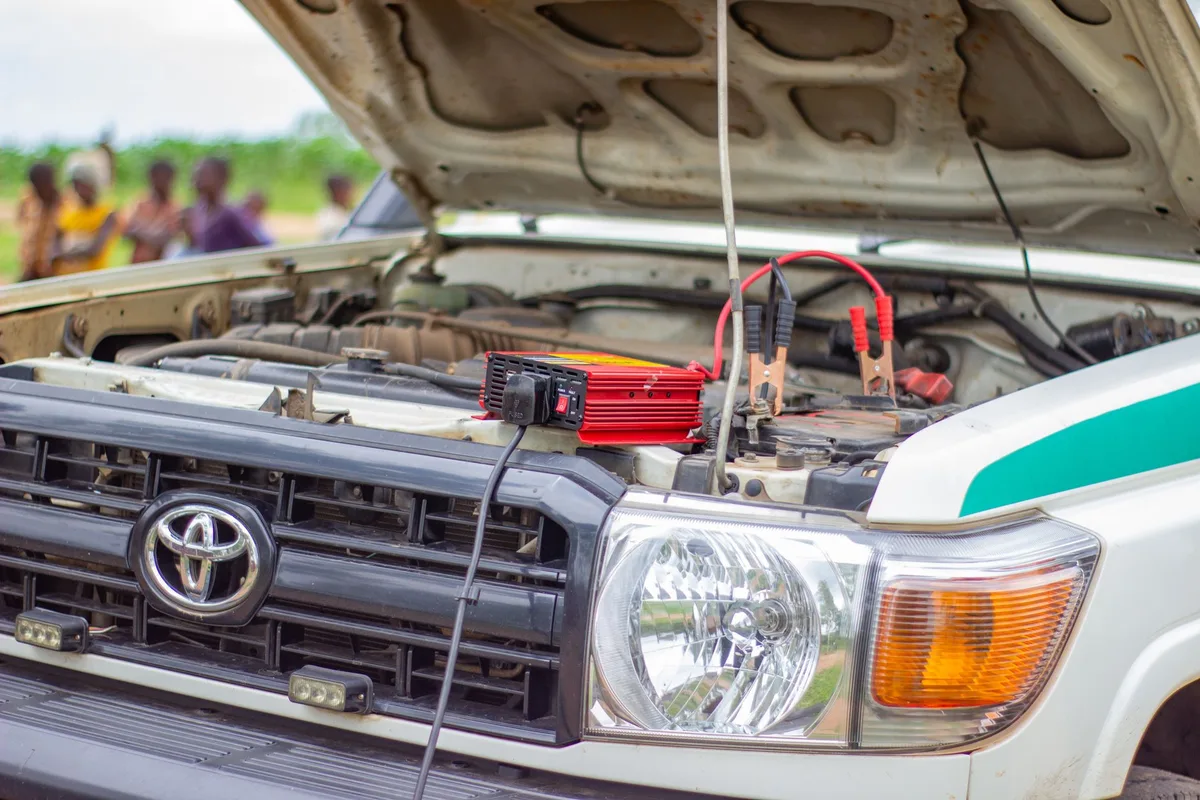
If your charger has a button marked "recondition" or "repair," you're probably wondering what is desulfation mode on a battery charger and whether it can rescue a tired battery. It's a special charging cycle built to reverse one specific kind of battery failure. Used right, it can bring a weak lead-acid battery back to life.
Used wrong, it can quietly ruin a good one.
Sulfation is the number one killer of lead-acid batteries. As of 2026, most modern smart chargers ship with some form of desulfation stage built in. A healthy 12-volt battery rests around 12.6 to 12.8 volts, and when it sits below that for too long, crystals start forming.
Here's exactly what that mode does, and when you should leave it switched off.
Quick Answer
Desulfation mode is a charger setting that clears sulfate buildup from battery plates. It sends short, high-voltage pulses into a lead-acid battery. These pulses break down hardened lead sulfate crystals.
That can restore lost capacity and starting power. It suits flooded lead-acid batteries, not sealed lithium ones.
What Desulfation Mode Actually Does on a Battery Charger
Desulfation mode targets the crust that forms on your battery's internal lead plates. That crust is lead sulfate. It's a normal part of how a battery discharges, but it's supposed to dissolve back when you recharge.
The problem starts when it doesn't dissolve. Left alone, soft sulfate hardens into stubborn crystals. Those crystals block the chemical reaction that stores and releases power.
Your battery loses capacity, cranks slower, and eventually won't hold a charge.
A desulfation cycle fights this by pushing brief bursts of higher voltage into the battery. Think of it as tapping the crystals loose instead of gently soaking them. Over hours, some of that hardened sulfate breaks down and returns to the electrolyte.
It's not magic, and it's not a guaranteed fix. It's a targeted repair for one failure mode. If sulfation isn't your battery's problem, this mode won't do a thing.
The Short Answer: Is Desulfation Mode Worth Using?
Yes, but only on the right battery and with realistic expectations. Desulfation mode is worth a shot when a flooded lead-acid battery has slowly gone weak from sitting or chronic undercharging. It's not worth much on a battery with a dead cell, a physical short, or a warped plate.
Here's the honest breakdown.
Worth using when:
- The battery is flooded lead-acid and structurally sound.
- It's been sitting discharged or undercharged for weeks.
- It still takes some charge but tires out fast.
- You've got nothing to lose before recycling it.
Skip it when:
- The battery is sealed lithium, gel, or a fragile AGM.
- One cell reads far lower than the others.
- The case is cracked, bulging, or leaking.
- The battery is more than five or six years old and heavily worn.
If you're not sure your battery is even the issue, first spot the warning signs of a failing battery before you plug anything in.
Why Sulfation Happens in the First Place
Sulfation happens every time your battery discharges. That part is normal. Lead and acid react, and lead sulfate forms on the plates.
Recharge the battery, and that sulfate is meant to break apart again.
Trouble comes from three habits: leaving a battery partly discharged, storing it flat, and never fully charging it. A charging system that never quite tops it off slowly starves the battery, and the sulfate keeps building.
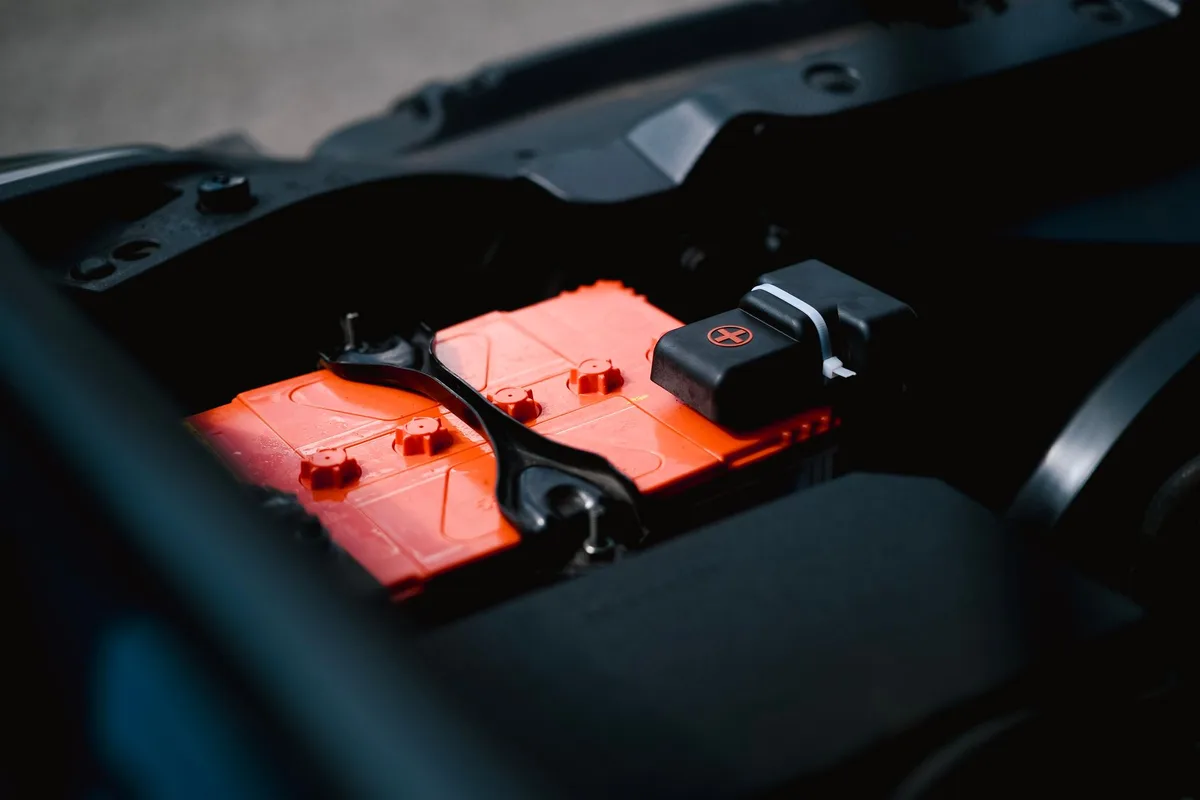
Lead-acid chemistry has run our vehicles for over a century, and the U.S. Department of Energy still tracks it as a core storage technology. The catch is that it hates sitting idle.
Cold winters and seasonal storage make it worse, since a resting battery self-discharges and crystals harden fast.
Soft Sulfation vs Hard Sulfation
Not all sulfation is equal. This is the single most important thing to understand before you hit that button.
| Type | What it is | Reversible? |
|---|---|---|
| Soft sulfation | Fresh, small crystals from recent discharge | Often yes |
| Hard sulfation | Old, hardened crystals from long neglect | Rarely |
Soft sulfation responds well to a desulfation cycle. Hard sulfation, built up over months or years, usually won't fully clear. That's why a battery neglected all winter has better odds than one dead for two years.
How Desulfation Mode Works (Pulse Charging Explained)
Desulfation works through pulse charging. Instead of a steady stream, the charger fires quick, controlled voltage spikes into the battery. On a 12-volt battery, that often means brief pushes up toward 15.5 volts or higher.
Those pulses do two jobs. They agitate the hardened crystals, and they raise the charge voltage enough to dissolve some sulfate back into the electrolyte. A microprocessor inside the charger controls the timing so the battery isn't just cooked with raw voltage.
A full smart charger usually runs this as one stage in a longer routine. The cycle often looks like this:
- Test the battery's starting voltage.
- Enter pulse or recondition mode to attack sulfate.
- Move into bulk charging to refill capacity.
- Finish with absorption and a float stage to hold it.
The whole thing can take several hours, sometimes a full day. When it's done, check whether it truly holds a charge rather than trusting the charger's green light alone.
Which Batteries You Can Safely Desulfate
Only flooded lead-acid batteries are safe bets for aggressive desulfation. That's the type with removable caps and liquid electrolyte you can top up. Everything else needs caution or a hard no.
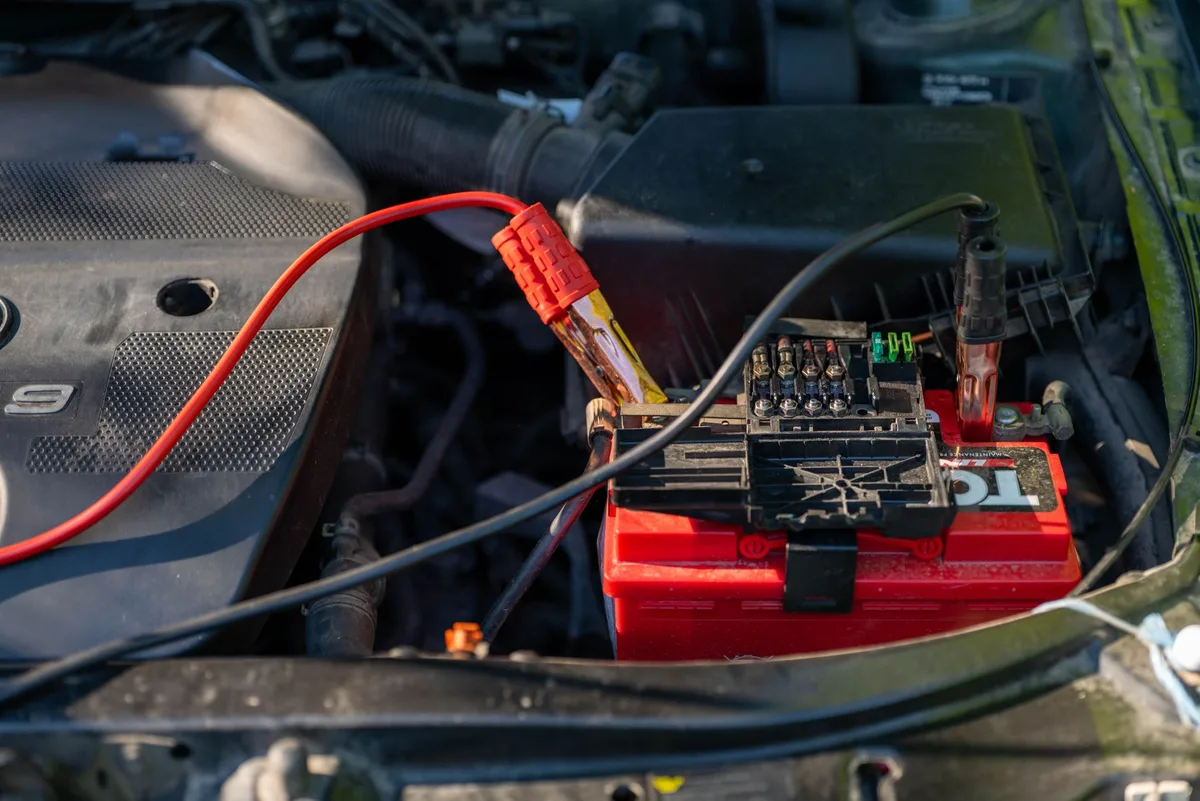
The danger is voltage. Desulfation pushes higher voltage than normal charging, and sealed batteries can't vent or cool the same way. Force those pulses into the wrong chemistry and you risk overheating, gassing, or permanent damage.
Flooded Lead-Acid, AGM, Gel, and Lithium: What's Safe
Here's how the common types stack up.
| Battery type | Desulfation safe? | Notes |
|---|---|---|
| Flooded lead-acid | Yes | Best candidate, water can be topped up |
| AGM | With caution | Only use a charger's AGM-rated cycle |
| Gel | Usually no | Sensitive to high-voltage pulses |
| Lithium (LiFePO₄) | No | No sulfation exists, pulses can harm the BMS |
Lithium batteries don't sulfate at all, so the mode does nothing useful and can confuse their internal management board. For AGM, use only a charger that lists an AGM-safe recondition setting. If a battery has just been sitting and you only need to wake it gently, learning to clear a fresh surface charge is often the safer first move.
What Desulfation Can and Can't Fix
Desulfation only fixes lost capacity caused by sulfate crystals. That's the whole job. If your battery faded slowly from sitting or light undercharging, this mode can claw back some of that lost performance.
It can't fix physical damage. A dropped plate, a dead cell, an internal short, or a warped grid is beyond any charger's reach. No pulse routine rebuilds broken metal.
Here's the honest split.
Can help with:
- Gradual capacity loss from storage
- Sluggish cranking on an otherwise sound battery
- Poor charge acceptance from soft sulfation
Can't help with:
- A battery with one dead or reversed cell
- Cracked cases or bulging, swollen sides
- Lost water in a sealed battery
- Old age and worn-out plates
Set expectations before you start. A mildly sulfated battery might recover most of its punch. A badly neglected one might gain a little, or nothing at all.
Signs Your Battery Might Recover (and When It's Just Dead)
Your best clue is voltage. A battery that still reads 10.5 volts or higher usually has a fighting chance. One stuck near zero, or that won't climb during charging, is likely finished.
Watch for these encouraging signs:
- It accepts a charge and voltage slowly rises.
- All cells gas evenly on a flooded battery.
- Resting voltage improves after a cycle, even a little.
And these red flags that mean it's done:
- Voltage never moves off a very low number.
- One cell stays cold while others heat up.
- A strong rotten-egg sulfur smell pours out while charging.
A quick load test tells the real story. If the battery holds voltage under load after a cycle, you've saved it. If it collapses the moment you draw current, recycle it.
Step-by-Step: Running a Desulfation Cycle Safely
Run desulfation slowly and in the open air. Rushing it or trapping the fumes is where people get hurt. Follow these steps in order.
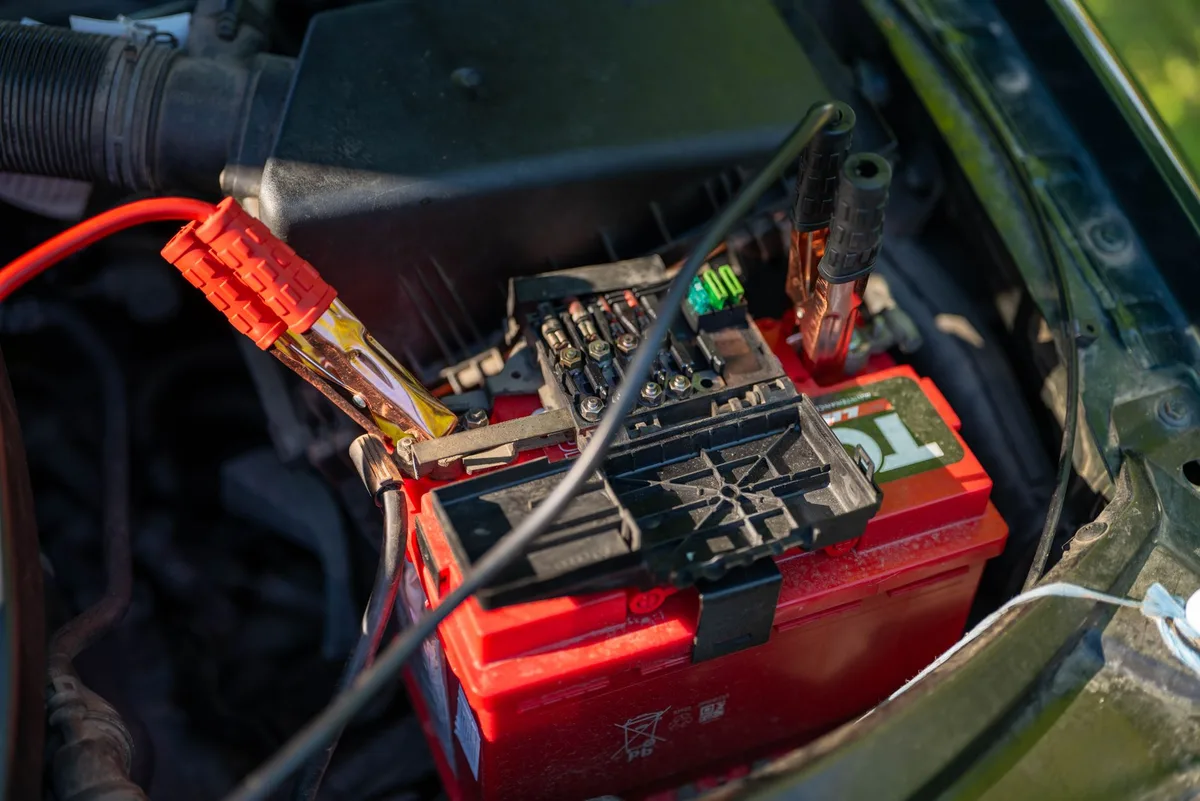
- Move the battery to a ventilated space, away from sparks and flame.
- Put on eye protection and gloves before touching anything.
- Inspect the case for cracks, leaks, or swelling. Stop if you see any.
- On a flooded battery, check the electrolyte and top up with distilled water if low.
- Confirm the battery type and set the charger to the matching mode.
- Connect positive first, then the negative clamp to a clean ground.
- Select desulfation or recondition and start the cycle.
- Check the battery by hand every hour. Warm is fine, hot is not.
- When the cycle finishes, let it rest, then load-test it.
If the battery gets too hot to keep a hand on, stop the cycle right away. Heat is the earliest warning that something is going wrong inside.
Safety Risks You Can't Ignore
Desulfation raises charging voltage, and higher voltage means higher risk. The main hazards are explosive gas, heat, and acid. None are worth ignoring to save a cheap battery.
Sealed AGM and gel batteries are especially touchy here. Push desulfation pulses into them and you can trigger venting or thermal runaway. When in doubt, don't.
Hydrogen Gas, Heat, and Acid Hazards
Charging a lead-acid battery releases hydrogen gas, and desulfation makes more of it. Hydrogen is explosive in a closed space. One spark near a charging battery can be enough, which is why ventilation isn't optional.
Heat is the second threat. A cycle that runs too hard can warm the battery to dangerous levels and buckle the plates. If the case feels hot or looks like it's swelling, cut power and step back.
Then there's the acid. Flooded batteries hold sulfuric acid that burns skin and eyes on contact. Wear protection, keep baking soda nearby to neutralize spills, and handle a leaking battery with care.
If yours is already leaking acid, don't charge it at all.
Common Mistakes That Damage Batteries
The biggest mistake is running desulfation on the wrong chemistry. Blasting a lithium or gel battery with high-voltage pulses can destroy it or its management board. Always match the mode to the battery.
Other common slip-ups we see:
- Leaving a battery unattended for a full cycle
- Skipping the water top-up on a flooded battery
- Ignoring heat and letting the case cook
- Trusting the charger's "done" light without a load test
- Trying to revive a battery with an obvious dead cell
One more trap: expecting desulfation to fix a problem it can't touch. If a healthy battery keeps dying, the fault is often elsewhere in the car. Before you blame the battery, rule out a hidden parasitic drain or a weak alternator.
Desulfation Mode vs Standalone Desulfators vs Replacement
Which option wins depends on how far gone your battery is and how much you want to spend. A charger with built-in desulfation is the easiest starting point. A standalone desulfator is for hobbyists chasing every last bit of recovery.
Replacement is the honest answer for a battery that's simply worn out.
Here's how they compare.
| Option | Best for | Trade-off |
|---|---|---|
| Charger desulfation mode | Everyday users, mild sulfation | Limited on hard crystals |
| Standalone desulfator | DIYers reviving many batteries | Slow, needs monitoring |
| New battery | Dead cells, old or damaged units | Higher upfront cost |
Our research points to a simple rule. Try desulfation first when the battery is sound but tired. Replace it when a cell is dead or the battery is past five or six years old.
How Long It Takes and What Results to Expect
A desulfation cycle usually runs several hours, and a stubborn battery may need a full 24 hours or more. Some chargers repeat the cycle automatically until the battery stops improving. Patience matters here, since rushing gains you nothing.
Set realistic expectations for the payoff. A mildly sulfated battery might recover a good chunk of its lost capacity. A heavily sulfated one might gain just enough to limp along, or nothing at all.
Judge success by numbers, not hope. A recovered battery should rest near 12.6 volts and hold steady under load. If it still sags fast after a full cycle, the sulfation was too far gone.
Keeping Sulfation From Coming Back
The best fix is preventing sulfation in the first place. Keep your battery fully charged, and it can't build hardened crystals. That single habit does more than any repair mode.
A few simple routines go a long way:
- Use a smart maintainer on any vehicle that sits for weeks.
- Fully recharge after every deep discharge.
- Check resting voltage monthly and top up when it dips.
- Keep terminals clean so charging stays efficient.
Cold weather is rough on idle batteries, so a stored car in winter is prime sulfation territory. If yours struggles when the temperature drops, our guide on no-start problems in the cold covers the usual culprits. A maintainer over winter usually prevents the whole mess.
Frequently Asked Questions
Does battery desulfation really work?
Yes, on the right battery. Desulfation works well on flooded lead-acid batteries with soft, recent sulfation. It can restore lost capacity and cranking power.
It does little for hard, long-standing crystals and nothing for dead cells or physical damage.
Can you overcharge a battery in desulfation mode?
You can if the charger lacks smart controls or you leave it running unchecked. Quality smart chargers limit voltage and stop automatically. Cheap units can overheat a battery, so check it by hand every hour and stop the cycle if it gets hot.
Is it safe to desulfate an AGM battery?
Only with a charger that has an AGM-rated recondition setting. AGM batteries are sealed and sensitive to high voltage. A general high-voltage pulse cycle can cause venting or heat damage.
When the charger doesn't list AGM support, leave the battery alone.
How often should I run desulfation mode?
Rarely. Desulfation is a recovery tool, not routine maintenance. Running it on a healthy battery just adds stress and heat.
Use a float maintainer for regular upkeep, and save desulfation for a battery that has actually lost capacity from sitting.
Will desulfation fix a battery that won't hold a charge?
Sometimes, if sulfation is the cause. A battery that faded from storage may recover. But if it won't hold a charge because of a dead cell, internal short, or old age, desulfation won't save it.
Load-test to know for sure.
Should You Use Desulfation Mode? A Quick Decision Guide
Use desulfation mode when the battery is worth saving and the chemistry is right. Skip it when the signs point to real damage. Run through this quick check before you plug in.
- Flooded lead-acid, still takes some charge? Try desulfation.
- Sealed lithium or gel battery? Don't. Recharge normally or replace.
- One dead cell, or a cracked, swollen case? Recycle it.
- Battery just tired from winter storage? Desulfation, then a maintainer.
- Recovered but sags under load? It's spent, replace it.
Think of desulfation as a second chance, not a cure. It buys life for a sulfated battery caught early. For anything cracked, shorted, or worn out, your money is better spent on a fresh battery and a good maintainer to keep the next one healthy.
Similar Posts