Is 50mA Parasitic Draw Normal? What’s Safe for Your Car
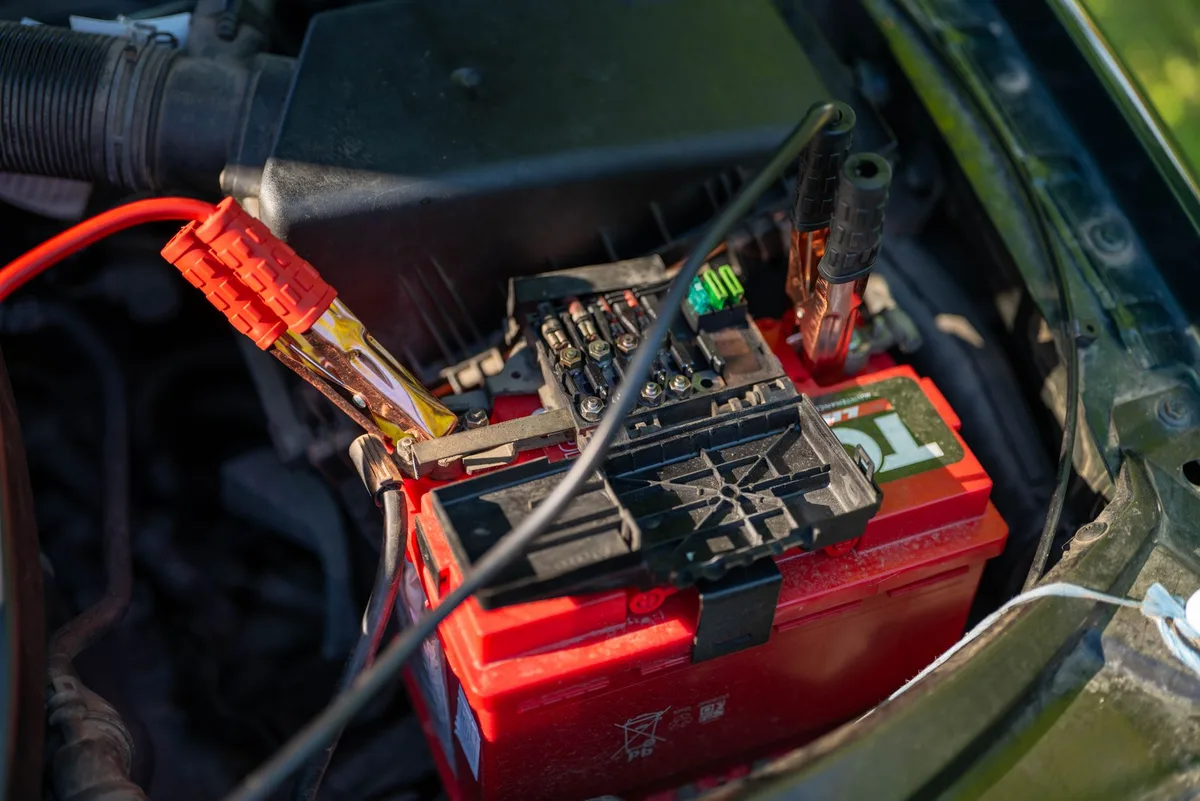
You checked your battery drain, saw 50 milliamps, and now you're wondering if that number spells trouble. Here's the honest answer: whether 50 milliamps parasitic draw is normal depends on your car, your battery, and how long the vehicle sits. On some cars it's completely fine.
On others, it's a red flag worth chasing.
The old shop rule pegged 50 mA as the ceiling for a healthy vehicle. But modern cars, as of 2026, often rest between 30 and 85 mA once every module falls asleep. That range shifts with the electronics onboard.
Let's break down what your reading really means.
Quick Answer
A 50 milliamp parasitic draw is normal for many modern vehicles. Older, simpler cars usually sit closer to 25 to 35 milliamps. The number only matters against your battery's size and age.
A healthy battery shrugs off 50 mA for weeks. It turns into a problem when the car sits or the battery is already weak.
So You Measured 50 mA, Now What?
First, take a breath. A single 50 mA reading tells you very little on its own. Context is everything here.
Use this quick logic to sort your situation:
- If you drive daily and the battery is under 3 years old, 50 mA is almost certainly fine.
- If the car sits for a week or more between drives, 50 mA can slowly flatten a small battery.
- If your battery is older, undersized, or already struggling, that same draw becomes a real risk.
- If you measured before the car fully "slept," your number may be falsely high.
That last point trips up a lot of people. Modules stay awake for a while after you shut the door. Read too early and you'll see 200 mA or more, then panic.
We'll cover that timing trap shortly.
If you're still setting up your test, our guide on chasing a key-off drain walks through the meter connection step by step.
What Parasitic Draw Really Is
Parasitic draw is the small amount of current your car keeps using after the key is off. It's also called key-off current or quiescent draw. Every modern vehicle has some.
Your car never fully powers down. A handful of systems stay on standby, sipping power to keep working:
- The clock and radio presets
- Keyless entry and the alarm system
- Keep-alive memory in the engine and transmission computers
- The Body Control Module and any telematics unit
That standby load is the "parasitic" part. It's normal by design. The question is never whether you have a draw.
You always do. The real question is whether yours sits inside a healthy range.
Think of it like a phone on standby. A little battery drain overnight is expected. A dead phone by morning means something's running that shouldn't be.
Why Modern Cars Pull More Than the Old 50 mA Rule
The classic 50 mA ceiling came from an era of simpler cars. Vehicles back then had far fewer computers. Today's cars carry dozens of modules, so the baseline crept up.
Keep-Alive Memory, Modules, and the CAN Bus
Modern vehicles run networks of control units that talk to each other over a CAN bus, the shared wiring backbone that links your car's computers. Standards bodies like SAE International define how these automotive electrical systems behave. Even asleep, several modules keep a trickle of power for memory and wake-up sensing.
More modules means more standby current. A base economy car might idle near 25 mA. A loaded SUV with telematics, ambient lighting, and a big infotainment screen can sit at 60 to 85 mA and still be perfectly healthy.
The Sleep Cycle and Why Timing Changes Your Reading
Here's the trap that fools most DIY testers. Modules don't sleep the instant you shut the car off. They stay awake, finish their tasks, then power down in stages.
That shutdown usually takes 20 to 45 minutes. Some vehicles take longer. If you measure during that window, your draw looks alarming.
Wait for the car to settle, and the number often drops by half or more.
- Lock the car and leave everything closed.
- Wait at least 30 to 45 minutes before trusting the reading.
- Opening a door mid-test wakes the modules and restarts the clock.
Getting your meter dialed in first helps too. If you're unsure of the dial position, this refresher on picking the right meter mode clears it up.
Normal Draw Ranges by Vehicle Type
There's no single "correct" number, but there are healthy bands. Use the table below as a starting reference, then weigh it against your battery.
| Vehicle type | Typical healthy draw | Notes |
|---|---|---|
| Older/basic car (pre-2005) | 20 to 35 mA | Few modules, low standby load |
| Modern economy car | 30 to 50 mA | Keyless entry, basic infotainment |
| Loaded SUV or luxury car | 50 to 85 mA | Telematics, big screens, many modules |
| Car with aftermarket add-ons | Varies, often higher | Dash cams, amps, and alarms add draw |
So 50 mA lands squarely in the normal zone for most cars built in the last 15 years. On a stripped-down older vehicle, though, the same reading hints at something staying awake.
Aftermarket gear is the usual wildcard. A hardwired dash cam, an aftermarket alarm, or a poorly installed amplifier can each add steady current. If your draw jumped after an install, that's your first suspect.
When a reading climbs well past these bands, it's worth learning to track down a battery drain circuit by circuit.
The Battery Math: Will 50 mA Actually Leave You Stranded?
Let's do the math, because it settles most worries fast. A 50 mA draw pulls 0.05 amps every hour. That's 1.2 amp-hours over a full day.
A typical car battery holds around 50 to 60 amp-hours. But you can't drain it flat and still crank the engine. Starting needs the battery above roughly 50% charge.
So the usable buffer is closer to 25 to 30 amp-hours before cranking gets shaky. Do the division and 50 mA takes weeks to reach that point on a healthy battery.
Here's how it plays out on a healthy 60 Ah battery:
| Parasitic draw | Rough time to a no-start |
|---|---|
| 25 mA | 4 to 6 weeks |
| 50 mA | 2 to 3 weeks |
| 85 mA | 10 to 14 days |
| 300 mA | 3 to 4 days |
Those numbers assume a good battery. Cut the capacity in half for an old or cold one, and the timeline shrinks fast. That's why the same 50 mA is a shrug for a daily driver and a killer for a car that sits.
Decision Guide: Is Your 50 mA a Problem or Not?
Run your reading through these branches to land on an answer.
- If you drive every day or two, stop worrying. 50 mA won't touch a healthy battery in that window.
- If the car sits a week or more, add a battery maintainer. The draw is fine, the sitting is the issue.
- If the battery is over 4 years old, load test it before blaming the draw. A weak battery fails under normal current.
- If the reading is a fresh change after new wiring or accessories, investigate that circuit first.
Battery Size, Age, and How Long It Sits
Three factors decide whether 50 mA hurts you: capacity, condition, and downtime. A big, new battery in a daily driver has huge margin. A small, aging battery in a weekend car has almost none.
Age matters most. A four-year-old battery may show only half its rated capacity. Confirm that before chasing ghosts with your meter.
Our walkthrough on checking a battery under load shows how to spot a tired cell.
How to Test Parasitic Draw the Right Way
You've got two solid methods: an in-line multimeter or a low-current clamp meter. Both give you the real key-off number once the car sleeps.
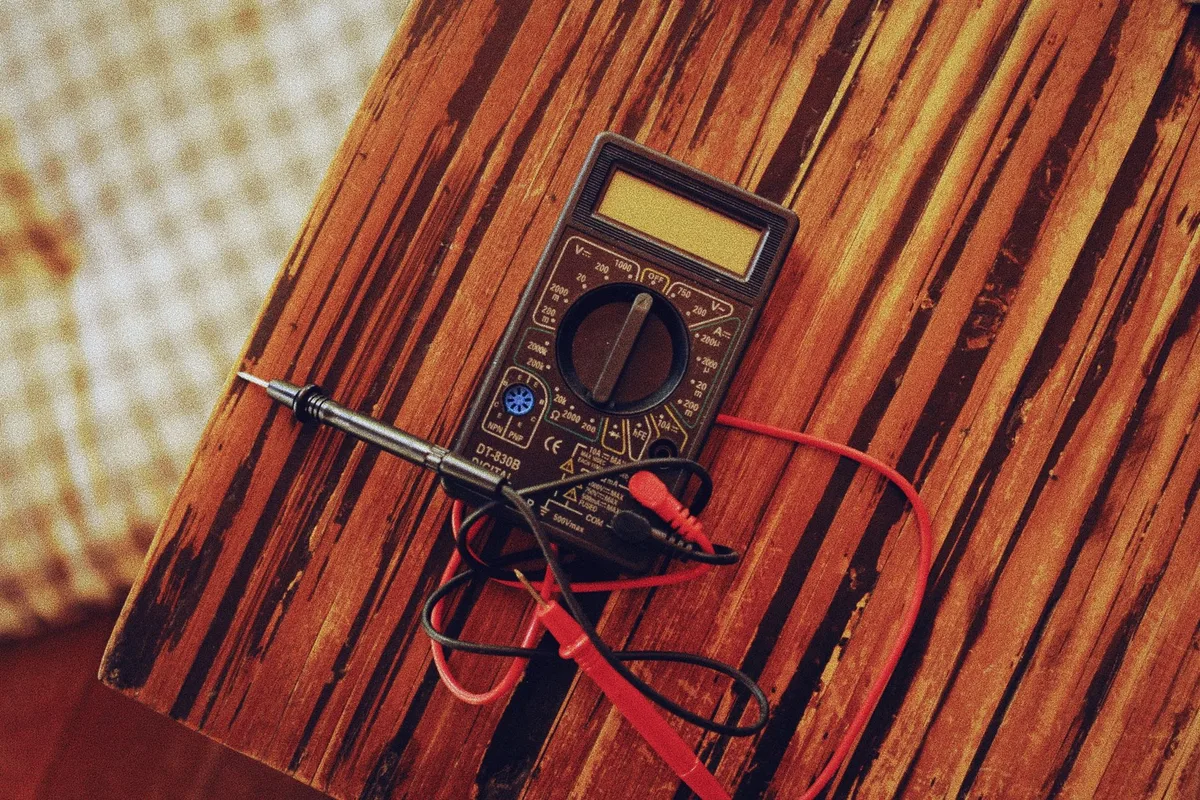
Multimeter In-Line Method
This method puts the meter in series with the battery, so all current flows through it. Set your meter to DC amps, usually the 10A jack.
- Turn everything off and let the car sit closed.
- Disconnect the negative battery cable.
- Connect the meter between the negative post and the cable.
- Wait 30 to 45 minutes for modules to sleep, then read the draw.
Never start or crank the engine with the meter inline. The surge will blow the meter's fuse instantly. If you're rusty on the dial, this guide to the DC amps setting helps you avoid a blown fuse.
Low-Current Clamp Meter Method
A DC clamp meter is faster and safer because you never break the circuit. You just clamp it around the negative battery cable and read the current.
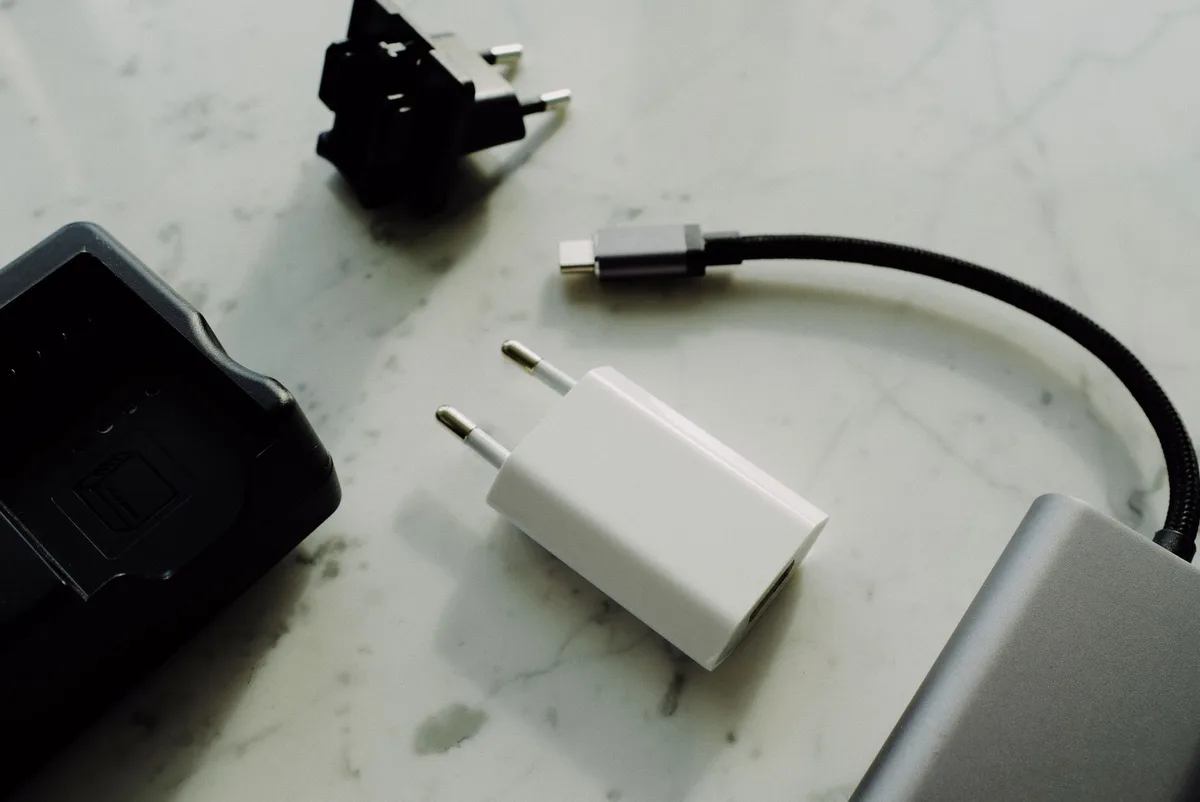
The big advantage: doors stay closed and modules stay asleep. Nothing wakes up when you connect it. The catch is you need a clamp rated for low DC milliamps, not a cheap AC-only unit.
For step-by-step wiring checks, our notes on reading current draw cover meter placement in detail.
| Method | Best for | Watch out for |
|---|---|---|
| In-line multimeter | Precise, low-cost testing | Blown fuse if you crank |
| DC clamp meter | Quick checks, no interruption | Needs true low-current DC rating |
Finding the Culprit: Pulling Fuses One at a Time
Once you know the total draw is too high, the fuse-pull method finds the guilty circuit. Leave your meter reading the total draw. Then pull fuses one by one and watch for a drop.
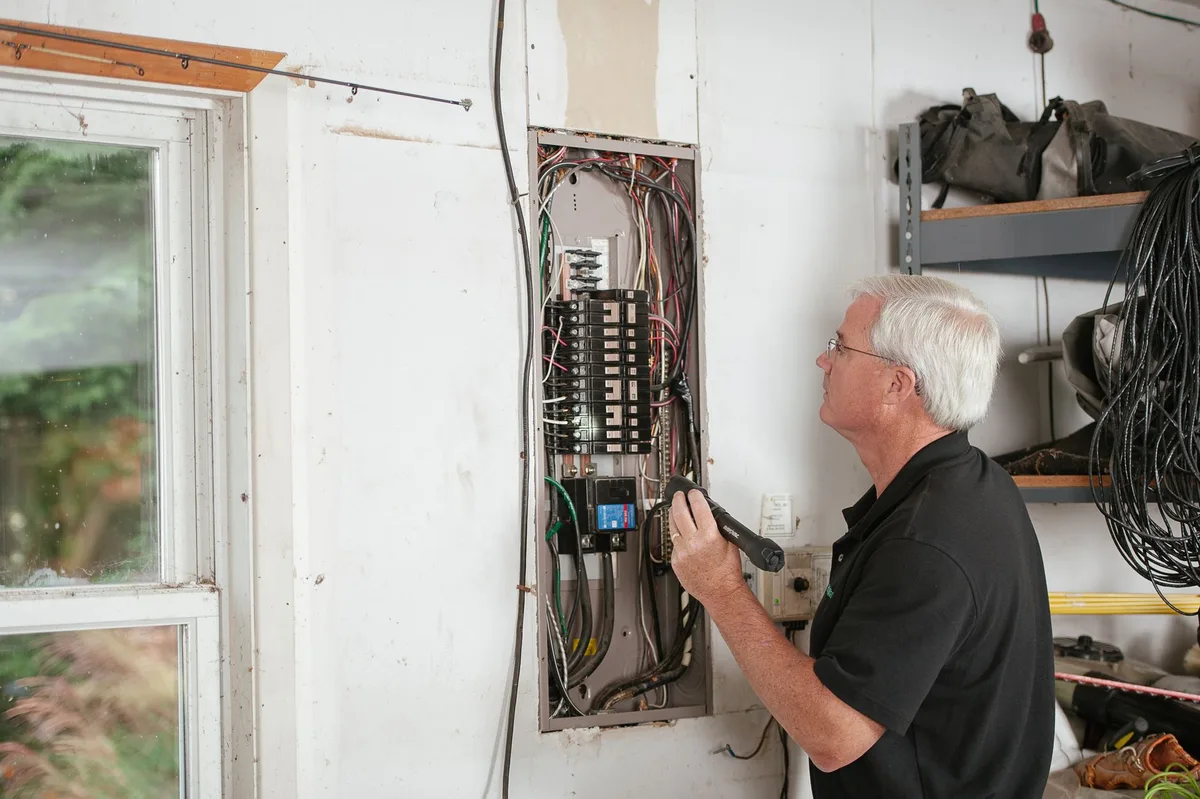
When the number falls sharply, you've found the circuit. The fuse label or wiring diagram tells you which system it feeds. Follow these steps:
- Note the starting total draw in milliamps.
- Pull one fuse and check if the reading drops.
- If it holds steady, reinsert that fuse and move on.
- When a fuse causes a big drop, that circuit holds your problem.
Common offenders include a stuck glovebox light, a trunk lamp, a faulty relay, or an aftermarket accessory. A failed alternator diode can also back-feed current. If your suspect is the charging system, testing the rectifier diodes rules it in or out.
Work methodically and give each fuse pull a few seconds. Some circuits react slowly. Rushing makes you miss the drop.
Mistakes That Give You a False Reading
Most "scary" draw readings are testing errors, not real faults. Avoid these common traps and your number will make sense.
- Measuring too soon. Modules need 30 to 45 minutes to sleep. Read early and you'll see a wildly high number.
- Opening a door mid-test. That wakes everything and restarts the sleep clock.
- Using the wrong meter jack. The volts jack won't read amps, and the amps jack has a fuse limit.
- Leaving a light or accessory on. A phone charger or dome light skews the whole reading.
One more subtle error: a bad ground connection at the meter. Loose leads add resistance and throw off the reading. If your numbers bounce around, check your connections before trusting them.
When It's Not the Draw: Battery and Alternator Checks
Sometimes 50 mA is innocent and the battery itself is the problem. A worn battery dies overnight even with a perfect draw. Rule it out before you tear into the wiring.
Start with a resting voltage check. A fully charged battery reads about 12.6 volts after sitting. Anything near 12.4 or below means it's low or failing.
Next, look at the charging side. If the alternator undercharges, the battery never fully recovers between drives. Confirming the normal charging output takes two minutes with a meter.
A weak crank can also point at the starter, which our starter test guide helps confirm.
Safety Warnings Before You Touch the Meter
A few precautions keep you and your meter safe. Automotive batteries push serious current, and mistakes cook fuses fast.
- Never crank the engine with the meter inline on the amps setting. The starter surge blows the internal fuse instantly.
- Respect the meter's amp fuse rating, usually 10A. Parasitic draw is tiny, but a mistake can overload it.
- Disconnect the negative cable last and reconnect it first. This limits accidental shorts.
- Wear eye protection near the battery. Lead-acid cells can vent gas.
One more heads-up. Disconnecting the battery can wipe radio codes, window auto-up settings, and stored presets. Have your radio code ready before you pull the cable.
Cold and Hot Climate Effects on Draw and Battery Life
Temperature changes the whole equation, even when your draw stays put. Cold weather is the big one. A battery loses a chunk of its usable capacity as the mercury drops.
At freezing, a battery may deliver only 65 to 70% of its rated power. So a 50 mA draw that's harmless in summer can strand you in January. Our breakdown of cold-weather battery behavior explains why crank numbers sag.
Heat is sneakier. High temperatures speed up internal wear and self-discharge. Your battery may test fine, then fail suddenly after a hot summer.
If your car lives in an extreme climate, keep the battery newer and check it more often.
Quick Fixes for Cars That Sit: Maintainers and Disconnect Switches
If your draw is normal but the car sits, you don't need to chase anything. You just need to keep the battery topped up. Two simple tools solve this.
- A battery maintainer (trickle charger) keeps the battery full during long parking. It offsets the standby draw automatically. This is the go-to fix for stored classics, RVs, boats, and seasonal rides.
- A battery disconnect switch cuts the draw entirely. Flip it off and the parasitic load stops. Just remember you'll reset clocks and presets each time.
For most people, a maintainer is the easier choice. Plug it in, forget it, and the battery stays healthy for months. A disconnect switch suits vehicles parked for very long stretches or ones stored without power access.
If you'd rather not add hardware, just drive the car once a week. A 20-minute run recharges what a normal draw pulls down.
When to Stop DIY-ing and See a Technician
Call in a pro when the draw stays high after the obvious checks. Some faults hide inside modules that won't sleep, and those need a scan tool to trace.
Book a technician if any of these apply:
- The draw sits above 100 mA after a full sleep cycle, and fuse-pulling finds nothing.
- A module keeps waking the car repeatedly, which points to a network communication fault.
- You smell heat, see melted insulation, or find corroded wiring.
- The battery keeps dying even with a confirmed normal draw and a good charging system.
A shop can watch the CAN bus and see which module refuses to power down. That kind of diagnosis is tough without the right gear. There's no shame in handing it off once you've done the basics.
Frequently Asked Questions
Is 50 milliamps enough to drain a car battery overnight?
No, not overnight. A 50 mA draw removes about 1.2 amp-hours per day. A healthy battery holds far more than that.
It would take roughly two to three weeks of sitting to reach a no-start condition.
What is the maximum acceptable parasitic draw?
Most healthy vehicles sit between 25 and 85 mA once fully asleep. Older, simpler cars should stay near 25 to 35 mA. Loaded modern cars can reach 85 mA and still be fine.
Above 100 mA usually points to a fault.
How long should I wait before measuring parasitic draw?
Wait at least 30 to 45 minutes after locking the car. Modules stay awake and finish tasks before powering down. Measure too soon and you'll see an inflated reading.
Some vehicles take even longer to fully sleep.
Why is my parasitic draw high after a new accessory install?
A hardwired dash cam, alarm, amplifier, or tracker adds steady standby current. Poor wiring or a bad ground makes it worse. If your draw jumped right after an install, check that circuit first before suspecting anything else.
The Verdict: Reading Your Number With Confidence
So, is 50 mA a problem? For most modern cars driven regularly, no. It sits right in the normal band and won't touch a healthy battery.
The number only turns dangerous when the battery is old, small, or the car sits for weeks. Match your reading to your battery and your driving habits. That's the whole answer.
If your draw is normal but the battery keeps dying, look at the battery and charging system, not the wiring. And if it climbs past 100 mA with no clear cause, let a technician trace it. You've got the tools and the logic to make the call with confidence.

Similar Posts