Dead Car Battery Voltage: What the Numbers Really Mean
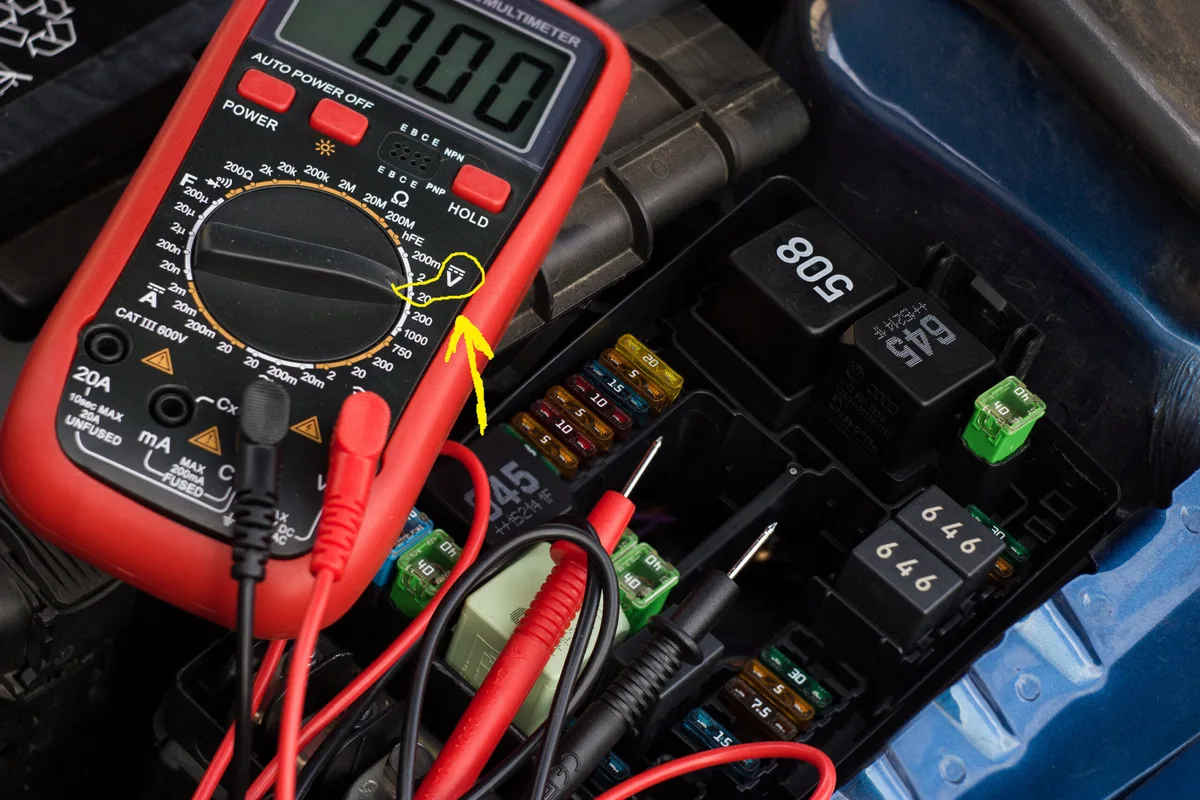
Nothing turns a normal morning sideways faster than a car that won't start. If you've got a multimeter in hand, the dead car battery voltage question comes down to one number: anything below 11.9 volts at rest means your battery is discharged, and below 10.5 volts it's conventionally dead. But that single reading only tells part of the story.
The tricky part is that voltage lies under the wrong conditions. A battery can show 12.5 volts on the meter and still collapse the moment the starter kicks in. Per SAE J537 testing conventions, a healthy battery must hold roughly 9.6 volts while cranking.
So before you buy a new battery, let's walk through what your reading actually means.
Quick Answer
A dead car battery reads below 11.9 volts at rest. A fully charged battery shows 12.6 volts or higher. Readings under 10.5 volts usually mean a failed cell.
Healthy batteries also stay above 9.6 volts while cranking. Anything lower means recharge, test, or replace.
Those thresholds assume a true resting voltage, measured after the car sits for hours. Measure right after driving and you'll get an inflated number that means very little. That's why the chart below matters, and why how you test matters even more.
Car Battery Voltage Chart: Resting Voltage vs. State of Charge
A standard 12V lead-acid battery is really six cells wired in series. Each cell produces about 2.1 volts, which is why a full battery reads 12.6 volts, not 12.0. That 0.6-volt gap confuses a lot of people, and it's exactly where bad diagnoses start.
Here's the chart our research keeps coming back to for a flooded lead-acid battery at rest, around 70°F:
| Resting Voltage | State of Charge | What It Means |
|---|---|---|
| 12.6V or higher | 100% | Fully charged and healthy |
| 12.4V | ~75% | Usable, but undercharged |
| 12.2V | ~50% | Low. Recharge soon |
| 12.0V | ~25% | Deeply discharged |
| 11.9V or below | Discharged | Effectively dead for starting |
| Below 10.5V | Failed | Likely a dead cell |
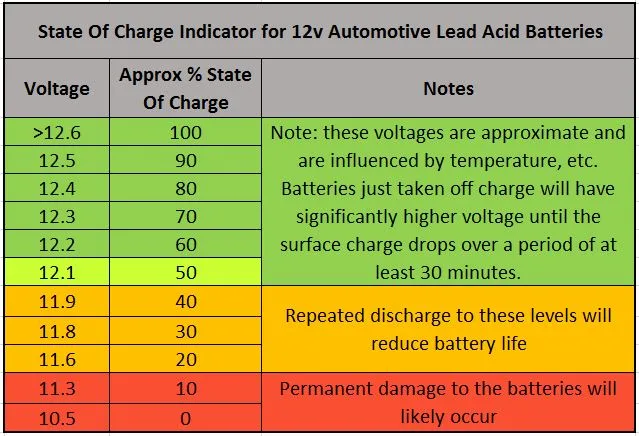
Notice how compressed the scale is. The entire working range of your battery lives inside about 0.7 volts. A drop from 12.6 to 12.2 sounds trivial, but it means you've lost half your charge.
If you're fuzzy on why the system runs at 12 volts in the first place, our plain-English breakdown of the standard automotive voltage fills in that background.
Two caveats before you treat this chart as gospel. AGM batteries rest slightly higher, closer to 12.8 volts when full. And temperature shifts every number on this table, which we'll cover later.
Why Your Battery Reads 12.4V but Still Won't Start
Because voltage measures electrical pressure, not capacity. A worn battery can hold a decent resting voltage with almost no current behind it. It's like a tire that holds 35 psi until you actually drive on it.
Three things cause this healthy-looking-but-dead pattern:
- Surface charge. Right after driving or charging, the plates hold a temporary charge that inflates readings by 0.3 to 0.5 volts. A battery showing 12.6V fresh off the alternator might be a 12.2V battery underneath.
- Sulfation. When a battery sits discharged, lead sulfate crystals harden on the plates. Voltage recovers after charging, but the plates can't deliver amps anymore.
- Internal damage. Corroded grids and shed plate material shrink the battery's active area. Resting voltage looks fine. Cranking voltage falls off a cliff.
This is why cranking amps matter as much as volts. A starter motor pulls 150 to 400 amps for a second or two. Delivering that surge is what cold cranking ratings actually measure, and it's the ability that fades first as a battery ages.
The takeaway is simple. Never condemn or clear a battery on resting voltage alone. You need the reading under load too, which is exactly what the test below gives you.
How to Test Your Battery's Voltage the Right Way
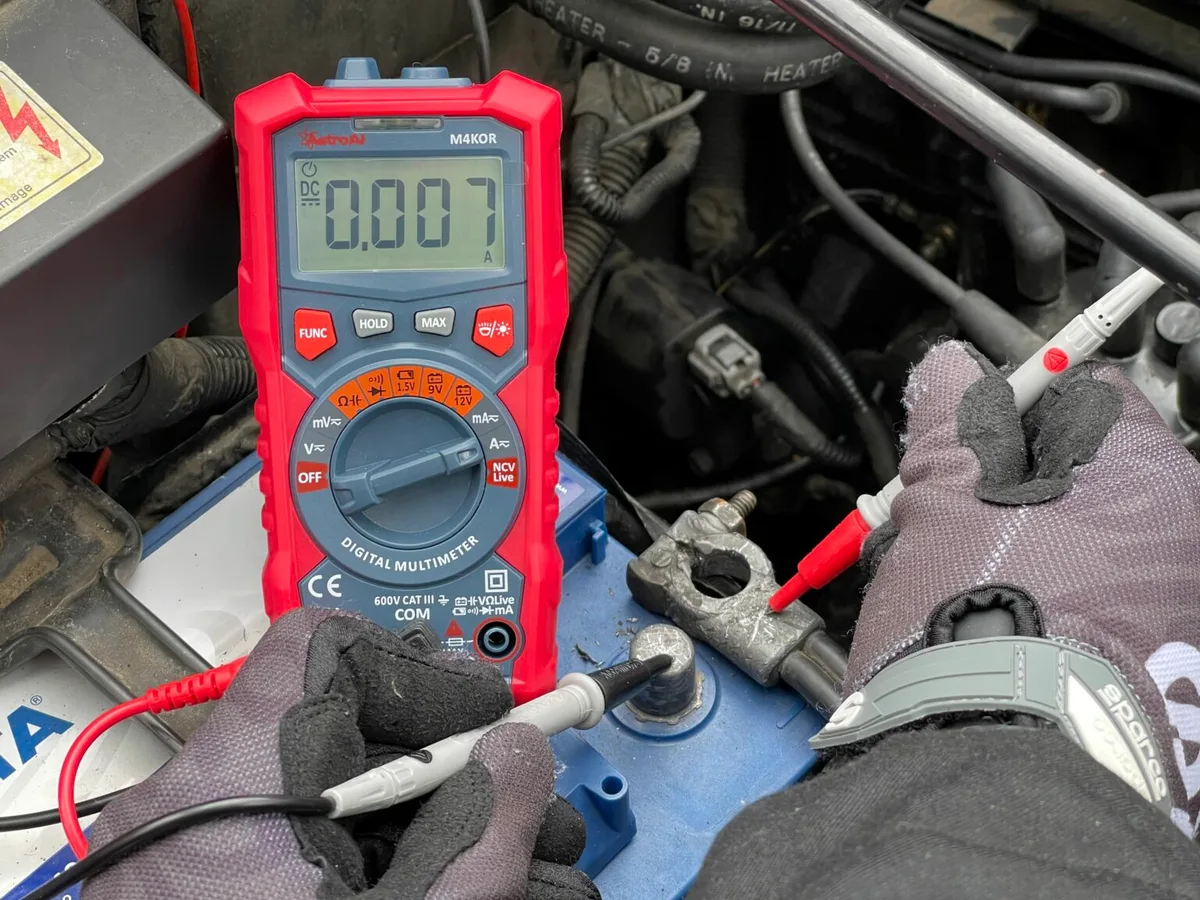
You need a digital multimeter, ten minutes, and ideally a helper for the cranking test. A basic $15 meter is plenty accurate for this job. If you've never held one before, our beginner walkthrough on using a meter for the first time covers the basics in more depth.
Step 1: Let the Car Sit and Burn Off Surface Charge
Test after the car has sat for at least 4 hours, overnight if possible. If you can't wait, turn the headlights on for 30 to 60 seconds, then off. Wait two minutes.
That burns off the surface charge and gets you an honest resting number.
Step 2: Set Up Your Multimeter (DC Volts, 20V Range)
Turn the dial to DC volts, the setting marked V with a straight line. On a manual-ranging meter, pick the 20V range. Pick AC volts by mistake and you'll get garbage readings, a mix-up we explain fully in our guide to that DCV dial setting.
Step 3: Read and Record Your Resting Voltage
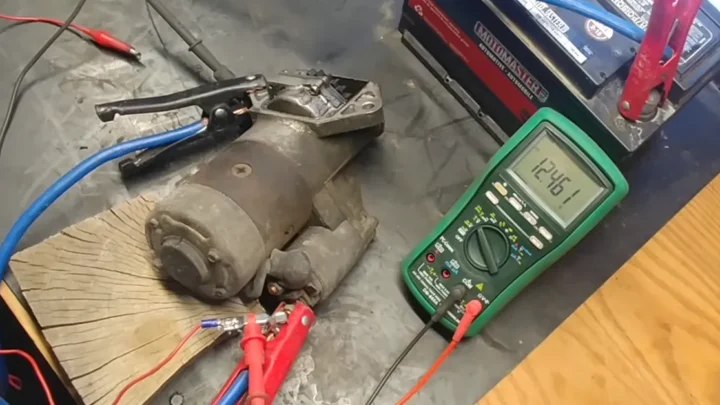
Touch the red probe to the positive terminal and the black probe to the negative terminal. Press firmly on clean metal, not corrosion. Write the number down to two decimal places.
If the display shows a negative number, your probes are just reversed, and the reading is still valid.
Not sure what the digits are telling you? Our primer on making sense of the display sorts that out quickly.
Step 4: Run a Cranking Voltage Test
Keep the probes on the terminals while a helper cranks the engine for a few seconds. Watch the lowest number the display hits. A healthy battery stays at or above 9.6 volts.
A dip into the 8s or lower means the battery can't deliver current, no matter how good its resting voltage looked.
What Your Voltage Reading Actually Tells You: The Decision Tree
Now take your resting number and follow the branch that matches. This is where a reading turns into a decision. As of 2026, replacement batteries run $100 to $250, so it pays to get this call right.
12.6V or Higher: Battery's Fine, Look Elsewhere
If the battery rests at 12.6V and holds 9.6V while cranking, stop suspecting it. Your no-start problem lives somewhere else. Check for corroded terminals, a failing starter, or a charging system fault.
Understanding how the battery does its job inside the bigger electrical system helps you see what else could be failing.
12.2V to 12.5V: Recharge, Rest, and Retest
The battery is low but not dead. Charge it fully with a proper charger, not just a drive around the block. Let it rest 4 hours, then retest.
If it holds 12.4V or better, keep it and figure out why it drained. If it sags back down, the battery is losing capacity.
11.9V to 12.1V: Deeply Discharged, Recoverable but on Notice
If the battery reads here, it's flat but often savable. Charge it slowly at 2 to 10 amps overnight. Then load test it or run the cranking test again.
One deep discharge shaves some life off a flooded battery. Two or three usually finish it.
10.5V to 11.8V: Charge It Once, Then Load Test
This is severe discharge territory, where sulfation sets in fast. Some smart chargers refuse to start below roughly 10.5 volts, so you may need a charger with a recovery mode. Give it one full charge and one honest load test.
If it fails or won't accept a charge, replacement beats repeat rescue attempts.
Below 10.5V: Likely a Dead Cell, Here's How to Confirm
A reading near 10.5V often means one of the six cells has shorted, dropping the battery to five working cells at about 2.1 volts each. Confirm it by charging fully and rechecking. If the battery tops out around 10.5V after a complete charge, a cell is gone.
No charger fixes that. Per Battery Council International guidance, a failed lead-acid battery should go back to a retailer for recycling, since nearly all of its lead and plastic gets recovered.
Recharge, Jump-Start, or Replace: Picking the Right Fix
The right fix depends on two things: how low the battery went, and why it went there. Match your situation to the rows below before spending a dime.
| Situation | Best Fix | Why |
|---|---|---|
| Lights left on, battery under 3 years old | Slow recharge | One-off drain, plates likely fine |
| Need to leave now, battery otherwise healthy | Jump-start, then drive 30+ minutes | Gets you moving, but won't fully recharge it |
| Reads 12.4V after a full charge and rest | Keep it, find the drain | Battery holds charge, something else is draining it |
| Won't hold 12.4V after charging | Replace | Capacity is gone, recharging is a loop |
| Tops out near 10.5V on a charger | Replace | Dead cell, unfixable |
| Three or more jump-starts this season | Replace | Each rescue is borrowing time |
A jump-start deserves its own warning. It starts the engine, but it doesn't fix anything. The alternator is built to maintain a charged battery, not to bulk-charge a flat one.
Idling in the driveway for ten minutes after a jump restores almost nothing.
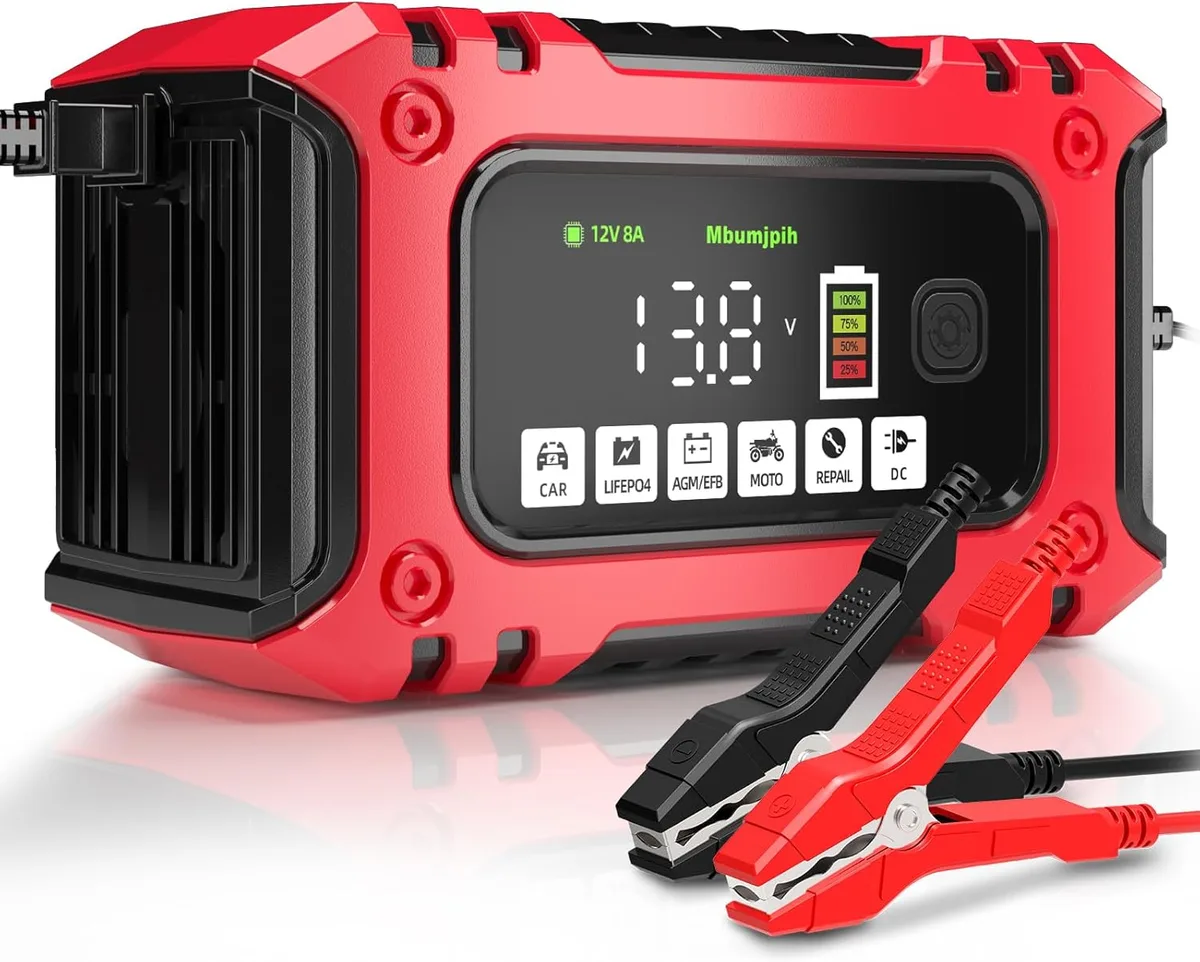
If the battery went flat, put it on a proper charger at 2 to 10 amps until full. Aggregate charger specs put a full recharge from 11.9V at 6 to 12 hours on a typical 8-amp unit. Slow is genuinely better here, since high amperage into a deeply discharged battery builds heat and warps plates.
Age tips the decision too. A flooded battery typically lasts 3 to 5 years, and our data on typical replacement timelines shows deep discharges shorten that fast. If a 4-year-old battery goes flat once, replacement is usually smarter than rescue.
Is It Really the Battery? Ruling Out the Alternator, Starter, and Terminals
If your battery passed the resting and cranking tests, the problem is upstream or downstream of it. Three suspects cause most misdiagnosed "dead battery" calls.
Check the Terminals First (60 Seconds)
Corroded or loose terminals mimic a dead battery perfectly. The battery can be at 12.6V while white-green crust blocks the current path. Wiggle each clamp.
If it moves at all, or you see buildup, clean both posts with a wire brush and retighten before testing anything else.
Here's the telltale: voltage measured on the posts reads fine, but voltage measured on the cable clamps drops. That gap is resistance at the connection, not a battery problem.
Test the Alternator (2 Minutes)
Start the engine and put your probes back on the battery. You should see 13.7 to 14.7 volts at idle. That's the alternator feeding the system.
If the reading stays around 12.6V or lower with the engine running, the alternator isn't charging. The battery has been running the whole car alone and draining down. Replacing the battery would fix nothing for about a week.
Above 14.8V is a problem too. An overcharging alternator boils electrolyte and cooks batteries. Either way, the fix is the charging system, not the battery.
Listen to the Starter
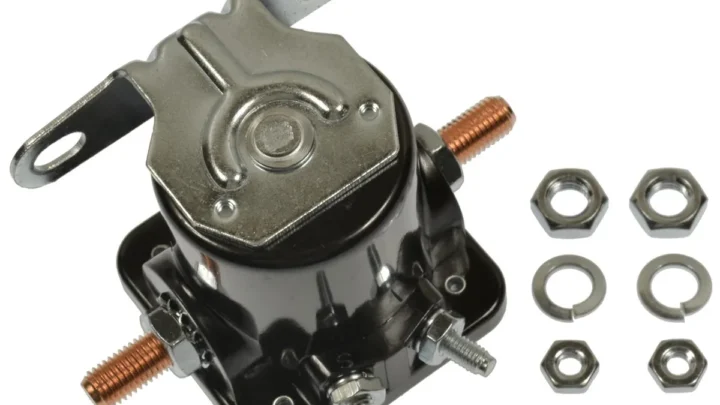
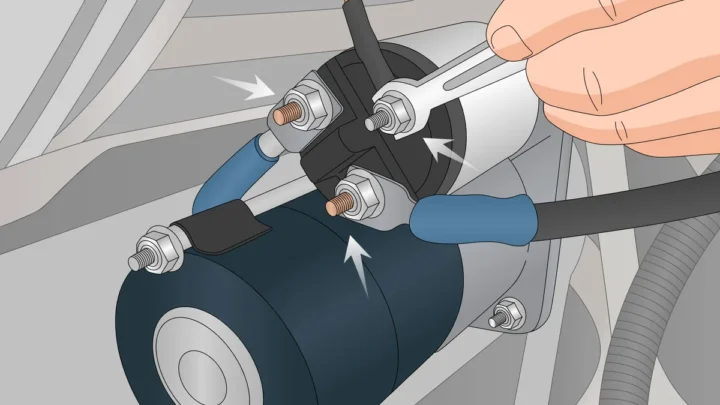
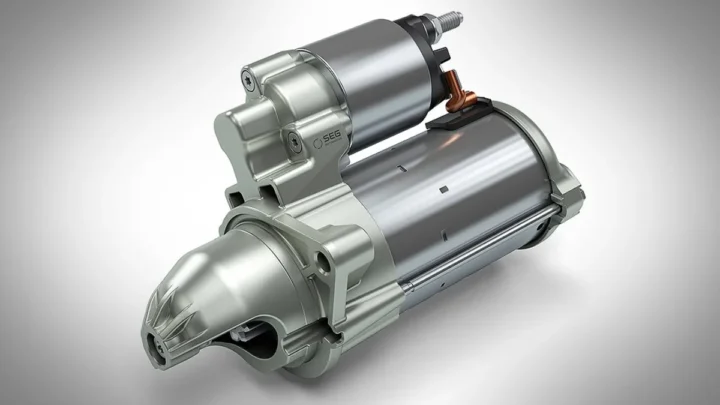
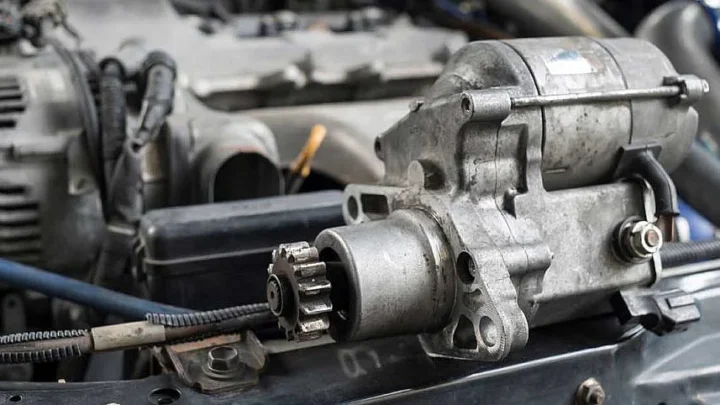
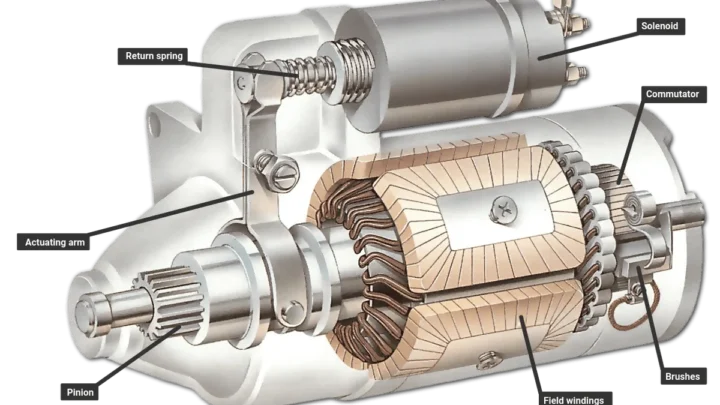
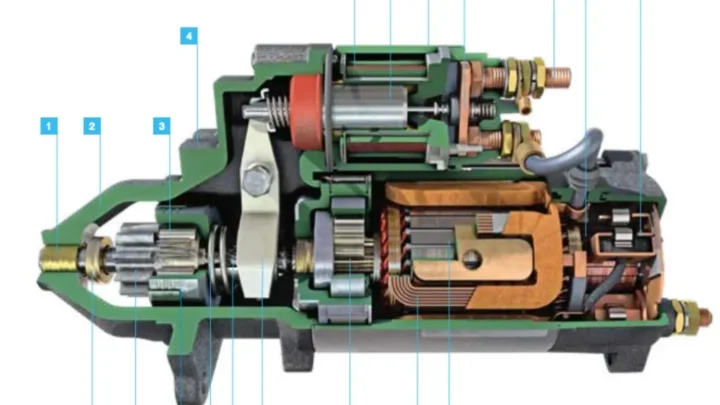
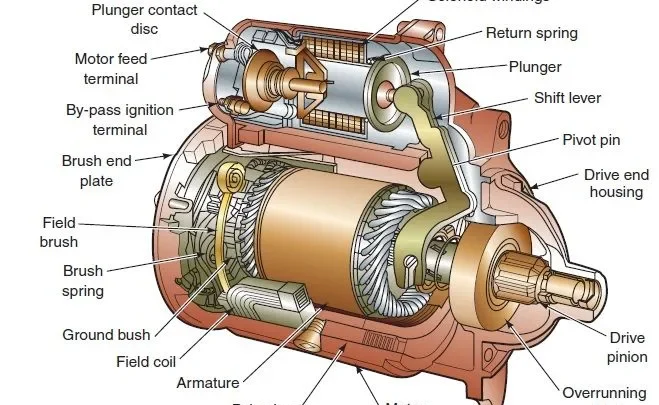
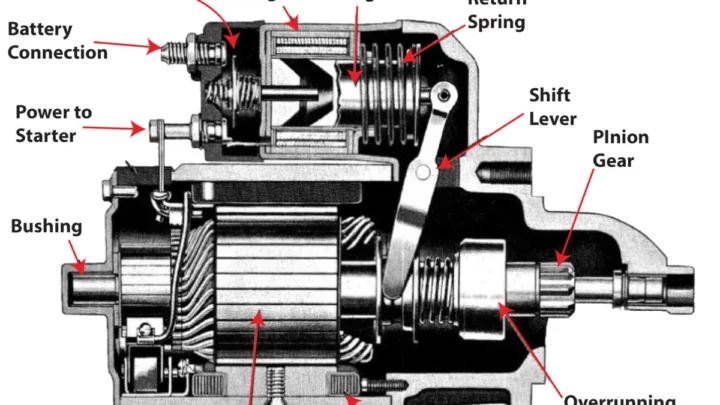
A single loud click with good battery voltage points at the starter solenoid or motor. Rapid machine-gun clicking points at low voltage, so back to the battery or connections. Silence with working dash lights often means the starter circuit, an ignition switch, or a neutral safety switch.
If the engine cranks strong but never fires, stop blaming electrics. That's a fuel or spark problem, and your battery just proved itself innocent.
Why Your Battery Keeps Dying: Finding a Parasitic Drain
If a healthy battery keeps going flat overnight, something is drinking from it while the car sleeps. Every modern car draws a little key-off current for the clock, alarm, and computer memory. Normal draw is under 50 milliamps, with some newer vehicles acceptable up to about 85 mA.
Anything beyond that will flatten a battery in days. A 500 mA drain kills a mid-size battery in under a week. Common culprits, in the order our research says to check them:

Similar Posts