How Long Does a Car Battery Last? What to Know
Your car battery will die eventually, and how long does a car battery last really comes down to your climate, your driving habits, and the type of battery under the hood. Most drivers get somewhere between three and five years, but that range hides a lot. A battery baking in Arizona heat plays by different rules than one in a mild coastal town.
That's why a single number never tells the whole story. As of 2026, the average 12V lead-acid battery is rated for roughly 500 to 800 charge cycles before its capacity fades noticeably. This guide walks you through the real factors that shorten or stretch that lifespan, so you can spot trouble early and replace on your terms instead of stranded in a parking lot.
Quick Answer
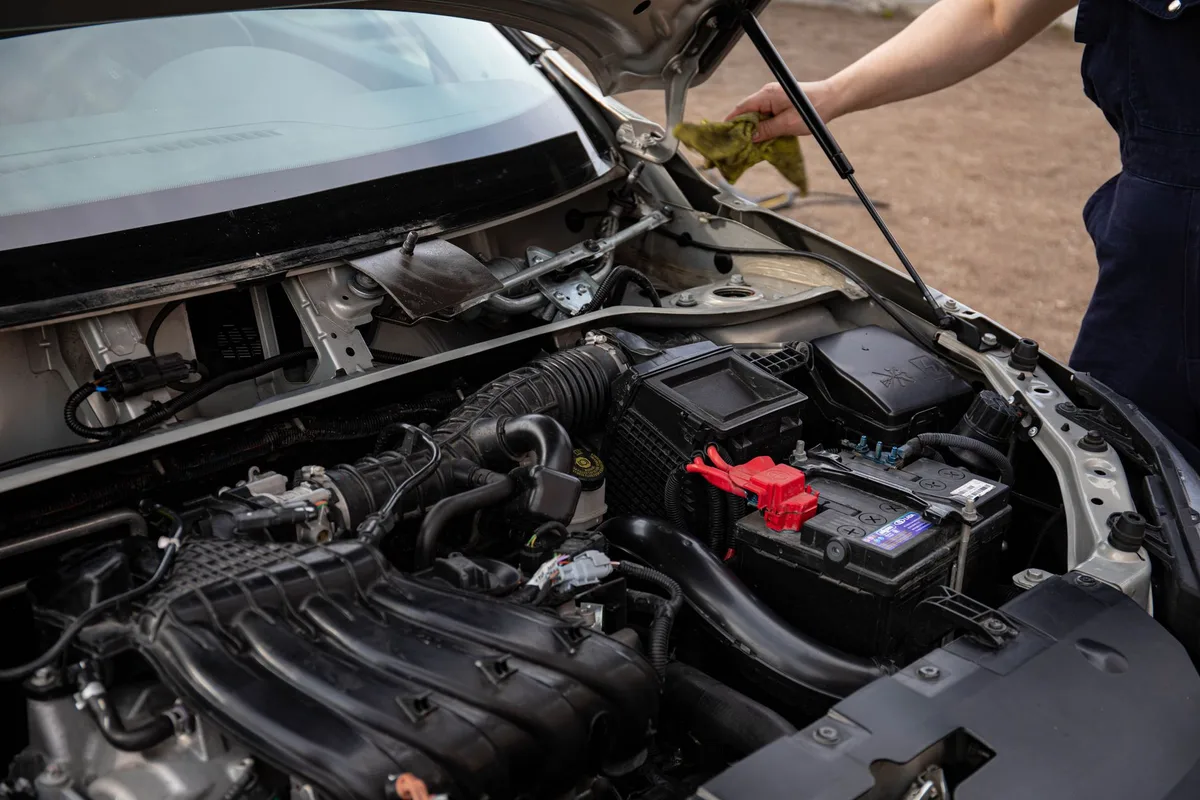
A car battery lasts about three to five years on average. Hot climates cut that to two or three years. Mild climates can push it past six.
Short trips and frequent stop-start driving shorten battery life. Regular highway driving and a healthy charging system extend it.
What "Battery Lifespan" Really Means for Your Car
Battery lifespan isn't the day it goes fully dead. It's the point where the battery can no longer reliably start your engine. Long before it quits completely, its capacity fades.
Every 12V starter battery stores energy through a chemical reaction between lead plates and a sulfuric acid electrolyte. Each start pulls a big burst of current. The alternator then recharges the battery as you drive.
Over hundreds of these cycles, the plates wear and sulfate crystals build up. That's normal aging. A brand-new battery might crank strong at 600+ cold cranking amps (CCA), the rating for starting power in freezing conditions.
A worn one delivers a fraction of that, even while showing 12.6 volts at rest.
Here's the catch. A battery can read close to full voltage and still fail under load. That gap between a decent resting reading and weak cranking power is where most surprise breakdowns happen.
If you've ever dealt with a fully drained battery, you know voltage alone can be misleading.
The 6 Things That Decide How Long Your Battery Lasts
No two batteries age the same way. Six factors do most of the heavy lifting. Nail these and you'll understand exactly why your battery lasts as long as it does.
Climate and Heat
Heat is the number one battery killer, not cold. High temperatures speed up the reactions inside and evaporate the electrolyte. That accelerates plate corrosion and internal wear.
In hot regions like Arizona, Nevada, and Texas, two to three years is common. Cold gets blamed more often because that's when a weak battery finally fails. But the damage was usually done during summer.
Your Driving Habits (Short Trips vs. Highway)
Short trips quietly starve your battery. A cold start pulls a lot of current, and a five-minute drive doesn't give the alternator time to recharge it. Do that daily and the battery lives in a chronic state of undercharge.
That leads to sulfation, which permanently cuts capacity. Highway driving does the opposite. Longer runs keep the battery topped up and healthy.
Battery Type (Flooded, EFB, AGM, Lithium)
The technology matters. Standard flooded (SLI) batteries are cheapest and shortest-lived. AGM (Absorbent Glass Mat) batteries handle heat, vibration, and heavy electrical loads far better, so they usually last longer.
EFB (Enhanced Flooded Battery) sits in the middle, built for basic start-stop cars. Lithium starter batteries last longest but cost the most. We break these down fully later.
Electrical Load and Modern Electronics
Modern cars ask a lot of their batteries. Heated seats, big infotainment screens, dashcams, and aftermarket audio all draw power. The more load, the harder the battery works.
Something running while the car is off creates a hidden electrical drain that slowly flattens the battery overnight. Even 50 milliamps key-off is roughly the safe ceiling. Anything higher shortens life fast.
Charging System Health
Your battery is only as healthy as the alternator feeding it. If the alternator undercharges, the battery never fills up. If it overcharges, it cooks the electrolyte.
A healthy charging system holds around 13.8 to 14.7 volts while running. If yours reads outside that, the system isn't charging properly and your battery pays the price.
Maintenance and How the Car Sits
Batteries hate sitting unused. A parked car still has a small parasitic draw, and self-discharge does the rest. Leave a car for a few weeks and you may return to a no-start.
Loose or corroded terminals add resistance and stress the whole system. Simple upkeep, clean terminals and an occasional voltage check, adds real months to a battery's life.
Find Your Situation: A Quick Decision Guide
Battery life is personal. Find the profile that fits you, then follow the "if this, then that" advice below. This is the fastest way to know what to expect.
| Driver Profile | Typical Lifespan | Biggest Risk | Smart Move |
|---|---|---|---|
| Hot-climate, short trips | 2 to 3 years | Heat + undercharge | Test yearly after year 2 |
| Cold-climate daily | 4 to 5 years | Weak winter cranking | Check CCA before winter |
| Weekend / stored car | 3 to 6 years | Self-discharge | Use a battery maintainer |
| Start-stop / high-tech | 3 to 5 years | Wrong replacement type | Match AGM or EFB exactly |
Hot-Climate, Short-Trip Drivers
If you live somewhere hot and mostly run errands, plan for the short end. Two to three years is realistic. Start testing your battery once a year after the two-year mark.
If your commute is under 15 minutes, an occasional longer drive or a weekend top-up charge helps offset the chronic undercharge.
Cold-Climate Daily Drivers
If you drive daily in a cold region, winter will expose any weakness. Cold thickens the oil and cuts available cranking power. A tired battery that coped all summer can fail on the first freezing morning.
Test your battery's CCA before winter hits. If cranking already feels sluggish, replace it before the cold does it for you.
Weekend and Seasonally Stored Cars
If your car sits most of the week, self-discharge and parasitic draw are your real threats, not mileage. A battery can be mechanically fine and still die from sitting flat.
A battery maintainer (trickle charger) is the answer. It holds the charge without overcharging, and it's the best tool for stored or seasonal vehicles.
Start-Stop and High-Tech Vehicles
If your car has automatic start-stop, it almost certainly uses an AGM or EFB battery. These cycle far more often than a standard car battery. Never replace one with a cheap flooded battery.
It will fail within months and may confuse the car's electronics.
Many of these vehicles also need the new battery registered to the battery management system. Skip that step and the charging profile stays wrong.
Warning Signs Your Battery Is on Its Way Out
Batteries usually warn you before they quit. Catch these signs and you can replace on your schedule. Watch for the following:
- Slow or sluggish cranking when you start the engine
- A single click or repeated clicking instead of a start
- Dashboard lights or headlights that dim or flicker
- A swollen or bulging battery case (a heat-damage red flag)
- Electronics glitching, screens resetting, or windows moving slowly
- A battery or charging warning light on the dash
- The battery is simply past four or five years old
Slow cranking is the most common early tell. If the engine turns over lazily, that sluggish cranking often points straight at a weak battery. A quick voltage check confirms it.
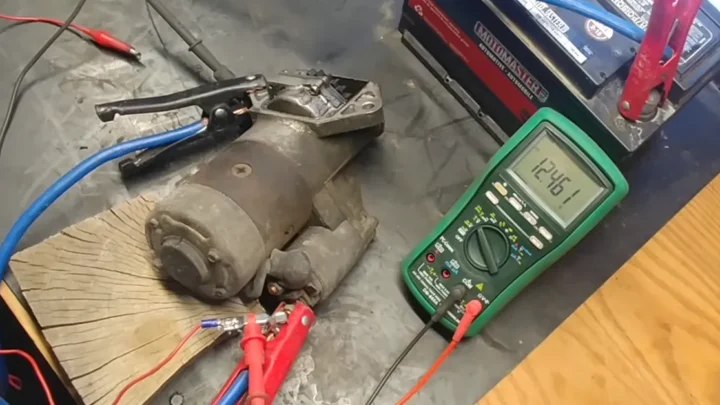
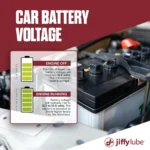
Here's a useful benchmark. A healthy battery reads about 12.6 volts at rest with the engine off. Around 12.4 volts is still a fine resting reading, but drop toward 12.2 or 12.0 and capacity is fading.
If you're unsure whether the battery or the charging system is at fault, a simple multimeter test sorts it out fast. According to the trade group Battery Council International, lead-acid automotive batteries also remain among the most recycled consumer products, so a dead one is easy to dispose of responsibly.
How to Test Your Battery's Health at Home
You don't need a shop to check your battery. A basic multimeter and five minutes tell you most of what you need. Testing beats guessing, especially once a battery passes the three-year mark.
Reading Voltage With a Multimeter
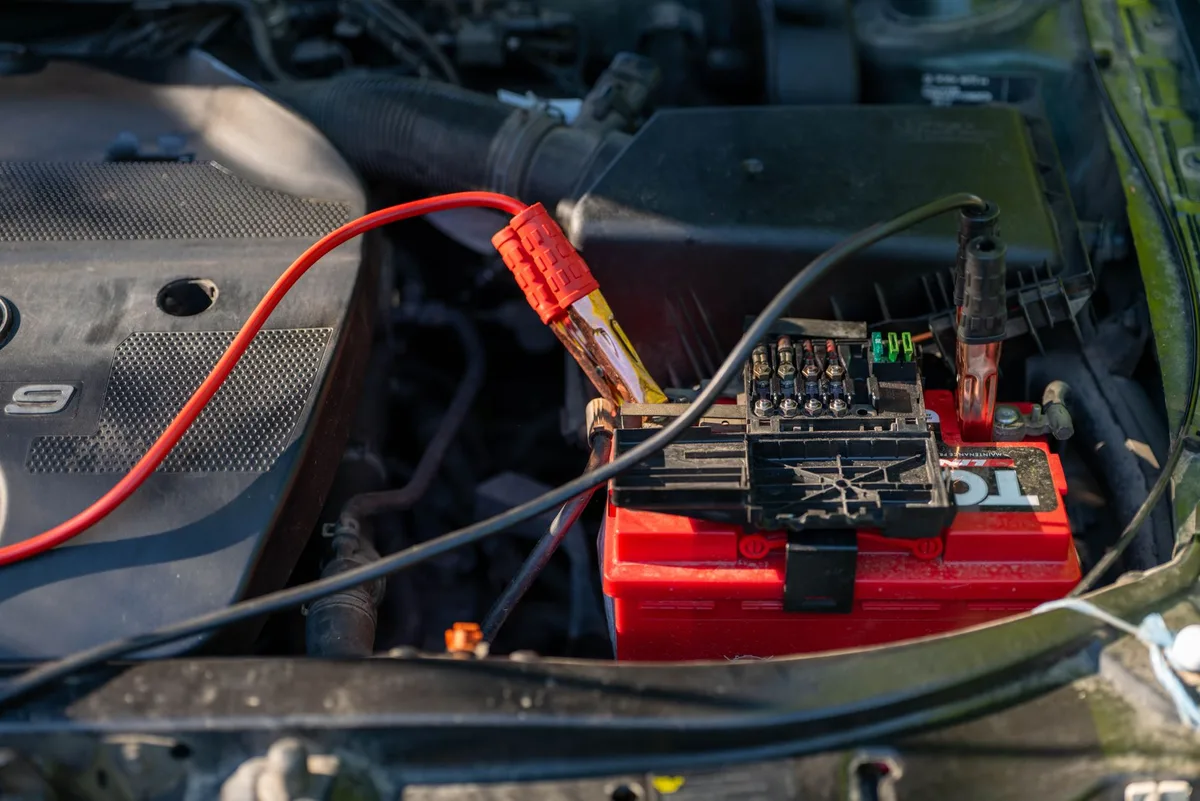
Set your multimeter to 20V DC and touch red to positive, black to negative. Do this with the engine off, ideally after the car has sat a few hours. If you're unsure of the dial, our guide on the right multimeter setting clears it up in seconds.
Here's how to read the number:
| Resting Voltage | State of Charge |
|---|---|
| 12.6V+ | 100% (healthy) |
| 12.4V | ~75% |
| 12.2V | ~50% |
| 12.0V | ~25% (weak) |
| Below 11.9V | Nearly flat |
A reading in the low 12s means the battery is undercharged or aging. Knowing what a low reading means helps you decide fast.
Load Testing and CCA Checks
Voltage alone won't catch a dying battery. A load test will. Start the engine and watch the voltage while it cranks.
A healthy battery shouldn't sag below about 9.6 volts during cranking. If it drops far below that, capacity is gone. Excessive sag while starting usually means the battery can't hold up under real load, even if it rested at 12.5V.
Finding the Manufacture Date Code
Every battery has a date code stamped or stickered on the case. It's usually a letter and number: the letter is the month (A for January) and the number is the year. A battery made in 2021 is living on borrowed time in 2026.
If you don't have a multimeter, there are still simple checks you can run without one before you buy a replacement.
Flooded vs. EFB vs. AGM vs. Lithium: Which Lasts Longer
Battery chemistry decides both price and lifespan. Picking the right type for your car is the single biggest lever on how long it lasts. Here's how the four common options stack up.
| Type | Typical Lifespan | Best For | Rough Cost |
|---|---|---|---|
| Flooded (SLI) | 3 to 5 years | Basic older cars | $100 to $200 |
| EFB | 4 to 6 years | Entry start-stop cars | $150 to $250 |
| AGM | 4 to 7 years | Start-stop, heavy loads | $200 to $400 |
| Lithium (LiFePO4) | 8 to 12 years | Performance, weight savings | $500+ |
Flooded batteries are the cheapest and fine for simple vehicles. EFB is a tougher flooded design built for basic stop-start systems.
AGM is the sweet spot for most modern cars. It resists heat and vibration, handles deep cycling, and tolerates high electrical demand. If your car came with AGM, stick with AGM.
Lithium lasts by far the longest and weighs a fraction as much. The catch is cost and the need for compatible charging. For most daily drivers, AGM offers the best balance of price and longevity.
Mistakes That Kill Batteries Early
Most batteries don't die of old age. They get killed early by avoidable habits. Dodge these and you'll squeeze real years out of yours.
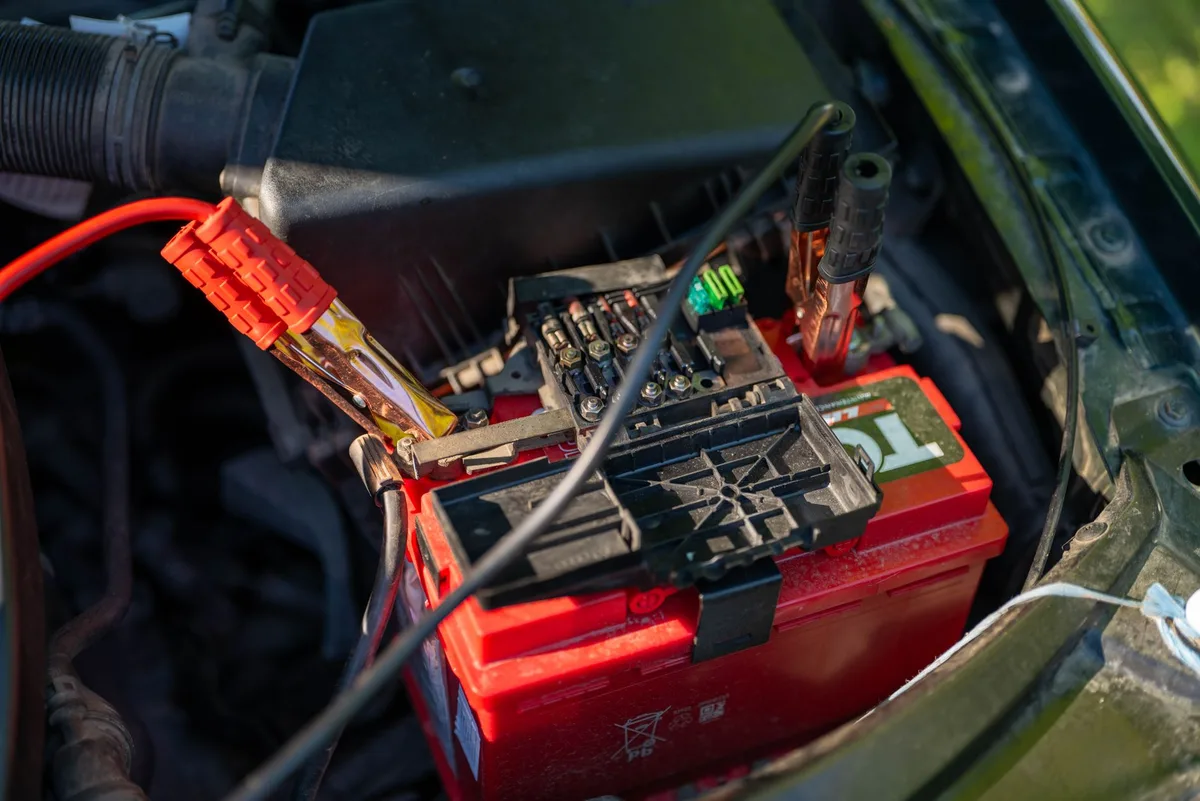
- Letting corrosion build on the terminals, which adds resistance and starves the system
- Only ever taking short trips, so the battery never fully recharges
- Leaving lights, dashcams, or accessories drawing power overnight
- Installing the wrong type, like a flooded battery in a start-stop car
- Ignoring a bad alternator that's over or undercharging
- Letting the car sit for weeks without a maintainer
Corroded terminals are the sneakiest of the bunch. That white or blue crust looks harmless but chokes current flow. A dashcam or faulty module that keeps pulling current is another quiet killer, and checking whether your draw sits in a safe range catches it early.

Similar Posts