Car Battery Charger Amp Chart: Pick the Right Setting
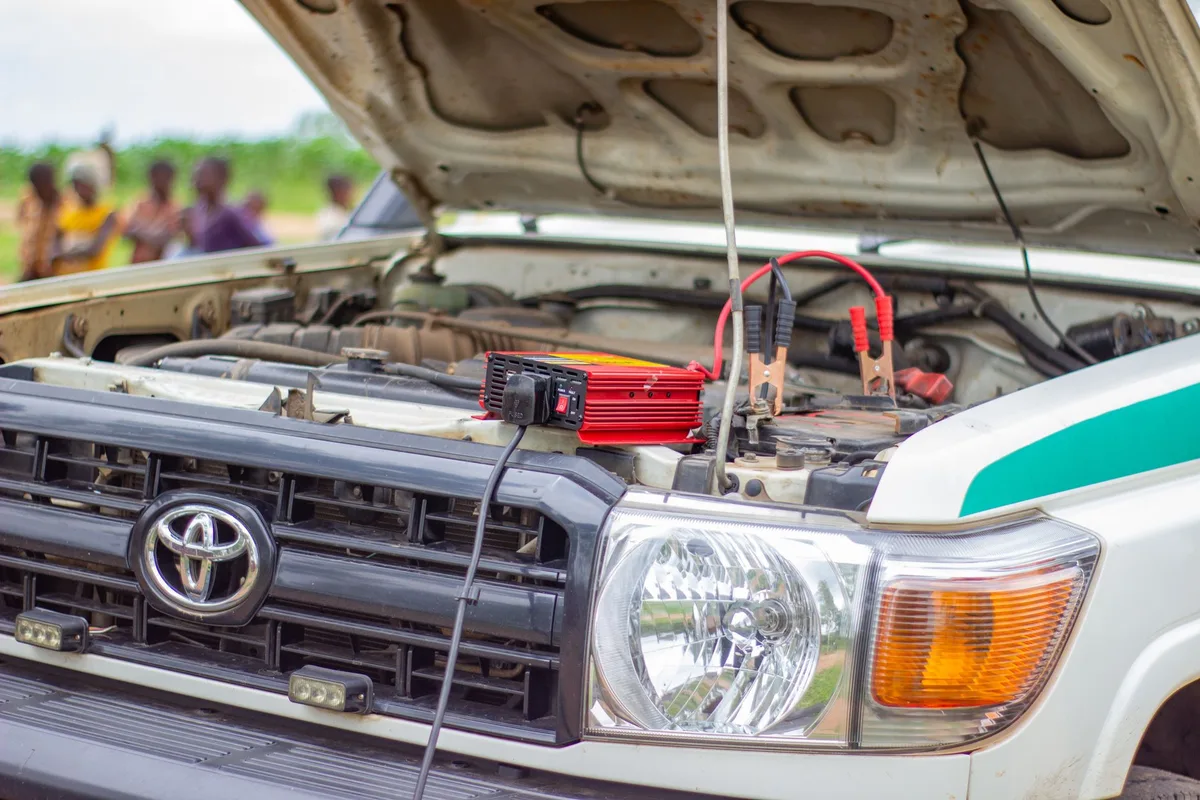
Getting the amp number right on a car battery charger amp chart is the difference between a battery that lasts five years and one that dies in two. Too few amps and you'll wait all day for a charge. Too many and you'll cook the plates, boil off electrolyte, and shorten the life of a battery you just paid good money for.
The chart is simple. Knowing which row fits your battery is the part most people get wrong.
Here's the rule the whole thing hangs on. Charge current should match battery capacity, measured in amp-hours (Ah). Battery Council International and most manufacturers point to a safe charge rate near 10 percent of a flooded battery's Ah rating, so a 50 Ah battery likes about 5 amps for a long, healthy charge.
As of 2026, smart chargers do a lot of this math for you, but the numbers still matter when you pick a setting.
Why the Right Charging Amp Matters More Than You Think
The amp setting controls how fast energy pushes back into the battery. Push too hard and the plates heat up, warp, and shed material. That lost material never comes back.
A slow charge does the opposite. It lets the chemistry catch up evenly, which reduces sulfation and keeps capacity high. The trade is patience.
Low amps mean longer charge times.
Most healthy lead-acid batteries handle a moderate rate just fine. The danger zone is a small, old, or deeply discharged battery hit with 40 amps. If your battery is already weak, a hard fast charge can finish it off.
When a fresh battery keeps letting you down, the charge rate is worth checking, and so are the deeper causes behind a battery that won't hold a charge.
Getting this right protects your wallet too. A battery charged correctly reaches its rated lifespan. One that's chronically overcharged or fast-charged rarely does.
Quick Answer
A car battery charger amp chart matches charge current to battery size in amp-hours. Charge a standard 12V car battery at 4 to 10 amps for a safe balance of speed and battery life. Use 2 amps for maintenance or small batteries.
Reserve 20 to 40 amps for fast shop charging only. Slower charging always extends battery life.
Car Battery Charger Amp Chart by Battery Size and Charge Time
Charge time depends on three things: your battery's capacity, how flat it is, and your charger's amp output. The table below shows rough times to charge a battery from 50 percent back to full. Add a little padding, since chargers lose 10 to 20 percent to heat and the final top-off is slow.
| Charger Amps | 40 Ah Battery | 50 Ah Battery | 70 Ah Battery |
|---|---|---|---|
| 2 A | ~11 hrs | ~14 hrs | ~20 hrs |
| 4 A | ~6 hrs | ~7 hrs | ~10 hrs |
| 10 A | ~2.5 hrs | ~3 hrs | ~4 hrs |
| 20 A | ~1.2 hrs | ~1.5 hrs | ~2 hrs |
| 40 A | ~40 min | ~45 min | ~1 hr |
Read the chart by your charger's real output, not its peak boost number. A "40 amp" charger often holds 40 amps for only a few minutes, then tapers down. That taper is normal and good for the battery.
Here's the quick logic:
- Got time overnight? Pick 2 to 4 amps. Gentlest on the battery.
- Need the car today? 10 amps is the sweet spot for most drivers.
- Running a shop and moving cars fast? 20 to 40 amps works, but only on healthy batteries.
One caution. These times assume a battery that's simply discharged, not damaged. If the numbers look wildly off or the battery gets hot fast, stop.
That points to an internal fault, not a slow charger. A voltage check afterward tells you whether the battery actually took the charge, and there's a simple method for confirming a battery held its charge.
How Charging Amps Actually Work: C-Rate, Ah, and the Charge Curve
Amps are a rate, not a total. Think of Ah as the size of the bucket and amps as how fast you're pouring. A 50 Ah battery holds 50 amp-hours of energy.
Charge it at 5 amps and, in a perfect world, it fills in 10 hours.
The real world adds friction. Batteries don't accept charge at a flat rate the whole way. They gulp early, then slow to a crawl near the top.
Amp-Hours vs Cold Cranking Amps
Don't confuse the two. Amp-hours (Ah) measure storage capacity, which sets your charge rate. Cold cranking amps (CCA) measure the burst of current the battery delivers to start the engine in the cold.
CCA has nothing to do with how many amps you charge at. A battery with 650 CCA might only hold 50 Ah. Use the CCA number to pick a charge rate and you'll pour in far too much current.
Always charge by Ah.
The Charge Time Formula You Can Do in Your Head
Use this quick math:
Charge time (hours) = (Ah needed) ÷ (charger amps) × 1.15
Say your 50 Ah battery is half empty. You need about 25 Ah back. At 10 amps, that's 25 ÷ 10 × 1.15, or roughly 2.9 hours.
The 1.15 covers charging losses.
This is where the C-rate comes in. A C/10 rate means charging at one-tenth of capacity, so 5 amps for a 50 Ah battery. C/10 is the gold standard for flooded batteries.
Higher C-rates charge faster but run hotter, and heat is what wears a battery down. If you've wondered why your alternator can't fully revive a dead battery, this taper is a big reason, and it ties into cases where the alternator charges but the battery still dies.
Match Your Amps to Your Battery Type
Battery chemistry changes the safe charge rate more than anything else. Set the wrong profile and you'll either undercharge or overheat the battery. Most modern chargers have a mode switch for exactly this reason.
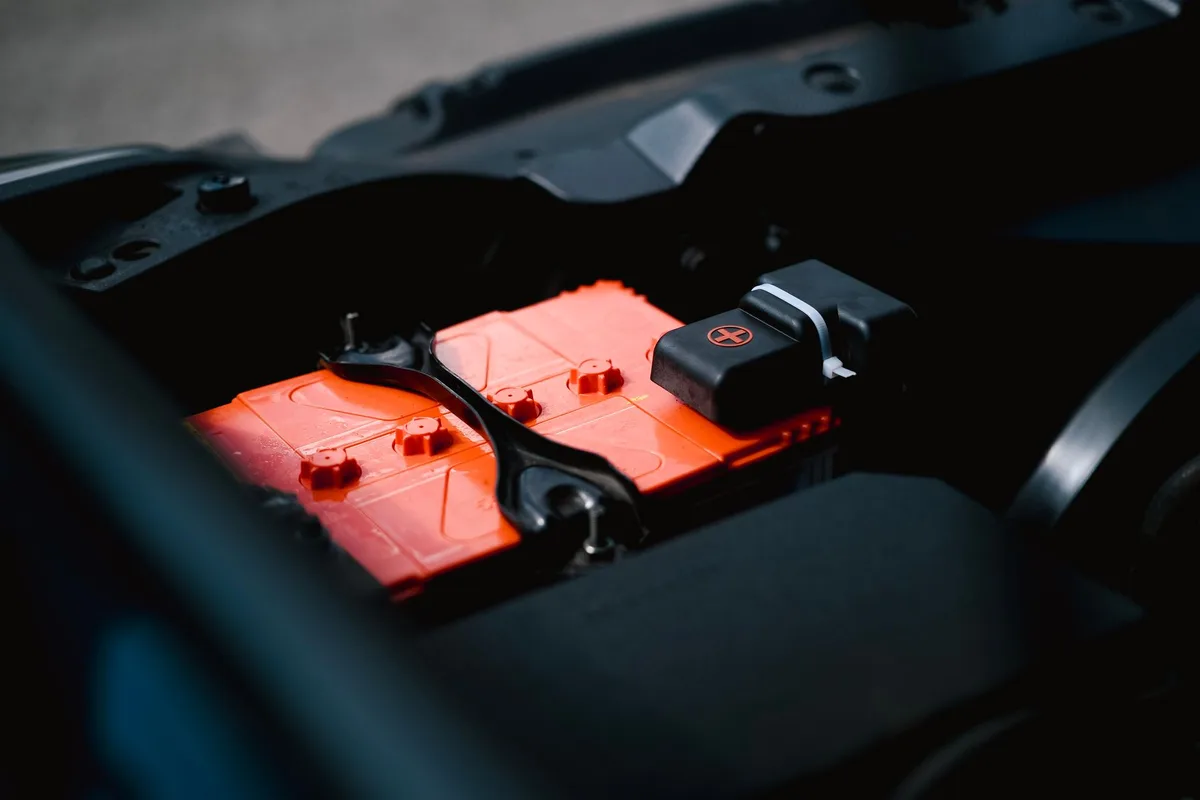
Check the battery label first. It lists the type and the Ah rating, and often the manufacturer's max charge current. That number always wins over any general chart.
Flooded Lead-Acid Charge Rates
Standard flooded batteries like a slow charge. Aim for 10 to 13 percent of the Ah rating, so 5 to 6 amps for a 50 Ah battery. They tolerate gassing better than sealed types, but overcharging still boils off water.
Keep absorption voltage near 14.4 volts and don't leave them cooking.
AGM and Gel Charge Rates
Absorbed Glass Mat (AGM) batteries accept charge faster than flooded and take higher amps safely. Still, watch the voltage, since AGM is sensitive to overvoltage. Use your charger's dedicated AGM mode when it has one.
Gel batteries are the fussiest of the group and need a low, tightly controlled voltage to avoid damage.
Lithium (LiFePO4) Charge Rates
Lithium iron phosphate batteries play by different rules. They accept high charge currents and hold voltage flat until nearly full. Never charge lithium on a lead-acid profile.
Follow the manufacturer's spec exactly, since the wrong voltage curve can trip the battery's protection or damage the cells.
Here's the fast reference:
| Battery Type | Safe Charge Rate | Notes |
|---|---|---|
| Flooded | 10 to 13% of Ah | Slow charge extends life |
| AGM | Up to 30% of Ah | Watch overvoltage |
| Gel | ~10% of Ah | Low, precise voltage |
| Lithium | Per manufacturer | Never use lead-acid mode |
When in doubt, go lower. A gentler charge rarely hurts a battery, while an aggressive one often does. Picking the correct mode also helps you rule out charging when a good battery still won't start the car.
Reading Your Battery: State of Charge and Voltage Chart
Before you pick an amp setting, find out how flat the battery really is. Let it rest a few hours after driving, then read voltage across the terminals with a multimeter. Resting voltage tells you the state of charge fast.
| Resting Voltage | State of Charge |
|---|---|
| 12.6 V+ | 100% |
| 12.4 V | 75% |
| 12.2 V | 50% |
| 12.0 V | 25% |
| 11.9 V or less | Nearly dead |
Read voltage only after the surface charge settles. A battery fresh off the alternator reads high and fools you. Letting it rest before you test the voltage gives an honest number.
Use the state of charge to size the job. A battery at 75 percent needs a short top-off. One at 25 percent needs real time on the charger.
If the reading barely moves after a full cycle, the battery is failing, and there are clearer signs a car battery has gone bad worth checking.
Slow Charge vs Fast Charge: What Each One Does to Battery Life
Slow charging wins for battery health almost every time. A 2 to 4 amp charge keeps the battery cool and lets the plates absorb energy evenly. That means less sulfation and a longer service life.
The only cost is time.
Fast charging at 20 to 40 amps is about convenience, not longevity. It's fine once in a while on a healthy battery you need back quickly. Do it often and the heat takes a toll.
Here's the simple decision:
- Slow charge (2 to 4 A): overnight charging, maintenance, older batteries, longest life.
- Medium charge (10 A): the daily balance for most car owners.
- Fast charge (20 to 40 A): shop use and emergencies only, on good batteries.
If a battery needs fast charging just to start the car every morning, the charge rate isn't the real problem. Something is draining it. That points to a parasitic draw or a charging fault worth tracing.
Which Charger Fits Your Situation: Trickle, Maintainer, Smart, or Bench
The right charger depends on how you use your vehicle. Each type solves a different problem, so match the tool to the job.
- Trickle charger: delivers a low, steady current. Cheap and simple, but it can overcharge if left on too long without a shutoff.
- Battery maintainer (float charger): perfect for stored vehicles. It tops off, then idles, holding the battery full without cooking it.
- Smart charger: microprocessor-controlled with multi-stage output. It reads the battery and adjusts amps and voltage automatically. Best all-rounder as of 2026.
- Bench charger: high-amp shop unit for fast recovery. Powerful, but easy to abuse on weak batteries.
Who each one suits:
| Charger Type | Best For |
|---|---|
| Trickle | Occasional top-ups, tight budget |
| Maintainer | Seasonal cars, motorcycles, boats |
| Smart | Daily drivers, most owners |
| Bench | Shops, fleets, fast turnaround |
For a classic car or motorcycle that sits all winter, a maintainer is the clear pick. It prevents the slow discharge that kills stored batteries. For everyday use, a smart charger handles nearly everything without you watching the dial.
Step-by-Step: Picking the Amps and Charging Safely
Follow this order and you'll charge safely every time.
- Read the label. Note the battery type and Ah rating. Find any max charge current listed.
- Check state of charge. Measure resting voltage to see how flat it is.
- Pick your amps. Use the C-rate rule. Around 10 percent of Ah for flooded, the AGM or lithium mode for those types.
- Set the voltage and mode. Match 12V and the correct chemistry profile before connecting.
- Connect positive first. Clamp the red lead to the positive terminal, then the black lead to a clean chassis ground away from the battery.
- Charge and monitor. Watch for excess heat or hissing. Let the charger taper into float on its own.
- Disconnect and verify. Remove negative first, then positive. Re-check resting voltage after it settles.
Grounding the negative to the chassis instead of the battery post keeps any spark away from vented hydrogen gas. That single habit prevents most charging accidents. If you're jumping a dead battery instead of charging it, the same spark-safety logic applies when you hook up jumper cables the right way.
Mistakes That Kill Batteries and How to Avoid Them
Most dead batteries aren't defective. They're mismanaged. These are the errors we see most often.
- Charging by CCA instead of Ah. This pours in too much current. Always size amps to capacity.
- Fast charging a weak battery. High amps on a sulfated or old battery finish it off. Go slow to recover.
- Wrong chemistry mode. Charging AGM or lithium on a flooded profile over or undercharges it. Match the mode.
- Leaving a dumb charger on for days. A basic trickle charger with no shutoff boils off electrolyte. Use a maintainer for long stints.
- Ignoring heat. A battery that gets hot or hisses is telling you to stop. Warm is normal, hot is not.
One more trap. Charging a frozen or swollen battery is dangerous. A battery bulging on the sides has internal damage and can vent or rupture under charge.
Replace it instead.
Cold Weather, Hot Weather, and Seasonal Storage Adjustments
Temperature changes how a battery charges. Cold slows the chemistry, so a battery in freezing weather accepts charge slower and reads lower. A charger with temperature compensation raises voltage slightly in the cold to make up for it.
Heat does the reverse. It speeds charging but boils off water faster in flooded batteries. In hot climates, a lower float voltage protects the electrolyte.
Cold starts also strain a weak battery, which is why some cars struggle to turn over in freezing weather.
For winter storage, hook a maintainer to any parked car, boat, or motorcycle. A battery left idle self-discharges and can freeze when flat. Keeping it topped off prevents both.
Safety Rules Before You Clip the Clamps
Charging batteries release hydrogen gas, which is flammable. Work in a ventilated space and keep sparks and flames away. Guidance from Battery Council International stresses this for good reason.
Wear eye protection. The electrolyte is sulfuric acid and burns skin and eyes. If a battery is cracked or leaking, don't charge it.
Check polarity twice before powering on. Reversing the clamps can damage the charger and the battery. Never charge a frozen, bulging, or physically damaged battery.
Pro Tips for Getting the Longest Life From Every Charge
A few habits stretch battery life well past average.
- Charge at the lowest amps your schedule allows. Slow and cool wins.
- Recharge promptly after a deep discharge. A battery left flat sulfates fast.
- Run a full slow charge every month or two if the car sits often.
- Clean the terminals so the charge flows freely.
Undercharging is as harmful as overcharging. A battery that never reaches full slowly loses capacity. Let the charger finish its float stage before you disconnect.
Frequently Asked Questions
How many amps should I charge a car battery at?
Charge a standard 12V car battery at 4 to 10 amps for most situations. That range balances speed with battery life. Use 2 amps for small or maintenance charging.
Save 20 amps or more for fast shop charging on healthy batteries only.
How long to charge a car battery at 10 amps?
A 50 Ah battery that's half discharged takes about 3 hours at 10 amps. A fully flat battery needs closer to 6 hours. Add 10 to 20 percent for charging losses and the slow final top-off near full charge.
Is it better to charge a battery at 2 amps or 10 amps?
Two amps is gentler and extends battery life, but takes much longer. Ten amps is faster and fine for most drivers. Pick 2 amps for overnight or maintenance charging.
Pick 10 amps when you need the car ready the same day.
Can I overcharge a car battery with a charger?
Yes, a basic charger left on too long can overcharge and boil off electrolyte. A smart charger prevents this by switching to float mode automatically. If you use a plain trickle charger, don't leave it connected for days without checking.
Your Amp Selection Decision Guide
Boil it all down to a few if-then choices. If your battery is flooded, charge near 10 percent of its Ah rating. If it's AGM, gel, or lithium, use the matching mode and follow the label.
If you have time, choose 2 to 4 amps for the longest life. If you need the car today, 10 amps is the safe middle. If you run a shop, 20 to 40 amps is fine, but only on a healthy battery.
When a battery won't hold a charge no matter the amps, stop chasing the charger. The fault is inside the battery or the electrical system. Match the amps to the battery, charge slow when you can, and most batteries will give you every year they're rated for.

Similar Posts