Battery Warning Light: What It Means & What to Do
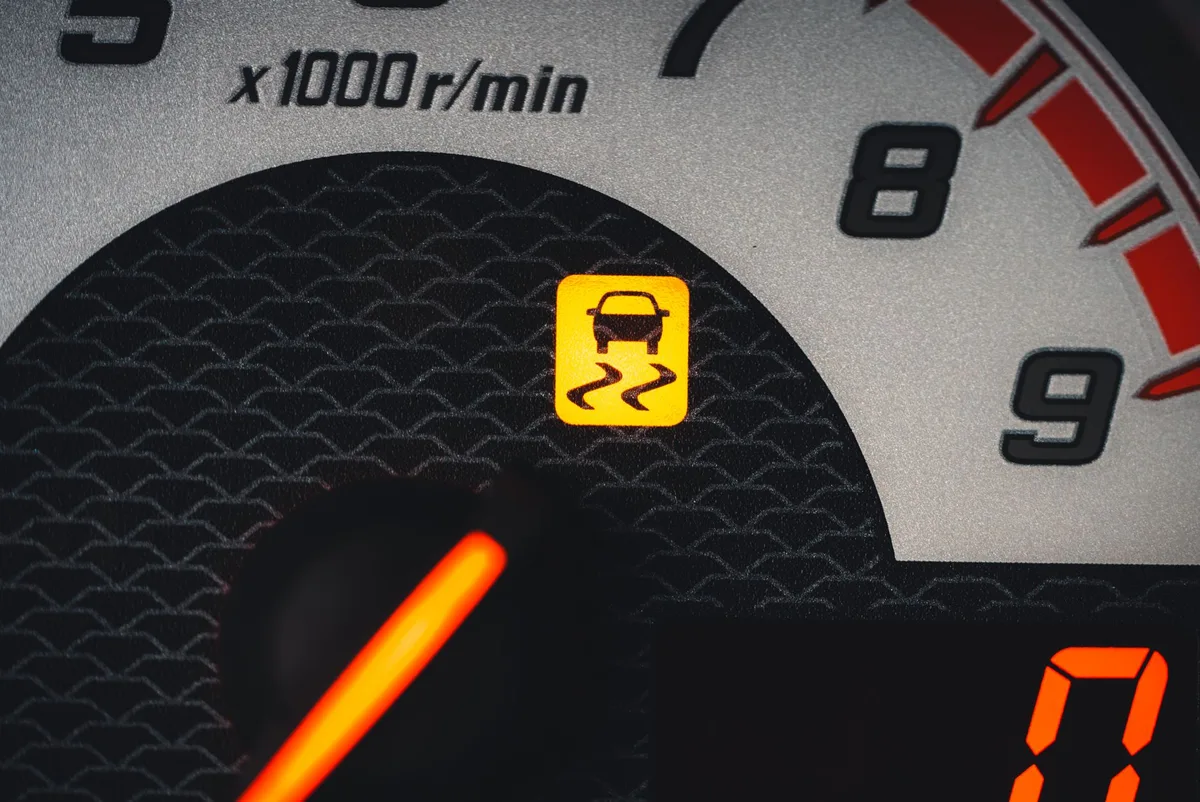
That little battery symbol just lit up on your dash, and the battery warning light meaning isn't what most people assume. Nine times out of ten, it's not a dead battery at all. It's your charging system waving a red flag, usually the alternator.
Your car is running on stored battery power right now, and that power has a clock on it.
Here's the part worth knowing up front. A healthy charging system pushes 13.7 to 14.7 volts while the engine runs, per typical manufacturer specs. When that light comes on, output has usually dropped below what your car needs.
So let's break down what it means, what to do first, and how to tell a cheap fix from an expensive one.
Quick Answer
The battery warning light means your car's charging system isn't keeping the battery topped up. It usually points to a failing alternator, a broken drive belt, or loose battery cables. It rarely means the battery itself is bad.
Your car is running on battery reserve, so power will fade. Expect roughly 20 to 60 minutes of drive time.
What the Battery Warning Light Actually Means (It's Usually Not the Battery)
The battery-shaped icon is really a charging system warning light. The name fools people. It doesn't measure how full your battery is.
It watches whether your alternator is putting voltage back in.
Here's how the system works in plain terms. Your battery starts the car. Once the engine runs, the alternator takes over, powering everything and recharging the battery.
The light comes on when the alternator's output drops below the battery's own voltage. In other words, the car senses it's draining instead of charging.
That's why "just charge the battery" is the wrong first move. If the alternator's dead, a freshly charged battery drains again within an hour. Understanding why voltage sags during a start helps here, but the running light points at charging, not cranking.
A few quick facts to anchor this:
- Normal charging voltage: 13.7 to 14.7 volts, engine running
- Resting battery voltage: 12.4 to 12.7 volts, engine off
- Light typically triggers when running voltage falls near or below 12.4 volts
If you want the deeper number breakdown, our guide on normal running voltage covers the safe band as of 2026.
First 60 Seconds: What to Do the Moment It Comes On
Stay calm and start shedding load. Every accessory you switch off buys you more driving time. You're now on battery reserve, so treat it like a fuel gauge on empty.
Do this right away:
- Turn off the A/C, heated seats, and rear defroster
- Kill the radio and any phone charging
- Keep headlights on only if it's dark or unsafe without them
- Save the window motors, leave them where they are
- Don't switch the engine off if you're far from help, it may not restart
If you're on a highway, ease toward an exit or a safe shoulder. Then decide your next move based on symptoms. One warning: never disconnect the battery to "test" the alternator while driving.
On modern cars, that voltage spike can fry sensitive electronics.
Read Your Symptoms: What Else Is the Car Doing?
The right next step depends on what else you notice. Same light, different clues, different problem. Match your situation to the branch below.
Light On but Everything Runs Fine
If the light glows but the engine feels normal, you likely caught it early. The alternator may be weak but still partly working, or a cable is loose. You have time, but not unlimited time.
Drive straight to a shop or somewhere safe, then run a voltage check. A reading near 12.4 volts at rest still points to a charging issue once the engine's running low.
Dimming Headlights, Fading Dash, Slow Wipers
This is the alternator failing in real time. The battery is draining, and electrical loads are starving. If things get sluggish, you may have only minutes.
Get off the road before the car stalls. Once voltage drops too far, the engine dies and won't restart.
Battery Light Plus Power Steering or Temperature Warning
Multiple lights at once usually mean a broken serpentine belt. That belt often spins the alternator, water pump, and power steering pump. If it snaps, all three quit together.
Pull over fast. A dead water pump can overheat the engine within minutes, which is far costlier than a belt.
Light Flickering On and Off
Flickering points to something loose or intermittent. Think a worn belt slipping, a failing voltage regulator, or a corroded connection. It won't fix itself.
Left alone, it usually turns into a steady light and a no-charge condition.
The Real Causes, From Most to Least Likely
Let's rank the usual suspects. Knowing the order saves you from throwing money at the wrong part.

Failing Alternator
This is the top cause, full stop. The alternator generates your car's electricity and recharges the battery. When its internal parts or the built-in voltage regulator wear out, output falls and the light comes on.
A quick test tells the story: healthy alternators hold voltage in the 13.5 to 14.7 range at idle. Drop below that with the engine running, and the alternator is the prime suspect.
Broken or Slipping Serpentine Belt

No belt, no alternator spin, no charging. The serpentine belt is a single winding belt that drives multiple accessories off the engine. Over time it cracks, glazes, or snaps.
A slipping belt causes flickering and squealing. A snapped one usually trips several warning lights at once.
Loose or Corroded Battery Terminals
Cheapest fix on the list, and worth checking first. Crusty white, green, or blue buildup on the terminals blocks current flow. Loose clamps do the same.
Both can trigger the light even when the battery and alternator are fine. A wire brush and a snug tighten often solve it in minutes.
Bad Ground or Worn Voltage Regulator
Further down the odds, but real. A poor ground strap interrupts the electrical circuit. A worn voltage regulator, now built into most modern alternators, either undercharges or overcharges.
Sustained readings above 15 volts point to a regulator fault, and that overcharging can cook the battery.
Here's the likelihood at a glance:
| Cause | How common | Rough fix cost | Warning sign |
|---|---|---|---|
| Failing alternator | Most common | Higher | Low running voltage, dimming lights |
| Serpentine belt | Common | Low to medium | Squeal, multiple warning lights |
| Terminal corrosion | Common | Very low | Crusty buildup, loose clamp |
| Ground / regulator | Less common | Varies | Flicker or over 15V reading |
Battery vs. Alternator: How to Tell Them Apart Fast
You can separate the two in about two minutes with a multimeter. The trick is comparing voltage with the engine off versus running. Our full walkthrough on sorting the battery from the alternator goes deeper, but here's the fast version.
Follow these steps:
- Set your multimeter to 20V DC.
- Engine off, touch red to the positive terminal, black to negative.
- Read the voltage. You want 12.4 to 12.7 volts.
- Start the engine and read again.
- Running voltage should climb to 13.7 to 14.7 volts.
Now interpret it:
- If it rises to about 14V, the alternator is charging. Your issue is likely the battery or a connection.
- If it stays flat or drops toward 12V, the alternator isn't charging. That's your culprit.
- If the engine-off reading is already very low, like around 12.0 volts, the battery is deeply discharged too.
No meter handy? Many auto parts stores run a free charging system test in the lot. It's the quickest way to confirm before you spend a dime.
For the electrical standards manufacturers design around, SAE International publishes the automotive charging and starting specs.
The 5-Minute Multimeter Test (And What the Numbers Mean)
A multimeter turns guesswork into hard numbers. You've already seen the basic engine-off versus running check. Here's how to read the finer details.
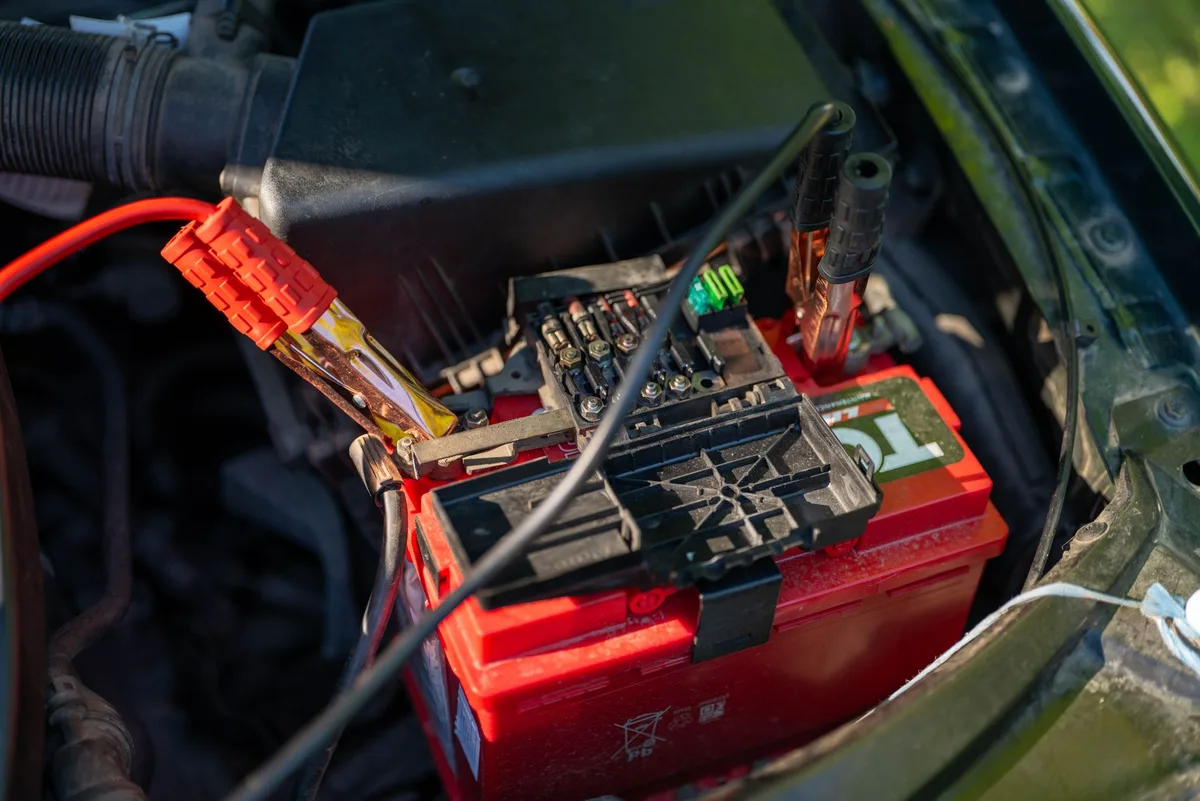
Start with the engine off and note the resting voltage. Then start up and watch how the number moves. A good charging system jumps to the 14V range within seconds.
If you're unsure which dial position to use, our note on the right meter setting keeps it simple.
Here's what your readings mean:
| Reading (engine running) | What it tells you |
|---|---|
| 13.7 to 14.7V | Charging normally |
| 12.5 to 13.6V | Weak charging, alternator suspect |
| Below 12.4V | Not charging, likely dead alternator |
| Above 15V | Overcharging, regulator fault |
Rev the engine to about 2,000 rpm and watch again. Voltage should hold steady, not sag. If it climbs past 15V under revs, the voltage regulator is overcharging.
A reading above 14.7V is worth acting on before it damages the battery.
How Long Can You Actually Keep Driving?
Plan on 20 to 60 minutes once the light comes on, and less at night. The exact time depends on battery health and how much load you're running. Headlights, heater fan, and defrost all drain the reserve faster.
Daytime driving with everything off stretches your window. Night driving with headlights and wipers can cut it to 15 minutes or under. When voltage drops too low, the ignition system quits and the engine stalls.
A quick rule of thumb:
- Daylight, minimal accessories: closer to 45 to 60 minutes
- Nighttime or heavy load: closer to 15 to 30 minutes
- Flickering dash or stalling feel: pull over now, you're near the edge
Once the car dies from a drained battery, it won't restart without a jump. And even a jump only buys a short hop if the alternator's dead.
Mistakes That Turn a Cheap Fix Into an Expensive One
The most common mistake is replacing the battery when the alternator is the real problem. A new battery drains flat within an hour, and you're back to square one, poorer for it. Always confirm charging voltage first.
Other costly errors to dodge:
- Ignoring a flickering light until the car strands you
- Driving on with a snapped belt and cooking the engine from an overheated water pump
- Skipping the free terminal check, corrosion is cheap to clean
- Disconnecting the battery while running to "test" the alternator, which can spike voltage and harm electronics
- Buying a rebuilt alternator without checking the belt and cables first
One more trap: a battery that reads fine at rest but can't hold a load. Resting voltage alone doesn't prove a battery is healthy under real demand.
What Each Repair Costs: Belt, Battery, Alternator
Costs swing widely by vehicle, but the order of expense is predictable. Terminal cleaning is nearly free. A belt sits in the middle.
An alternator is usually the priciest of the three.
| Repair | Typical cost range | Notes |
|---|---|---|
| Clean/tighten terminals | Very low, often DIY | Wire brush and a wrench |
| Serpentine belt | Low to moderate | Rises with engine access difficulty |
| Car battery | Moderate | Varies with size and CCA rating |
| Alternator | Moderate to high | Parts plus labor, higher on some models |
Diagnose before you buy. A store's free charging test or a home multimeter check often narrows it down for nothing. That five-minute step can save you from a needless alternator or battery replacement.
Safety Rules Before You Touch Anything Under the Hood
Treat the battery with respect. It stores real energy and vents hydrogen gas, which is flammable. No sparks, no cigarettes, no shorting the terminals with a loose tool.
Follow these basics:
- Wear eye protection, battery acid burns skin and eyes
- Let a hot engine cool before reaching near belts or pulleys
- Remove metal jewelry so it can't bridge a terminal
- Disconnect the negative cable first when servicing, reconnect it last
- Check your owner's manual for the correct jump-start points
If the belt drives your power steering and brakes, expect heavier steering and a firmer brake pedal once it fails. The car still stops, but it takes more effort. Keep both hands ready and leave extra space ahead.
Cold Weather, Short Trips, and What Speeds Up Battery Trouble
Cold weather is brutal on batteries. At freezing temps, a battery can lose a big chunk of its cranking power. That's why a marginal battery often dies on the first hard frost.
If your light appears in winter, the cold has likely exposed a weak battery that limped along all summer.
Short trips make it worse. Quick hops don't give the alternator time to fully recharge what starting used. Stack enough of them and the battery slowly drains over weeks.
Watch for these accelerators:
- Repeated 5-minute drives with no highway recharge time
- Extreme heat, which degrades the plates faster than cold
- A battery past 3 to 5 years old
- Heavy accessory use, seat heaters, sound systems, dash cams
A hidden parasitic draw can also flatten a good battery overnight. If yours keeps dying with no light while driving, that's the thing to chase next.
Battery Light vs. Check Engine and Other Dash Warnings
The battery light and check engine light mean very different things. The battery symbol is charging-specific. The check engine light covers hundreds of possible engine and emissions faults, most unrelated to charging.
Quick way to tell them apart:
- Battery icon: charging system, alternator, belt, or cables
- Check engine: engine, sensors, or emissions, needs a code reader
- Oil pressure (oil can symbol): stop now, engine oil issue
- Temperature (thermometer): overheating, pull over
If the battery light and temperature light glow together, think broken belt, since one belt often drives both the alternator and water pump. That combo is a stop-driving signal, not a keep-going one.
When to Drive to a Shop vs. When to Call a Tow
Drive if the car feels normal and you're minutes from help. Tow if lights are dimming fast, the engine stumbles, or multiple warnings are on. When in doubt, stop somewhere safe and reassess.
Use this simple split:
- Drive: light on, engine smooth, short distance, daylight
- Borderline: flickering light, some dimming, keep it under 15 minutes
- Tow: stalling, heavy dimming, temperature light, or a snapped belt
A tow costs less than a cooked engine or a stall in traffic. If the battery already reads near 12 volts and won't crank, don't gamble on making it across town.
Battery Warning Light FAQs
Can I still drive with the battery light on?
Yes, but briefly. You're running on battery reserve, usually good for 20 to 60 minutes. Turn off accessories and head straight to a shop or safe spot.
At night, expect far less time before the engine stalls.
Does the battery light always mean a bad alternator?
No, but the alternator is the most common cause. It can also be a broken serpentine belt, loose or corroded terminals, a bad ground, or a worn voltage regulator. A quick multimeter check separates a charging fault from a simple connection problem.
Will a new battery fix the battery warning light?
Usually not. If the alternator isn't charging, a new battery drains flat within an hour. Confirm charging voltage first, you want 13.7 to 14.7 volts with the engine running.
Replace the battery only after the charging system tests good.
Why did the battery light come on then go off?
A flickering or intermittent light points to something loose or slipping. Think a worn belt, a corroded terminal, or an aging voltage regulator. It rarely fixes itself, so test the charging voltage before it turns into a steady light.
Is it safe to keep driving if other warning lights come on too?
No. The battery light paired with a temperature or power steering warning usually means a broken belt. That can overheat the engine within minutes.
Pull over safely and call for a tow instead of pushing on.
Your Quick Decision Guide: Symptom to Next Step
Here's the whole thing boiled down to what you see and do next.
| What you notice | Most likely cause | Do this |
|---|---|---|
| Light on, car runs fine | Weak alternator or loose cable | Drive to a shop, test voltage |
| Dimming lights, fading dash | Alternator failing now | Pull over, minutes left |
| Battery plus temp light | Broken serpentine belt | Stop, call a tow |
| Flickering light | Slipping belt or loose terminal | Test charging voltage soon |
| Won't restart after stall | Drained battery, dead alternator | Jump for a short hop or tow |
The pattern holds every time. The light points at charging, not a low battery. Check the belt and terminals first, since they're cheap.
Then confirm with a multimeter: 14V running means the alternator's fine, flat 12V means it isn't.
Nail those two steps and you'll know whether you're facing a two-dollar terminal clean or an alternator job, before you spend a cent at the counter.

Similar Posts