When to Replace Your Car Battery: Warning Signs
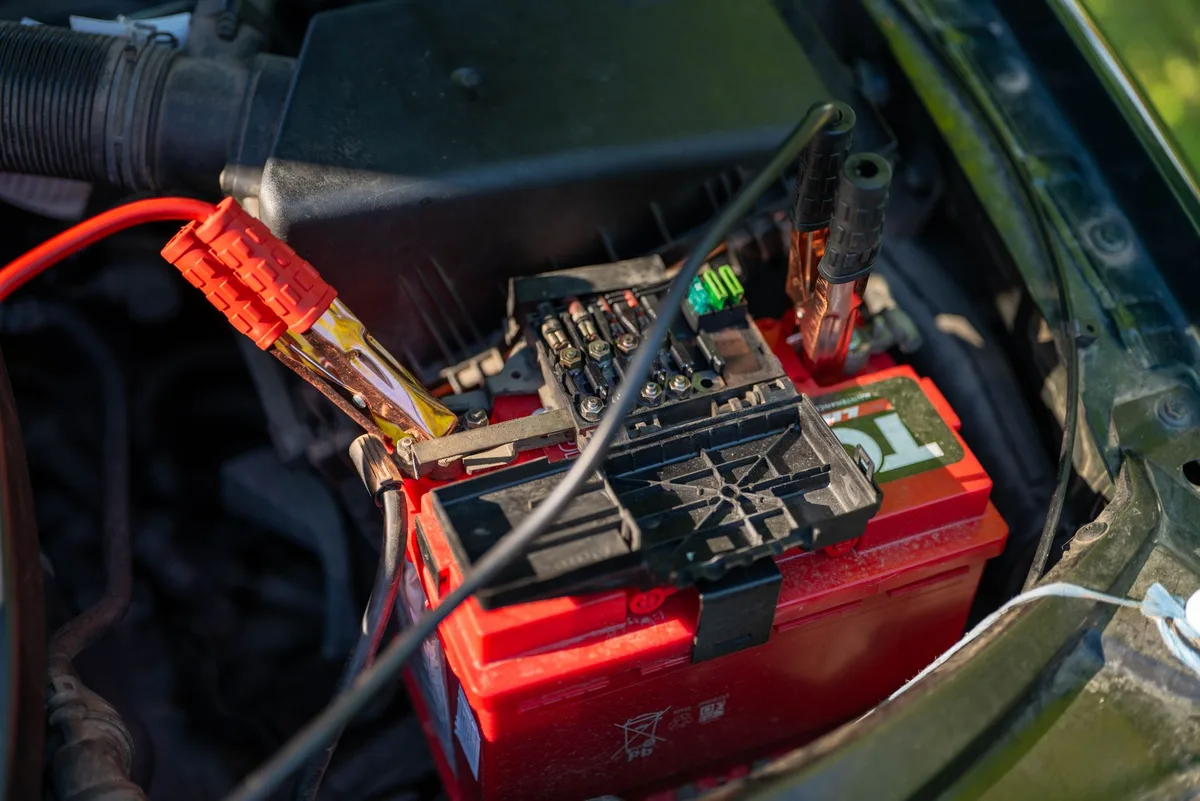
Most drivers don't think about when should you replace a car battery until the engine gives that slow, groaning crank on a cold morning. By then, you're already gambling on the next start. The truth is a battery drops hints for weeks before it quits.
Learn to read those hints, and you'll swap it on your terms instead of stranded in a parking lot.
Here's the frustrating part: there's no single expiry date. Manufacturer specifications and BCI (Battery Council International) data point to a typical service life of three to five years. Yet heat, short trips, and electrical load can cut that in half.
As of 2026, most starter batteries are still lead-acid or AGM (Absorbed Glass Mat), and both age in predictable ways. Once you know the warning signs and the voltage numbers, the decision gets simple.
Quick Answer
Replace your car battery when it hits three to five years old or shows clear failure signs. Slow cranking, dim lights, and a dashboard battery warning all point to a fading battery. A resting voltage below 12.4 volts means it's weak.
Below 12.0 volts, it's near dead. Swelling, leaks, or repeated jump-starts mean replace it now.
The Warning Signs That Say Your Car Battery Is on Its Way Out
Your battery rarely dies without warning. The trick is spotting the signals early. Here's what to watch for.
- Slow or lazy cranking when you turn the key
- A clicking sound with no start
- Dim headlights that brighten when you rev the engine
- The battery-shaped warning light on your dash
- Electronics acting up: radio resetting, windows crawling, flickering lights
- Needing a jump-start more than once
- A swollen or bulging case
- A rotten-egg (sulfur) smell near the battery
One symptom on its own isn't always the battery. Dim lights plus slow cranking together, though, is a strong tell. If you've had to jump-start the car twice in a month, stop guessing.
That battery is on borrowed time, and understanding why the same battery keeps going flat usually comes down to age, drain, or a weak charging system.
How a Car Battery Ages (And Why It Rarely Dies on Schedule)
A lead-acid battery ages through a process called sulfation. Every time it discharges, tiny sulfate crystals form on the internal plates. Normal charging clears most of them.
Over years, some harden and stay put. That buildup slowly chokes the battery's ability to hold and deliver charge.
This is why a battery can test fine in summer and fail the first frosty week of winter. Cold thickens the oil and demands more cranking power, right when the aging battery has the least to give. The U.S.
Department of Energy notes on fueleconomy.gov that cold temperatures reduce battery performance and increase the load on the starting system.
So "three to five years" is an average, not a promise. A battery babied in a mild climate might reach six. One cooked in desert heat might barely clear two.
Age tells you when to start testing. It doesn't tell you the exact day to replace.
The Condition Variables That Decide Your Battery's Fate
Think of battery life as a set of dials. Each one speeds up or slows down the clock. Check yours against these four.
Battery Age and the Date Code
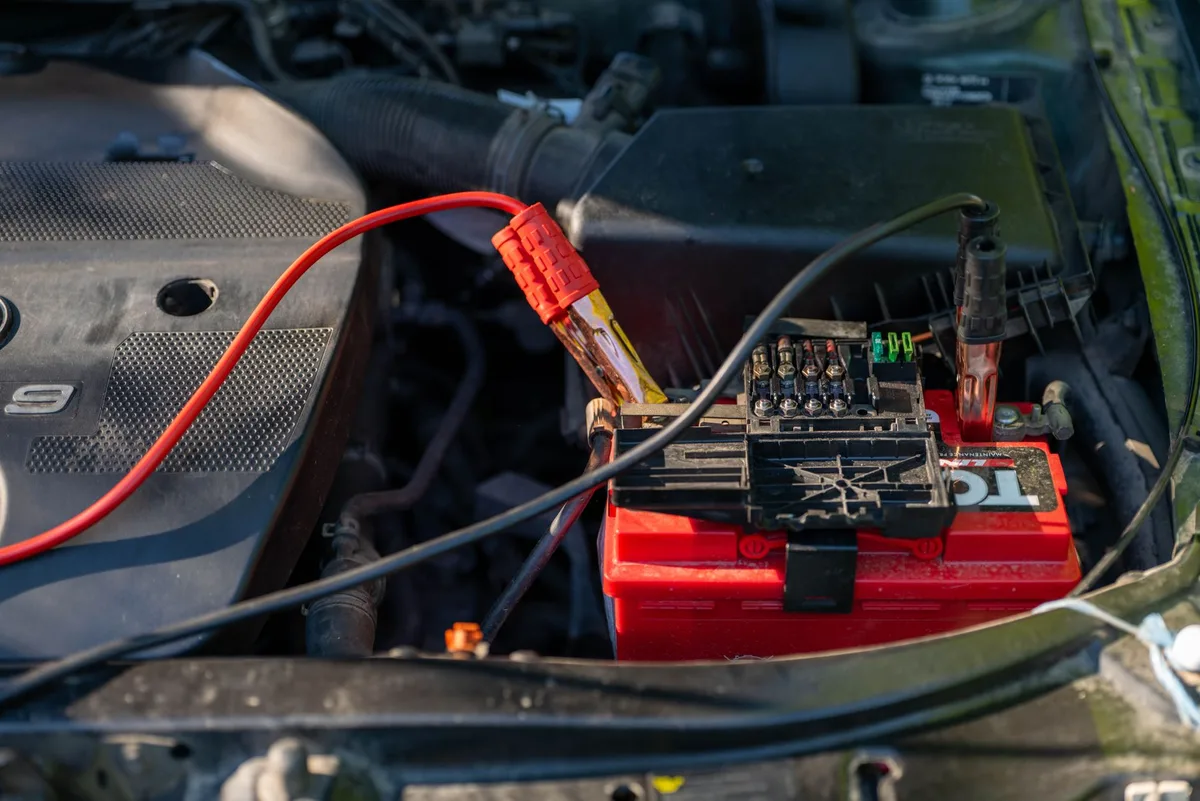
Find the date code stamped or stickered on the case. It's usually a letter for the month (A equals January) and a number for the year. If your battery is past four years old, treat every weak start as a warning, not a fluke.
Climate: Heat Kills Faster Than Cold
Heat is the real killer. It evaporates electrolyte and speeds up corrosion inside the case. Cold doesn't damage the battery so much as expose an already weak one.
If you park in hot sun daily, expect a shorter life and test sooner.
Your Driving Habits and Trip Length
Short trips are brutal on batteries. A five-minute drive drains power for starting but never lets the alternator fully recharge. Do that daily and the battery lives in a constant half-charged state.
Long highway drives, by contrast, keep it topped up.
Electrical Load and Start-Stop Systems
Dashcams, sound systems, and heated seats all pull power. Cars with start-stop technology work the battery even harder, cycling it at every red light. These vehicles use AGM or EFB batteries built for the abuse, and they still wear out on schedule.
Read the Voltage: What the Numbers Actually Tell You
Voltage is the fastest way to judge a battery's health. All you need is a multimeter set to 20V DC. Touch red to positive, black to negative, and read the number.
Here's what those numbers mean at rest, meaning the car has been off for a few hours.
Resting Voltage Chart (12.6V and Below)
| Resting Voltage | State of Charge | What to Do |
|---|---|---|
| 12.6V or higher | 100% (healthy) | You're good |
| 12.4V | ~75% charged | Recharge and monitor |
| 12.2V | ~50% charged | Charge, then test again |
| 12.0V | ~25% (near dead) | Likely failing |
| Below 12.0V | Discharged/stressed | Replace or deep-charge |
A full battery sits at about 12.6 to 12.8 volts. When it reads around three-quarters charged, it's usable but slipping. A reading of half its capacity means something's draining it or it's tired.
Once you're right down near flat, the battery is on its last legs, and knowing the point where it counts as dead saves you a guessing game.
Cranking and Charging Voltage While Running
Resting voltage is only half the story. Watch what happens when you start the engine. A healthy battery dips but shouldn't collapse during cranking.
If it plunges below about 9.6 volts while you turn the key, the battery can't deliver current under load.
With the engine running, the reading should climb to roughly 13.7 to 14.7 volts. That's the alternator doing its job. If it stays stuck at rest voltage, your charging system is the problem, not the battery.
In cold snaps especially, numbers shift with temperature, so factor the weather into your reading.
The Decision Branches: Test, Replace, or Look Elsewhere
Once you've got a voltage reading and a symptom or two, follow the logic. Here's the branch that fits your situation.
When It's Definitely the Battery
Replace the battery if it's over three years old and reads below 12.4 volts at rest. Add a swollen case, a rotten-egg smell, or repeated jump-starts, and the verdict is clear. If it won't hold a charge after a full recharge, it's done.
No amount of babying brings back hardened sulfation.
When It's Actually the Alternator
Look past the battery if your voltage stays low with the engine running. A healthy charging system pushes 13.7 to 14.7 volts at idle. If you're seeing rest voltage while running, the alternator isn't charging.
Sometimes a car reads a full 12 volts but still won't crank, which points to a bad connection or starter, not a dead battery.
When a Recharge Buys You More Time
Try a recharge first if the battery is under three years old and just got drained. Leaving the dome light on overnight or a short-trip habit can flatten a good battery. Put it on a smart charger, then retest after a few hours.
If it climbs back to 12.6 volts and holds, you've got life left.
How to Test Your Battery at Home in 10 Minutes
You don't need a shop for this. A basic multimeter and ten minutes tell you most of what you need.
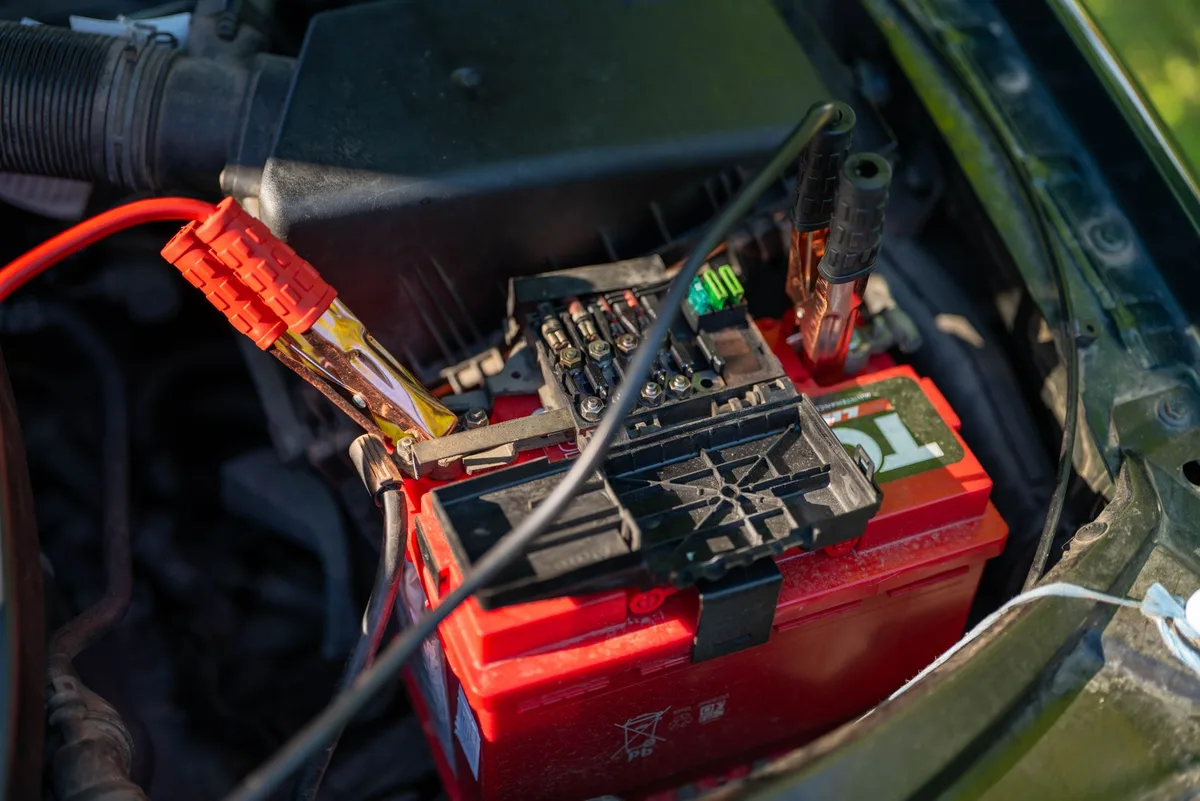
- Turn off the engine and all accessories. Let the car sit a few hours for a true resting reading.
- Set the multimeter to the 20V DC range.
- Touch the red probe to the positive terminal, black to negative.
- Read the number. 12.6V or higher is healthy. Below 12.4V means recharge.
- Start the engine and watch the reading climb. It should hit 13.7 to 14.7 volts.
No meter handy? You can still judge it by the headlights and crank, though the numbers are always more reliable. Many auto parts stores also run a free load test that checks CCA (Cold Cranking Amps) against the rating on the label.
For a proper health check, a load test beats a plain voltage read. It draws real current and watches how the battery holds up. That's the same idea behind a full multimeter workup when you want certainty before spending money.
Battery vs. Alternator: Telling the Two Apart
The two failures feel almost identical from the driver's seat. Both leave you with a car that won't start. The multimeter settles it fast.
Here's the quick split:
| Symptom | Likely Battery | Likely Alternator |
|---|---|---|
| Won't start after sitting | Yes | No |
| Dies while driving | No | Yes |
| Dim lights at idle, bright on rev | No | Yes |
| Jump-starts, then runs fine | Yes | No |
| Voltage below 13.7V while running | No | Yes |
If the car starts on a jump and keeps running, the alternator is fine and the battery is weak. If it starts, then dies minutes later, the alternator isn't charging. A quick side-by-side multimeter check removes the guesswork.
Knowing what healthy alternator output looks like helps you read the result with confidence.
Mistakes That Kill a Good Battery Early
Plenty of batteries die years before their time. Usually it's a habit, not a defect. Avoid these and you'll stretch every battery further.
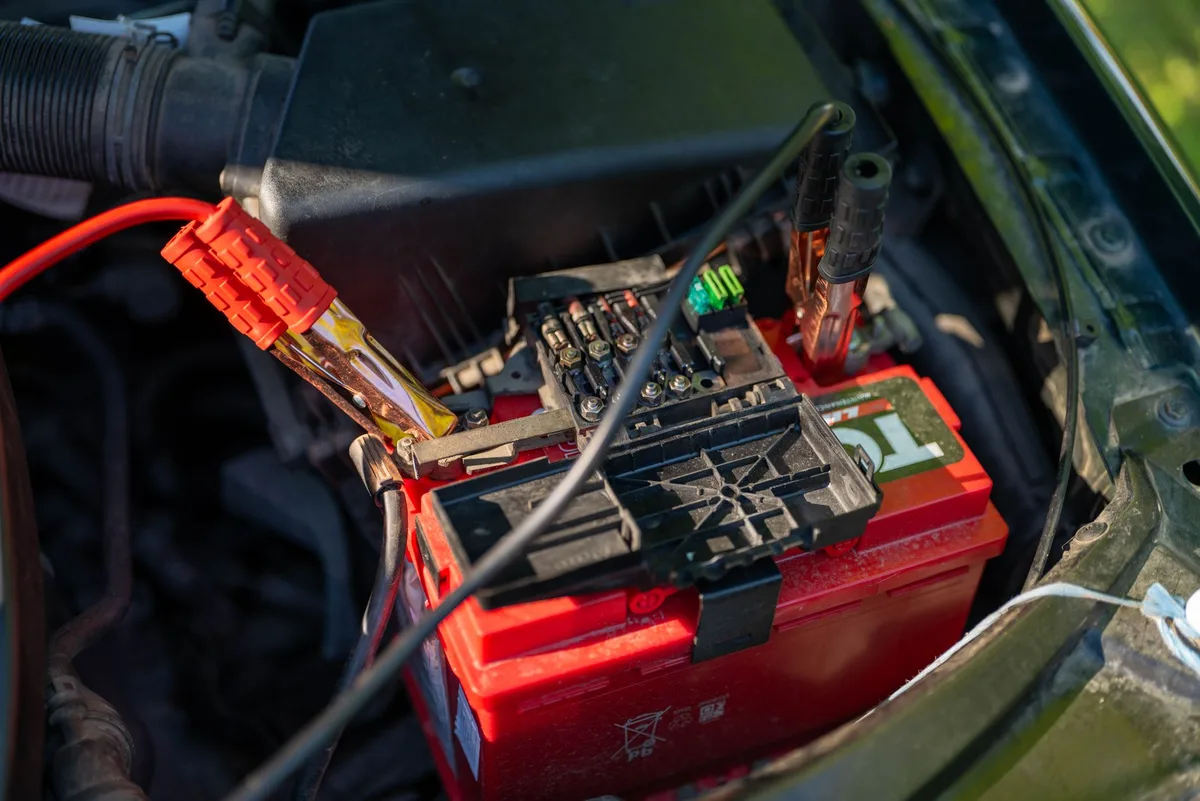
- Ignoring terminal corrosion. That white or blue-green crust blocks current. Clean it with baking soda and water.
- Endless short trips. The alternator never fully recharges. Take a longer drive now and then.
- Letting the car sit for weeks. A parked battery slowly self-discharges and can sulfate.
- Leaving accessories on. Dome lights, chargers, and dashcams drain a still battery overnight.
- Ignoring a parasitic draw. A stuck relay or bad module can pull current all night. A normal draw sits low, so anything higher needs a look.
Corrosion deserves extra attention. It doesn't just choke performance. It can fake the symptoms of a dead battery when the battery itself is fine.
Wire-brush the terminals clean and the "dead" car often springs back to life.
What Replacement Actually Costs (Battery, Install, and Core Charge)
Expect to spend somewhere between 100 and 350 dollars for most cars as of 2026. The spread comes down to battery type and where you buy. AGM and start-stop batteries cost more than standard flooded ones.
Here's the rough breakdown:
| Cost Item | Typical Range | Notes |
|---|---|---|
| Standard flooded battery | 100 to 200 dollars | Most common cars |
| AGM battery | 200 to 350 dollars | Start-stop and luxury vehicles |
| Installation | 0 to 40 dollars | Free at many parts stores |
| Core charge | 10 to 25 dollars | Refunded when you return the old battery |
The core charge trips people up. It's a deposit you get back when you hand over the old battery for recycling. Don't skip the return.
Lead-acid batteries are hazardous waste, and the EPA requires proper recycling through certified channels.
One more cost note for newer cars. Vehicles with start-stop systems need the new battery registered to the Battery Management System (BMS). Skip that step and the car may undercharge the fresh battery.
A shop handles it in minutes, but it's worth asking before you pay.
Safety Rules Before You Touch the Terminals
A car battery holds enough current to hurt you and enough gas to ignite. Treat it with respect. These steps keep the job safe.
- Wear safety glasses and gloves. The electrolyte inside is sulfuric acid.
- Work in a ventilated spot. Charging batteries vent hydrogen gas, which is flammable.
- No sparks, no flames, no smoking near the battery.
- Disconnect the negative terminal first, then positive. Reconnect in reverse: positive first, negative last.
- Keep metal tools clear of both terminals at once. A wrench across them causes a violent short.
That disconnect order matters more than it looks. Removing negative first cuts the ground path, so a slipped wrench can't complete a circuit through the chassis. If acid touches skin, rinse with plenty of water right away.
One heads-up on modern cars. Disconnecting the battery can wipe stored radio codes and reset the ECU (Engine Control Unit). A cheap memory-saver tool plugged into the OBD-II port keeps those settings alive during the swap.
Making Your Next Battery Last Longer
A few simple habits can push a battery toward the top of its lifespan. None of them cost much. All of them pay off.
- Drive longer trips when you can. It lets the alternator fully recharge.
- Keep the terminals clean and tight. Corrosion and loose clamps waste power.
- Use a trickle charger or battery maintainer if the car sits for weeks.
- Turn off lights and accessories before you leave the car.
- Park in shade or a garage in hot climates. Heat is the enemy.
If your car rarely moves, a maintainer is the single best investment. It holds the battery at full charge without overcharging. That prevents the slow sulfation that kills parked batteries.
Watch for a slow-building parasitic drain too. A phone charger left plugged in or a faulty module can quietly pull current overnight. Catching an above-normal draw early saves the battery from repeated deep discharges.
Frequently Asked Questions
How often should you replace a car battery?
Most car batteries last three to five years. Replace yours around the four-year mark if it shows any weakness. In hot climates, plan for two to three years instead.
Age plus a weak voltage reading is your signal, not the calendar alone.
Can a car battery last more than 5 years?
Yes, a well-maintained battery in a mild climate can reach six years or more. Long drives, clean terminals, and a maintainer for idle periods all help. Heat and constant short trips are what cut life short.
Test yearly once you pass the three-year mark.
Is it better to replace a battery before it dies?
Yes, replacing before total failure saves you from breakdowns and roadside jump-starts. Once a battery reads below 12.4 volts at rest and is over three years old, it's living on borrowed time. A planned swap costs the same as an emergency one, minus the stress.
Does cold weather mean I need a new battery?
Not always, but cold exposes a weak battery fast. Freezing temperatures cut cranking power and thicken engine oil, demanding more from the battery. If yours struggles only in winter and is a few years old, it's near the end.
A healthy battery starts fine in the cold.
Can I replace a car battery myself?
Yes, most batteries take about 15 minutes with basic hand tools. Disconnect negative first, then positive, swap the battery, and reconnect in reverse. On start-stop cars, you may also need to register the new battery to the charging system.
When in doubt, a shop handles it cheaply.
Your Replace-or-Wait Decision Guide
Here's the whole thing boiled down to a quick call. Run through it in order and you'll land on the right answer.
- Battery over 4 years old plus slow cranking? Replace it.
- Resting voltage below 12.4V and won't recover after charging? Replace it.
- Swollen case, leaks, or a sulfur smell? Replace it now, no testing needed.
- Low voltage only while the engine runs? Check the alternator, not the battery.
- Under 3 years old and just drained once? Recharge, retest, and keep driving.
- Everything reads healthy above 12.6V? You're good, recheck in six months.
The smartest move is testing before the battery forces your hand. A ten-minute voltage check twice a year tells you where you stand. Catch it early, swap on a warm afternoon in your driveway, and you'll never meet that dead-battery groan on a freezing morning again.

Similar Posts