how to charge a car battery
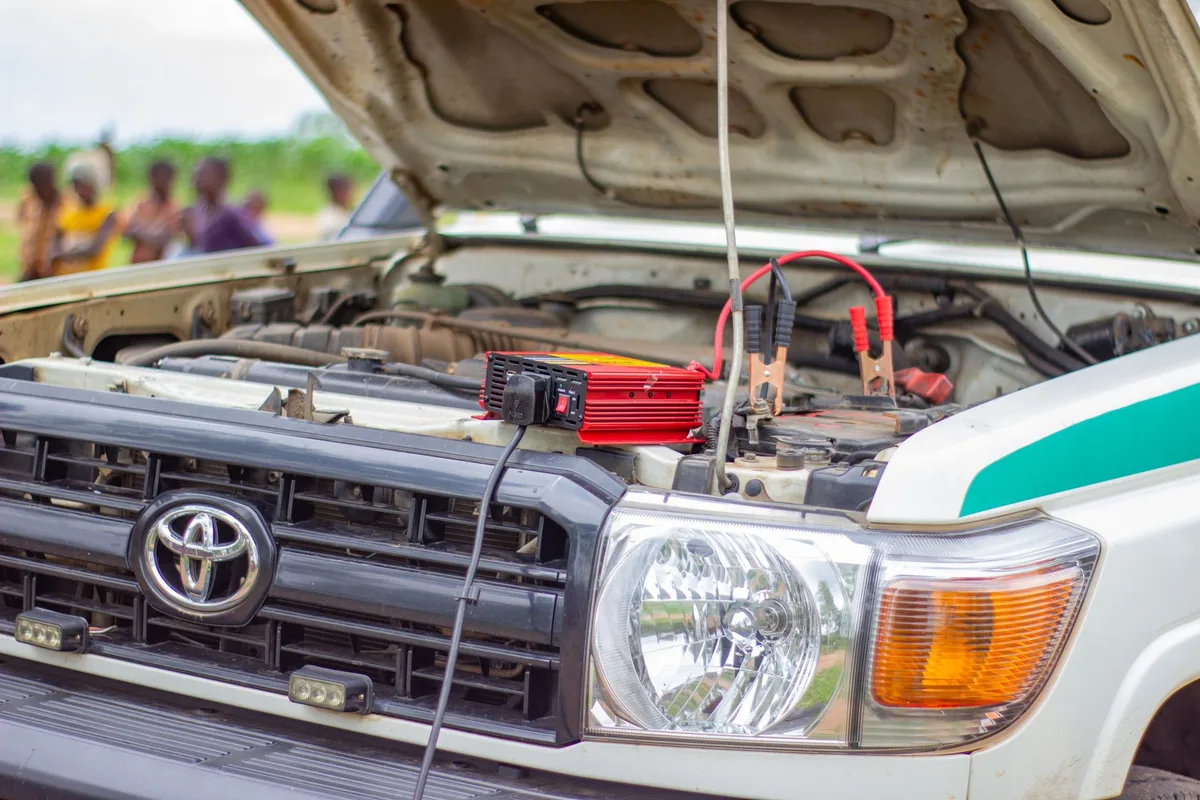
A flat battery in the driveway doesn't always mean you need a new one. Knowing how to charge a car battery the right way can bring a tired 12-volt battery back to life and save you a tow or a replacement. The trick is matching the method to your exact situation.
A slightly weak battery, a fully drained one, and a damaged one each call for a different move.
That difference matters more than most people think. A healthy 12-volt car battery reads about 12.6 volts at rest, and dropping to 12.0 volts already means it's roughly 25% charged. Charge it wrong, or charge the wrong type, and you can cut its life short or worse.
So before you clip on any charger, let's read the signs and figure out what your battery actually needs.
Quick Answer
To charge a car battery, connect a 12-volt battery charger to the terminals. Clip red to positive, black to negative or a ground point. Set the charger to your battery type and a safe amp rate.
A slow 2-amp charge fully refills most batteries in 12 to 24 hours. Never charge a frozen, swollen, or leaking battery.
Dead Battery or Just Weak? Reading the Warning Signs First
Start by figuring out how far gone the battery really is. This one check decides everything that follows.
A slow, groaning crank usually means the battery is weak but chargeable. Dashboard lights that dim when you turn the key point the same way. If nothing happens at all, no clicks, no lights, the battery may be deeply discharged or dead.
Here's the simple if/then logic:
- If it cranks slowly or clicks rapidly, then it's weak and a good charge candidate.
- If lights work but the engine won't turn, then charge it and test again.
- If it reads 0 volts or the case looks swollen, then stop and inspect before charging.
A resting voltage reading tells the real story. Grab a multimeter and check across the terminals with the engine off. Anything near 12.4 volts is only mildly low, while a reading down at the 12.0-volt mark means it's deeply drained.
One more check before you blame the battery. If it keeps dying overnight, the problem might be a charging fault or a drain, not the battery itself. Our research shows a failing alternator often mimics a bad battery, so it helps to rule out the charging system first.
What Charging a Car Battery Actually Means (and When You Shouldn't)
Charging a car battery means pushing electrical current back into it to reverse the chemical drain from use. Your alternator does this while you drive. A dedicated charger does it while the car sits parked.
That second method matters when the battery is too flat to start the engine. No start means no alternator charging, so an external charger becomes your only option. Think of it as refilling a tank that's too empty to run the pump.
But charging isn't always the right call. Some batteries are dangerous to charge, full stop.
Skip charging entirely if you see any of these:
- A frozen battery in deep cold (the electrolyte can expand and crack the case)
- A swollen or bulging case, often from past overcharging
- Cracks, leaks, or the smell of rotten eggs (that's hydrogen sulfide)
- A battery that reads 0 volts and won't wake up
The hydrogen gas point is no small thing. Lead-acid batteries vent hydrogen while charging, and it's flammable. Federal workplace safety guidance from OSHA stresses good ventilation and no open flames near charging batteries.
Charge in an open garage or outdoors, never a sealed closet.
Know Your Battery Before You Plug Anything In
Different battery chemistries need different charging. Guessing wrong is how good batteries get wrecked.
Flooded, AGM, EFB, Gel, or Lithium: Why It Changes Everything
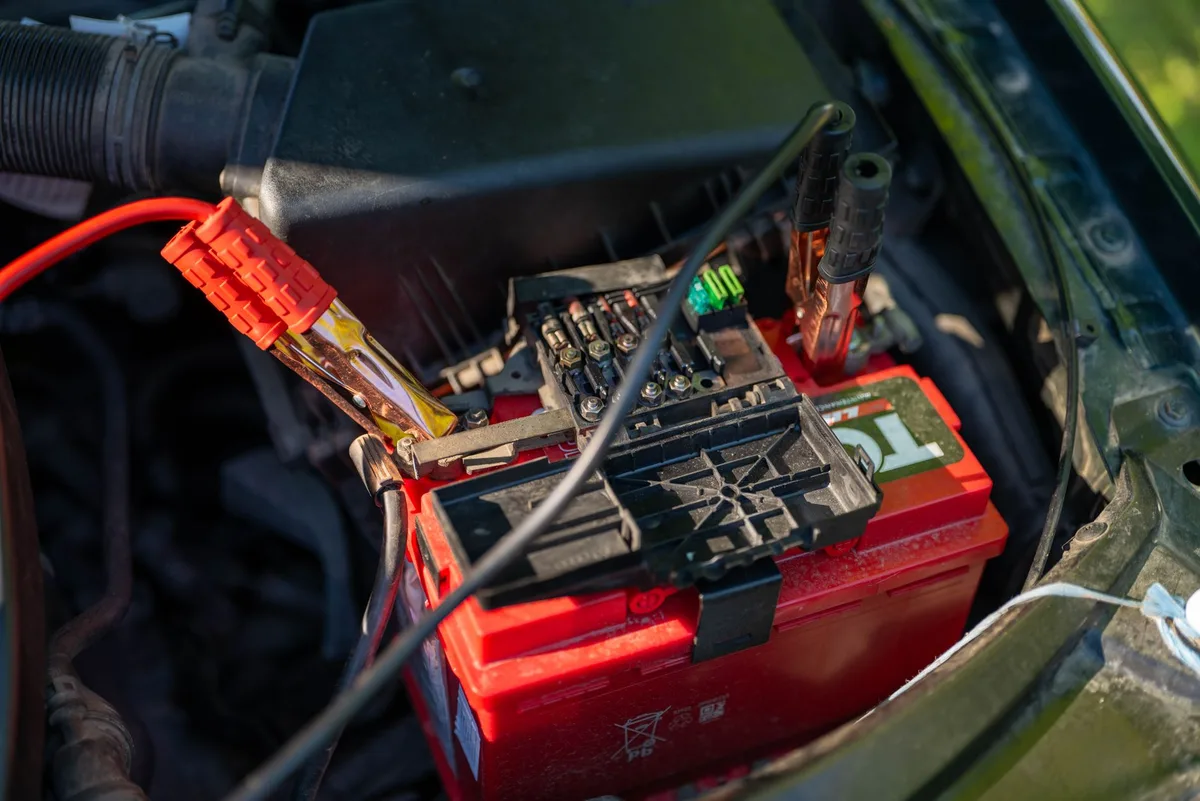
Most cars still run a flooded lead-acid battery, the classic type with liquid electrolyte. Newer cars with stop-start systems often use AGM (absorbed glass mat) or EFB batteries. A few performance and accessory setups use gel or lithium (LiFePO4).
Here's why it matters. AGM and gel batteries are sensitive to voltage. A basic charger set too high can overheat and damage them.
Lithium batteries need a charger built specifically for lithium chemistry, never a standard lead-acid unit.
- Flooded lead-acid: works with almost any 12-volt charger
- AGM or EFB: needs a charger with an AGM mode
- Gel: needs a gel-specific setting
- Lithium (LiFePO4): needs a dedicated lithium charger only
Check the label on top of the battery. It'll name the type, or list AGM if that's what you have. When in doubt, a modern smart charger with an AGM setting covers most bases safely.
Checking Voltage and State of Charge With a Multimeter
A multimeter reading tells you how empty the battery is before you charge. Set the dial to the 20V DC range, touch red to positive and black to negative, and read the number.
| Resting Voltage | State of Charge | What to Do |
|---|---|---|
| 12.6–12.8V | 100% | No charge needed |
| 12.4V | ~75% | Top-up charge |
| 12.2V | ~50% | Charge soon |
| 12.0V | ~25% | Charge now |
| Below 11.8V | Deeply discharged | Slow charge, recovery mode |
Let the car sit for an hour before testing for a true resting number. A reading taken right after driving runs high. If you're unsure what your figure means, our breakdown of a 12.4-volt result walks through it.
And if you don't own a meter yet, there are a few no-meter checks that get you close.
The Charger Decision: Trickle, Smart, Maintainer, or Jump Starter
Pick the charger that fits your goal, not just whatever's on the shelf. Each one does a different job.
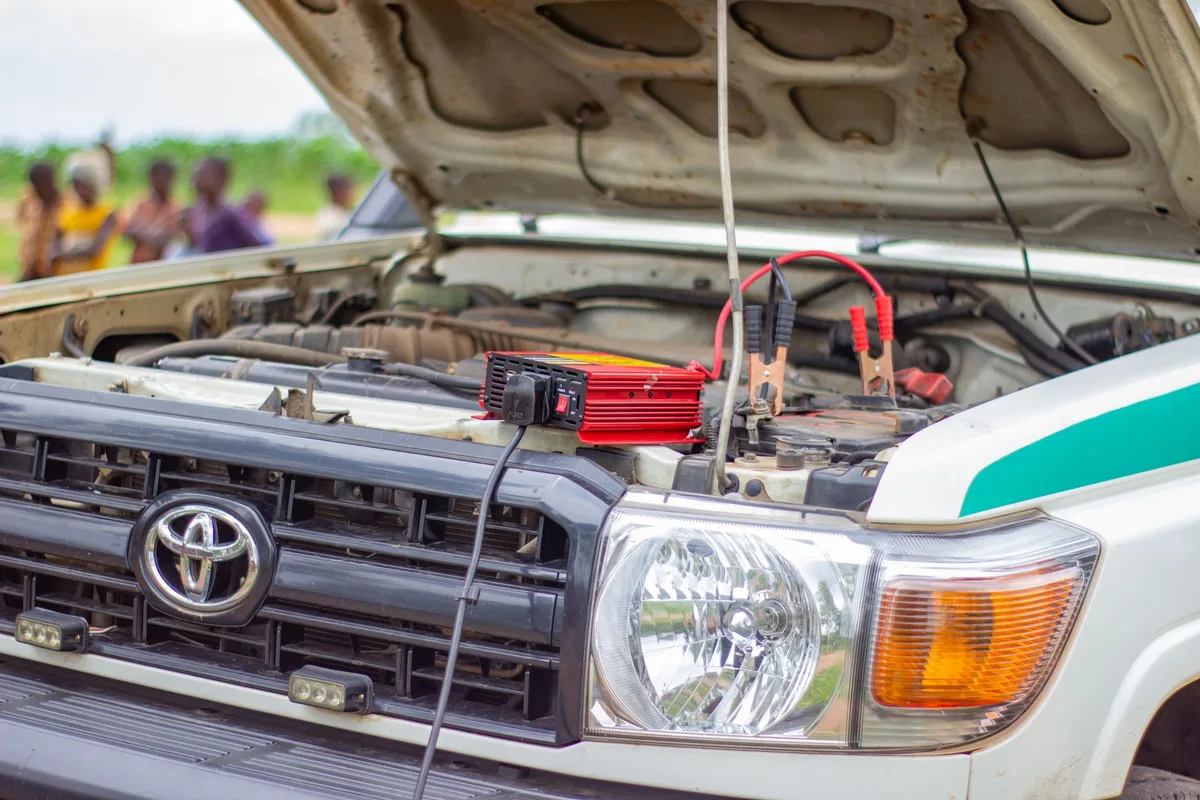
A smart charger is the easiest choice for most people. It reads the battery, picks the right stages automatically, and shuts off when full. That auto shut-off is what prevents overcharging.
Here's how the main options compare:
| Charger Type | Best For | Charge Speed | Auto Shut-Off |
|---|---|---|---|
| Smart charger | Everyday charging, most battery types | Moderate | Yes |
| Trickle charger | Slow, gentle refills | Very slow | Often no |
| Battery maintainer | Stored or seasonal vehicles | Trickle + top-up | Yes |
| Jump starter | Emergency starts, no wall outlet | Instant boost | N/A |
A few quick rules to match them up:
- If you want a safe, set-and-forget refill, then choose a smart charger.
- If the car sits for weeks or months, then a maintainer keeps it topped up.
- If you just need to get moving right now, then a portable jump starter beats waiting.
One caution on old-style manual trickle chargers. Many have no auto shut-off, so leaving one on for days can overcharge and boil off electrolyte. Set a timer or, better, upgrade to a smart unit.
Brands like NOCO, CTEK, Schumacher, and Battery Tender all make solid consumer smart chargers, and as of 2026 a good one runs roughly $30 to $150.
Slow Charge vs Fast Boost: Which One Your Situation Calls For
Slow charging is gentler and healthier for the battery, while fast charging trades battery life for speed. Your situation decides which wins.
A slow charge at 2 to 4 amps lets the battery absorb energy evenly. It's the best choice for a deeply drained battery or one you want to last. The downside is time.
A flat battery can take 12 to 24 hours at 2 amps.
A fast or boost charge at 10 to 15 amps gets you rolling in a few hours, sometimes less. But higher current builds heat, and repeated fast charging shortens battery life. Use it when you're in a hurry, not as your everyday habit.
A handy rule of thumb: a safe charge rate sits around 10% of the battery's amp-hour capacity. A 50Ah battery likes about 5 amps.
- If the battery is deeply discharged, then charge slow to protect the cells.
- If you need the car soon and the battery is healthy, then a moderate boost is fine.
- If it's an AGM or lithium battery, then keep the rate low and use the correct mode.
Fast charging never actually fills a battery to 100%. It gets you enough to start, then your alternator and a later slow charge finish the job. If the battery drains again right after, you're likely looking at a parasitic draw rather than a charging problem.
Step-by-Step: How to Safely Charge Your Car Battery at Home
With the right charger picked and your battery type confirmed, the actual process is straightforward. Work slowly and mind the order of every step.
Setting the Right Voltage, Amp Rate, and Mode
Set the charger to 12 volts before anything else. Almost every car battery is a 12-volt system, so a 6-volt setting undercharges and a higher one risks damage.
Next, pick the amp rate. Use 2 to 4 amps for a gentle full charge, or up to 10 amps if you're short on time and the battery is healthy. Then select the mode that matches your battery: standard, AGM, gel, or lithium.
- Standard flooded: default lead-acid mode
- AGM or EFB: dedicated AGM mode
- Deeply drained: recovery or desulfation mode if your charger has one
Connect and Disconnect Order That Prevents Sparks
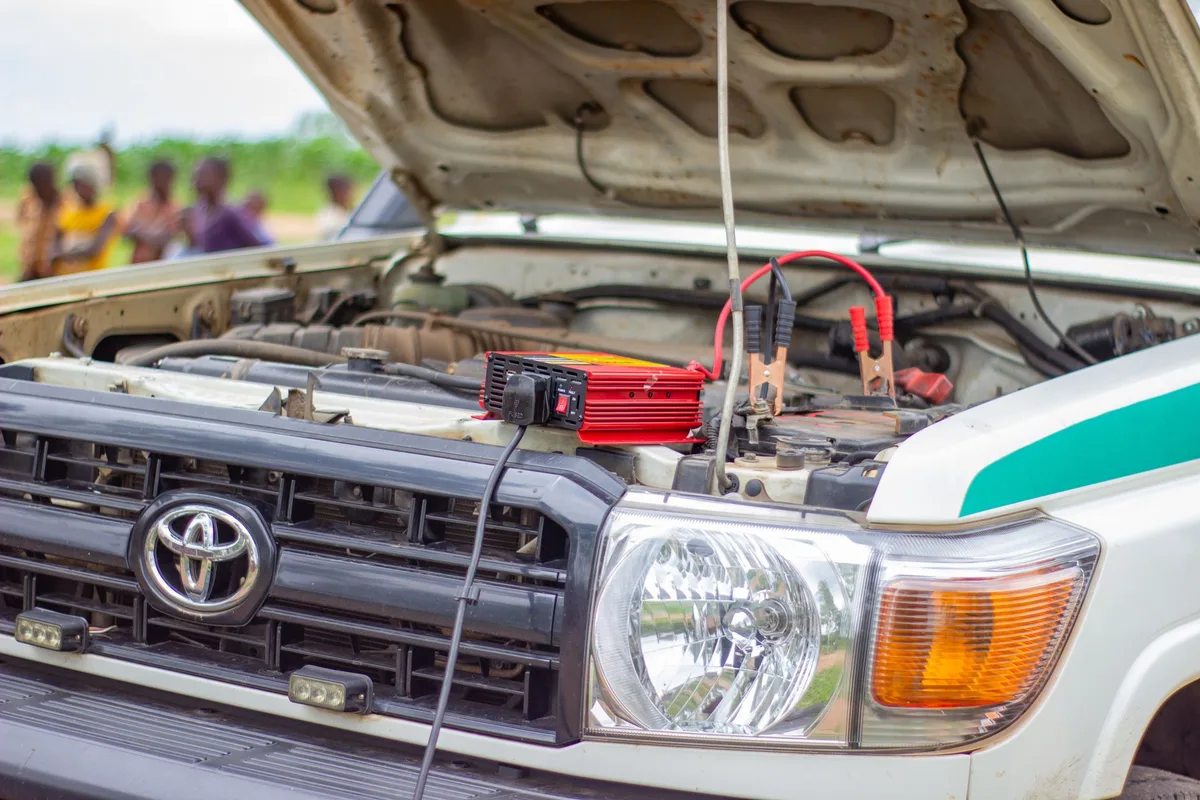
Connect positive first, then the ground last, to keep sparks away from the battery. Clip the red clamp to the positive (+) terminal. Then attach the black clamp to a clean, unpainted metal ground point on the engine block, not the negative post.
Grounding away from the battery keeps any spark clear of vented hydrogen gas. Only after both clamps are secure do you plug in and switch on the charger.
To disconnect, reverse it. Turn off and unplug the charger first. Remove the black ground clamp, then the red positive clamp last.
How Long It Really Takes (Charge Time by Amp Rate and State of Charge)
Charge time depends on two things: how empty the battery is and how many amps you push. A half-dead battery fills faster than a fully flat one.
Here's a rough guide for a typical 50Ah car battery:
| Charger Amps | From 50% Charge | From Nearly Flat |
|---|---|---|
| 2A | 6–12 hours | 12–24 hours |
| 4A | 3–6 hours | 8–12 hours |
| 10A | 1–3 hours | 4–6 hours |
These are estimates, not stopwatch numbers. Smart chargers slow down near the end during the absorption stage, which stretches the final stretch but protects the battery.
A quick math trick helps you plan. Divide the amp-hours you need to replace by the charger's amps. A battery that's 50% down on a 50Ah pack needs about 25Ah, so a 5-amp charger takes roughly five hours plus absorption time.
Don't judge readiness by the clock alone. Check resting voltage after charging. If it settles near 12.6 volts and holds, you're good.
If it sags back down within an hour, the battery may not hold a charge anymore.
Charging Without Removing the Battery vs Taking It Out
You can usually charge the battery right where it sits, no removal needed. Leaving it in place is fine for most modern smart chargers, and it keeps your car's memory settings alive.
Charging in place works best when:
- The charger is a low-amp smart or maintainer type
- Terminals are accessible and clean
- You ground to the engine block, not the negative post
Pull the battery out when the situation calls for it. Removal makes sense if the terminals are badly corroded, if the battery is frozen and needs to thaw indoors first, or if you're doing a slow bench charge on a battery that's been sitting for months.
One heads-up on newer cars. Disconnecting the battery can reset the clock, radio presets, and some driver settings. A cheap memory saver plugged into the OBD port avoids that hassle.
If your battery keeps needing charges, it's worth checking whether a hidden current drain is pulling it down while parked.
Mistakes That Ruin Batteries: Frozen, Swollen, and Overcharged
Most battery damage from charging comes down to a handful of avoidable errors. Each one is easy to sidestep once you know it.
- Charging a frozen battery. The electrolyte can expand, crack the case, and even burst. Let it thaw fully at room temperature first.
- Charging a swollen or leaking battery. Bulging usually means past overcharging or internal failure. Replace it, don't charge it.
- Overcharging with an old manual charger. No auto shut-off means it can boil off electrolyte and warp the plates.
- Using the wrong mode. A standard charge on an AGM or lithium battery can overheat and ruin it.
Cold weather deserves extra caution. Battery capacity drops in the cold, and a low charge freezes at a higher temperature than a full one. That's why weak batteries often die on the first frosty morning, something we cover in cold-weather voltage behavior.
One more subtle mistake: assuming a charge fixes a dead cell. If a battery reads far below 10.5 volts and won't climb, or one cell stays low, it's likely finished. No charger revives a shorted cell.
Safety Rules: Hydrogen Gas, Acid, and Ventilation
Lead-acid batteries vent hydrogen while charging, and that gas is explosive near a spark or flame. Ventilation is your first line of defense.
Follow these basics every time:
- Charge in an open, well-ventilated space. Never a sealed room.
- No smoking, no open flames, no sparks nearby.
- Wear eye protection and gloves. The electrolyte is sulfuric acid.
- Keep the charger off and unplugged while you connect or disconnect clamps.
If acid contacts skin, rinse with plenty of water right away. For eye contact, flush with water and get medical help. A box of baking soda nearby neutralizes small acid spills fast.
Handle the battery carefully too. It's heavy, and the posts can spark if a metal tool bridges them. Keep wrenches and rings away from the terminals.
When a battery reaches the end of its life, recycle it at an auto parts store or hazardous waste site, since lead and acid don't belong in the trash.
When Charging Won't Fix It (Bad Cell, Deep Discharge, Replacement)
Some batteries are past saving, and charging just wastes your time. If a battery won't climb above 10.5 volts after hours on the charger, a cell has likely failed.
Watch for these red flags:
- Voltage that drops right back down after charging
- One cell reading much lower than the rest
- A case that's swollen, cracked, or leaking
- A battery older than 5 years that's slow to crank
Most car batteries last 3 to 5 years. Past that, replacement usually beats repeated charging.
Keeping a Stored or Seasonal Battery Alive With a Maintainer
A battery maintainer keeps a parked vehicle's battery topped up without overcharging. It trickles in just enough to offset natural self-discharge, then floats.
This is the move for classic cars, motorcycles, RVs, and boats that sit for weeks. A battery left unused can self-drain and sulfate, which permanently cuts capacity. Plug in a maintainer over winter and the battery is ready in spring.
Charger Costs and What You Actually Need to Spend
Most drivers need to spend $30 to $60, not more. A basic smart charger in that range handles everyday charging and doubles as a maintainer.
| Budget | What You Get |
|---|---|
| $30–$50 | Smart charger, auto shut-off, maintainer mode |
| $60–$100 | Higher amps, AGM and lithium modes |
| $100–$150 | Fast charging plus recovery for deeply drained batteries |
Skip pricey features you won't use. A simple 4-amp smart unit covers most cars just fine.
Common Questions About Charging a Car Battery
Can you leave a car battery charger on overnight?
Yes, if it's a smart charger or maintainer with auto shut-off. These stop or float once full, so they won't overcharge. Avoid leaving old manual chargers on unattended overnight.
Do you need to disconnect the battery to charge it?
No, most smart chargers work with the battery in place. Ground the black clamp to the engine block instead of the negative post. Remove it only if terminals are badly corroded.
How do you know when a car battery is fully charged?
A fully charged battery rests near 12.6 to 12.8 volts an hour after charging. Smart chargers also show a full or green light. If voltage sags quickly, the battery may be failing.
Can a completely dead battery be recharged?
Sometimes, if the cells are still healthy. A charger with a recovery mode can wake a deeply discharged battery. But a battery reading 0 volts or with a bad cell usually needs replacing.
Your Quick Decision Guide for Any Charging Situation
Run through this fast checklist and you'll know your next move:
- If it cranks slow but starts, then a top-up charge is all you need.
- If it's flat but healthy, then slow charge at 2 to 4 amps.
- If it's an AGM or lithium battery, then use the matching charger mode.
- If it's frozen, swollen, or leaking, then don't charge it, replace it.
- If it sits unused for weeks, then keep a maintainer on it.
- If it won't hold a charge, then test the cells and plan a replacement.
Match the method to the battery in front of you, and charging stays safe, simple, and cheap.

Similar Posts